


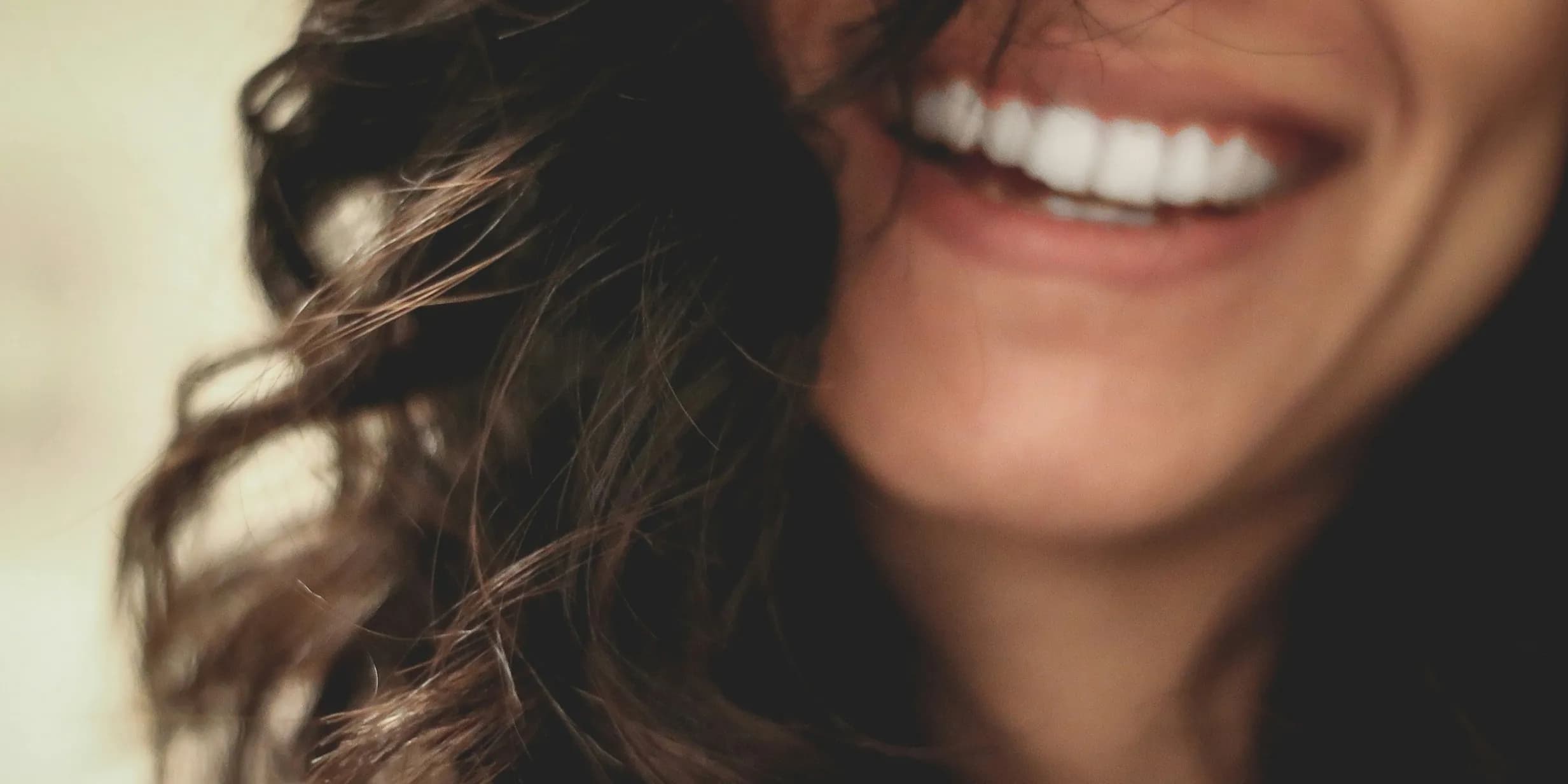
Auf Fotos sehe ich entweder aus wie eine Elfe oder wie eine Hexe. Ich kann nicht beeinflussen, welche Version gerade zum Vorschein kommt, aber auf jedem Bild setzt sich eine von beiden durch. Und ehrlich gesagt: Keine davon wäre meine erste Wahl. Fotogen war ich nie im klassischen Sinn, also nach dem Maßstab, der oft mit Gesichtssymmetrie verbunden wird. Besonders gestört hat mich das nie. Im vergangenen Jahr habe ich allerdings gemerkt, dass ich Bilder von mir selbst genauer betrachte als früher.
Das liegt wahrscheinlich auch daran, dass wir uns heute häufiger sehen als je zuvor. Videoanrufe sind zu einem zentralen Bestandteil unserer Kommunikation geworden. Durch Zoom und FaceTime werden wir ständig mit unserem eigenen Gesicht konfrontiert. Spiegel bestehen längst nicht mehr nur aus Glas. Sie flimmern digital durch unseren Alltag, sowohl beim Arbeiten als auch zu Hause. Dazu kommt, dass Schönheitsoperationen immer normaler werden. Kein Wunder also, dass viele von uns den Druck spüren, ihr Aussehen „perfektionieren“ zu müssen.
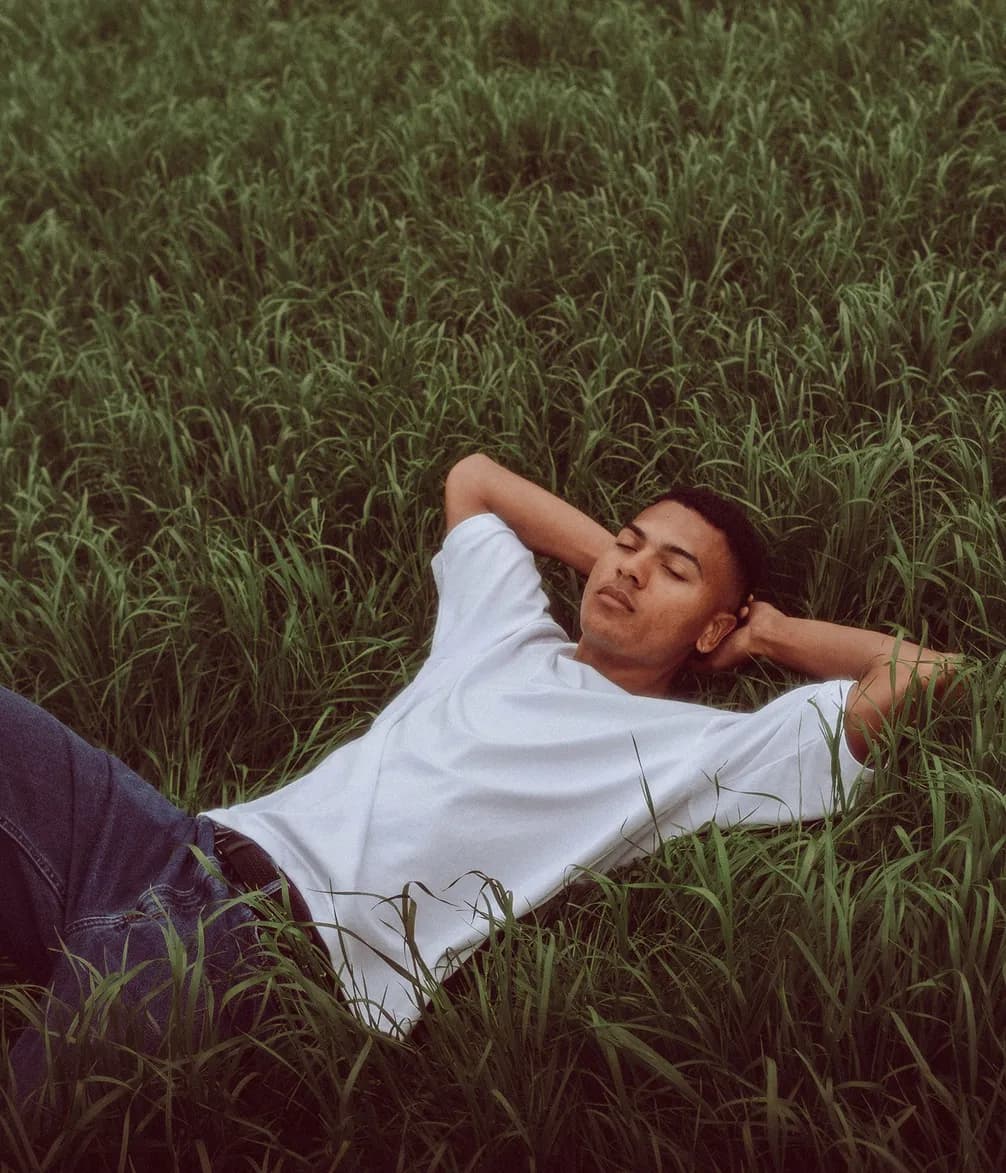
Photos: Collins Lesulie, Unsplash
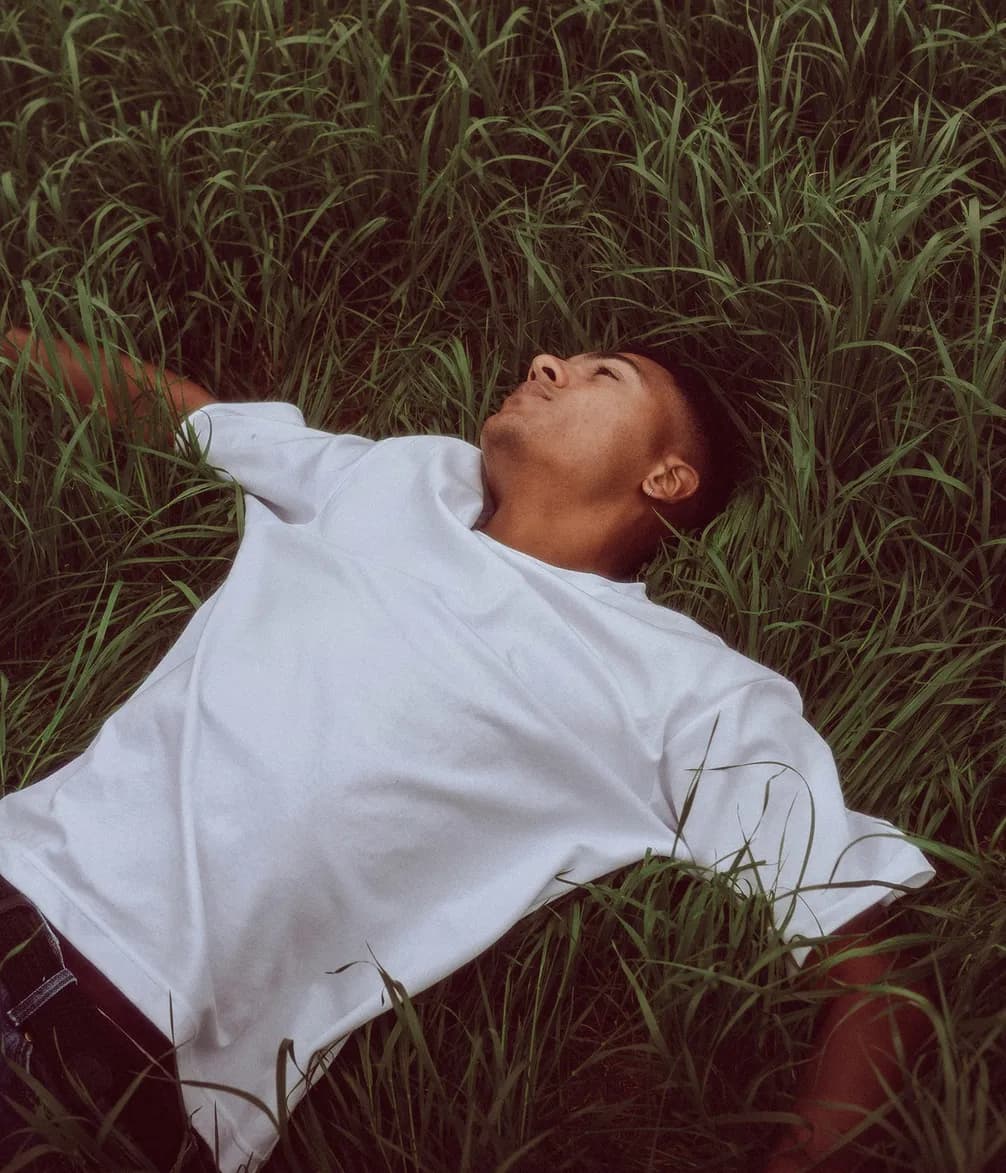
Turn your body slightly away from the camera
Facing the lens dead-on tends to flatten your frame, which is rarely flattering. Instead, turn your body to one side at a 30-45 degree angle, then turn your head back towards the camera. This creates a more dynamic pose, and it’s the most reliable trick professional models use. Practise it a few times in a mirror so it becomes automatic rather than something you have to think about mid-photo.
Relax your shoulders before the shutter clicks
Tension shows up first in the shoulders. Most people hunch or stiffen the moment they know a photo is being taken, which makes the whole body look rigid. Roll your shoulders back and down, take a breath, and let them drop before the photo is taken. It sounds like a small thing but it changes your entire posture and makes you look at ease rather than braced.
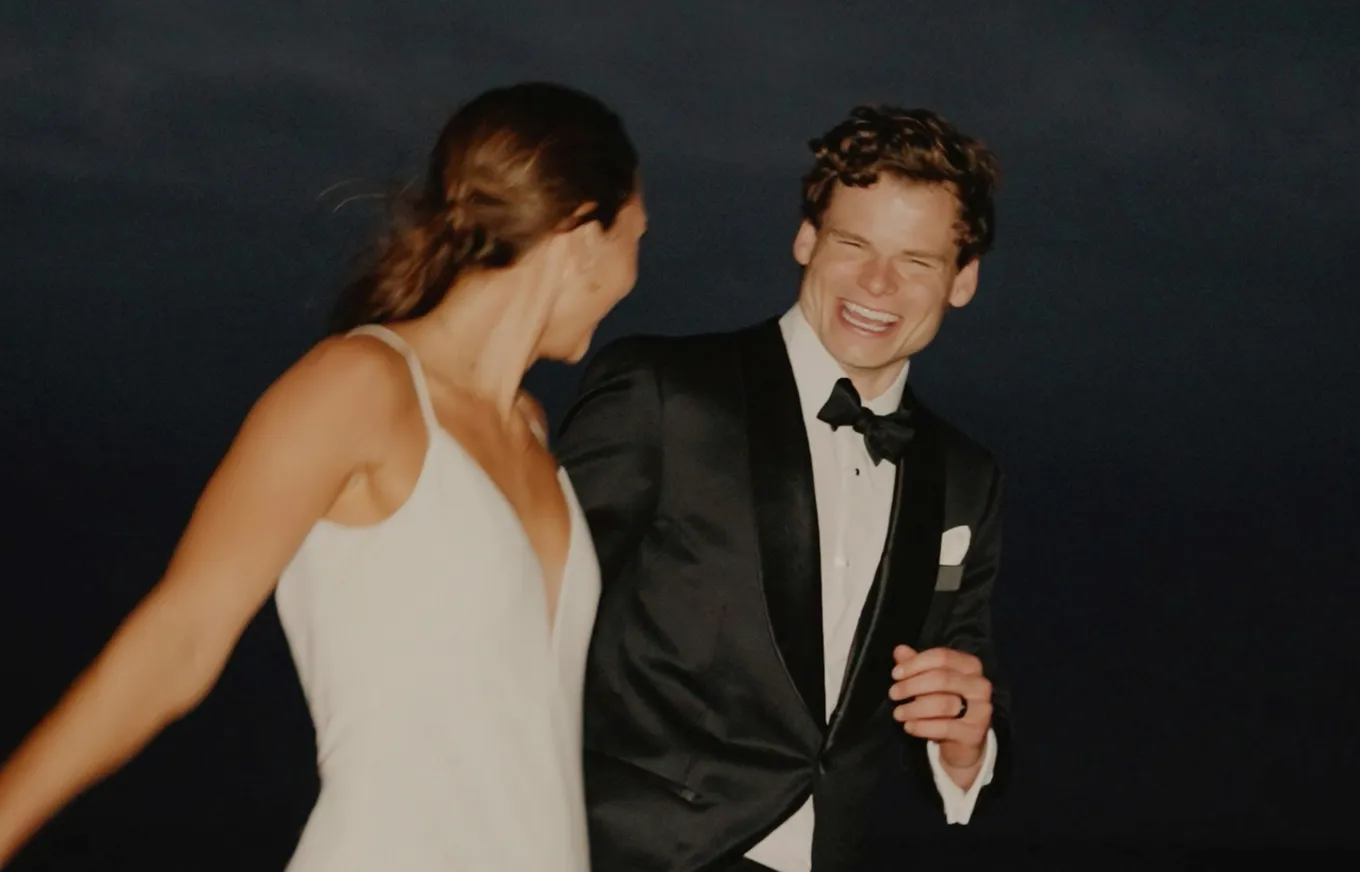
Photo: Luxury Wedding Films, Unsplash
Engage your eyes, not just your mouth
A smile that only moves your mouth reads as forced. A genuine smile involves the eyes too – the muscles around them tighten slightly and the lower eyelid lifts a touch. You can’t fake this convincingly, but you can trigger it by thinking of something that actually makes you happy for a second before the photo, rather than simply saying “cheese”. Photographers often ask a quick question or make a joke for exactly this reason.
Give your face something to do between poses
The most awkward photos are usually taken in the moment between poses, when your face has gone blank waiting for the next instruction. Keep a flicker of expression going even when you’re not “performing” for the camera – a slight smile, a raised eyebrow, a look of genuine interest in whoever you’re talking to. Some of the best candid shots happen in these in-between moments, so don’t switch off just because you think the photo’s already been taken.
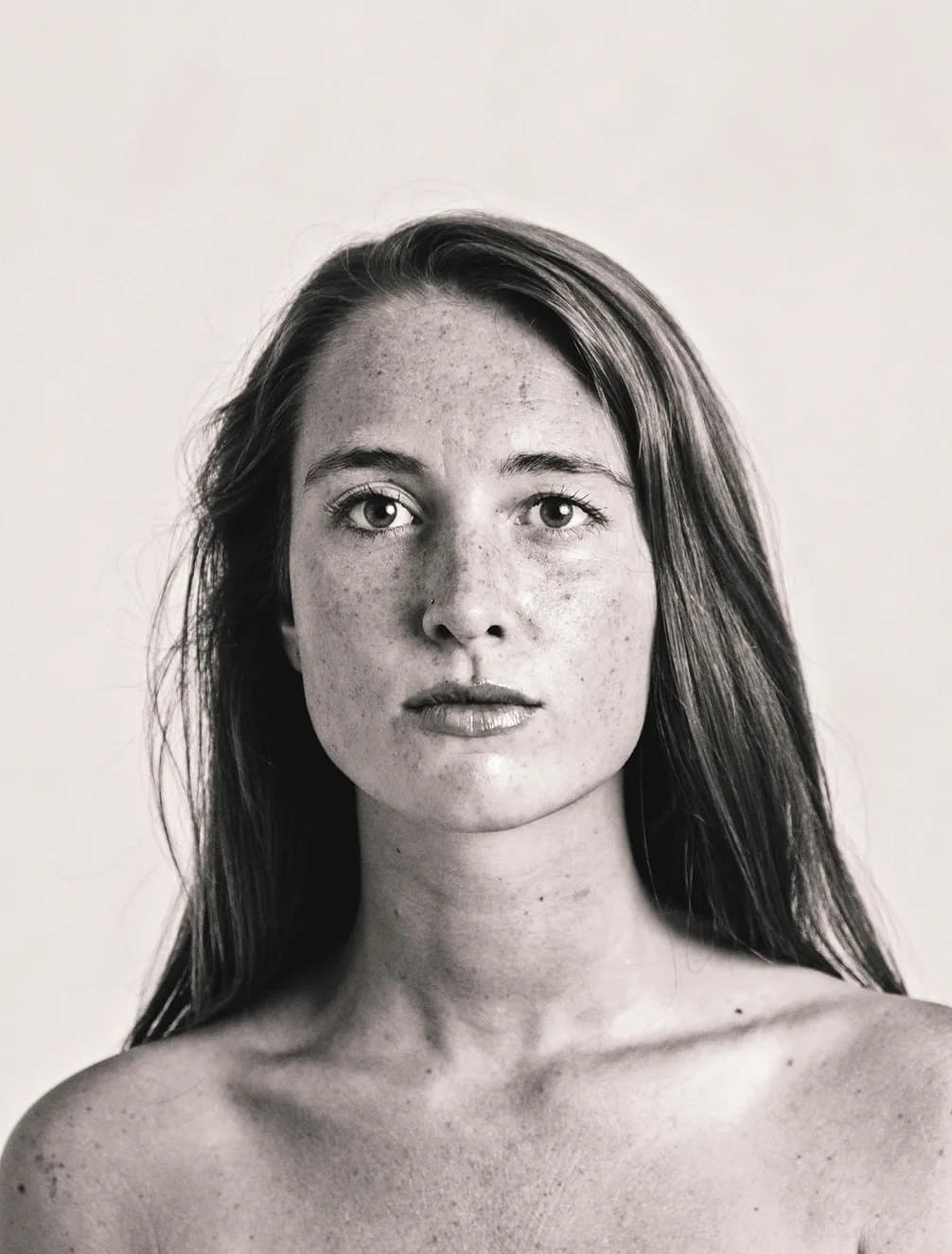
Photo: Matt Reiter, Unsplash
Find your light before you find your pose
No amount of posing fixes bad lighting. Harsh light directly overhead casts shadows under the eyes and nose; light from behind you silhouettes your face. Before you worry about angles, find where the light is soft and where it’s coming from – stand near a window, in open shade or with your back to the sun rather than facing into it. Once the light is right, everything else becomes easier.
Practise your angles with your own camera
You don’t need a professional shoot to learn what works. Take a series of selfies or ask a friend to snap a few frames from different angles and heights, then actually look at which ones you like and why. Most people have one or two angles that consistently photograph better – often a slight tilt of the head or a particular side of the face – and once you know yours, you can find it instinctively in any photo situation.
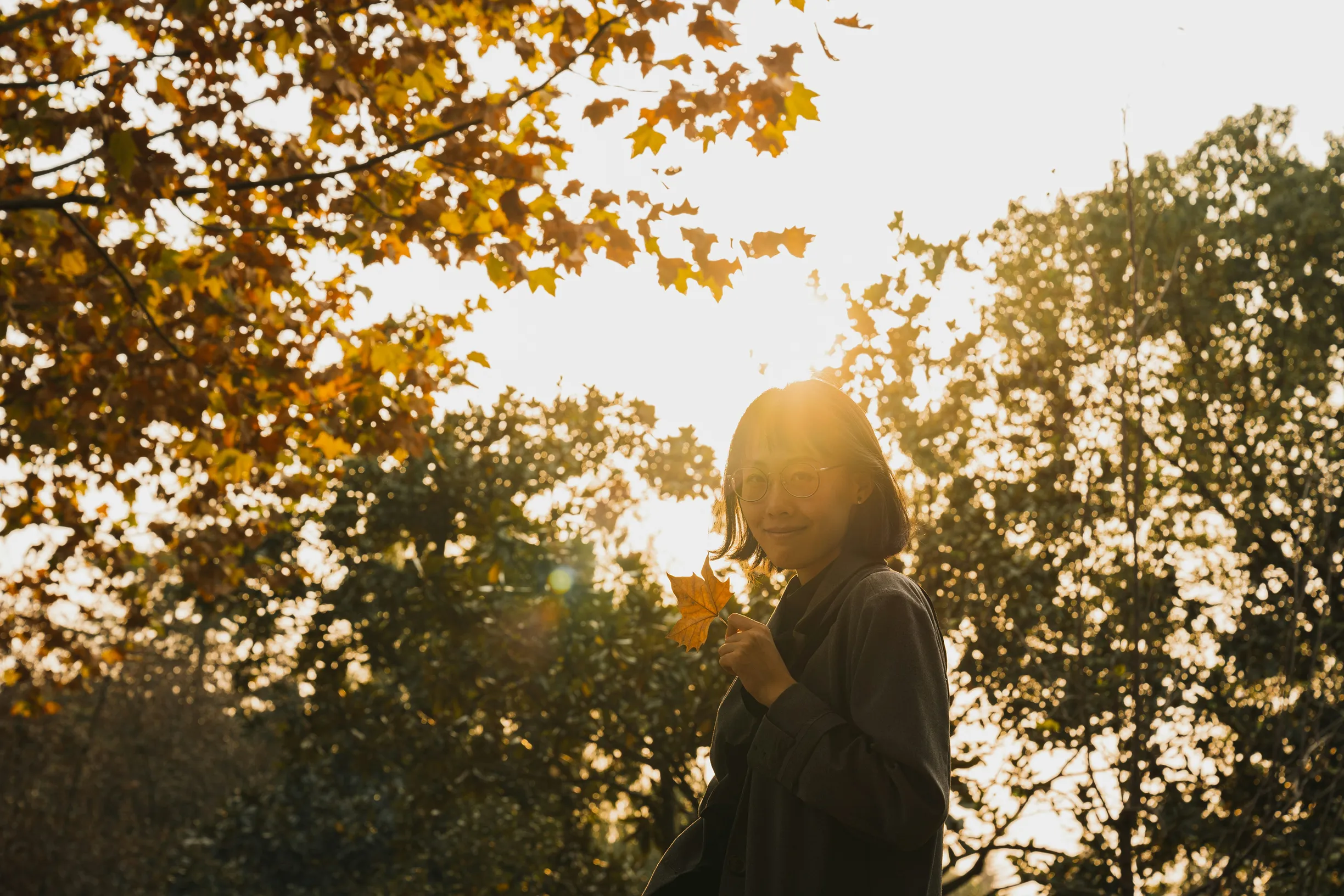
Photo: Zhenzhong Liu, Unsplash
Keep your hands relaxed and purposeful
Hands are one of the most common giveaways of an uncomfortable subject – clenched fists, awkwardly stiff fingers or hands with nothing to do. Give them a light job: rest one on your hip, hold a drink, tuck a hand loosely in a pocket or simply let them hang naturally rather than pinning them to your sides. The goal is to look like you forgot your hands were being photographed at all.
Dress with the camera in mind
Busy patterns, small logos and clashing colours can distract from your face and sometimes create strange visual effects on camera. Solid colours, particularly ones that contrast with your skin tone and the background, tend to photograph more cleanly and keep the focus where you want it – on your expression, not your outfit. This matters more for planned photos than candid ones, but it’s worth thinking about before any event you know will be documented.
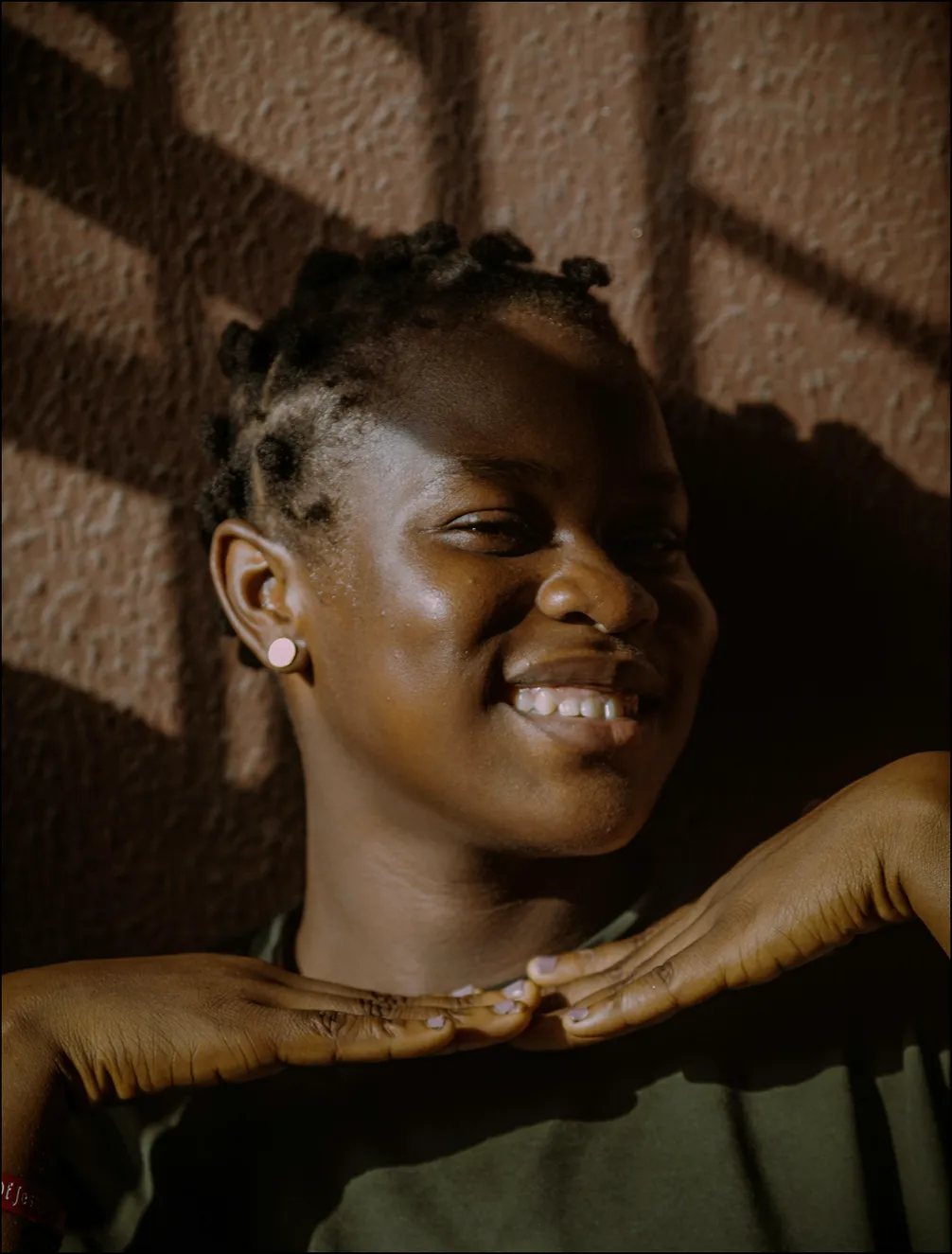
Photo: Moon Bouy, Unsplash
Build genuine confidence, not performed confidence
The habits above only go so far if you’re anxious about being photographed in the first place. Confidence reads clearly on camera and the fastest way to build it is simply taking more photos until the process feels ordinary rather than stressful. Shift your weight slightly onto your back foot, keep your chin and shoulders in the positions above, and remind yourself that a slightly imperfect photo is far more normal – and more human – than the polished images you’re comparing yourself to.
None of these tips require expensive equipment, professional lighting or a stylist. They’re habits, and like any habit, they get easier with repetition. Try one or two at a time rather than all ten at once, and you’ll likely notice a difference in your photos within a few tries.
Laden Sie die App herunter
Dank Popsas praktischer Gesichtserkennung und unseren Intelligenten Alben kannst du Erinnerungen jetzt noch schneller wiederfinden.


In Verbindung stehende Artikel
&w=96&q=75)
28. Apr. 2026∙6 min
&w=96&q=75)
8. Apr. 2026∙7 min
&w=96&q=75)
8. Juni 2026∙6 min


 Vereinigte Staaten