Insights

Les parcs nationaux les plus photographiés d’Allemagne

Des falaises de craie de Rügen aux rives alpines du Königssee : notre classement et analyse des parcs nationaux allemands favoris des voyageurs Popsa

Bradley Grantham

Bradley Grantham

Lead data scientist

29 avr. 20268 min

Les parcs nationaux les plus photographiés d’Allemagne

Par Georgina Groom-Rietschy

Des vasières de la mer des Wadden, au nord, jusqu’aux Alpes bavaroises, au sud, les parcs nationaux allemands couvrent une vaste étendue de paysages. À travers 16 parcs, certains des environnements les plus singuliers d’Europe — hêtraies anciennes, formations rocheuses volcaniques ou vastes zones humides soumises aux marées — attirent les amateurs de nature tout au long de l’année.

Pour établir ce classement, nous avons adopté une approche rigoureuse fondée sur l’analyse de données, en étudiant des millions de photos de clients afin de déterminer le nombre de clichés pris par kilomètre carré. Cette méthode révèle les destinations qui ont le plus marqué les pellicules numériques en 2025.\n\nLe parc national de Jasmund arrive en tête, malgré sa petite taille, tandis que le parc national du Harz s’impose comme l’un des exemples les plus aboutis de renaturation en Allemagne. Plus au nord, le parc national de la mer des Wadden de Basse-Saxe figure parmi les meilleurs sites d’observation des oiseaux au monde, accueillant plus de dix millions d’oiseaux migrateurs chaque printemps et chaque automne.

Pour en savoir plus sur l’analyse des données et la méthode de classement utilisée pour établir les indices de référence photo, consultez la méthodologie à la fin de cet article.

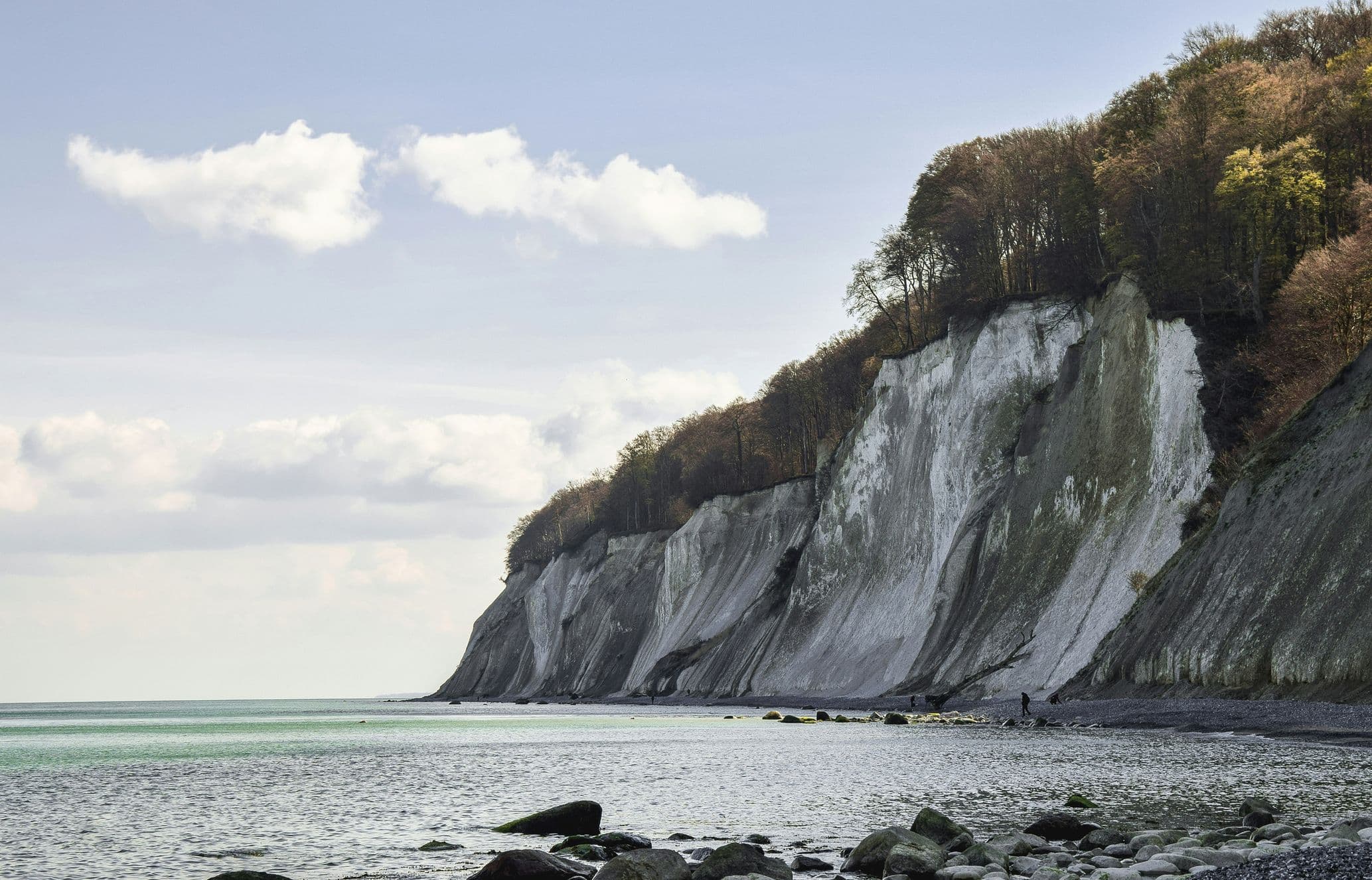
Falaise de craie de Königsstuhl. Photo : Unsplash

1. Nationalpark Jasmund, Mecklenburg-Vorpommern

Indice de référence photo : 100

Le plus petit parc national d’Allemagne arrive en tête de notre classement — une performance remarquable pour un territoire à peine plus vaste que le centre de Paris. Situé sur l’île de Rügen, le parc de Jasmund protège les falaises de craie du Königsstuhl, qui s’élèvent à 118 mètres au-dessus de la mer Baltique et ont été immortalisées par Caspar David Friedrich dans un tableau de 1818, ainsi que la hêtraie de Stubnitz, classée au patrimoine mondial de l’Unesco. Le point de vue du Königsstuhl offre l’image emblématique du parc : falaises immaculées et mer d’un bleu profond, à photographier de préférence à l’aube, depuis la plateforme d’observation, avant l’arrivée des visiteurs venus pour la journée. Des pygargues à queue blanche planent régulièrement au-dessus des falaises, tandis que le sentier du Hochuferwanderweg, long de 10 km, longe la côte entre Sassnitz et Lohme, dévoilant certains des panoramas les plus spectaculaires du parc.

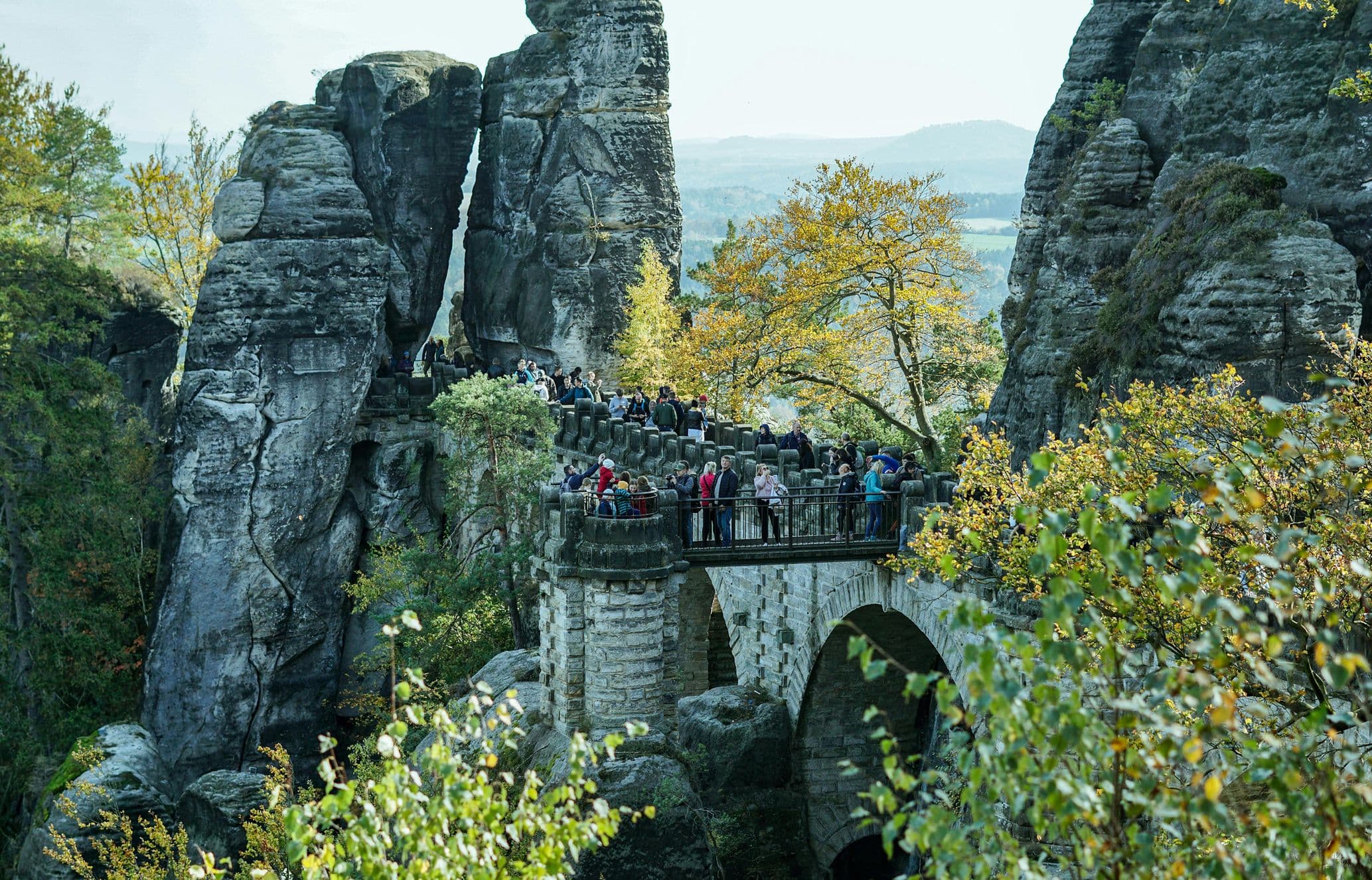
Bastei, formation rocheuse. Photo : Pexels

2. Saxon Switzerland National Park, Saxony

Photo index score: 99

Located 30km southeast of Dresden on the Czech border – where it connects seamlessly with Bohemian Switzerland National Park – this landscape of sandstone pillars, narrow gorges and dense pine forest is unlike anywhere else in Germany. The Bastei rock formation, a cluster of sandstone spires rising 194m above Elbe River, is the park’s most popular viewpoint. Go for sunrise and capture it from the 1851 sandstone bridge, or from nearby Ferdinandstein, which frames the bridge against the valley below. Beyond the main sights, the Schrammsteine ridge and the natural sandstone arch of the Kuhstall reward those who venture further. The Brand viewpoint (known as the Saxon Switzerland) offers sweeping panoramas stretching towards the Ore Mountains.

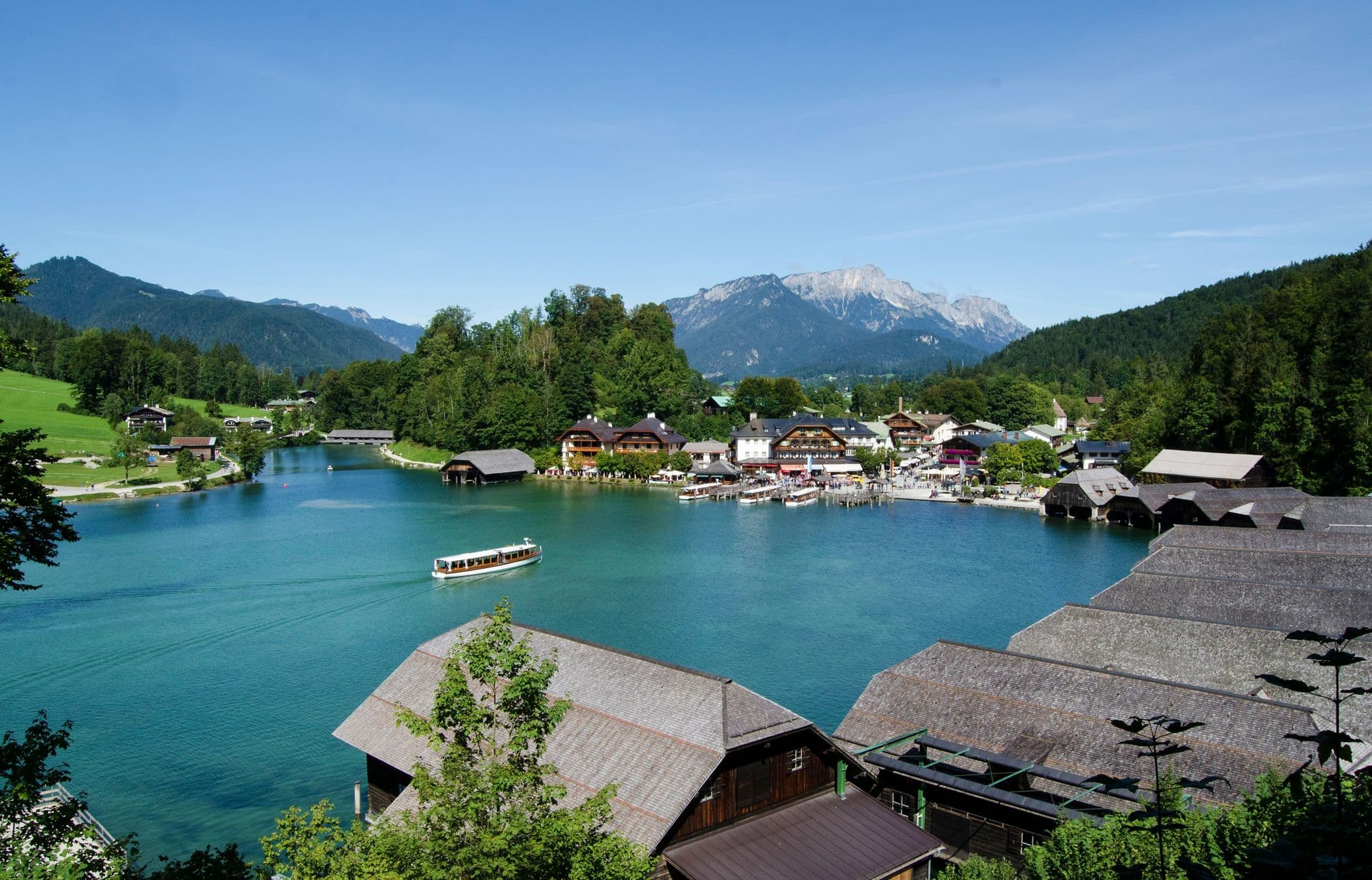
Königssee, lac alpin. Photo : Unsplash

3. Nationalpark Berchtesgaden, Bavaria

Photo index score: 84

Tucked into Germany’s south-eastern corner and almost entirely bounded by Austria – with Salzburg under an hour’s drive away – Berchtesgaden is the country’s only Alpine national park. The Königssee is the centrepiece, a glacier-carved lake with emerald waters that mirror the surrounding peaks. St Bartholomä, the red-domed pilgrimage church on the lake’s western shore, is the park’s most photographed subject, best reached by boat and framed against the sheer face of the Watzmann. Visit early morning before the first boats disturb the surface to capture the most striking reflections. The Malerwinkel viewpoint on the north shore provides a particularly tranquil spot. Nearby, Hintersee, close to Ramsau provides a quieter alternative, with its boulder-strewn shoreline and fir trees reflected in clear Alpine water.

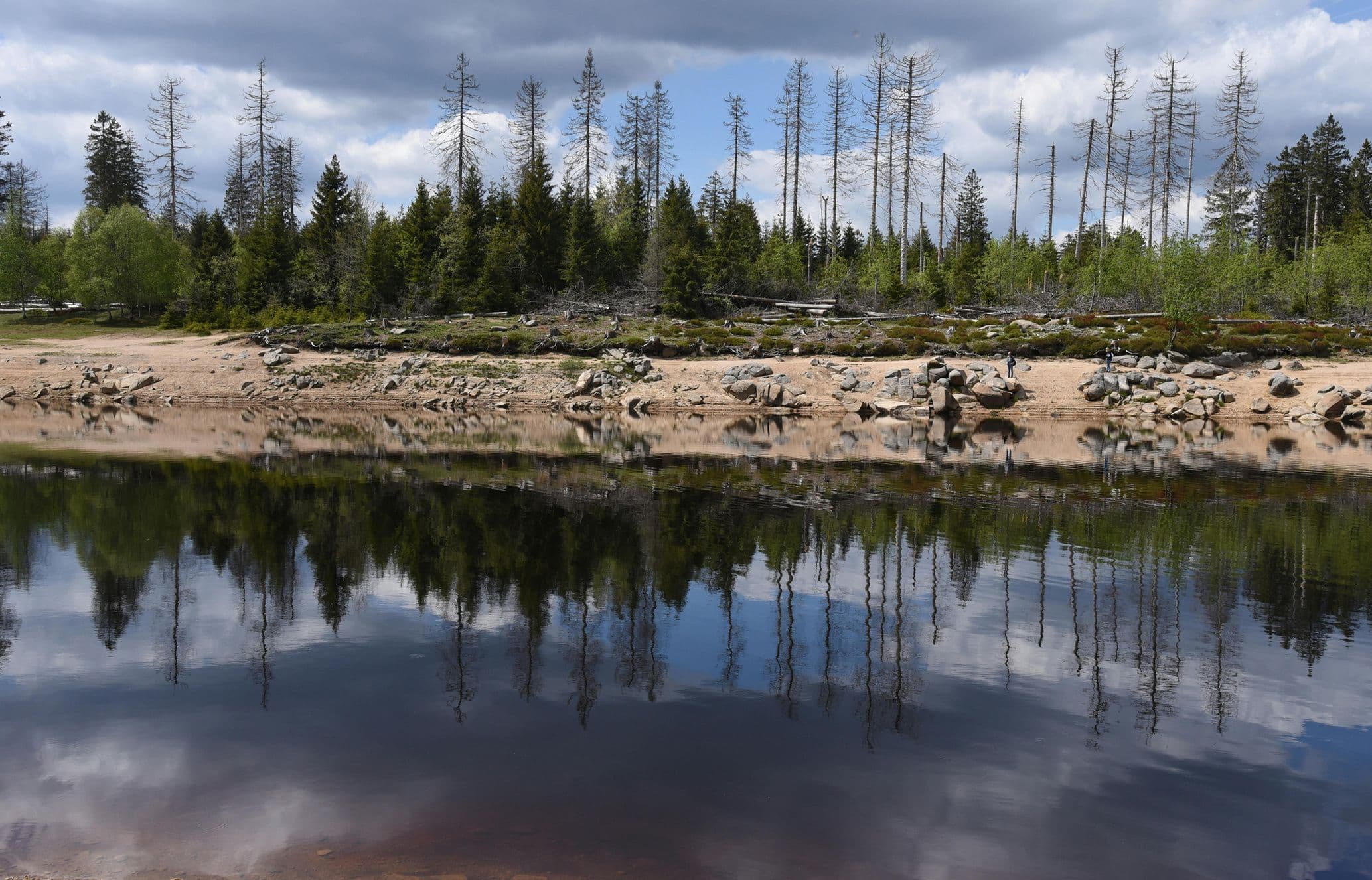
Réservoir historique d'eau d'oderteich. Photo : Pexels

4. Nationalpark Harz, Lower Saxony

Photo index score: 78

Straddling the border of Lower Saxony and Saxony-Anhalt, the Harz forms central Germany’s northernmost mountain range – a landscape of dense forest, glacial bogs and mist-draped peaks, which famously inspired Goethe to climb the Brocken in 1777, later weaving the ascent into the Walpurgis Night scene in Faust. At 1,141m, the Brocken is the highest point and the park’s defining viewpoint, accessible year-round via the historic Brockenbahn steam railway. The Radau waterfall and the Oderteich reservoir offer quieter compositions, while the ancient beech forests are at their most compelling in spring. The park is also one of Germany’s great rewilding success stories, with the Eurasian lynx successfully reintroduced in 2000 and now home to a stable, growing population.

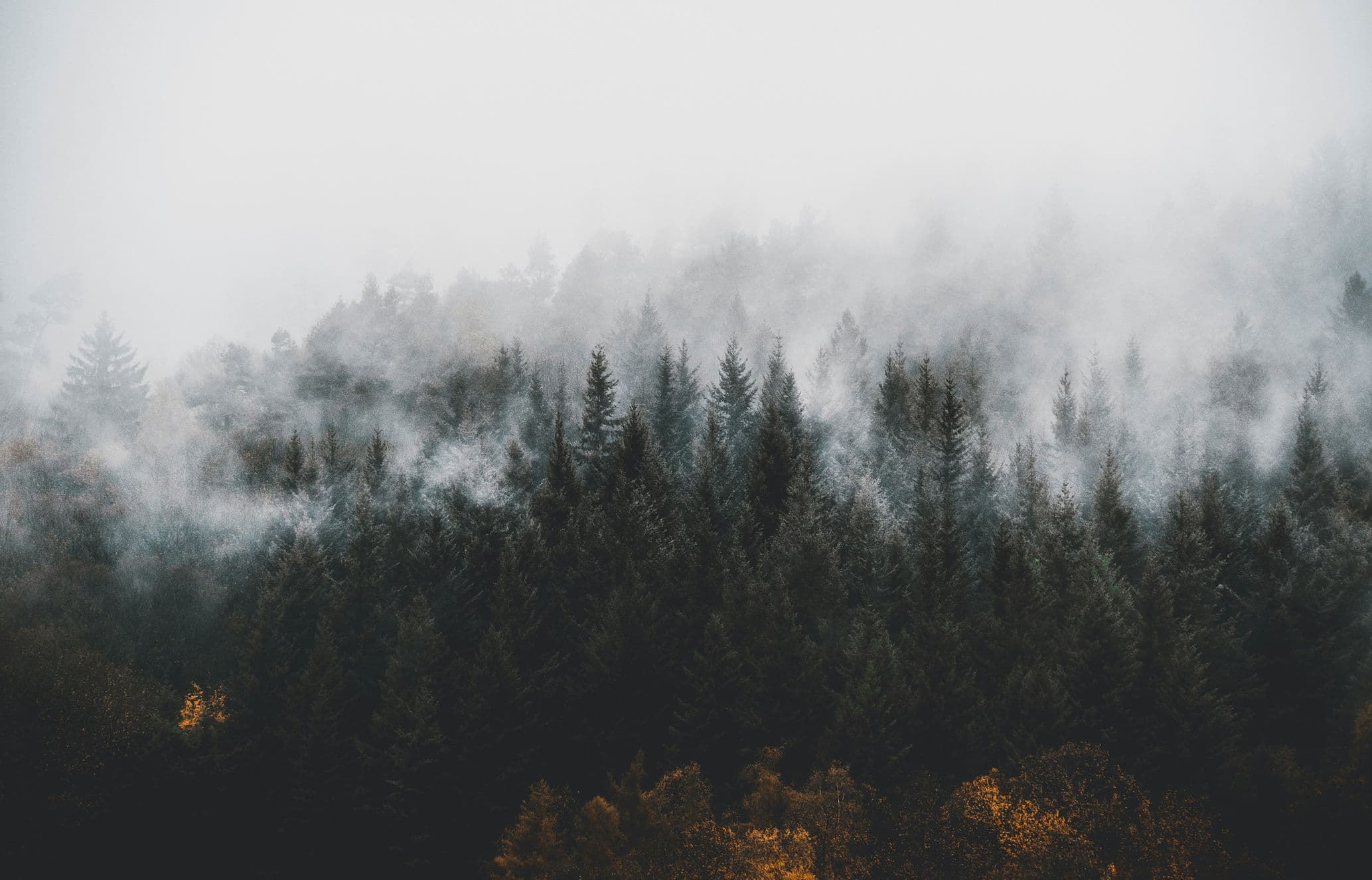
Forêt-Noire. Photo : Unsplash

5. Nationalpark Schwarzwald, Baden-Württemberg

Photo index score: 66

Germany’s newest national park protects one of the wildest sections of the Black Forest, a short drive from the French border. Its landscape of ancient spruce, fir and beech is particularly dramatic around the Hornisgrinde, where views extend west across the Rhine plain to the Vosges. The Wildsee, a glacial lake fringed by peat bogs is a must-visit, its still dark waters best photographed in the early morning. Elsewhere, the Lotharpfad trail – an 800m boardwalk – traces natural regeneration following a 1999 hurricane, with new growth set against sweeping views of the Rhine Valley and Vosges mountains.

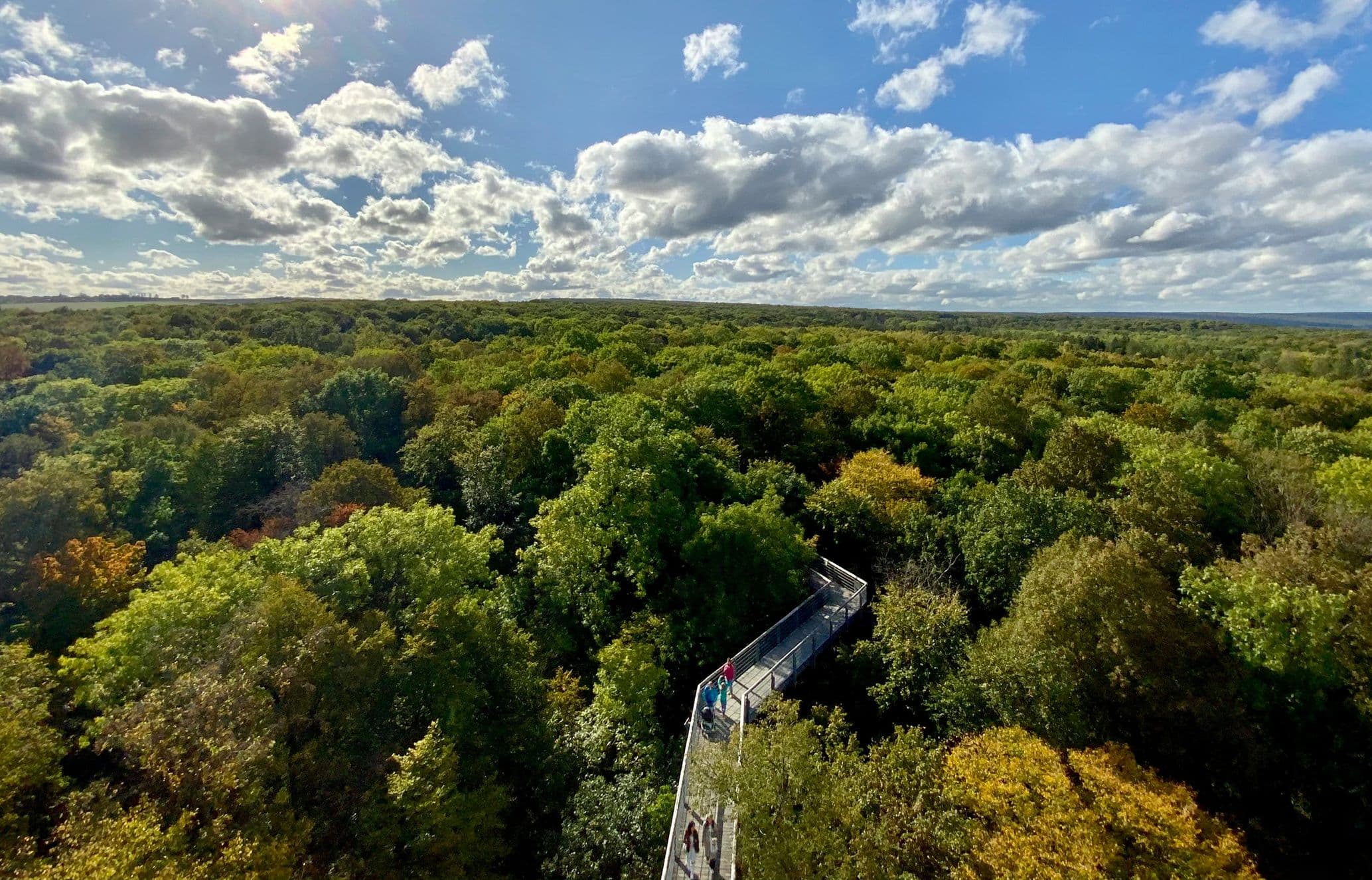
Baumkronenpfad passerelle suspendue. Photo : Unsplash

6. Nationalpark Hainich, Thuringia

Photo index score: 62

Hainich’s most elusive resident is the European wildcat, with one of Germany’s highest densities found along the 7km wildcat trail near Hütscheroda, where dawn offers the best chance of a sighting. Thuringia’s only national park and a Unesco World Heritage site, it protects one of the last remaining tracts of undisturbed beech woodland on limestone in Europe. The Baumkronenpfad canopy walkway rises 44m above the forest floor, offering a showstopping perspective across the treetops – particularly in autumn, when the beech canopy turns gold. Meanwhile, in spring, the forest floor is carpeted with wild garlic and wood anemones.

Bodden lagoons. Photo : Pexels

7. Nationalpark Vorpommersche Boddenlandschaft, Mecklenburg-Vorpommern

Photo index score: 58

Each autumn, the Bodden lagoons host one of Europe’s most spectacular crane migrations, with roughly 70,000 birds roosting overnight at Pramort. In a scene found nowhere else, red deer can also be photographed bellowing on the beach against the open Baltic during the October rut. Germany’s largest Baltic coast national park stretches across the Fischland-Darß-Zingst peninsula, the island of Hiddensee and the western shore of Rügen. Its landscape is defined by the constant interplay of land and water. The windswept beech forests of the Darß, shaped by decades of coastal gales, are among the park’s most distinctive features, while the Weststrand is famed for its storm-felled trees lying half-submerged in the Baltic which is one of the most photographed beaches in Germany at sunset.

Parc national de la forêt Bavaroise. Photo : Pexels

8. Parc national de la forêt Bavaroise, Bavière

Indice de référence photo : 57

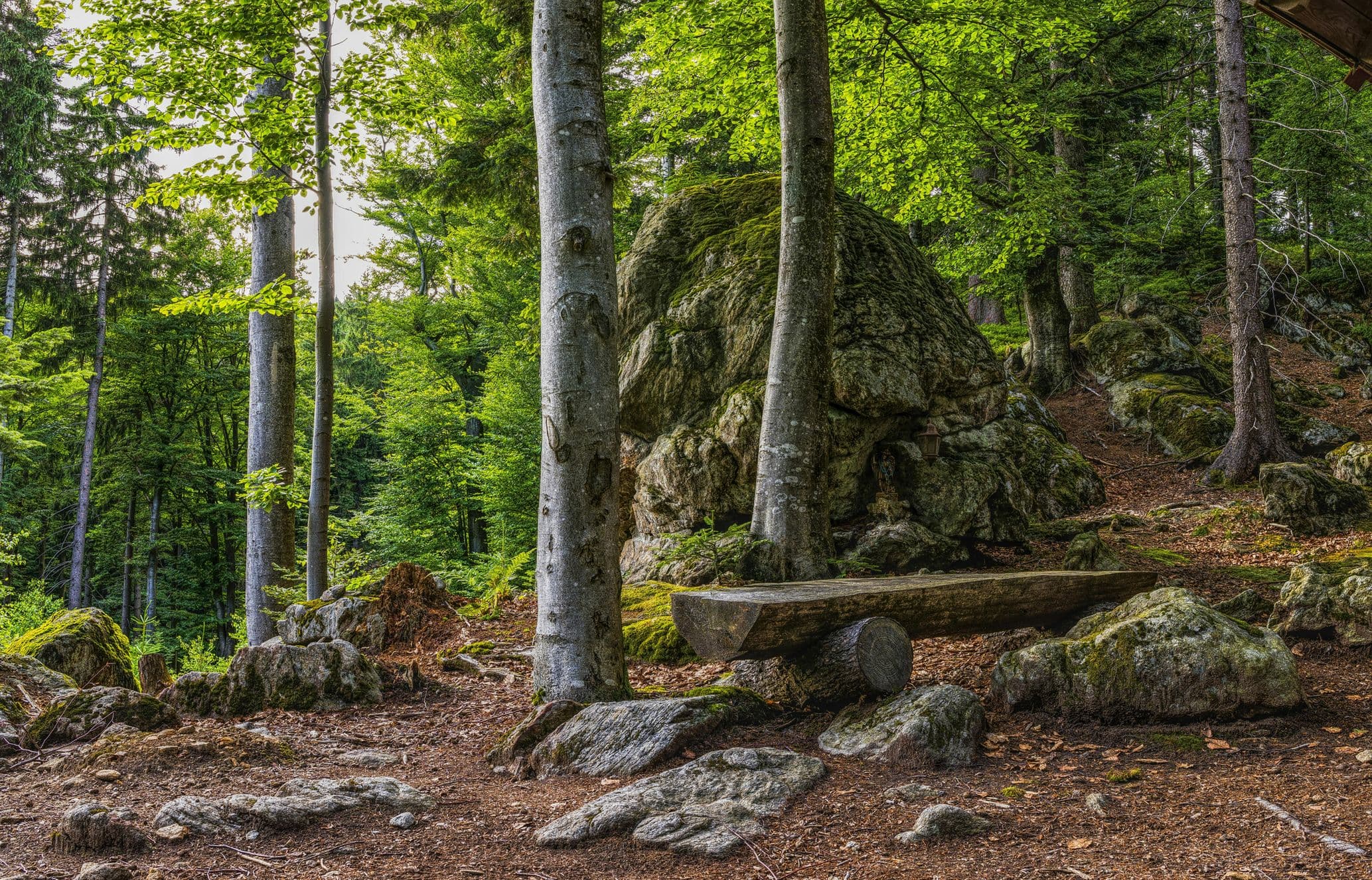
Créé en 1970 en tant que premier parc national d’Allemagne, le parc national de la Forêt bavaroise s’étend le long de la frontière tchèque, entre Zwiesel et Grafenau, et se prolonge jusqu’au parc national de Šumava pour former la plus vaste réserve forestière continue d’Europe centrale. Composé d’épicéas, de hêtres et de sapins anciens, il est façonné par des processus naturels : bois mort, clairières en régénération… autant d’éléments qui créent un paysage riche et stratifié. Les sommets du Lusen et du Rachel offrent des vues panoramiques au-dessus de la canopée, jusqu’aux hauteurs de Bohême, tandis que le Rachelsee se révèle particulièrement photogénique en automne. Lynx, loups, loutres d’Europe et bisons d’Europe ont tous fait leur retour ces dernières décennies, faisant de ce parc une destination de choix pour les photographes animaliers patients.

Nationalpark Eifel. Photo : Pexels

9. Nationalpark Eifel, North Rhine-Westphalia

Photo index score: 56

One of Germany’s designated dark sky areas, Eifel offers sweeping views of the Milky Way on cloudless nights, with the Vogelsang astronomy platform the most accessible spot for astrophotography. The park also supports the largest population of wildcats in central Europe, alongside red deer whose calls echo through the forest during the October rut. Just an hour from Cologne and Bonn, it is among the most accessible national parks in western Germany. The landscape combines volcanic hills, ancient oak and beech woodland, and reservoir lakes sitting along the Belgian border. The Hirschley viewpoint above the Rursee is the park’s standout shot, its forested slopes and open water best captured on clear mornings.

Bernaches nonnettes. Photo : Pexels

10. Nationalpark Niedersächsisches Wattenmeer, Lower Saxony

Photo index score: 56

Germany’s second-largest national park and part of the Unesco-listed Wadden Sea, this vast coastal landscape stretches from the Dutch border to the Elbe estuary, fringing the East Frisian Islands. Its vast mudflats are exposed twice daily as the sea retreats, revealing expansive tidal flats known as Priele, creating an ever-changing landscape of light, water and sky. Grey seals haul out on the sandbanks near Norderney, while the park lies on the East Atlantic Flyway, making it one of the world’s favourite birdwatching posts with more than ten million migratory birds refuelling here each spring and autumn. Sunrise and sunset produce the most vivid shots, when warm light catches the waterlogged flats and long shadows stretch to the horizon.

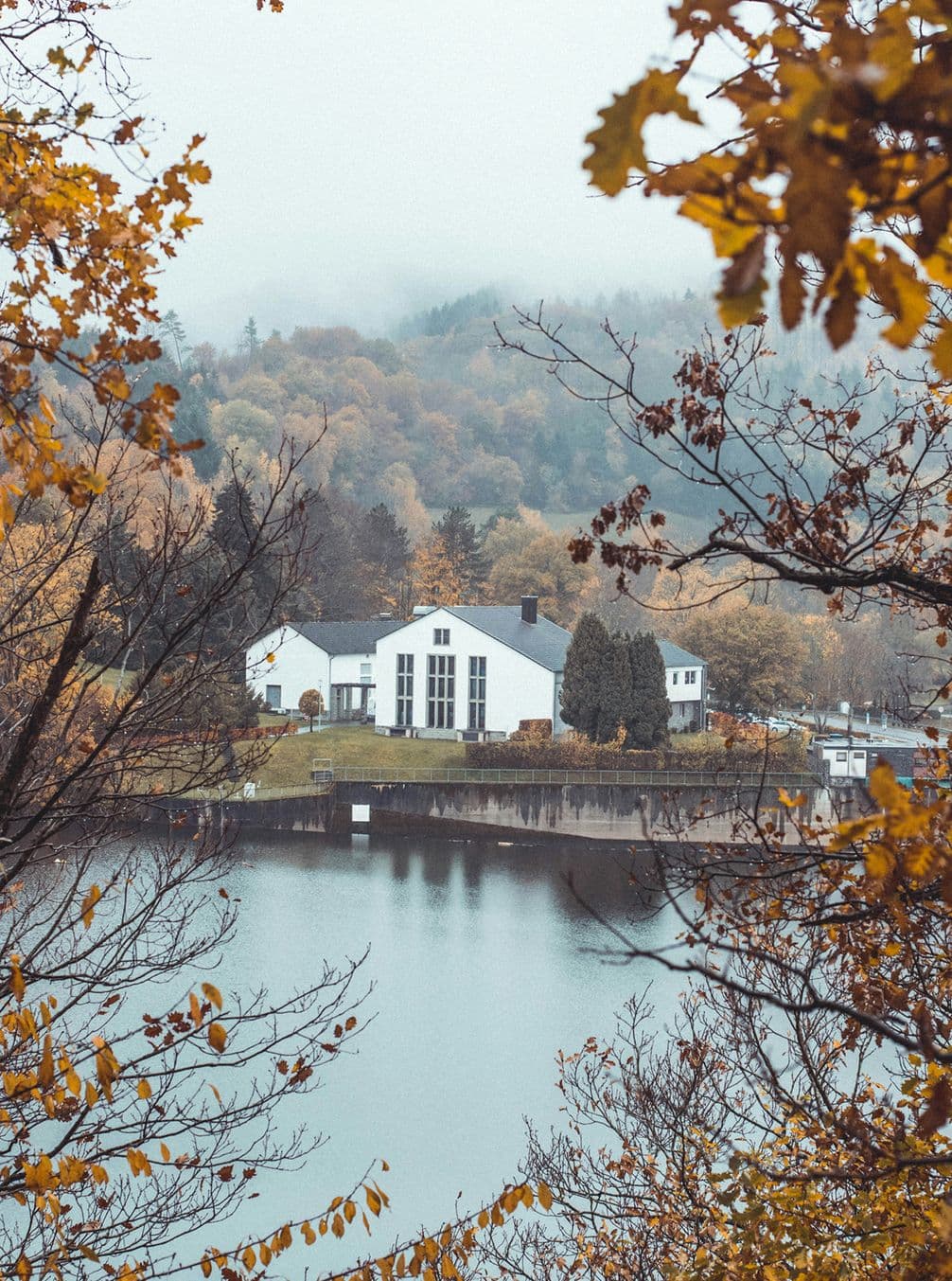
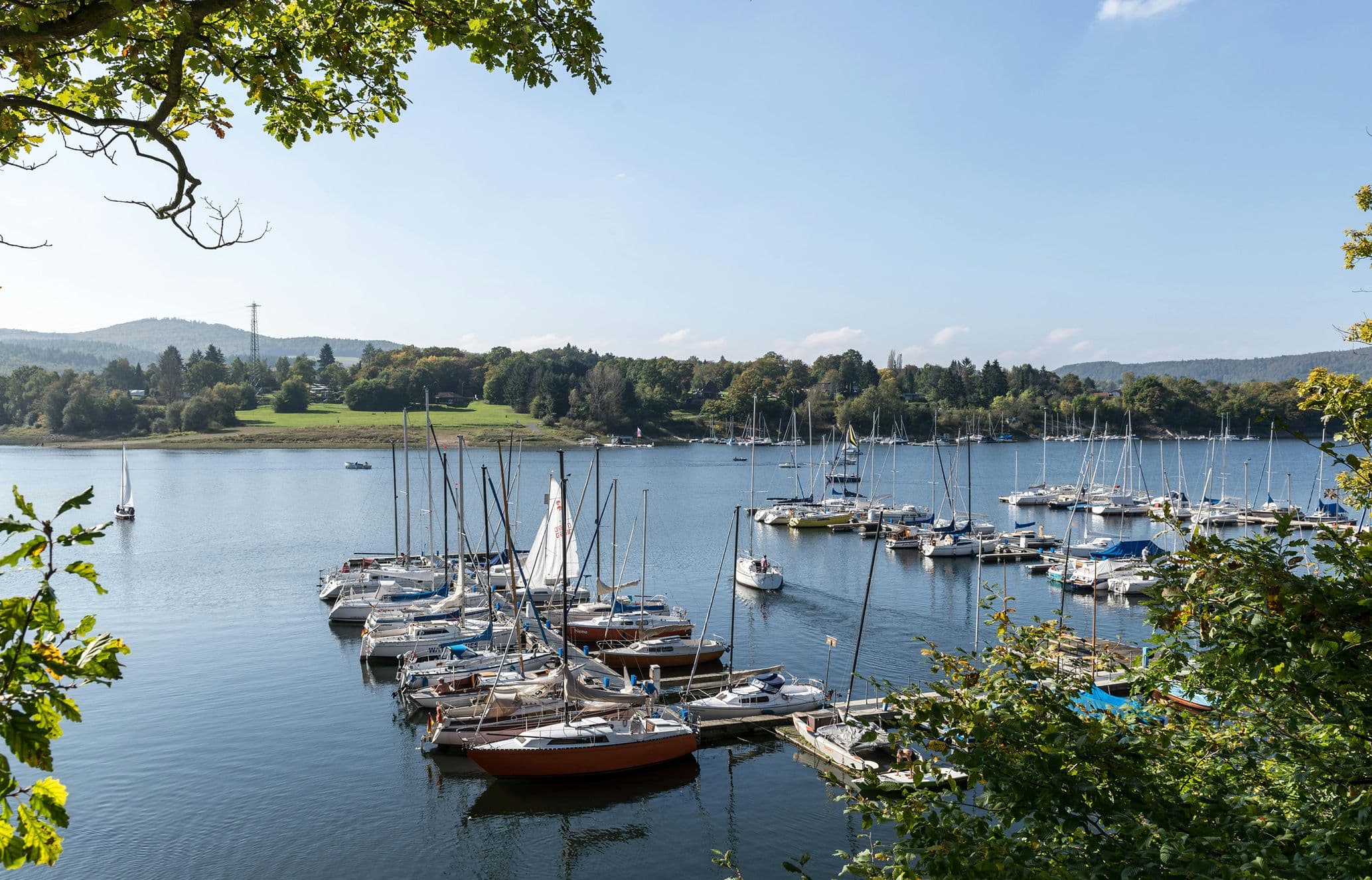
Marina sur le lac Eder à Rehbach. Photo : Pexels

11. Nationalpark Kellerwald-Edersee, Hesse

Photo index score: 56

12. Müritz-Nationalpark, Mecklenburg-Vorpommern

Photo index score: 49

13. Nationalpark Schleswig-Holsteinisches Wattenmeer, Schleswig-Holstein

Photo index score: 45

14. Nationalpark Hamburgisches Wattenmeer, Hamburg

Photo index score: 44

15. Nationalpark Hunsrück-Hochwald, Rhineland-Palatinate

Photo index score: 41

16. Lower Oder Valley National Park, Brandenburg

Photo index score: 39

Methodology

To determine the most photographed national parks in Germany, Bradley Grantham, Popsa’s data science team analysed millions of photos uploaded by customers in 2025. Using location metadata, we identified images taken within the boundaries of German national parks and ranked them based on total photo volume.

Each park was assigned a photo index score, which reflects the relative volume of photos taken per square km in the dataset. Scores were normalised on a scale of 0-100, with the most photographed park set as the benchmark. The result is a ranking that reflects real traveller behaviour, highlighting not just where people visit, but where they are most inspired to capture their memories.

Téléchargez l'application

Replongez dans vos souvenirs en toute simplicité grâce à des fonctionnalités exclusives comme la reconnaissance faciale et les albums intelligents.

App StoreApp Store
Téléchargez l'application