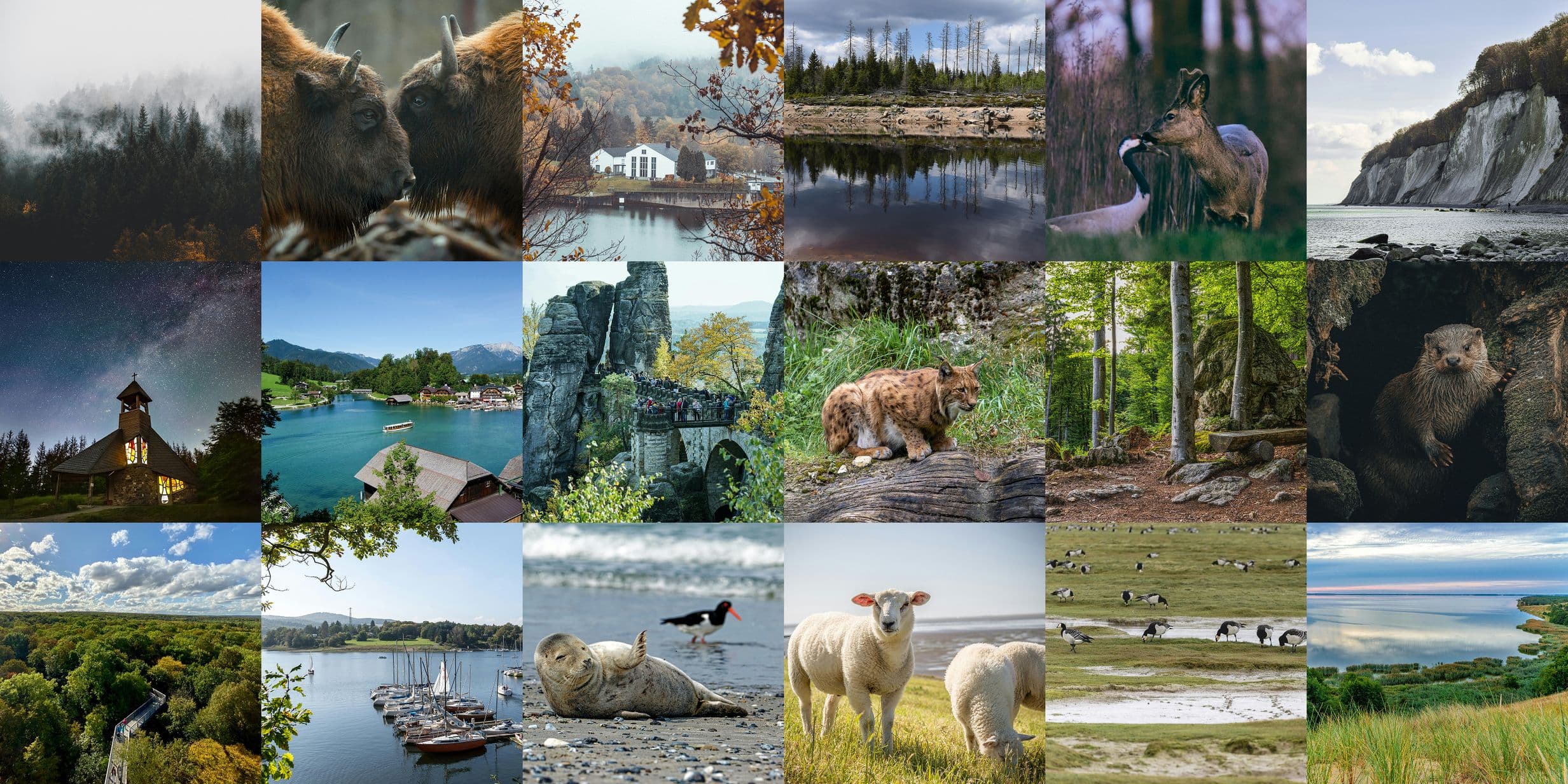
Insights

I parchi nazionali tedeschi più fotografati: la classifica

Dalle scogliere di gesso di Rügen alle rive alpine del Königssee, scopri la classifica dei parchi nazionali tedeschi più fotografati secondo i viaggiatori Popsa

Bradley Grantham

Bradley Grantham

Lead data scientist

29 apr 20268 min

I parchi nazionali tedeschi più fotografati: la classifica

Testo di Georgina Groom-Rietschy

I parchi nazionali tedeschi si estendono dalle distese fangose del Mare dei Wadden, a nord, fino alle Alpi Bavaresi, a sud. In 16 parchi si concentrano alcuni dei paesaggi più distintivi d’Europa, tra antiche faggete, formazioni vulcaniche e vaste zone umide soggette alle maree, che attirano appassionati di natura tutto l’anno.

Con un approccio rigoroso basato sulla data science, abbiamo analizzato milioni di foto dei nostri clienti per calcolare il numero di scatti per chilometro quadrato, individuando le destinazioni che hanno dominato i rullini fotografici nel 2025. Il Parco nazionale di Jasmund conquista il primo posto, nonostante sia il più piccolo di Germania, mentre il Parco nazionale dell’Harz si distingue come uno dei più importanti esempi di rinaturalizzazione del Paese. Altrove, il Parco nazionale del Wattenmeer della Bassa Sassonia, che attira oltre dieci milioni di uccelli migratori ogni primavera e autunno, è tra i migliori luoghi al mondo per il birdwatching.

Per scoprire nel dettaglio come sono stati analizzati e classificati i dati che determinano i punteggi dell’indice fotografico, consulta la sezione "Metodologia" alla fine dell’articolo.

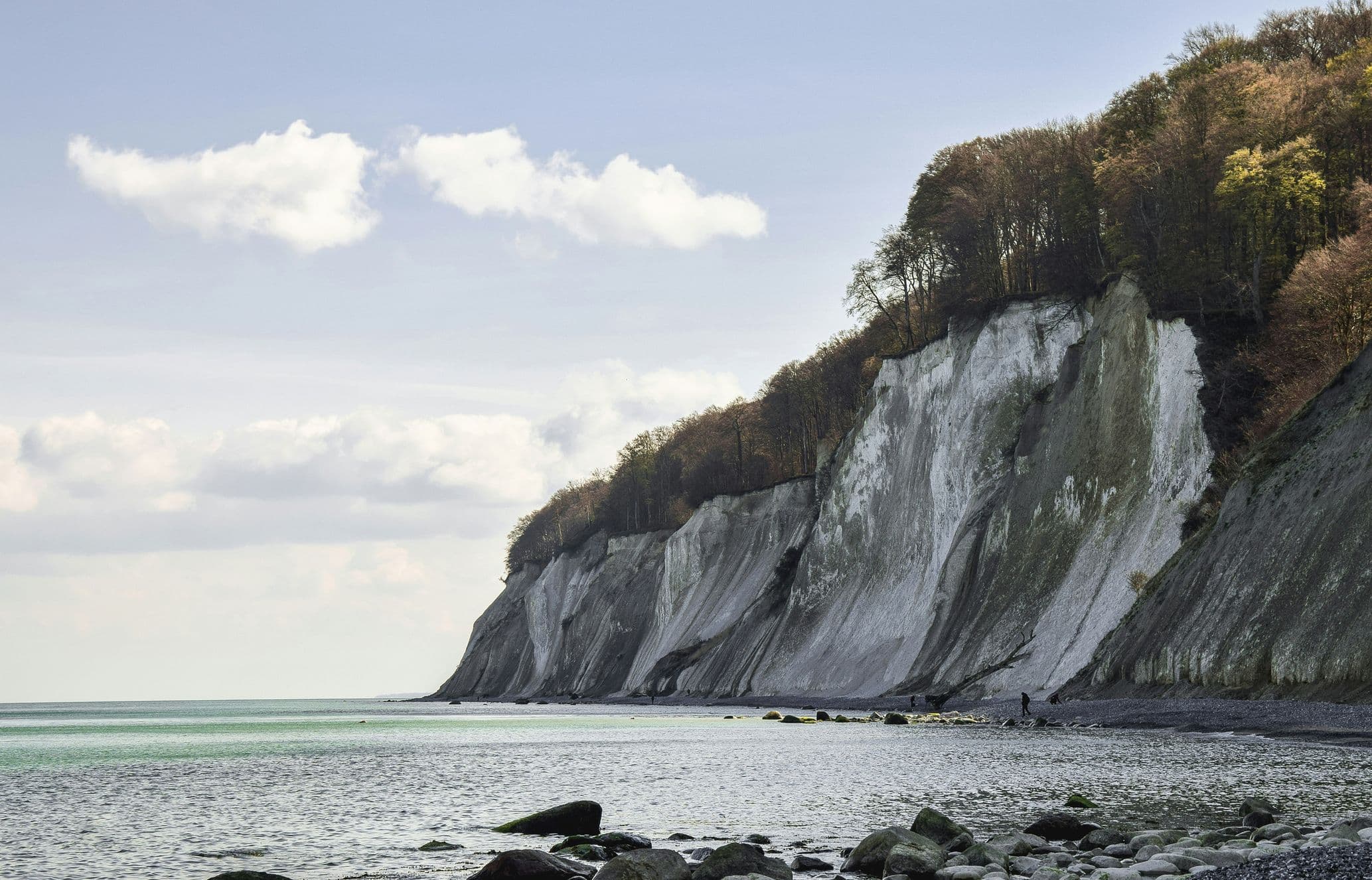
Falesia di gesso del Königsstuhl. Foto: Unsplash

1. Nationalpark Jasmund, Mecklenburg-Vorpommern

Punteggio indice fotografico: 100

Il più piccolo parco nazionale di Germania conquista il primo posto della nostra classifica: un risultato notevole per un’area grande quanto il centro di Parigi. Situato sull’isola di Rügen, Jasmund protegge la falesia di gesso del Königsstuhl, che si innalza per 118 m sopra il Mar Baltico ed è stata resa celebre dal dipinto del 1818 di Caspar David Friedrich, insieme alla foresta di faggi di Stubnitz, patrimonio Unesco. Il punto panoramico del Königsstuhl offre lo scatto più iconico: le scogliere bianche e il mare blu intenso danno il meglio all’alba, dalla piattaforma panoramica, prima dell’arrivo dei visitatori. Spesso si vedono aquile di mare volteggiare lungo le falesie, mentre il sentiero costiero Hochuferwanderweg, lungo 10 km, tra Sassnitz e Lohme, regala alcuni dei panorami più spettacolari del parco.

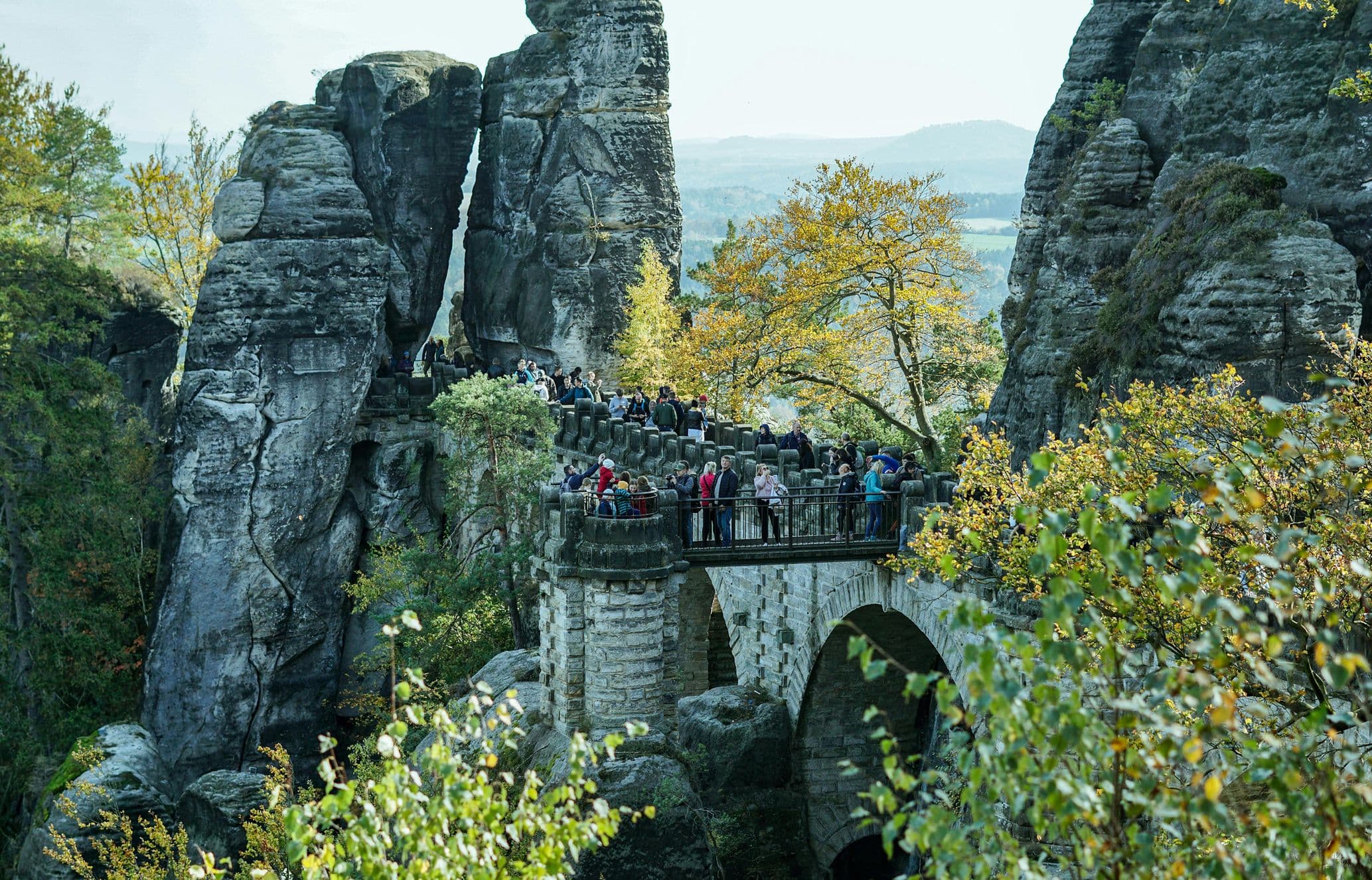
Ponte di Bastei. Foto: Pexels

2. Saxon Switzerland National Park, Saxony

Photo index score: 99

Located 30km southeast of Dresden on the Czech border – where it connects seamlessly with Bohemian Switzerland National Park – this landscape of sandstone pillars, narrow gorges and dense pine forest is unlike anywhere else in Germany. The Bastei rock formation, a cluster of sandstone spires rising 194m above Elbe River, is the park’s most popular viewpoint. Go for sunrise and capture it from the 1851 sandstone bridge, or from nearby Ferdinandstein, which frames the bridge against the valley below. Beyond the main sights, the Schrammsteine ridge and the natural sandstone arch of the Kuhstall reward those who venture further. The Brand viewpoint (known as the Saxon Switzerland) offers sweeping panoramas stretching towards the Ore Mountains.

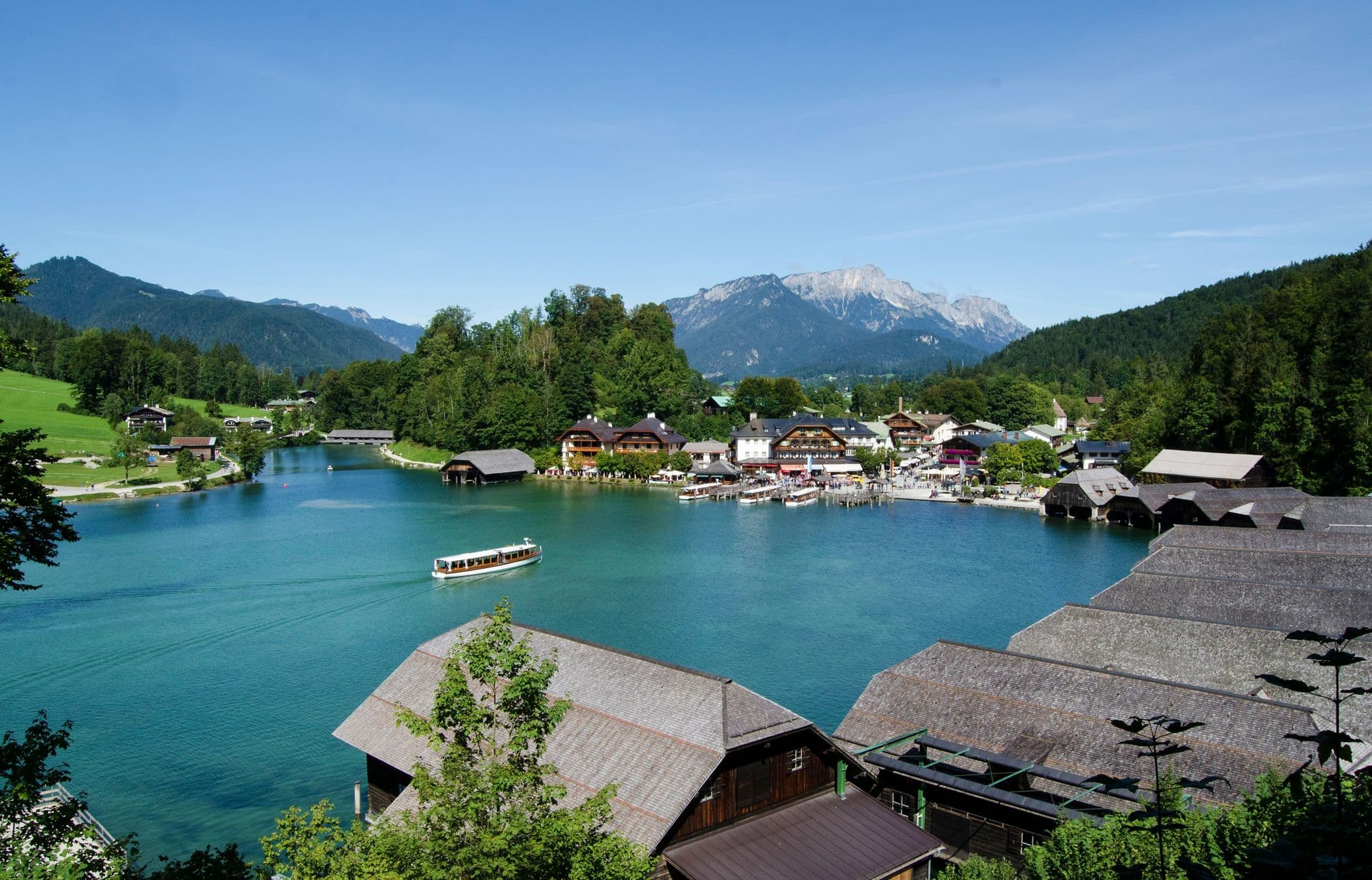
Lago Königssee. Foto: Unsplash

3. Nationalpark Berchtesgaden, Bavaria

Photo index score: 84

Tucked into Germany’s south-eastern corner and almost entirely bounded by Austria – with Salzburg under an hour’s drive away – Berchtesgaden is the country’s only Alpine national park. The Königssee is the centrepiece, a glacier-carved lake with emerald waters that mirror the surrounding peaks. St Bartholomä, the red-domed pilgrimage church on the lake’s western shore, is the park’s most photographed subject, best reached by boat and framed against the sheer face of the Watzmann. Visit early morning before the first boats disturb the surface to capture the most striking reflections. The Malerwinkel viewpoint on the north shore provides a particularly tranquil spot. Nearby, Hintersee, close to Ramsau provides a quieter alternative, with its boulder-strewn shoreline and fir trees reflected in clear Alpine water.

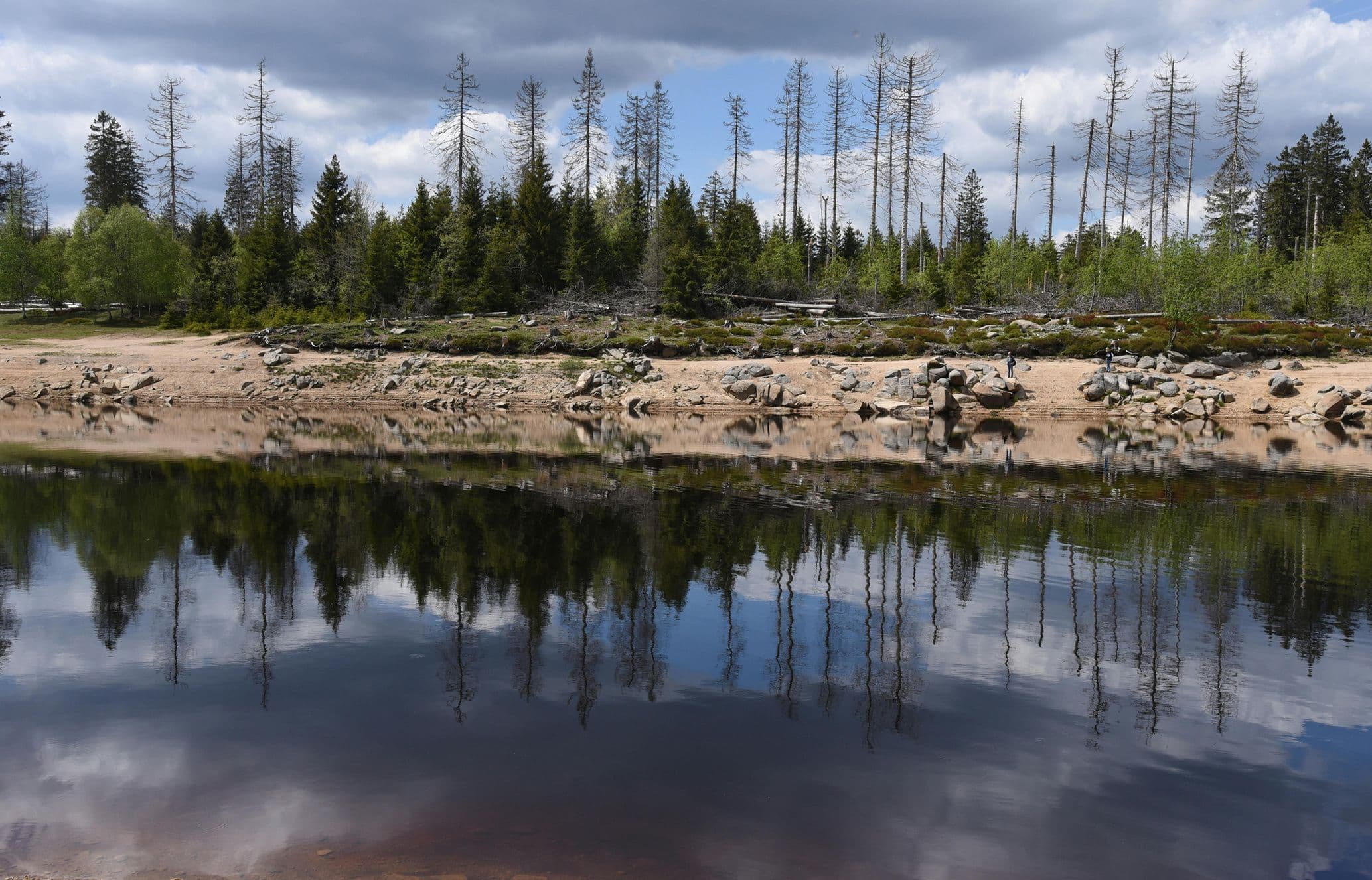
Bacino di Oderteich. Foto: Pexels

4. Nationalpark Harz, Lower Saxony

Photo index score: 78

Straddling the border of Lower Saxony and Saxony-Anhalt, the Harz forms central Germany’s northernmost mountain range – a landscape of dense forest, glacial bogs and mist-draped peaks, which famously inspired Goethe to climb the Brocken in 1777, later weaving the ascent into the Walpurgis Night scene in Faust. At 1,141m, the Brocken is the highest point and the park’s defining viewpoint, accessible year-round via the historic Brockenbahn steam railway. The Radau waterfall and the Oderteich reservoir offer quieter compositions, while the ancient beech forests are at their most compelling in spring. The park is also one of Germany’s great rewilding success stories, with the Eurasian lynx successfully reintroduced in 2000 and now home to a stable, growing population.

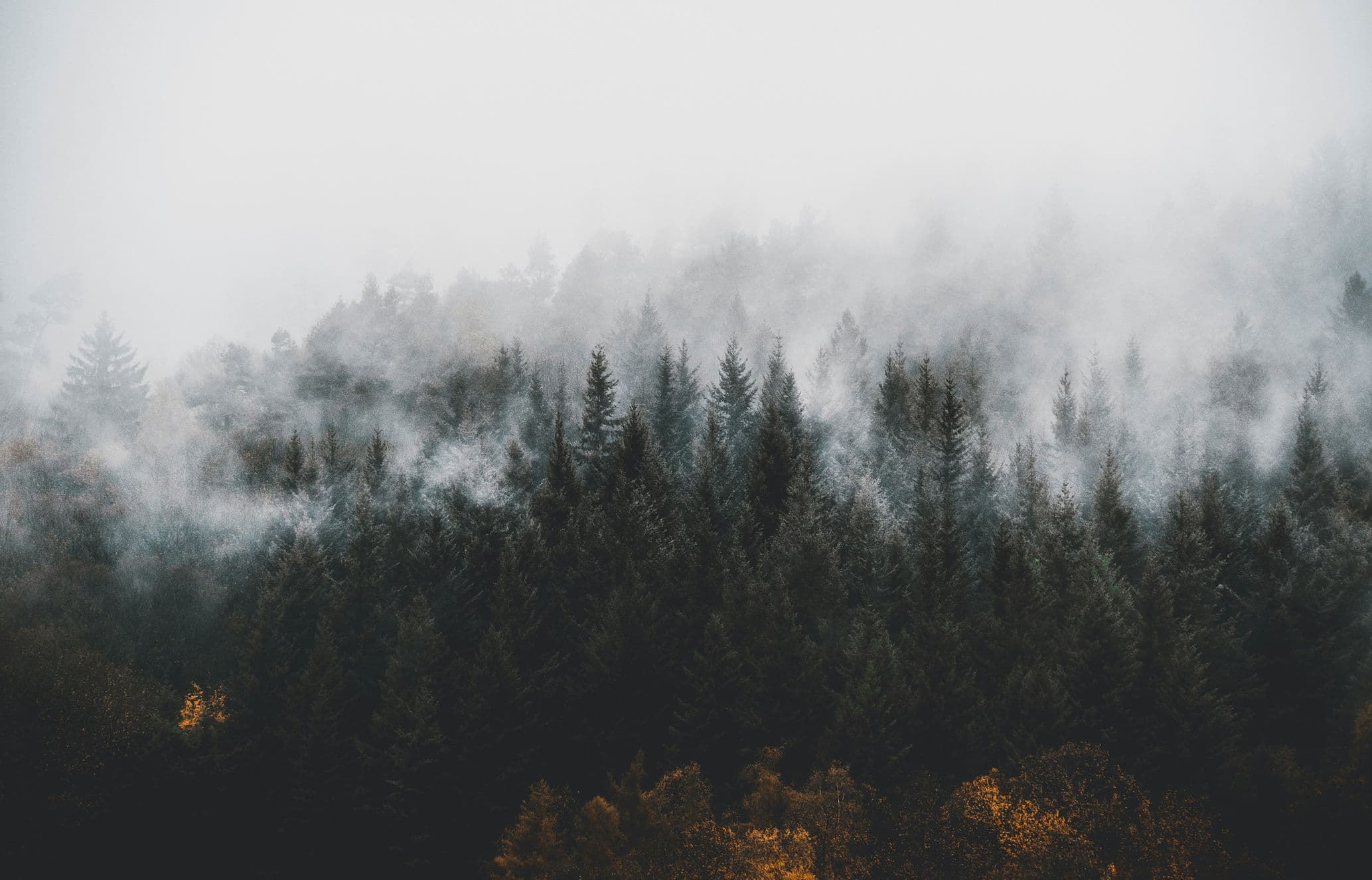
La Foresta Nera. Foto: Unsplash

5. Nationalpark Schwarzwald, Baden-Württemberg

Photo index score: 66

Germany’s newest national park protects one of the wildest sections of the Black Forest, a short drive from the French border. Its landscape of ancient spruce, fir and beech is particularly dramatic around the Hornisgrinde, where views extend west across the Rhine plain to the Vosges. The Wildsee, a glacial lake fringed by peat bogs is a must-visit, its still dark waters best photographed in the early morning. Elsewhere, the Lotharpfad trail – an 800m boardwalk – traces natural regeneration following a 1999 hurricane, with new growth set against sweeping views of the Rhine Valley and Vosges mountains.

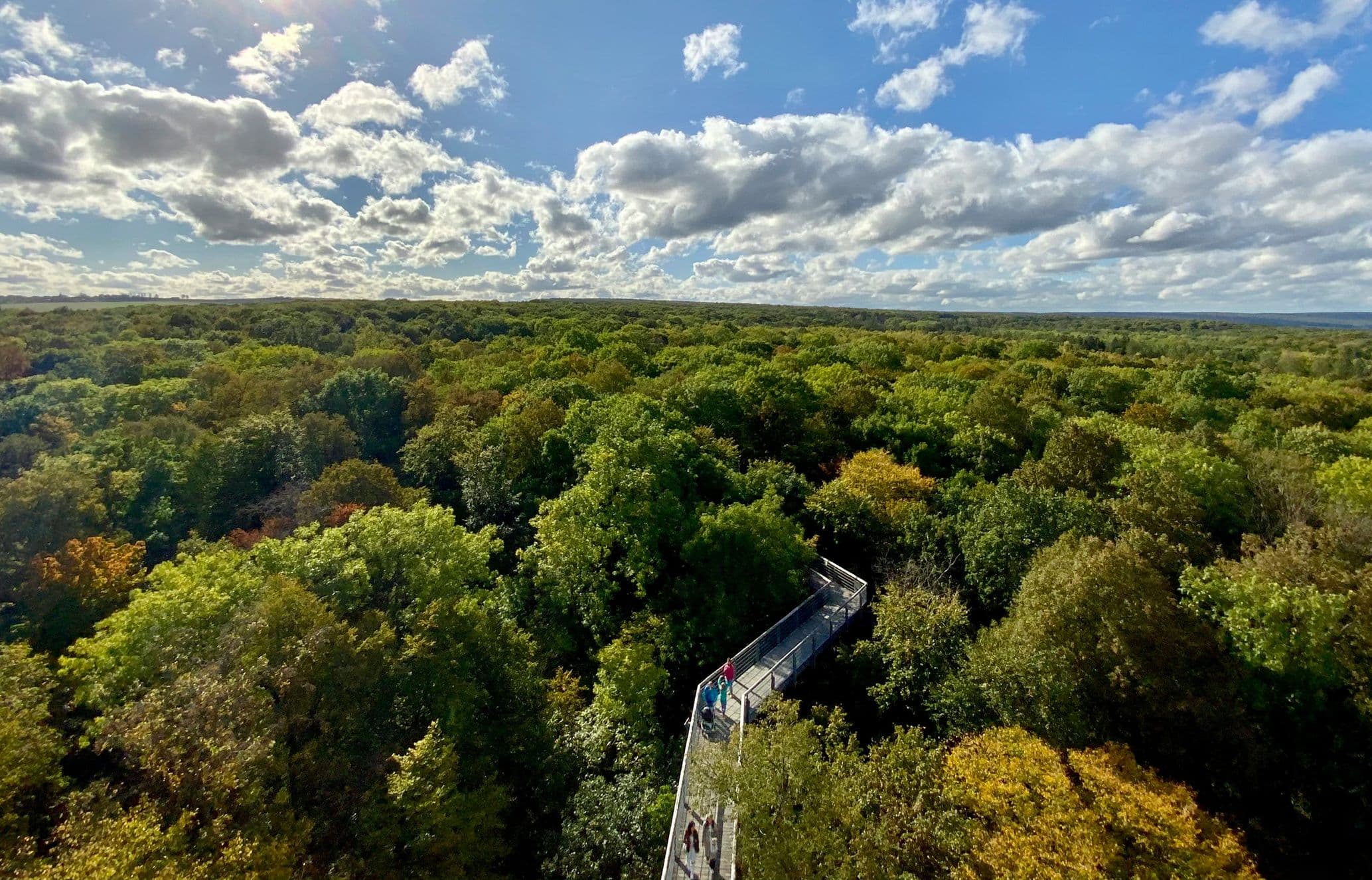
Passerella sopraelevata Baumkronenpfad. Foto: Unsplash

6. Nationalpark Hainich, Thuringia

Photo index score: 62

Hainich’s most elusive resident is the European wildcat, with one of Germany’s highest densities found along the 7km wildcat trail near Hütscheroda, where dawn offers the best chance of a sighting. Thuringia’s only national park and a Unesco World Heritage site, it protects one of the last remaining tracts of undisturbed beech woodland on limestone in Europe. The Baumkronenpfad canopy walkway rises 44m above the forest floor, offering a showstopping perspective across the treetops – particularly in autumn, when the beech canopy turns gold. Meanwhile, in spring, the forest floor is carpeted with wild garlic and wood anemones.

Lagune Bodden. Foto: Pexels

7. Nationalpark Vorpommersche Boddenlandschaft, Mecklenburg-Vorpommern

Photo index score: 58

Each autumn, the Bodden lagoons host one of Europe’s most spectacular crane migrations, with roughly 70,000 birds roosting overnight at Pramort. In a scene found nowhere else, red deer can also be photographed bellowing on the beach against the open Baltic during the October rut. Germany’s largest Baltic coast national park stretches across the Fischland-Darß-Zingst peninsula, the island of Hiddensee and the western shore of Rügen. Its landscape is defined by the constant interplay of land and water. The windswept beech forests of the Darß, shaped by decades of coastal gales, are among the park’s most distinctive features, while the Weststrand is famed for its storm-felled trees lying half-submerged in the Baltic which is one of the most photographed beaches in Germany at sunset.

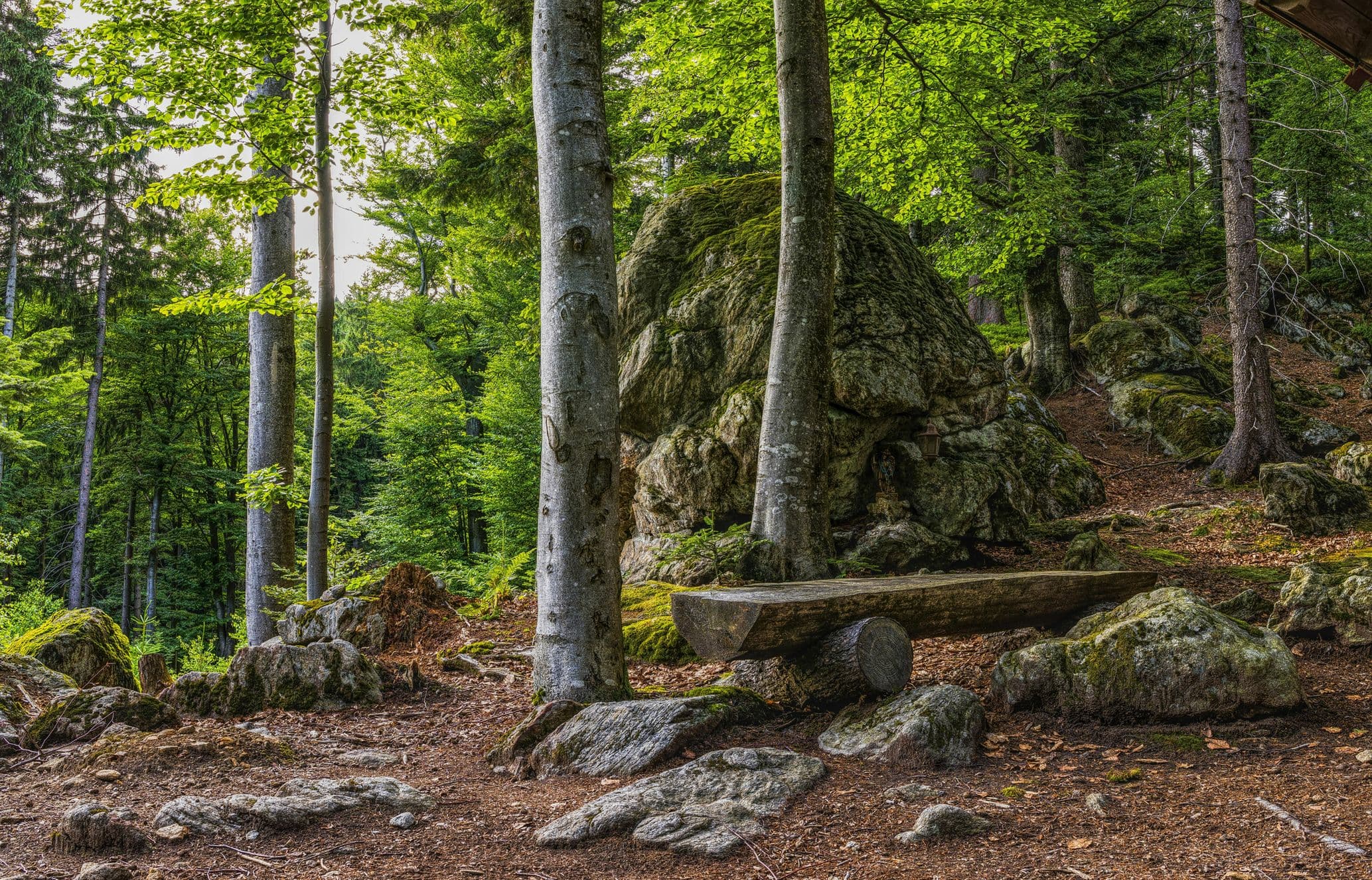
Parco nazionale della foresta bavarese Foto: Pexels

8. Parco nazionale della Foresta Bavarese, Baviera

Punteggio indice fotografico: 57

Istituito nel 1970 come primo parco nazionale della Germania, si estende lungo il confine con la Repubblica Ceca tra Zwiesel e Grafenau, collegandosi al Parco nazionale di Šumava per formare la più grande area forestale continua dell’Europa centrale. Caratterizzato da abeti rossi, faggi e abeti bianchi secolari, il paesaggio è modellato dai processi naturali, come la caduta del legno morto e la rigenerazione delle radure, creando un panorama ricco e stratificato. Le cime del Lusen e del Rachel offrono viste panoramiche sulla distesa forestale fino agli altopiani boemi, mentre il Rachelsee è particolarmente suggestivo in autunno. Negli ultimi decenni sono tornati lince, lupo, lontra eurasiatica e bisonte europeo, rendendo questo parco una delle destinazioni più interessanti della Germania per chi pratica la paziente arte della fotografia naturalistica.

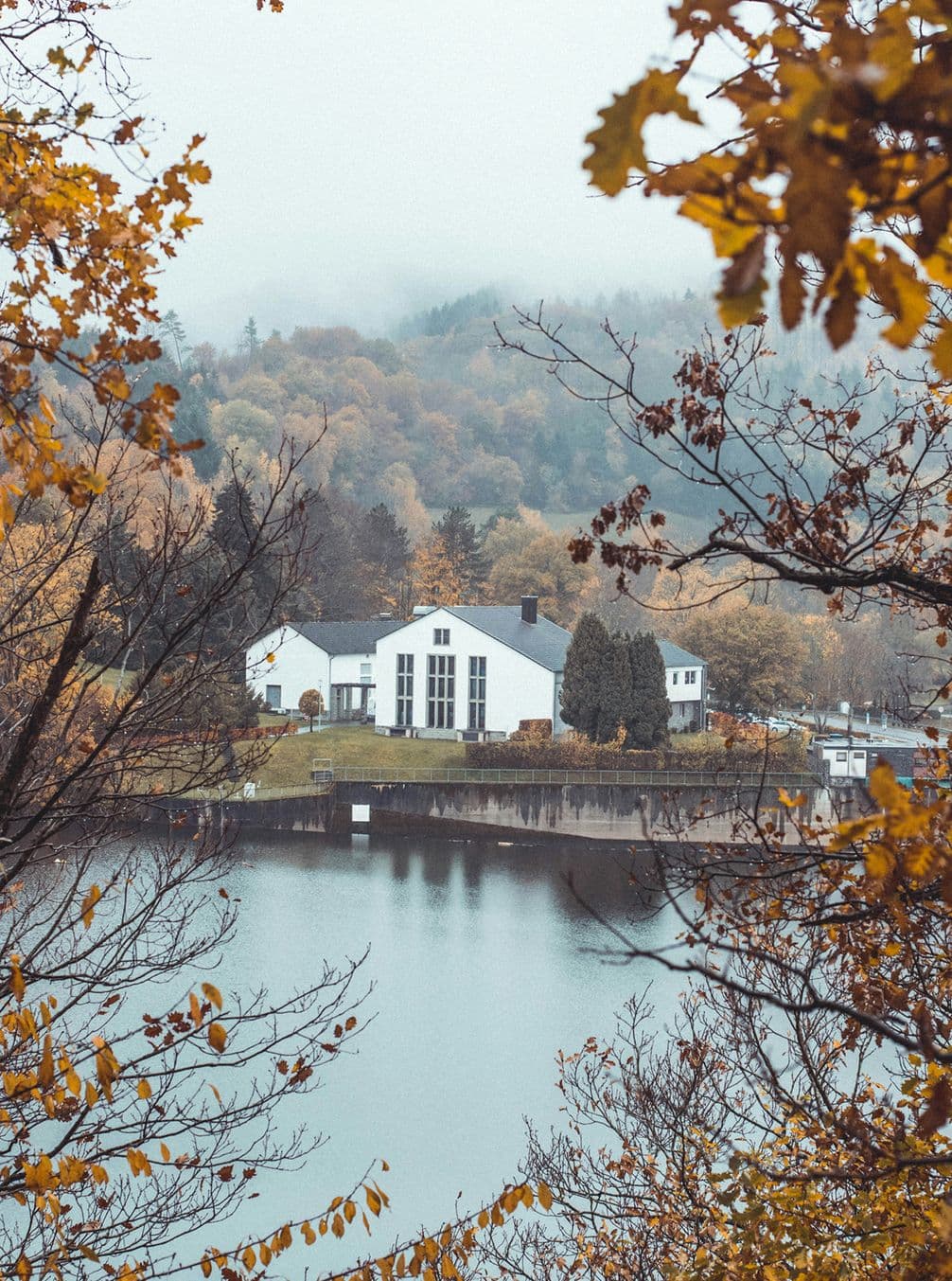
Nationalpark Eifel. Foto: Pexels

9. Nationalpark Eifel, North Rhine-Westphalia

Photo index score: 56

One of Germany’s designated dark sky areas, Eifel offers sweeping views of the Milky Way on cloudless nights, with the Vogelsang astronomy platform the most accessible spot for astrophotography. The park also supports the largest population of wildcats in central Europe, alongside red deer whose calls echo through the forest during the October rut. Just an hour from Cologne and Bonn, it is among the most accessible national parks in western Germany. The landscape combines volcanic hills, ancient oak and beech woodland, and reservoir lakes sitting along the Belgian border. The Hirschley viewpoint above the Rursee is the park’s standout shot, its forested slopes and open water best captured on clear mornings.

Oche facciabianca. Foto: Pexels

10. Nationalpark Niedersächsisches Wattenmeer, Lower Saxony

Photo index score: 56

Germany’s second-largest national park and part of the Unesco-listed Wadden Sea, this vast coastal landscape stretches from the Dutch border to the Elbe estuary, fringing the East Frisian Islands. Its vast mudflats are exposed twice daily as the sea retreats, revealing expansive tidal flats known as Priele, creating an ever-changing landscape of light, water and sky. Grey seals haul out on the sandbanks near Norderney, while the park lies on the East Atlantic Flyway, making it one of the world’s favourite birdwatching posts with more than ten million migratory birds refuelling here each spring and autumn. Sunrise and sunset produce the most vivid shots, when warm light catches the waterlogged flats and long shadows stretch to the horizon.

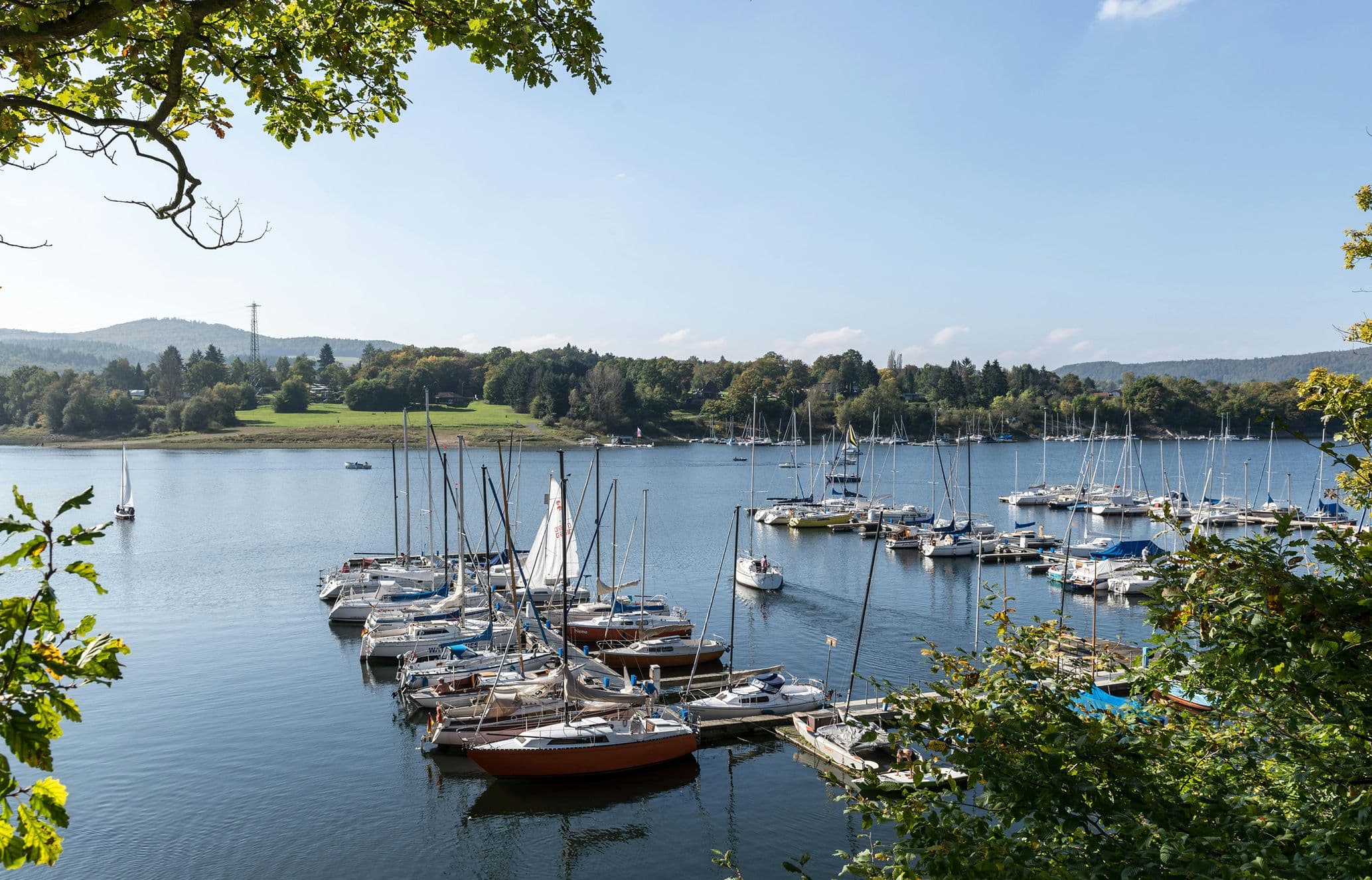
Marina Rehbach sull’Edersee. Foto: Pexels

11. Nationalpark Kellerwald-Edersee, Hesse

Photo index score: 56

12. Müritz-Nationalpark, Mecklenburg-Vorpommern

Photo index score: 49

13. Nationalpark Schleswig-Holsteinisches Wattenmeer, Schleswig-Holstein

Photo index score: 45

14. Nationalpark Hamburgisches Wattenmeer, Hamburg

Photo index score: 44

15. Nationalpark Hunsrück-Hochwald, Rhineland-Palatinate

Photo index score: 41

16. Lower Oder Valley National Park, Brandenburg

Photo index score: 39

Methodology

To determine the most photographed national parks in Germany, Bradley Grantham, Popsa’s data science team analysed millions of photos uploaded by customers in 2025. Using location metadata, we identified images taken within the boundaries of German national parks and ranked them based on total photo volume.

Each park was assigned a photo index score, which reflects the relative volume of photos taken per square km in the dataset. Scores were normalised on a scale of 0-100, with the most photographed park set as the benchmark. The result is a ranking that reflects real traveller behaviour, highlighting not just where people visit, but where they are most inspired to capture their memories.

Scarica l'app

Trova più velocemente le foto che stai cercando con funzionalità esclusive come il riconoscimento dei volti e gli album smart.

App StoreApp Store
Scarica l'app