

Insights
The most photographed national parks in Germany
Taking you from the chalk cliffs of Rügen to the Alpine shores of the Königssee, we rank and review the German national parks Popsa travellers love to capture
&w=96&q=75)
Apr 29, 2026∙8 min
Insights
Taking you from the chalk cliffs of Rügen to the Alpine shores of the Königssee, we rank and review the German national parks Popsa travellers love to capture
Apr 29, 2026∙8 min
Words by Georgina Groom-Rietschy
Germany’s national parks stretch from the Wadden Sea mudflats in the north to the Bavarian Alps in the south. Across 16 parks, some of Europe’s most distinctive landscapes including ancient beech forests, volcanic rock formations and vast tidal wetlands, draw outdoor enthusiasts year-round.
Using a rigorous, data science-led approach, we analysed millions of customer photos to calculate how many photos were taken per square kilometre, revealing the destinations that dominated camera rolls in 2025. Nationalpark Jasmund claims the top spot despite being Germany’s smallest national park, while Nationalpark Harz stands out as one of the country’s greatest rewilding success stories. Elsewhere, Nationalpark Niedersächsisches Wattenmeer is among the world’s top birdwatching spots, attracting more than ten million migratory birds each spring and autumn.
To learn more about how the data was analysed and ranked to determine the photo index scores, see the methodology at the end of this article.
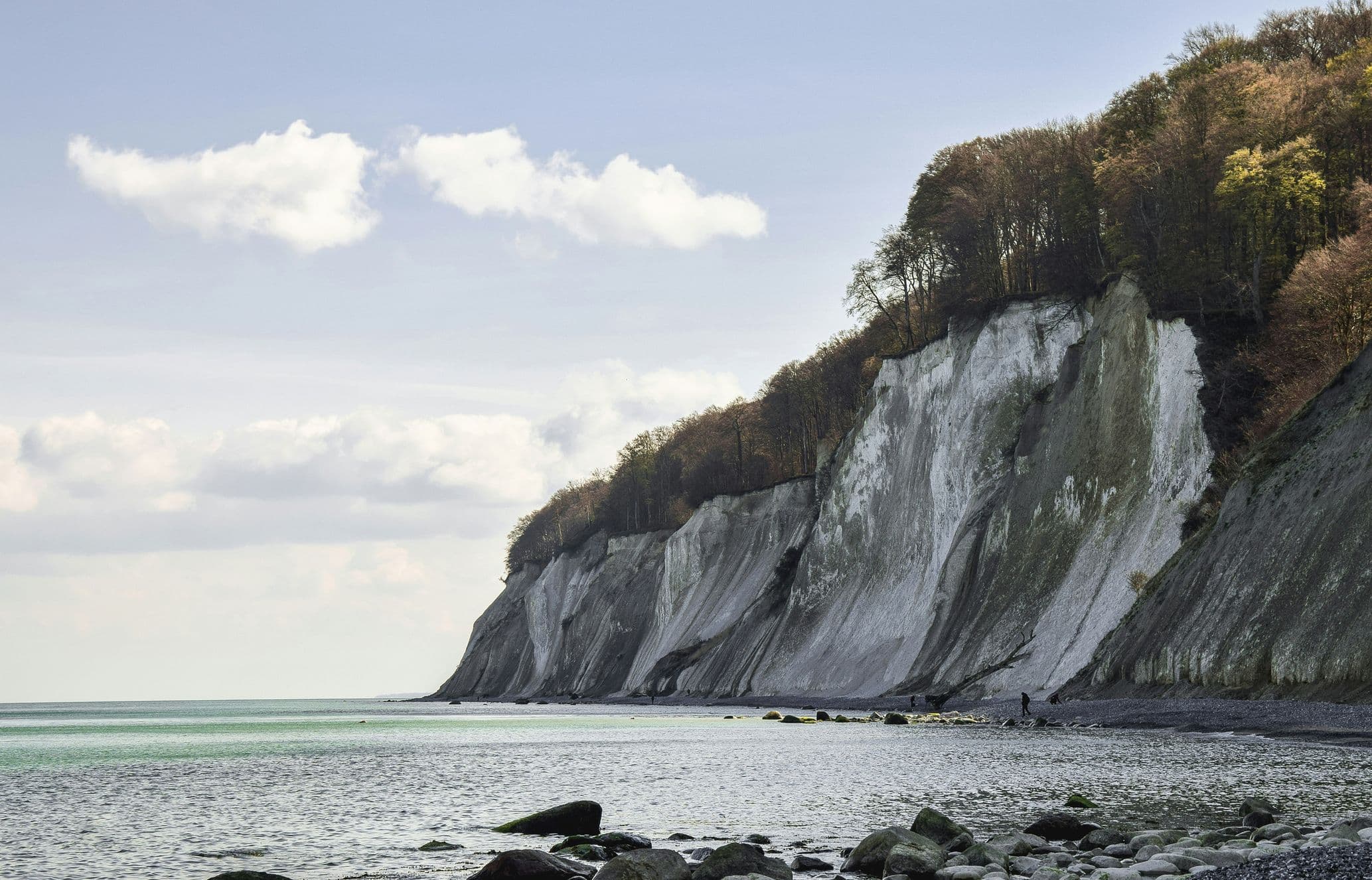
Königsstuhl chalk cliff. Photo: Unsplash
Photo index score: 100
Germany’s smallest national park tops our list, which is a remarkable achievement for a park roughly the size of central Paris. Set on the island of Rügen, Jasmund protects the Königsstuhl chalk cliff, which rises 118m above the Baltic Sea and was famously immortalised in Caspar David Friedrich’s 1818 painting, alongside the Unesco-protected Stubnitz beech forest. The Königsstuhl viewpoint delivers the standout shot, its white cliffs and cobalt-blue sea best captured at dawn from the viewing platform before day-trippers arrive. White-tailed eagles are often spotted soaring along the clifftops, while the 10km Hochuferwanderweg trail traces the coastline between Sassnitz and Lohme, offering some of the park’s most dramatic views.
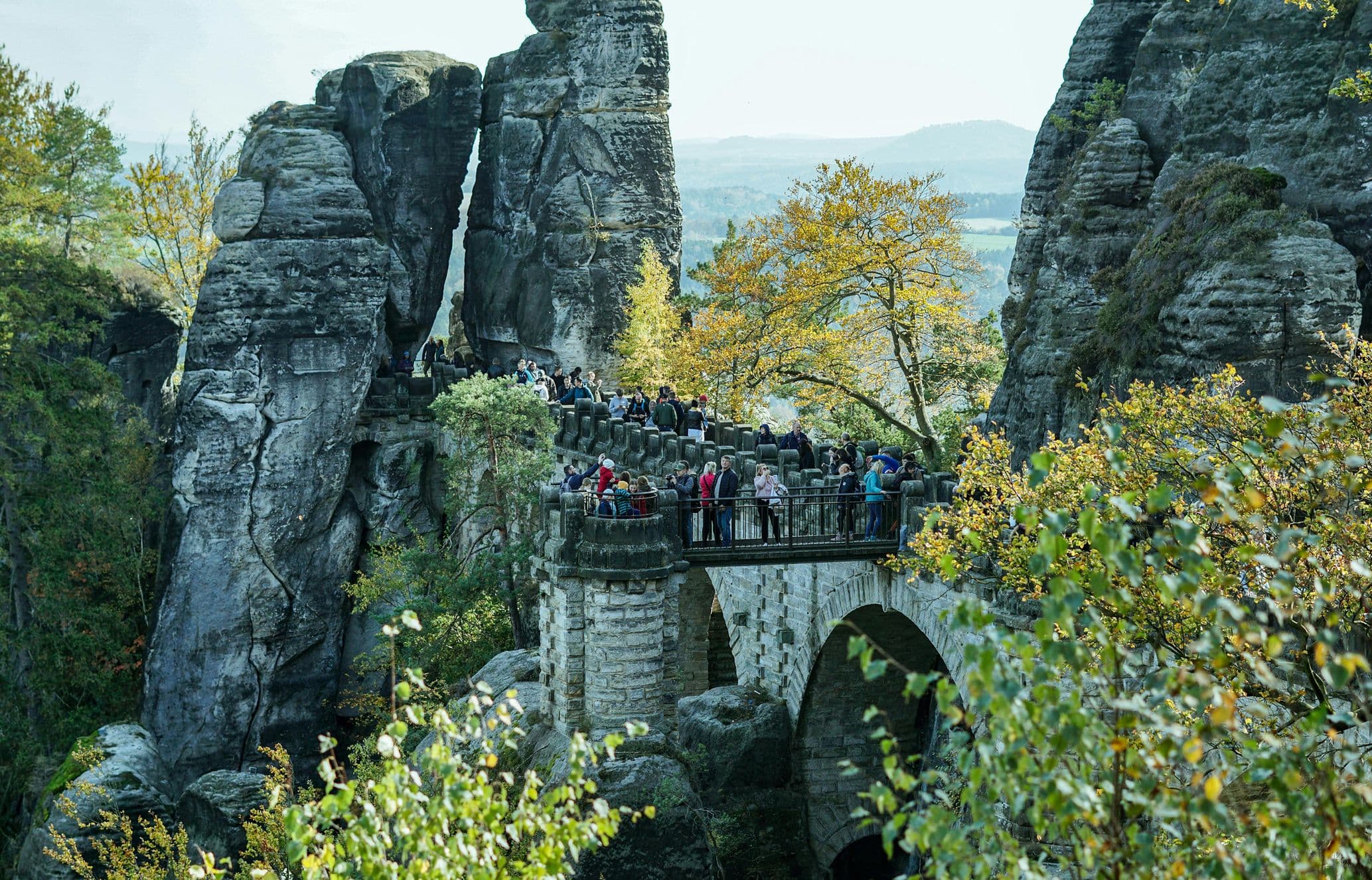
Bastei Bridge. Photo: Pexels
Photo index score: 99
Located 30km southeast of Dresden on the Czech border – where it connects seamlessly with Bohemian Switzerland National Park – this landscape of sandstone pillars, narrow gorges and dense pine forest is unlike anywhere else in Germany. The Bastei rock formation, a cluster of sandstone spires rising 194m above Elbe River, is the park’s most popular viewpoint. Go for sunrise and capture it from the 1851 sandstone bridge, or from nearby Ferdinandstein, which frames the bridge against the valley below. Beyond the main sights, the Schrammsteine ridge and the natural sandstone arch of the Kuhstall reward those who venture further. The Brand viewpoint (known as the Saxon Switzerland) offers sweeping panoramas stretching towards the Ore Mountains.
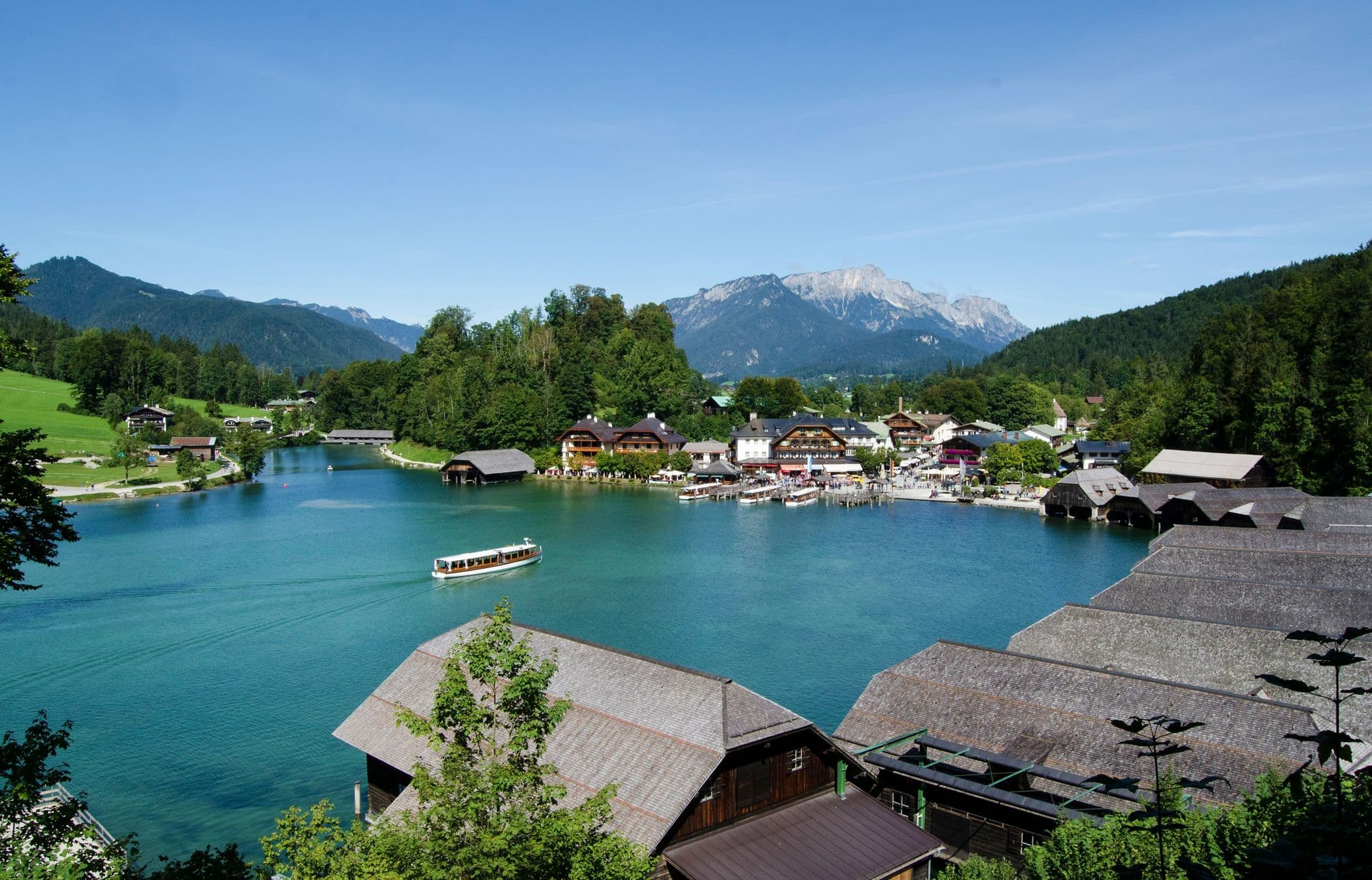
Königssee lake. Photo: Unsplash
Photo index score: 84
Tucked into Germany’s south-eastern corner and almost entirely bounded by Austria – with Salzburg under an hour’s drive away – Berchtesgaden is the country’s only Alpine national park. The Königssee is the centrepiece, a glacier-carved lake with emerald waters that mirror the surrounding peaks. St Bartholomä, the red-domed pilgrimage church on the lake’s western shore, is the park’s most photographed subject, best reached by boat and framed against the sheer face of the Watzmann. Visit early morning before the first boats disturb the surface to capture the most striking reflections. The Malerwinkel viewpoint on the north shore provides a particularly tranquil spot. Nearby, Hintersee, close to Ramsau provides a quieter alternative, with its boulder-strewn shoreline and fir trees reflected in clear Alpine water.
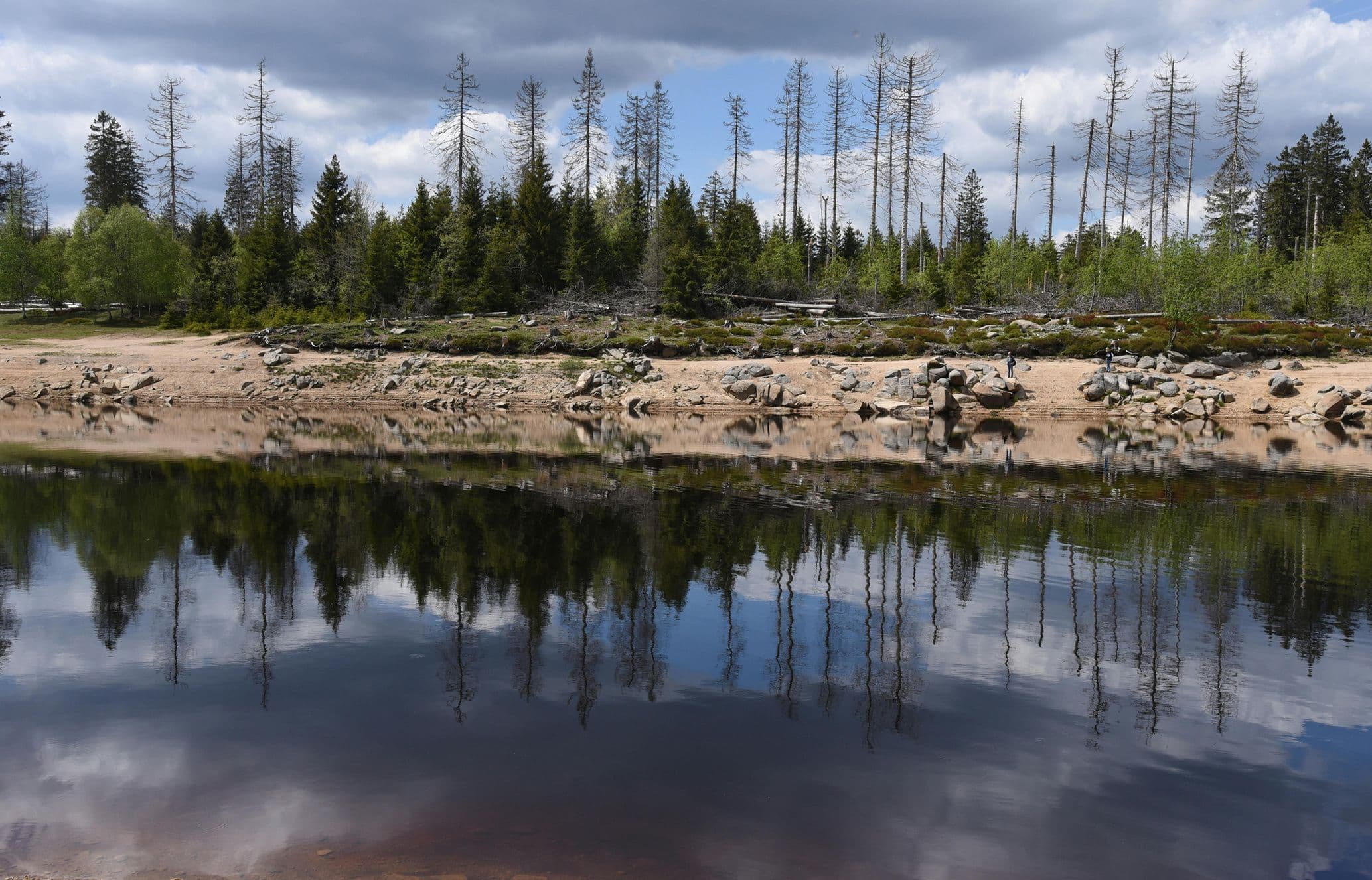
Oderteich reservoir. Photo: Pexels
Photo index score: 78
Straddling the border of Lower Saxony and Saxony-Anhalt, the Harz forms central Germany’s northernmost mountain range – a landscape of dense forest, glacial bogs and mist-draped peaks, which famously inspired Goethe to climb the Brocken in 1777, later weaving the ascent into the Walpurgis Night scene in Faust. At 1,141m, the Brocken is the highest point and the park’s defining viewpoint, accessible year-round via the historic Brockenbahn steam railway. The Radau waterfall and the Oderteich reservoir offer quieter compositions, while the ancient beech forests are at their most compelling in spring. The park is also one of Germany’s great rewilding success stories, with the Eurasian lynx successfully reintroduced in 2000 and now home to a stable, growing population.
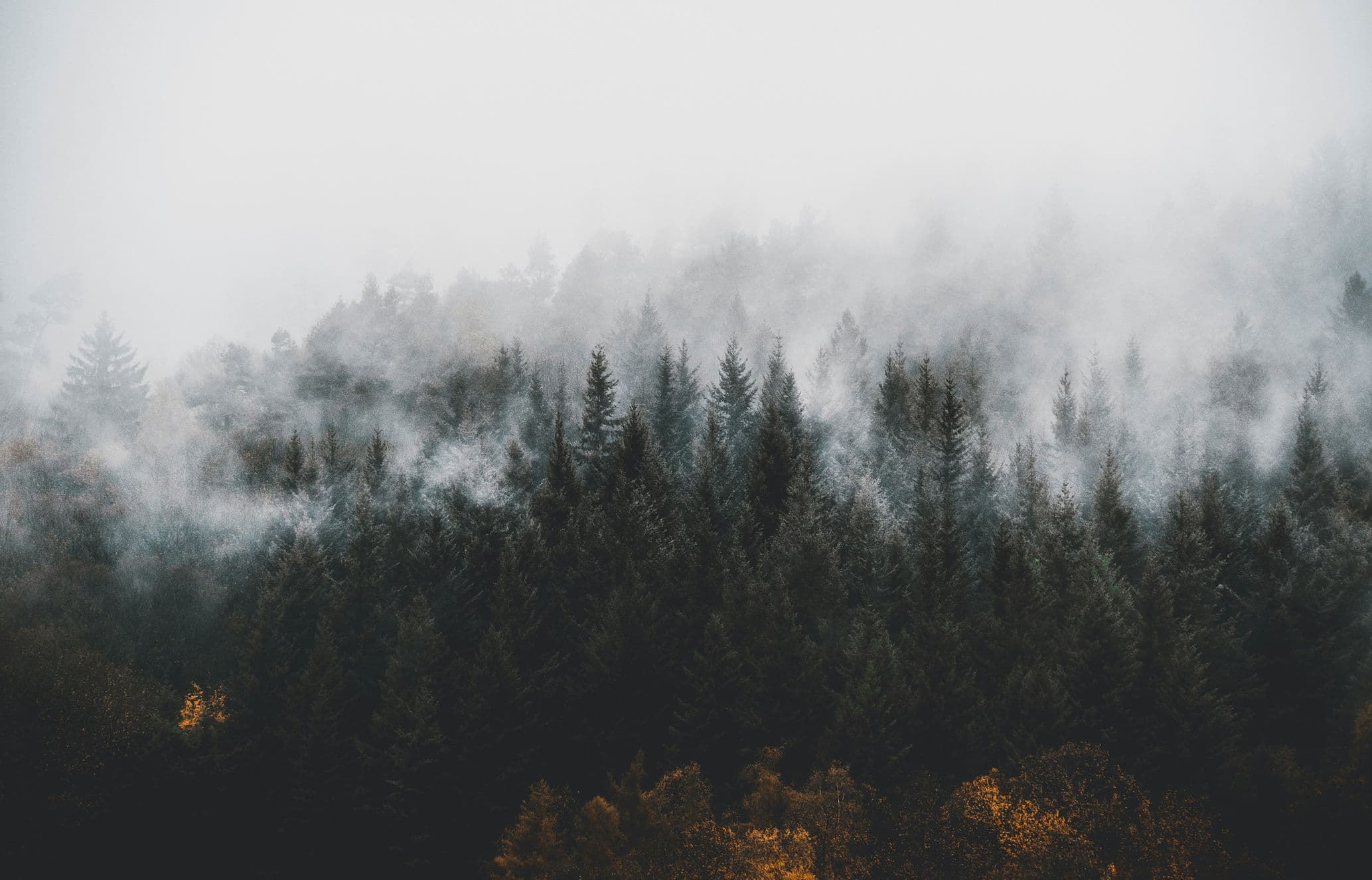
Black Forest. Photo: Unsplash
Photo index score: 66
Germany’s newest national park protects one of the wildest sections of the Black Forest, a short drive from the French border. Its landscape of ancient spruce, fir and beech is particularly dramatic around the Hornisgrinde, where views extend west across the Rhine plain to the Vosges. The Wildsee, a glacial lake fringed by peat bogs is a must-visit, its still dark waters best photographed in the early morning. Elsewhere, the Lotharpfad trail – an 800m boardwalk – traces natural regeneration following a 1999 hurricane, with new growth set against sweeping views of the Rhine Valley and Vosges mountains.
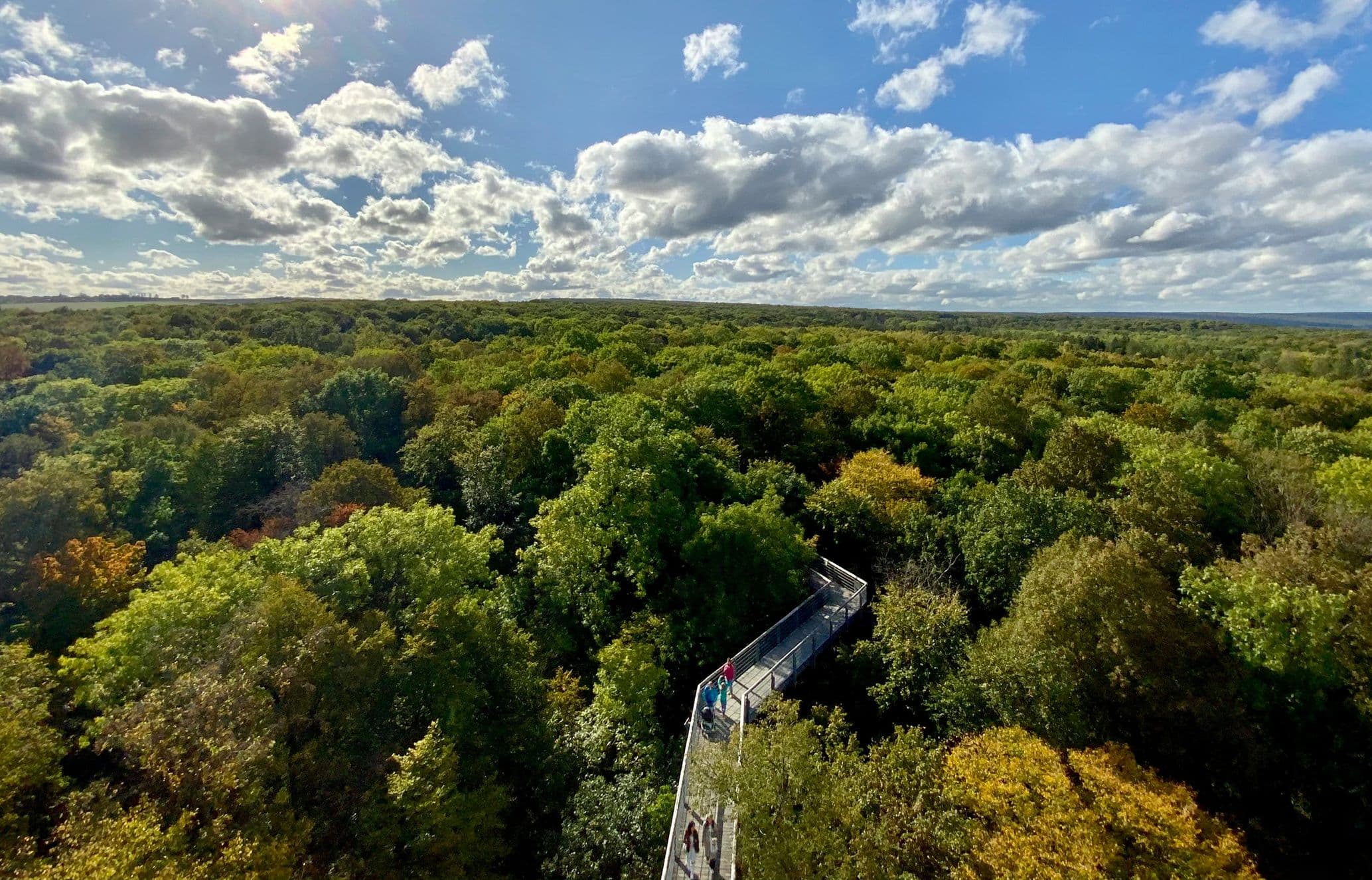
Baumkronenpfad canopy walkway. Photo: Unsplash
Photo index score: 62
Hainich’s most elusive resident is the European wildcat, with one of Germany’s highest densities found along the 7km wildcat trail near Hütscheroda, where dawn offers the best chance of a sighting. Thuringia’s only national park and a Unesco World Heritage site, it protects one of the last remaining tracts of undisturbed beech woodland on limestone in Europe. The Baumkronenpfad canopy walkway rises 44m above the forest floor, offering a showstopping perspective across the treetops – particularly in autumn, when the beech canopy turns gold. Meanwhile, in spring, the forest floor is carpeted with wild garlic and wood anemones.

Bodden lagoons. Photo: Pexels
Photo index score: 58
Each autumn, the Bodden lagoons host one of Europe’s most spectacular crane migrations, with roughly 70,000 birds roosting overnight at Pramort. In a scene found nowhere else, red deer can also be photographed bellowing on the beach against the open Baltic during the October rut. Germany’s largest Baltic coast national park stretches across the Fischland-Darß-Zingst peninsula, the island of Hiddensee and the western shore of Rügen. Its landscape is defined by the constant interplay of land and water. The windswept beech forests of the Darß, shaped by decades of coastal gales, are among the park’s most distinctive features, while the Weststrand is famed for its storm-felled trees lying half-submerged in the Baltic which is one of the most photographed beaches in Germany at sunset.
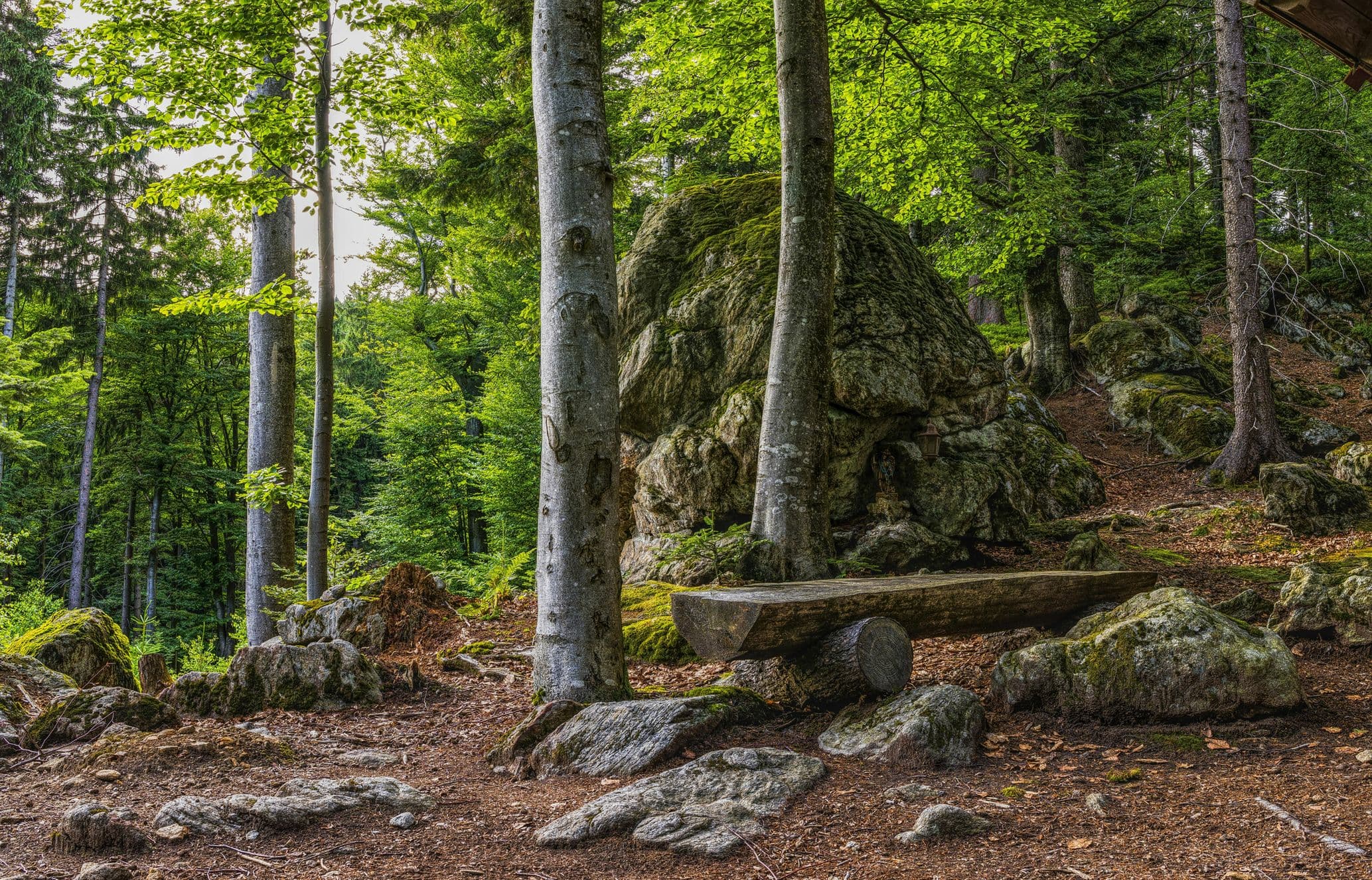
Bavarian Forest National Park. Photo: Pexels
Photo index score: 57
Established in 1970 as Germany’s first national park, the Bavarian Forest lies along the Czech border between Zwiesel and Grafenau, joining with Šumava National Park to form the largest contiguous forest reserve in central Europe. Characterised by ancient spruce, beech and fir, the park is defined by natural processes such as fallen deadwood and regenerating clearings creating a richly layered landscape. The peaks of Lusen and Rachel offer panoramic views across the canopy to the Bohemian highlands, while Rachelsee is particularly photogenic in autumn. Lynx, wolves, Eurasian otters and European bison have all returned in recent decades, making this one of Germany’s most rewarding destinations for patient wildlife photographers.
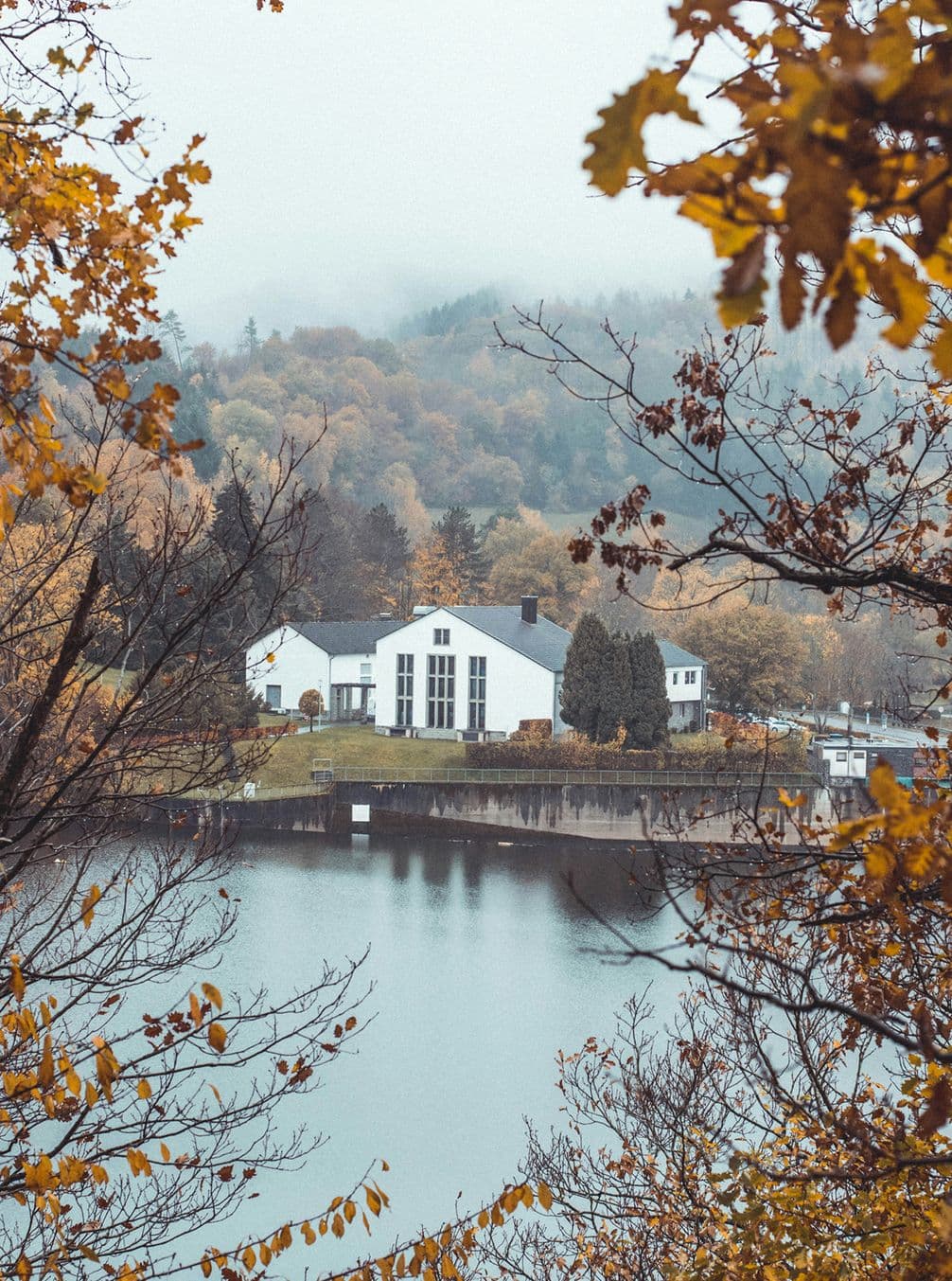
Nationalpark Eifel. Photo: Pexels
Photo index score: 56
One of Germany’s designated dark sky areas, Eifel offers sweeping views of the Milky Way on cloudless nights, with the Vogelsang astronomy platform the most accessible spot for astrophotography. The park also supports the largest population of wildcats in central Europe, alongside red deer whose calls echo through the forest during the October rut. Just an hour from Cologne and Bonn, it is among the most accessible national parks in western Germany. The landscape combines volcanic hills, ancient oak and beech woodland, and reservoir lakes sitting along the Belgian border. The Hirschley viewpoint above the Rursee is the park’s standout shot, its forested slopes and open water best captured on clear mornings.

Barnacle geese. Photo: Pexels
Photo index score: 56
Germany’s second-largest national park and part of the Unesco-listed Wadden Sea, this vast coastal landscape stretches from the Dutch border to the Elbe estuary, fringing the East Frisian Islands. Its vast mudflats are exposed twice daily as the sea retreats, revealing expansive tidal flats known as Priele, creating an ever-changing landscape of light, water and sky. Grey seals haul out on the sandbanks near Norderney, while the park lies on the East Atlantic Flyway, making it one of the world’s favourite birdwatching posts with more than ten million migratory birds refuelling here each spring and autumn. Sunrise and sunset produce the most vivid shots, when warm light catches the waterlogged flats and long shadows stretch to the horizon.
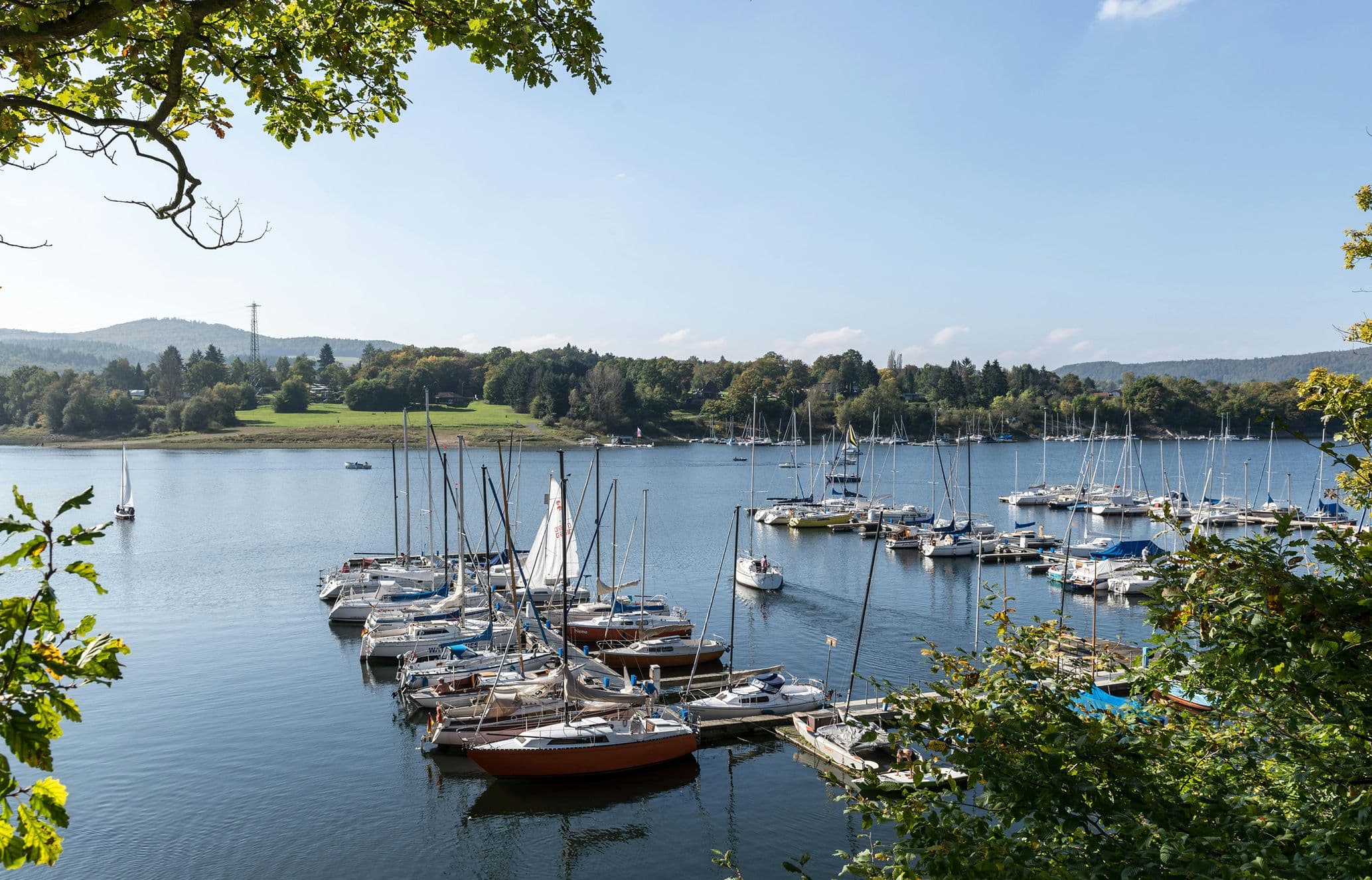
Marina Rehbach on the Edersee. Photo: Pexels
Photo index score: 56
Photo index score: 49
Photo index score: 45
Photo index score: 44
Photo index score: 41
Photo index score: 39
To determine the most photographed national parks in Germany, Bradley Grantham, Popsa’s data science team analysed millions of photos uploaded by customers in 2025. Using location metadata, we identified images taken within the boundaries of German national parks and ranked them based on total photo volume.
Each park was assigned a photo index score, which reflects the relative volume of photos taken per square km in the dataset. Scores were normalised on a scale of 0-100, with the most photographed park set as the benchmark. The result is a ranking that reflects real traveller behaviour, highlighting not just where people visit, but where they are most inspired to capture their memories.
Discover memories faster with exclusive features like facial recognition and smart albums.



%3Agrayscale()&w=96&q=75)
Aug 7, 2026∙7 min
Oct 13, 2026∙12 min
&w=96&q=75)


 United States