Texte de Georgina Groom-Rietschy
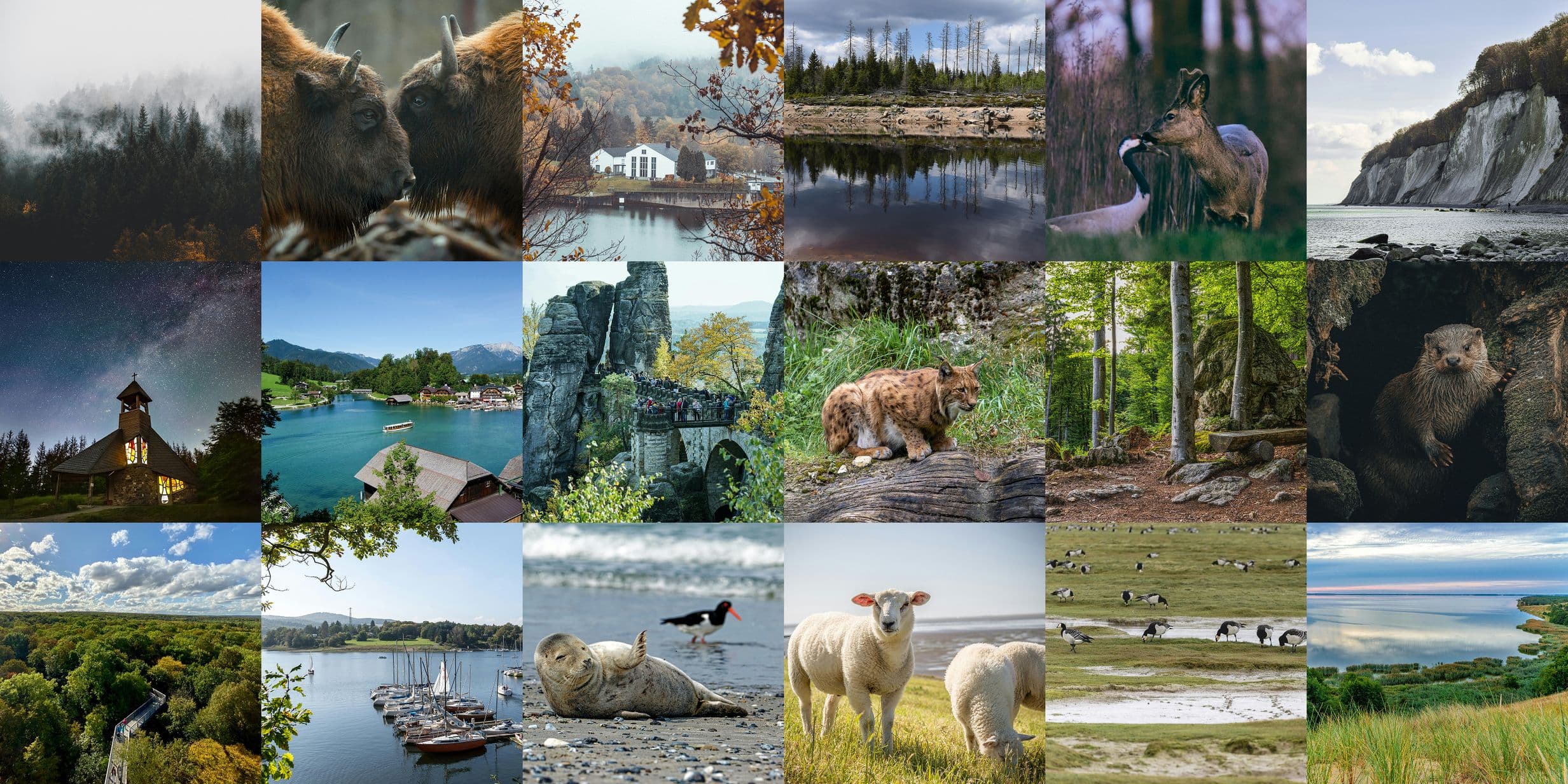
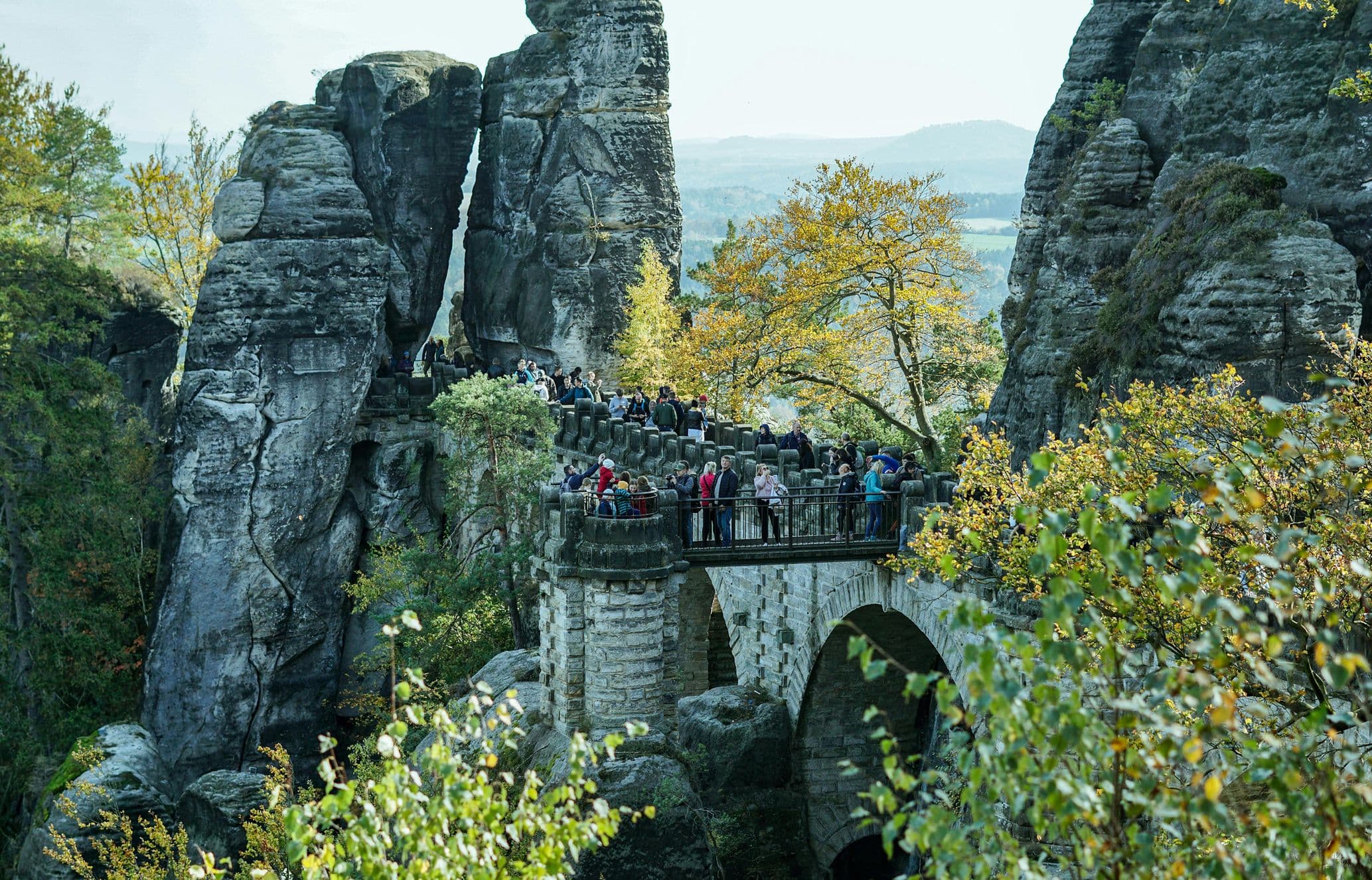
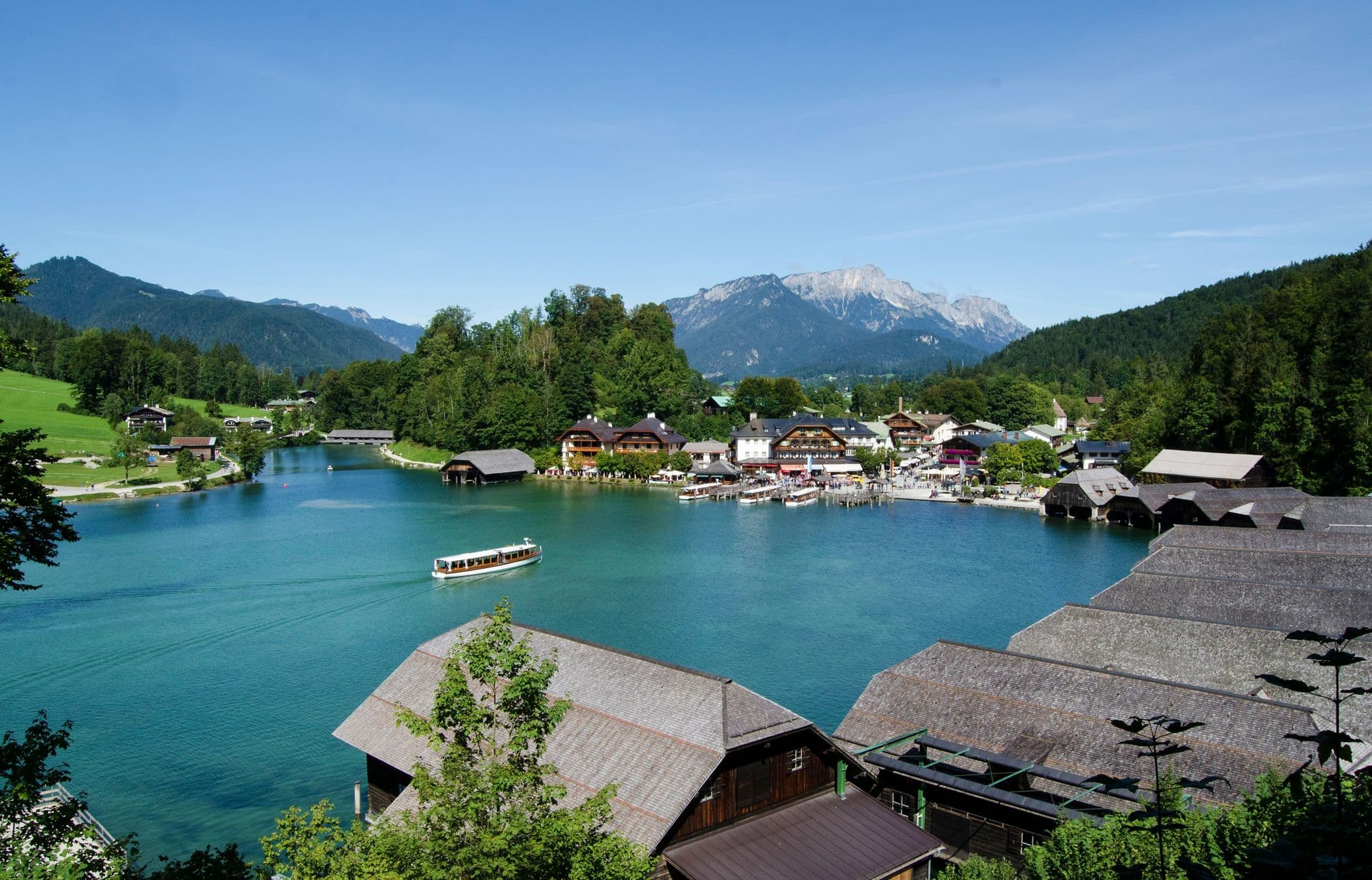
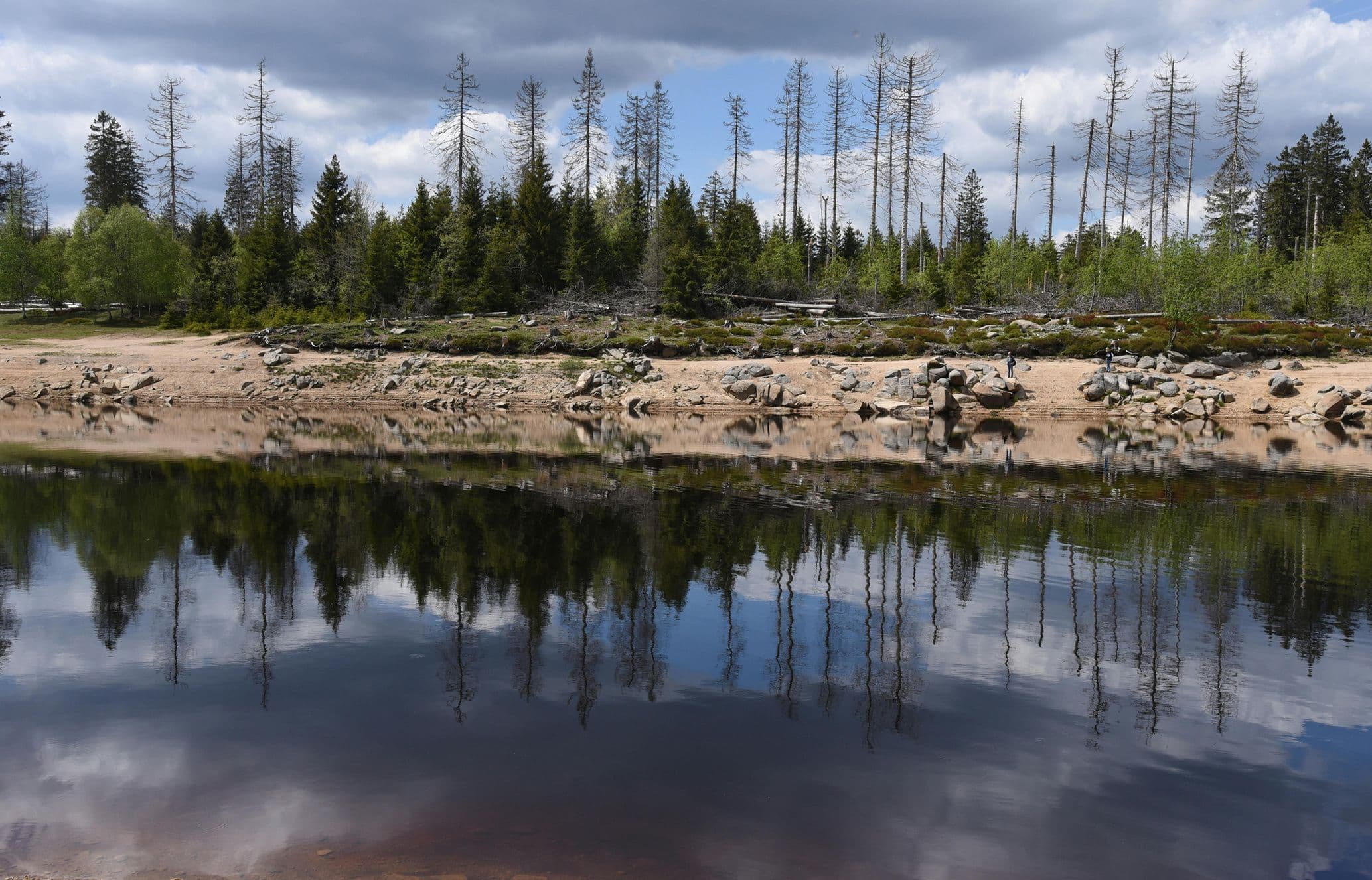
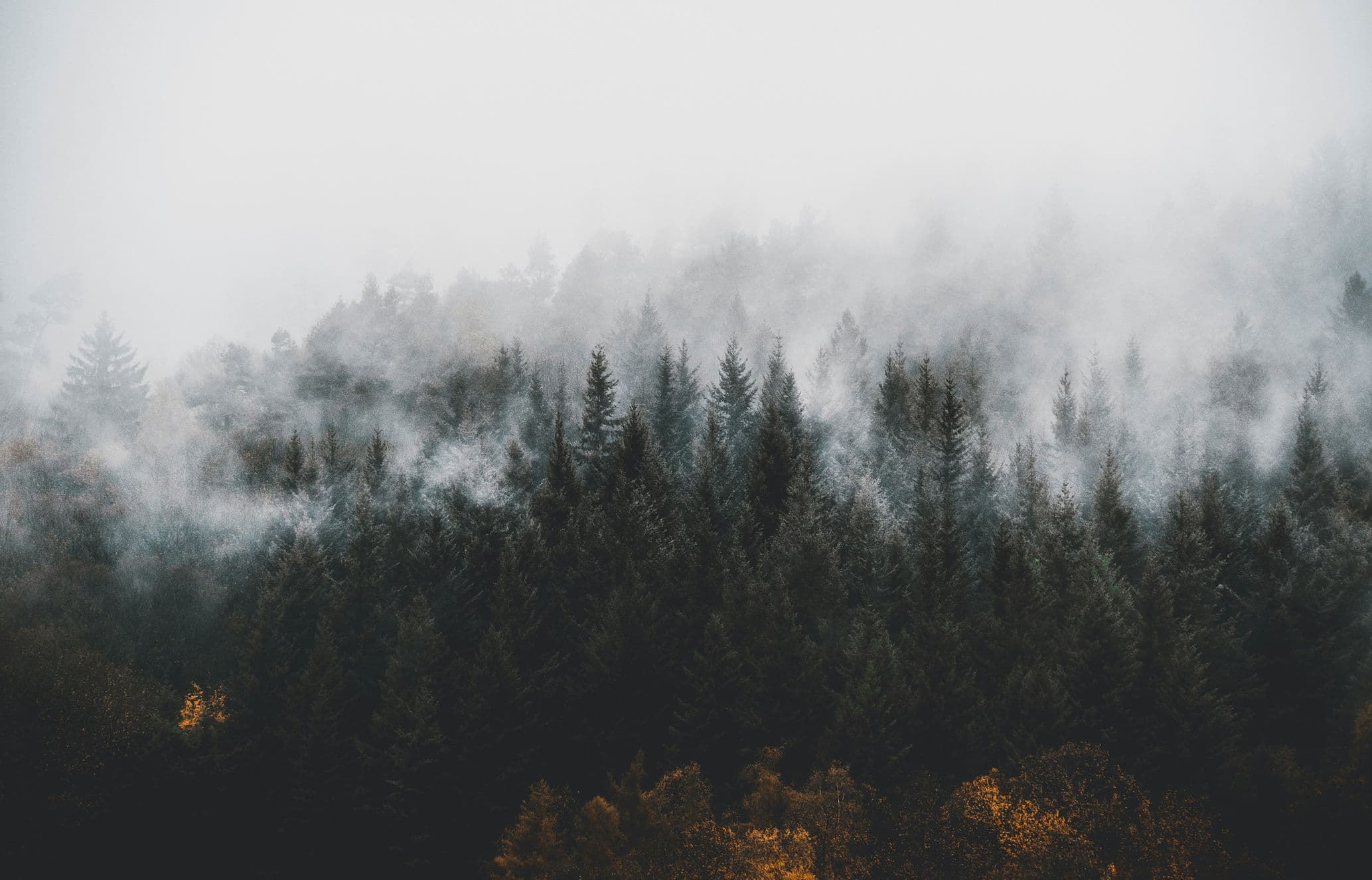
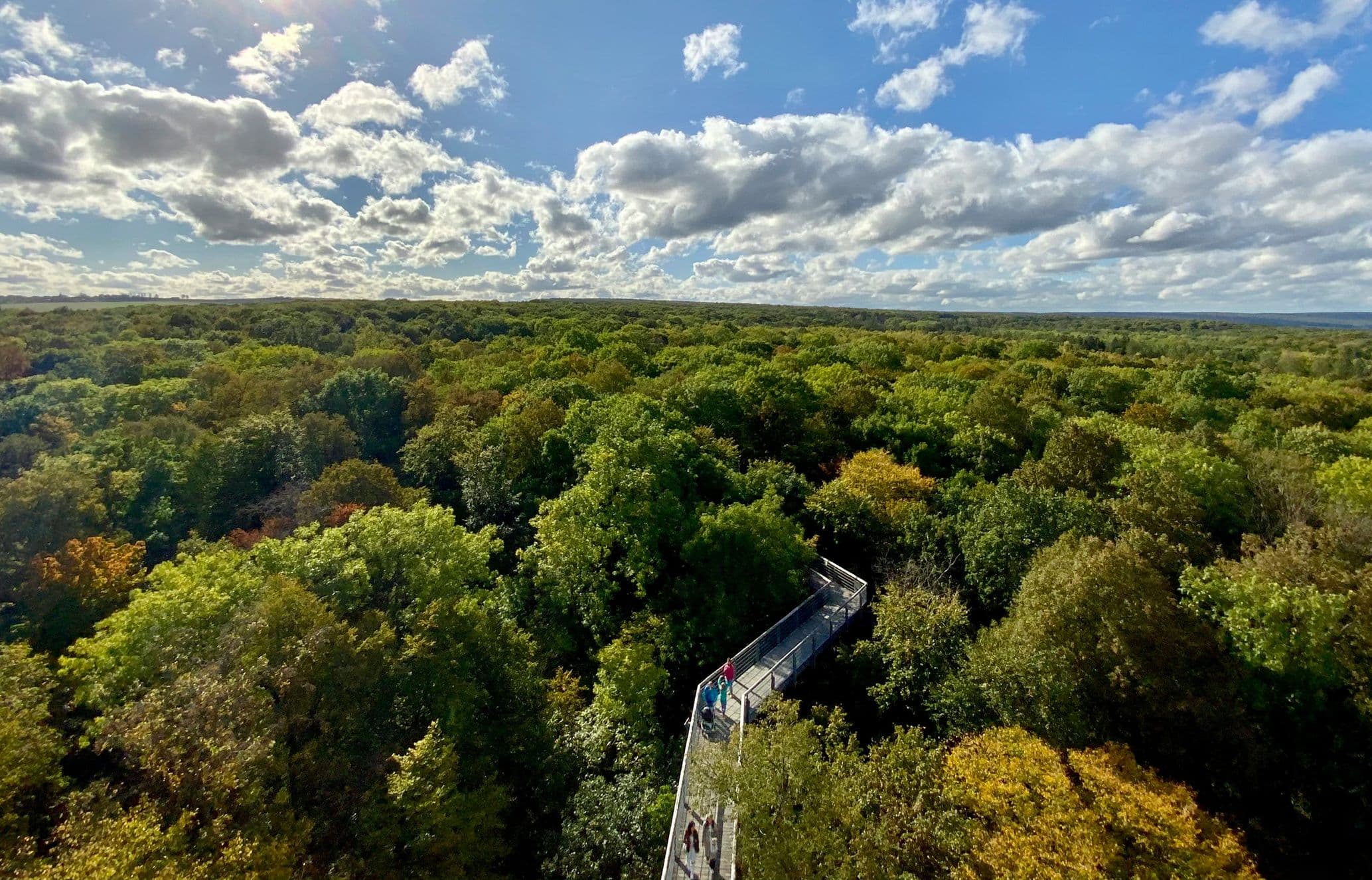
Des vasières de la mer des Wadden, au nord, aux Alpes bavaroises, au sud, les parcs nationaux allemands offrent une grande diversité de paysages. À travers 16 parcs se déploient certains des environnements les plus singuliers d’Europe — hêtraies anciennes, formations rocheuses volcaniques ou vastes zones humides soumises aux marées — qui attirent les amateurs de nature tout au long de l’année.
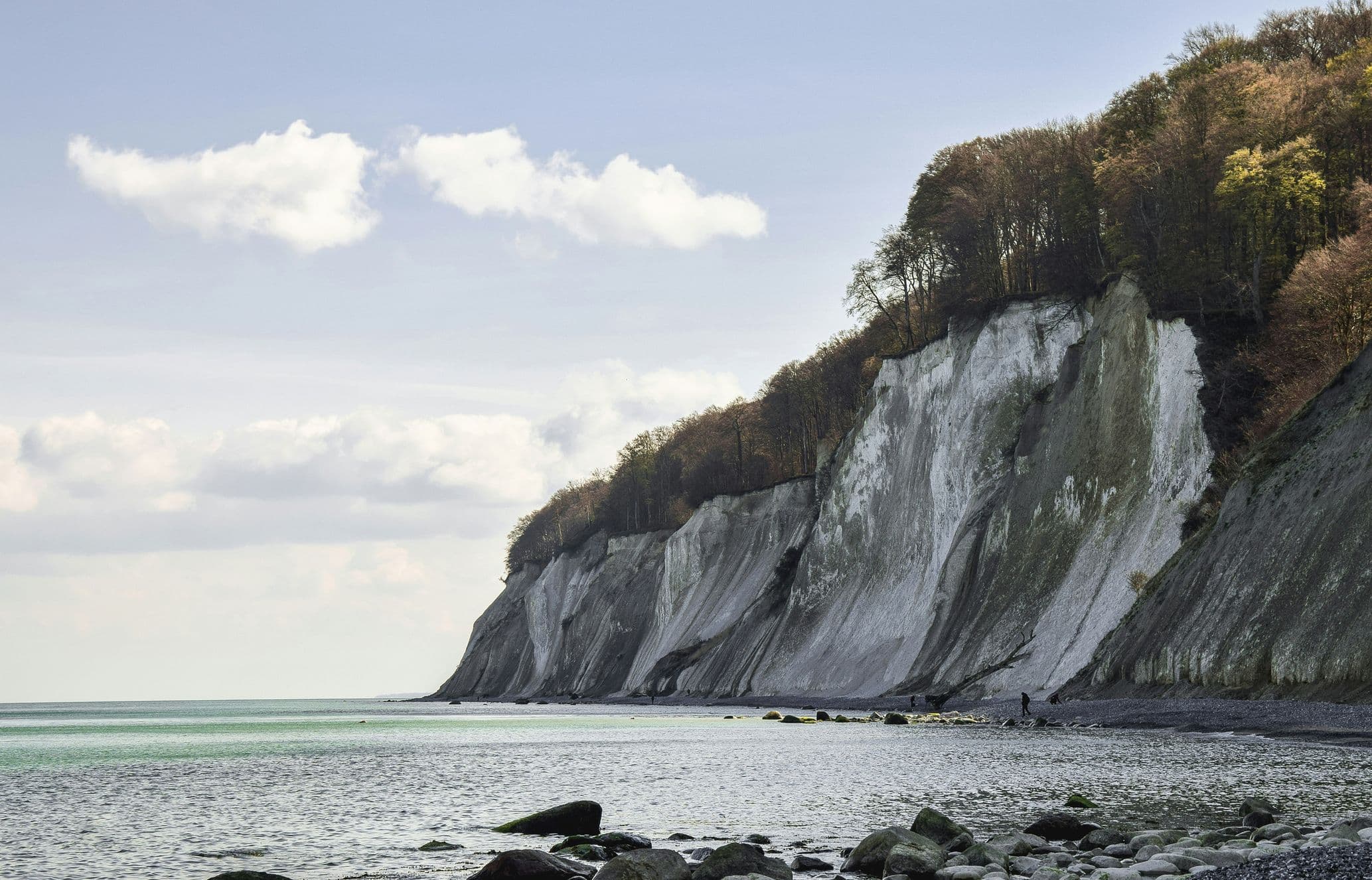
Pour établir ce classement, nous avons adopté une approche rigoureuse fondée sur l’analyse de données, en étudiant des millions de photos de clients afin de déterminer le nombre de clichés pris par kilomètre carré. Cette méthode révèle les destinations qui ont le plus marqué les pellicules numériques en 2025. Le parc national de Jasmund arrive en tête, malgré sa petite taille, tandis que le parc national du Harz s’impose comme l’un des exemples les plus aboutis de renaturation en Allemagne. Plus au nord, le parc national de la mer des Wadden de Basse-Saxe figure parmi les meilleurs sites d’observation des oiseaux au monde, accueillant plus de dix millions d’oiseaux migrateurs chaque printemps et chaque automne.
Pour en savoir plus sur l’analyse des données et la méthode de classement utilisée pour établir les indices de référence photo, consultez la méthodologie à la fin de cet article.


&w=96&q=75)






%3Agrayscale()&w=96&q=75)



 États-Unis