

Travel
21 Photos: Cape Town beyond the city
Table Mountain, Boulders Beach penguins and a farm in Franschhoek – why Cape Town is a nature lover’s destination

7 Jul 2026∙7 min
Travel
Table Mountain, Boulders Beach penguins and a farm in Franschhoek – why Cape Town is a nature lover’s destination
7 Jul 2026∙7 min
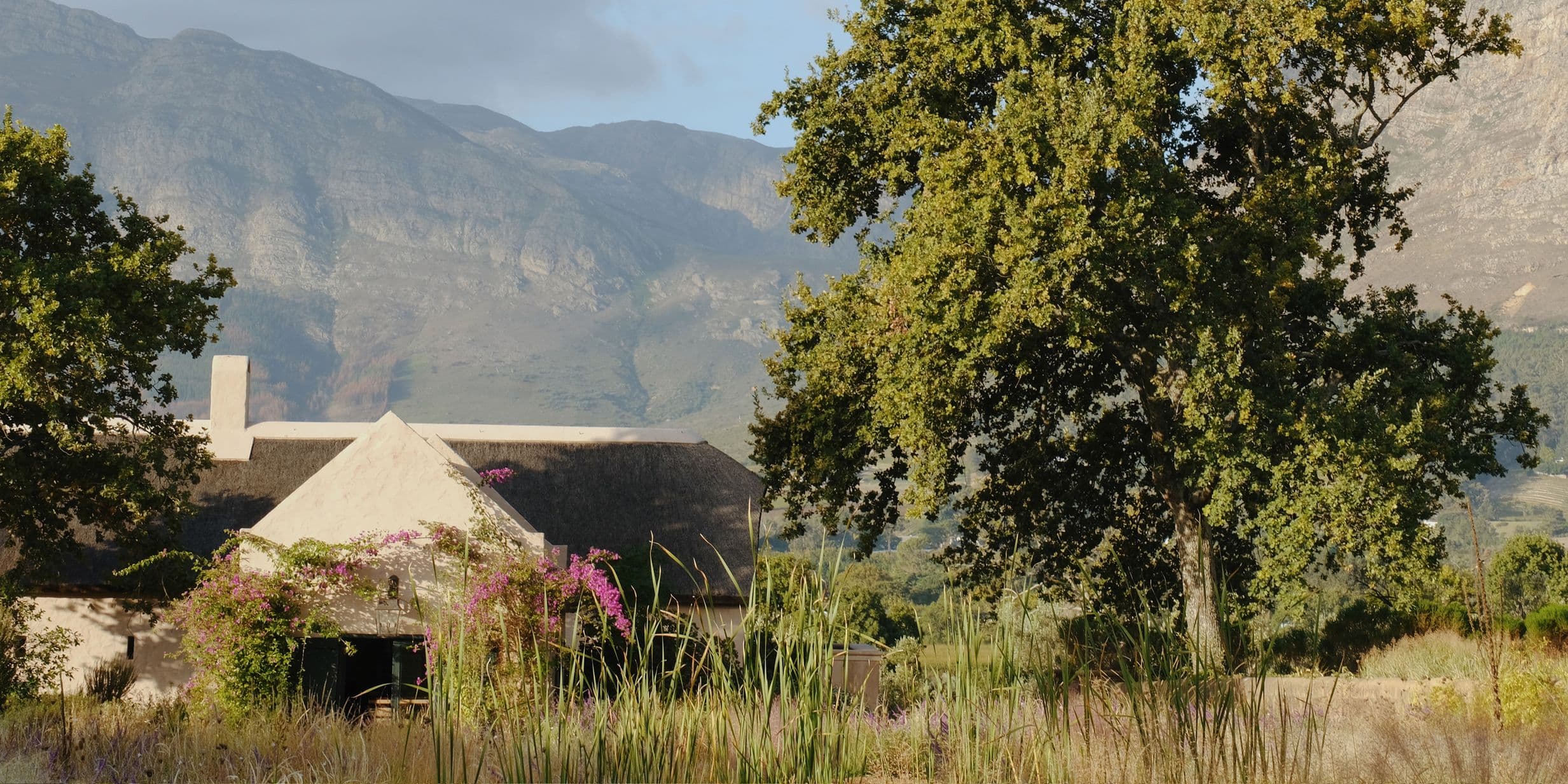
I am not a “city” person. I’m much more content surrounded by bucolic landscapes, towering mountains and craggy coastlines than I am in some urban metropolis. So I perplexed my friends when I told them I’d be taking a 12-hour flight south of the equator to spend just over a week exploring Cape Town. Once I sent photographs of dramatic peaks, never-ending beaches and hotels on farms and vineyards they understood: this is a city where nature is right on your doorstep.
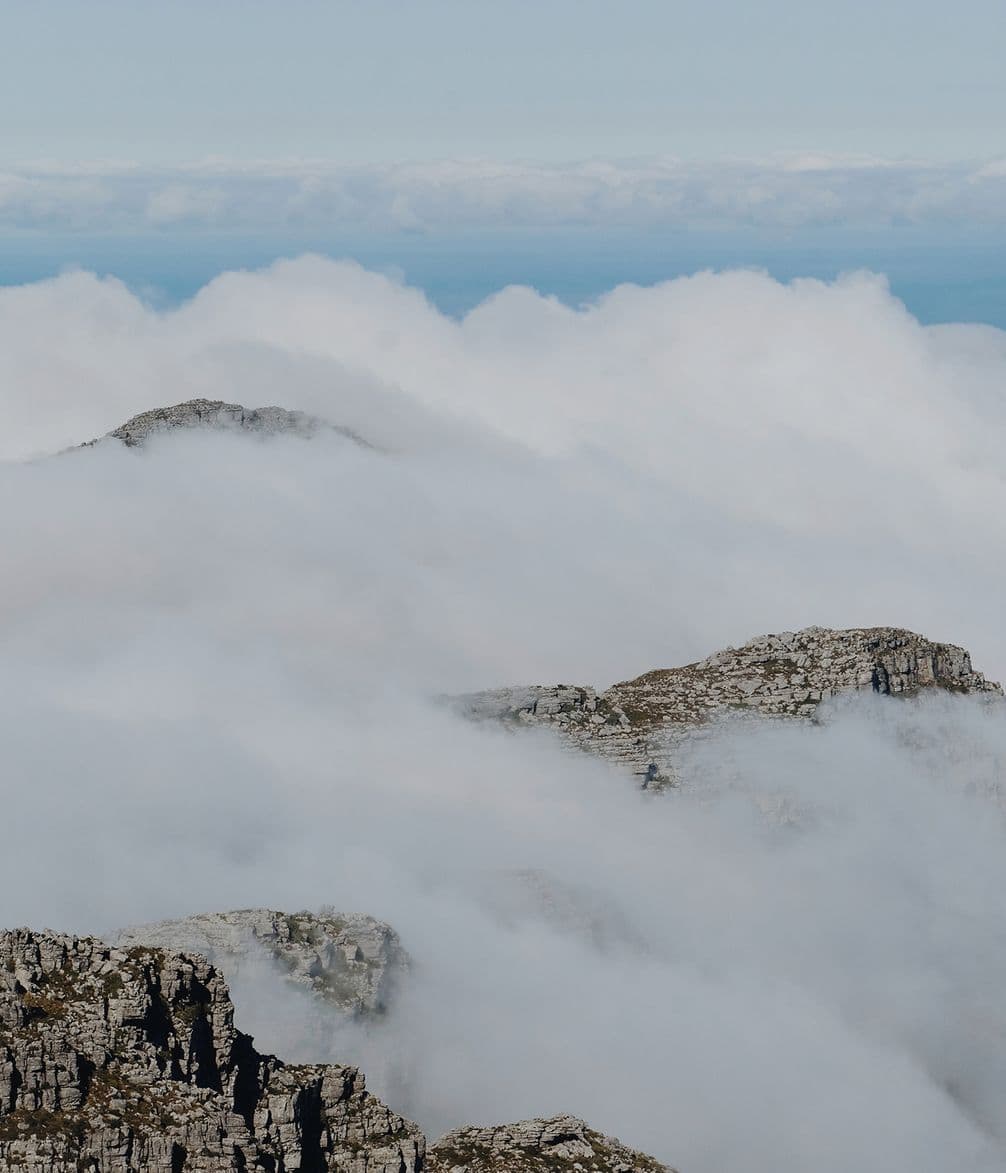
Above the clouds on Table Mountain. Photo: Emma Lavelle
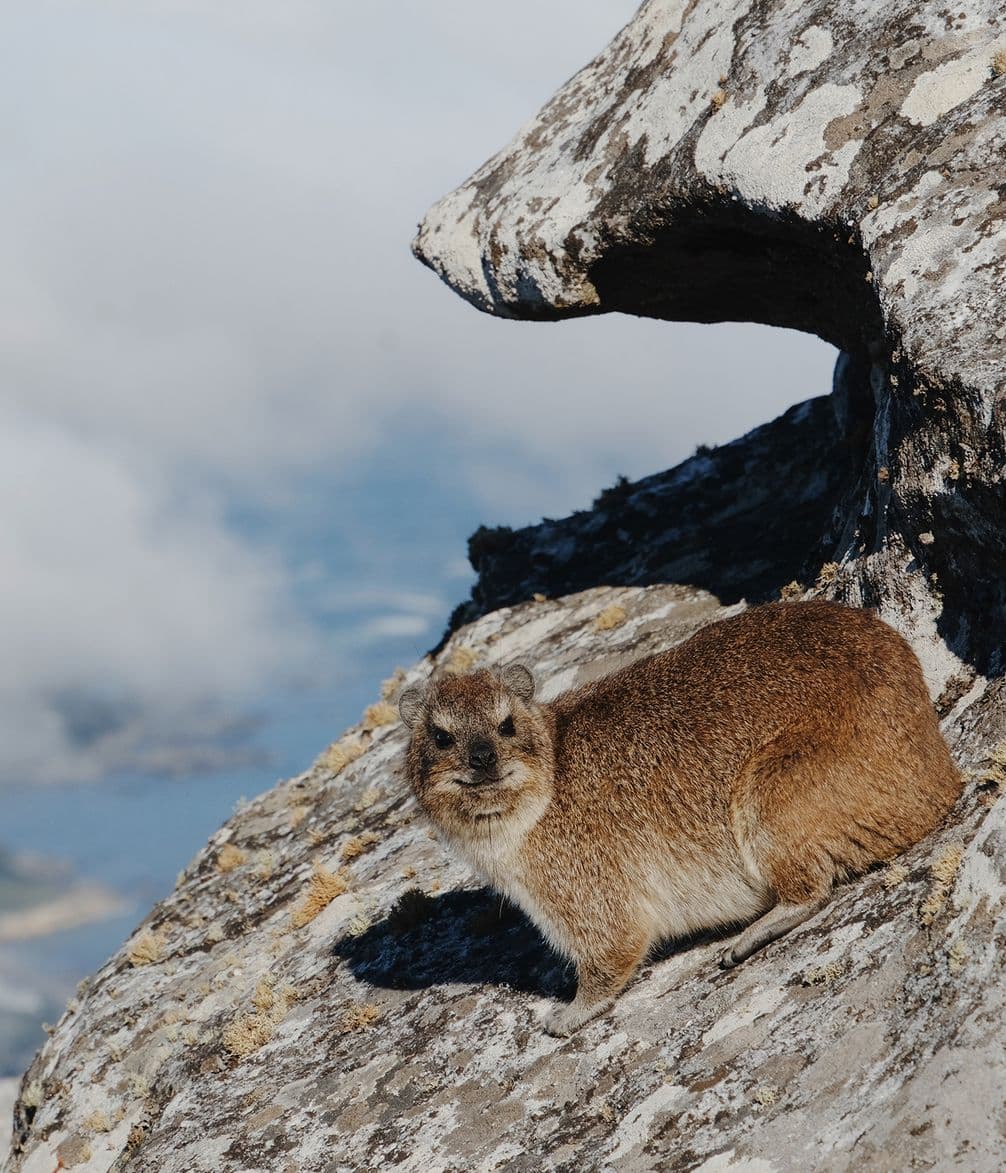
A dassie on the rocks. Photo: Emma Lavelle
From standing on top of Table Mountain to watching a baboon gallop down the side of the road, my brief time in this wonderfully wild place was dedicated to getting close to its landscapes, flora and fauna. Even the spots where I chose to dine had a connection to nature, from afternoon tea in a garden surrounded by hibiscus trees to a three-course dinner on a working farm where we were served just-picked guava. Nine days was nowhere near enough to thoroughly explore the Western Cape, yet it was the perfect introduction to a country known for its beautiful landscapes and diverse plant and animal life.
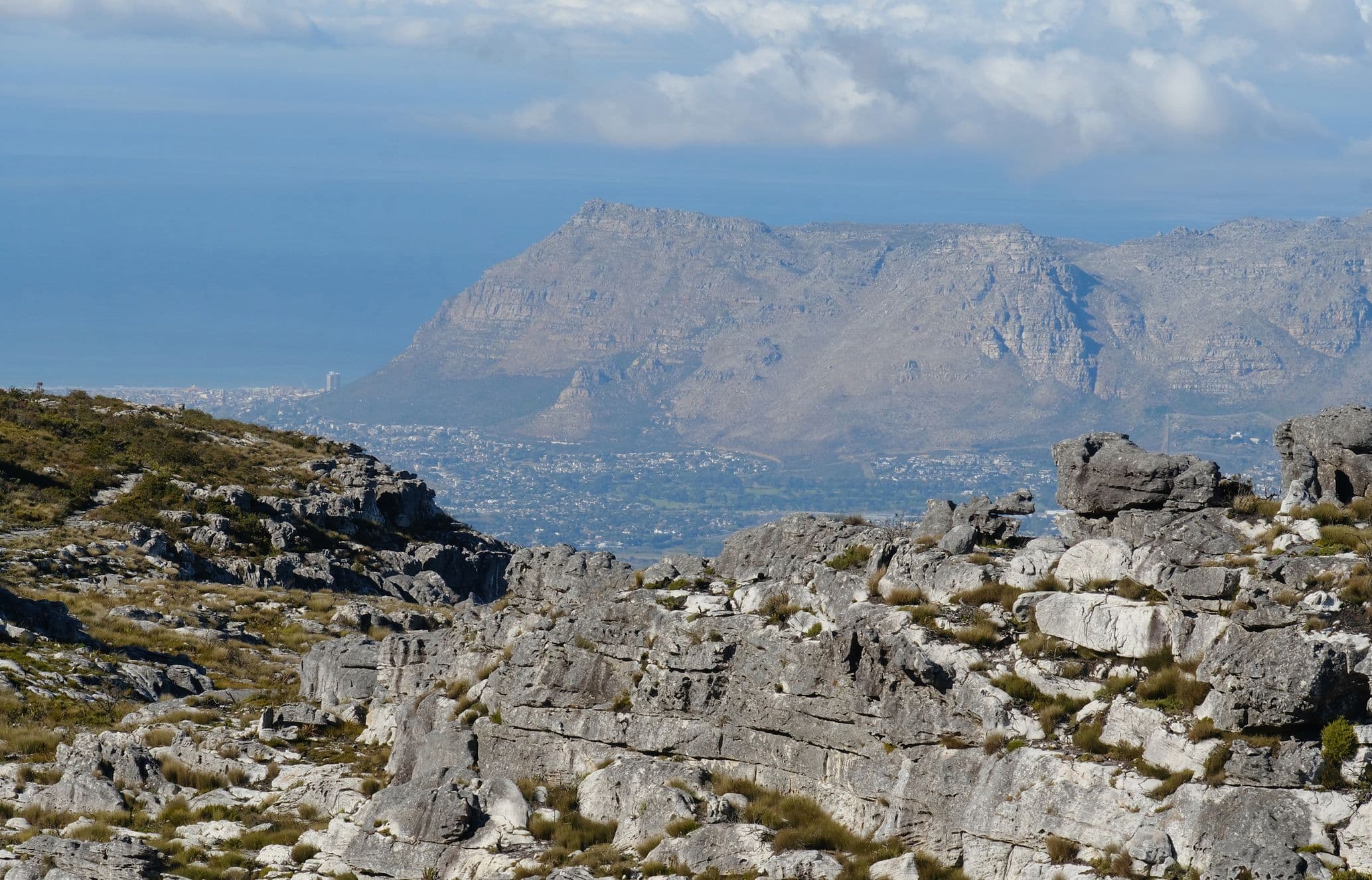
Table Mountain. Photo: Emma Lavelle
Visiting Table Mountain was a highlight of my time in the city itself. It dominates the landscape, looming as a backdrop to Cape Town and visible from almost any point in the city. Beside its iconic flat peak, Lion’s Head and Signal Hill are smaller yet impressive additions to the skyline – driving in from the airport, all three fill your windscreen. One morning, I rose early to beat the queues for the cable car, opting for a window when there would be minimal clouds. You can also hike to the top, but be warned, it’s a challenging climb.
&w=3840&q=75)
Cape Winelands. Photos: Emma Lavelle
&w=3840&q=75)
&w=3840&q=75)
At the summit, I spent several hours wandering the rocky ground and admiring the views from every angle: the city, the harbour, the coastline with its winding roads and turquoise tidal pools, and the undulating peaks of the Cape Winelands and Cape Peninsula in the distance. I carried my Tamron 18-300mm lens to capture the landscapes below through the clouds that drifted past. I kept my eyes peeled for dassie (a rodent-like mammal actually more closely related to elephants) – it wasn’t until I asked my boyfriend to take a photo of me that we spotted one, lurking right behind me, seemingly ready to pose for my camera.
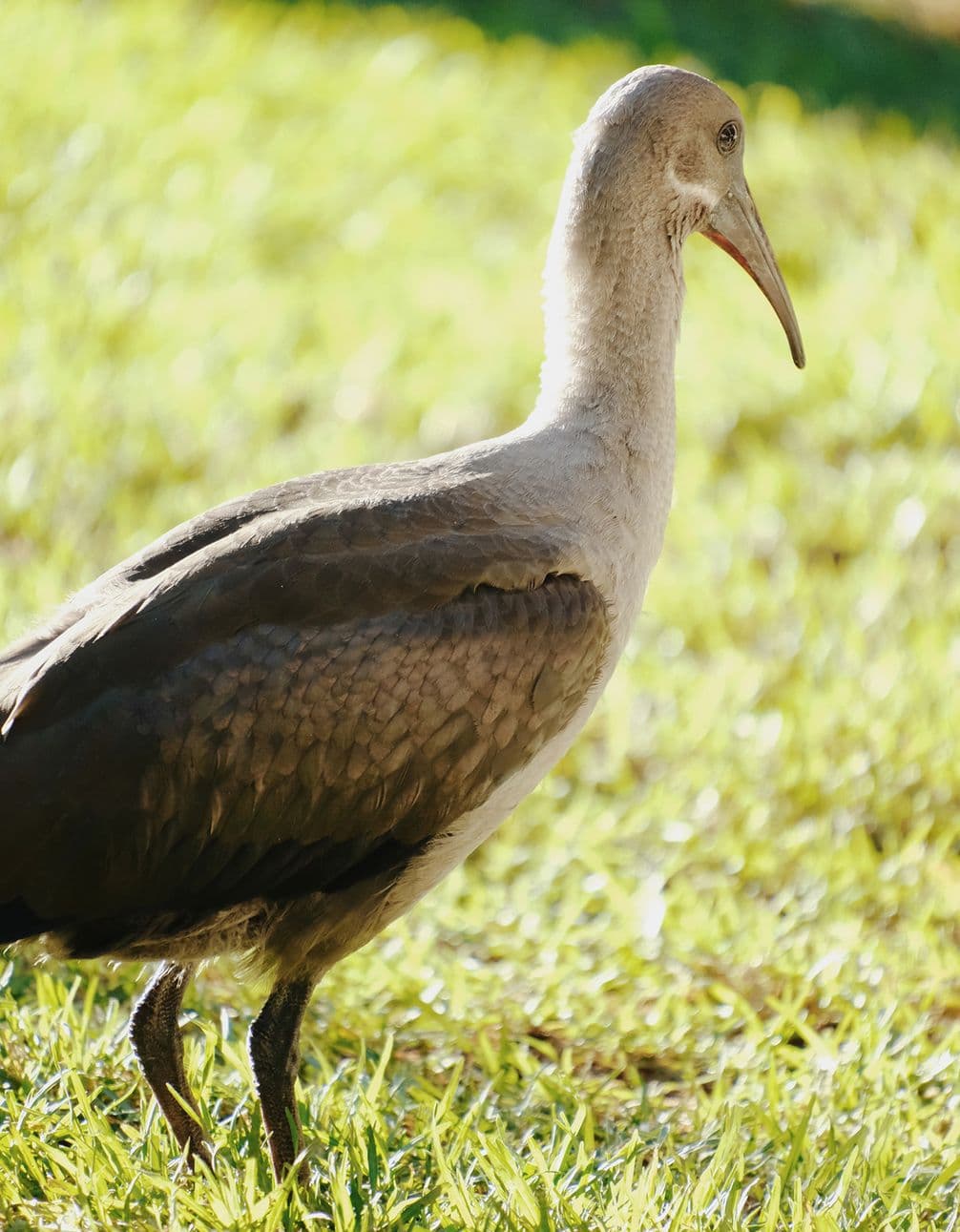
A hadada ibis bird at Mount Nelson. Photo: Emma Lavelle
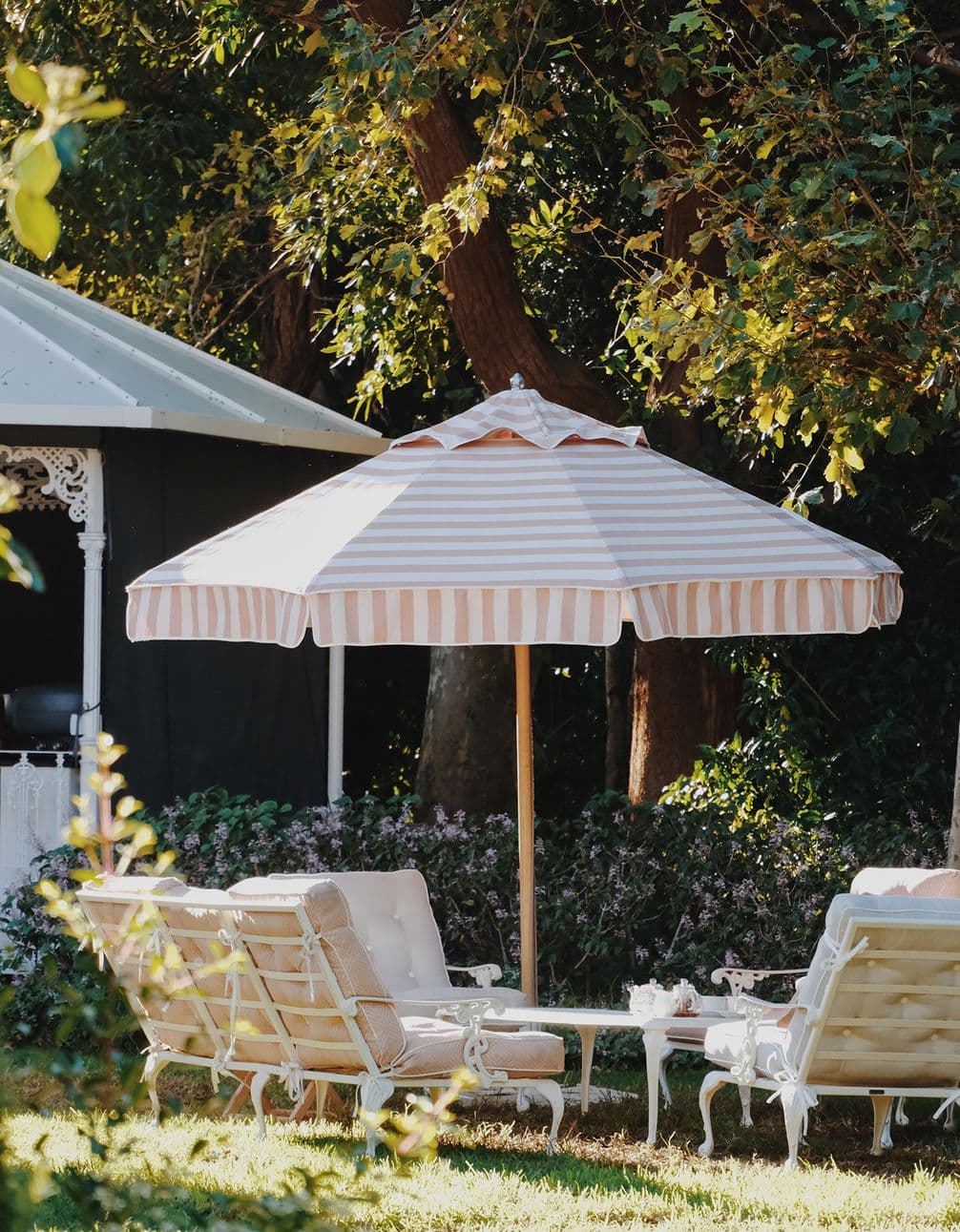
Afternoon tea at Mount Nelson. Photo: Emma Lavelle
Another key memory was afternoon tea at Mount Nelson, a Belmond Hotel. A Cape Town institution, tea here is served by a sommelier who talks you through the vast offerings available (I opted for buchu, a local herbal tea with natural antiseptic properties). You are then presented with four courses, culminating in a cake buffet I was sadly too full to enjoy. Instead, I strolled around the gardens with my camera, admiring the gigantic hibiscus and the last of the dahlias. To my delight, a couple of hadada ibis were pecking across the lawn, evading my attempts to get too close – my long lens once again earned its keep.
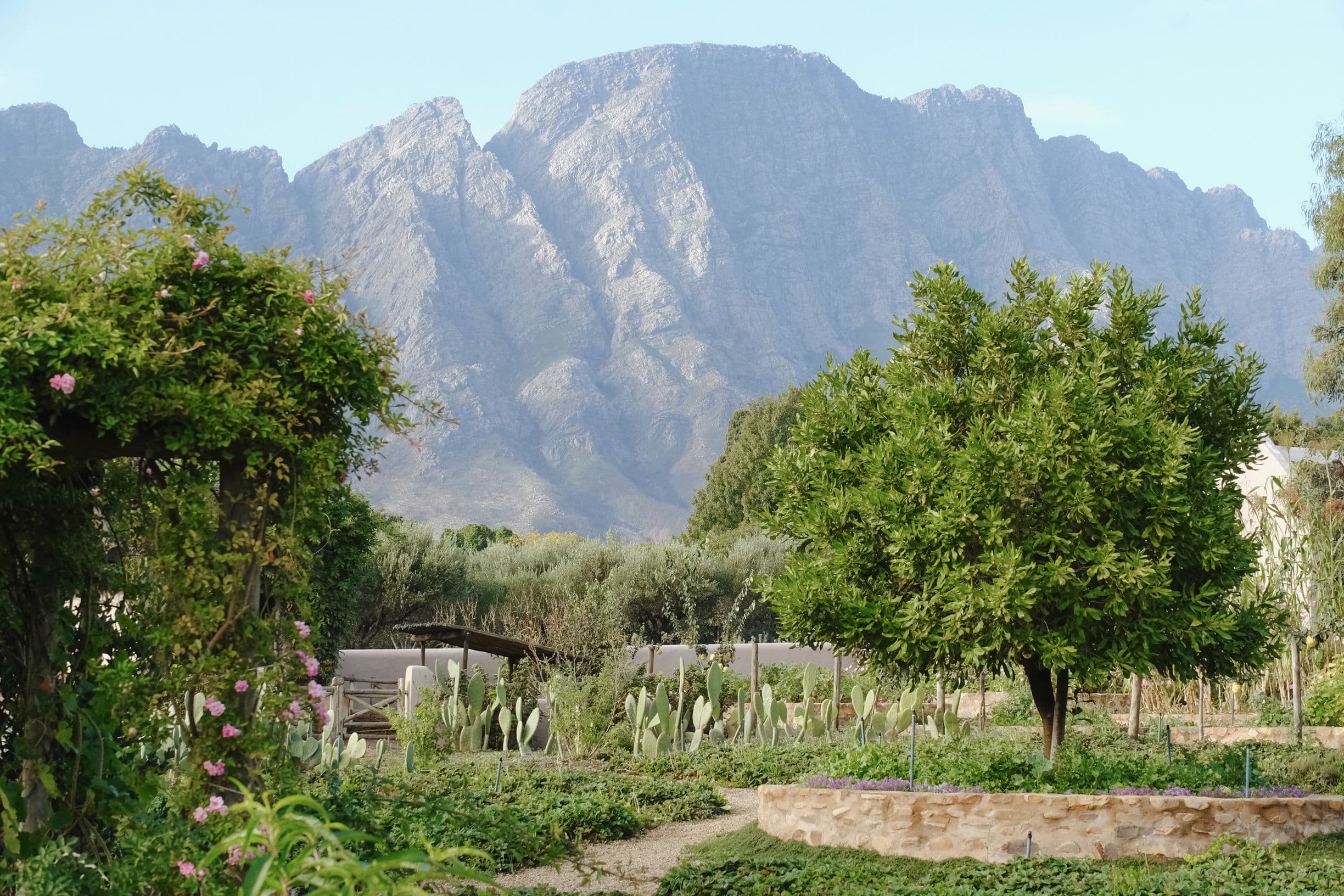
View from Sterrekopje Farm. Photo: Emma Lavelle
&w=3840&q=75)
Sterrekopje Farm. Photos: Emma Lavelle
&w=3840&q=75)
&w=3840&q=75)
&w=3840&q=75)
&w=3840&q=75)
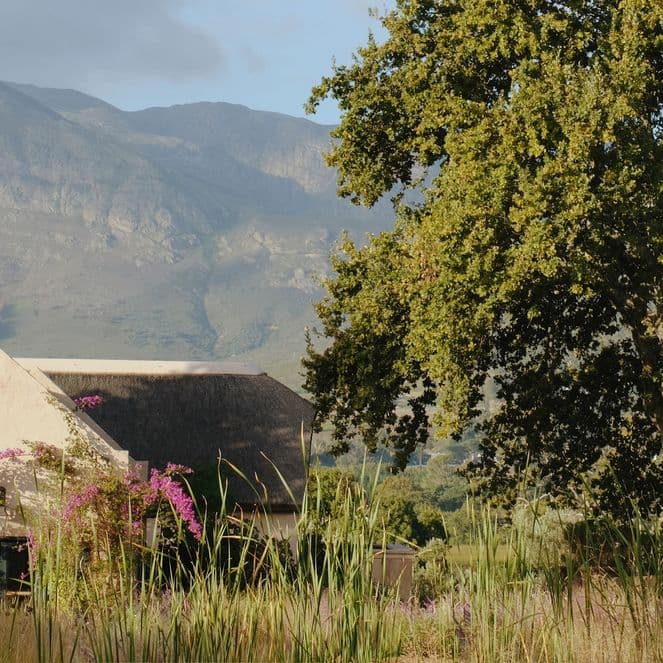
Equally magical was Sterrekopje Farm, tucked away at the edge of Franschhoek. I stayed here for three nights, bookending my days with golden hour wanders in the gardens, camera in hand. Pigs, ducks and chickens roamed freely among a staggering array of fruit, vegetables, herbs and flowers; okra and bananas growing beside colourful zinnias and clouds of cosmos. Every morning, the kitchen and bath house teams wandered with woven baskets, foraging ingredients for dinner and herbs for treatments. My lens drifted from close-ups of the produce to sun-drenched vistas of the surrounding mountains.
From Sterrekopje, it was a short journey to the other side of Franschhoek and a vineyard stay. At this point the weather shifted to autumnal storms, forcing both me and my camera indoors to a sofa beside the fireplace. Every time the rain eased, I ventured out to capture the mist-covered mountains and yellowing vines. One afternoon I strolled through the vines towards the tasting room, sampling three of the estate’s tipples and wandering through the sculpture garden.
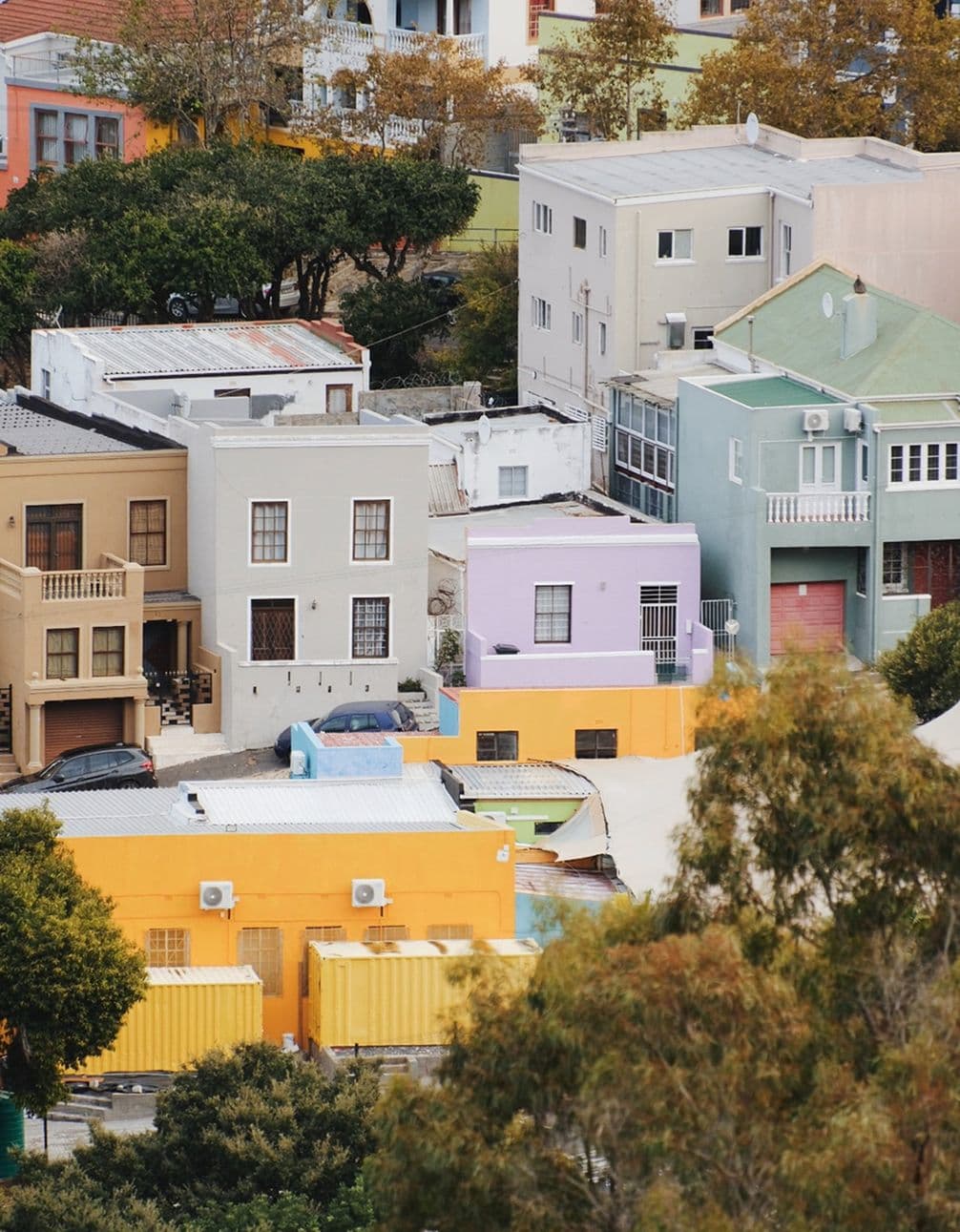
Bo Kaap. Photo: Emma Lavelle
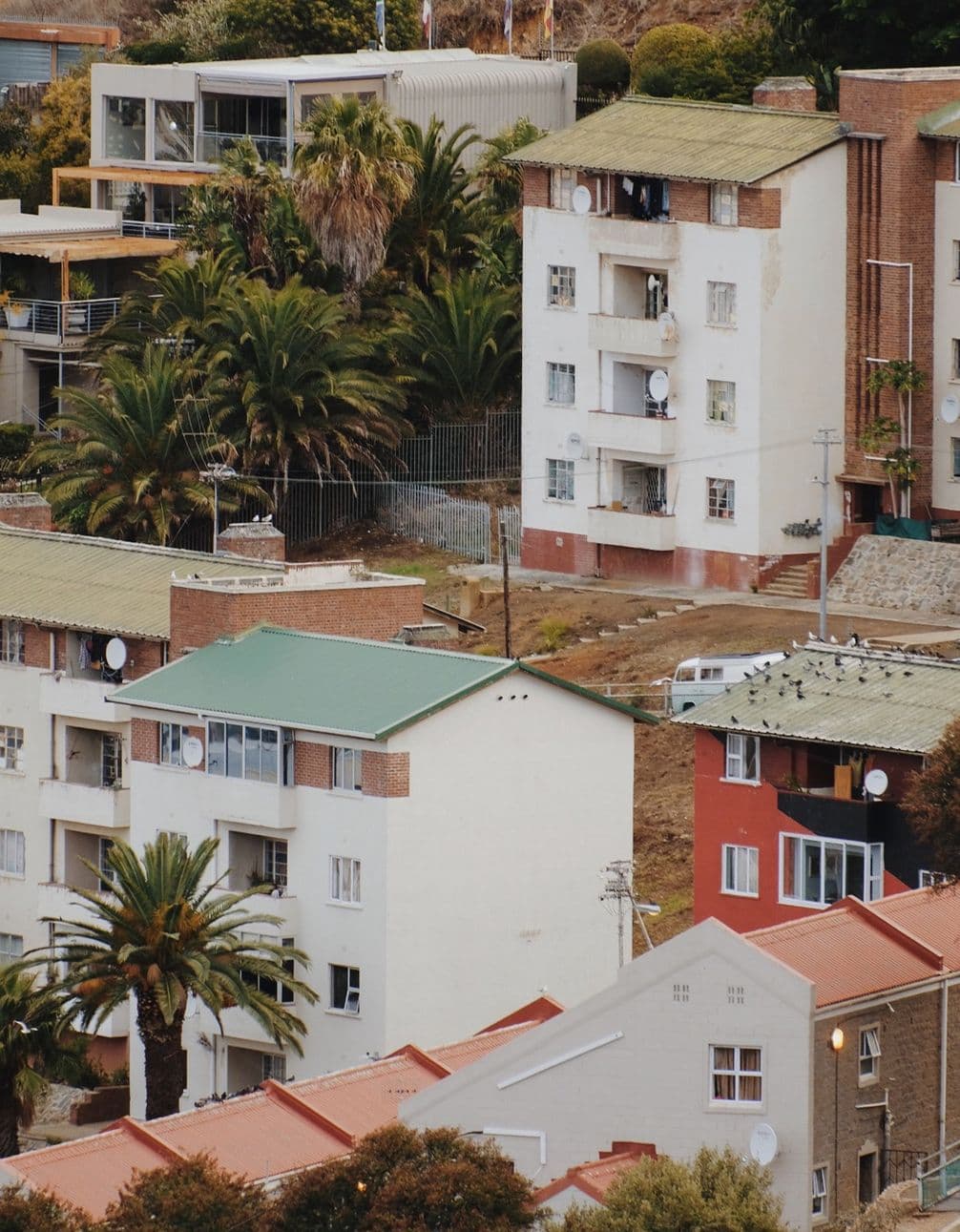
Bo Kaap. Photo: Emma Lavelle
Finally, I headed back to the city for two nights, staying in a hotel overlooking Bo Kaap, a neighbourhood of colourful homes with a fraught history. Once home to slaves brought to the Cape from Asia, it was then designated for Black and Malay communities during Apartheid; residents painted their houses joyful colours to celebrate their freedom, and it is now a thriving multi-ethnic neighbourhood. From my rooftop, I zoomed in on the vibrant buildings to capture them from above without the crowds, then turned my lens towards Table Mountain – a firm lesson that I can’t control the weather, as its peak stayed shrouded in dark clouds.
On my last day, I wanted to get out of the city and hired a driver to take us along the Cape Peninsula through Table Mountain National Park. This proved a highlight of the entire trip: majestic views, a meeting with “the seal whisperer” (who called Cape fur seals out of the harbour by name), the best fish and chips I’ve ever eaten in a generations-old takeaway by the sea, and a baboon running down the side of the road.
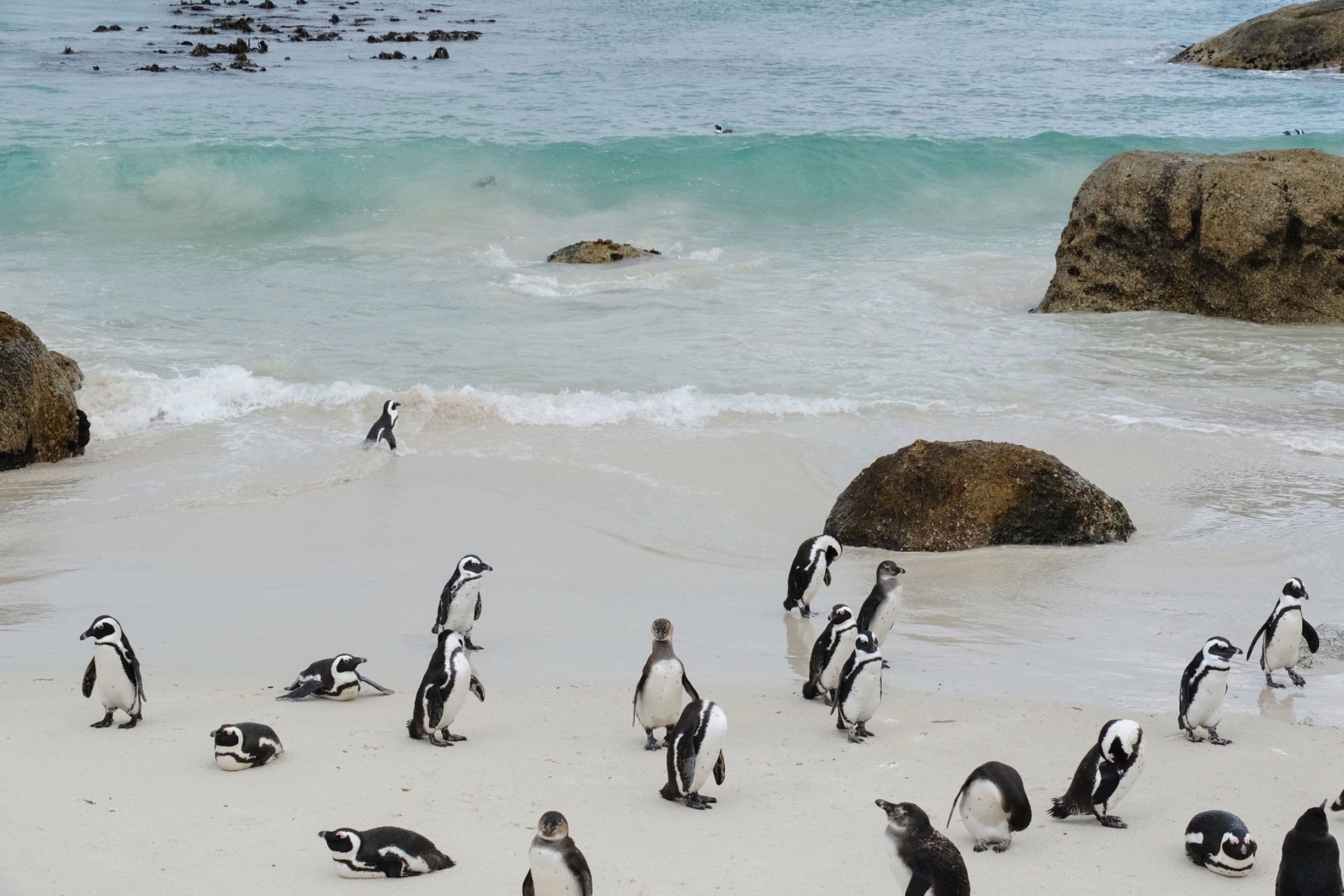
Boulders Beach penguin colony. Photo: Emma Lavelle
&w=3840&q=75)
Boulders Beach. Photos: Emma Lavelle
&w=3840&q=75)
&w=3840&q=75)
But the peak of possibly my entire time in Cape Town was finally visiting somewhere long on my radar: Boulders Beach, the only place in Africa where you can meet a penguin colony. I marvelled at the crystal clear waters of the Indian Ocean before scrambling over and beneath gigantic boulders in search of the penguins. My first glimpse was in the shrubbery at the side of the path, where they waddled and snoozed in the dirt. From the official viewing platform I was much closer than anticipated, kneeling on the deck snapping away – impossibly cute creatures on the beach and in the water, including a couple of young penguins moulting their fur. It felt like a true once-in-a-lifetime experience.
And then it was time to leave. On the plane, I scrolled through the thousands of photographs I’d captured, nostalgic for an adventure now over while already imagining the nature, wildlife and scenery waiting for me on a return trip.
Discover memories faster with exclusive features like facial recognition and smart albums.



&w=96&q=75)
15 Jun 2026∙7 min
&w=96&q=75)
17 Aug 2026∙7 min
&w=96&q=75)
7 Jul 2026∙9 min


 United States