
Lifestyle
Memoir of the Month: Iconic by Zandra Rhodes
Ella Alexander on co-writing the memoir of a true original – and why Zandra Rhodes remains fashion’s most colourful radical

28 avr. 2026∙7 min
Lifestyle
Ella Alexander on co-writing the memoir of a true original – and why Zandra Rhodes remains fashion’s most colourful radical
28 avr. 2026∙7 min
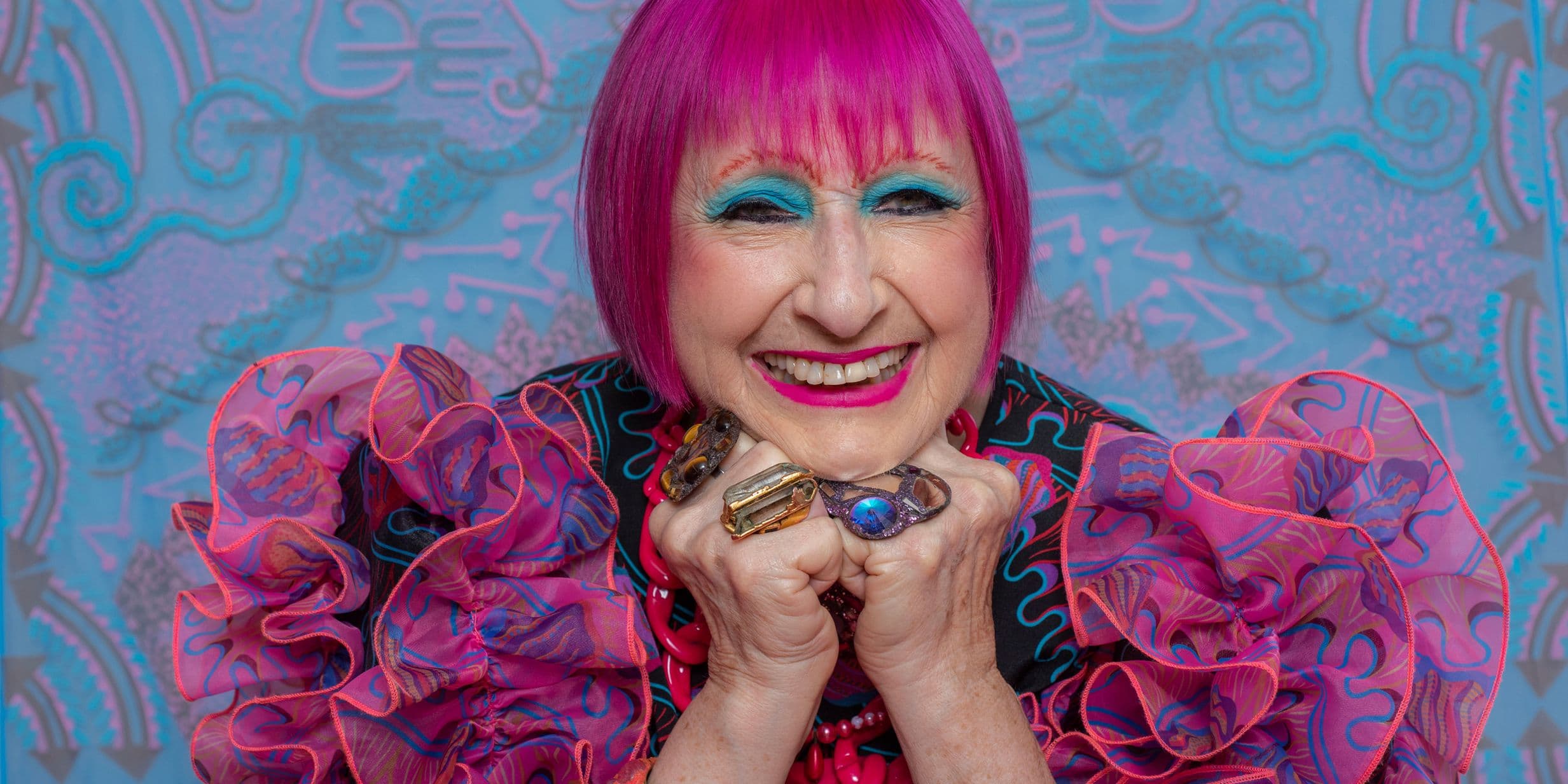
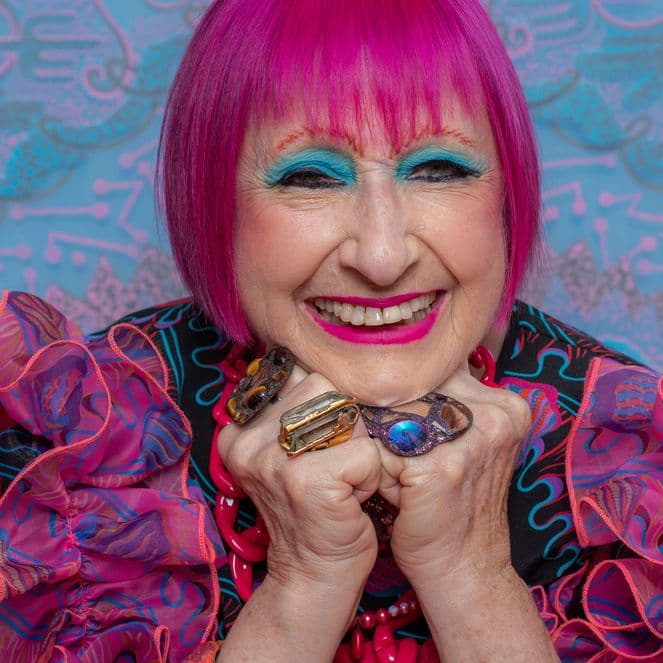
Dame Zandra Rhodes is sitting at a small circular table dosing off while I try to interview her. It’s a hot summer evening and she’s been characteristically busy all day. The sun is shining through the expansive windows of her colourful penthouse, causing the giant Andrew Logan chandelier above us to scatter rainbows over her face. Her eyelids are covered in sparkling cobalt blue makeup, while streaks of refracted light criss-cross her cheeks, framed by her signature neon pink bob; she looks like a psychedelic glam-rock icon. Zandra jolts herself awake and carries on talking as if she hadn’t been asleep moments before. Our interview continues.
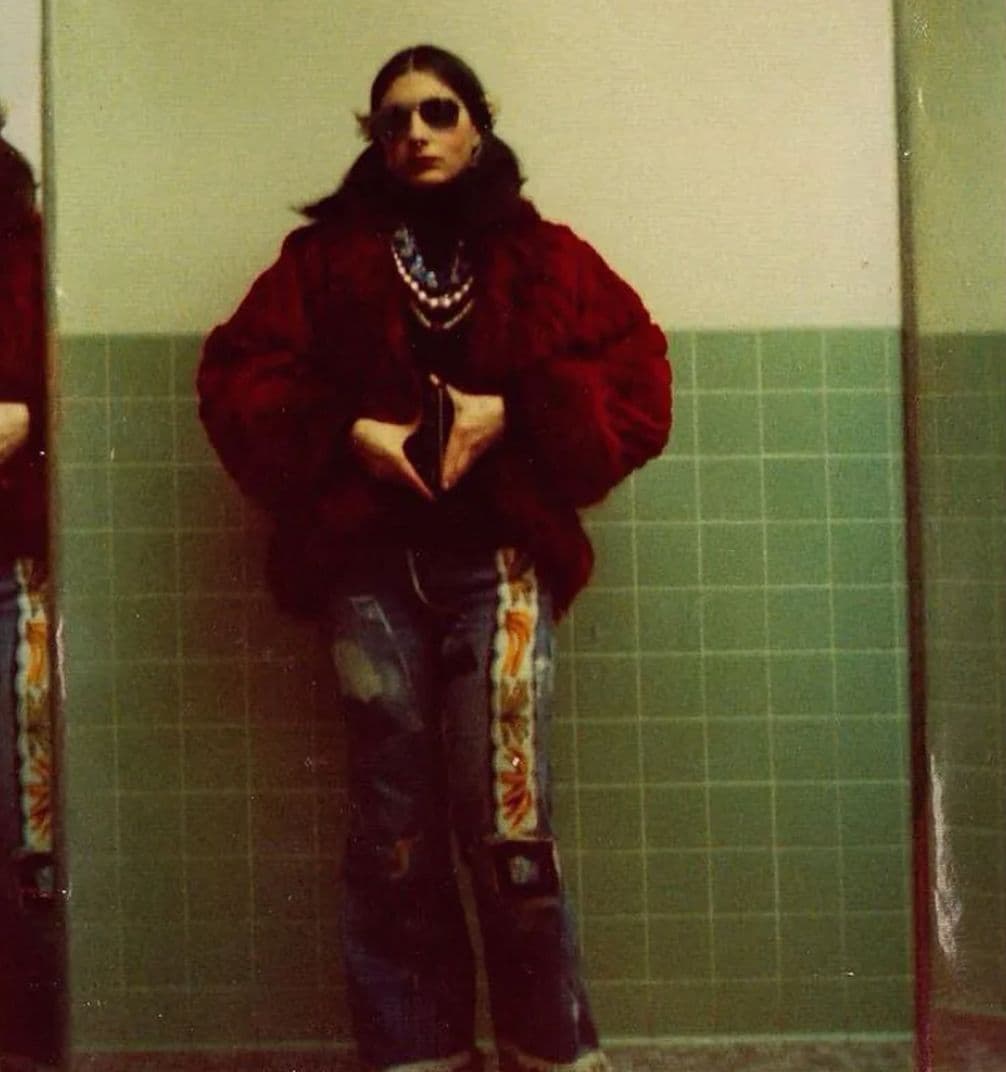
Zandra in her mid-thirties before dying her hair her signature pink
I have so many memories of working with Zandra on her memoir, Iconic: My Life In Fashion In 50 Objects, but there was something about that quiet moment that stands out – the colour, the light and her energy – it might dip, but never for long. As any of her friends will tell you, she’s famous for falling asleep in odd places, whether the Oscars or at Studio 54.
Her work ethic is almost supernatural, taking her from life as a working-class girl from Chatham to one of Britain’s most dynamic and original fashion legends. But it’s also taken a huge amount of talent: this is the woman who reinvented bold print and colour to create clothes so beautiful that the revered US Vogue editor Diana Vreeland insisted they appear in the magazine as soon as possible. She has dressed everyone from Princess Diana to Diana Ross and Bianca Jagger.

Zandra Rhodes, Manolo Blahnik and Bianca Jagger at Studio 54
Zandra is important not only to style, but also to music – it was in one of her white caped designs that Freddie Mercury really became a showman, and in a green jersey number that helped transform Marc Bolan into a rock star. She was the first to dye her hair a vivid colour long before Bowie dared to, and she created fashion theatre, decades before Alexander McQueen or John Galliano. She has been a fashion world darling and then later close to bankruptcy. Nothing in fashion is forever and Zandra has weathered every storm thrown at her, and in the middle of it all founded a museum. Life has never passed her by – Zandra has really truly lived. Today, she has entered her national treasure era.
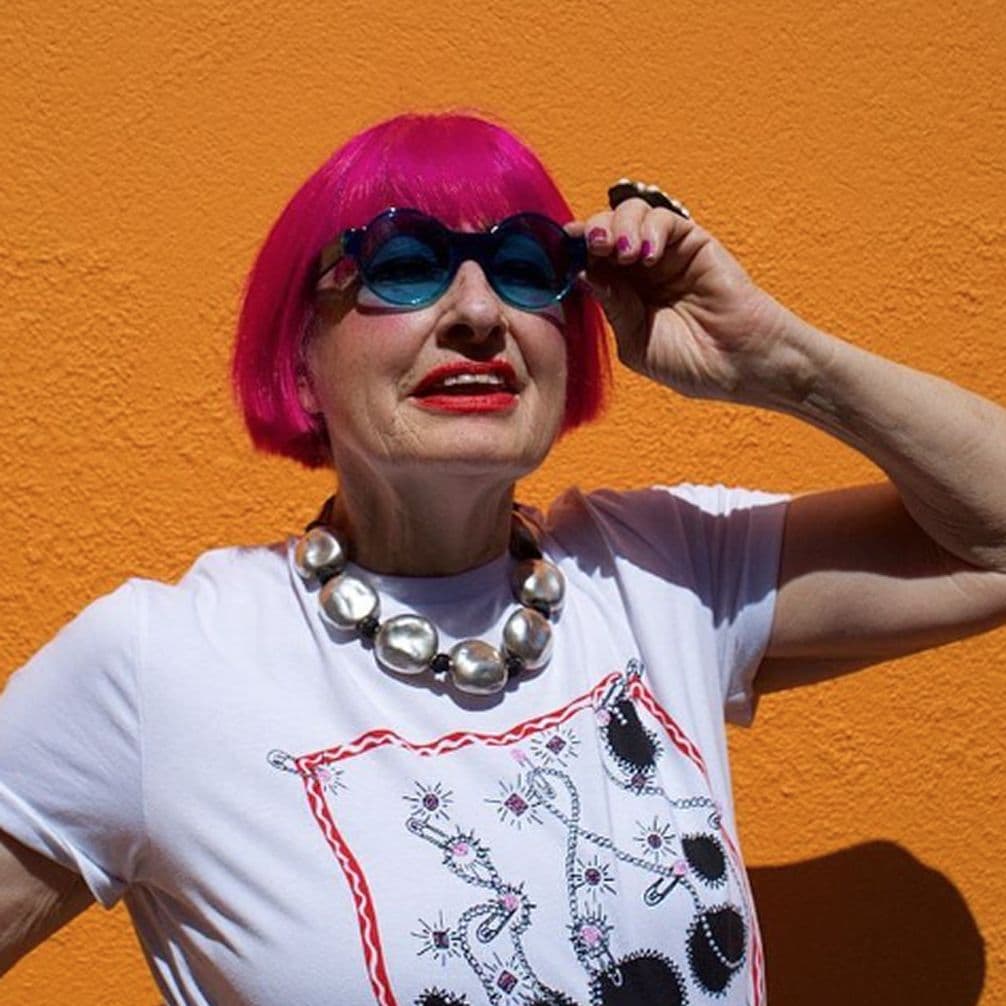
Zandra is credited with reinventing bold print and colour
She was the first to dye her hair a vivid colour long before Bowie dared to, and she created fashion theatre, decades before Alexander McQueen or John Galliano
All of this made the prospect of writing her memoir somewhat daunting; I was almost overburdened with material. The book itself came about by chance. Zandra and I met when I was in my early twenties at my first journalism job at British Vogue. My editor sent me to interview her on stage at a public event and – despite feeling terrified at meeting who I thought would be an unforgiving fashion diva – Zandra was incredibly grounded and generous with herself, making the audience laugh with anecdotes about how Lauren Bacall once screeched with pain in her studio after standing on a dress-pin. Afterwards, she invited me to dinner at her penthouse, where I sat next to Lulu and Andrew Logan and ate her signature salmon dinner. It was the perfect introduction into her energising, colour-filled world – uplifting and inexhaustibly creative. We have remained friends ever since.
The book was conceived after an interview I did with her ahead of her 80th birthday, in which she relayed more stories from her vivid life. I suggested she start writing them down for posterity, and so the idea of a memoir was born. A year later, I left my job at Harper’s Bazaar to go freelance and began working on it in earnest.
A self-described hoarder, Zandra’s home is filled with curiosities and objects that she has collected throughout her 85 years. We began using these as jumping off points to discuss key moments from her life: a wooden box given to her by a dear, late friend to talk about her first few years in ’70s New York; a paper fan invite to recall one of her most important catwalk shows; or a copy of Vogue that reminded her of a fateful first meeting with Diana Vreeland, a woman who would become her fashion fairy godmother. We decided that this way of remembering would serve as a perfect format for the book, giving us the opportunity to talk for longer about deeper life chapters and to discuss lighter, funnier anecdotes with pace and succinctness.
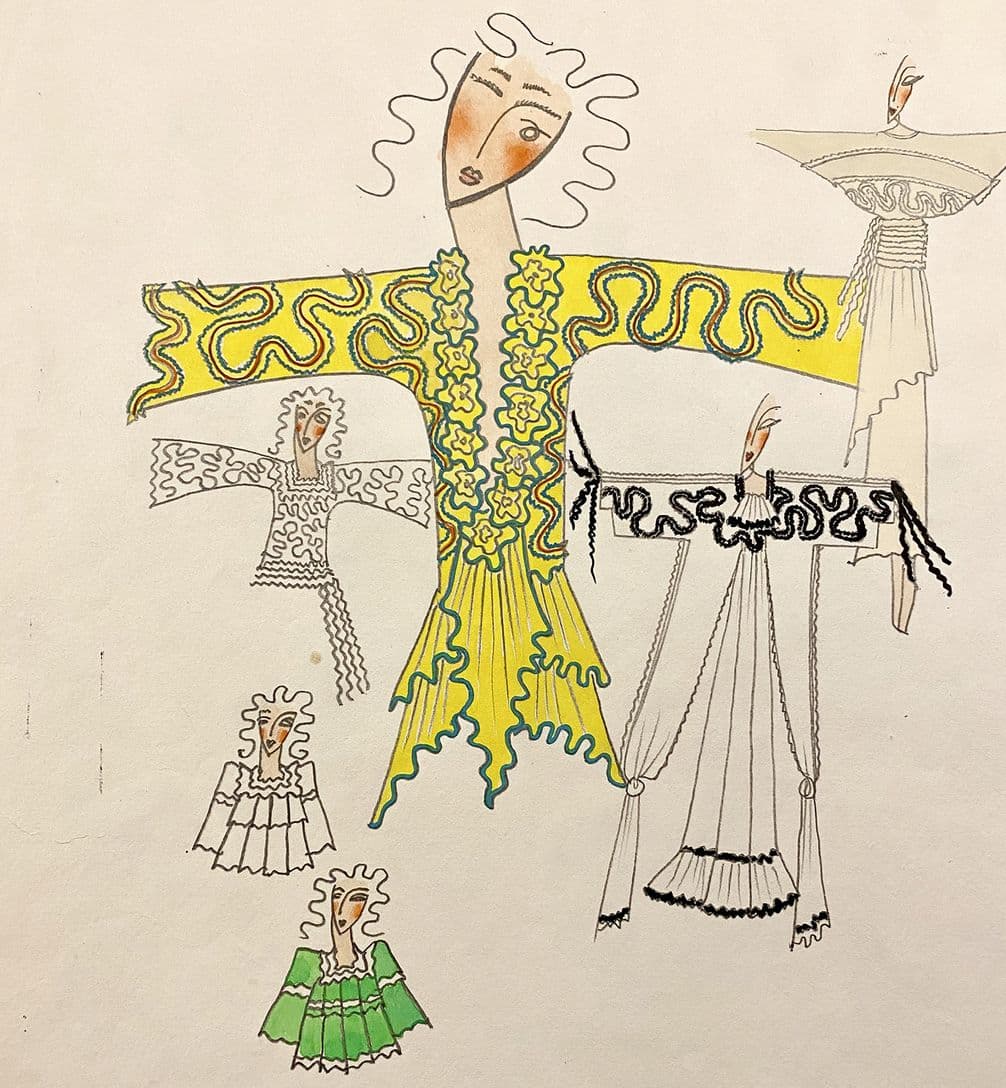
Wiggle lines and distinctive stylised faces are recurring motifs in her design language
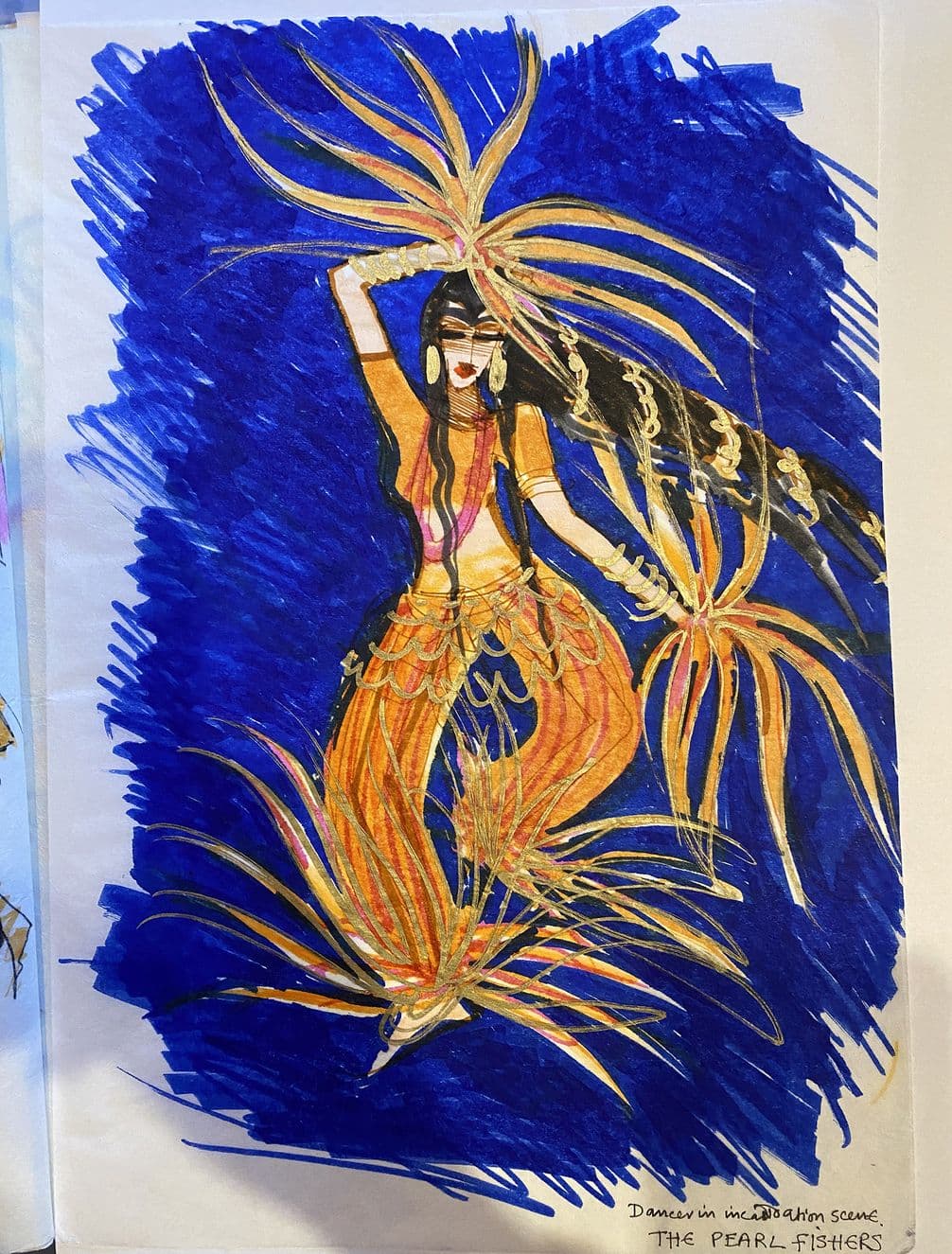
Her sketchbooks, which dated back to the ’50s when she was at school in Chatham, were vital – a portal into how she felt about a given moment. Although Zandra was born into a wartime world where emotions were not processed and poured over, she has always translated her inner world through her work. Sketches were annotated with her anxieties, dreams and hopes. As well as our interviews, I also interviewed 30 of her friends and family, from ex-boyfriends to former colleagues, to create an even richer portrait. It was a fascinating insight into how memories of an event or experience vary based on what we need to take from them. I suppose it’s our brain’s way of surviving.
Although Zandra was born into a wartime world where emotions were not processed and poured over, she has always translated her inner world through her work
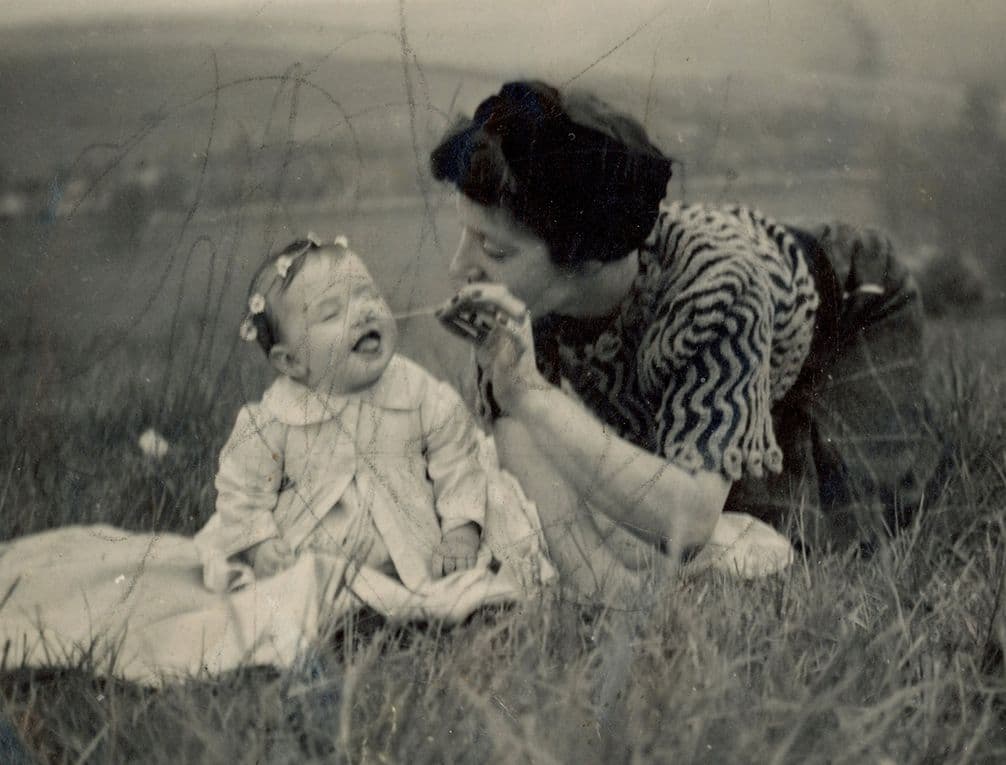
Baby Zandra with her mother, Beatrice
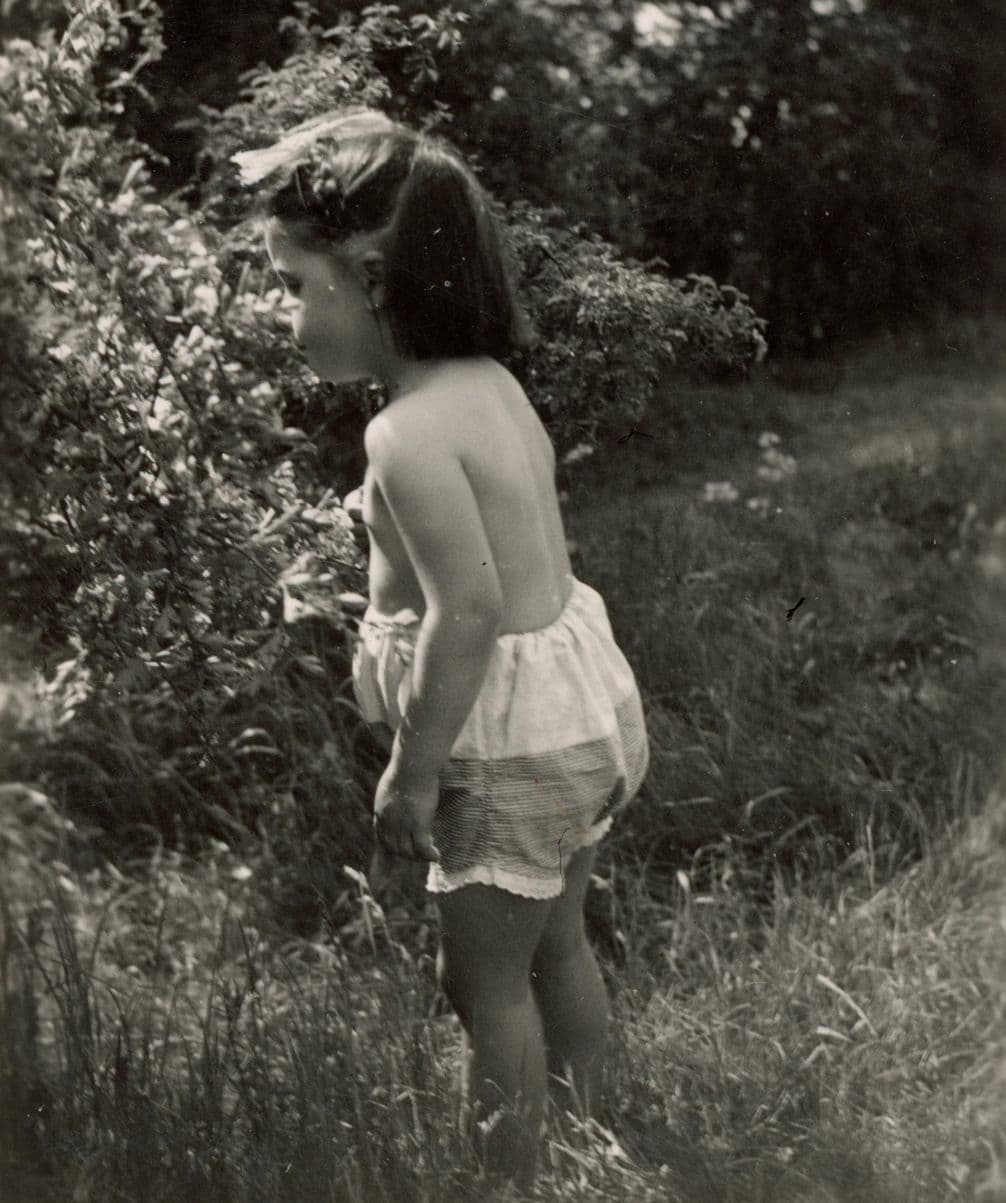
Zandra grew up in Chatham, Kent
One of the many points I have learnt in co-writing a memoir is that it’s impossible to know what direction a story will take until you start unpicking it. The most surprising truth we unearthed was about Zandra’s grandmother on her father’s side. She had never been close to her father, who she felt should have worked harder and was never good enough for her flamboyant, intense mother. The family’s understanding was that his own mother was a prostitute who had been killed by a client, but a deep dive into the family tree revealed that the reality was a little different. Rose, as she was called, had not been a sex worker, but had multiple affairs while her husband was at war. When one of her lovers found out about the other, he lethally attacked her with a razor and nearly decapitated her. The murder was front page news in local Kent newspapers and the man was hung for his crime. After he was consequently abandoned by his own father, Zandra’s dad was sent to live with his alcoholic aunt and uncle instead. This discovery shifted Zandra’s understanding of him – he was, she decided, a survivor.
Zandra’s story may have begun over eight decades ago, but it couldn’t feel more relevant. In a world led by algorithms, where AI is fast encroaching and beauty ideals feel more homogenous than ever, we desperately need creativity, whimsy and originality. We need to hear from those who made the impossible possible, where hard graft and talent take you places you could barely have dreamed of. We need stories about renegades that stayed true to themselves – radical women who drenched their worlds in colour.
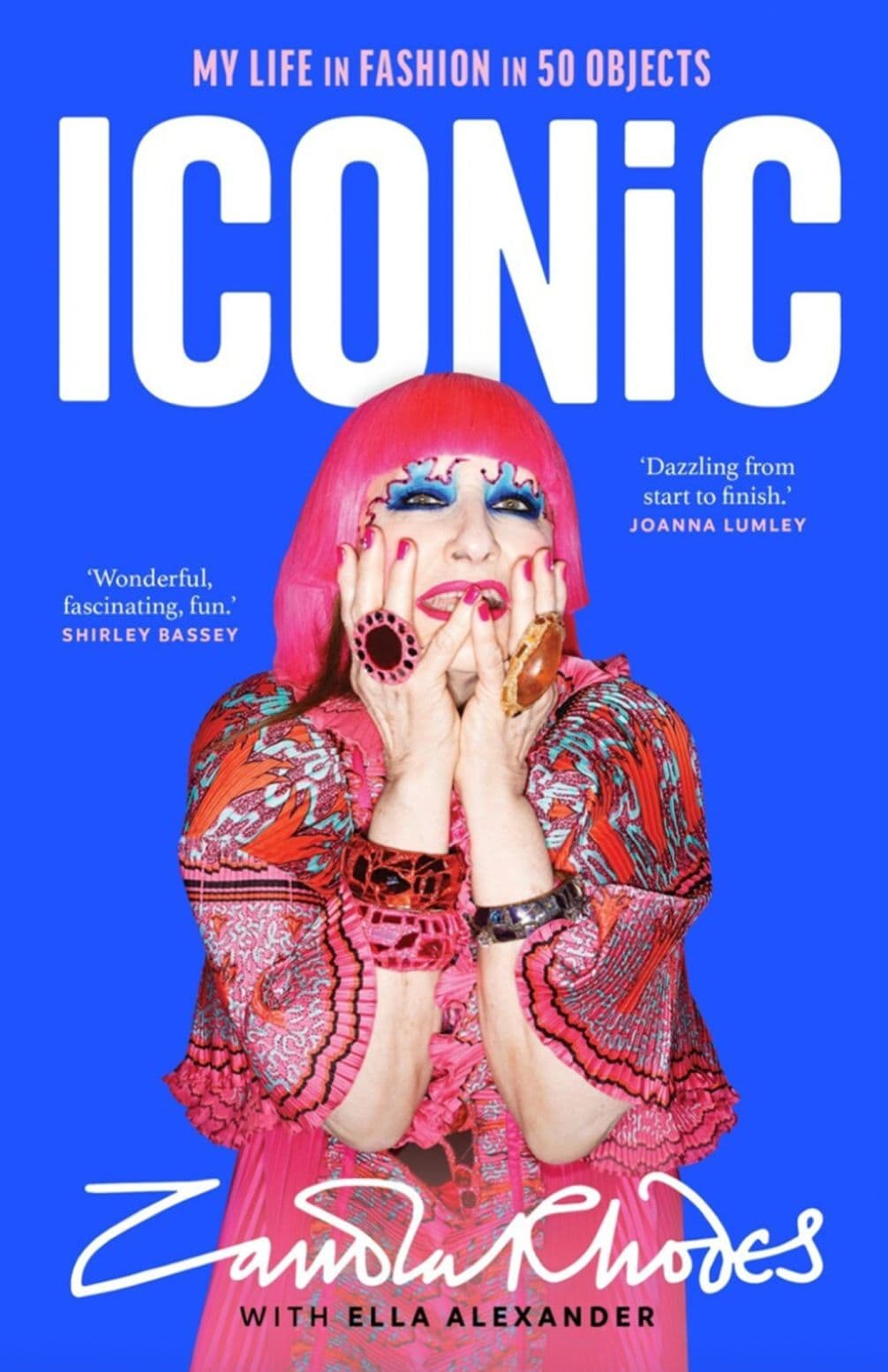
Iconic: My Life in Fashion in 50 Objects by Zandra Rhodes and Ella Alexander is now available in paperback, published by Bantam at £10.99.
Découvrez des souvenirs plus rapidement grâce à des fonctionnalités exclusives telles que la reconnaissance faciale et les albums intelligents.



&w=96&q=75)
Lucy Halfhead
Responsable éditoriale Popsa
16 oct. 2025∙10 min

&w=96&q=75)
&w=96&q=75)


 Etats-Unis