
Voyages
La beauté du littoral portugais en photos
En attachant un drone à son sac, le photographe algarve Mathias Fernandes redécouvre les paysages si familiers qu’il a longtemps tenus pour acquis.

17 Sep, 2025∙6 min

Voyages
En attachant un drone à son sac, le photographe algarve Mathias Fernandes redécouvre les paysages si familiers qu’il a longtemps tenus pour acquis.
17 Sep, 2025∙6 min
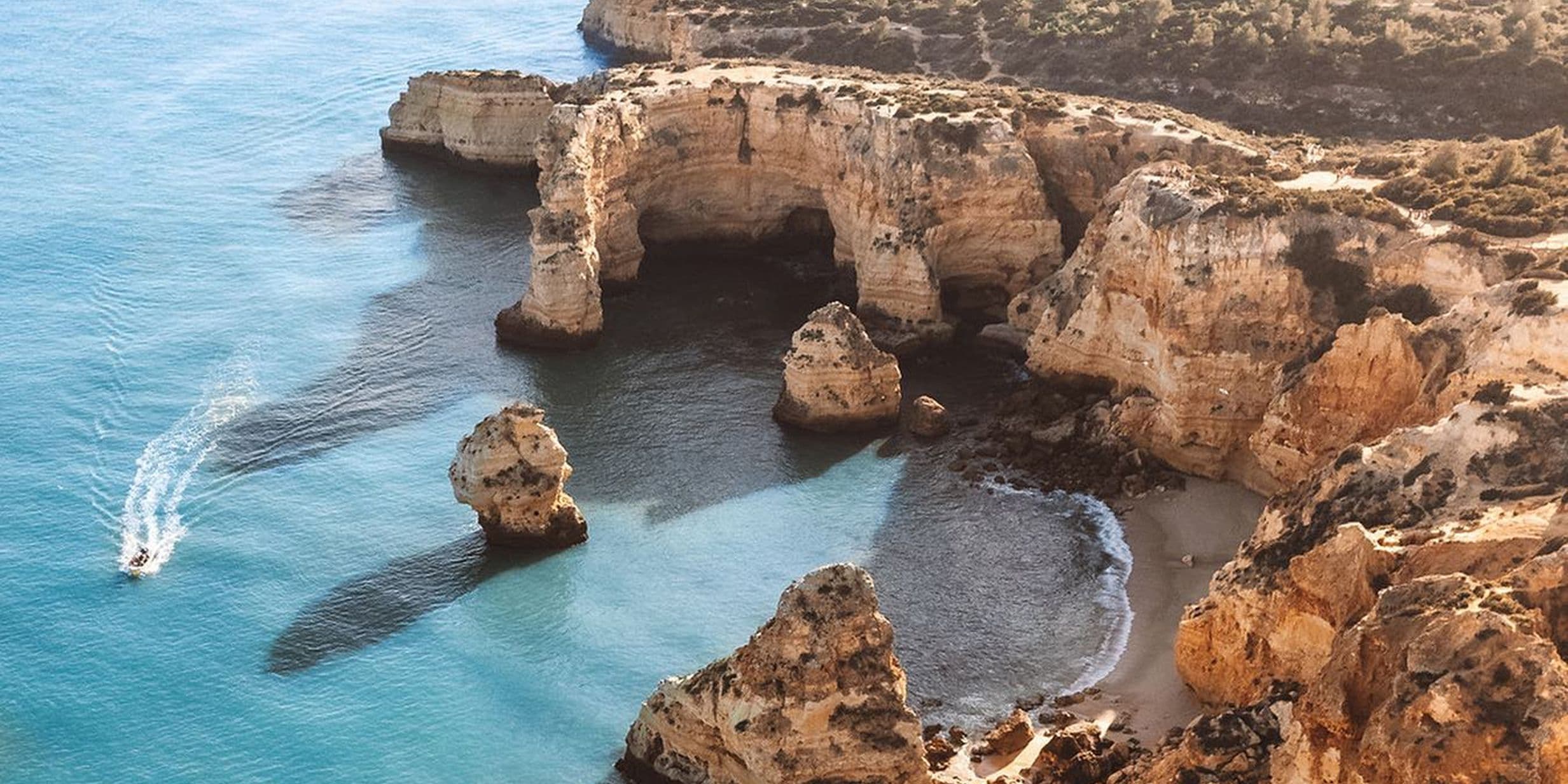
The first picture in Mathias Fernandes’s selection could be a postcard: russet cliffs dissolving into pistachio-green surf. Yet for the man behind the lens, the scene is not a souvenir but a revelation.
“The Algarve is where my love for photography truly began,” he says. “Once I picked up my camera the Algarve revealed itself to me with all its beauty, variety, and surprises.”
Fernandes grew up minutes from these beaches, but it took a restless streak – and a full-frame Canon paired later with a drone – to appreciate the region’s cinematic contrasts. Warm sandstone arches at sunrise. Ivory sea caves exposed only at the lowest tides. Fishing boats that appear like confetti over the Atlantic.
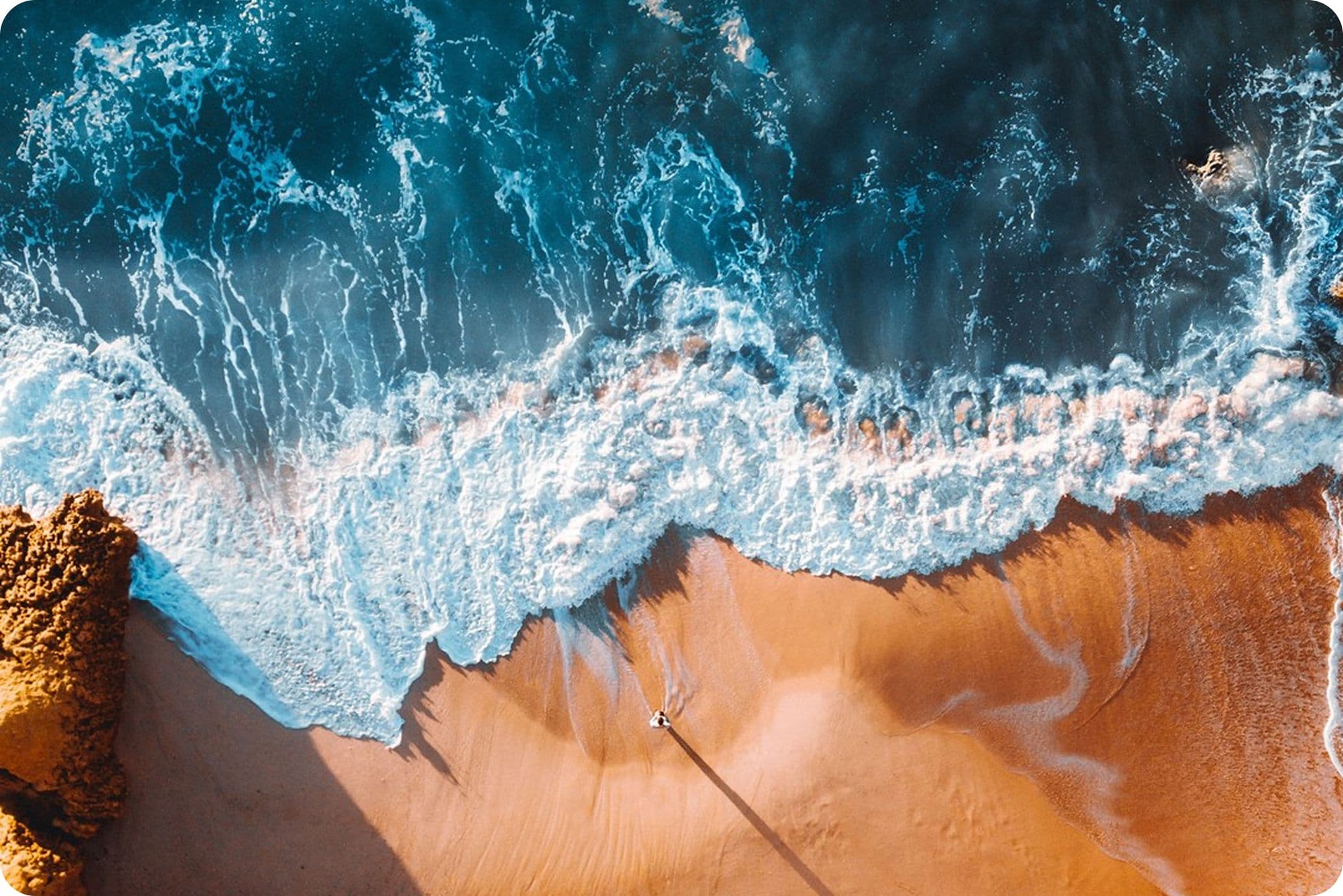
Photo : Mathias Fernandes
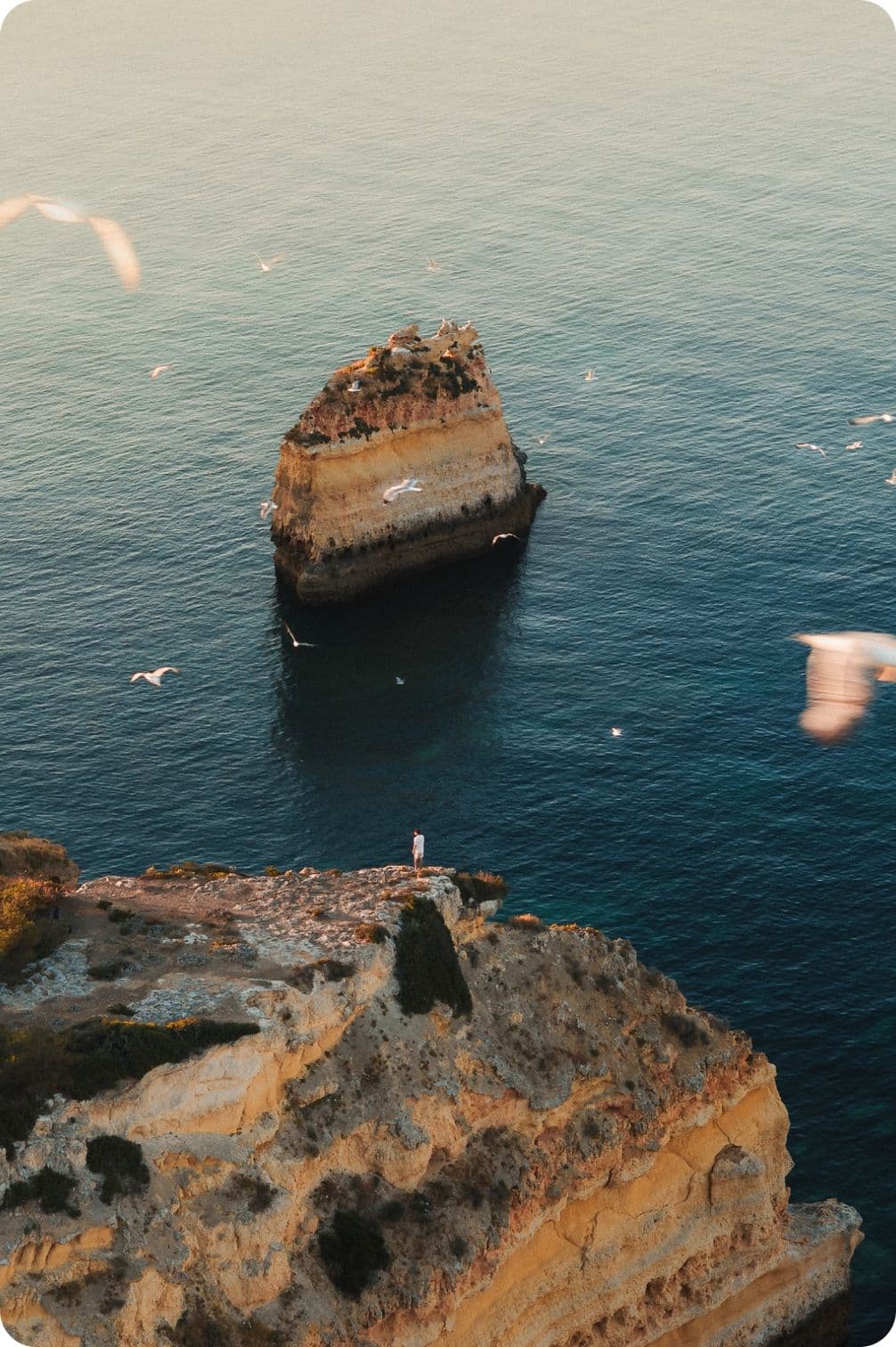
Photo : Mathias Fernandes
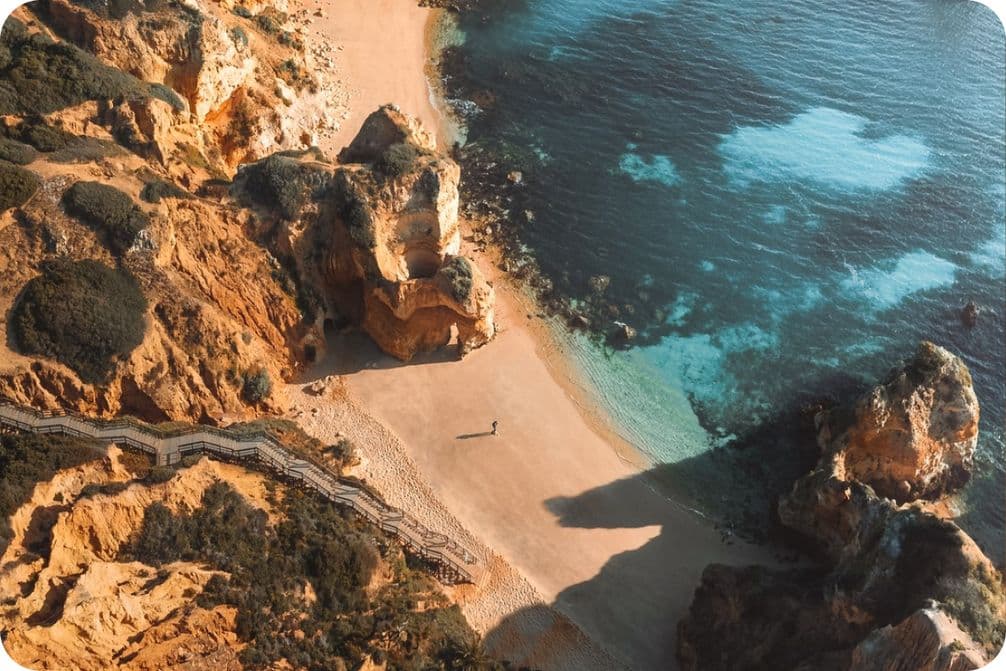
Photo : Mathias Fernandes
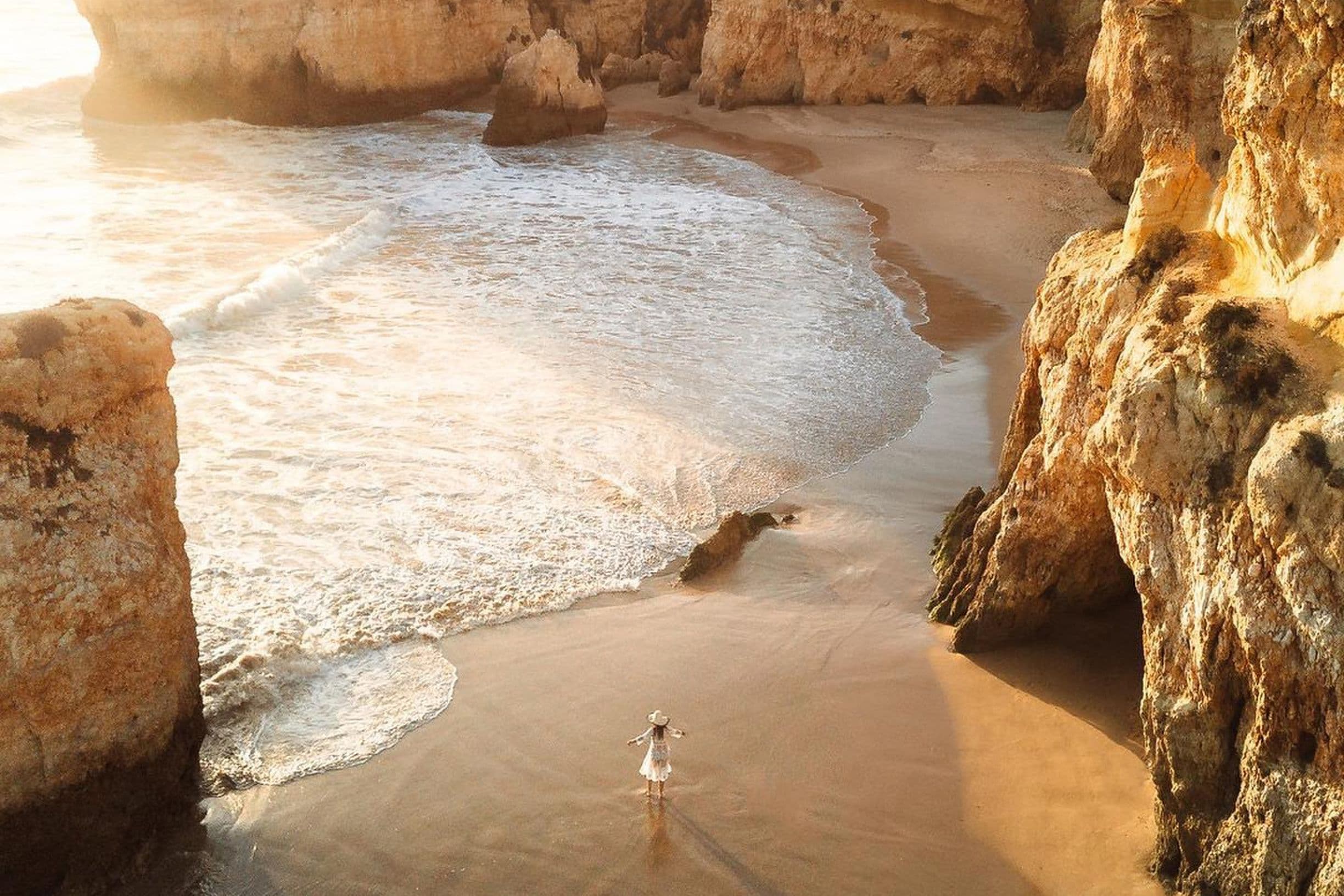
Photo : Mathias Fernandes
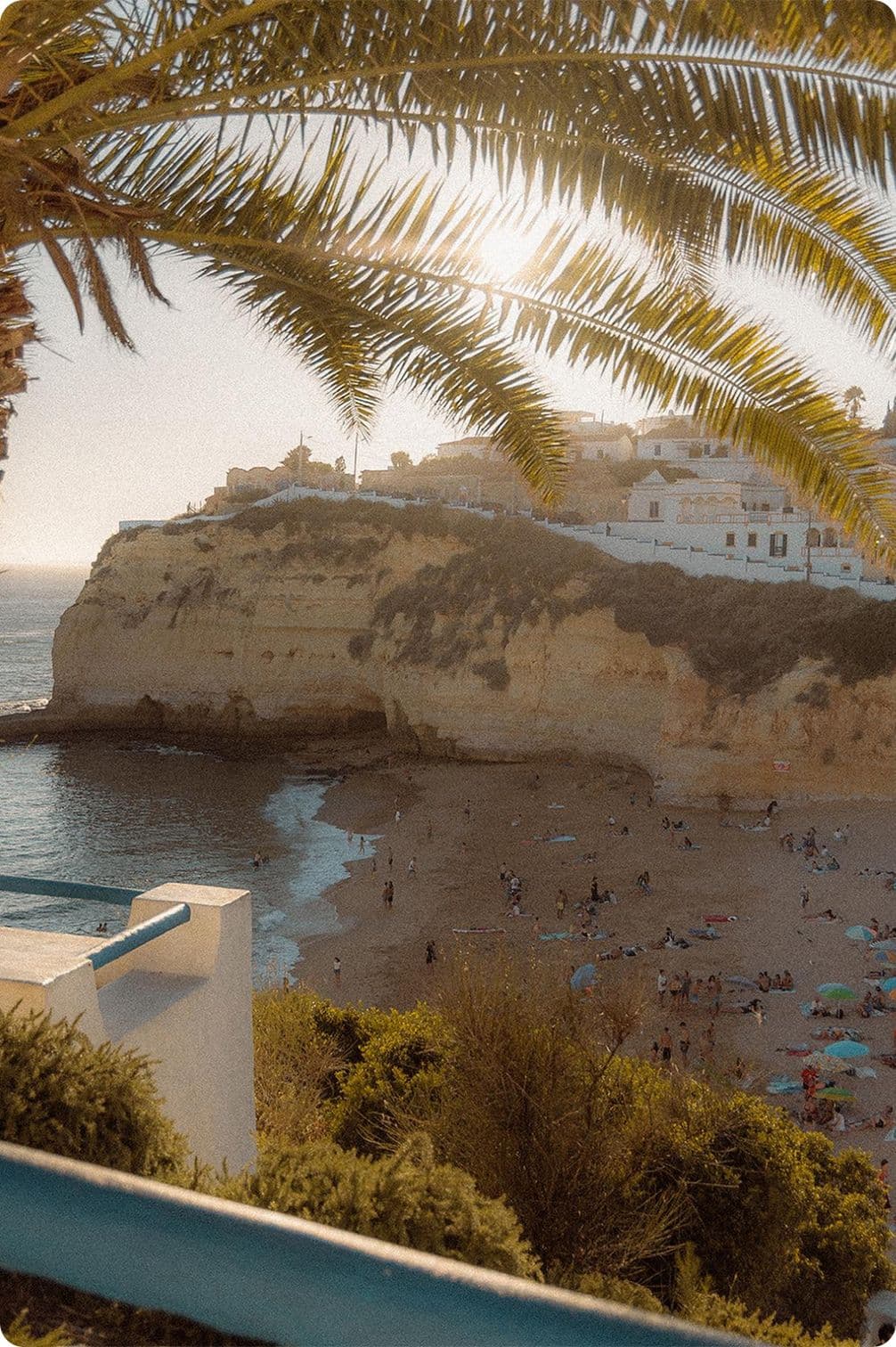
Photo : Mathias Fernandes
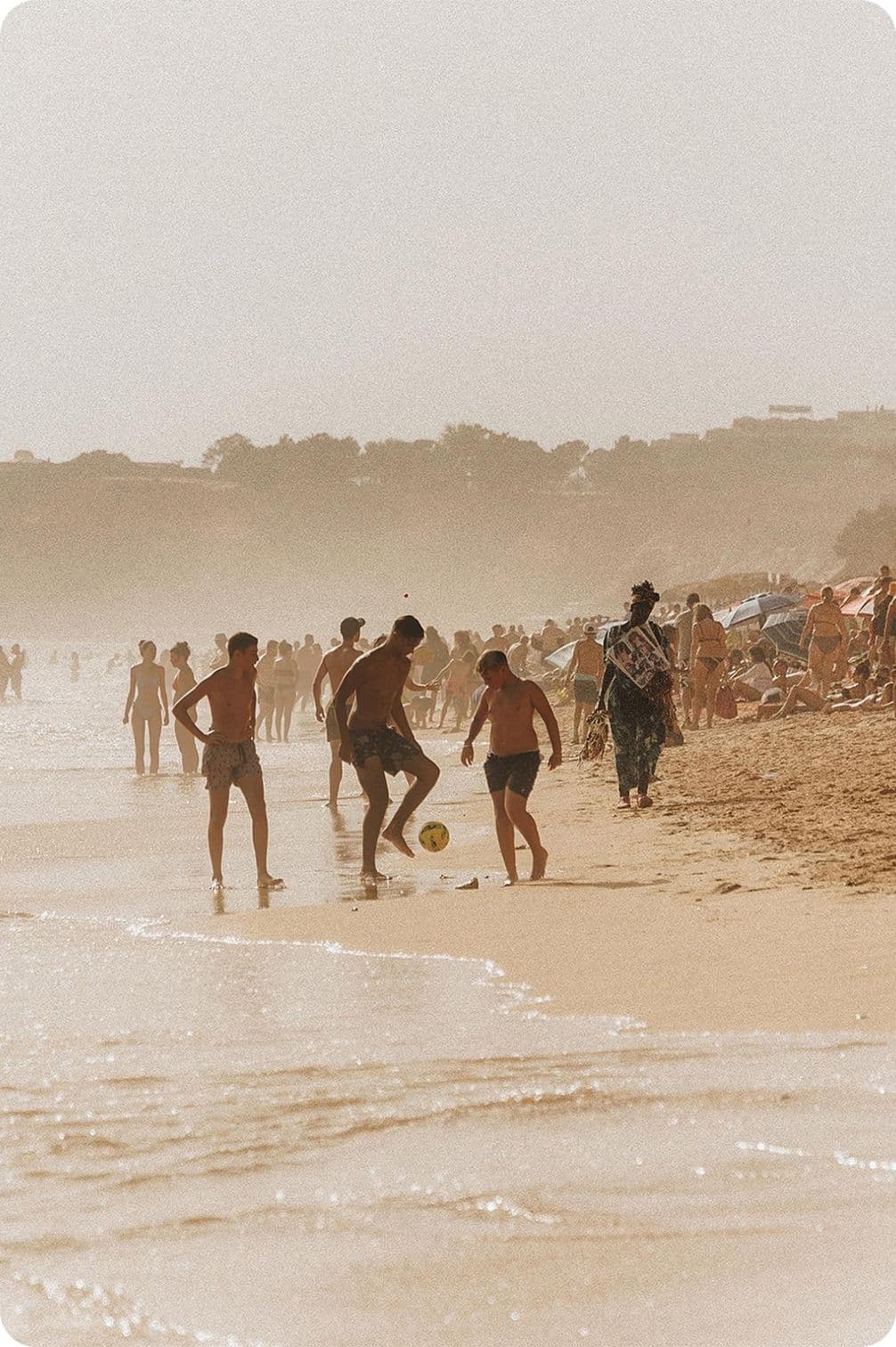
Photo : Mathias Fernandes
Fernandes likes to say the Algarve is both his classroom and his canvas.
“I took these beaches for granted until the camera taught me to really look,” he admits. “That sense of exploration continues to fuel my work to this day.”
Today, he roams the coastline on dawn patrols, sometimes alone, sometimes with visiting creatives who connect with him through Instagram. The Atlantic, he believes, rewards persistence: “There’s always another angle, another colour.”
J’accorde une attention toute particulière à la lumière.
Son moment préféré ? Les instants qui suivent l’aube, lorsque les falaises se parent de rose et que la brise marine n’a pas encore agité les eaux. Depuis le ciel, il mêle les formes et les ombres avec une créativité proche de l’abstraction. À pied, il privilégie les longues focales pour obtenir « des clichés plus précis avec une compression élevée », une astuce qui aplatit la distance et donne une allure monumentale aux stacks marins.
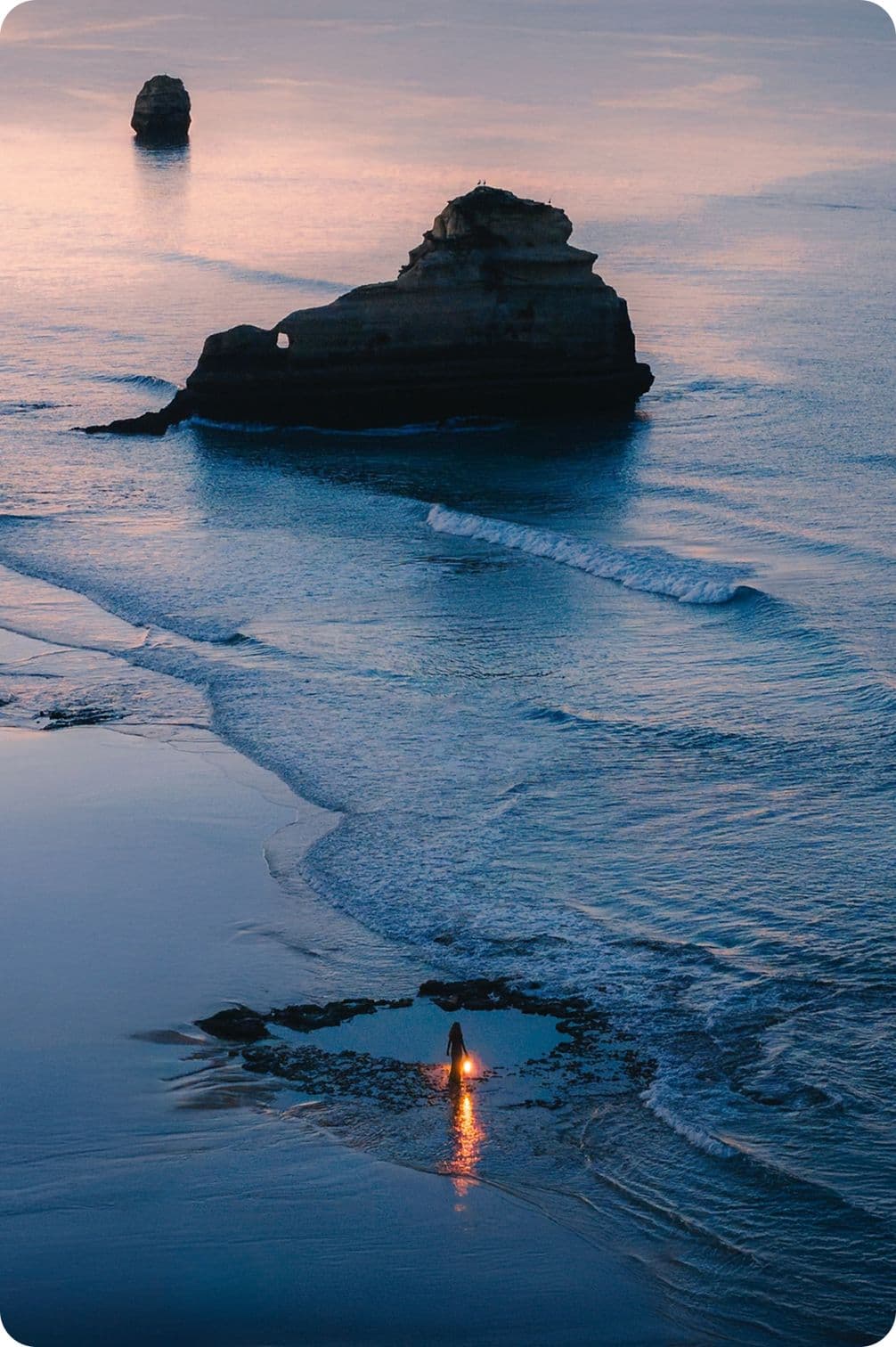
Photo : Mathias Fernandes
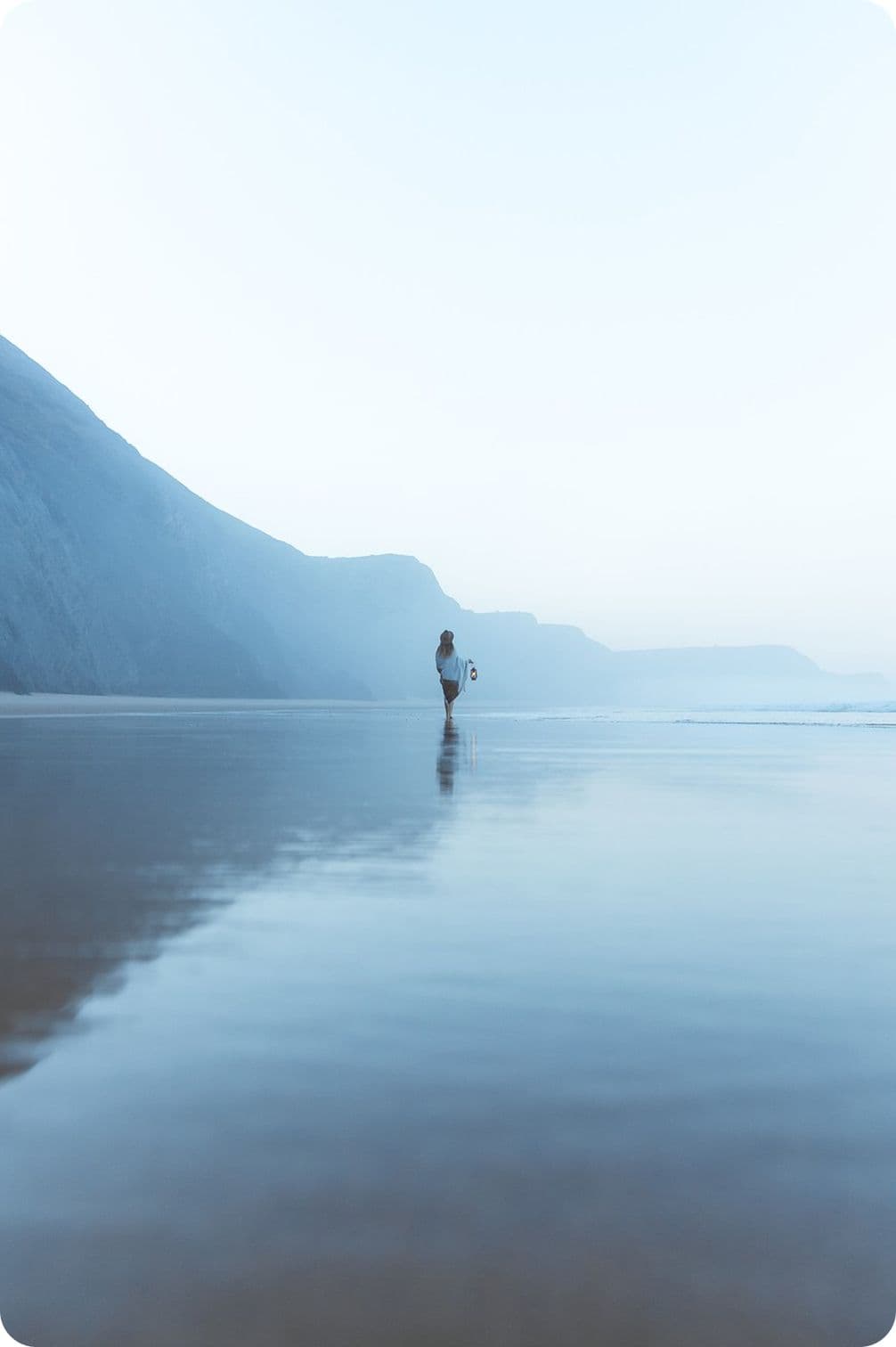
Photo : Mathias Fernandes
Fernandes’s workflow oscillates between meticulous planning and instinct. He spends “hundreds of hours on Google Maps” cross-referencing tide charts and sun-angle calculators, but still delights in getting drenched by a rogue wave on a supposedly calm morning.
“Preparation is what leads to good performance,” he laughs. “But you also leave space for the unexpected.”

Photo : Mathias Fernandes
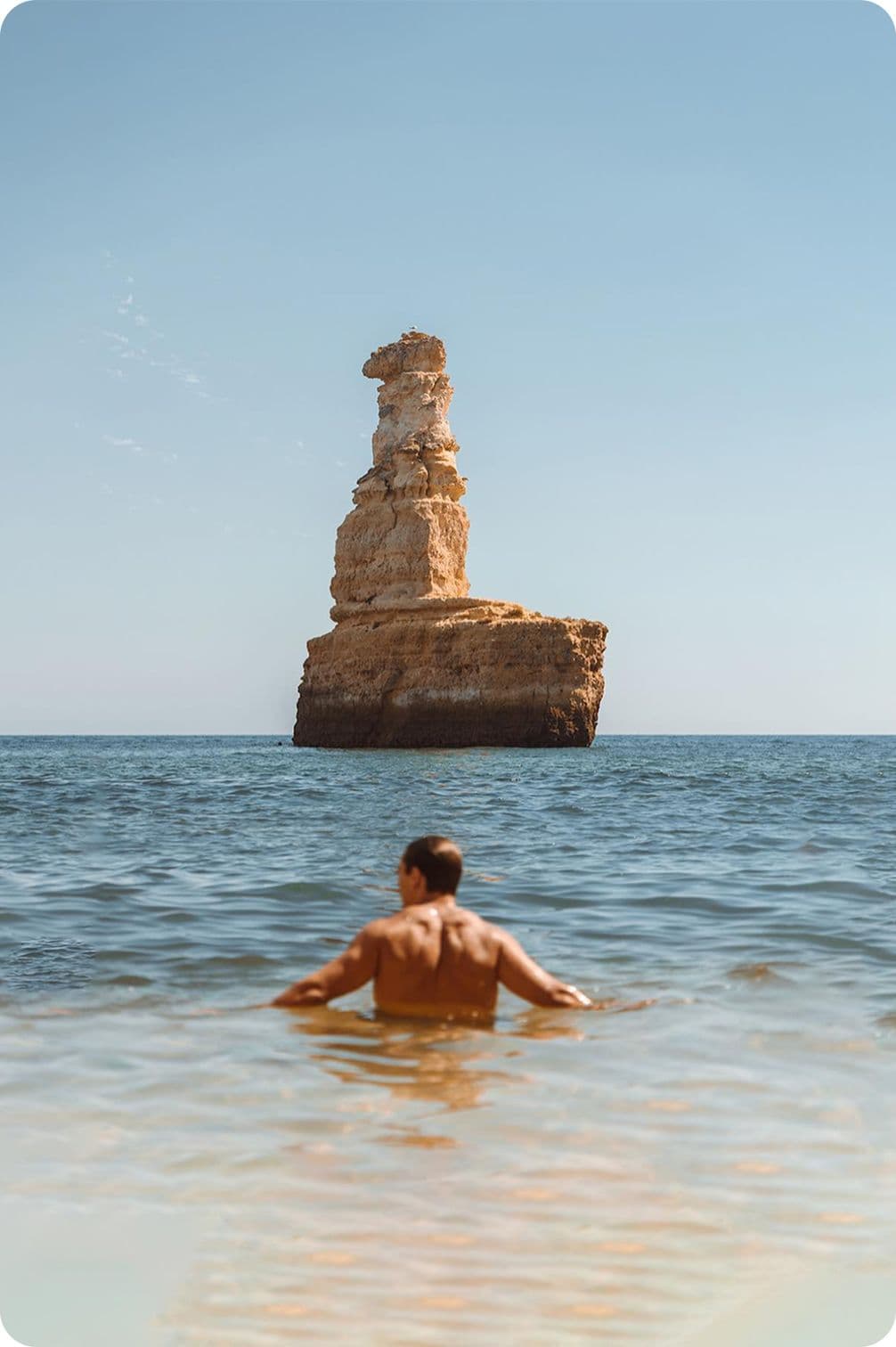
Photo : Mathias Fernandes
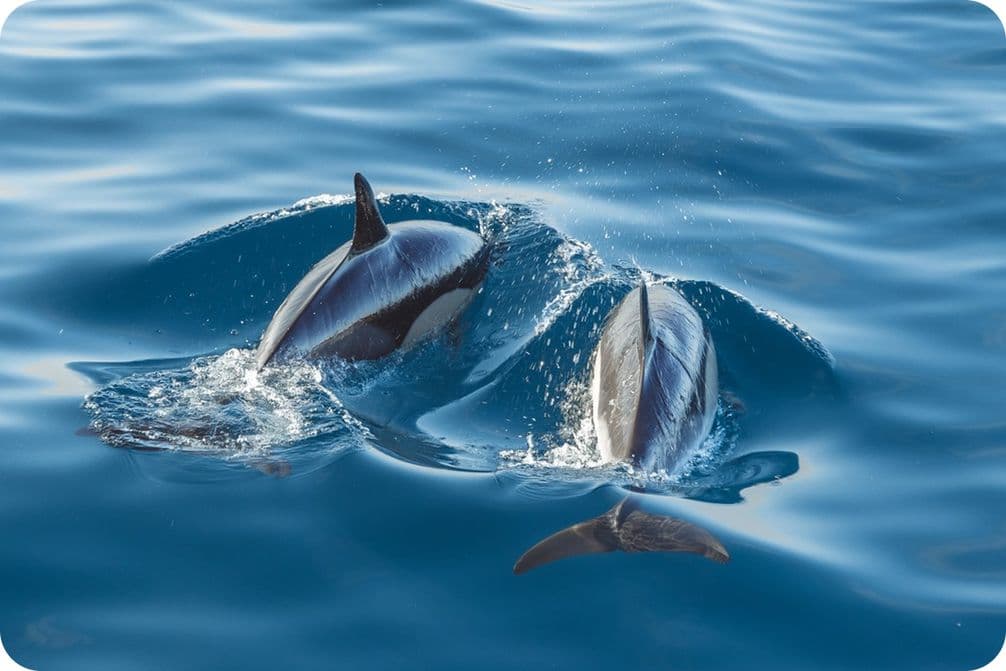
Photo : Mathias Fernandes
Un soir, près de Carrapateira, le vent soufflait si fort qu’il a dû se réchauffer les mains contre le moteur d’une voiture ancienne qu’il avait louée comme accessoire. Il appuyait sur le déclencheur dès que le sable emporté par le vent était éclairé par le soleil couchant. Une autre fois, il a rencontré l’un de ses héros, un photographe de surf allemand, simplement parce qu’ils avaient tous deux choisi la même crique obscure à marée basse.
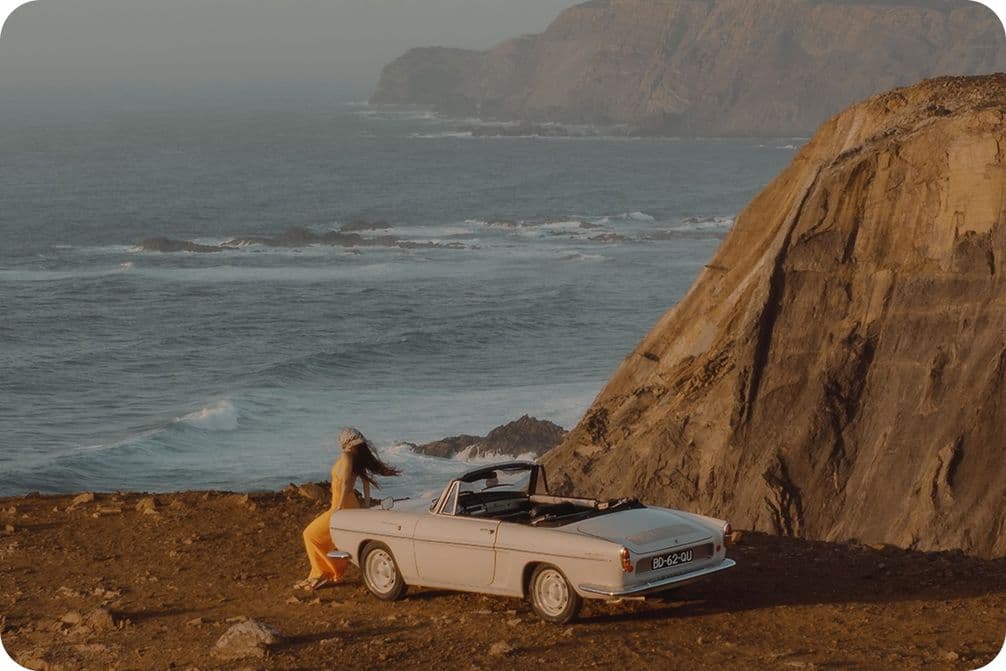
Photo : Mathias Fernandes
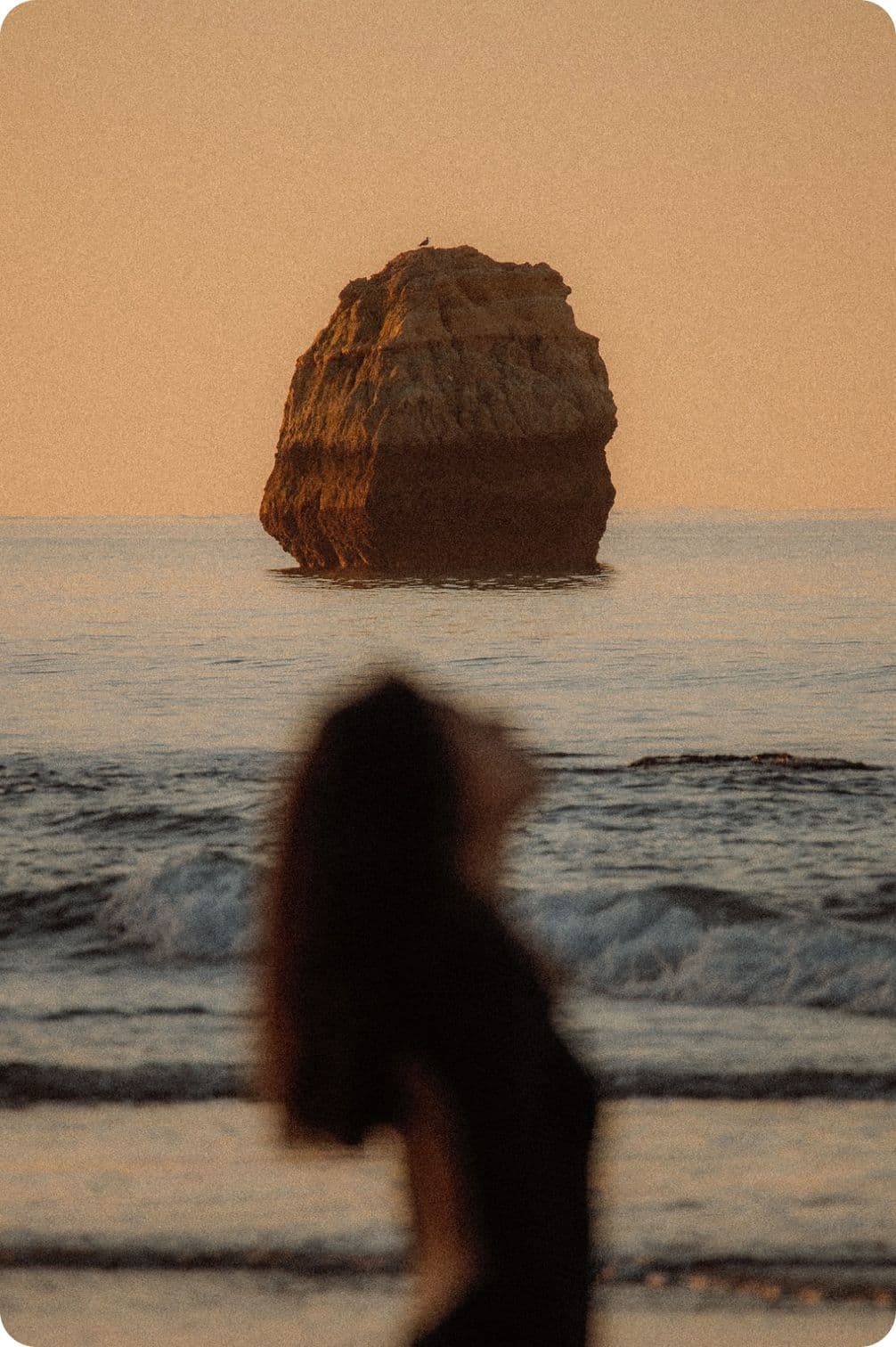
Photo : Mathias Fernandes
Ultimately Fernandes hopes his pictures do more than populate Instagram moodboards. “My goal is to inspire others to go out and make the most of life,” he says – a credo as sweeping as his horizons.
Whether you’re standing on a cliff edge at Cabo de São Vicente or scrolling these 21 frames on a grey Tuesday commute, the invitation is the same: look closer, chase the light, and don’t assume you know your own backyard.
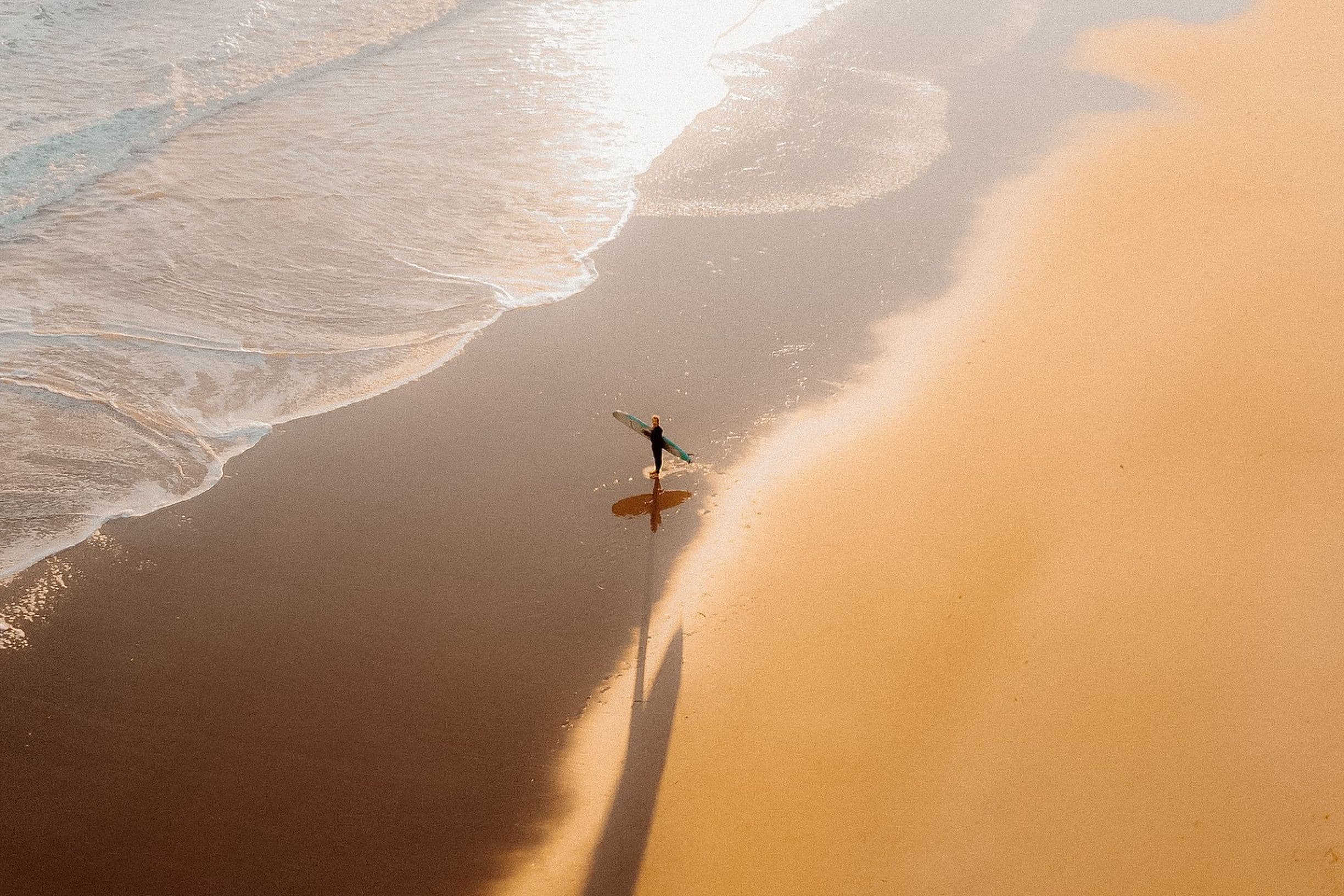
Photo : Mathias Fernandes
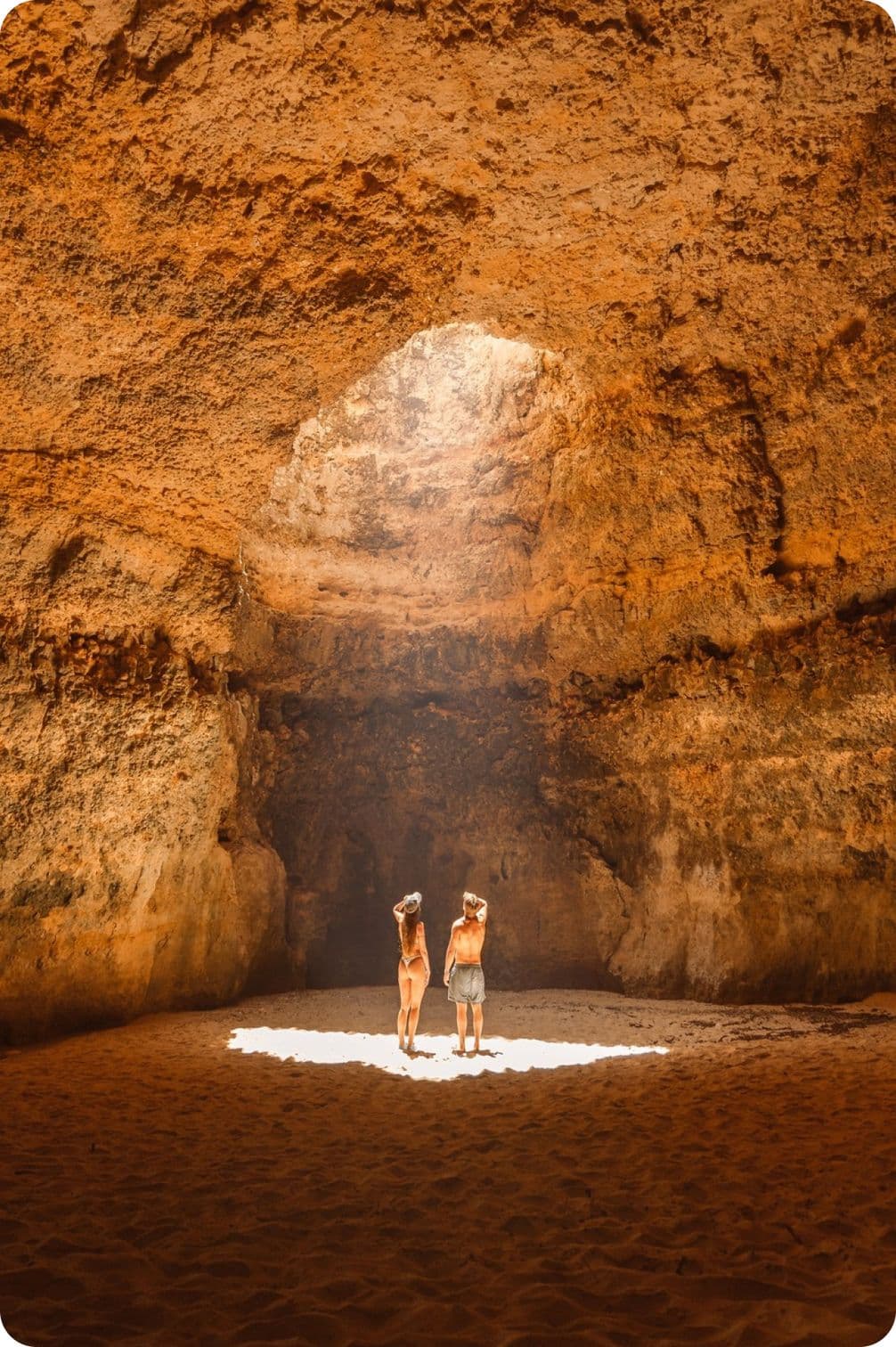
Photo : Mathias Fernandes
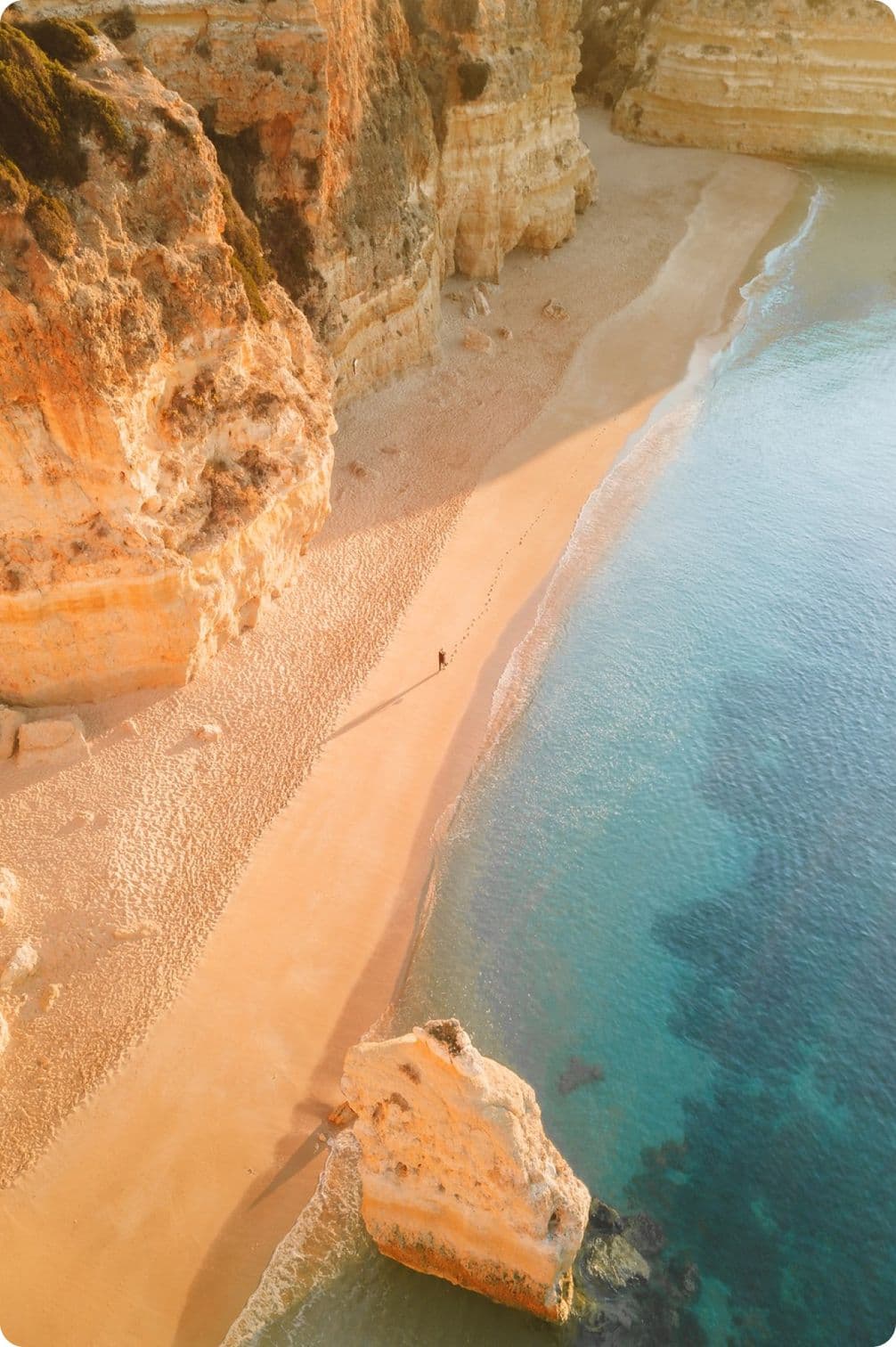
Photo : Mathias Fernandes
For travellers hoping to replicate the magic, Fernandes offers three rules of thumb:
Watch the tides. Low tide reveals cathedral-like grottos otherwise underwater.
Shoot west at sunset, east at sunrise. The cliffs act as natural reflectors, doubling the warmth.
Embrace harsh noon light for documentary looks. “With the right edit you get that beautiful summer analogue vibe.”
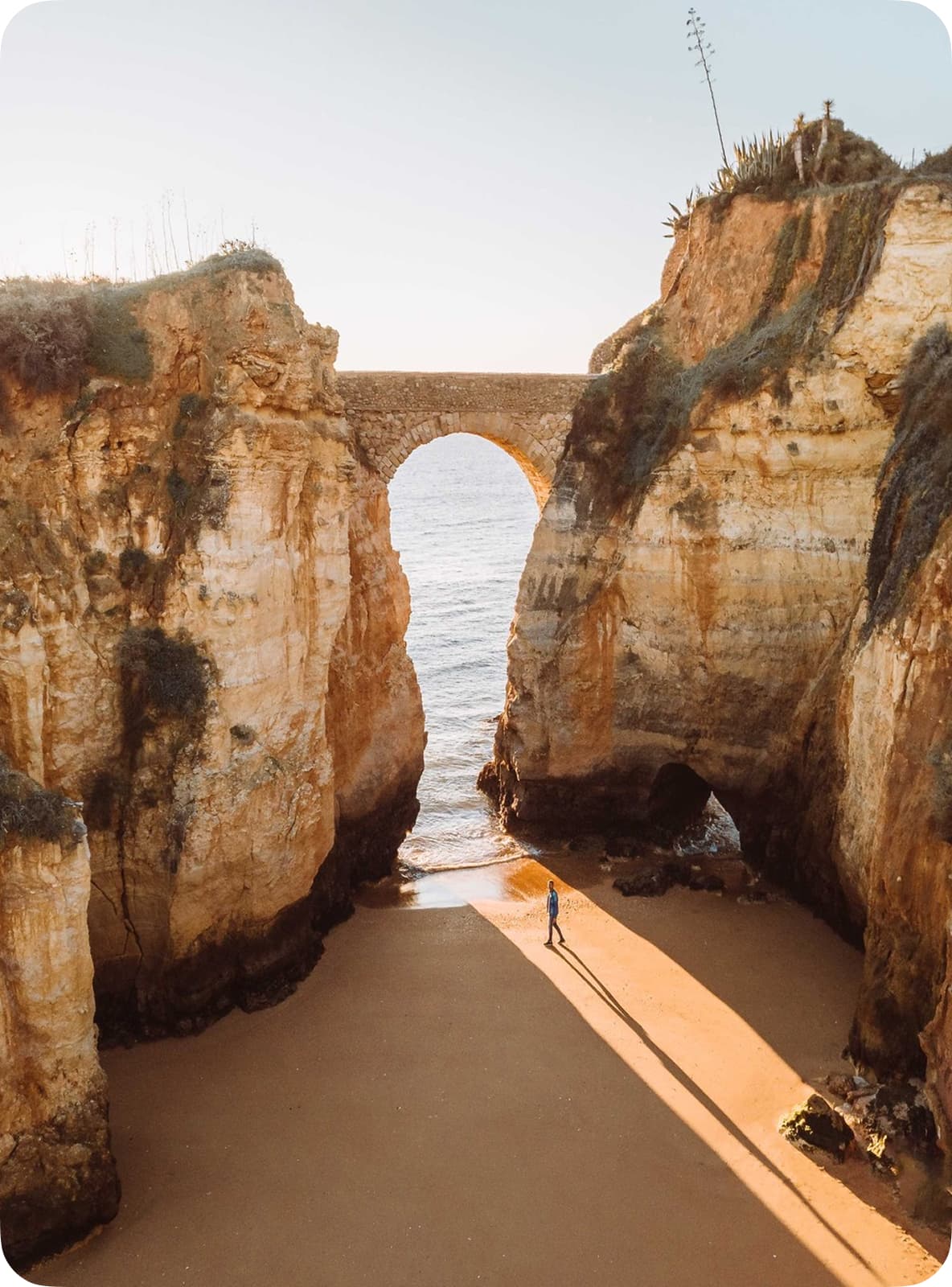
Photo : Mathias Fernandes
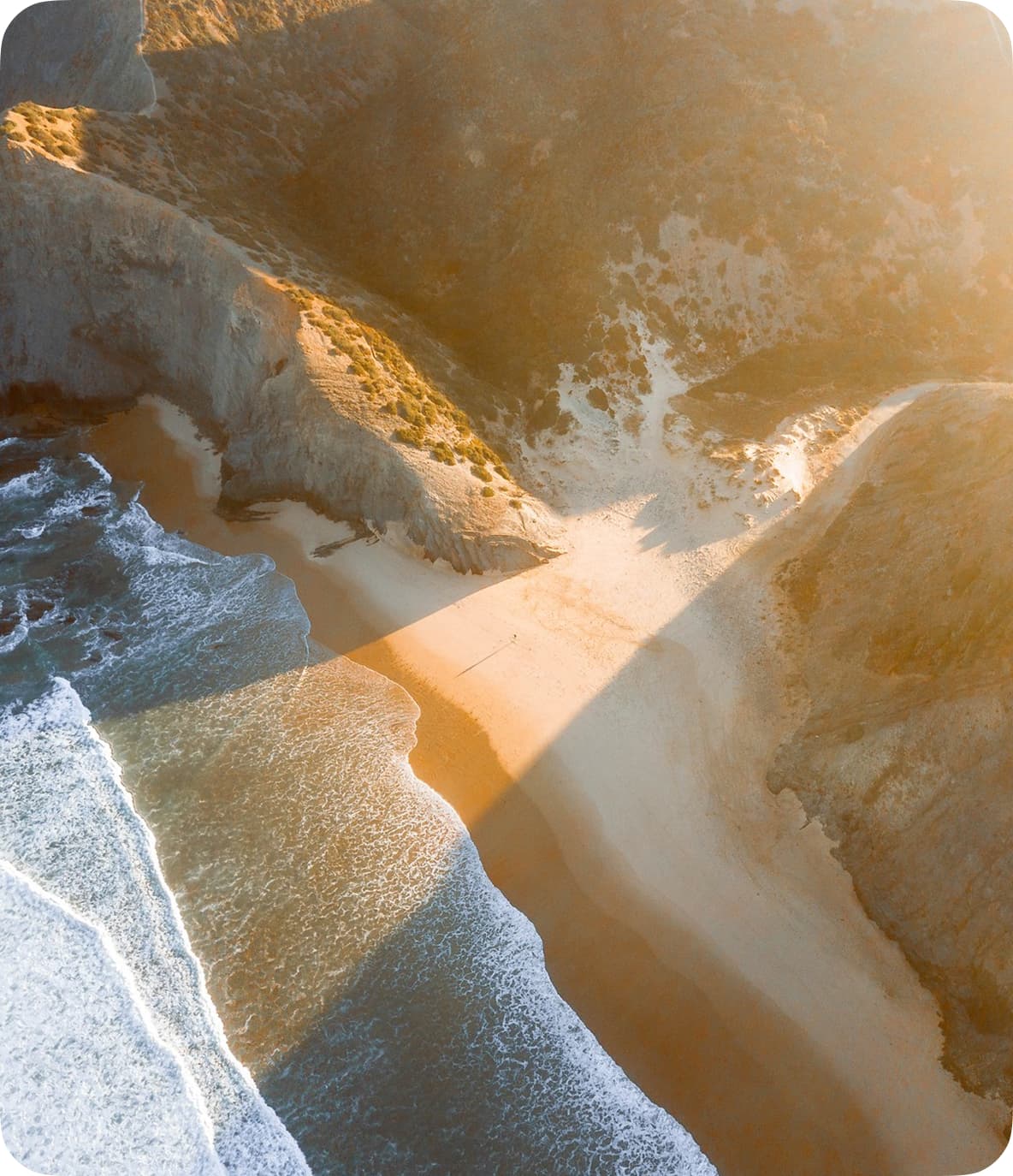
Photo : Mathias Fernandes
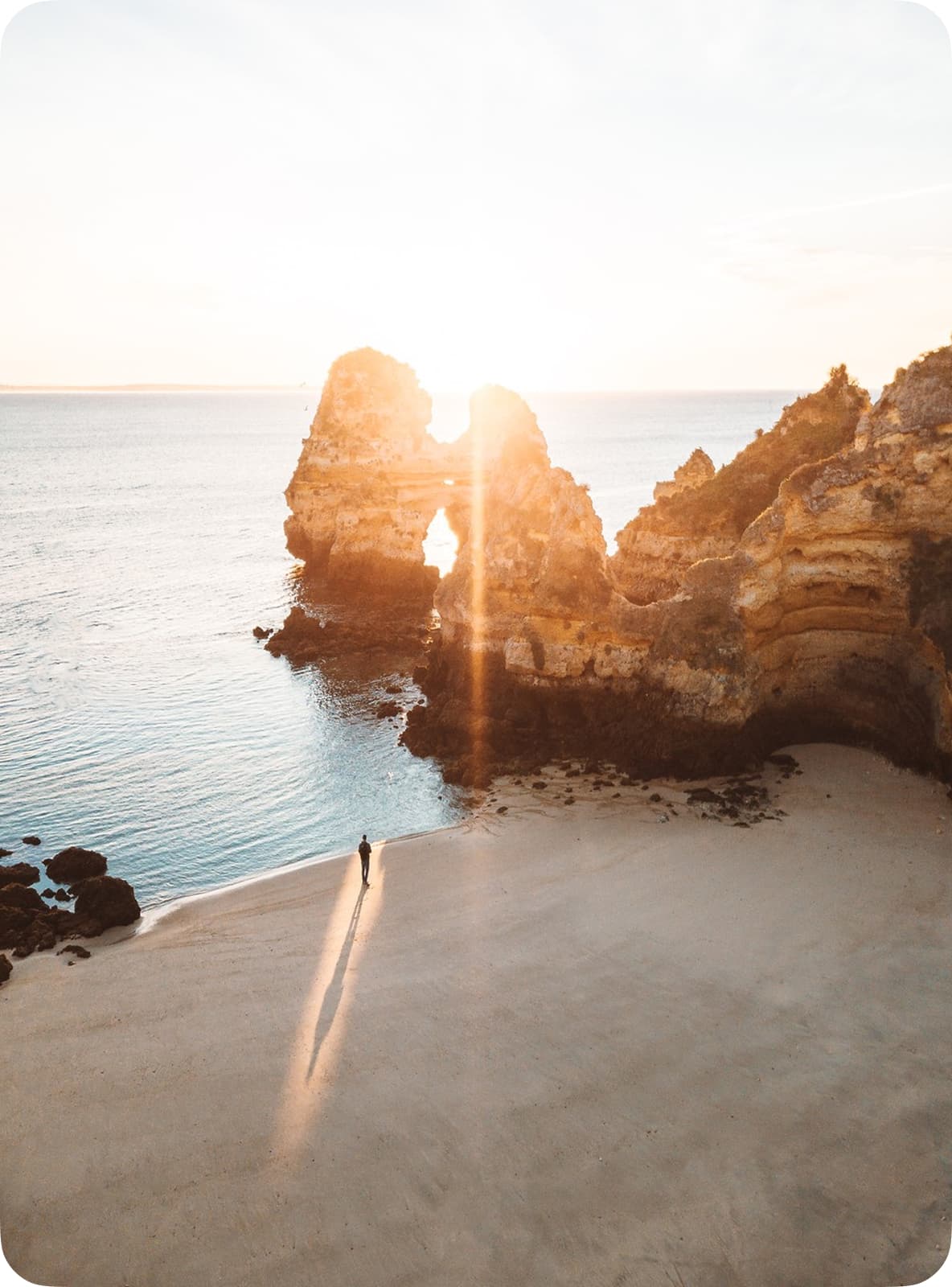
Photo : Mathias Fernandes
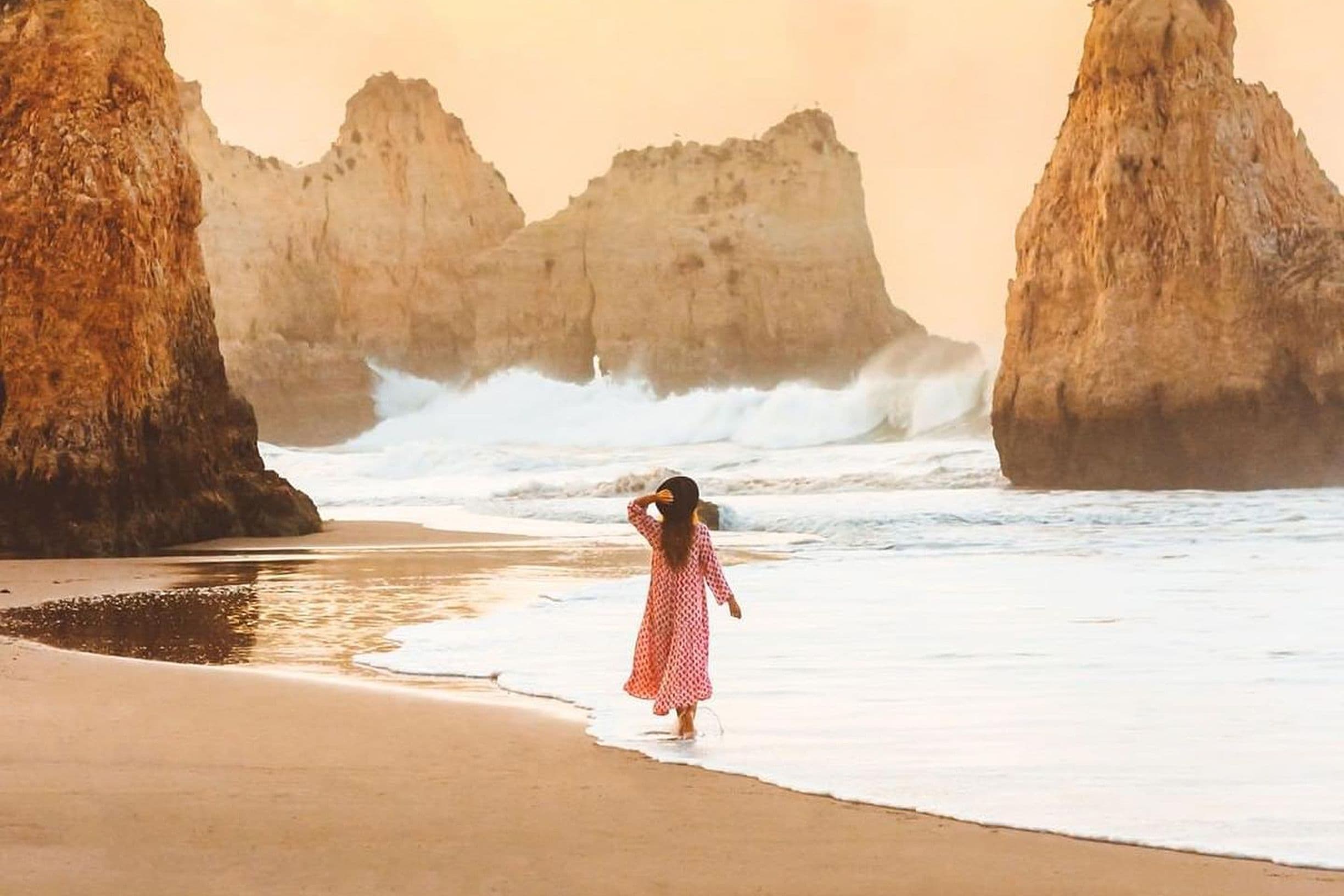
Photo : Mathias Fernandes
Au niveau de l’équipement, il emporte uniquement l’essentiel : un Canon R6 MK II avec un objectif 24-105 mm pour rester polyvalent, un objectif 100-400 mm pour un effet de compression, et un drone DJI Mavic 3 Pro pour des vues plongeantes à couper le souffle. Tout le reste rentre dans un seul sac à dos, un accessoire pratique à attraper lorsqu’une vague sournoise menace de l’éclabousser, lui et son équipement.
Découvrez des souvenirs plus rapidement grâce à des fonctionnalités exclusives telles que la reconnaissance faciale et les albums intelligents.



&w=96&q=75)
Bella Falk
Rédactrice voyage et photographe
30 May, 2025∙6 min
&w=96&q=75)
Richard MacKichan
Rédacteur voyage et culture
17 Sep, 2025∙11 min
&w=96&q=75)


 Etats-Unis