

Travel

Apr 29, 2026∙7 min
Travel
Apr 29, 2026∙7 min
As a director and journalist based in Paris whose work appears in National Geographic and Condé Nast Traveler, Rupert Clague knows a thing or two about the secrets of the city.
It’s 7am on Rue du Faubourg Saint-Denis, a man is shucking oysters on the street, a woman is arguing in Bangla, and someone is attempting to park a moped alongside a crate of vivid orange mangoes. Paris doesn’t look like this in the brochures, yet it looks like this everywhere else. The French capital has been performing itself for so long – the boulevards, the bridges, the bistros – that the actual city has quietly reinvented itself elsewhere. Step a few streets off-script and you’ll find it.

Rue du Faubourg Saint-Denis. Photo: Rupert Clague
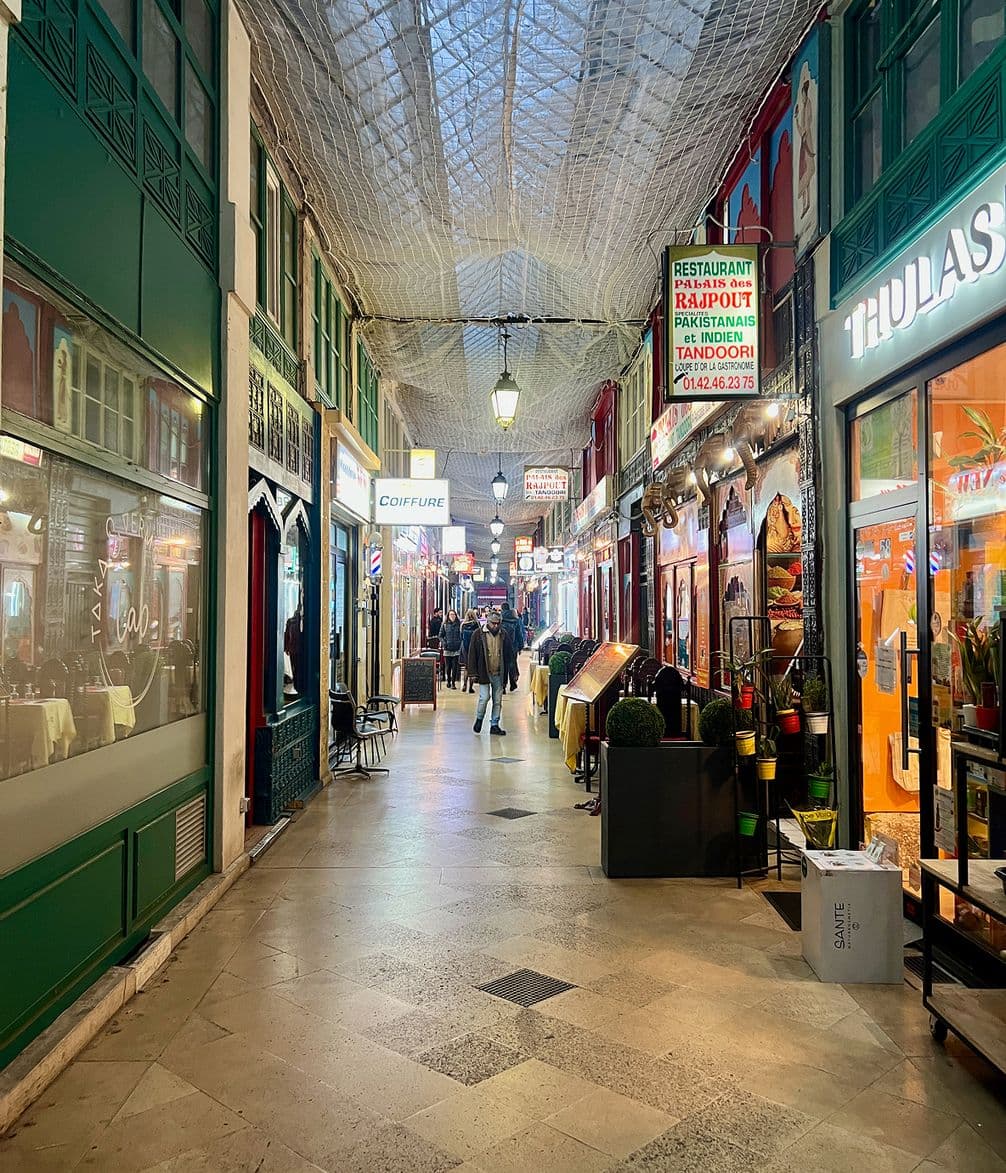
Passage Brady. Photo: Rupert Clague
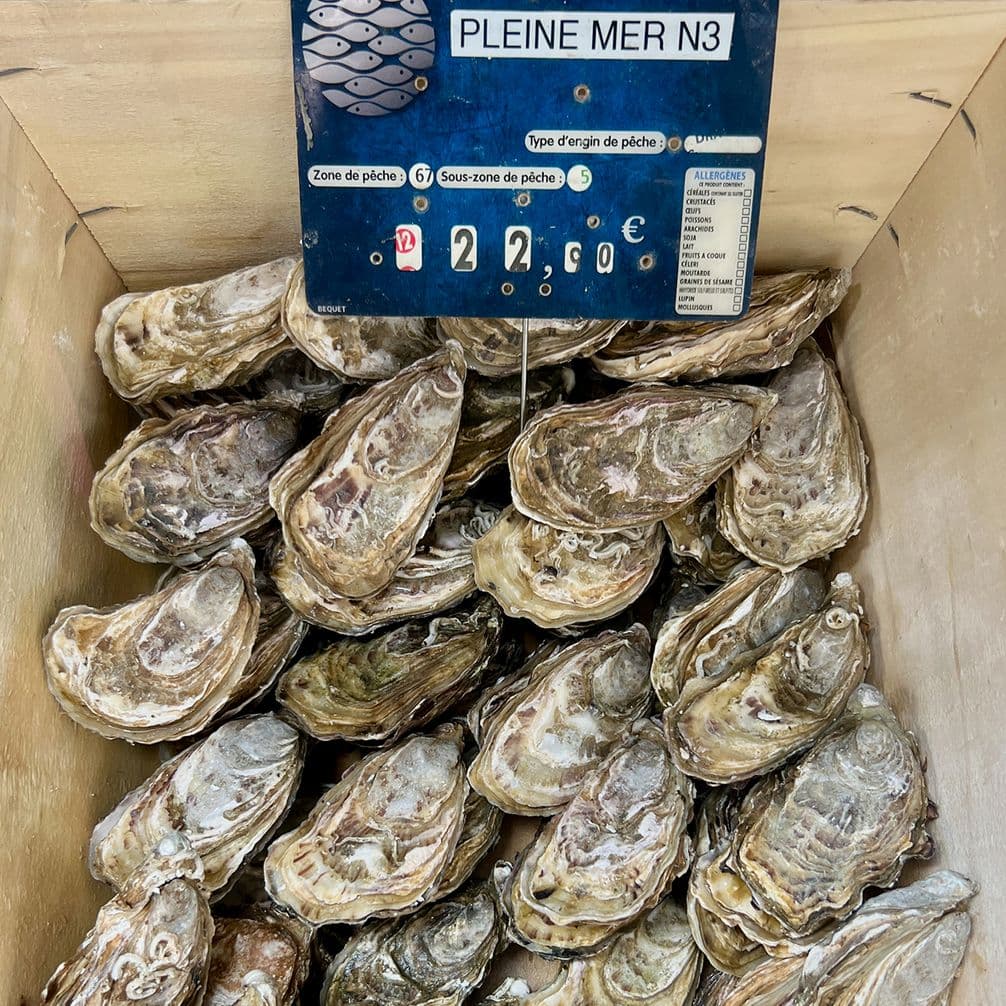
Yebisu Poissonnerie. Photo: Rupert Clague
Bangladeshi grocers unload crates of fresh fruit and vegetables while a Moroccan restaurant pours high arcs of mint tea and towering buttery msemmen – Rue du Faubourg Saint-Denis is a myriad of cultures. Duck into Passage Brady and you’ll enter a covered arcade that feels more like Mumbai than Montmartre. Yebisu Poissonnerie offers line-caught fish while Urfa Durum dishes up pillowy Kurdish sandwiches straight from a wood-fired oven (the lamb is my go-to). Dinner is best served at Chop Chop Love, a restaurant with an ever-changing rotation of chefs, followed by a fiery Moscow Mule at Mauri 7.
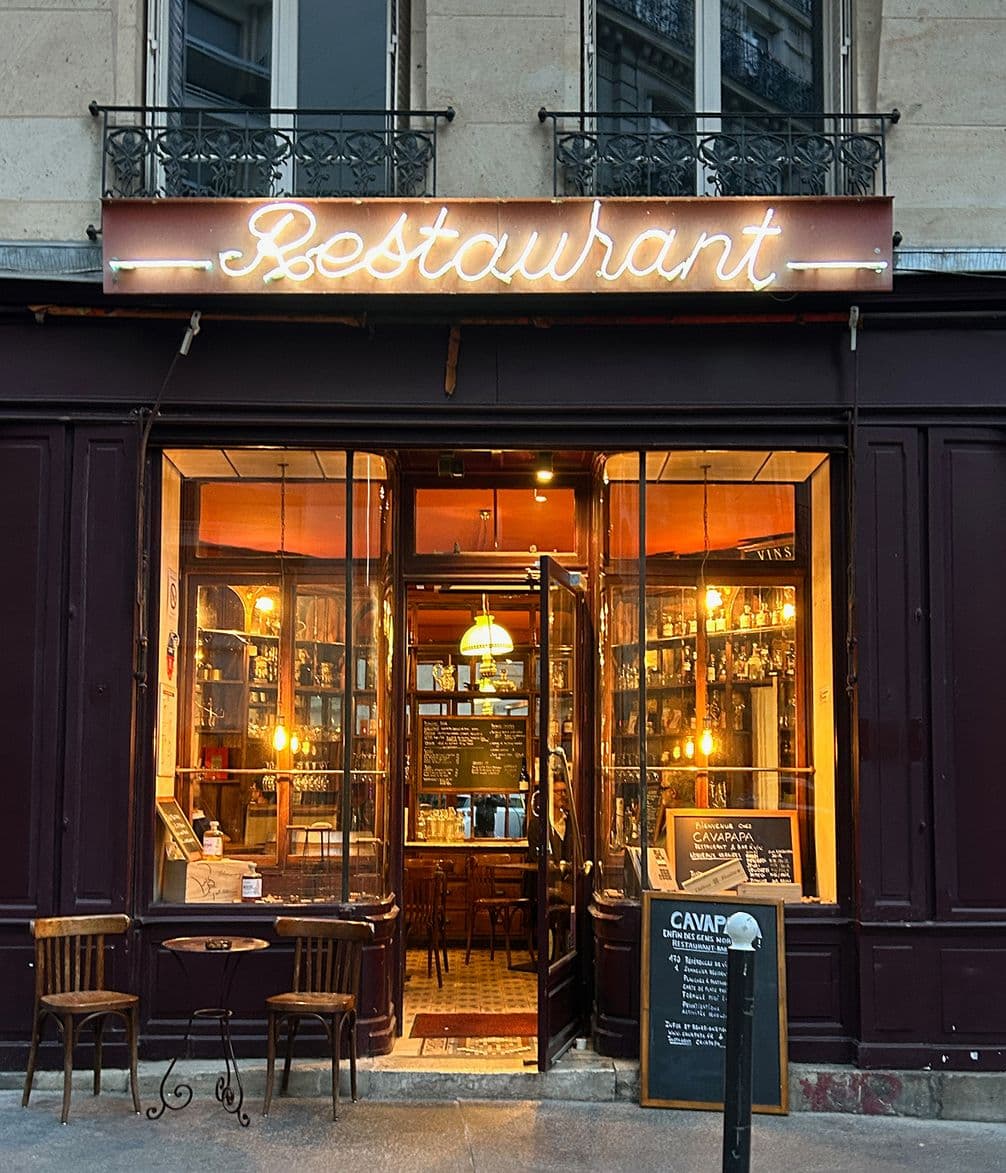
Cavapapa. Photo: Rupert Clague
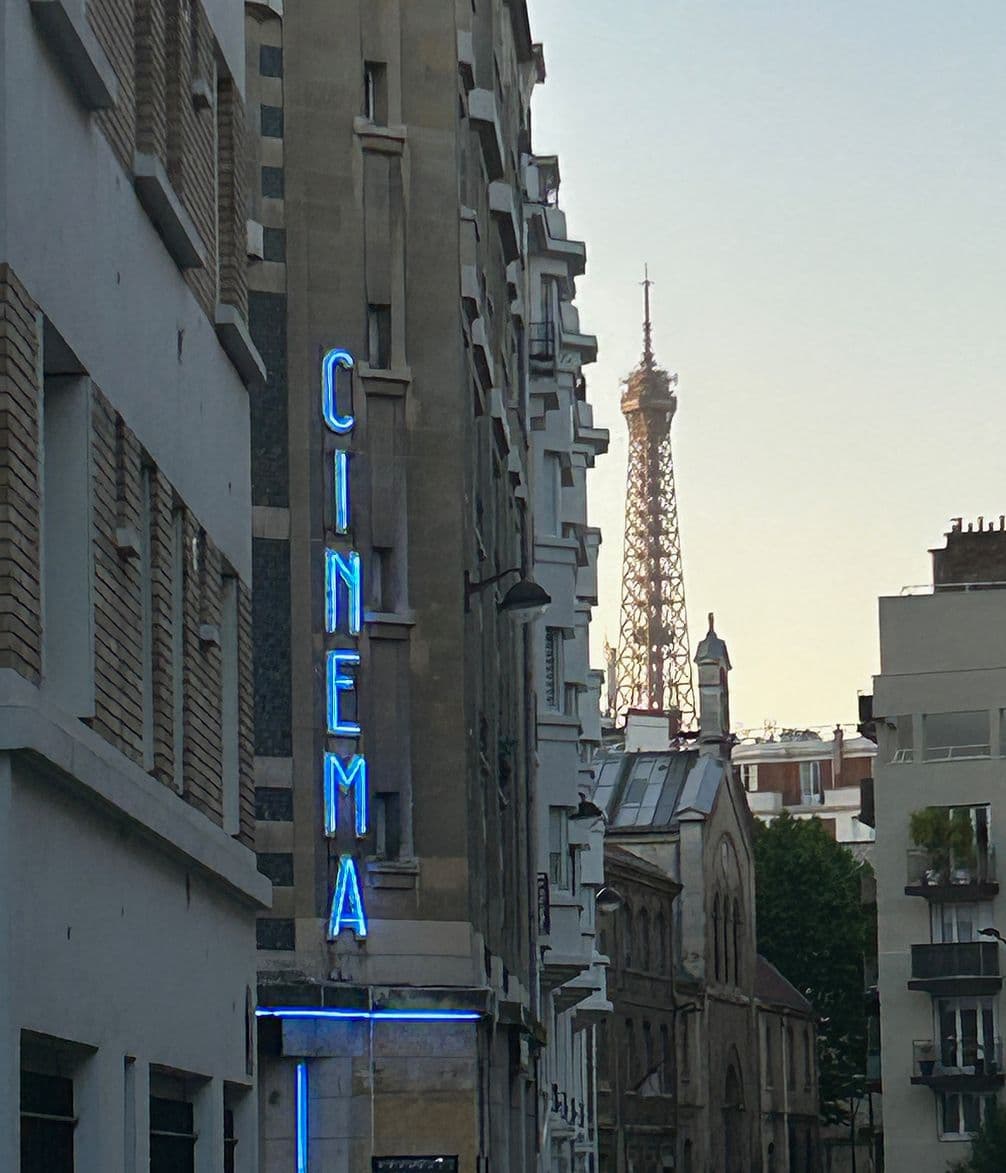
Chaplin St Lambert. Photo: Rupert Clague
The largest arrondissement in Paris by population is one of the least visited by those who didn’t grow up here, which keeps the wine bars and bistros refreshingly affordable. Start at independent art deco cinema Chaplin St Lambert, and enjoy its view of the Eiffel Tower. Next up, Cavapapa on Rue d’Alleray for a glass of whatever sommelier Laurent Tisserand suggests – prepare to stay longer than you planned. Le Café du Commerce has been feeding and charming the same families for more than a century with its light-filled, three-storey space. Order the entrecôte rare and finish with the rum-soaked baba au rhum. From there, it’s a short stroll into the 14th for Utopia, a members’ club with the finest live blues and country music this side of Nashville.
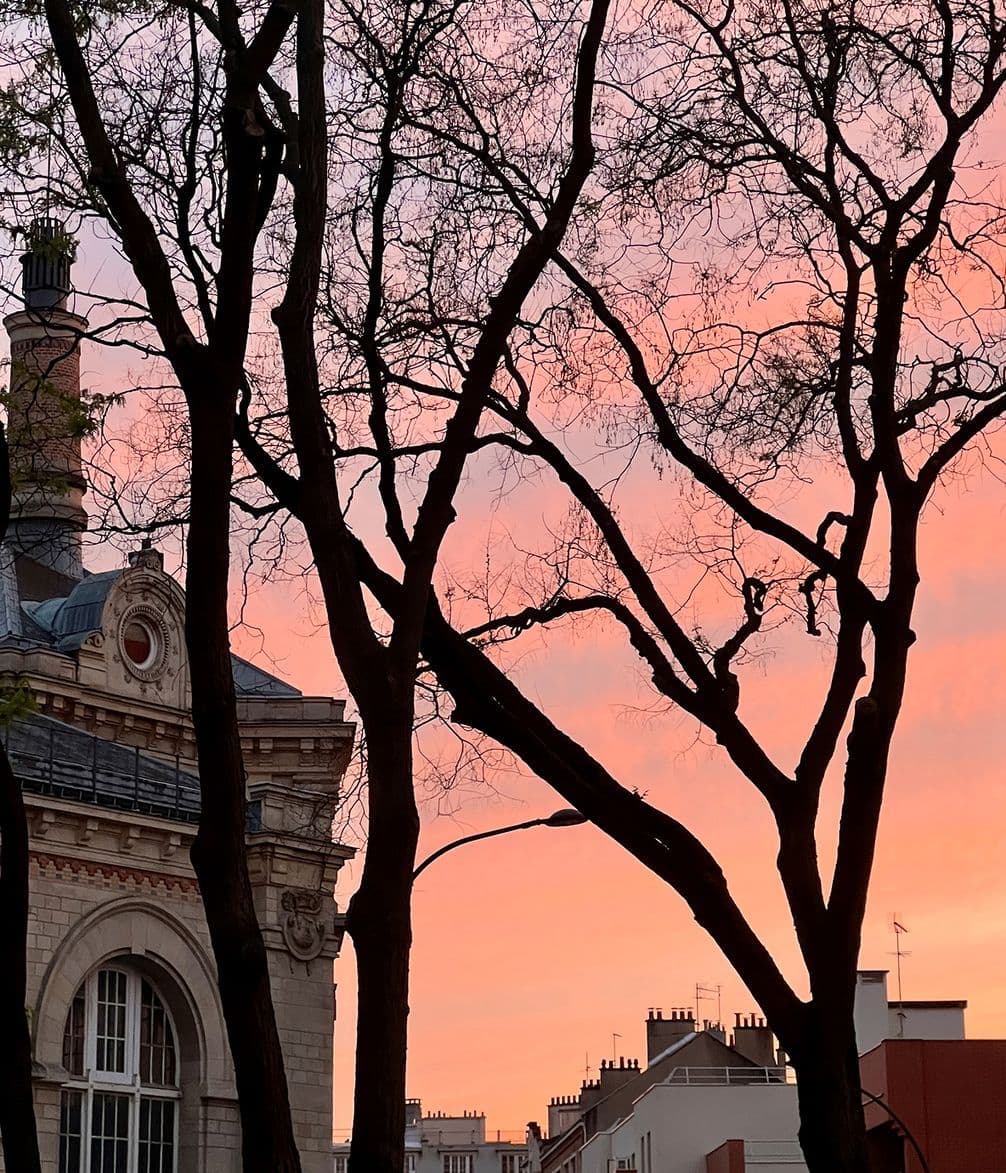
Rue de Belleville. Photo: Rupert Clague
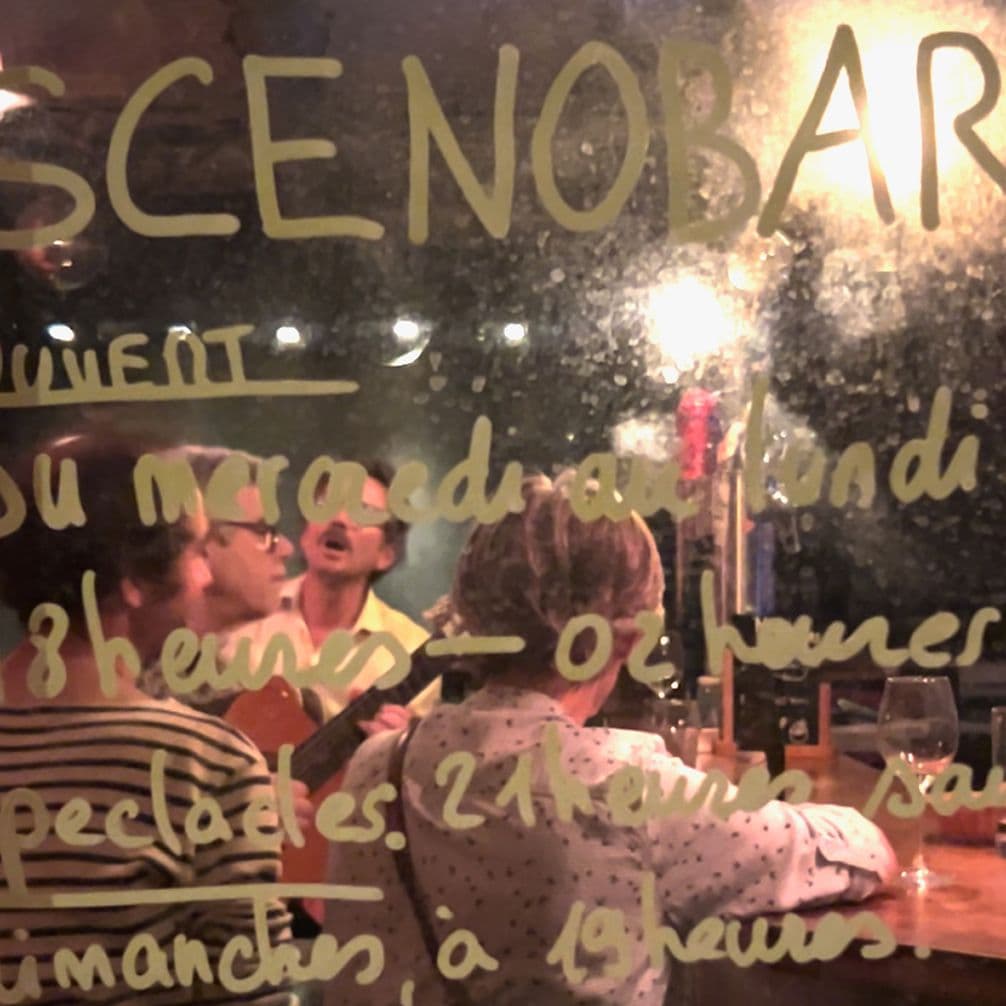
Le Scènobar. Photo: Rupert Clague
Vietnamese grocers and North African cafés define Rue de Belleville, as does the improbable Danish-Colombian-Thai street food at Bang Bang. Eat at L'Orillon, a snug 30-cover spot with a delicious daily-changing menu – the egg mayo is a highlight. Or join the crowds at Mian Guan, where chefs stretch and pull noodles by hand. Drink at Kissproof, a low-key bar that feels more like a friend’s apartment, around the corner from Place Fréhel – where a mural by French artist Ben Vautier adorns a wall. Swing by Le Scènobar on a Wednesday for live music from a mix of emerging artists.
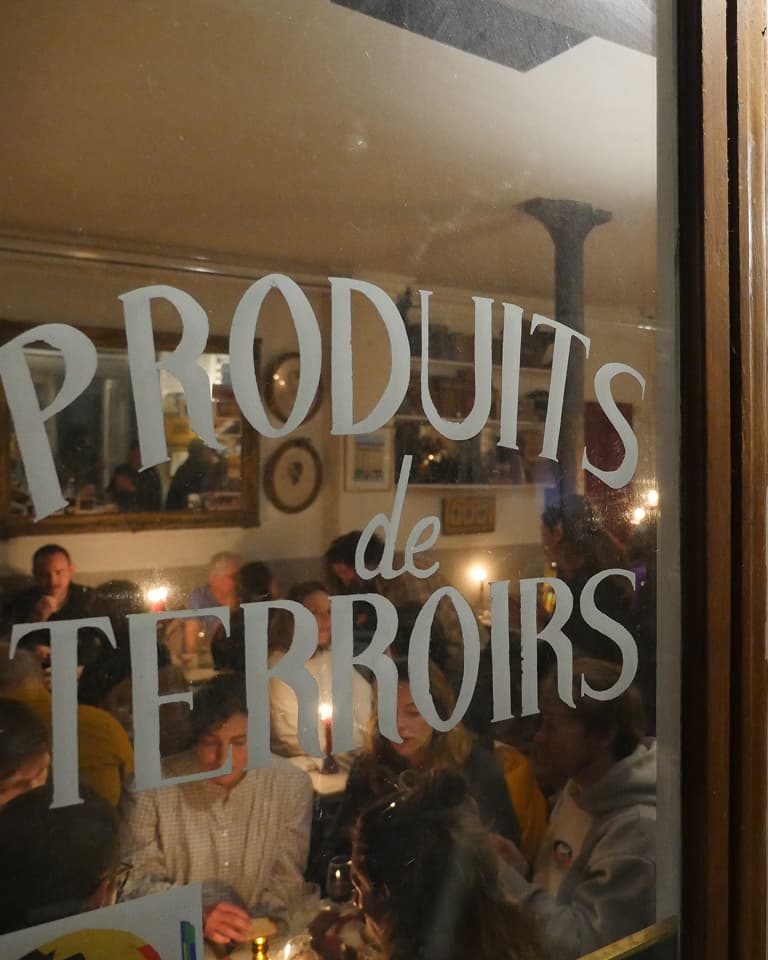
All Chez Babo. Photos: Rupert Clague
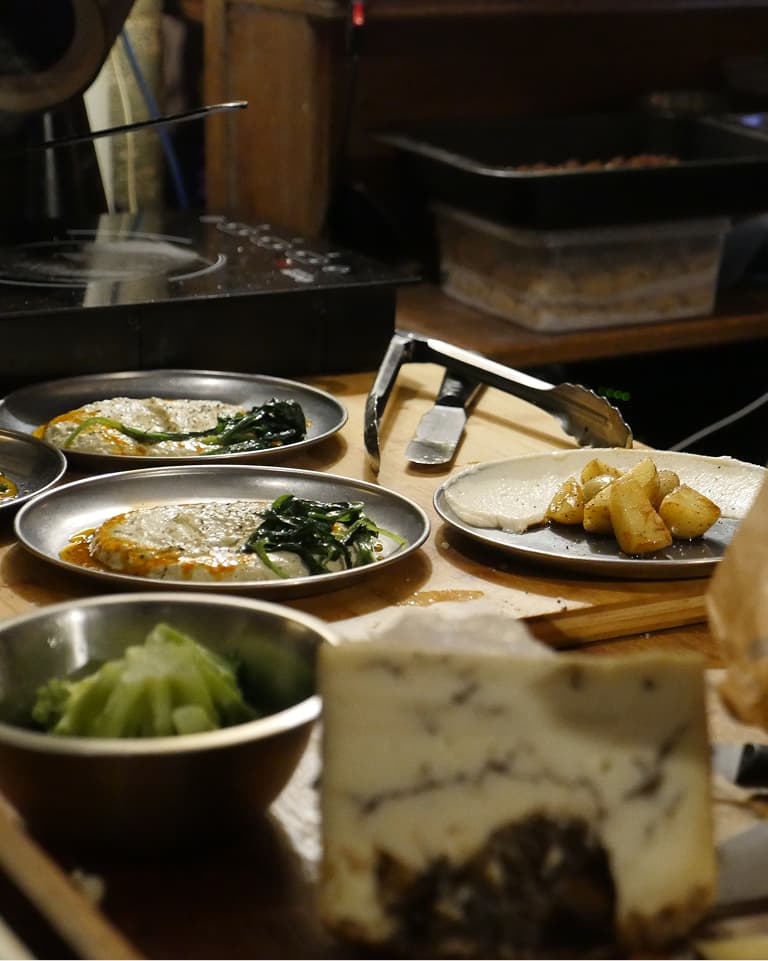
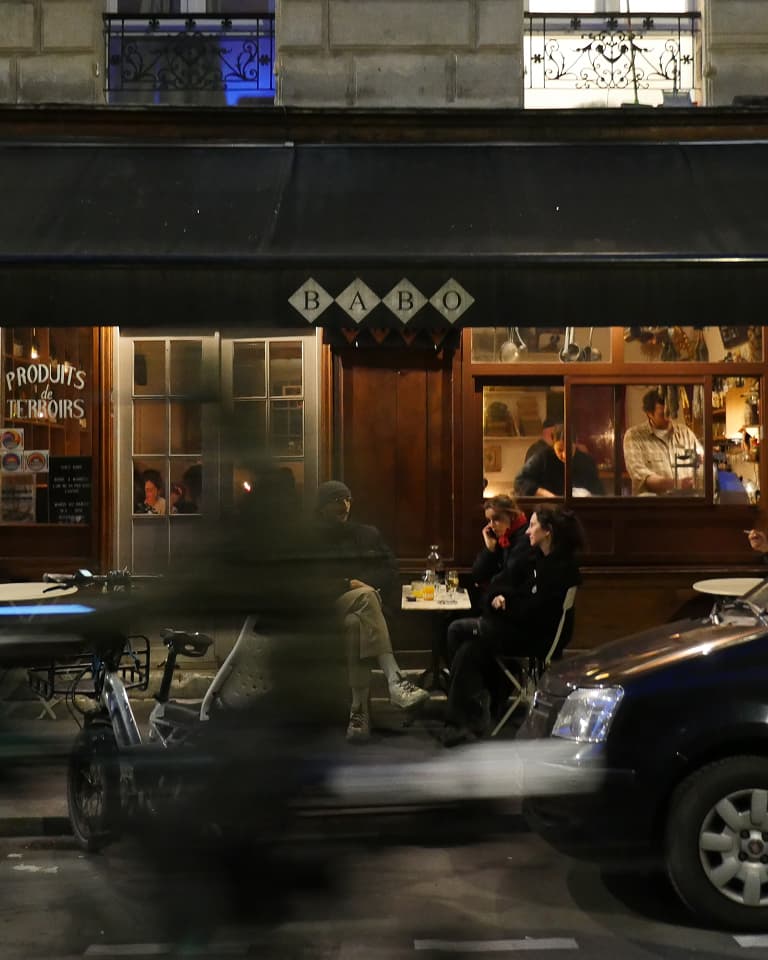
The western side of the canal is lined with boutiques, cafés and weekend crowds, but the east bank remains relatively unknown. Les Dunes on Rue du Faubourg du Temple serves Algerian brochettes the way they should be done – plate in hand. Across the road, La Java – the oldest nightclub in France – is where Édith Piaf first started performing. Don’t miss Juicy Cave à Manger for natural wine and the hope of a whispered invite to one of their secret dinner parties. Hit L'Iconique for a mezcal and vinyl, or Chez Babo for something sweet. Summer evenings end on the canal’s edge, where the light lingers until 10pm and locals drink rosé.
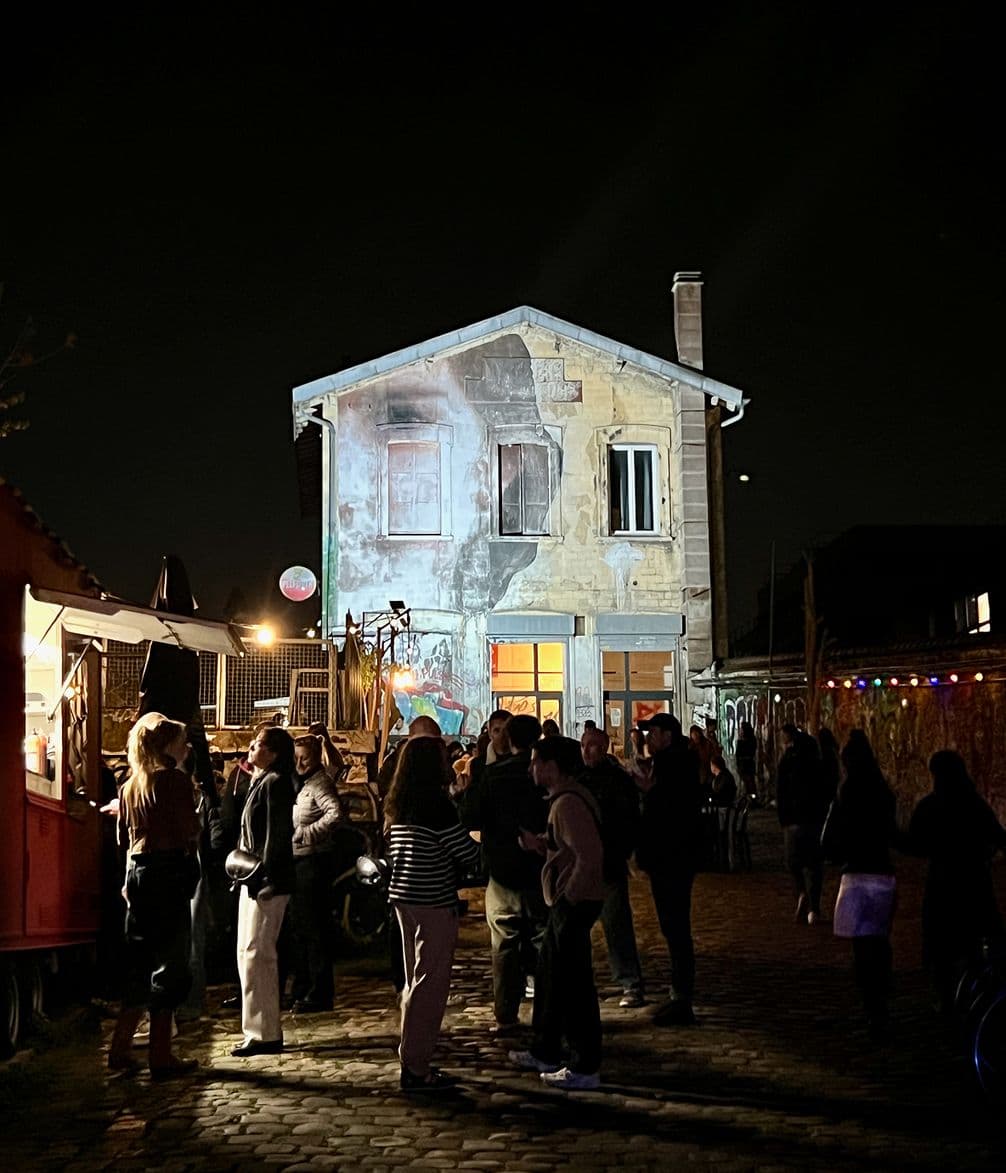
La Gare Le Gore. Photo: Rupert Clague
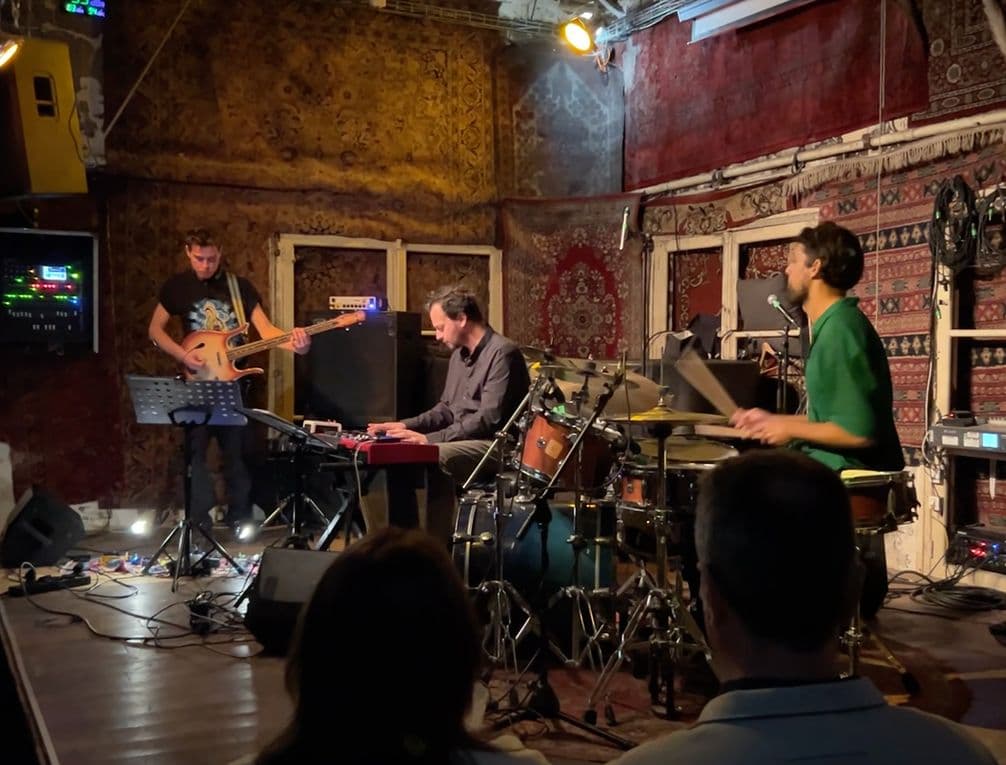
La Gare Le Gore. Photo: Rupert Clague
A converted 19th-century Petite Ceinture railway station north of the canal, with exposed brick, carpets nailed to the walls for acoustics and a door policy that amounts to: come in. Early evening it’s jazz courtesy of talented musicians and a crowd that actually listens. After midnight the basement opens and plays techno until sunrise. If you want something slightly more civilised, Le Hasard Ludique on Avenue de Saint-Ouen – a former railway station turned bar and music venue – hosts eclectic events from drag bingo to salsa and cabaret.
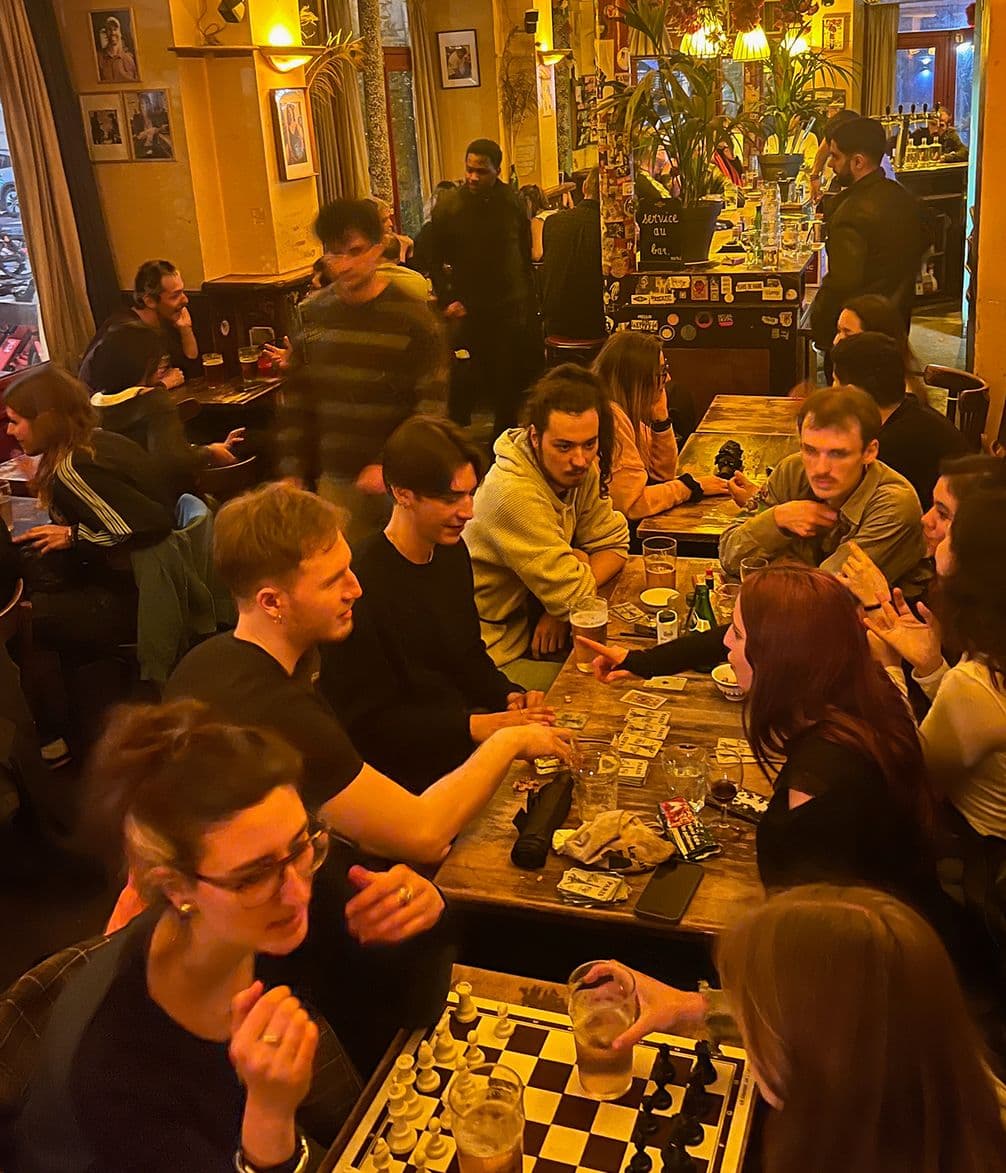
Au Chat Noir. Photo: Rupert Clague
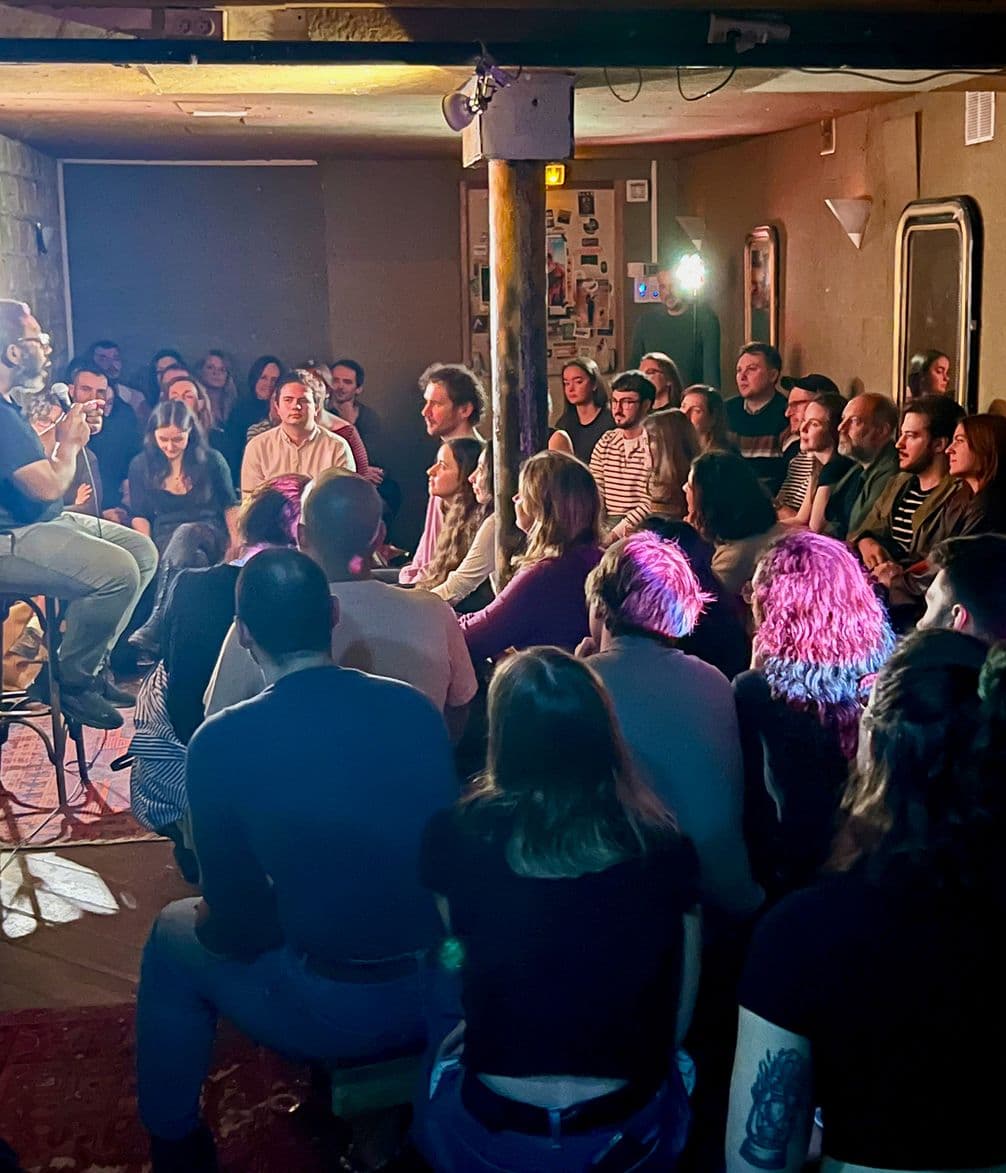
Au Chat Noir. Photo: Rupert Clague
The basement at Au Chat Noir comes alive on Thursday and Saturday nights with stand-up comedians performing in English to a room of Parisians who find this either hilarious or baffling – often simultaneously. Upstairs, someone is playing chess while the bar is packed. The rest of the week it’s a neighbourhood bar that opens at 10am, closes at 2am, and never feels like the same place twice. Twenty minutes across the city on Rue Blanche, Scandle is a bar, restaurant, art gallery and radio studio that has decided these things are not incompatible.
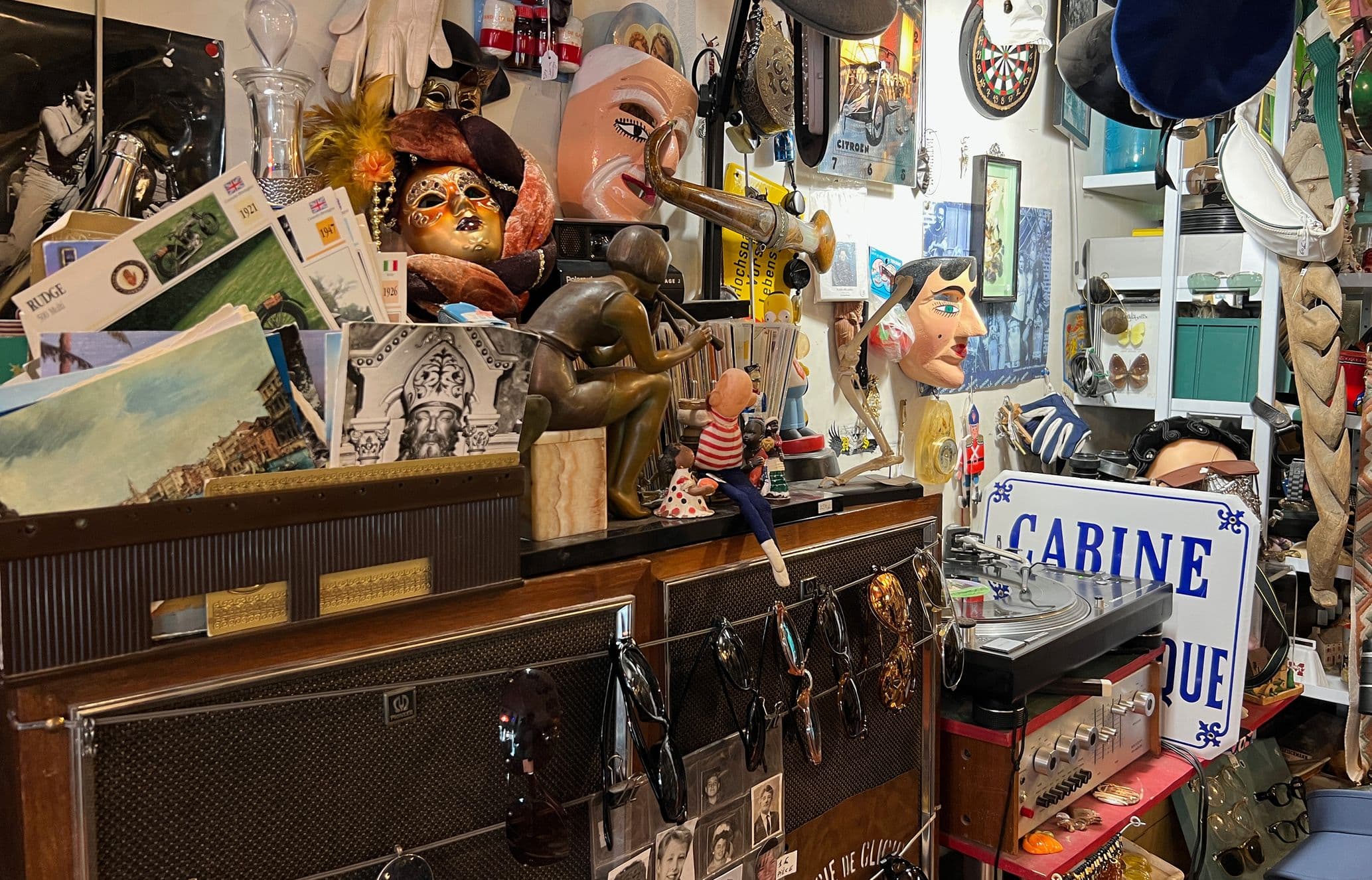
Aux Comptoirs du Chineur. Photo: Rupert Clague
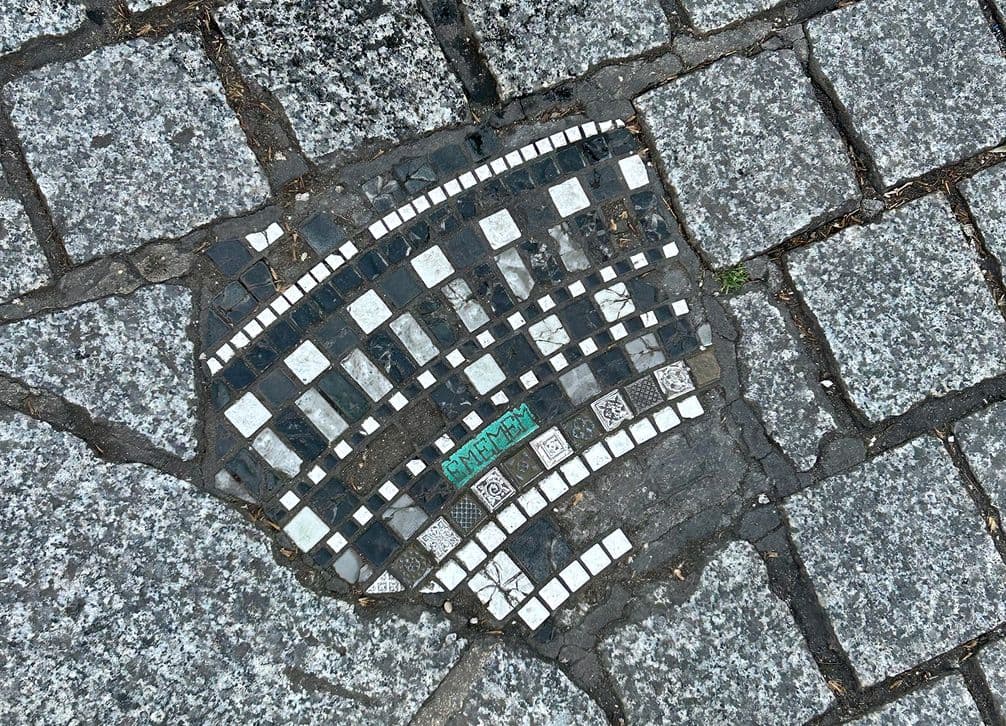
Ceramic mosaics by Ememem. Photo: Rupert Clague
Everyone passes through the 4th on the way to somewhere else, but Rue Saint-Paul rewards the people who stop. Aux Comptoirs du Chineur sells vinyl, cassette tapes, cameras and everything in between. Scroll past vintage shops, antique dealers and galleries, and don’t forget to look down – the pavements have been sutured with ceramic mosaics by street artist Ememem. Clark on Rue du Roi de Sicile serves the best hot dog in Paris, while Stolly’s is known for its refreshing cheap blonde beer.
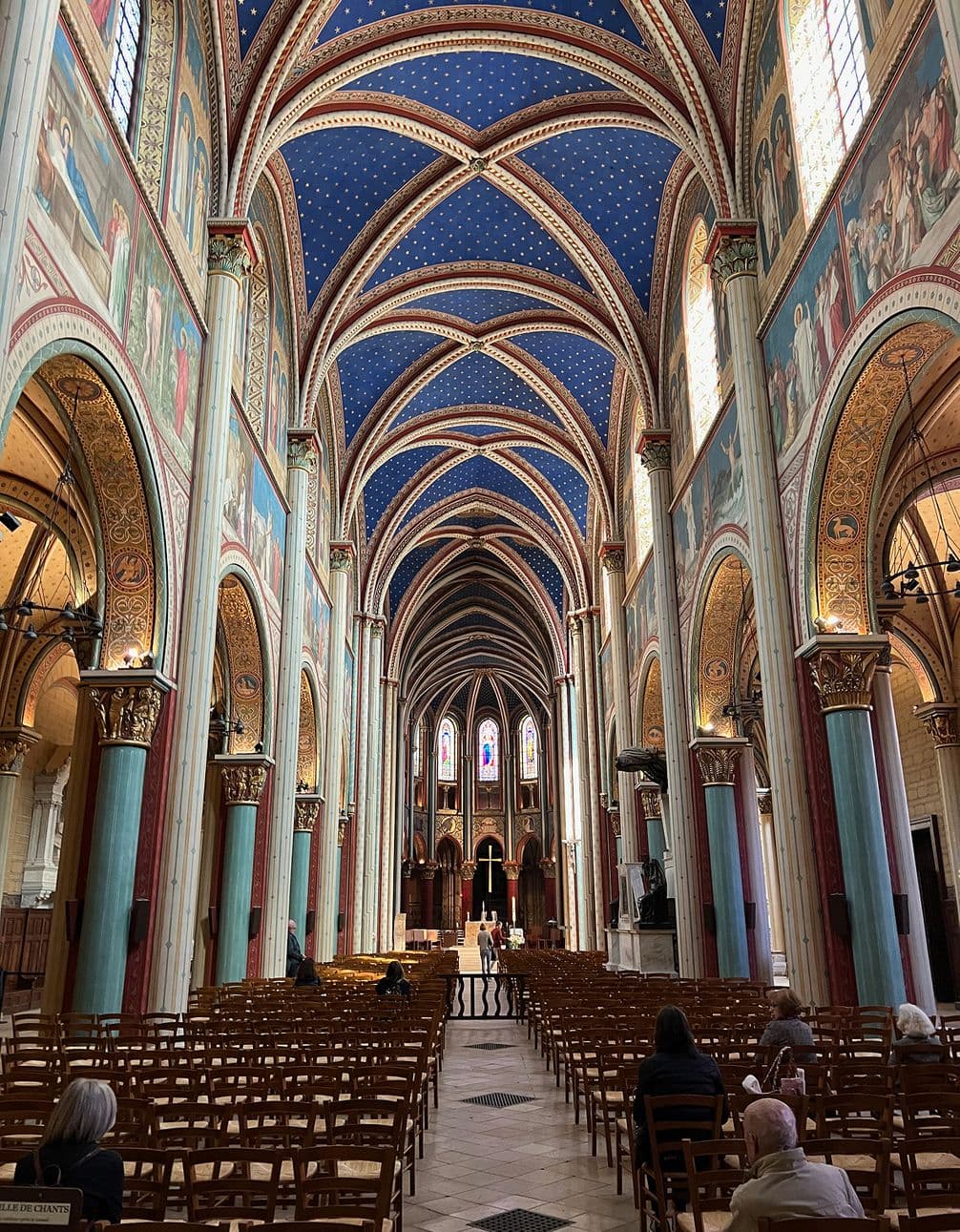
Église Saint Germain des Prés. Photo: Rupert Clague
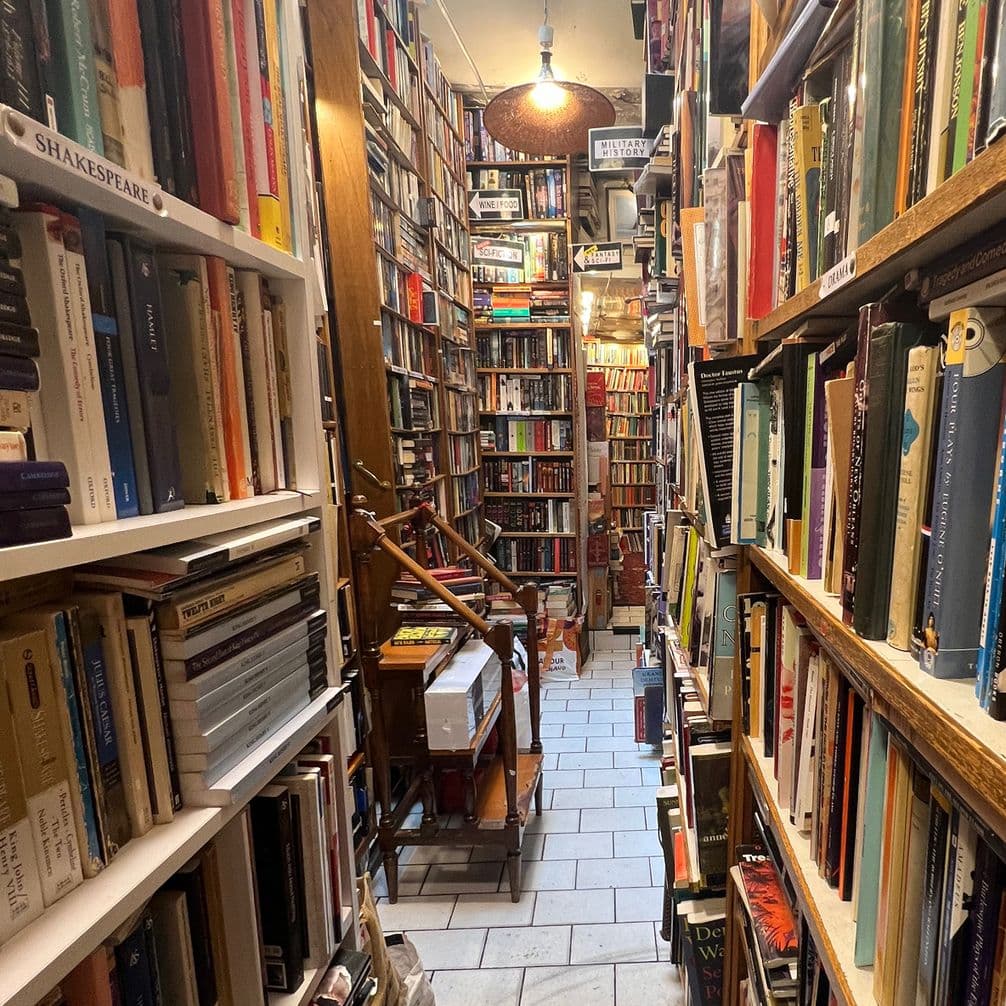
The Abbey Bookshop. Photo: Rupert Clague
The famous Shakespeare and Company bookstore is charming, but I recommend heading down the street to The Abbey Bookshop – brimming with floor-to-ceiling second-hand books and offering free coffee. Notre Dame is great, but have you seen the striking blue-starred ceiling of Église Saint Germain des Prés? French Philosopher Descartes is buried there. Nearby, Le 10 Bar on Rue de l'Odéon has a village vibe with its low lighting, wood accents and old-school wine menu. Jazz club Caveau de la Huchette is a great night, but you’ll find yourself returning repeatedly to Chez Papa on Rue Saint-Benoît, every inch is covered in the scribbles of people who’ve visited before.
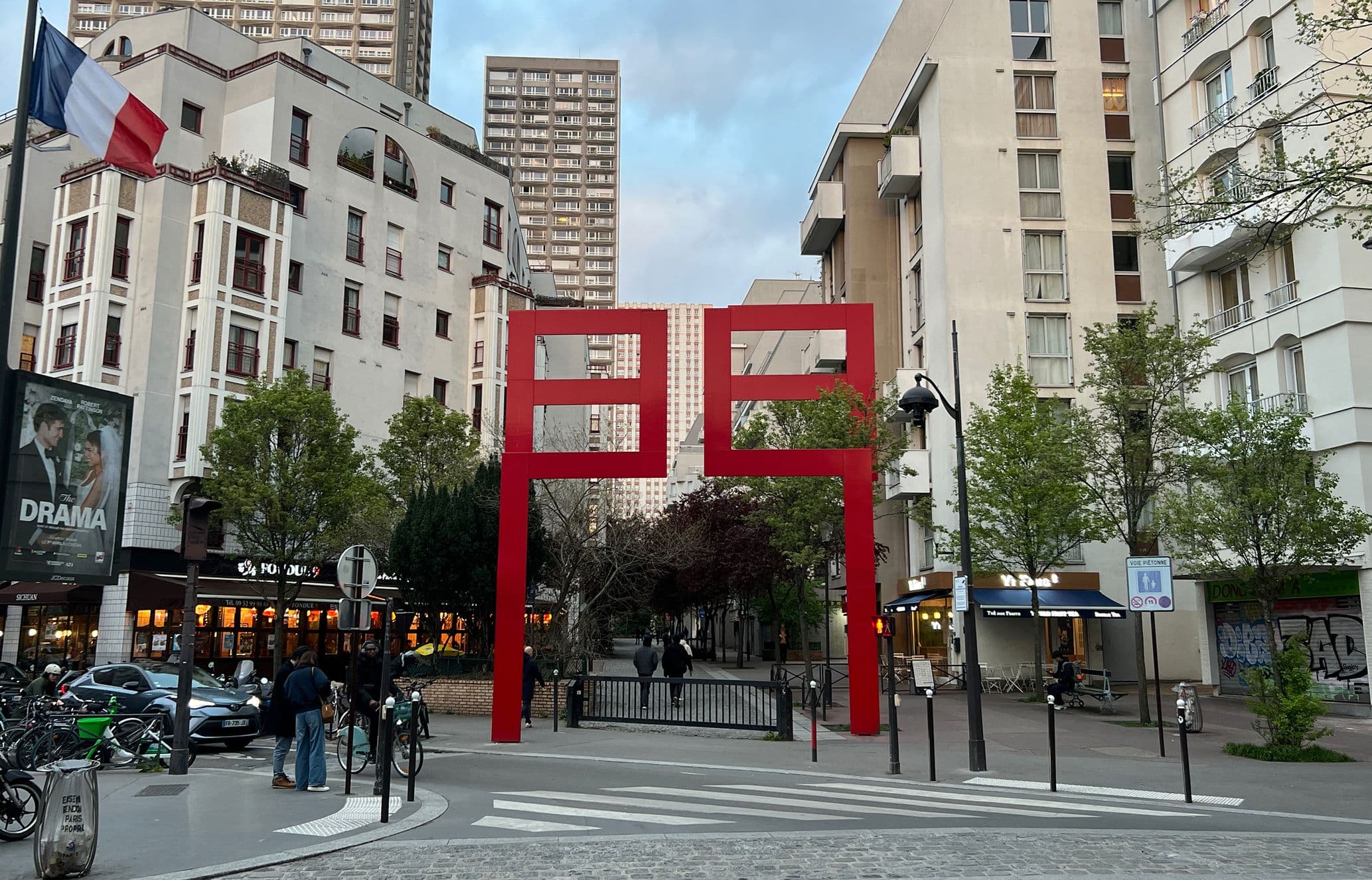
Chinatown. Photo: Rupert Clague
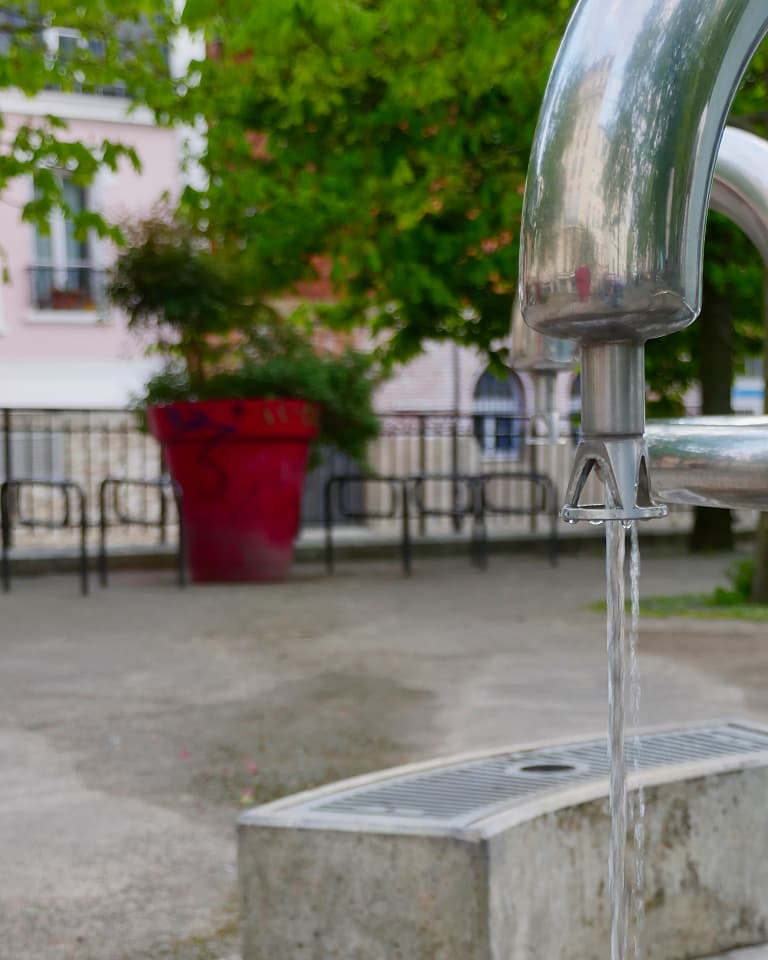
Albian fountain in Place Paul Verlaine. Photo: Rupert Clague
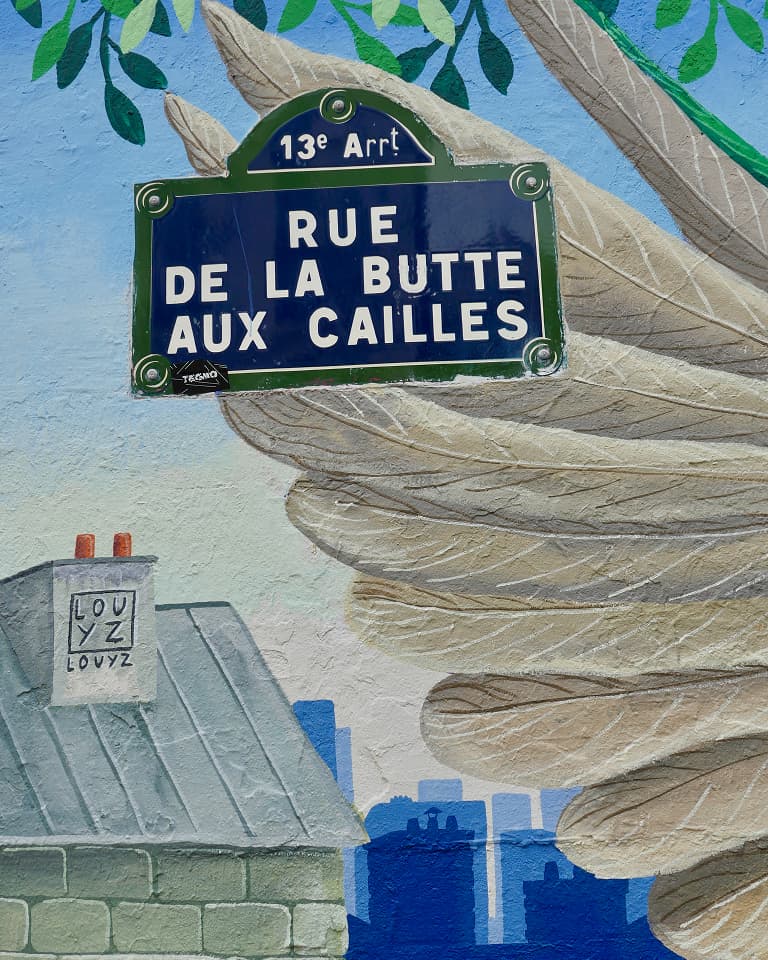
Rue de la Butte aux Cailles. Photo: Rupert Clague
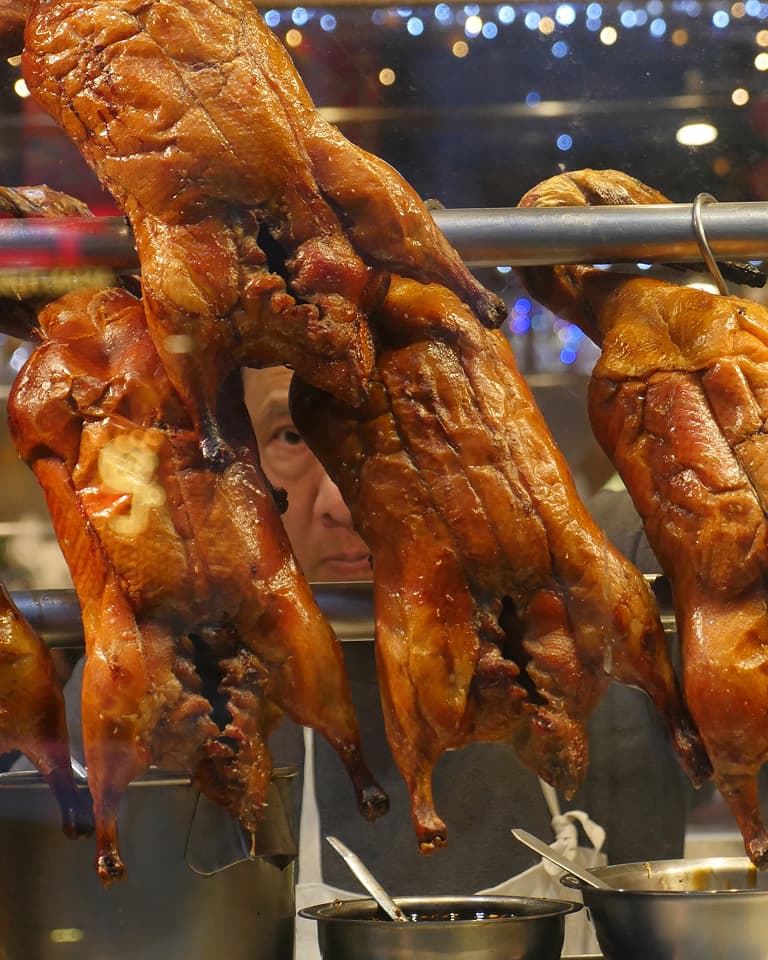
Chinatown. Photo: Rupert Clague
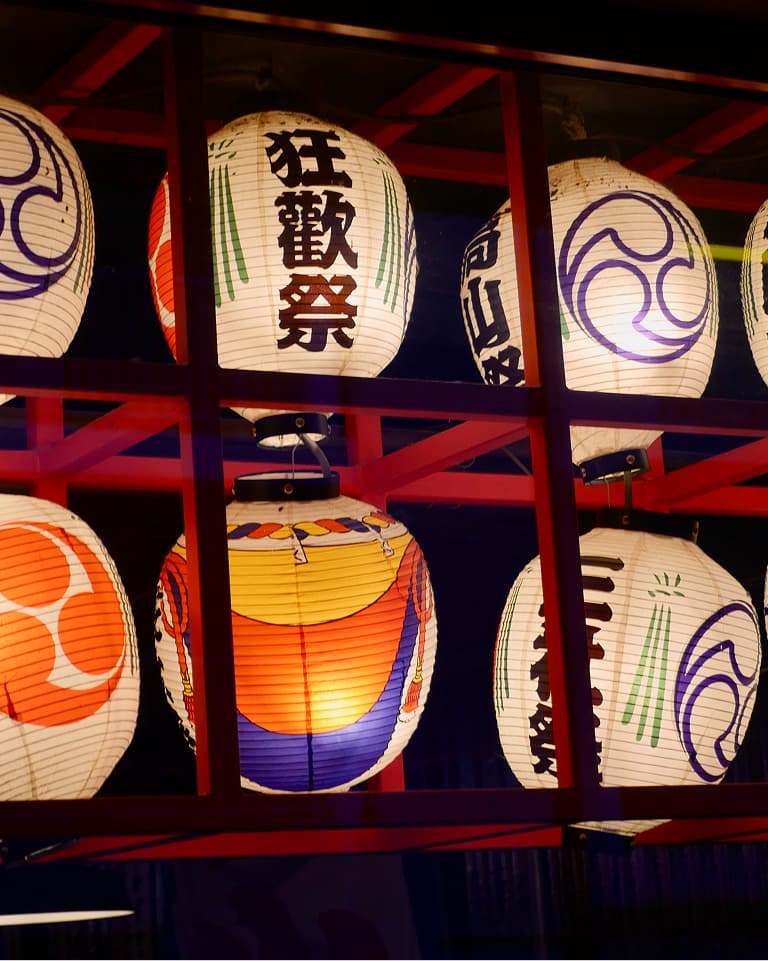
Chinatown. Photo: Rupert Clague
Start at Butte-aux-Cailles – cobbled streets that feel worlds apart from the city centre, lined with independent bars that have been here for decades. Cool off at Piscine de la Butte-aux-Cailles, a 1924 outdoor heated swimming pool that mostly only locals know about. Nearby, the Albian fountain in Place Paul Verlaine dispenses water collected from 600 metres below the street – the kind of fact that improves the drink considerably. Head east to Les Frigos, a towering former warehouse built for the butchers of Les Halles, now artist studios with occasional open days. Five minutes further is Chinatown, where roast ducks hang in windows, Chongqing hot pots bubble, and there is a Buddhist temple in a carpark at 35 rue du Disque. Go to Joayo13 for the Korean BBQ and stay for the karaoke.
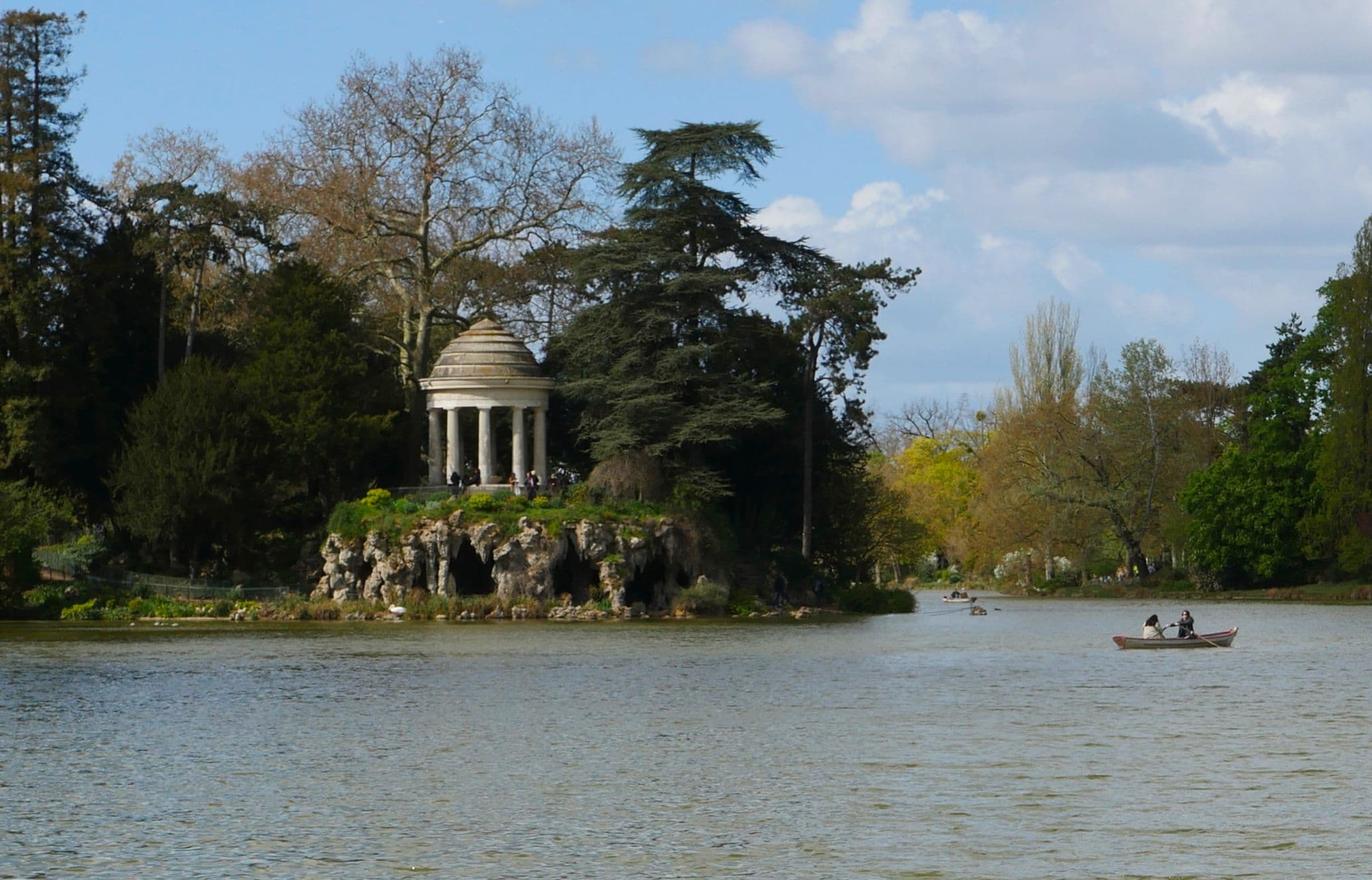
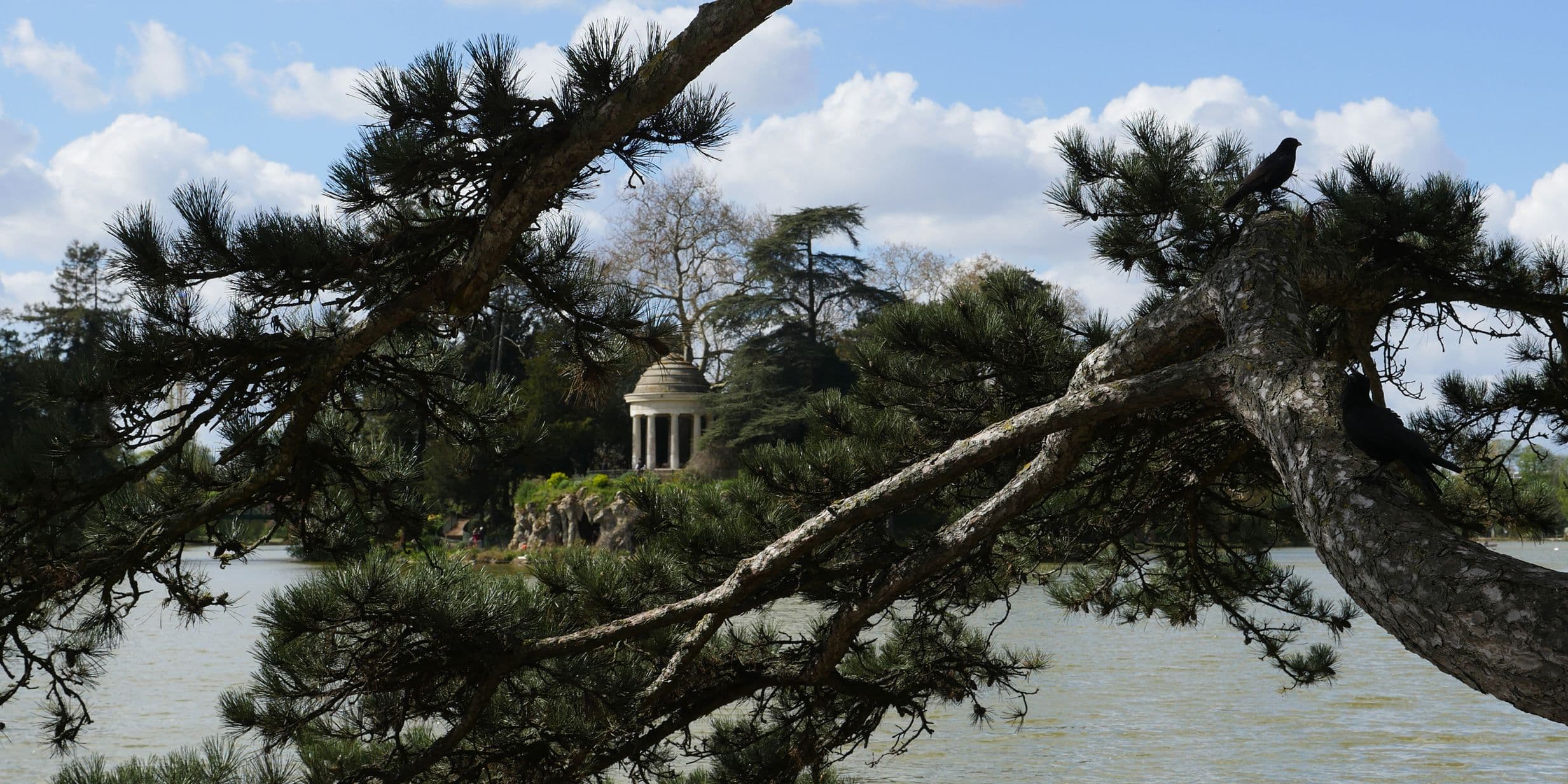
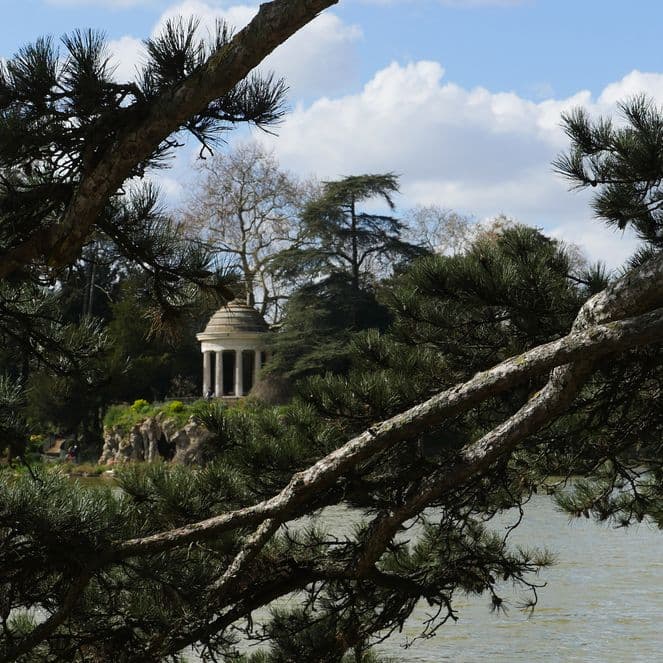
Bois de Vincennes. Photo: Rupert Clague
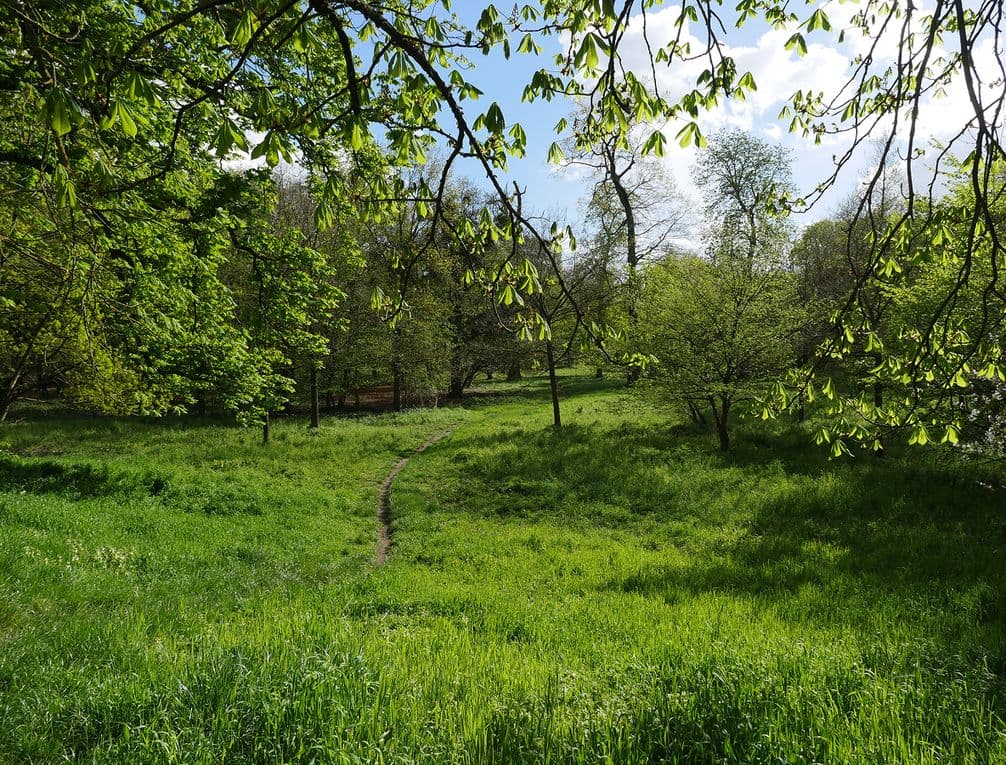
Bois de Vincennes. Photo: Rupert Clague
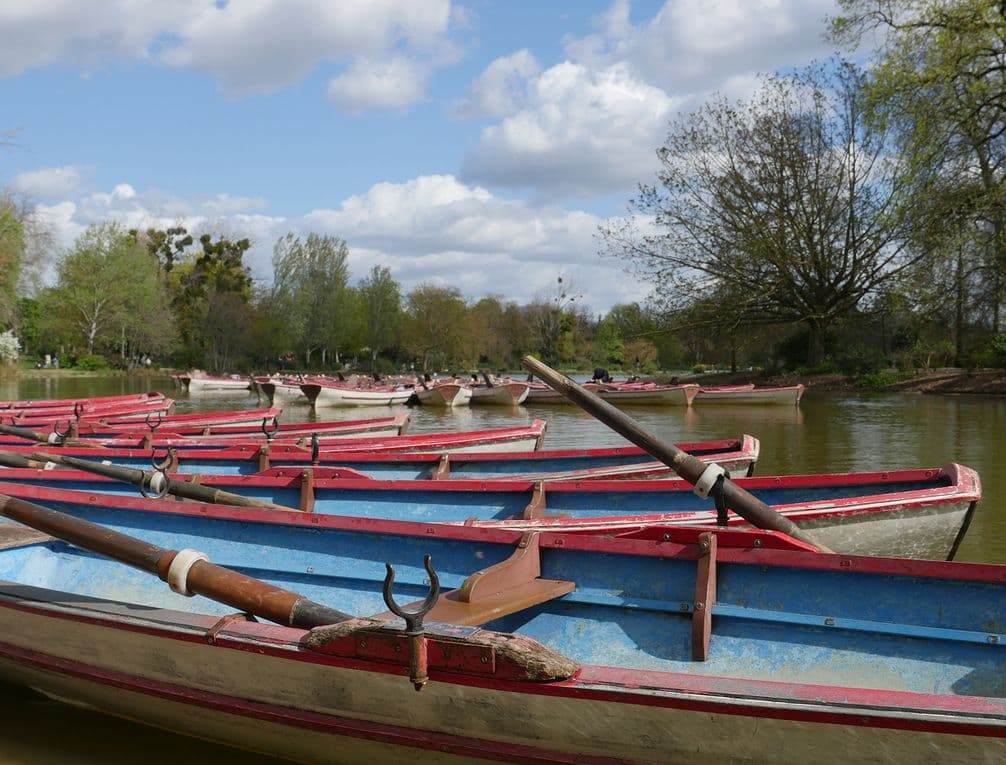
Lac Daumesnil. Photo: Rupert Clague
The tourist maps end somewhere around Nation – here be dragons. Venture east and Paris becomes 995 hectares of lush forest. Pause at the Cours de Vincennes market, which runs along the grand boulevard on Sundays and soak up the feel-good energy of a neighbourhood that doesn’t know you’re visiting. Rent a rowing boat on Lac Daumesnil, push out to the middle and forget you’re in a city of two million people.
Discover memories faster with exclusive features like facial recognition and smart albums.



&w=96&q=75)
Aug 17, 2026∙7 min
&w=96&q=75)
&w=96&q=75)


 United States