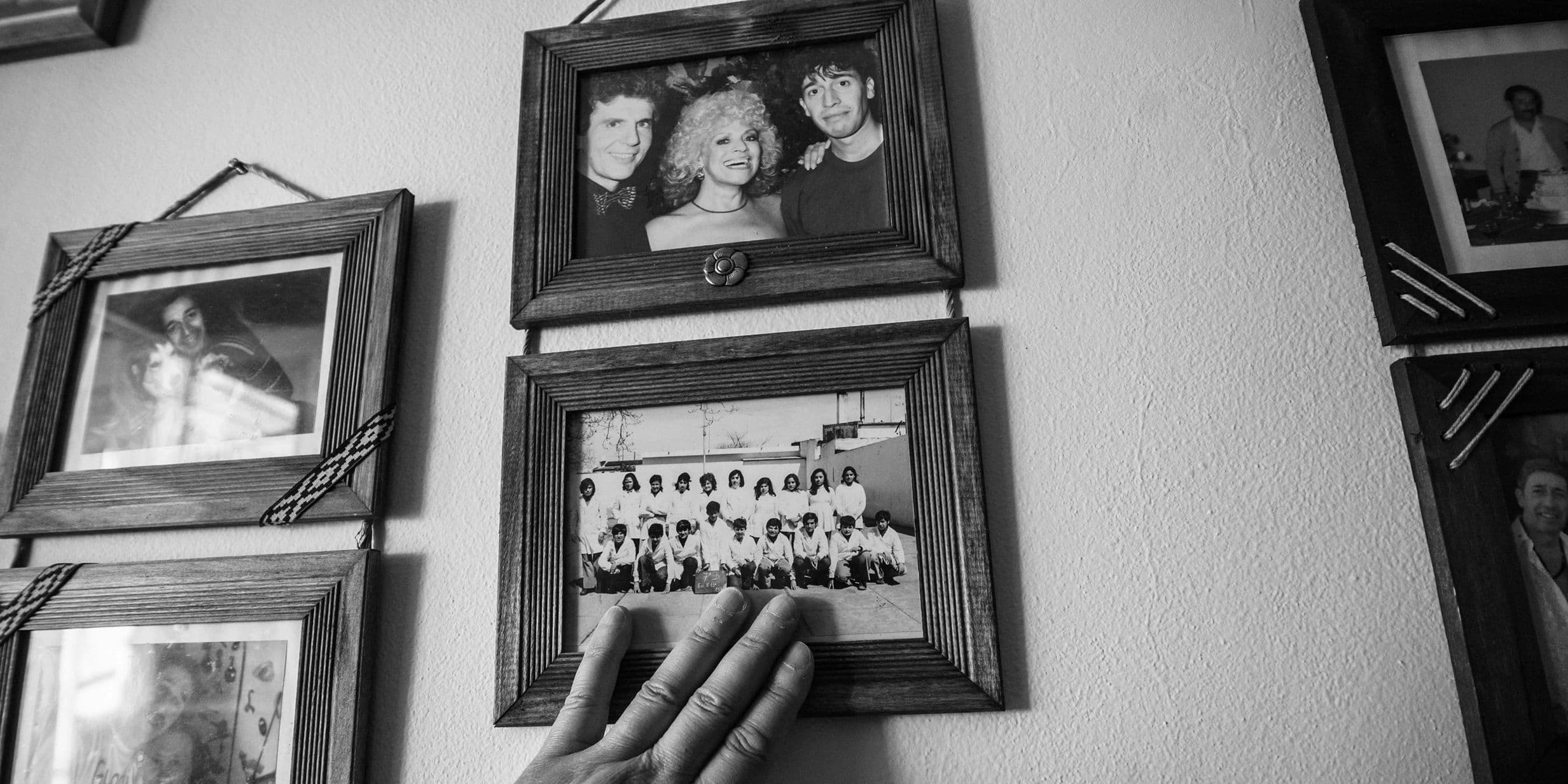
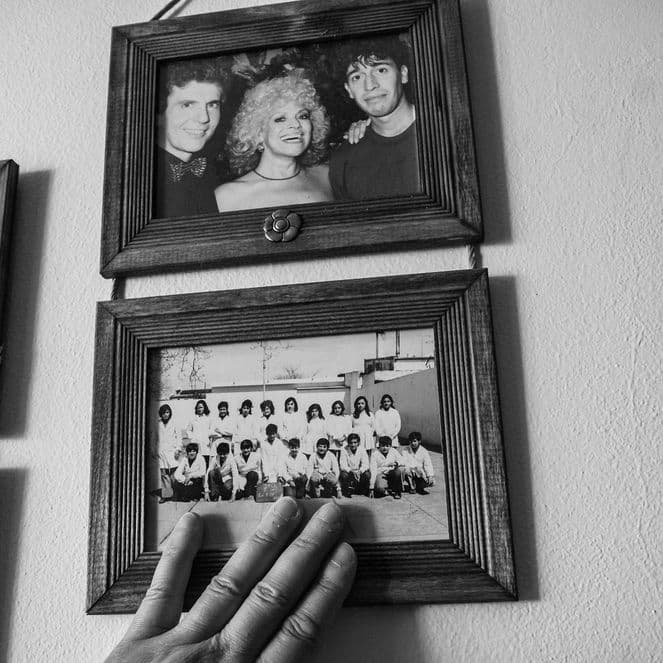
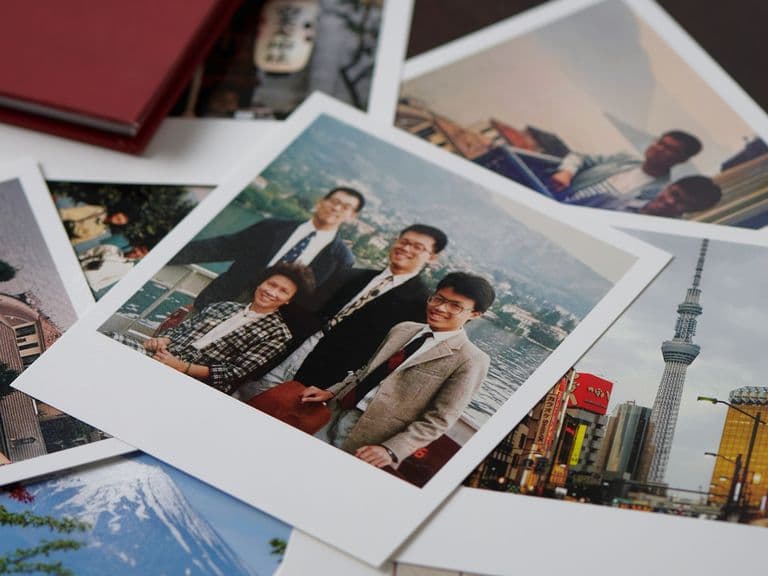
Having family pictures propped on mantlepieces and hung on walls is very much the norm for most of us. I have fond memories growing up of visiting friends and relatives’ houses and asking endless questions about who was who. I noticed when pictures were added or swapped out. In many ways, it’s an integral part of home life, with photographs to commemorate specific events, like school, university graduation or weddings. Indeed, collecting each of my daughter’s nursery photos has become a favourite tradition of mine – there isn’t one I haven’t bought so far.
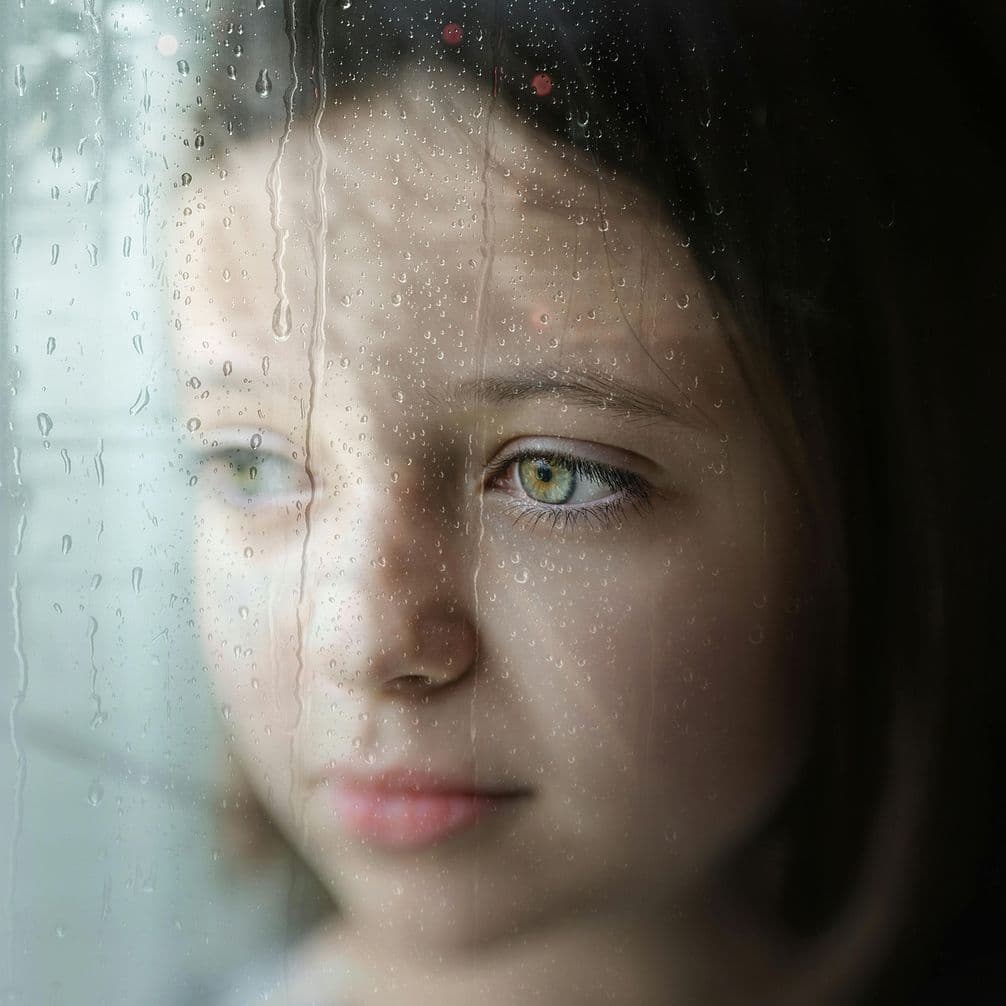
Yet when families break up, as they so often do (45 per cent of first marriages, and 60 per cent of second marriages in the UK), it can feel jarring to have old pictures on display. It can make people feel bad, sad or angry. The wronged party might throw photographs away, or more dramatically, cut people out of them. But this can lead to confusion for children – further compounding a sense of loss at the erasure of a person. While it’s obviously not advisable to have your wedding album on display after a split, it’s almost certainly better to preserve the images for a day when your child might want to see them.
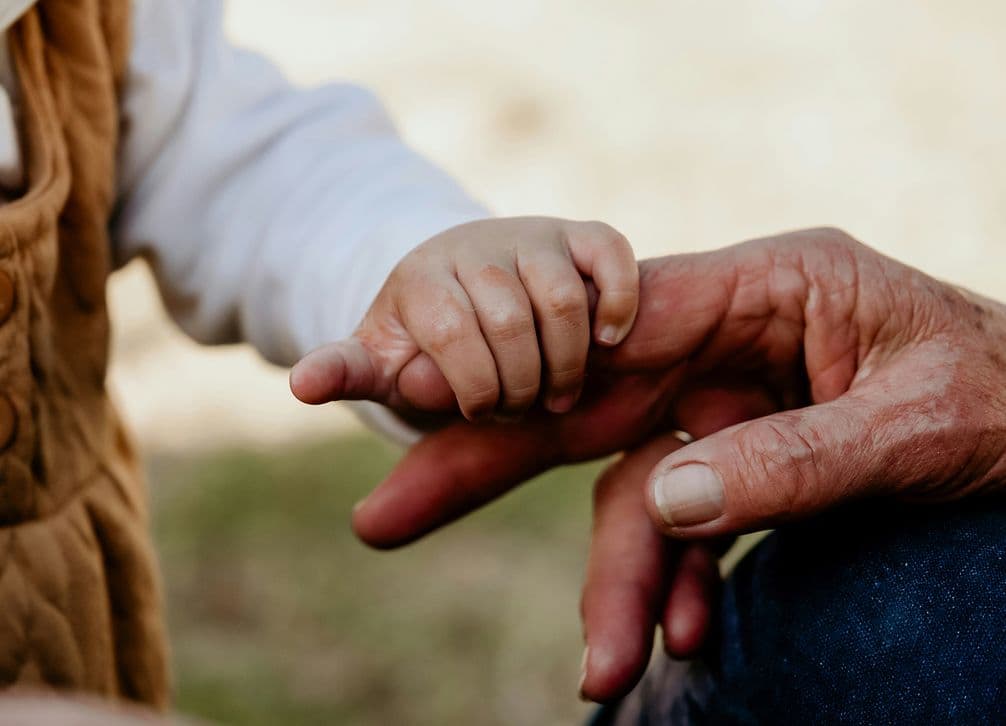
I had this experience recently. Following the death of my grandfather last year, my auntie had gone through his old photographs and brought them round for me to look at as she knew I was an amateur family historian. Within this cache I found treasures I’d never seen of my parents’ Seventies-tastic wedding day, my Christening, early birthdays, summer BBQs and more. It was like discovering a long lost little girl that I had forgotten about. Then there were the pictures of my mum as a little girl and my grandparents as newlyweds. Plus two people I’d never seen before, but heard a lot about – my great-grandparents. I looked at their faces to see if I could find traces of my daughter there. She’s the spitting image of my mum at that age.







&w=96&q=75)

&w=96&q=75)
&w=96&q=75)


 Vereinigte Staaten