

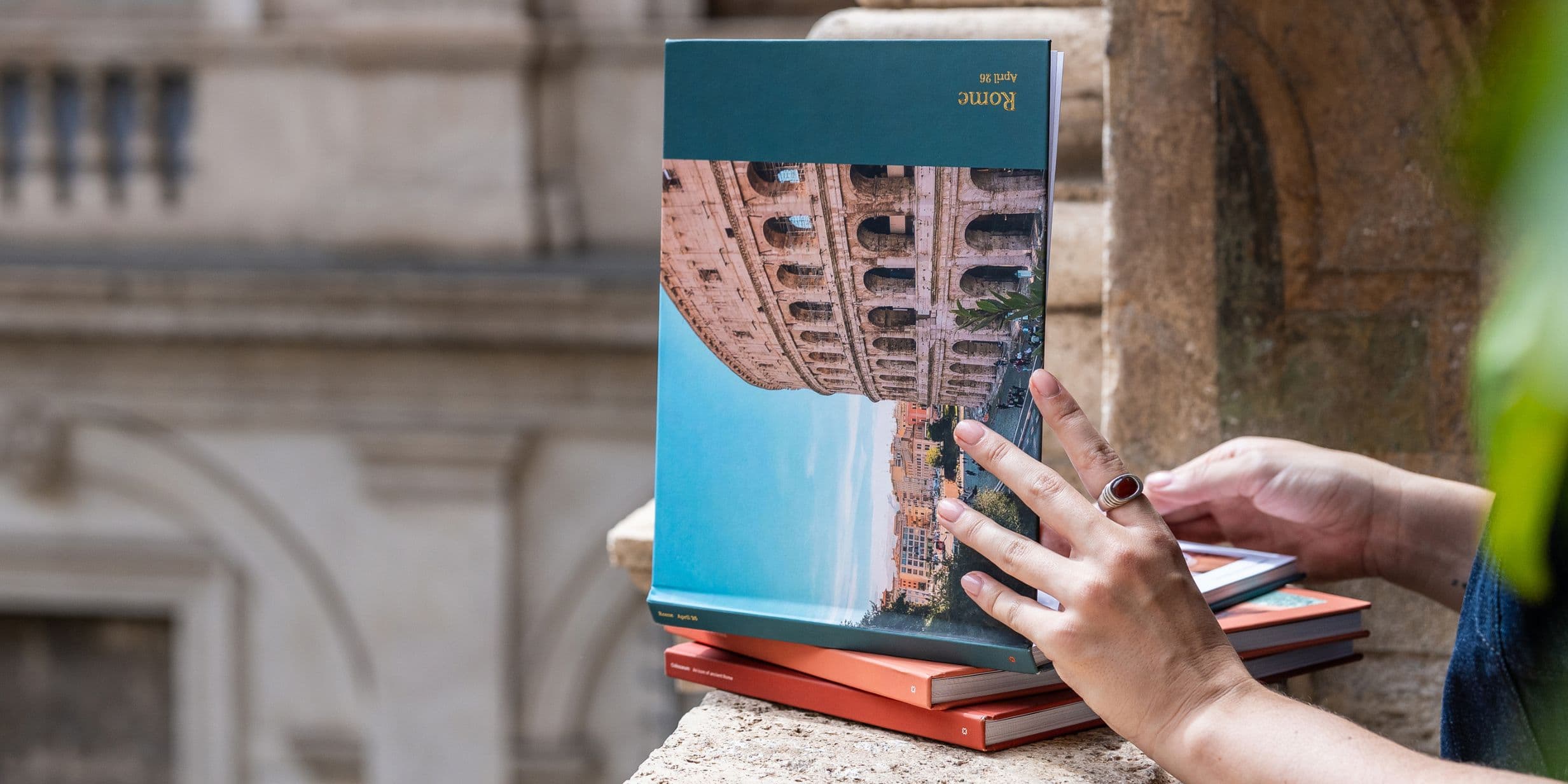
It’s a reasonable thing to wonder. Photo books are physical objects – they use paper, ink, packaging and shipping. In a world where we’re all trying to think more carefully about what we buy and why, is printing a photo book a responsible choice? The honest answer is: it depends on who makes it and how. Here’s what to actually look for.
Paper and printing
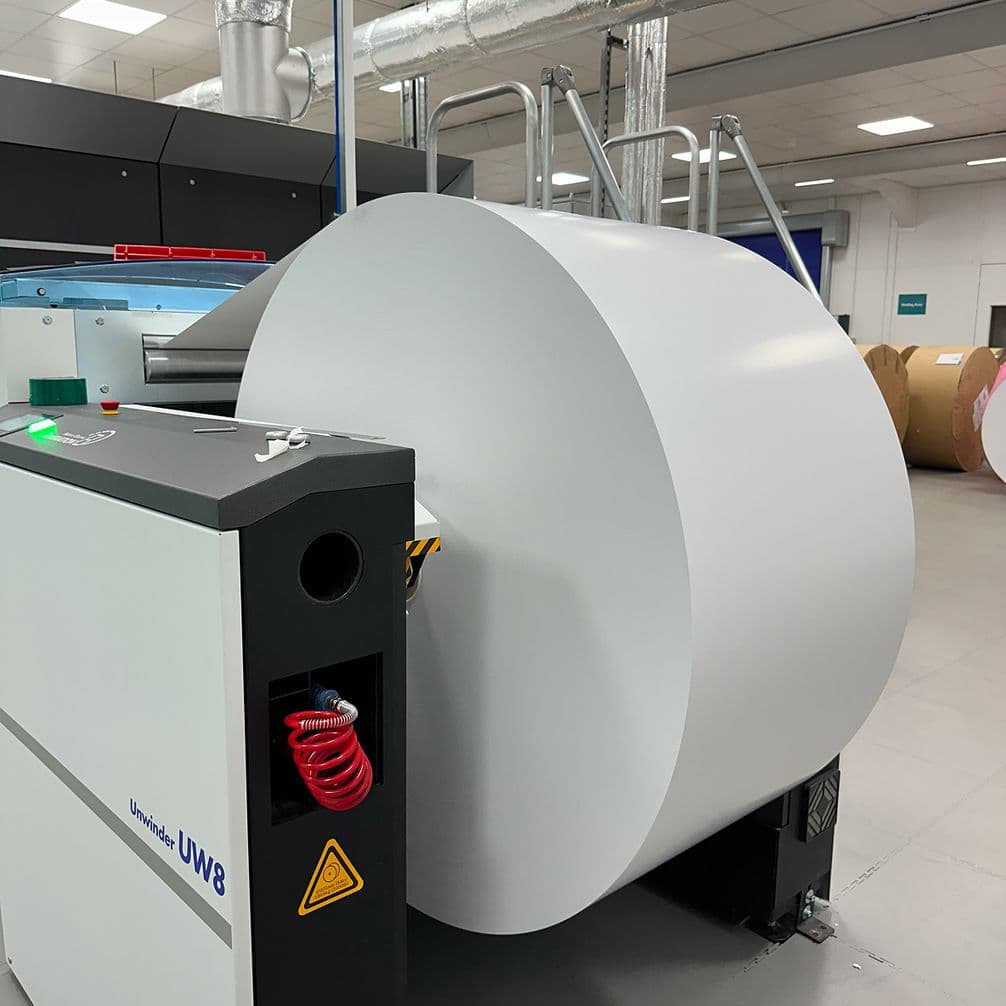
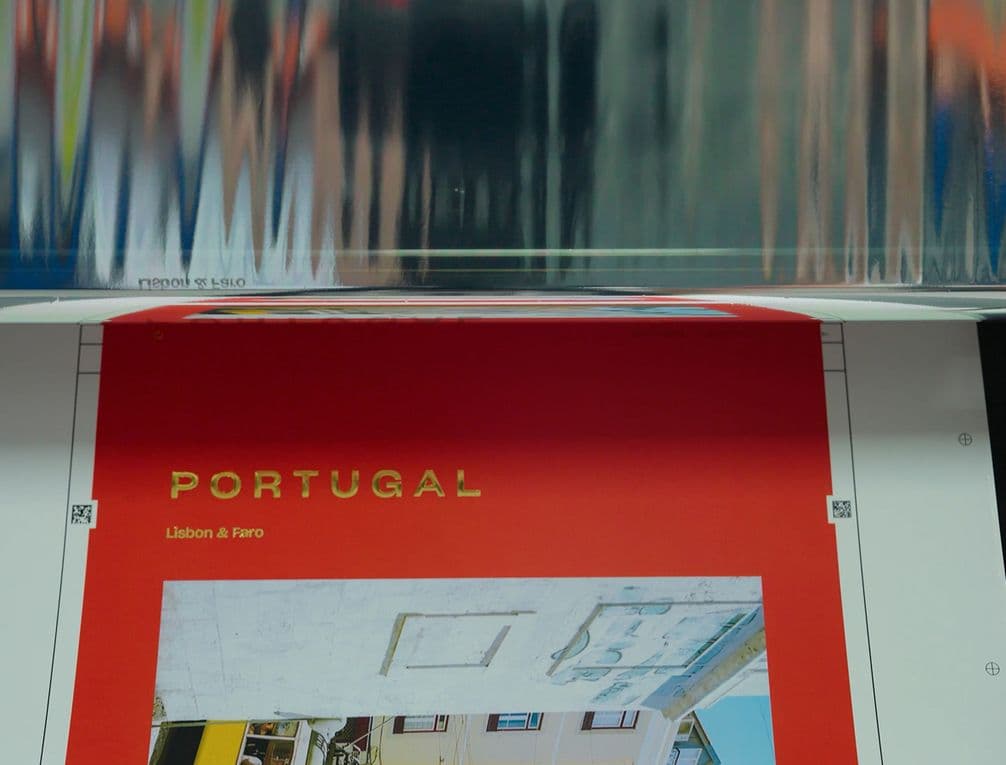
The most meaningful thing to check is whether the paper is FSC-certified. The Forest Stewardship Council certification means the paper comes from responsibly managed forests – replanted, monitored and not contributing to deforestation. It’s not a perfect system, but it’s the most widely recognised standard and worth looking for. Beyond paper, ask about the printing process. Digital printing – the kind used for short-run photo books – is generally more efficient than offset printing, producing less waste because there’s no setup overrun.
Packaging and shipping
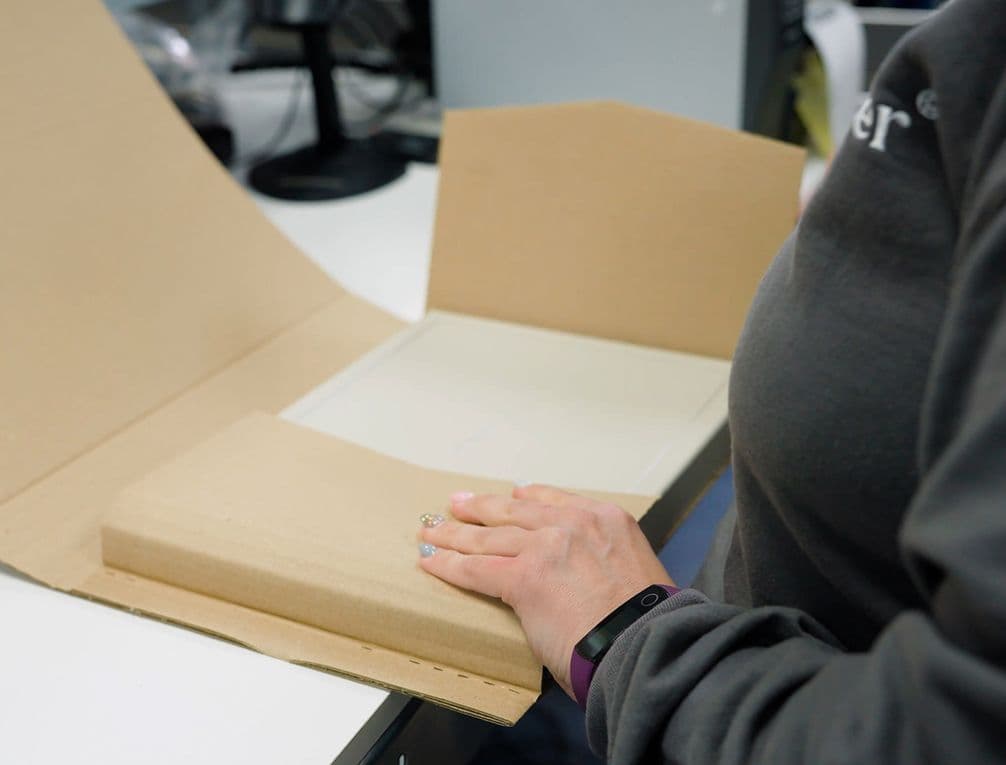
Most of a product’s carbon footprint lives in how it gets to you, not how it’s made. A photo book shipped from a local print facility will have a significantly smaller footprint than one manufactured overseas and flown in. It’s worth checking where a company actually prints, not just where they’re headquartered. Packaging matters too. Recycled and recyclable materials, minimal plastic, right-sized boxes – these are small things that add up.
Longevity is part of sustainability
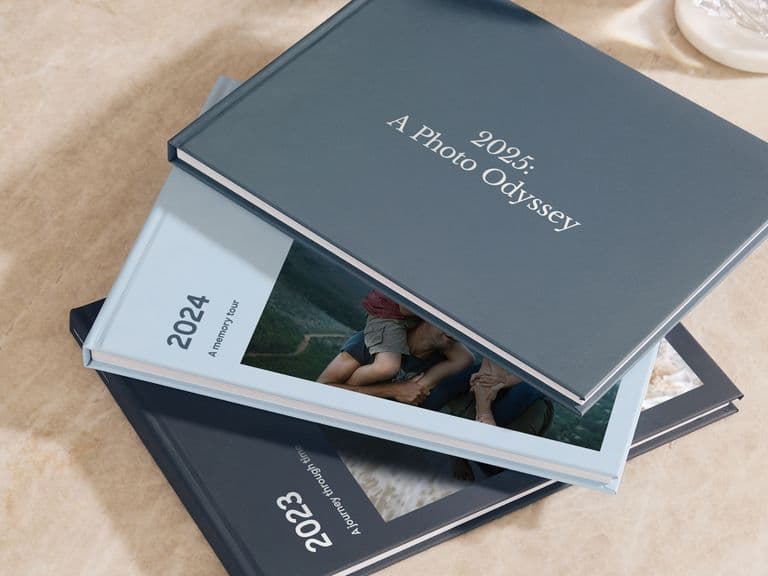
Here’s a point that often gets overlooked: a photo book that lasts 30 years is more sustainable than a cheap one you replace every few years, or a digital file stored on a platform that may not exist in a decade. Durability is a form of environmental responsibility. A well-made hardcover photo book with archival-quality printing is genuinely designed to be passed down. That’s not a marketing claim – it’s how physical memory objects work. Think about the photo albums your grandparents had.
What Popsa does
Popsa prints in facilities that use FSC-certified paper and work to minimise waste in the production process. Our sustainability page is worth a read if you want the specifics. No company can claim to be entirely without a footprint, but there’s a meaningful difference between producers who take this seriously and those who don’t. The short version: a thoughtfully made, long-lasting Popsa Photo Book is a more defensible purchase than most things you might spend the same amount of money on. It’s a physical object with genuine, lasting value – and that counts for something.
Laden Sie die App herunter
Dank Popsas praktischer Gesichtserkennung und unseren Intelligenten Alben kannst du Erinnerungen jetzt noch schneller wiederfinden.


In Verbindung stehende Artikel

&w=96&q=75)
11. Juni 2026∙4 min
&w=96&q=75)
Nathan Cook
Popsa-Autor
16. Sep. 2025∙5 min
&w=96&q=75)
Emily Kudiersky
Tierfotografin
23. März 2026∙4 min


 Vereinigte Staaten