

Fotografie
Meet the Expert: the aerial photographer – Tommy Clarke
How self-taught photographer Tommy Clarke went from breaking his back to capturing breathtaking coastlines and finding his perspective – one helicopter at a time

12. Mai 2026∙6 min
Fotografie
How self-taught photographer Tommy Clarke went from breaking his back to capturing breathtaking coastlines and finding his perspective – one helicopter at a time
12. Mai 2026∙6 min
Tommy Clarke is a British aerial photographer known for his striking images that transform coastlines and natural landscapes into abstract compositions of colour, pattern and scale. Working primarily from helicopters, Tommy captures beaches and environments from a near-vertical perspective – a signature style that first emerged while living in Sydney and has since taken him across the world, from the salt lakes of Utah to the shores of the Mediterranean and beyond. Entirely self-taught, his work has been exhibited internationally and featured in leading publications including Condé Nast Traveller, while also attracting commercial collaborations with brands such as Vodafone, Leica and Samsung.
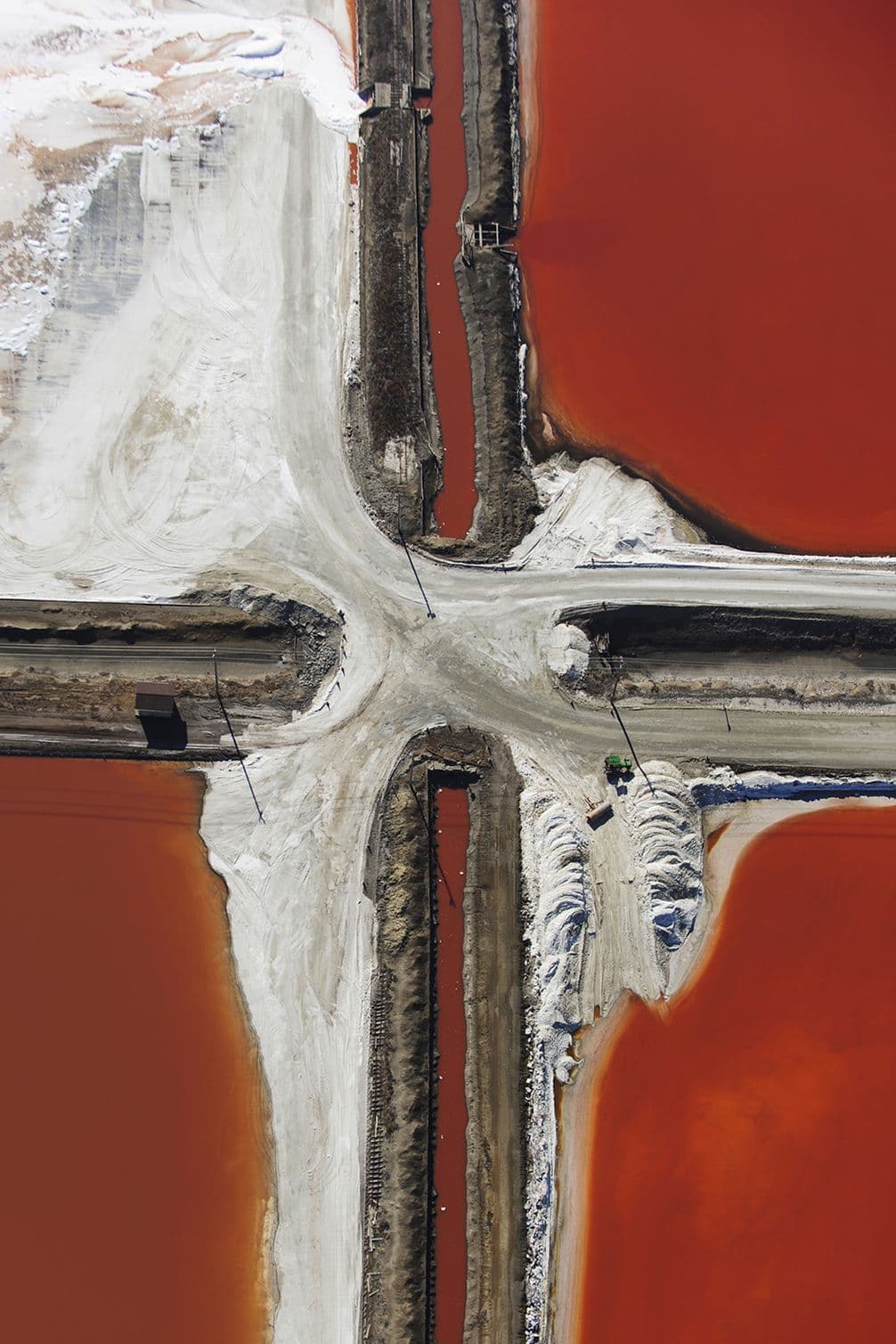
Crossroads. San Francisco, 2013. Photo: Tommy Clarke
I had no real ambition to be a photographer. I wanted to be a physiotherapist. I rowed to a decent level and at one point I even had lofty – if slightly over-ambitious – aspirations of going to the Olympics. Breaking my back in a snowboarding accident at 17 changed that – for better or worse. Months of no training, wearing a back brace and watching my teammates progress was a hard pill to swallow. So, to try and get involved somehow, I picked up a camera and took shots of my friends going up and down rivers in rowing boats. They loved the photos and I loved the praise of my “work”.
From that first paying job, I navigated my way, clumsily, through every type of photography imaginable, from corporate headshots to birthday parties. I shot fashion, festivals, food, even Eddie Redmayne’s wedding. I was happy to do pretty much anything that meant I could hold a camera and be paid – within reason. But it wasn’t until I spent some time in Sydney that I found myself floundering. I wanted to challenge myself artistically – and there lay my lightbulb moment. I needed to photograph beaches from a new perspective.
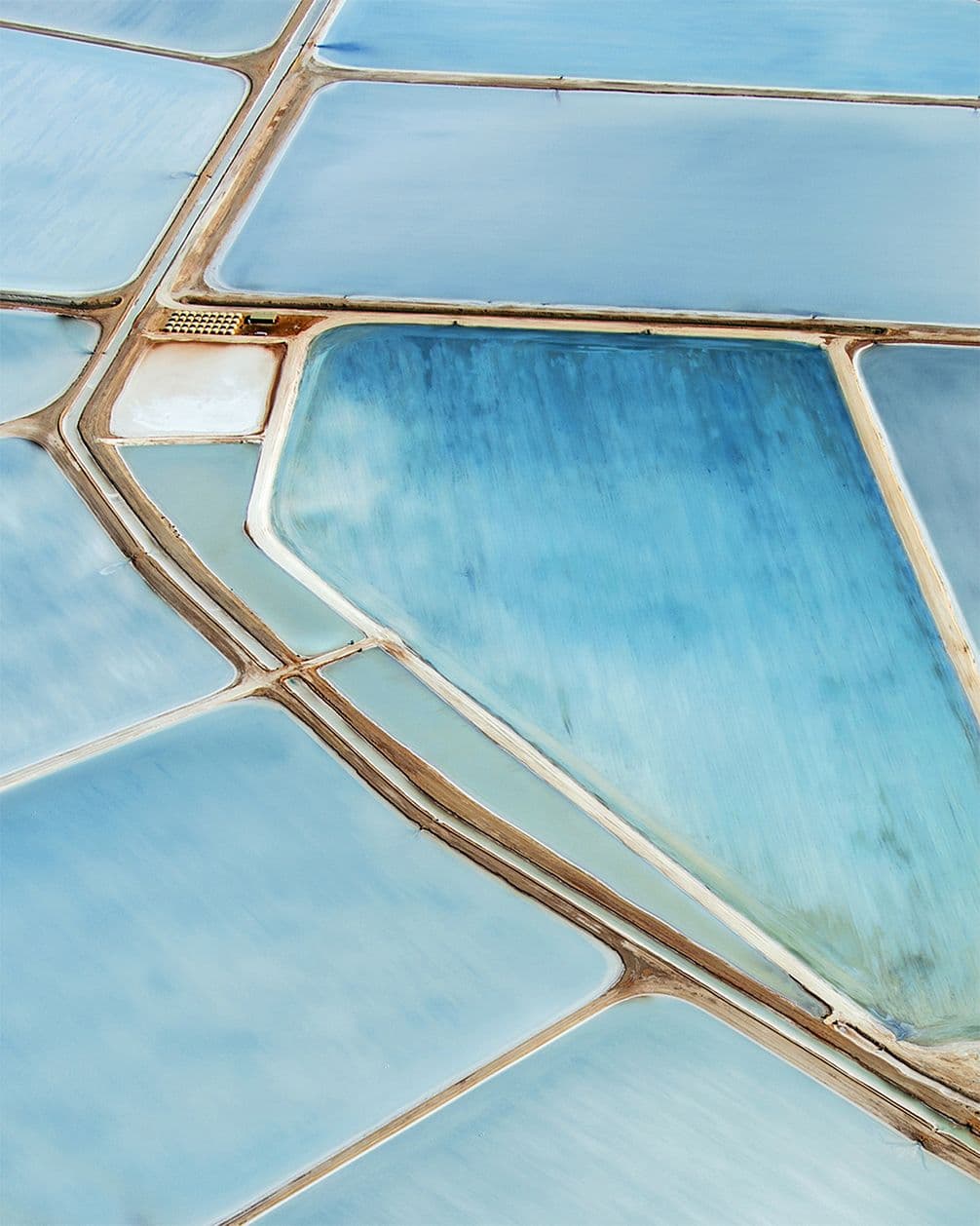
Useless Loop I. Western Australia, 2016. Photo: Tommy Clarke
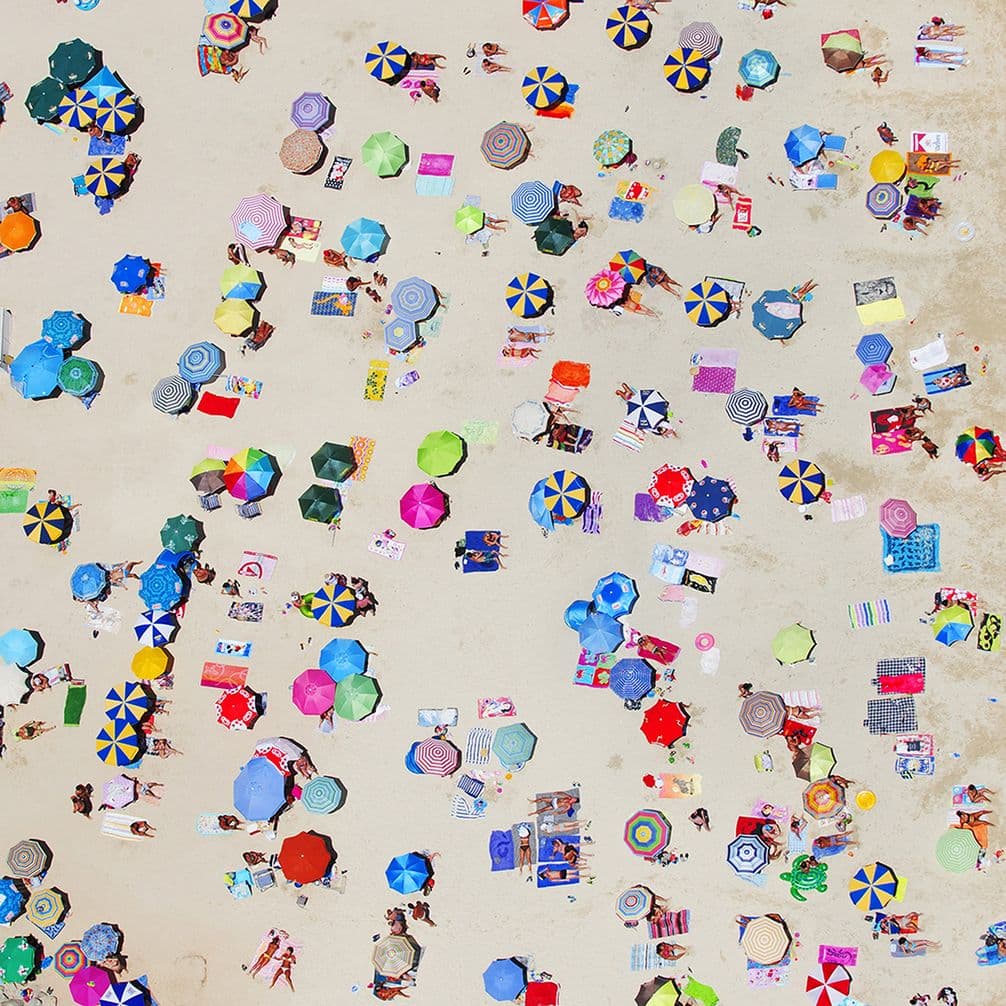
Amadores Beach, Gran Canarai, 2017. Photo: Tommy Clarke
I read all the photography books at the library and all the Condé Nast Traveller magazines my mum had. I learned the rule of thirds, how to correctly expose a photo, and before I knew it I was the go-to photographer – a school portrait here and there, being asked to cover the big rugby game from the sidelines.
I had always devoured the coffee table books of the “godfather of aerial photography”’, Yann Arthus-Bertrand, as well as the masterful Italian beach and landscape photographer Massimo Vitali.
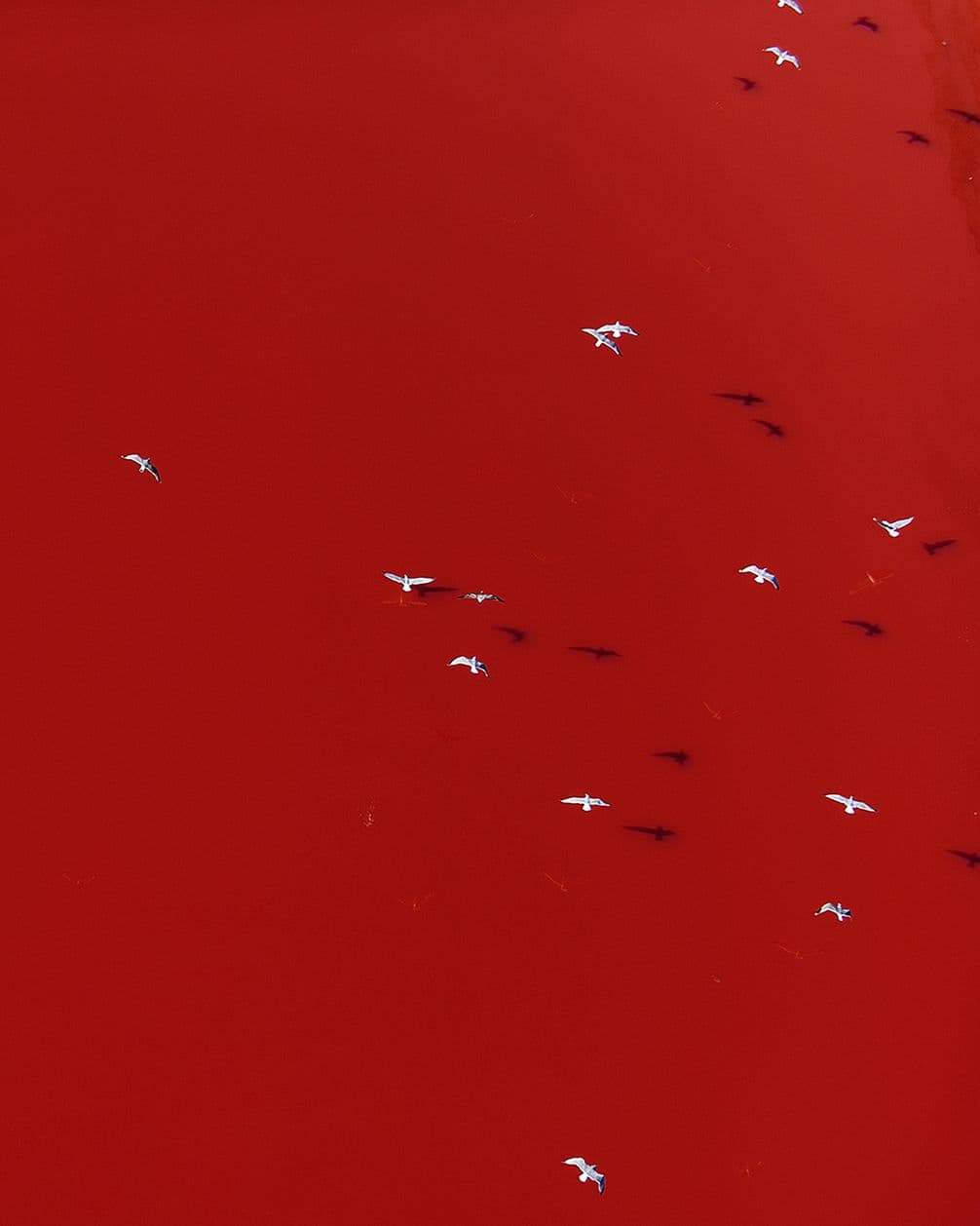
Birds. San Francisco, 2013. Photo: Tommy Clarke
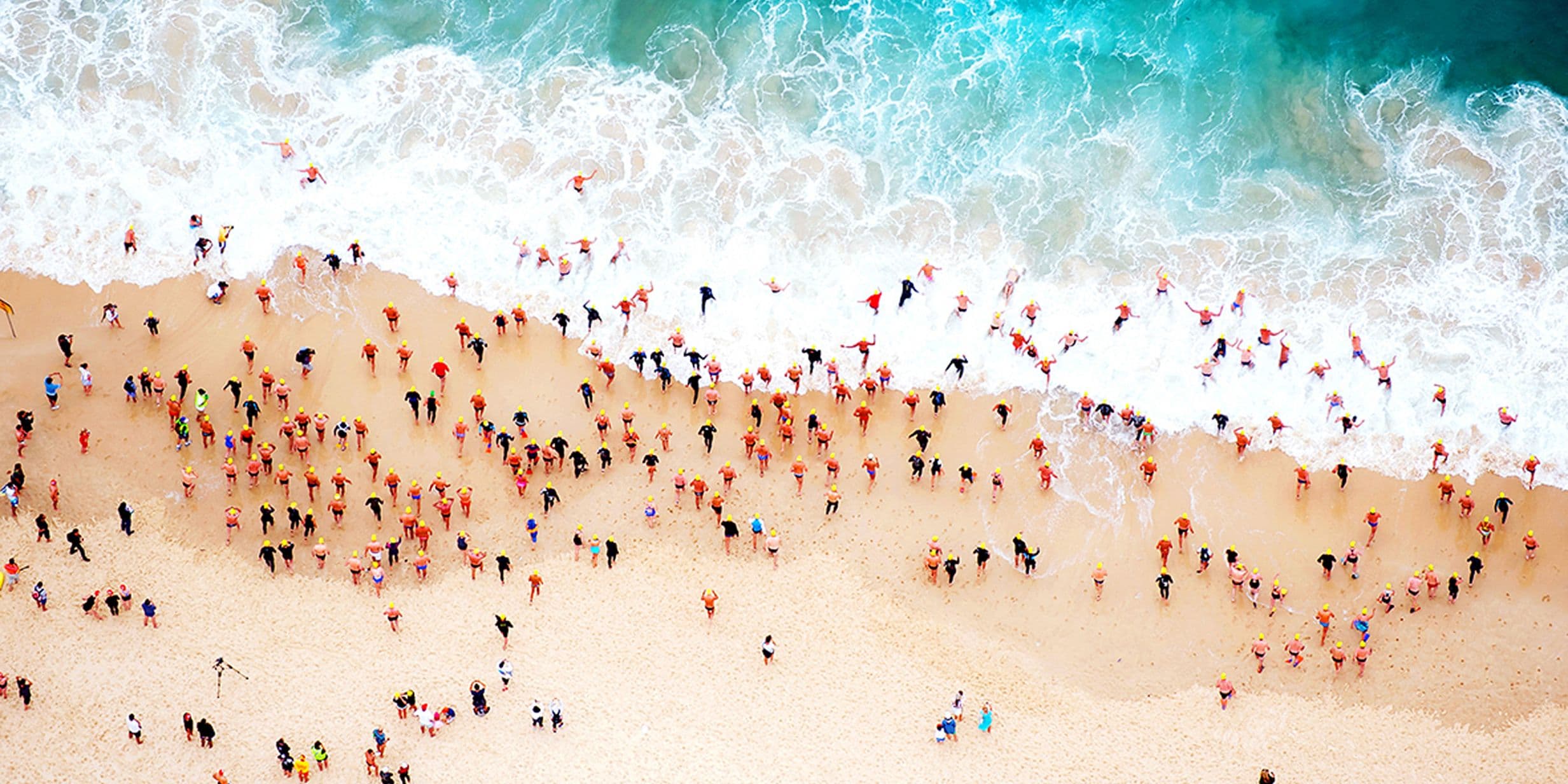
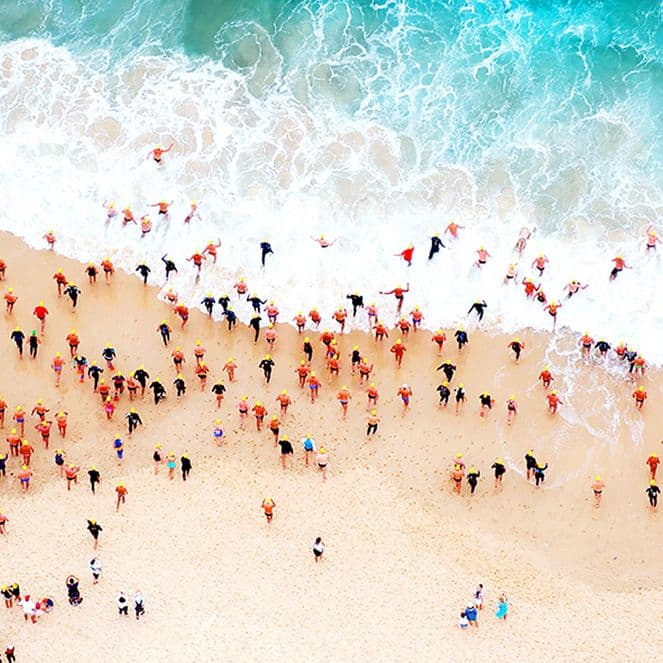
I spent a few months shooting anything that paid and finally saved up enough to charter a helicopter for exactly one hour – any longer and I couldn't afford the bus back to my tiny apartment. I picked a day when an ocean swimming race was going on, so at least I knew there'd be some people on the beach. I guessed what kit I’d need, asked the pilot to remove the passenger-side door of the Robinson R44 chopper, and off we went. The tail end of a storm was lingering over Sydney’s beaches, but I couldn’t afford to lose my deposit by rescheduling the flight, so we had to fly. What I ended up with was a set of photos that changed my life – swimmers running into the green gnarly ocean, man vs nature, all shot straight down to give it a style of my own (this was 2011, long before drones).
I then sat at my computer with all these photos and thought, “What do I do with them now?” So I did what any savvy 25-year-old would do at the time and sent a message to the official Facebook page of Australia with a photo from my shoot attached – because why the hell not? I didn’t think much of it until a few days later when they posted it. It amassed 100k likes in 24 hours – and one of those likes was from someone at Vodafone, who reached out the following day. They licensed the photo for a few years, which paid for the flight and a couple more too.
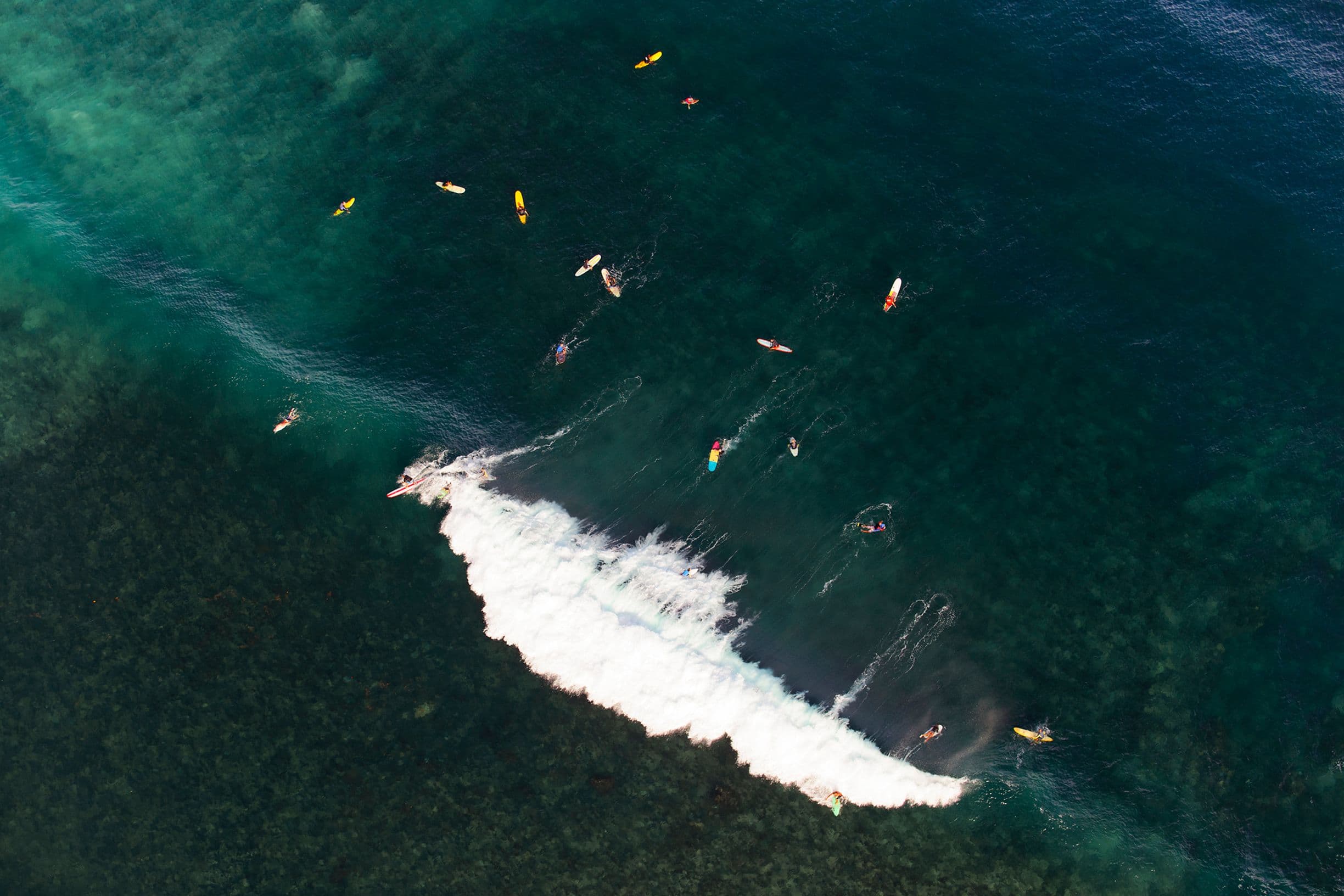
Surfers. Puerto Rico, 2016. Photo: Tommy Clarke
Aerial photography is a funny niche, because you can’t really practice without actually chartering a helicopter and hanging out of it 1,000ft in the air. That’s probably why I’ve received hundreds of emails over the years from budding photographers asking what lenses to use, shutter speeds, etc. I’m always happy to share what worked for me – there’s no gatekeeping here. (70–200mm lens, at least 1/500th shutter speed, f4 or higher, and keep the ISO low to reduce excessive grain.)
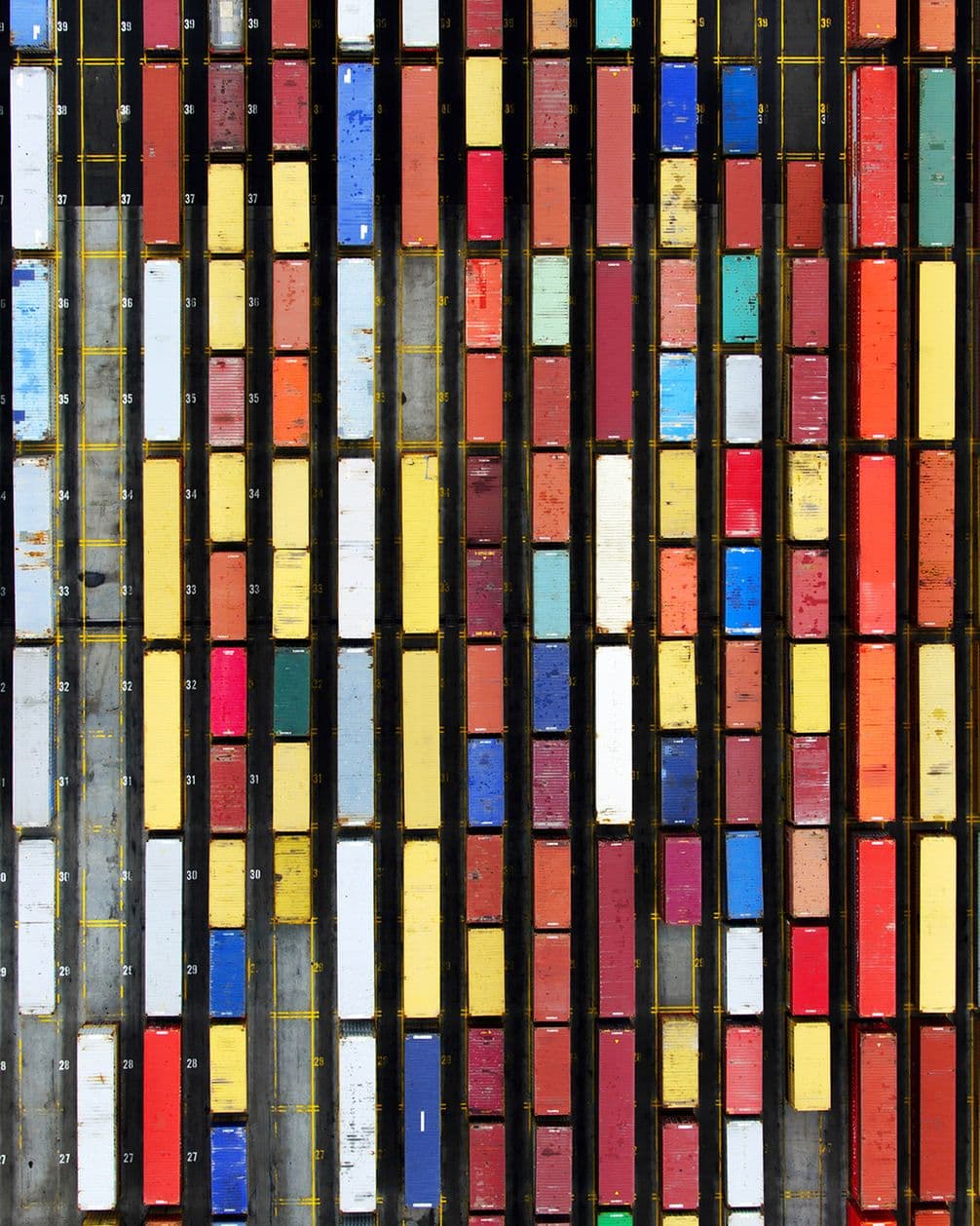
Containers. Sydney, 2011. Photo: Tommy Clarke
I took it very seriously after it started to take off (excuse the pun). I would meticulously plan shoots using Google Earth and high-definition satellite imagery. I’d work out the angle of the sun at certain times of day to see what shadows would be cast, and check tide times – a low-tide beach with wet sand isn’t very photogenic. I planned it all, but then at the last moment a little breeze would pick up and make the water choppy and uninviting, and you’d realise, while looking out of the open door of a very expensive helicopter, that you’re not going to be selling many of these photos…
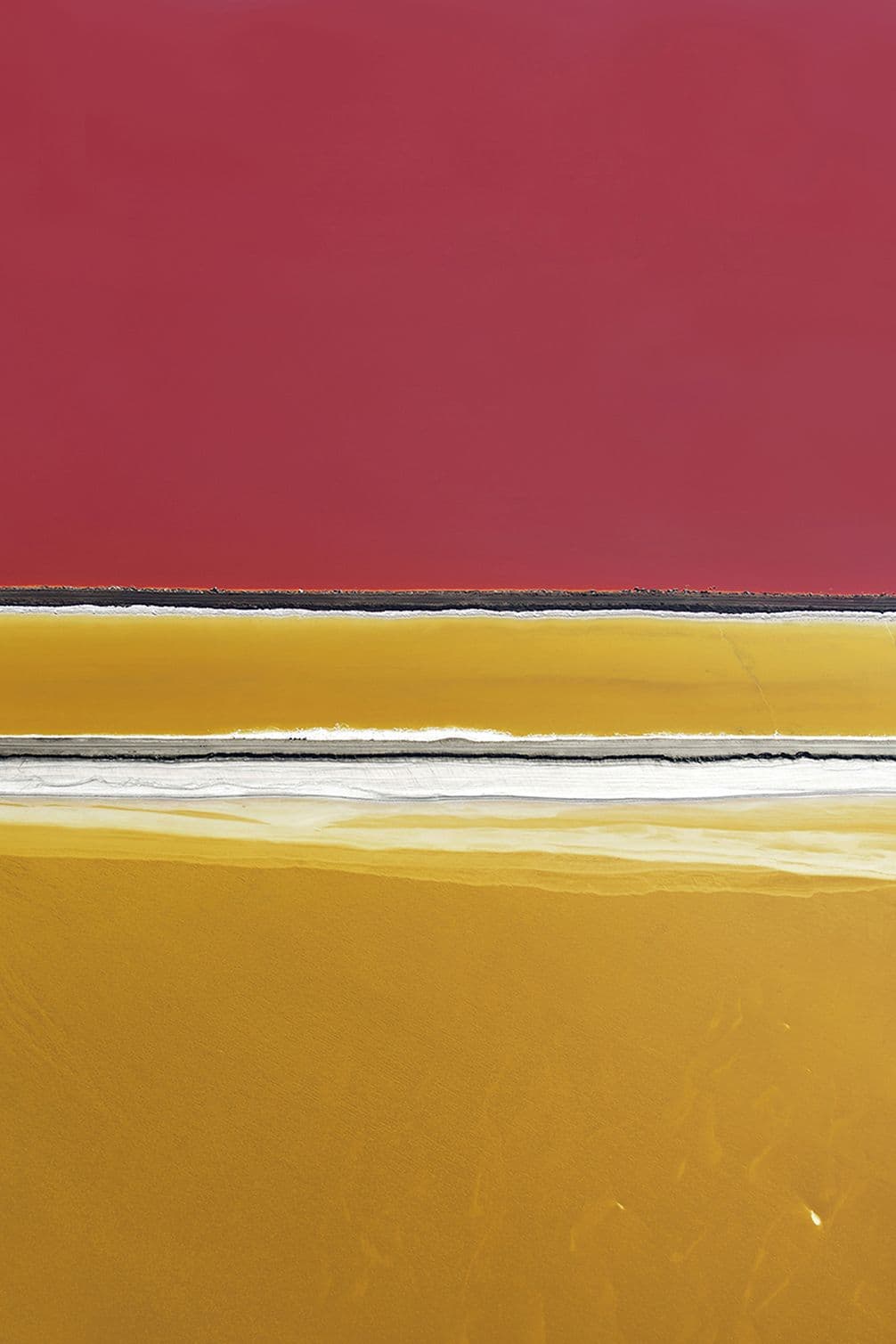
Yellow on Red. San Francisco, 2013. Photo: Tommy Clarke
I’ve always kept my work simple and bordering on abstract. I still apply the rule of thirds that I learned at 17 to my photography and film work now. What I think set me apart at the time was that I always made the extra effort to find places that brought incredible colour and texture naturally – like the salt ponds of San Francisco during my “Rothko phase” – so I didn’t fall into the trap, like so many do, of photoshopping the “wow” factor in.
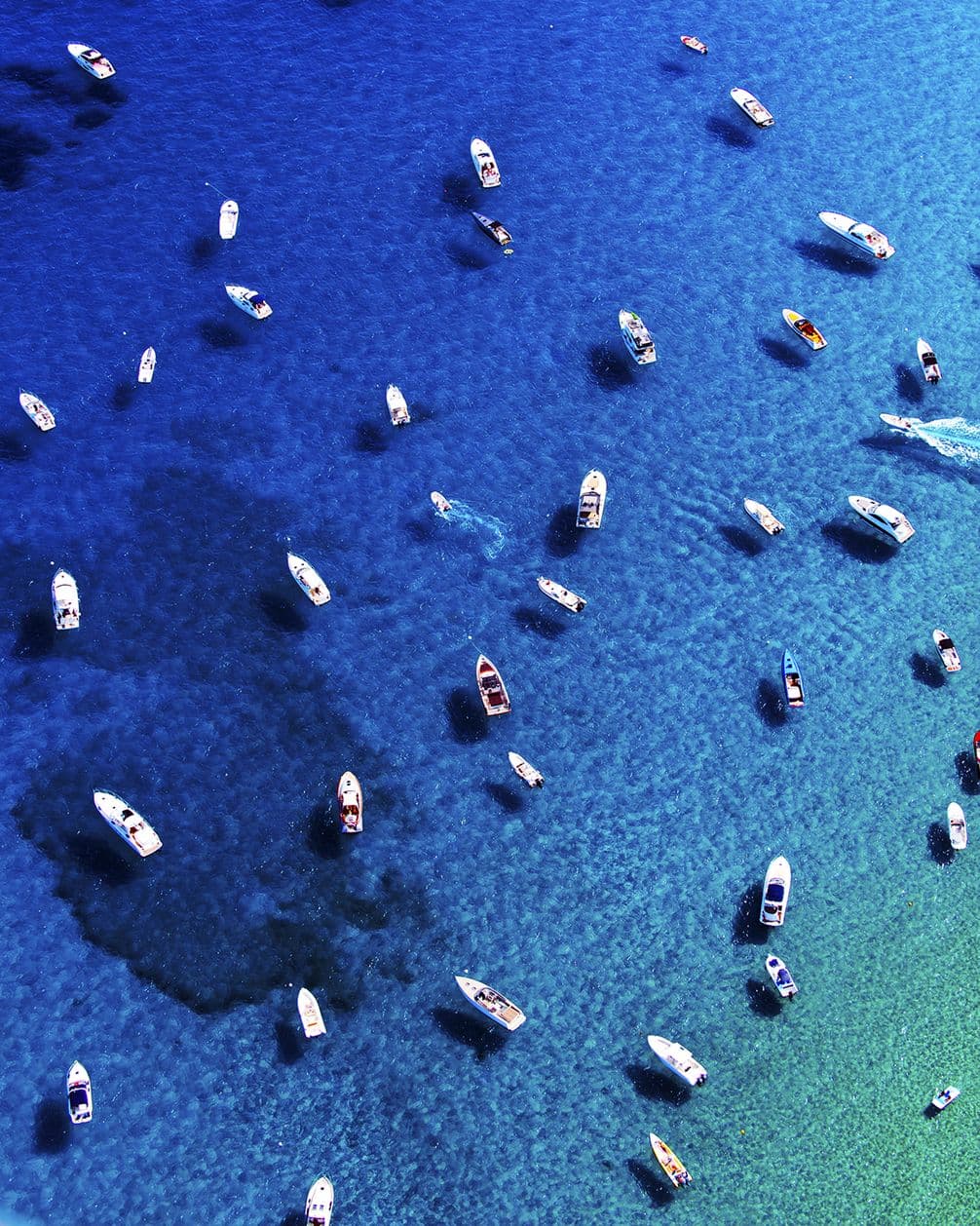
Saint Tropez Boats. Saint Tropez, 2014. Tommy Clarke
Aerial photography has taken me around the world a few times, but the photo that stands out to me personally is Saint Tropez Boats, an image I took near the French beach of Pampelonne, Saint Tropez. It’s one of the only photos of mine that I hang on my own wall. And in a full-circle moment for me, it even became the cover of Condé Nast Traveller.
A shoot that will always stay with me is the eight hours I spent photographing the glacial lakes and rivers of Iceland. It was a landscape I couldn’t have imagined – the swirling colours of volcanic minerals being washed downstream were mesmerising, and I could only do my best to do it justice with my camera. I had an amazing pilot for that shoot, Haraldur, who treated me to an unforgettable adventure. He sadly died in a crash not long after our shoot, while showing other travellers his island from above, which he loved so much. It was a difficult time and, to be honest, it brought home the reality of flying in tiny aircraft all the time. I haven’t actually done a shoot since then – not because I’ve retired from aerial photography, but I think I’m just waiting for the next one to be perfect.
Dank Popsas praktischer Gesichtserkennung und unseren Intelligenten Alben kannst du Erinnerungen jetzt noch schneller wiederfinden.



&w=96&q=75)
Emma Lavelle
Fotografin und Autorin
25. Feb. 2026∙7 min
&w=96&q=75)
Aimee Morris
Content Creator
15. Juni 2026∙13 min
&w=96&q=75)
Karina Lax
Fotografin
3. Sep. 2025∙15 min


 Vereinigte Staaten