Lifestyle

21 Photos: chasing autumn light along the Cornish coast

Cornwall’s wild coastline draws travellers year-round, but it’s the quieter beaches, shifting weather and fleeting autumn light that delights photographer Issy Croker

Issy Croker

13 okt. 2026∙15 min

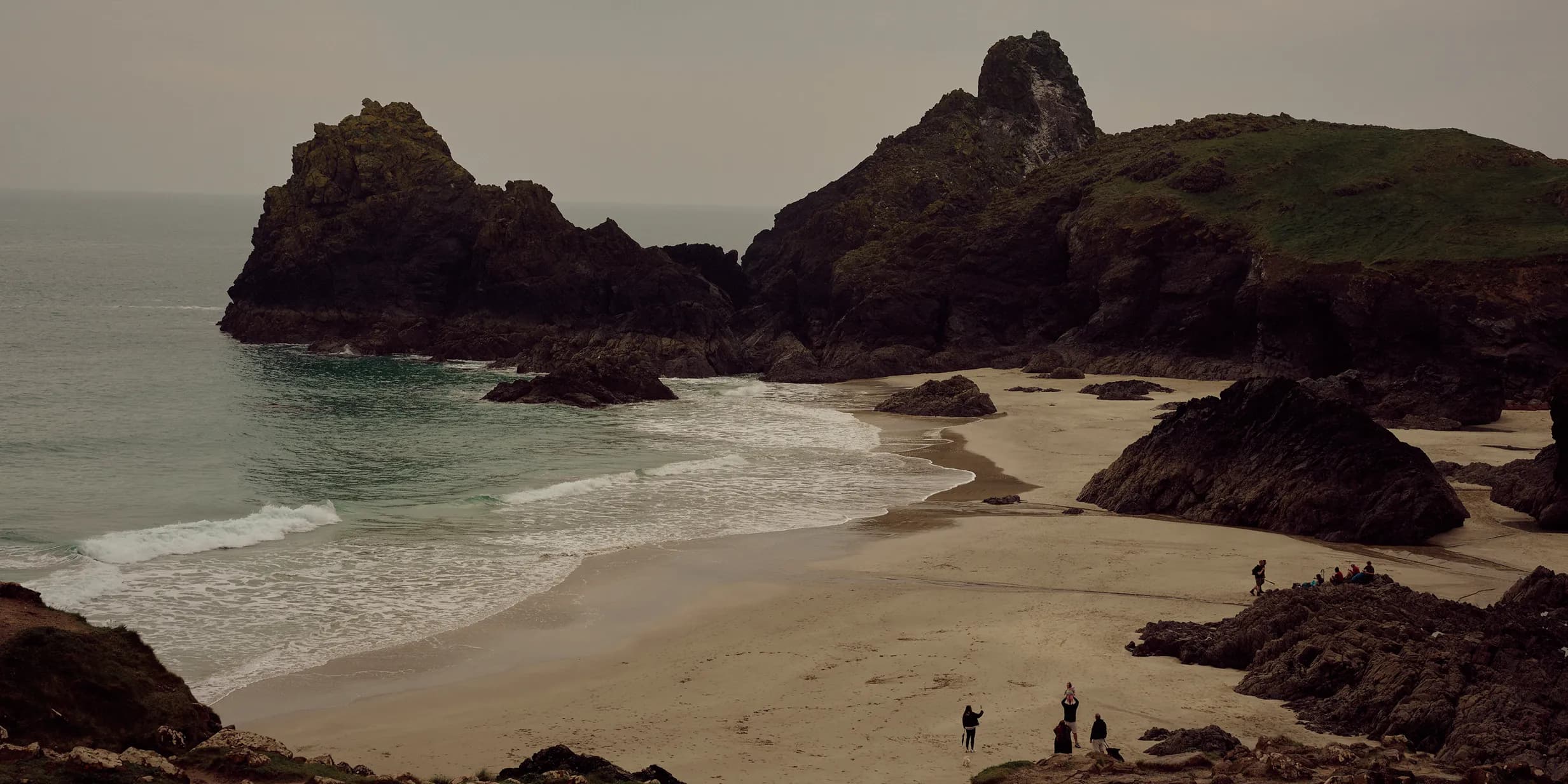
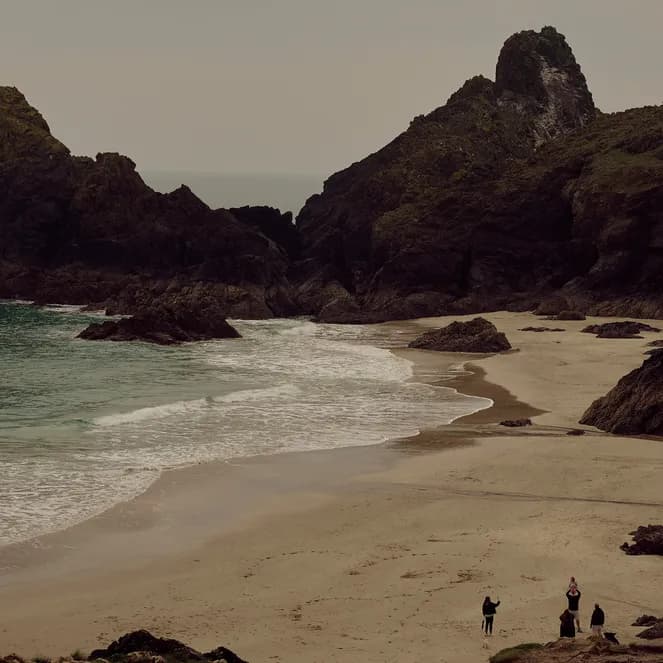
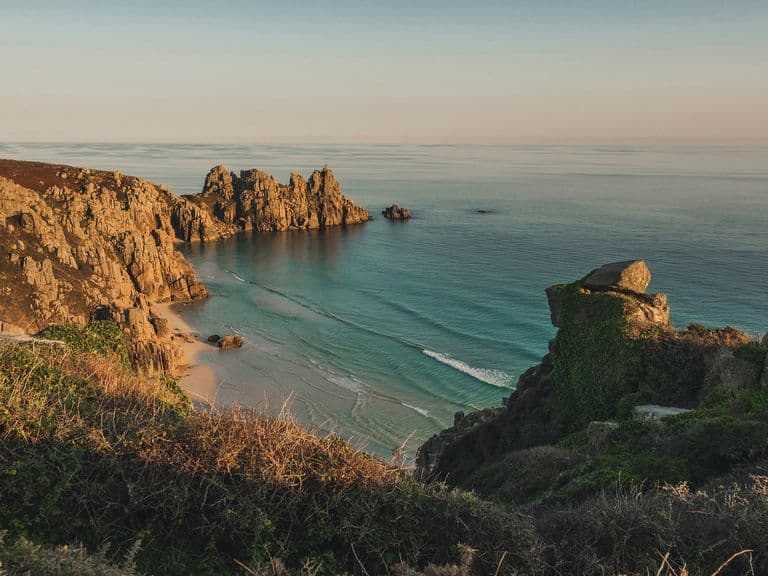
A picturesque beach with large rocky formations, gentle waves, sandy shore, and a group of people exploring under a cloudy sky.

Travel and lifestyle photographer Issy Croker is drawn to the overlooked and the everyday – finding beauty in local markets, backstreet restaurants and the faces of people who make a place tick.

Relief and excitement kick in the moment I’m packed and on the road. A getaway from the relentless energy of London always feels overdue and, after a long, scorching summer, this adventure couldn’t have come soon enough. An autumnal visit to the rolling farmlands and dramatic coastlines of Cornwall was the perfect opportunity to capture the landscapes, people and towns that make this corner of the UK so remarkable.

Situated on the far south-western tip of England, Cornwall is a coastal county punctuated by stunning coves, storied castles, lush countryside and quaint villages. It rewards photographing at any time of year, but autumn draws me most. The crowds thin, and the weather takes on a character of its own. Days shift from sunshine to driving rain within minutes, heavy cloud, shafts of golden light and wind continually remaking the mood of the landscape. For a photographer, that unpredictability is precisely the appeal.

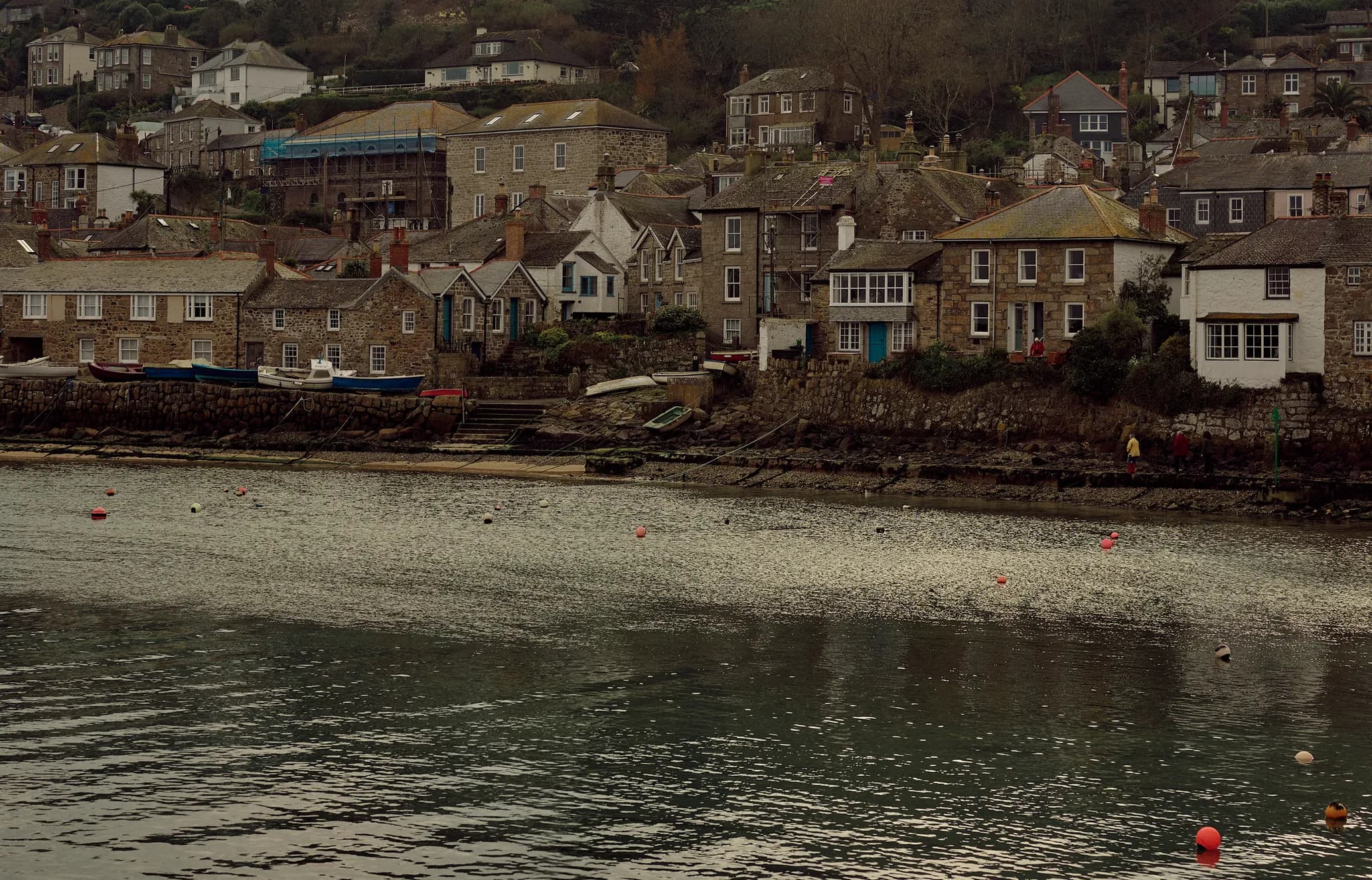
A small coastal village with stone houses, boats docked along the shoreline, and a calm water body with buoys. Sparse vegetation on the hills.

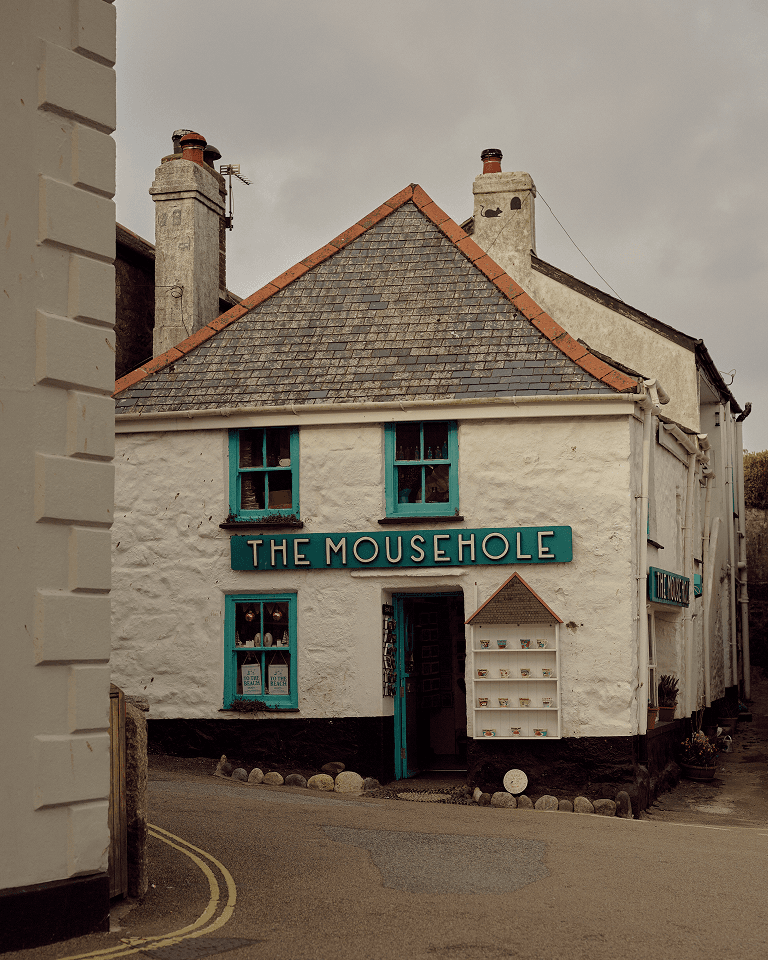
Mousehole, Cornwall. Photos: Issy Croker

Old stone building with "The Mousehole" sign, teal window frames, and overcast sky; small shop located on a narrow street corner.
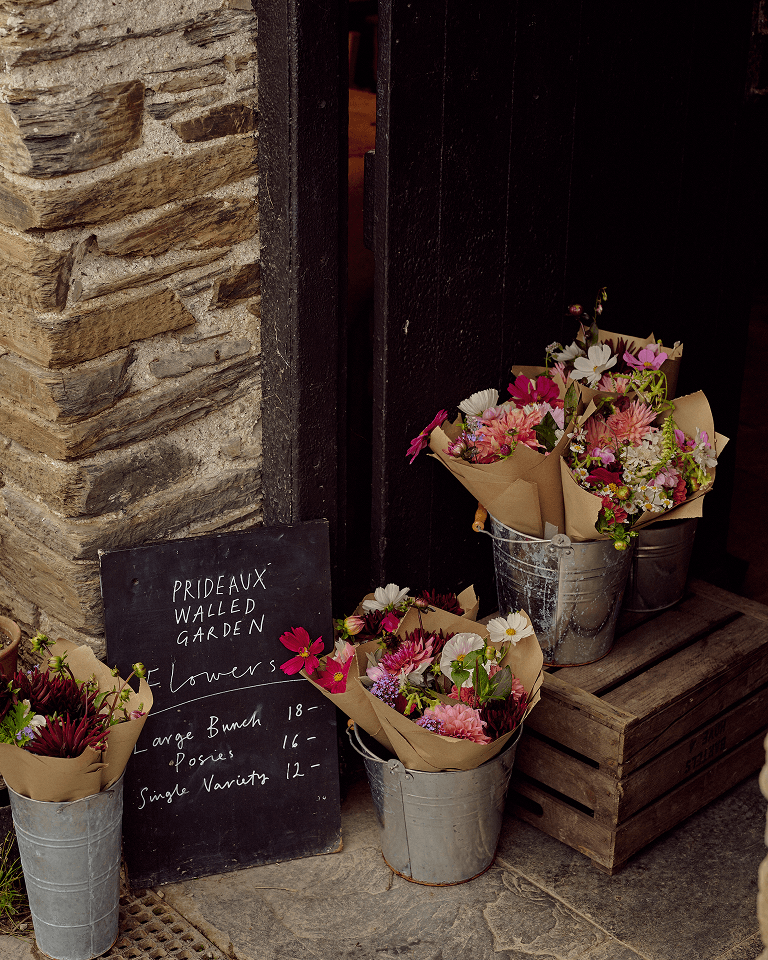
Buckets of colorful flowers in brown paper wraps sit outside a dark wooden door, with a sign for "Prideaux Walled Garden" listing flower prices.
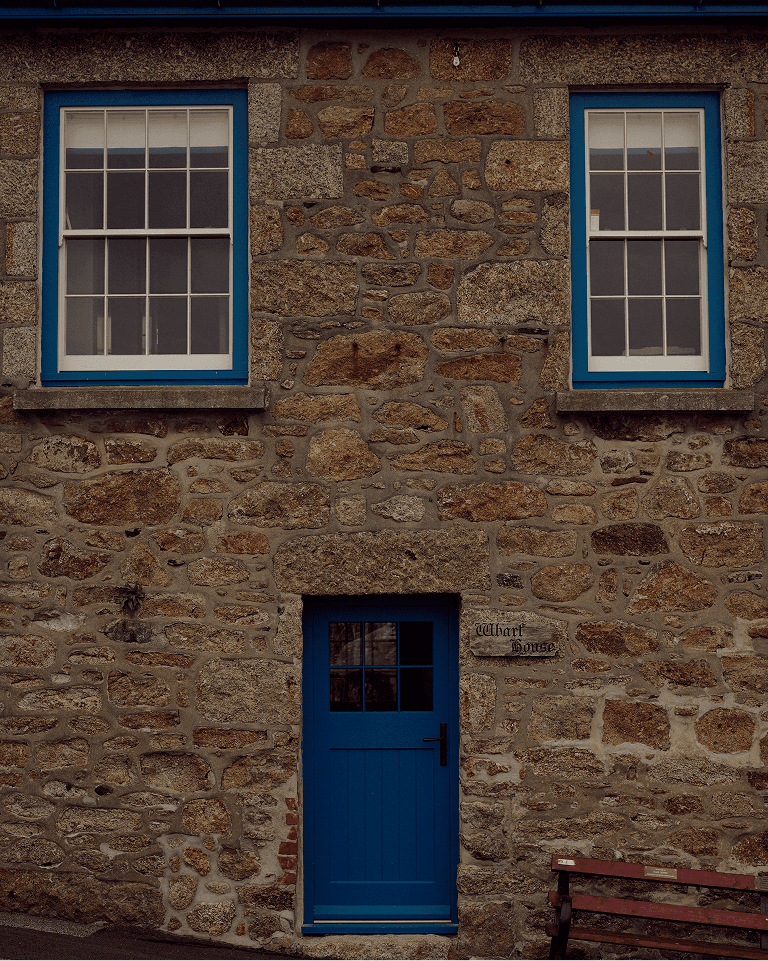
Stone building with two blue-framed windows, a blue door, and a sign reading "Wharf House." A wooden bench is in front of the wall.
Freshly baked croissants on a baking tray, with a golden-brown, crispy texture.
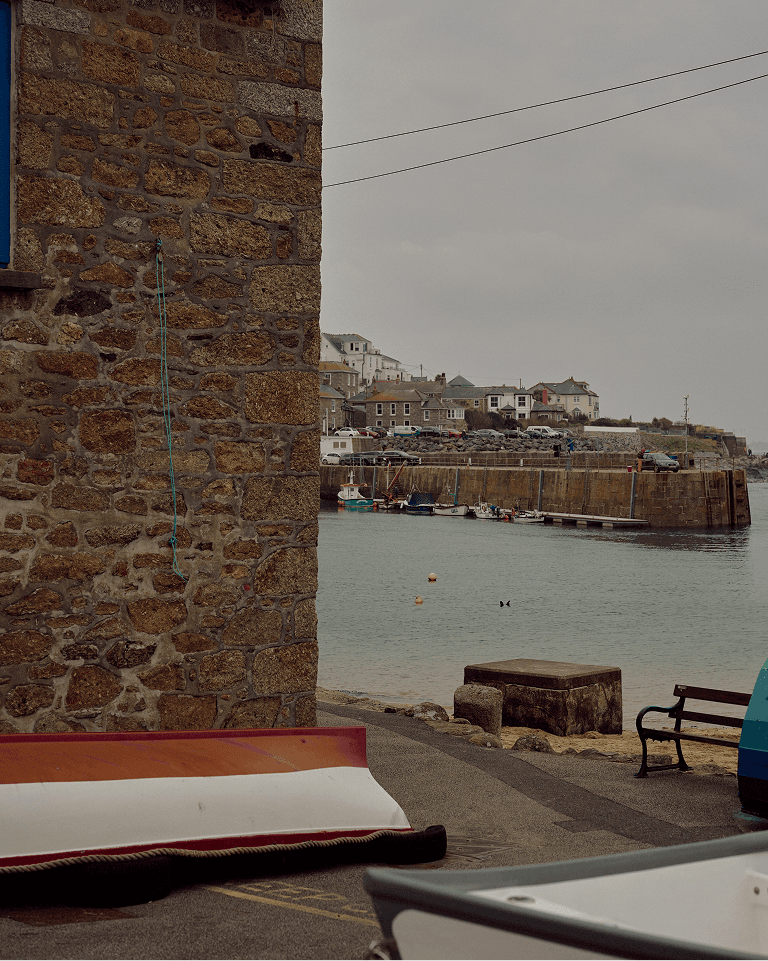
A stone wall with a blue rope, overturned boat, and a view of a calm harbor with moored boats, buildings, and overcast sky.

Autumn reshapes the colour and atmosphere of Cornwall. Summer’s bright greens mute, the grasses turn golden and brown, and sea and sky settle into deep, cool shades. The landscape feels rawer: the beaches bigger, the cliffs more imposing, the villages quieter. I enjoy photographing Cornwall unsettled and imperfect, because the changing weather becomes part of the story rather than an obstacle.

This shift in atmosphere also shaped my editing. Wanting to keep the rich Cornish colours, I still converted some images to black and white. Removing colour allowed me to focus on shape, texture, contrast and light. Dramatic clouds, weather-beaten stone, windswept grass and crashing waves took on a new character in monochrome. At times, colour distracted from the mood of the moment. Black and white brought the rawness of the landscape to the fore.

Summer’s bright greens mute, the grasses turn golden and brown, and sea and sky settle into deep, cool shades

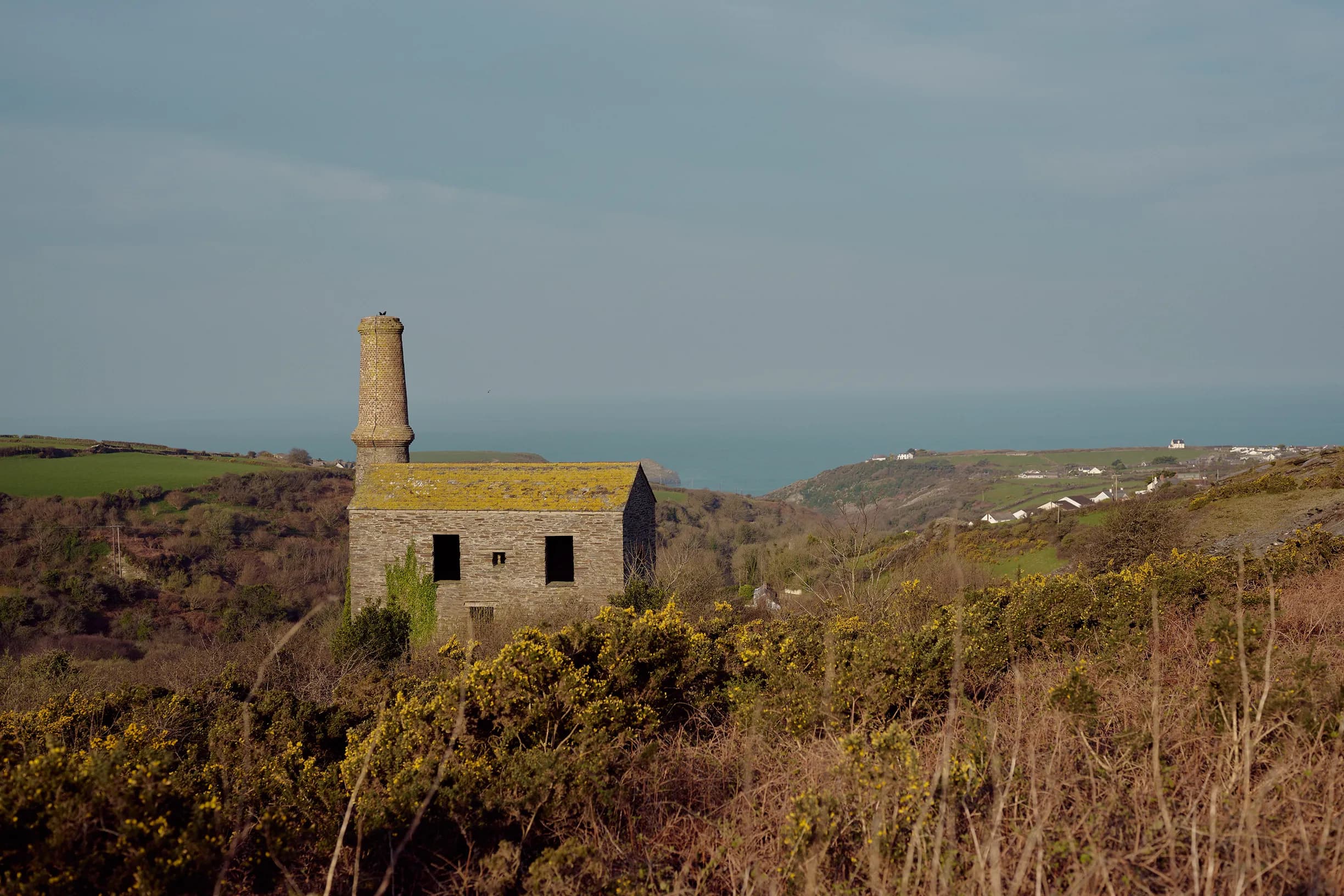
Old stone building with a chimney stands amidst yellow gorse bushes on a hillside, overlooking a coastal landscape and the sea in the distance.

Tintagel, Cornwall. Photo: Issy Croker

My journey began in Tintagel, a village on Cornwall’s north coast steeped in Arthurian lore. The main street is lined with old pubs, shops, bakeries and cafes, drawing travellers to the architecture and the unforgiving coastal terrain. At midday, I set out on the coastal path to Tintagel Castle. The narrow trail through fields and wild grassland opened out along the coast, sea caves and rocky inlets carved into the cliffs below. The roar of the surf and heavy clouds lent the approach an eerie, brooding quality as the castle came into view on the cliffs.

At the tip of a jutting peninsula stood the slate remains of the castle, windswept and battered by centuries of weather. The clouds broke for a few moments, casting the weathered stonework in golden sunlight. These fleeting moments were exactly what I had come to Cornwall to experience. Autumn rarely gives you perfect conditions for long, but that impermanence makes the photographs more rewarding. I watched the sky constantly, waiting for the next break in the clouds and responding to whatever the landscape gave me.

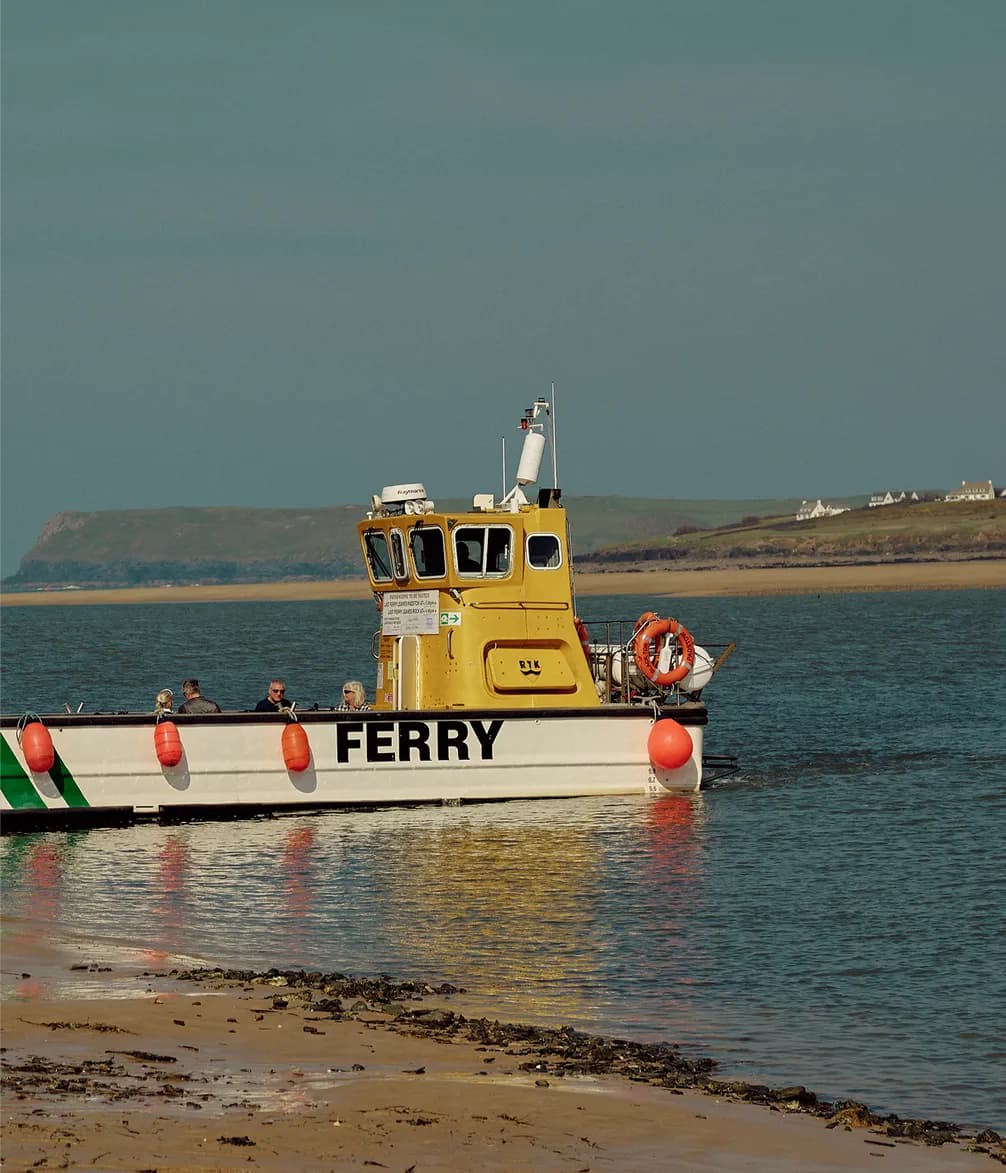
A yellow ferry with passengers onboard navigates near the shore against a backdrop of distant hills and houses.

Tintagel, Cornwall. Photo: Issy Croker

A plated whole fish topped with clams and sauce, accompanied by lemon wedges, sauce in a pan, salt and pepper shakers, and greens on a cloth-covered table.

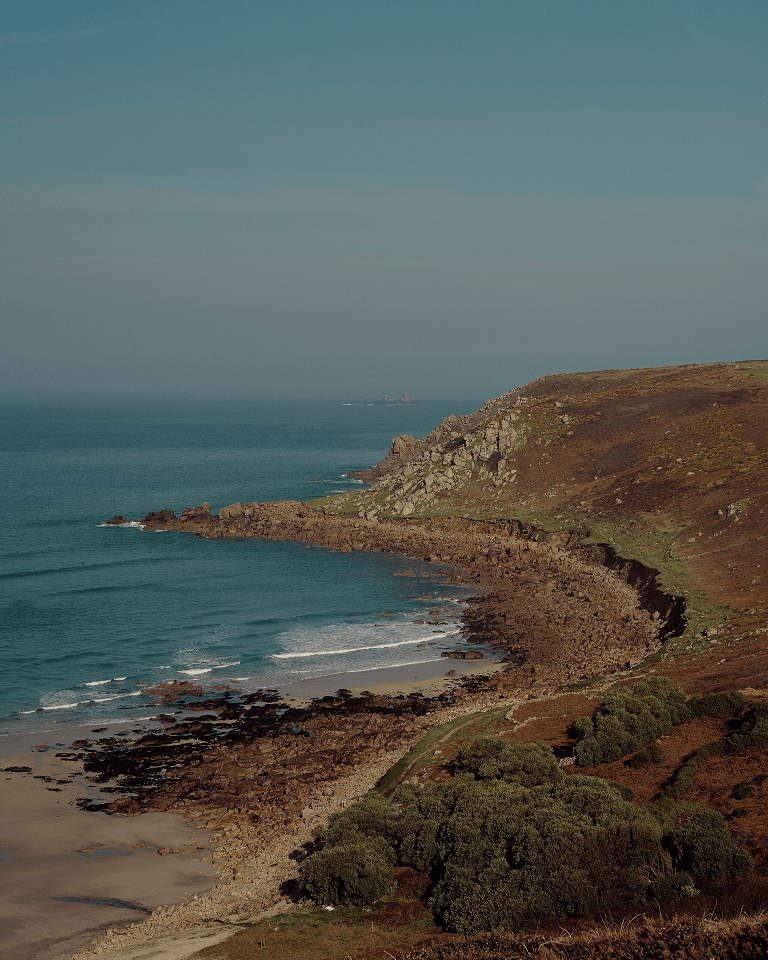
A rugged coastline with rocky cliffs and a sandy beach bordered by green vegetation under a clear blue sky.

Photos: Issy Croker

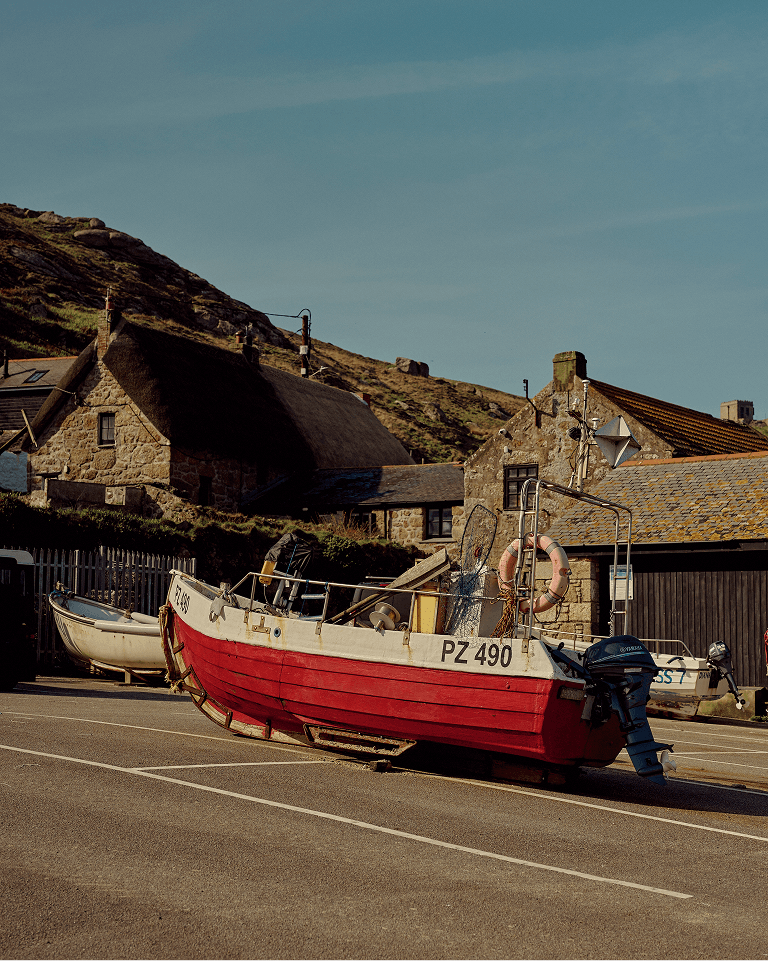
A red and white boat labeled PZ 490 is parked on a street with quaint stone buildings and hills in the background under a clear blue sky.
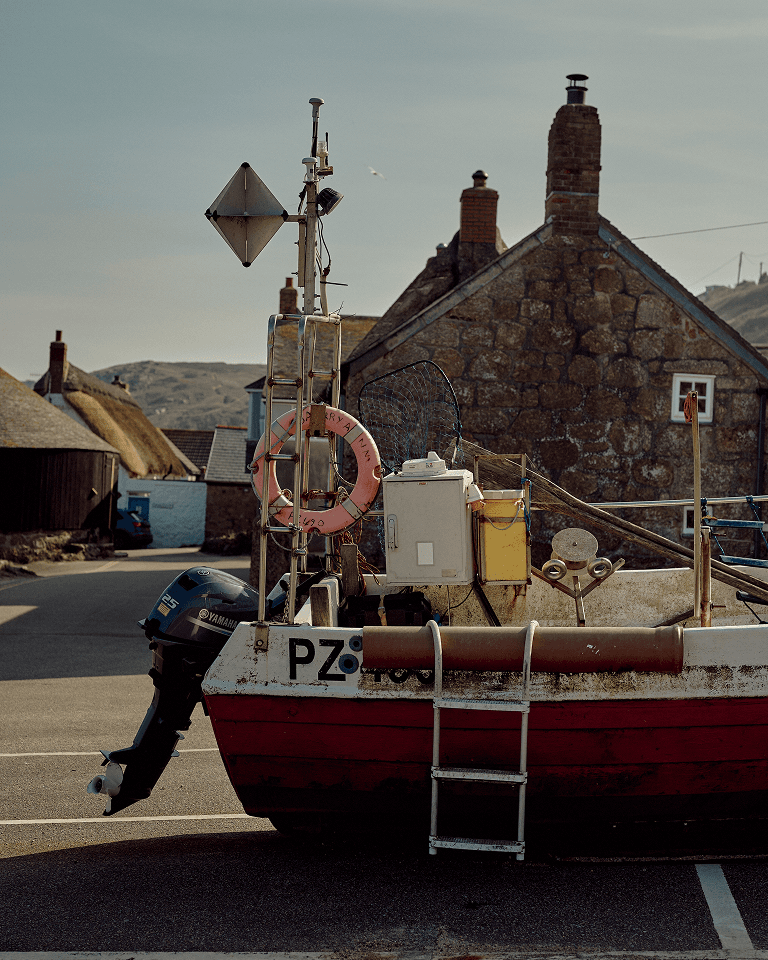
A small red and white fishing boat parked on land with a stone building, chimney, and hills in the background.
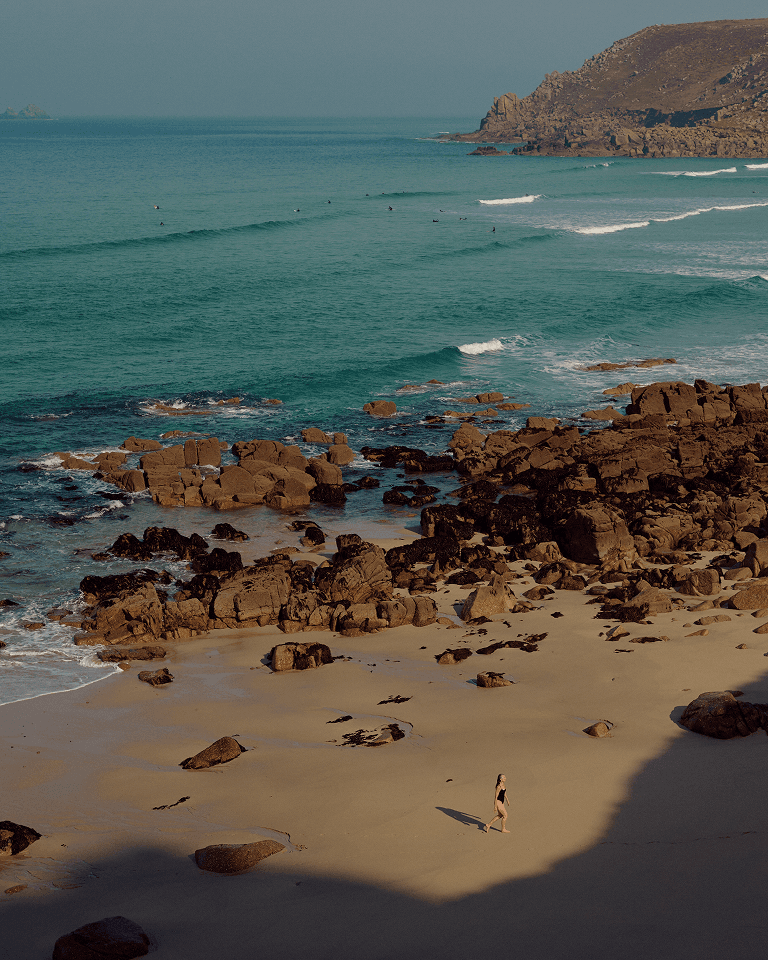
A person walks on a rocky beach with turquoise waves, under a clear sky, beside cliffs in the background.

The breeze swept through the grass reclaiming the castle grounds as I tried to photograph what centuries had left behind. I continued westward, almost as far as it is possible to go. Sennen had been out of reach on previous trips, so I was determined to stop there this time. Beyond the peninsula’s larger settlements, Sennen sits in a cove that takes the full force of the Atlantic. Known for its turquoise waters and world-class surf, the small village swells with visitors in summer.

Autumn brings a break from the tourists, and bitter winds and short, grey days. For me, this quieter side of Cornwall is one of its greatest attractions. The landscape feels as though it has been handed back to the people who live there. Empty beaches and quiet streets let me slow down and photograph details I would otherwise walk past.

This quieter side of Cornwall is one of its greatest attractions. The landscape feels as though it has been handed back to the people who live there

As early light spilled through the clouds across the coastline, I trekked a few kilometres towards Land’s End. The coastal path sets out from Gwynver Beach, descends towards Sennen, and continues over steep headlands to the westernmost tip of England. I meandered down from the grassy headlands to the sprawling beach of Sennen, which stretched for hundreds of metres towards the horizon at low tide. Rows of terraced houses followed the curve of the cove, while fishing boats bobbed lazily in the harbour.

I continued past the town limits, following bridleways and footpaths towards the craggy coastline. The threat of rain and the sharp gusts off the cliffs were a small price to pay for the views along this stretch of coast. The cliffs, sea and clouds merged into stark shapes and tones, making this section particularly suited to black and white. Stripping the colour heightened the coastline’s scale and drama, echoing the weather’s harsher mood.

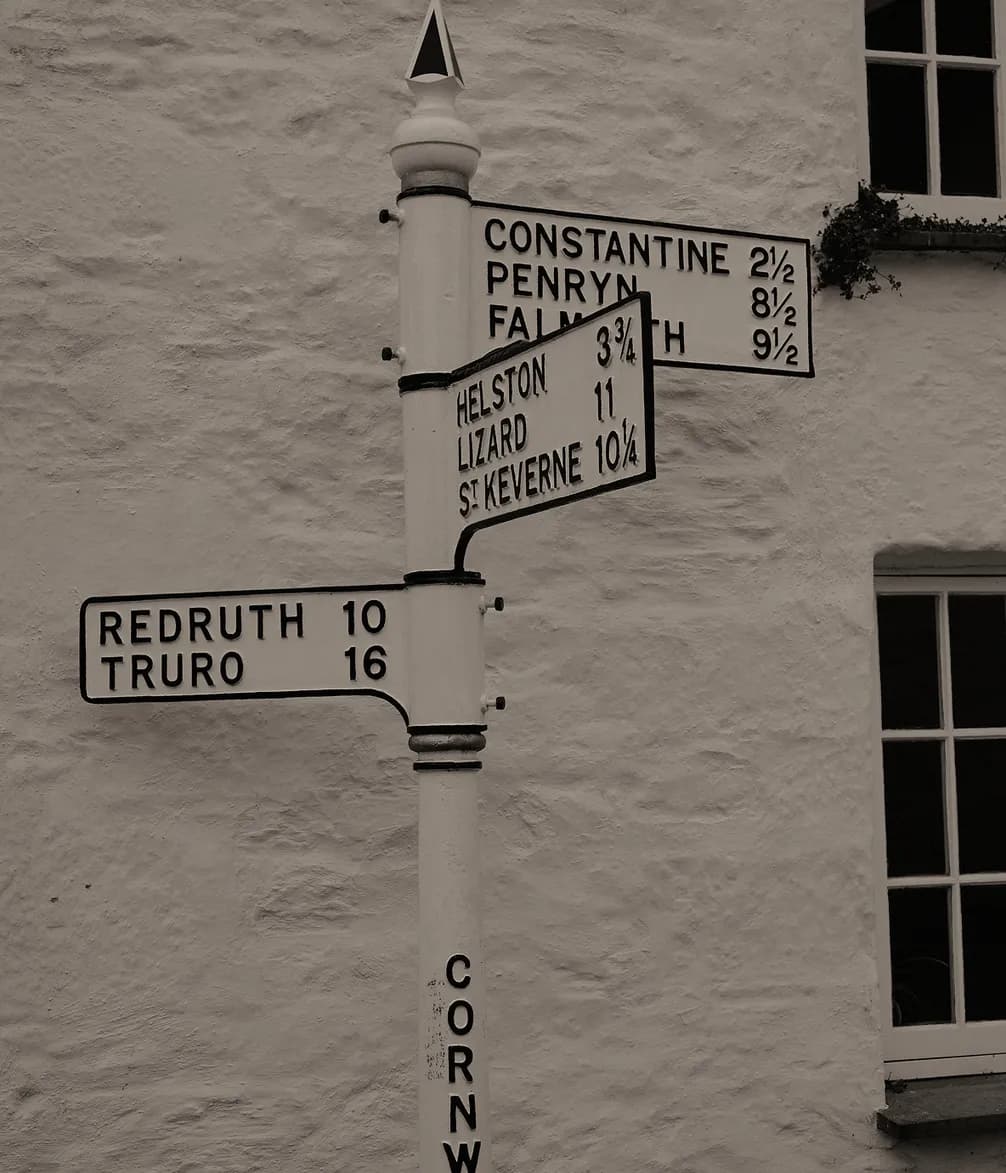
A vintage road signpost in Cornwall, with directions to Constantine, Penryn, Falmouth, Helston, Lizard, St. Keverne, Redruth, and Truro.

Falmouth, Cornwall. Photos: Issy Croker

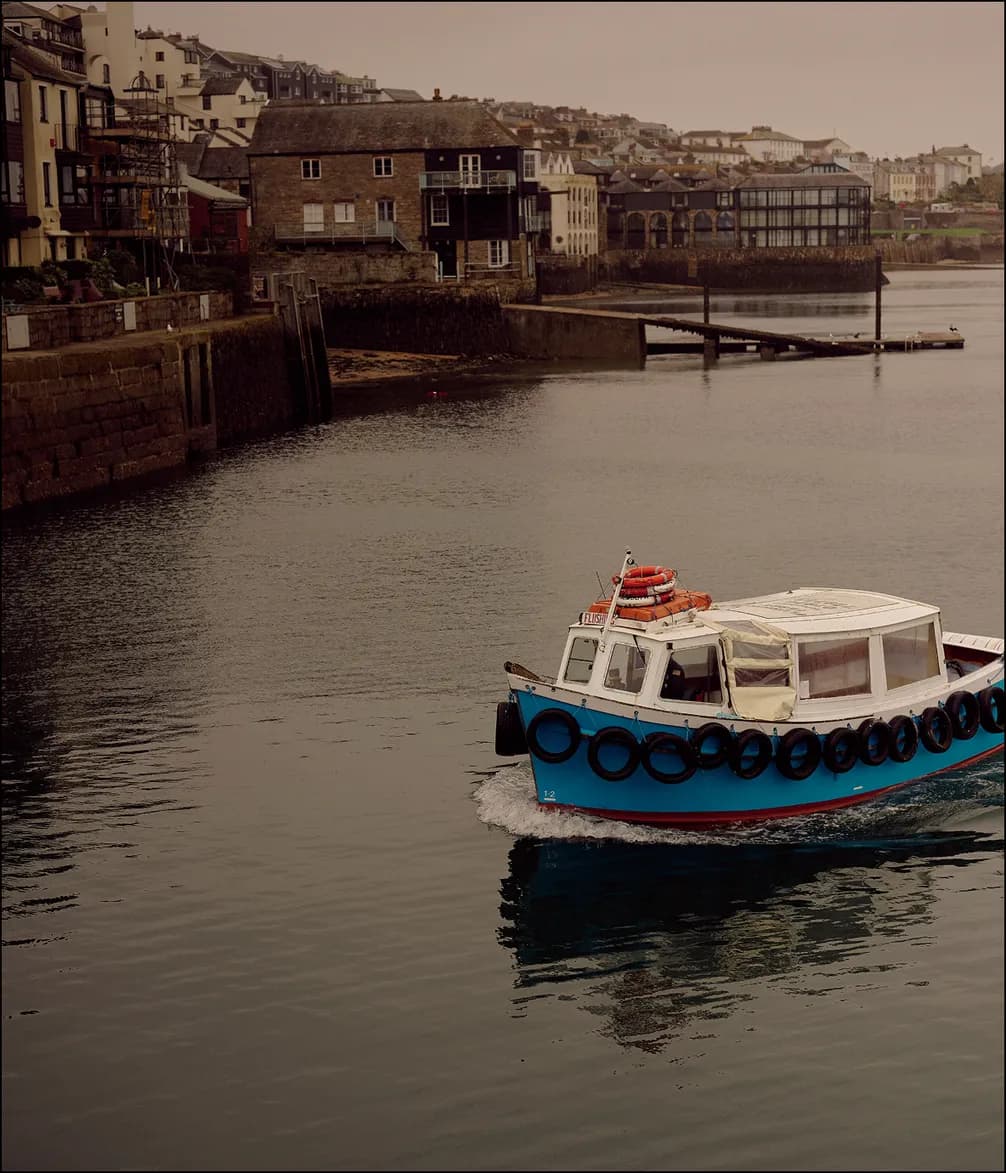
A blue and white boat with lifebuoys sails in a calm harbor near a row of seaside buildings under an overcast sky.

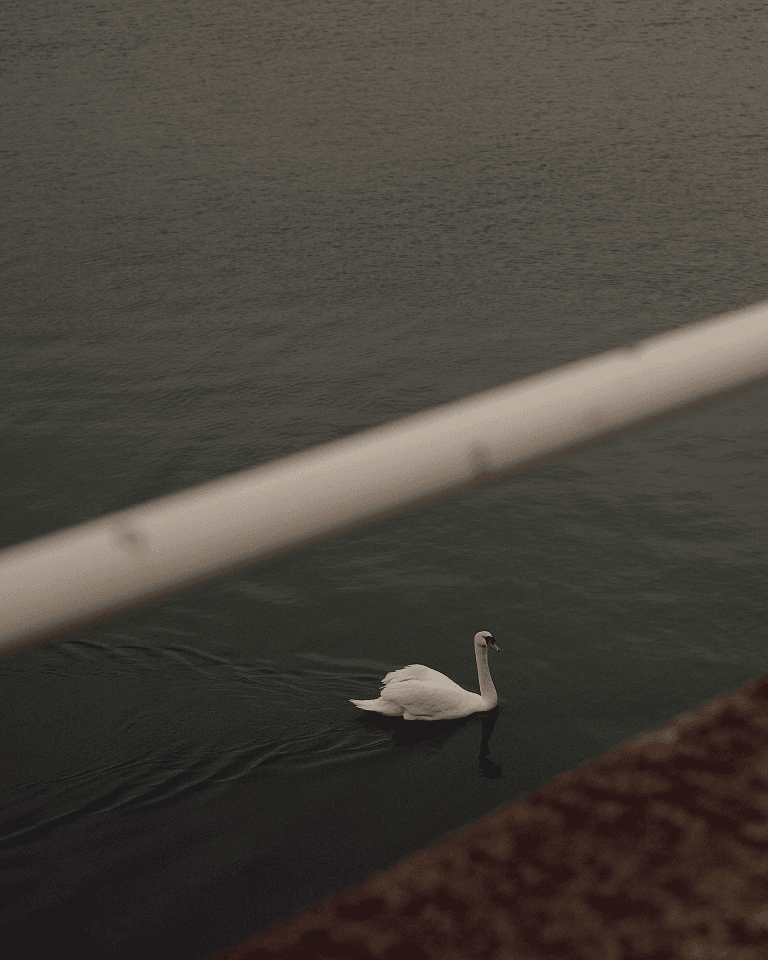
A white swan gracefully swims on a calm, dark water surface, partially framed by a blurred metal railing in the foreground.
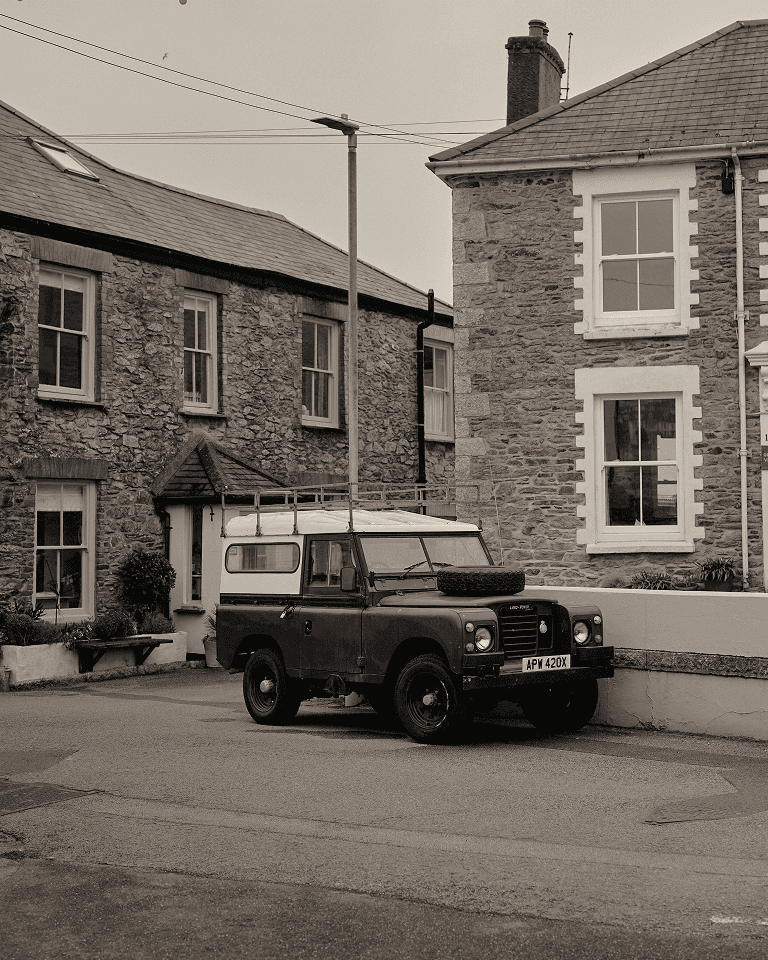
A vintage Land Rover parked on a quiet street in front of two stone houses with white-trimmed windows.
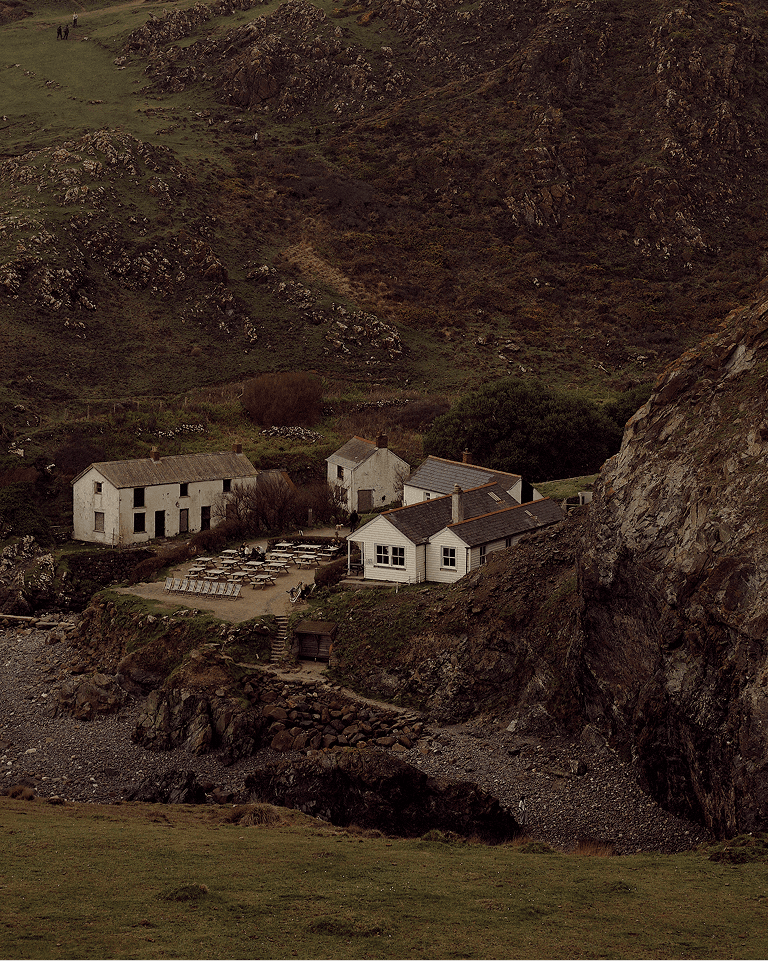
A cluster of small cottages nestled among rocky hills and a green landscape, with picnic tables and a path leading down to a rocky shoreline.
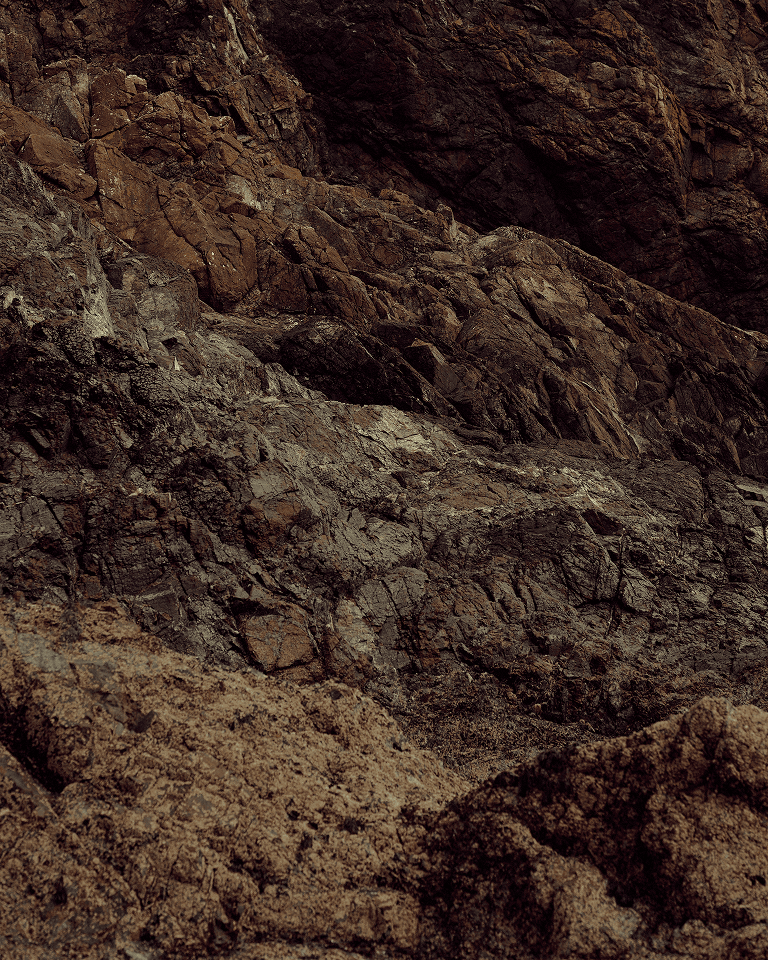
A rugged, rocky cliff face with varying shades of brown and gray, featuring jagged formations and textured surfaces.

With the westernmost point behind me, I wanted to see what else Cornwall offered. I headed east and, after a winding drive along narrow country roads, arrived in the bustling streets of Falmouth. Teeming with returning university students, the town has housed a vital port for centuries and built much of its identity and industry around the sea.

I wandered down to the harbour with no plan, hoping to catch the town’s everyday activity. Boats of all sizes dotted the calm harbour, from military destroyers to two-man fishing dinghies. The foot ferry to Flushing immediately caught my eye. Its high bow, vibrantly painted, stood out against the dark, muted autumn tones. The captain effortlessly swung the ferry around and welcomed a few eager passengers aboard. We weaved through the mooring buoys and crossed the harbour, up the River Penryn to the cosy village of Flushing. Stepping off, I looked back across the river at Falmouth’s waterfront – a highlight of the journey.

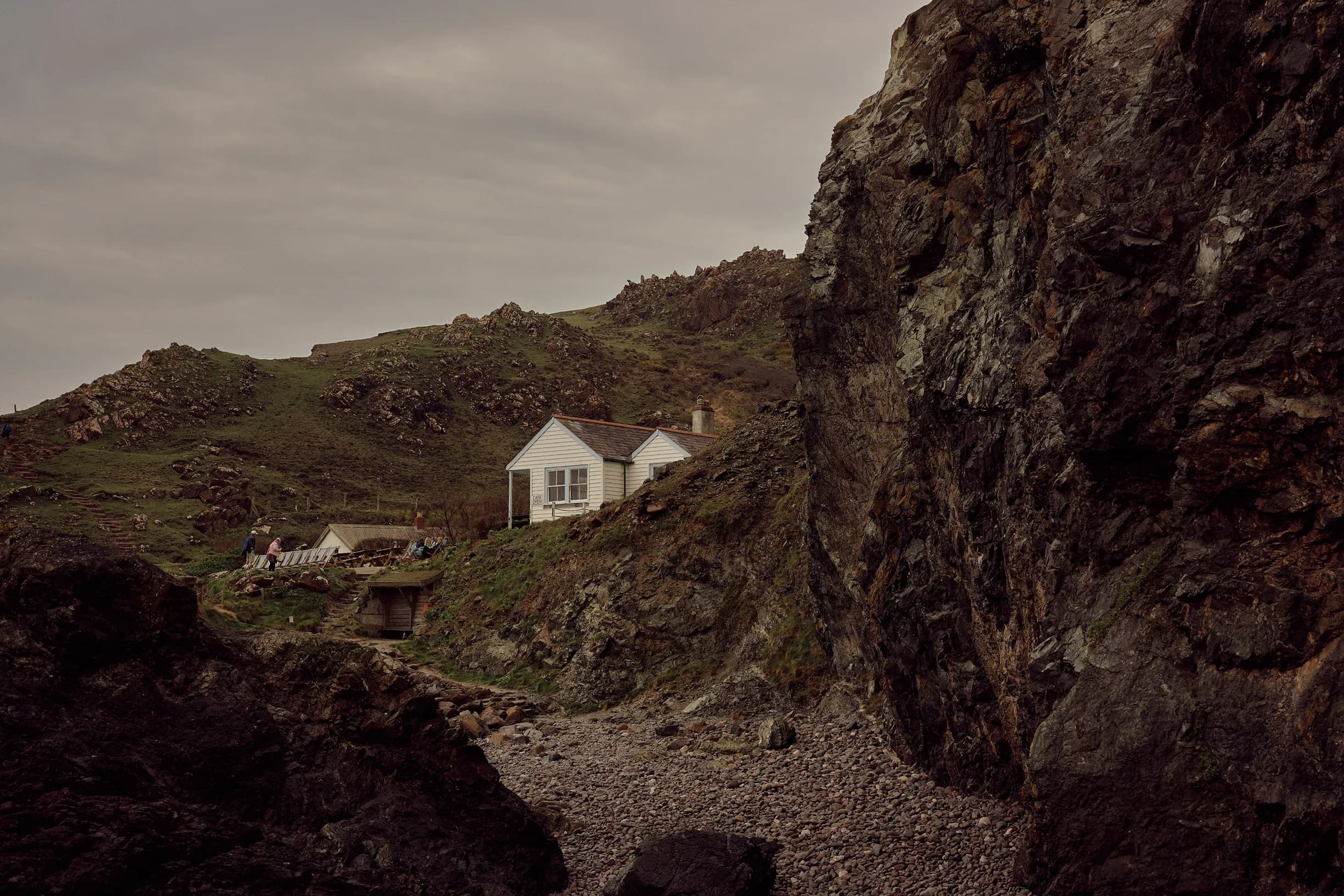
A white house beside rugged cliffs and grassy hills, with a pebble beach in the foreground under an overcast sky.

Falmouth, Cornwall. Photo: Issy Croker

Beyond the town, green grazing fields stretched away, in stark contrast to the bare oaks and sycamores clinging to the water’s edge. Up the cobbled high street, a handful of shops and pubs sat idle; the high season had wound down, and I felt lucky to see the village at rest. There is less spectacle to chase here, but more space to observe. A ferry crossing a still harbour, an empty afternoon pub or a few people on a windswept street can be as compelling as the grand coastal vistas.

Contentment settled over me as my time in Cornwall ended. Knowing this landscape sits a few hours from home, I am planning my next trip before I am back in London. Cornwall’s raw landscapes gave me the reset I craved; photographing them pushed me in ways cities rarely do.

Perhaps that is what keeps drawing me back. The landscape feels less polished and more honest. The weather is unpredictable, the light fleeting, the coastline changing beneath the clouds. It demands patience and a willingness to work with whatever arrives, not wait for perfection. Sometimes that means the fleeting warmth of sunlight through cloud; other times, stripping an image back to black and white to let texture and contrast take over.

If a windswept, unpredictable photography trip appeals, pack a rain jacket and your favourite camera and head for Cornwall. The conditions may not cooperate, but that is what makes it worth photographing.

issycroker.com | @issycroker

Ladda ner appen

Upptäck minnen snabbare med exklusiva funktioner som ansiktsigenkänning och smarta album.

App StoreGoogle Play
Ladda ner appen