
Travel
21 Photos: chasing autumn light along the Cornish coast
Cornwall’s wild coastline draws travellers year-round, but for one photographer, the quieter beaches, shifting weather and fleeting autumn light steal the show

Oct 13, 2026∙15 min
Sign Up
Log In

English (Canada)
USD $
Download the Popsa app today


Travel
Cornwall’s wild coastline draws travellers year-round, but for one photographer, the quieter beaches, shifting weather and fleeting autumn light steal the show
Oct 13, 2026∙15 min
Travel and lifestyle photographer Issy Croker is drawn to the overlooked and the everyday – finding beauty in local markets, backstreet restaurants and the faces of people who make a place tick.
My luggage was barely through the door of the adobe casita before I was reaching for my camera and heading down to the coast. I’d been quietly counting down the days to this Mexican escape and every minute felt too precious to waste. La Saladita, a quiet village on Mexico’s Pacific coast, had drawn me back once again. I wanted to capture the landscape and the unhurried rhythm of daily life that define this stretch of coastline. It’s a place that rewards those willing to slow down, with each day offering something different – shifting light, the people or the quiet moments that unfold along the shoreline.
Mexico has no shortage of beautiful coastal villages, each shaped by its own landscape and traditions. La Saladita is home to just a few hundred residents, a sleepy spot known for one of the longest left-hand point breaks in the Americas. The wave peels endlessly along the shoreline, drawing longboarders from around the world to share the water with locals who know every section of the water. I had ten days to settle into life here and it didn’t take long for it to start revolving around the ocean. My casita was just a five-minute walk from the beach, with the center only a little further on, making it easy to slip into the village’s relaxed pace. The only interruption came from the midday heat, which regularly nudged 40C. Before long, early mornings, ocean swims, cold Coronas and afternoon siestas had become part of my daily routine.
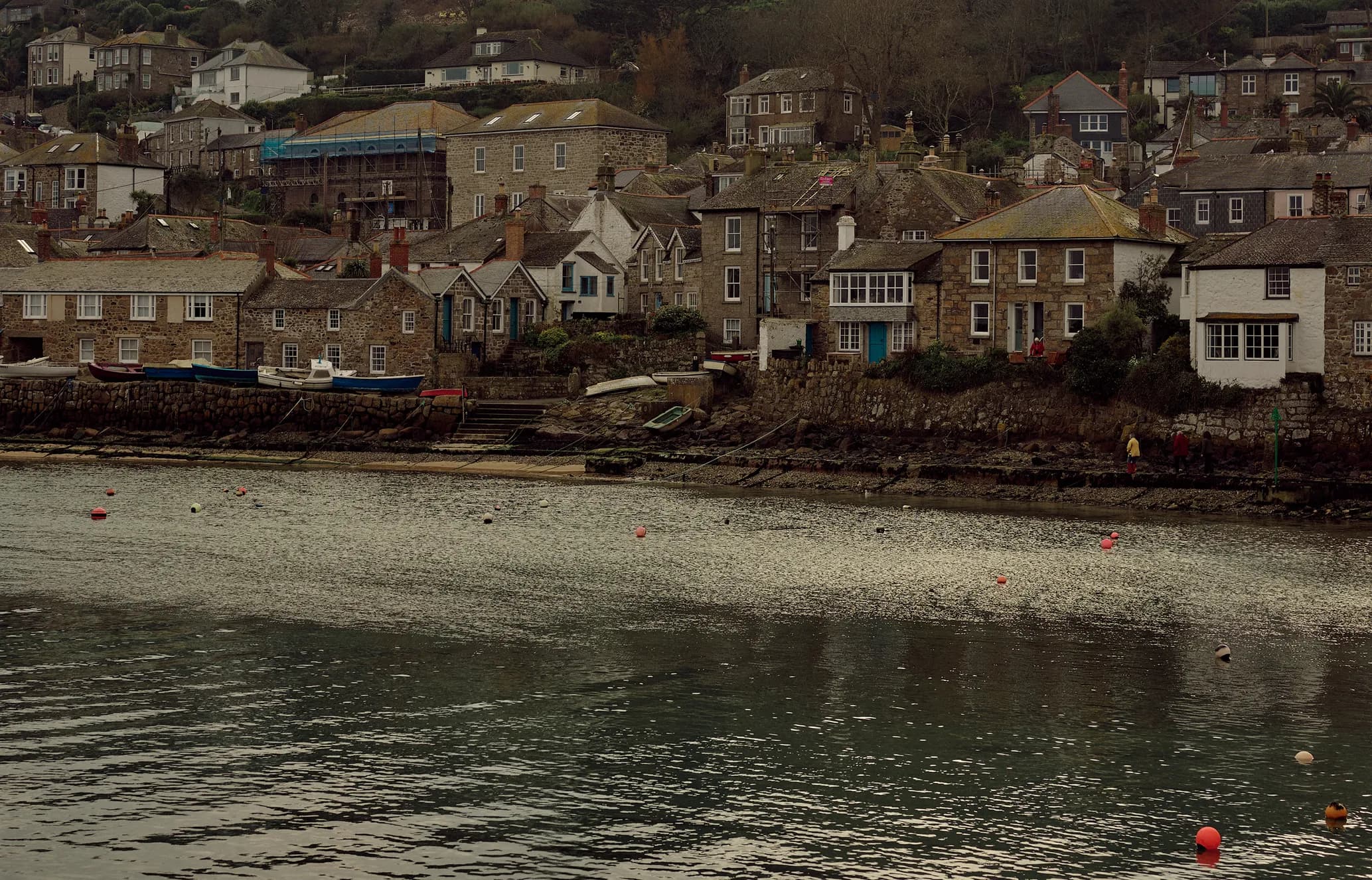
Mousehole, Cornwall. Photos: Issy Croker

Photos: Issy Croker


The first light of day, as the sun crept over the mountains to the east, cast the soft glow I’d traveled so far to photograph. Surfers waded into the clear water before paddling effortlessly toward the lineup, making the most of the calm conditions before the day began in earnest. The beach stretched endlessly in one direction, while the other met a rocky peninsula scattered with smooth boulders, shaped by years of Pacific swell. It was here, where the point wrapped around the headland, that La Saladita’s famous wave began its long journey towards the shore.
The beach stretched endlessly in one direction, while the other met a rocky peninsula scattered with smooth boulders, shaped by years of Pacific swell
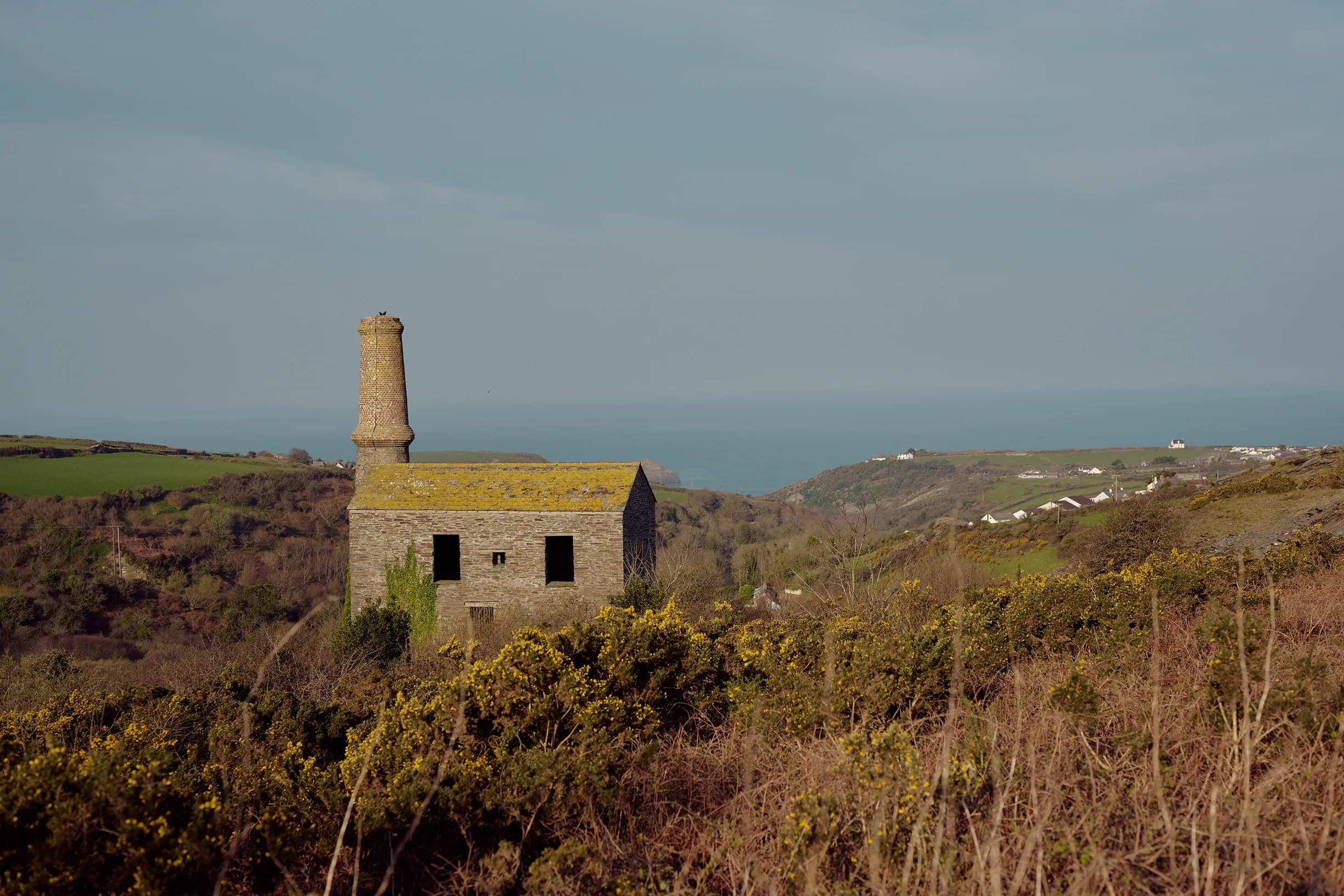
Photo: Issy Croker
My journey began in Tintagel, a village on Cornwall’s north coast steeped in Arthurian lore. The main street is lined with old pubs, shops, bakeries and cafes, drawing travellers to the architecture and the unforgiving coastal terrain. At midday, I set out on the coastal path to Tintagel Castle. The narrow trail through fields and wild grassland opened out along the coast, sea caves and rocky inlets carved into the cliffs below. The roar of the surf and heavy clouds lent the approach an eerie, brooding quality as the castle came into view on the cliffs.
At the tip of a jutting peninsula stood the slate remains of the castle, windswept and battered by centuries of weather. The clouds broke for a few moments, casting the weathered stonework in golden sunlight. These fleeting moments were exactly what I had come to Cornwall to experience. Autumn rarely gives you perfect conditions for long, but that impermanence makes the photographs more rewarding. I watched the sky constantly, waiting for the next break in the clouds and responding to whatever the landscape gave me.
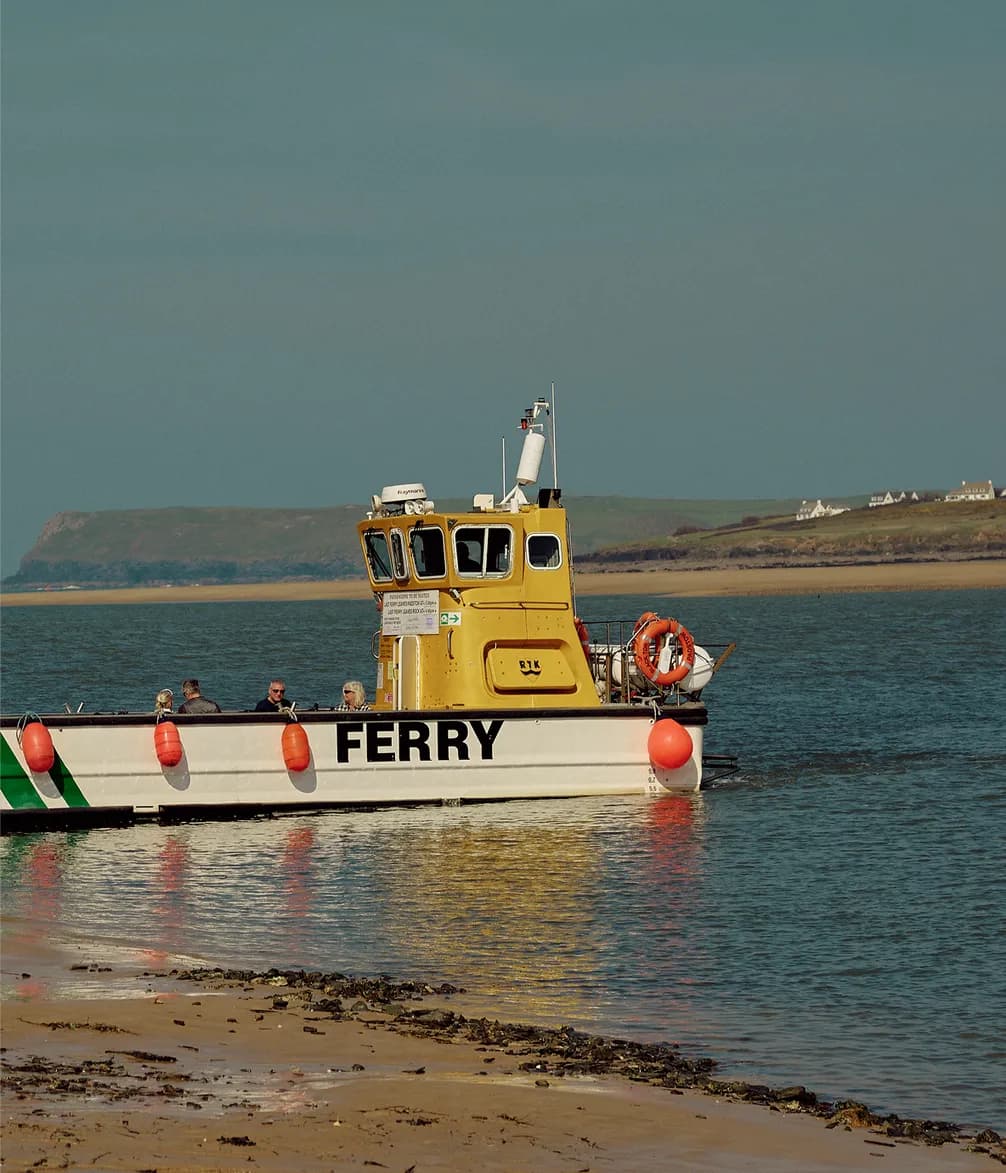
Tintagel, Cornwall. Photo: Issy Croker


Photos: Issy Croker


With my camera sealed inside its waterproof housing, I pulled on my fins and swam out. The water was so clear that every ride seemed to float above the ocean itself. Watching local surfers glide across the face of the wave with effortless style was as captivating as photographing them. Beyond the break, the volcanic mountains framed the coastline, their deep greens contrasting with the rich blues of the Pacific. One image – a lone surfer trimming across a wall of water beneath the mountain backdrop – became my standout photograph of the trip.
While the mornings belonged to the surf, the evenings became an opportunity to explore local life through its food. As the air cooled, La Saladita’s handful of restaurants came to life. Open kitchens and traditional cooking made every meal feel personal, while freshly caught fish dominated menus of ceviche, tacos, guacamole and hearty soups. Much like the village, everything felt unhurried. Families welcomed visitors with genuine warmth, creating an atmosphere that was as memorable as the food itself.
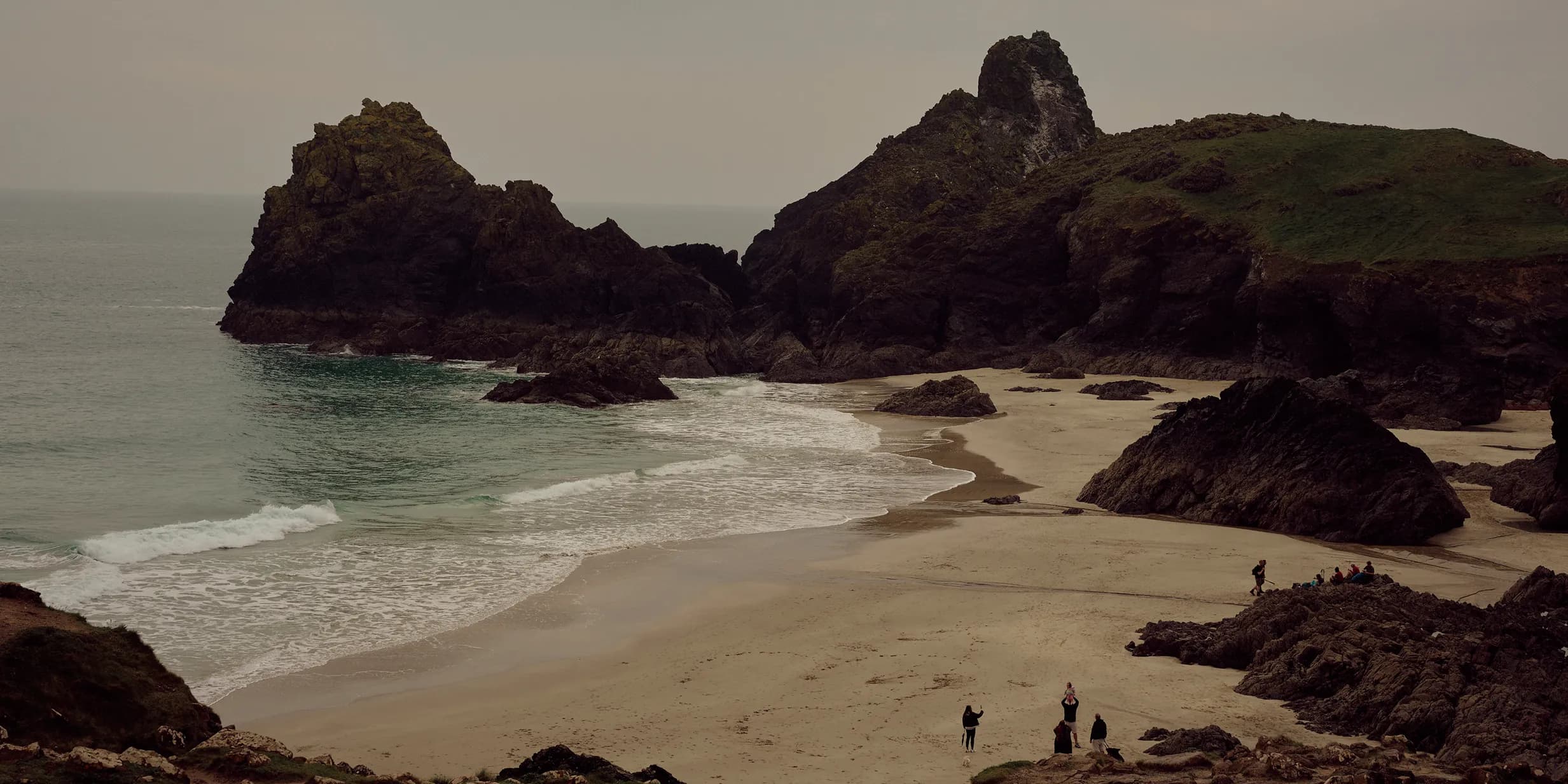
This quieter side of Cornwall is one of its greatest attractions. The landscape feels as though it has been handed back to the people who live there
As early light spilled through the clouds across the coastline, I trekked a few kilometres towards Land’s End. The coastal path sets out from Gwynver Beach, descends towards Sennen, and continues over steep headlands to the westernmost tip of England. I meandered down from the grassy headlands to the sprawling beach of Sennen, which stretched for hundreds of metres towards the horizon at low tide. Rows of terraced houses followed the curve of the cove, while fishing boats bobbed lazily in the harbour.
I continued past the town limits, following bridleways and footpaths towards the craggy coastline. The threat of rain and the sharp gusts off the cliffs were a small price to pay for the views along this stretch of coast. The cliffs, sea and clouds merged into stark shapes and tones, making this section particularly suited to black and white. Stripping the colour heightened the coastline’s scale and drama, echoing the weather’s harsher mood.
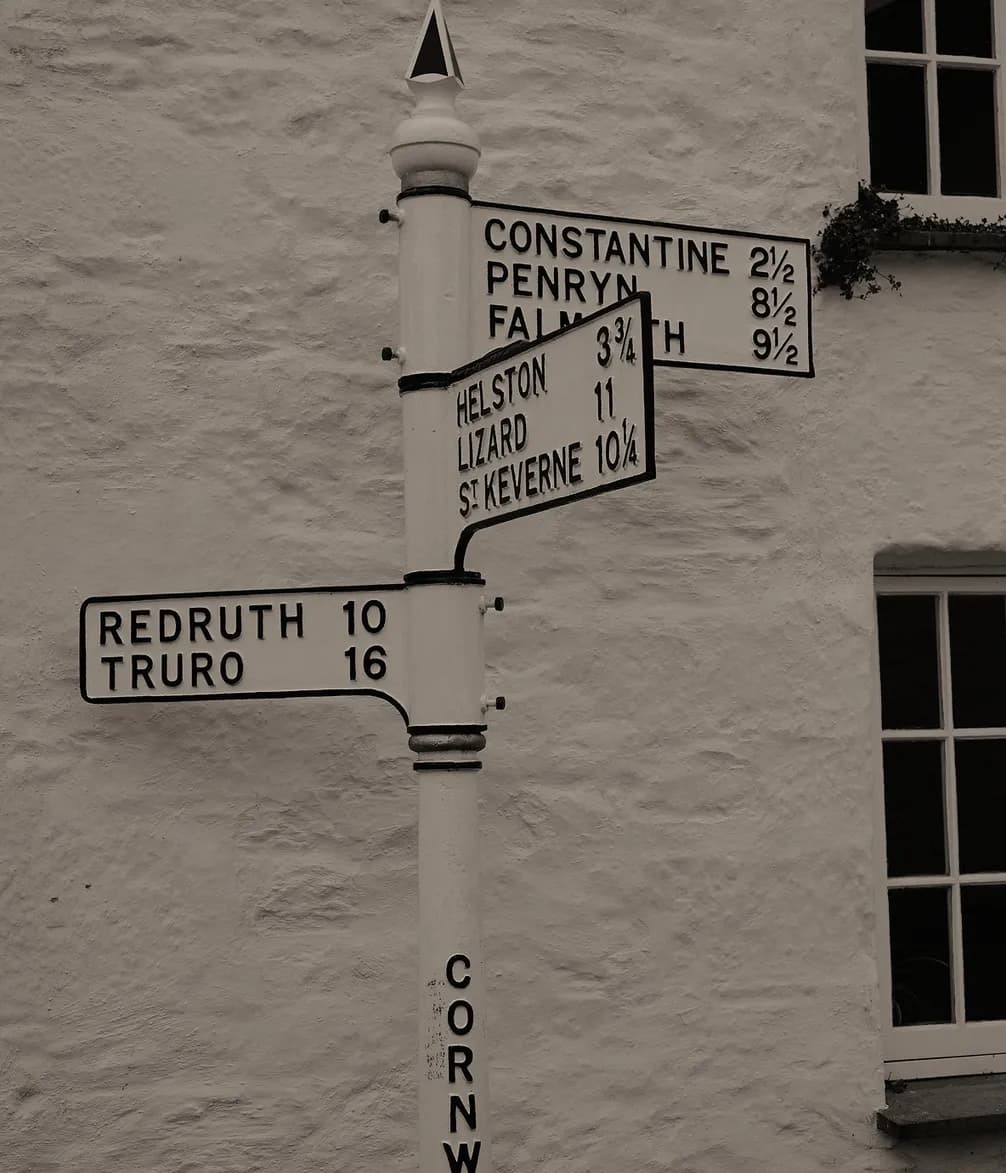
Photo: Issy Croker
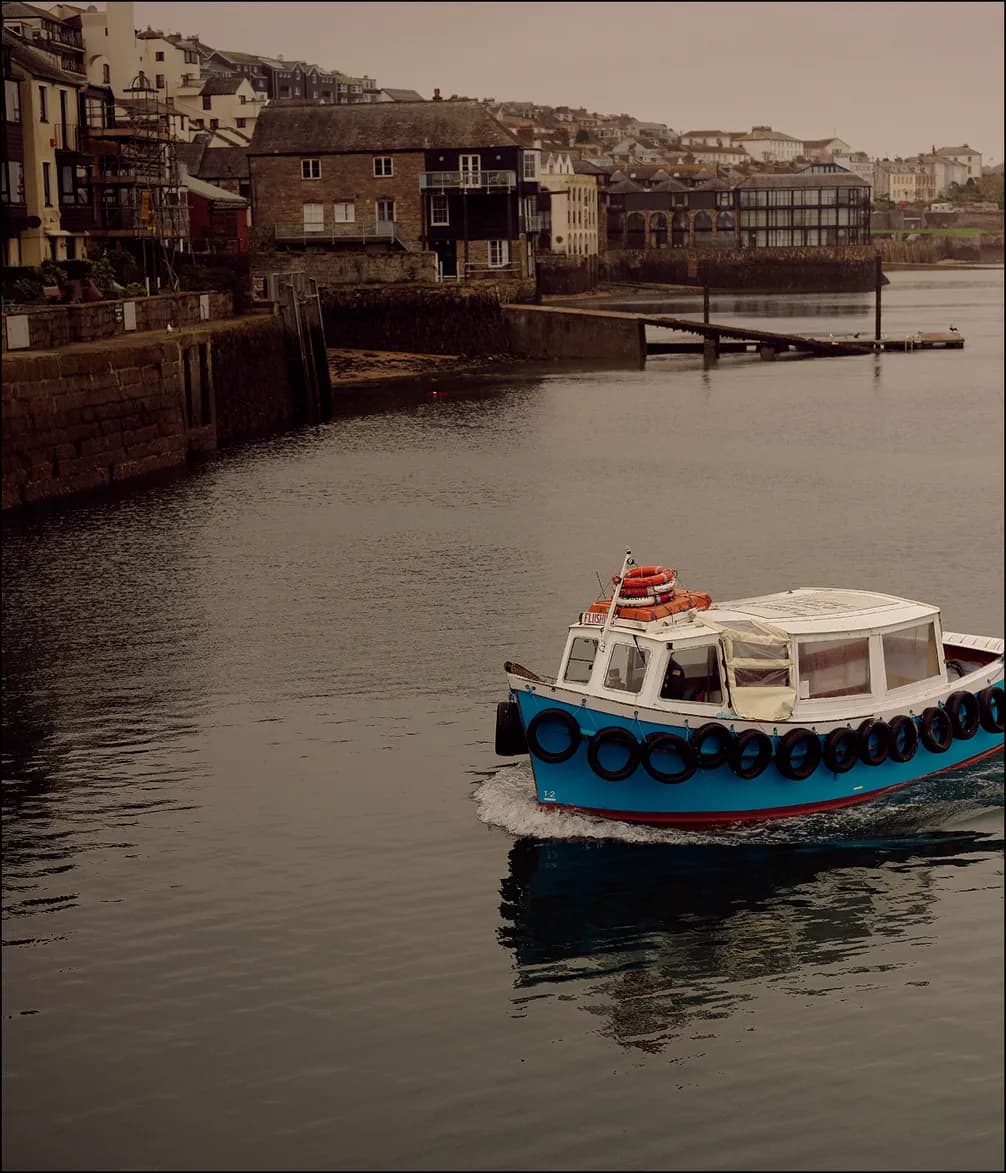
Photo: Issy Croker


As the sun began to dip, the light softened once more. Rays filtered through the beachside palapas while fishermen cast their nets from the shore and the last surfers drifted across the horizon as silhouettes. This quieter hour quickly became my favorite time to wander with nothing more than a 50mm lens, capturing the details that gave the place its character. There was no need to search for photographs – they seemed to present themselves.
Photographing somewhere this close to the equator means learning to read the light. The warm, low sun at dawn and dusk creates the mood and depth that can be difficult to find during the harsher midday hours. Asking permission before photographing local people felt important, as did supporting the small businesses that form the backbone of the village. La Saladita remains refreshingly low-key and every meal, coffee or purchase helps support the families who call it home.
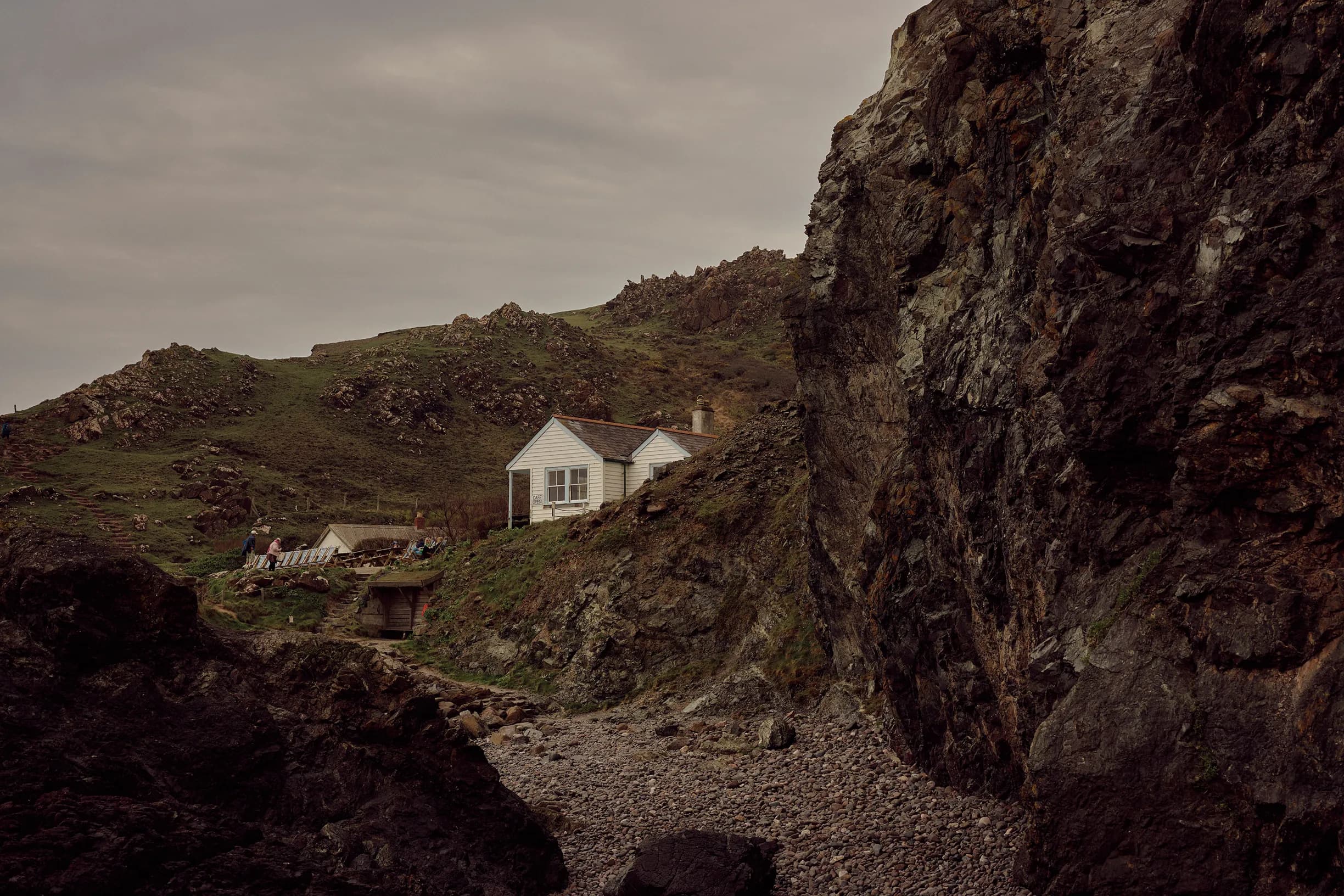
Photo: Issy Croker
Leaving the main strip behind was equally rewarding. Hiring a motorcycle for the day made it easy to explore the neighboring villages dotted along the coastline, each offering its own glimpses of daily life. These quieter moments were satisfying to capture: candid scenes, roadside encounters and landscapes that revealed another side of this stretch of Mexico. I rarely ventured anywhere without my camera, knowing that the most memorable images often arrived when I wasn’t looking for them.
Discover memories faster with exclusive features like facial recognition and smart albums.







 United States