

Binnenkijken bij Popsa
Product design at Popsa
Want to design at a company that values craft? See how Popsa’s designers work

20 okt. 2026∙5 min
Binnenkijken bij Popsa
Want to design at a company that values craft? See how Popsa’s designers work
20 okt. 2026∙5 min
People can choose from plenty of tools that will turn their photos into something tangible. A big part of why they choose Popsa is how good our apps are to use: how quickly they get from a camera roll full of photos to something they’re proud of, and how it feels along the way. Product design is one of our main strategic advantages, and we treat it that way.
Design has had a seat at the table from the start. Our CEO, Liam, trained as an architect, then worked as a product designer. Design is part of how decisions get made here by default.
Here’s how we try to keep our standards high.
Quality is how we compete, so that’s where we put our effort. Like any team, we make trade-offs, and things sometimes break. But we spend a lot of time on the details, and we don’t ship until we think it’s great. We plan projects so design has time and resources to do its best work.
We don’t run work through a scoring model or a process that makes the decision for us. Designers are expected to have a view on what a great experience is, and to argue for it.
People’s photo libraries are deeply personal, which makes some kinds of research difficult to do well. We use a range of research and testing methods, but the work also depends on sharp judgement and real empathy for users. We expect designers to bring both.
We don’t have content designers or dedicated researchers. Designers here write the UX copy, run their own research and make their own assets. They also help shape product decisions and are closely involved in QA. Copy is the part people most often shy away from, but it’s a huge part of the interface, and owning it is empowering. If there’s a question about our users we can’t answer yet, the designer leads the research and chooses the right approach for the problem. Nobody is expected to be an expert in all of it, but designers here build a very well-rounded set of skills.
Bigger projects start loose. Pen and paper is a fine place to begin, and we’re happy to gather around a sketch or a whiteboard. We give people time to go wide before they narrow down. Designers lean on each other for input, feedback or critique.
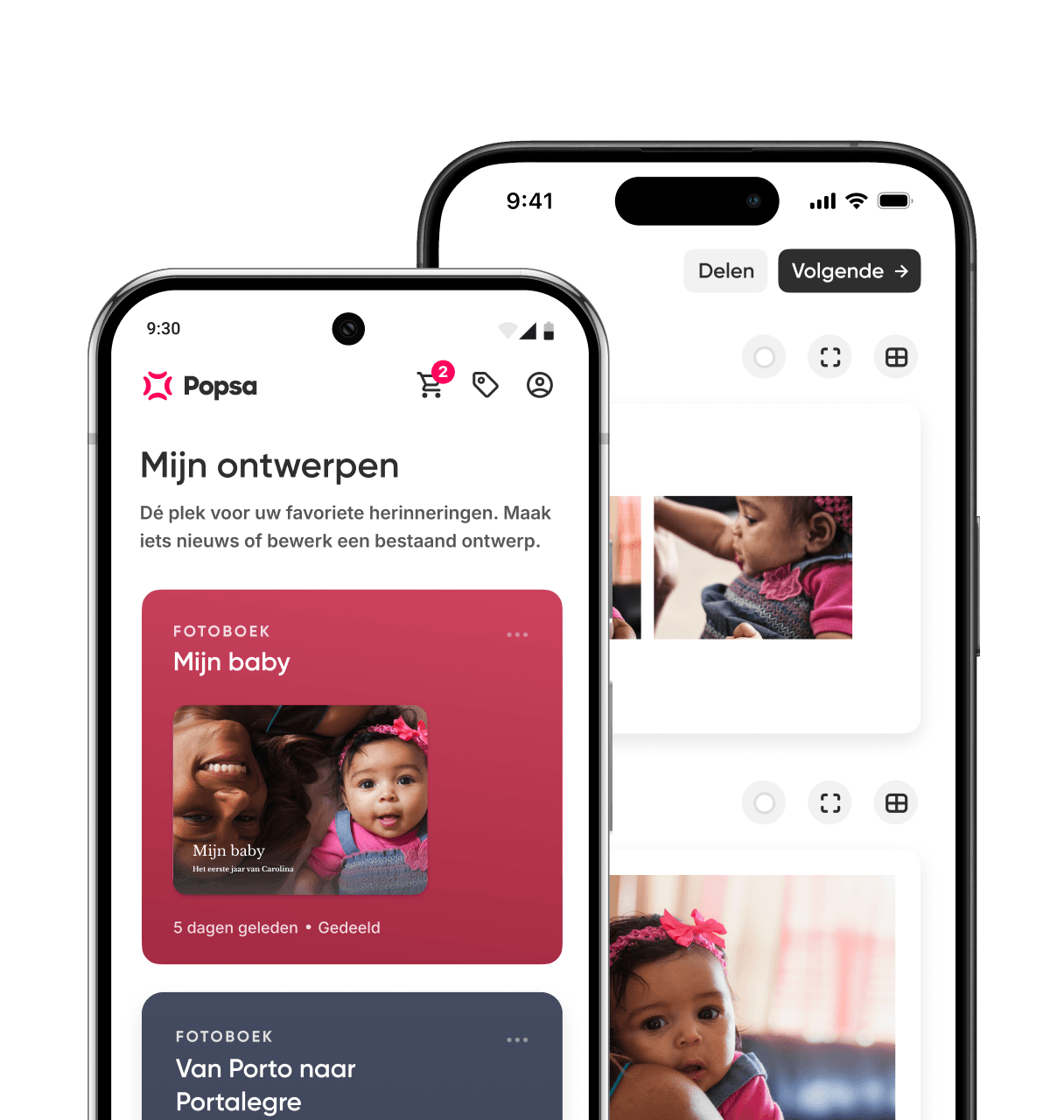
As soon as a direction is agreed, we prototype using the real codebase. Every designer has our native iOS and Android apps, web app and website running locally. Claude Code is the default way in. Bringing product and engineering in at mid-fidelity means the edge cases they raise can still shape the design.
Engineers start from a working prototype rather than a static spec, and it’s design’s responsibility to work alongside them through implementation to make sure the design intent is preserved.
Shipping isn’t the end of a designer’s responsibility for quality. When something in the front end falls short, whether it’s a small bug, a rough edge or a visual detail, designers are expected to fix it rather than leave it to languish on a backlog.
We don’t claim to own the front end. But we can change it with little friction, so quality issues get fixed instead of piling up.
We use Mixpanel for product analytics and have amazing visibility. Because the founders planned for it from the start, our data is clean and goes back to the company’s earliest days, so designers can trust what it tells them. Our designers are data literate enough to find, understand and draw insight from that data on their own.
We work from our office in Soho at least three days a week, and many of the team choose to come in more than that, because we believe we do better work in a room together. We get more out of each other, and it’s frankly more enjoyable.
We use our office days for the rituals that work best in person, like our weekly design team meeting where we talk through work in progress. Just as valuable is the everyday conversation that happens when we’re in the same room.
Designers here work on whole features, from first sketch to production, across iOS, Android and web. They contribute to the design system and to live features, some touching large parts of the app. They write the words, find out what they need to know about customers, and ship code. Larger companies usually split those jobs among several specialists.
If you want to work somewhere that takes craft seriously and trusts you to make real decisions, we’d like to hear from you.
See our open roles at popsa.com/careers.
Herontdek herinneringen sneller met speciale functies, zoals gezichtsherkenning en Smart Albums.








 Verenigde Staten