
Occasions spéciales
How to stick to new resolutions
The art and science of making meaningful habits last

16 Dec, 2025∙7 min


Occasions spéciales
The art and science of making meaningful habits last
16 Dec, 2025∙7 min
Making resolutions can be exciting, but they come with plenty of pressure, too. Not only are resolutions seen as hard to keep but they’re something we’re often told we’ll actually fail at. Every year, newspapers roll out the statistic that some 80 per cent of people give up on them within a month. But what if we’ve been approaching resolutions all wrong?
In our on-demand world, it’s understandable to crave signs of improvement from new habits straight away. But noticeable progress can’t be ordered via next-day delivery. It takes time for new behaviours to set in – and this might be longer than you might think. Where once it was thought new habits rooted down after 21 days, research by UCL found that it takes 66 days on average for a habit to form.
So whatever your goal – whether you want to spend less time on your phone, feel more energetic in your body or establish habits that help you press pause – there are ways to not just make resolutions part of your life, but make sure they hold meaning, too. All you need is a little preparation. Here’s how to get started.
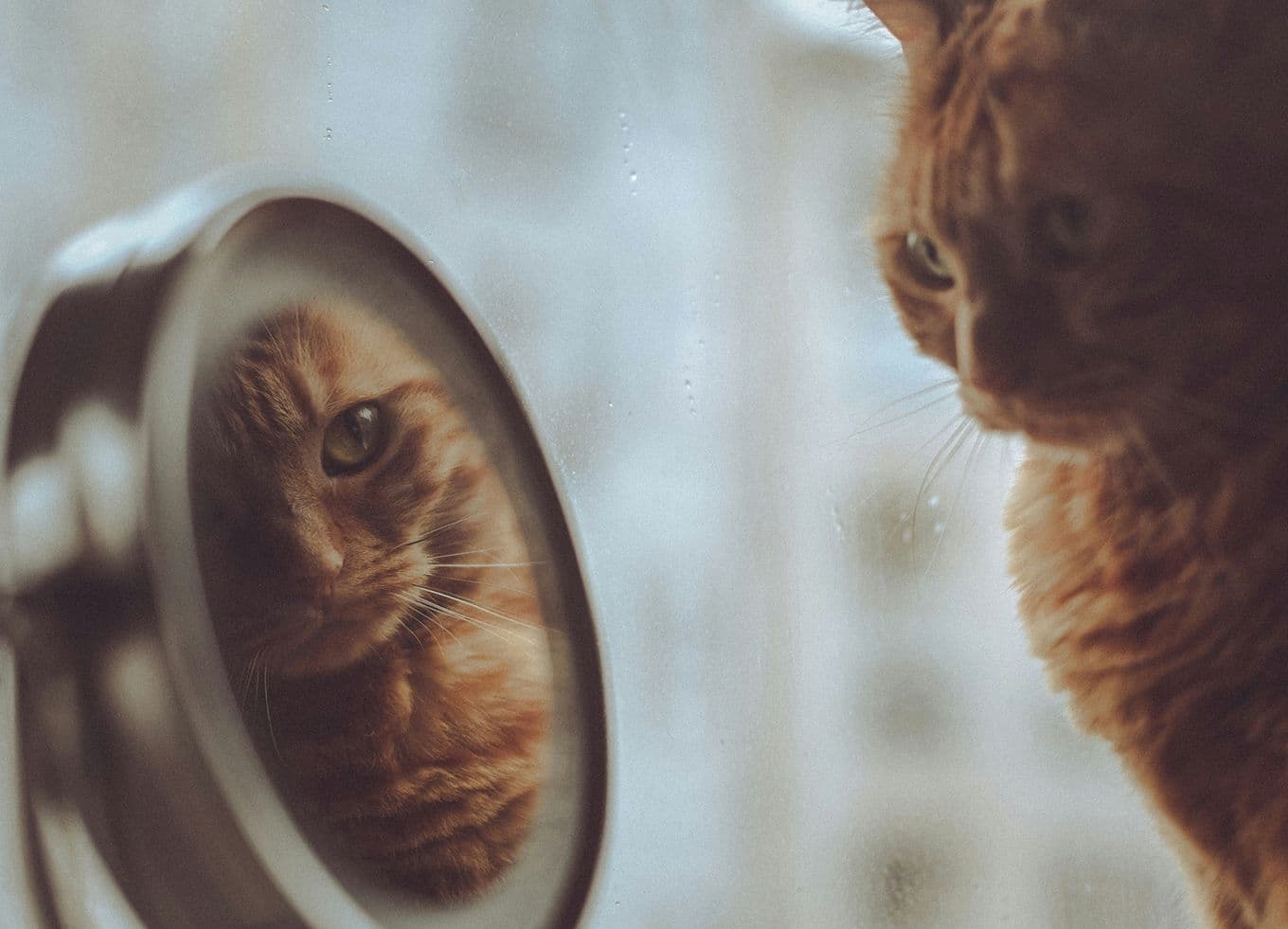
Before you launch into any resolution, there’s one habit to hone first: the art of compassionate self-talk, which means speaking to yourself the way you’d speak to someone you love. Far too often, self-criticism is the impetus for kick-starting change (perhaps telling yourself you’re not good at something or that you need to be or “look” better) – but this will only get you so far.
“Focusing on what we don’t want to be or do can get us going and provide much needed perspective, but it doesn’t keep us going,” says Shahroo Izadi, psychologist and behavioural change specialist and bestselling author of The Kindness Method: Changing Habits For Good. Long-lasting change isn’t made by “moving away from things we don’t want, it’s about moving towards what we do want”, she says. “It’s about exciting ourselves with thoughts of how much better things will keep getting. It’s about rewarding, accepting, forgiving and understanding ourselves.”
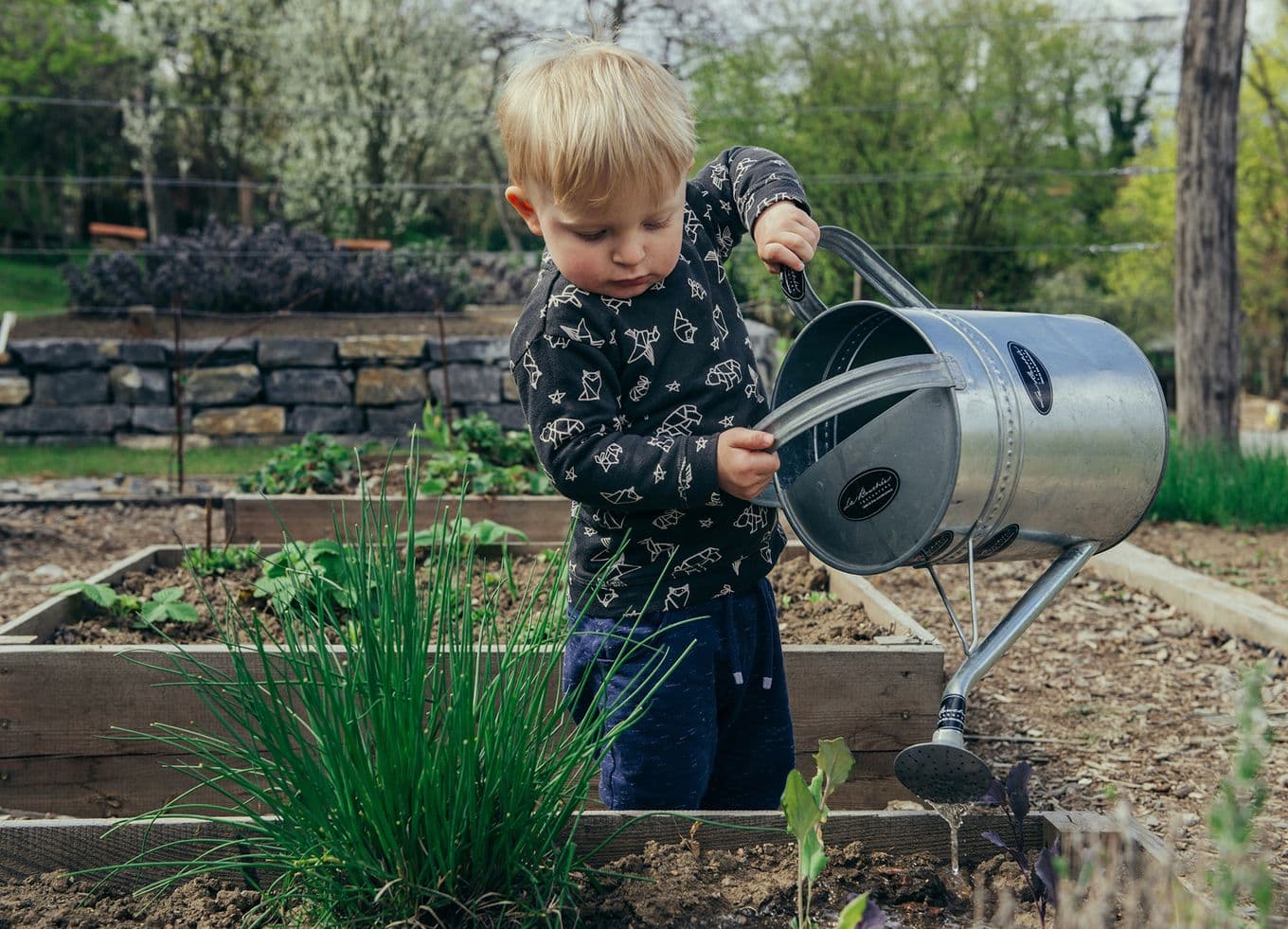
You don’t have to “think big” when it comes to resolutions – introducing small mindful rituals into your daily life, such as setting intentions or stretching in the morning, can add structure to your everyday routine. Experts agree that not only do rituals – which are considered repeated actions done with intention, rather than automatically – provide purpose, they help us feel grounded, connected, less stressed and more content in the present.
Research at the University of Toronto by behavioural scientist and psychologist Nicholas Hobson found that rituals are vital for self-regulation, goal attainment and can help dial down anxiety. Hobson recommends starting your day with a ritual, because the confidence gained from succeeding at that first task will carry into later tasks. Then end the day with a reflective ritual, such as a gratitude exercise, to help evaluate how things went.

If it feels like there’s already too much to remember to do in a day, try habit stacking. This is when you connect – or “stack” – new behaviours onto a habit that already exists, taking advantage of the strong synaptic connections the brain has created for the established habit. Let’s say you want to start meditating (and why wouldn’t you, given it can reduce stress, anxiety and improve sleep) – rather than declaring, “I’m going to meditate every day”, try connecting it to something you do already. For example, “Once I’ve poured my morning cup of coffee, I’ll take a minute to meditate.”
“The reason habit stacking works so well is that your current habits are already built into your brain. You have patterns and behaviours that have been strengthened over years. By linking your new habits to a cycle that is already built into your brain, you make it more likely that you'll stick to the new behaviour,” says James Clear in his book Atomic Habits: An Easy & Proven Way to Build Good Habits & Break Bad Ones.
Once you get the hang of simple stacks, Clear says you can build larger stacks by chaining more small habits together, such as: “After I pour my morning cup of coffee, I will meditate for sixty seconds. After I meditate for sixty seconds, I will write my to-do list for the day. After I write my to-do list for the day, I will immediately begin my first task.”
Pexels
Engineer your environment to support your goals by placing habit cues where you’re most likely to see them. This might mean sticking positive affirmations or photos of people who support you on the mirror where you get ready each day; leaving your gym kit packed and ready to go by the front door; or putting fruit and vegetables at eye level in the fridge. If one of your aims is to spend less time on tech but you often find yourself doomscrolling on your phone into the small hours, try leaving a Popsa Photo Book by your bed.
“Photos and visual reminders can absolutely work as motivational tools, and looking at photos of loved ones, happy memories or experiences you want more of can bolster self-worth and remind you of your ‘why’,” says Izadi. When compiling Photo Books, she says it helps to be mindful about what pictures you pick. “Ask yourself: does this image help me be kinder to myself? Anything designed to make you feel bad about where you are now isn’t kindness – and shame doesn’t sustain change.”
However hectic your day, find time to reflect on what you’ve achieved and what you feel thankful for, with reflection a valuable tool for enhancing self-improvement. Questions to ask yourself might include: what am I proud of? What does happiness look like? What have I learnt about myself today? What energises me?
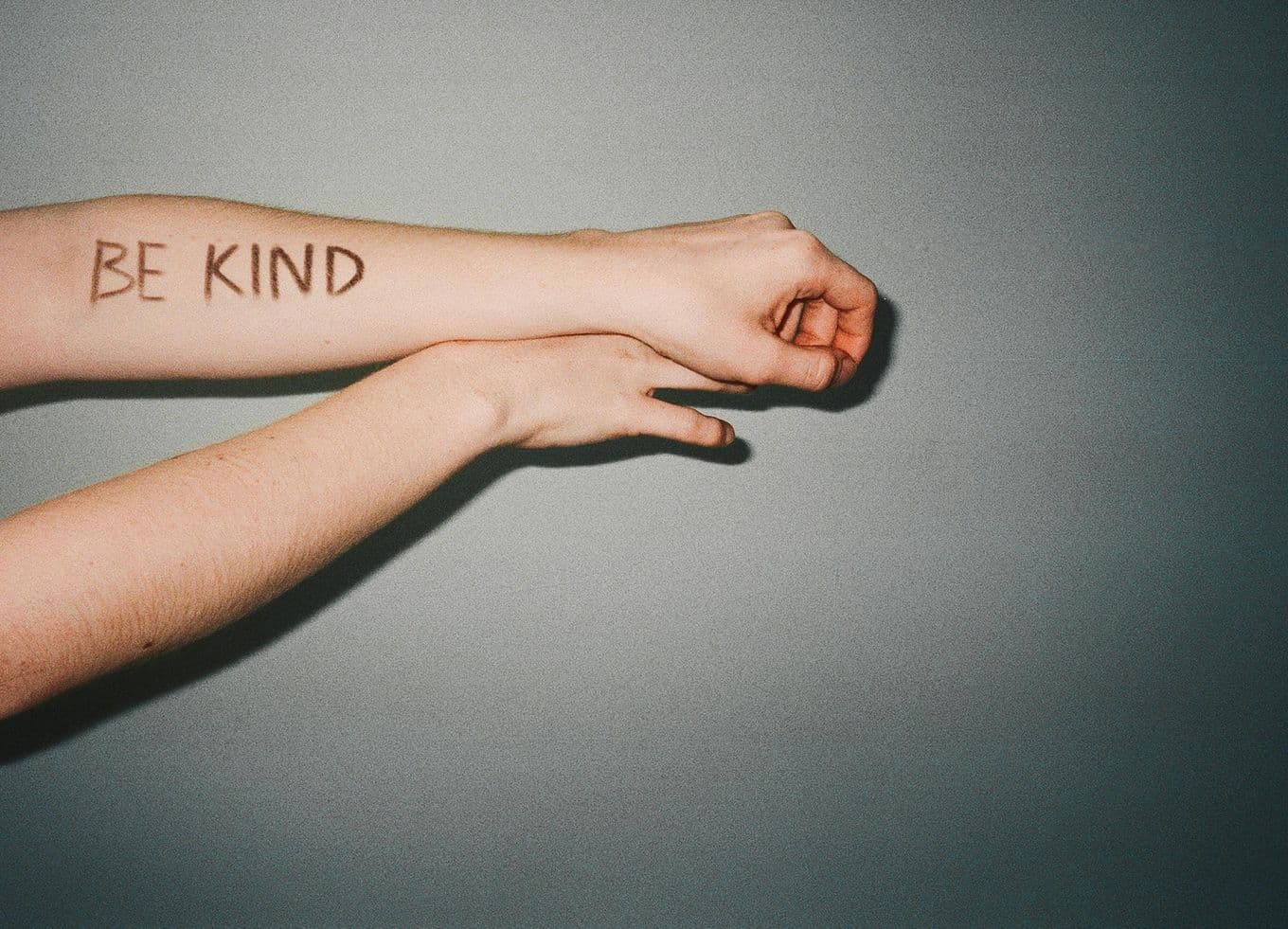
And remember, even if you’re only one day into a new habit, remind yourself that’s one day more than before – which certainly counts as something to celebrate. So be kind, champion yourself and keep going.
Découvrez des souvenirs plus rapidement grâce à des fonctionnalités exclusives telles que la reconnaissance faciale et les albums intelligents.


&w=96&q=75)
Jason Kaye
Rédacteur Popsa
29 May, 2025∙7 min

&w=96&q=75)
Alma Rosaz
Photographe
30 Oct, 2025∙6 min
&w=96&q=75)
Linda Rodriguez McRobbie
Autrice et productrice de podcasts
22 Oct, 2025∙6 min


 Etats-Unis