

Guides

Nathan Cook
Écrivain Popsa
10 sept. 2026∙6 min
Guides
Nathan Cook
Écrivain Popsa
10 sept. 2026∙6 min
Nos photos racontent l’histoire de nos vies. Elles sont précieuses : elles sont porteuses d’émotions, de sens et participent à la perception que nous avons de nous-mêmes. Chez Popsa, notre mission a toujours été de permettre à chacun de renouer avec ses souvenirs, mais la protection de votre vie privée est également l’une de nos grandes priorités. Souvenirs Popsa.
Dans cet article, nous vous expliquons pourquoi Souvenirs Popsa a besoin d’un accès complet à vos photos pour fonctionner correctement et comment la fonctionnalité préserve la confidentialité de vos souvenirs tout au long du processus de curation intelligente. Qu’il s’agisse de créer un Récap ou un Voyage, personne ne voit vos photos, du début à la fin du processus.
Souvenirs Popsa repose sur PrivateContext™, la couche d’intelligence embarquée de Popsa, fruit de plus de dix ans de travaux en apprentissage automatique. Souvenirs détecte automatiquement les personnes, les lieux et les activités les plus importants de votre vie. La fonctionnalité reconnaît les moments qui méritent de rester dans vos souvenirs et écarte les scènes sensibles afin qu’une période difficile ne ressurgisse jamais sans prévenir. Rien n’est jamais téléchargé et personne chez Popsa ne voit vos photos : elles ne quittent votre appareil que lorsque vous décidez de les imprimer.
Souvenirs crée des Récaps et Voyages en détectant les métadonnées de vos photos, comme les coordonnées géographiques ou l‘heure de la journée. Par exemple, si vous avez visité les îles grecques pendant vos vacances, nos modèles d’IA détectent que vous vous êtes rendu dans un nouvel endroit, loin des lieux que vous fréquentez habituellement, et transforment ces photos en album. Les plages où vous avez pris le soleil, les mezzés que vous avez dégustés et les êtres chers avec qui vous êtes parti à l’aventure restent sur votre téléphone jusqu’à ce que vous décidiez de les imprimer. Vos photos restent privées, sur votre appareil, toujours.
&w=3840&q=75)
Récaps, entièrement générés sur votre appareil
&w=3840&q=75)
&w=3840&q=75)
&w=3840&q=75)
Pour que le processus de curation intelligente fonctionne correctement, tout repose sur les métadonnées. Souvenirs a besoin d’un accès complet à votre galerie photo pour recueillir ces informations, et uniquement celles-ci, pas pour examiner le contenu de vos photos. Nos modèles d’IA ne reçoivent qu’un petit ensemble d’informations sur chaque photo, comme la date et le lieu approximatif où elle a été prise, ou encore la présence éventuelle de personnes et d’objets. Mais nous ne voyons jamais le contenu réel de vos photos : celui-ci reste entièrement privé. Des options permettant de désactiver certains accès sont en cours de développement afin d’affiner l’expérience davantage. Mais, en définitive, si vous limitez l’accès à votre galerie photo, Souvenirs ne peut pas fonctionner.
Une astuce importante : veillez à ce que la géolocalisation sot toujours activée. Si Souvenirs ne sait pas où une photo a été prise, la qualité de votre Récap ou de votre Voyage en pâtira. Prendre des photos et documenter votre vie reste le meilleur moyen d’enrichir votre expérience avec Souvenirs, mais il est également essentiel de prendre l’habitude d’ouvrir régulièrement l’application Popsa. Si vous ne l’avez pas ouverte depuis un certain temps, Souvenirs ne peut plus accéder à vos nouvelles photos. Sans accès à vos moments, événements et expériences les plus récents, toutes ces histoires ne peuvent pas être sélectionnées et rassemblées dans un album.
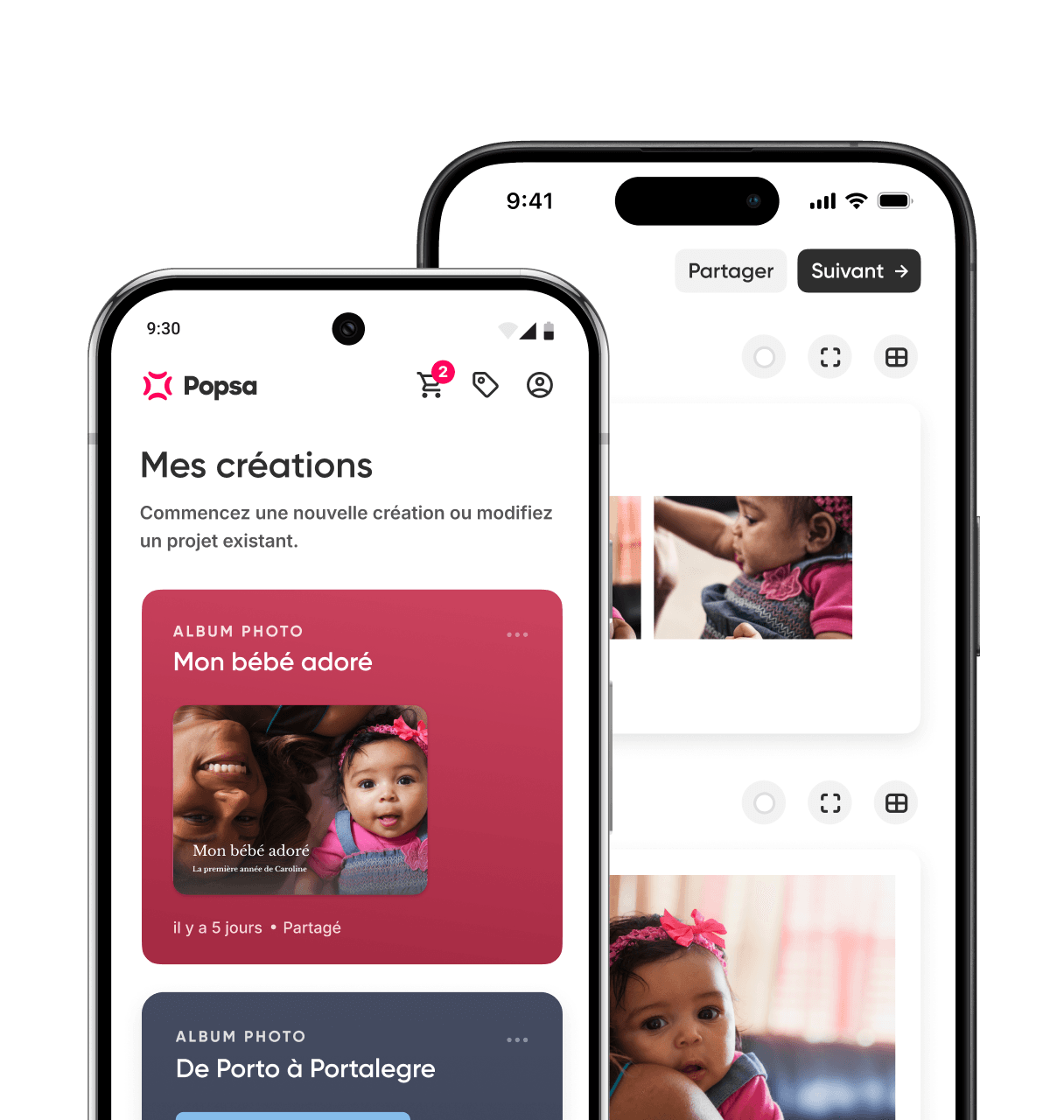
Téléchargez l'application Popsa pour activer Souvenirs dès aujourd'hui et commencez à construire l'histoire de votre vie.
Replongez dans vos souvenirs en toute simplicité grâce à des fonctionnalités exclusives comme la reconnaissance faciale et les albums intelligents.



&w=96&q=75)
Oliver McQuitty
Product Director
16 juin 2026∙6 min
&w=96&q=75)



 États-Unis
Comment Popsa protège votre vie privée lors de la curation de vos souvenirs
Traitement sur l’appareil, métadonnées et ce que signifie réellement l’accès complet à vos photos