

Travel
How to spend 48 hours in Copenhagen, according to a local
An insider’s guide to the city, from design-led cafes and canalside wine bars to a stylish guesthouse in Christianshavn

Sep 25, 2026∙12 min
Travel
An insider’s guide to the city, from design-led cafes and canalside wine bars to a stylish guesthouse in Christianshavn
Sep 25, 2026∙12 min
As a keen traveller, I’ve been to many big cities, but nothing beats coming home to Copenhagen.
There are cobblestone streets and period buildings; a harbour so clean you can jump straight in during summer. Canals insulate our neighbourhoods from the centre; children ride bikes, and entire families pack into cargo bikes on their way home from work, to the park or the beach..
Then there’s the design and food. We Copenhageners are so spoiled by both that I wonder whether they colour how we experience other places. I’m certainly biased, but there’s no better feast for the senses than a tour of our capital.
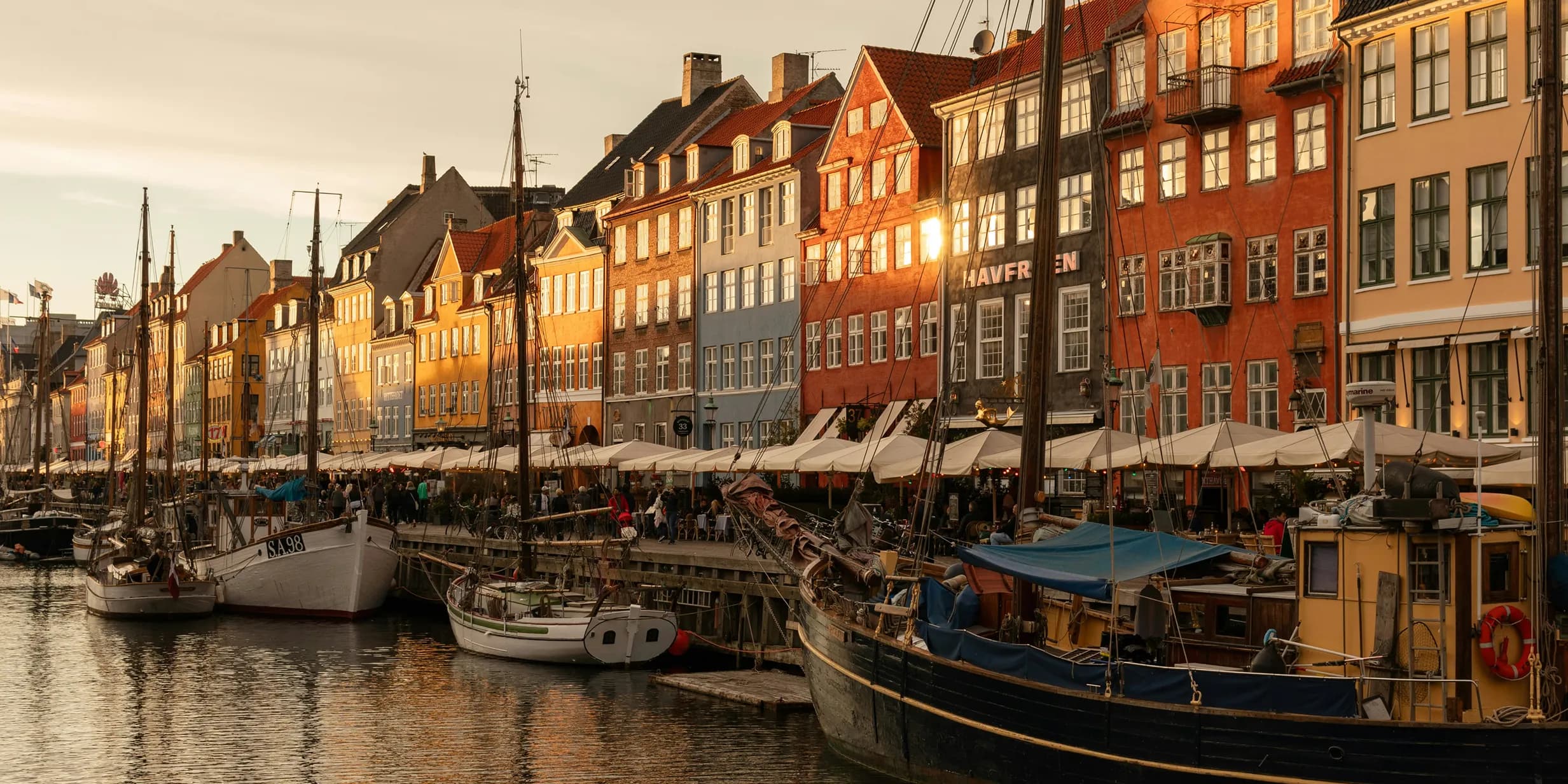
Copenhagen. Photo: Nika Tchokhonelidze, Unsplash
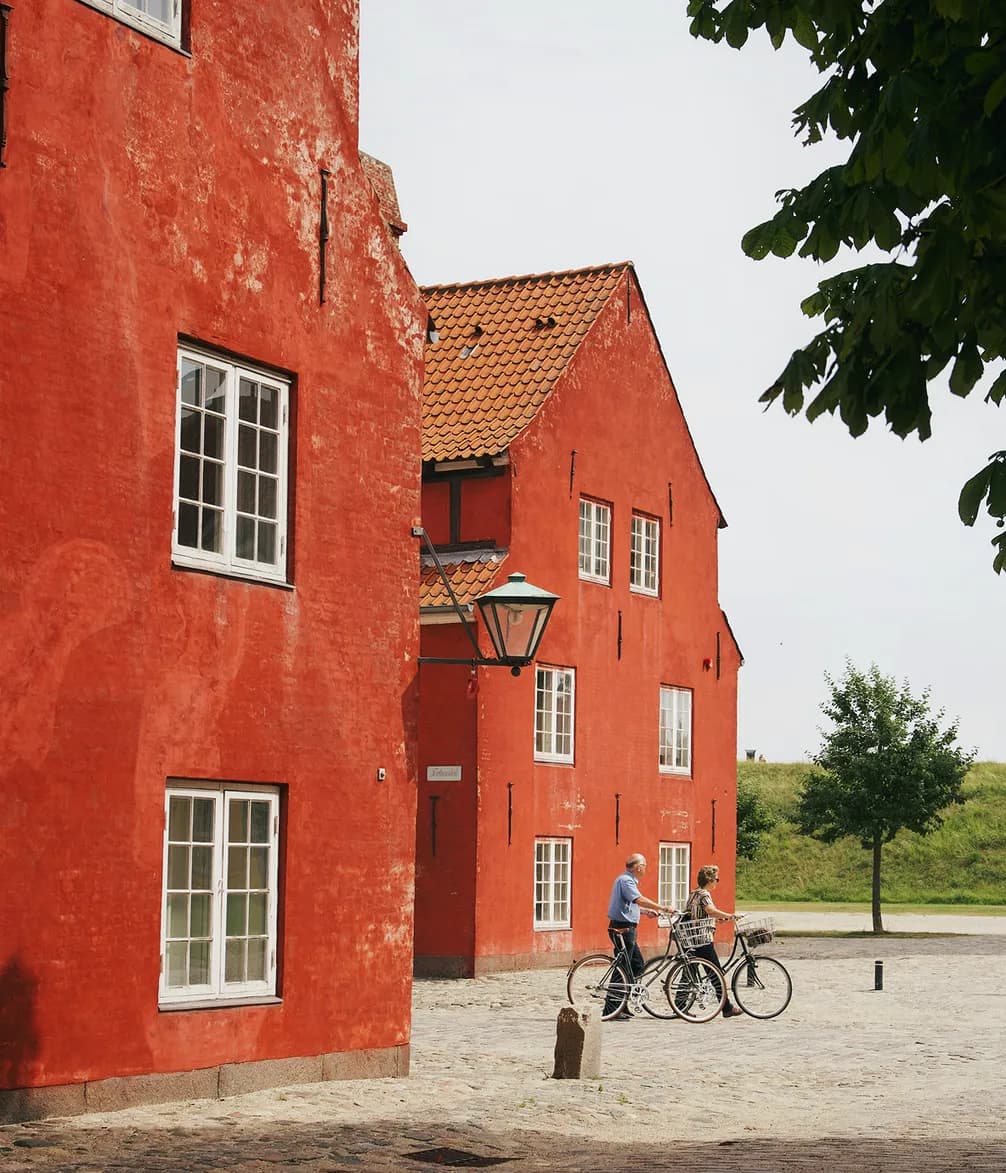
Photo: Oliver Chatel, Unsplash
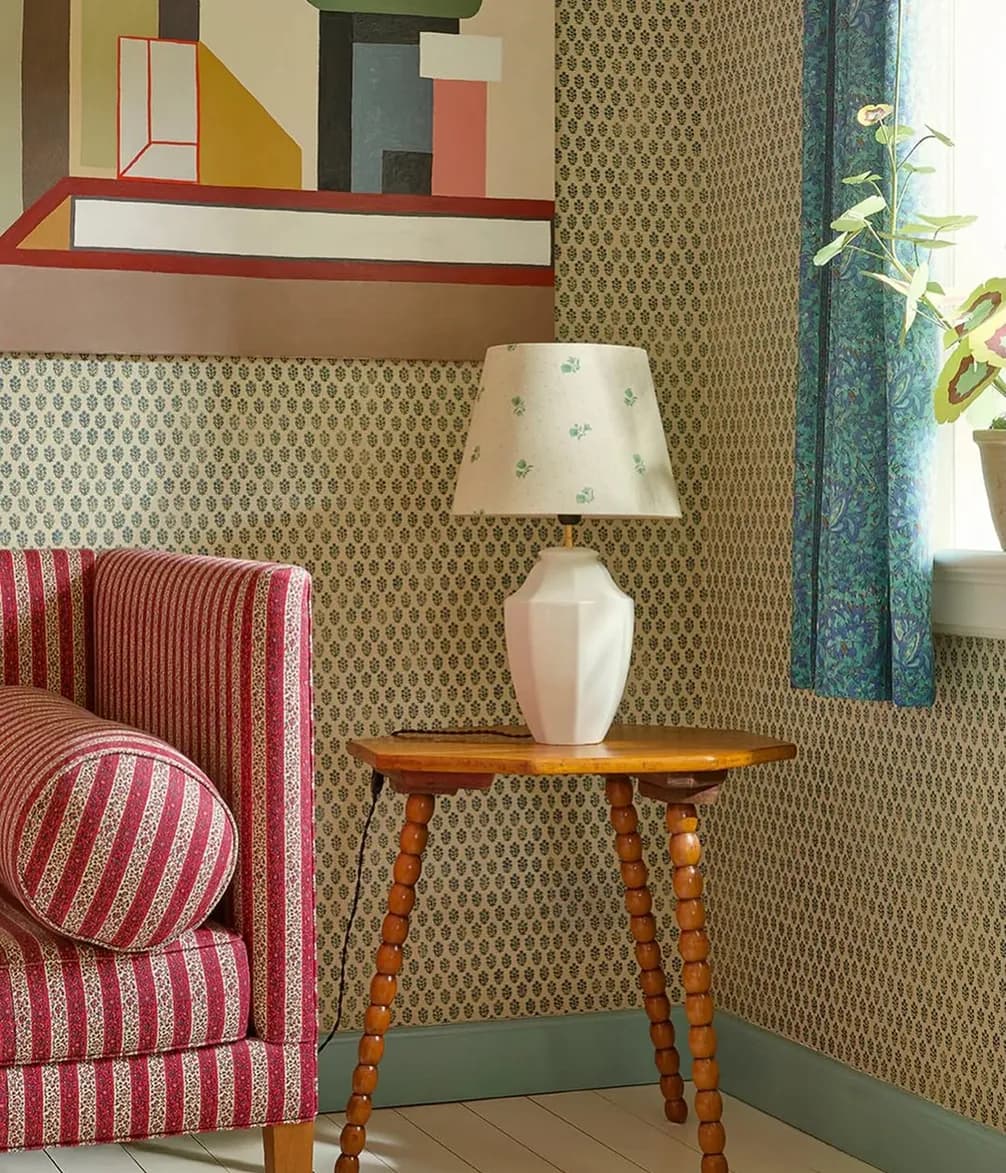
Book a room at The Apartment Residence. Set in Christianshavn, it was formerly the gallery and boutique of art collector and interior designer Tina Seidenfaden Busck. Today, it’s a private residence with two double bedrooms, a living room, kitchen and dining room, and a pale-pink bathroom with a clawfoot bathtub. It feels more like a home than a hotel. Every room is furnished with Tina’s own curation of one-off pieces, vintage finds and objects.
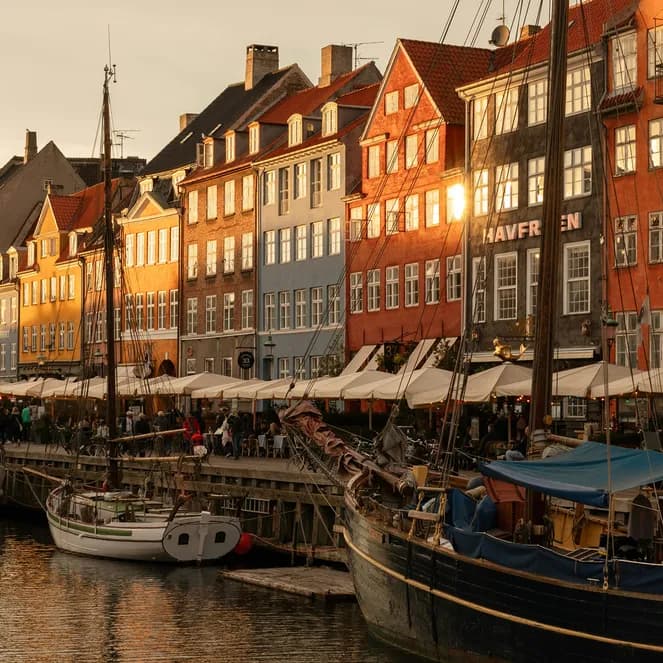
You can take in the sunrise anywhere along the water in the city centre, but it’s particularly beautiful – and wonderfully quiet – at Gammel Strand or Nyhavn, where, at blue hour, you can have the harbour almost entirely to yourself.
You’ve probably seen Atelier September on Instagram. Few know it began in the front of a tiny antiques and interiors shop, with no proper kitchen or staff besides its founder, Frederik Bille Brahe. His idea: a small daytime café serving breakfast and lunch better than you’d make at home. He had worked as a chef at some of Copenhagen’s best-known restaurants, developing a focus on vegetables and seasonality, alongside a natural talent for hosting. Atelier September now has four locations, but the signature menu remains. Don’t miss the yoghurt with courgette jam and granola – or the matcha.
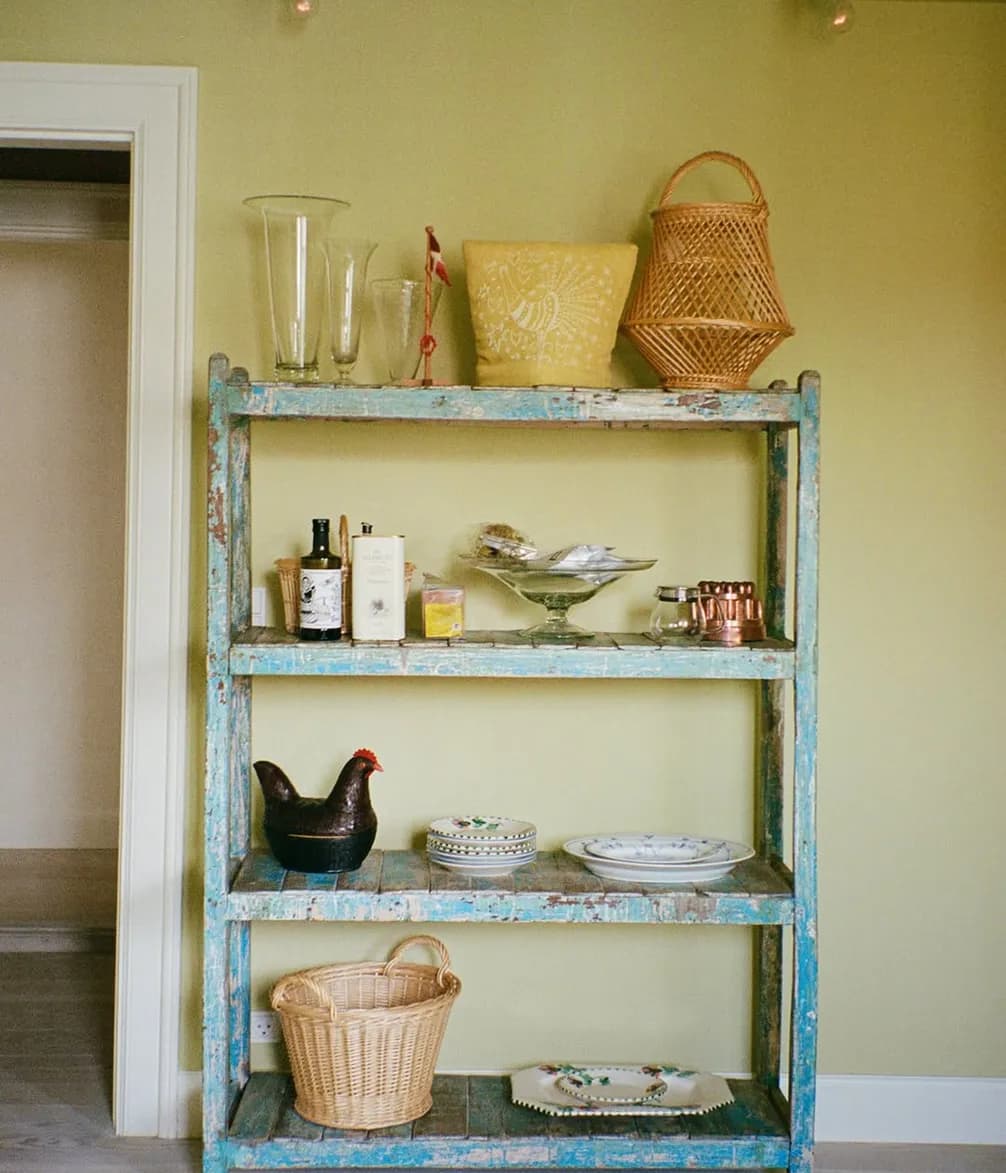
The Apartment, Copenhagen. Photos: @theapartmentdk
A short cycle from the city centre takes you to Frederiksberg, where you can get British-Danish food at Auren’s Deli. Auren’s is owned and run by a British-Danish couple, both of whom have backgrounds in top restaurants. Come for lunch, dinner or drinks, and expect well-curated records and natural wine. The food is comforting, without compromising on produce or seasonality; hot dishes are often hearty stews of beans or lentils. Just up the street is Auren’s Deli Cornerstore, a small grocer, coffee and breakfast bar where you can shop for produce – perhaps for a picnic.
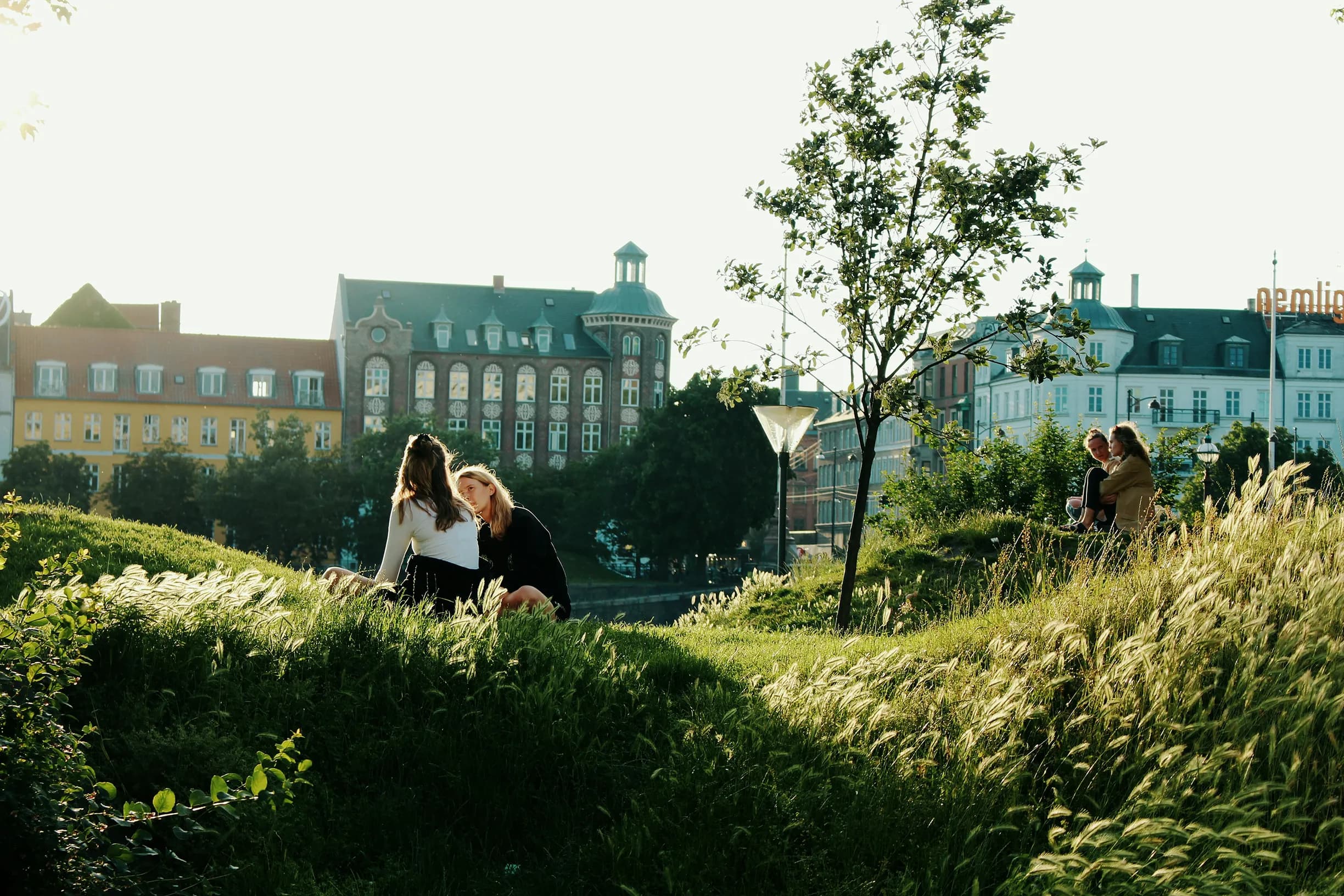
Christianshavn, Copenhagen. Photo: Venus Major
&w=3840&q=75)
Royal Life Guards. Photo: Nick Karvounis, Unsplash
&w=3840&q=75)
Nyboder. Photo: Anthony Pasini, Unsplash
&w=3840&q=75)
Omegen & Venner. Photo: @omegnogvenner
&w=3840&q=75)
Frederiksgade, Copenhagen. Photo: Charly Nguyen, Unsplash
&w=3840&q=75)
Grønt Marked. Photo: @groentmarked
Start at Amalienborg, home of the Danish royal family, and walk through Amaliehaven to Toldboden. From here, follow the water towards Kastellet, Copenhagen’s historic star-shaped fortress and one of its most tranquil green spaces.
Rather than retracing your steps, make your way back through Nyboder, a pocket of ochre-yellow townhouses built to house the men of the Royal Danish Navy. Some houses here date to the 17th century. It’s a rare corner of old Copenhagen. Torvehallerne is a set of market halls next to Israels Plads, open every day and a good place to grab a coffee from Coffee Collective. Like many urban market halls, this isn’t where you’ll find Copenhagen’s smallest local producers – the stands are expensive and cater to a different audience.
For Danish produce, visit Omegn & Venner, a deli and dining bar in Hall 1; Albatross & Venner for savoury or sweet pastry on the go. If your 48 hours fall over a weekend, don’t miss the smaller, community-focused Grønt Marked, where Danish farmers and independent producers gather alongside baked goods, coffee and food. The market moves between neighbourhoods each Sunday, so check Instagram for that week’s location – and don’t miss the kombucha from Table Ferments.
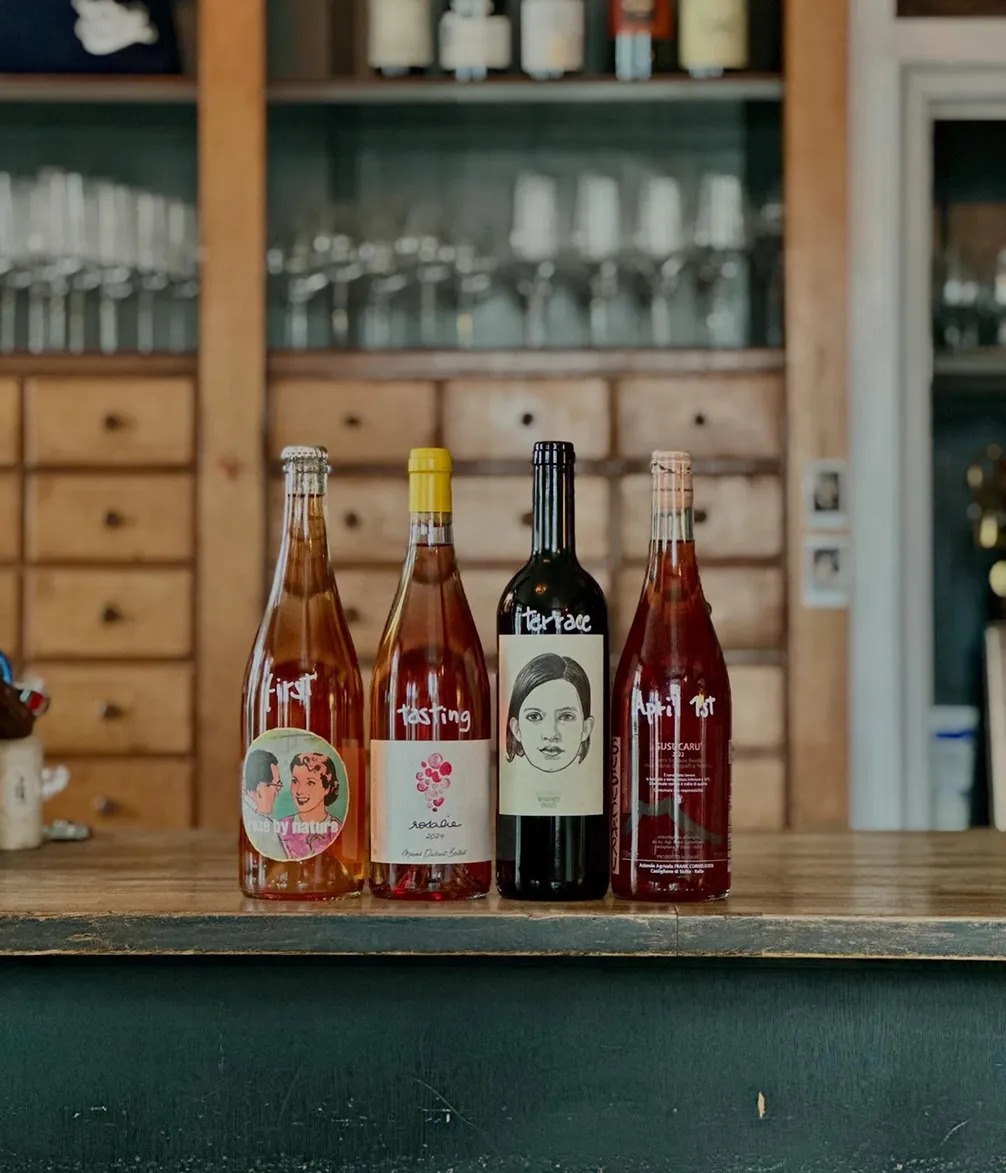
Ved Stranden 10. Photo: @vedstranden10_
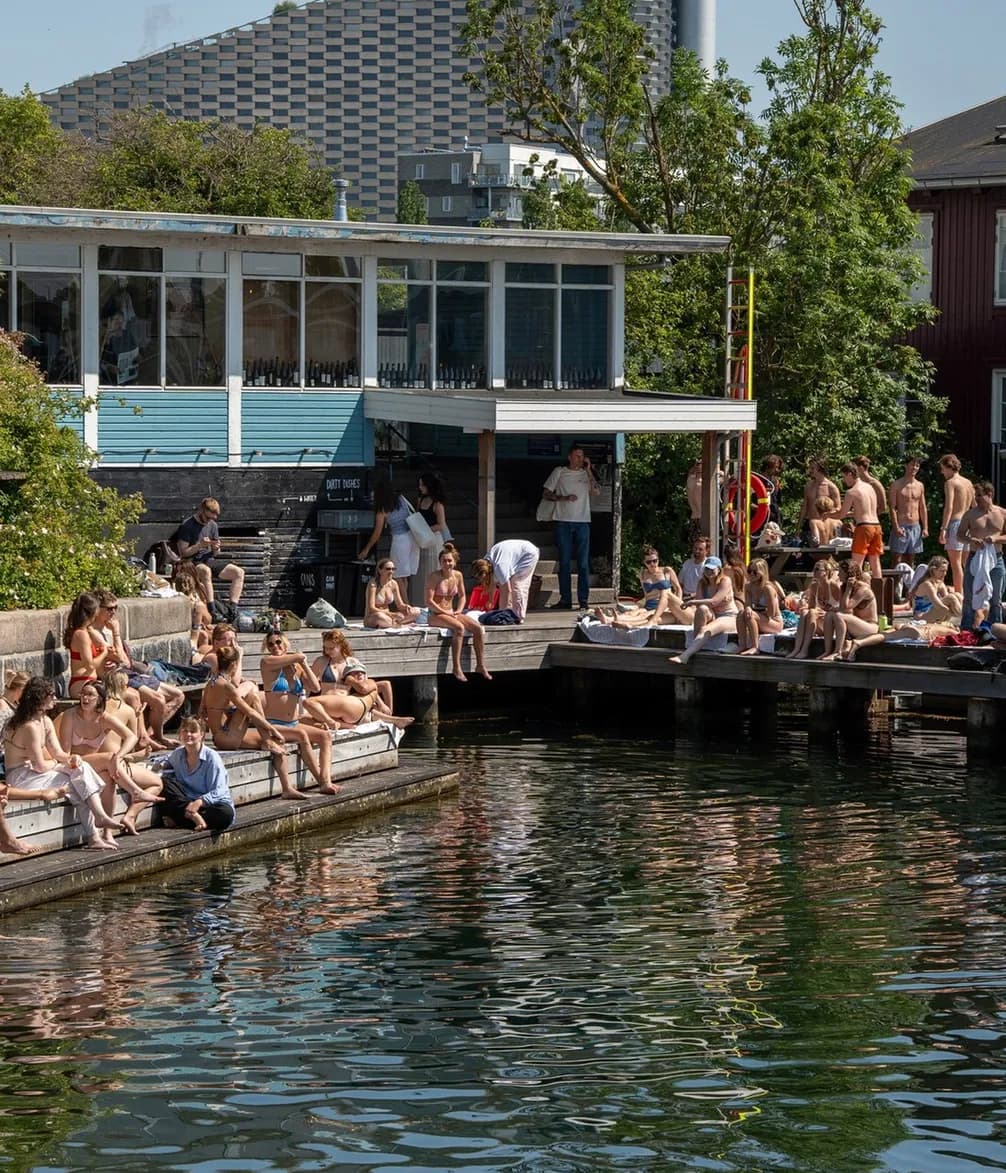
La Banchina. Photo: @labanchinacph
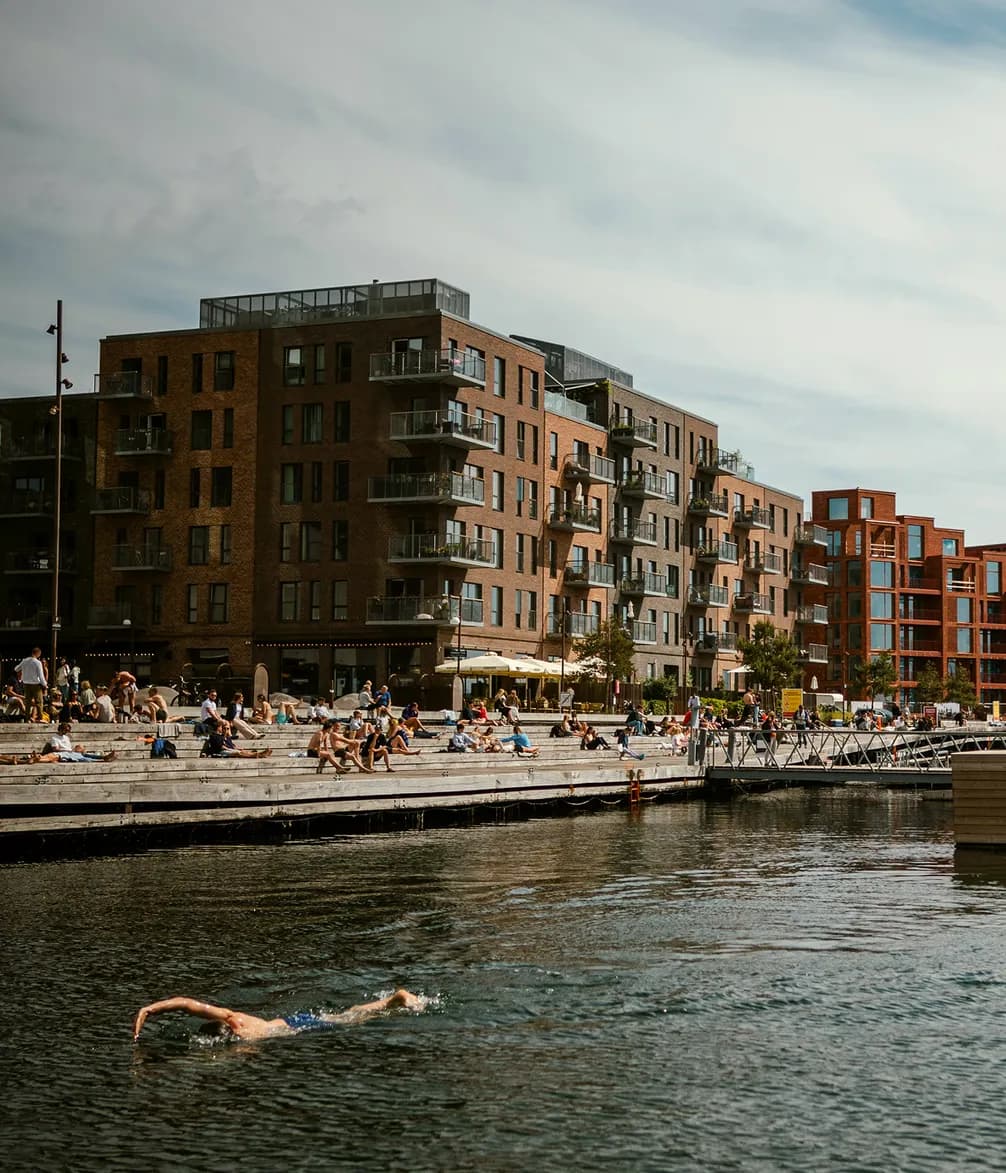
At sunset, head to the far side of the harbour for a dip at La Banchina, a waterfront café and swimming spot where you can watch the sun go down with a glass of natural wine.
Ved Stranden 10 is a wine bar serving small plates – the ideal pre-dinner stop. Its location in the city centre, directly on the canal, is hard to beat: take an outdoor seat by the water and watch Copenhagen go by over a glass of wine. Daphne, the newly opened restaurant from Frederik Bille Brahe, is as elegant as it is delicious. Bille Brahe has helped define Copenhagen’s relaxed, produce-led dining, and Daphne feels its natural continuation.
The food is simple in exactly the way we all crave: like dining with a gifted friend, it’s seasonal and built around the best produce available. Don’t miss the artichoke with aïllade or the whole roasted chicken with morel rice – the kind of evening that might have you booking a table again before you’ve left.
The Library Garden is a green retreat within the grounds of the parliament building, Christiansborg. Nearby is Thorvaldsens Museum, dedicated to Danish sculptor Bertel Thorvaldsen and worth visiting as much for the building as for its collection – richly coloured walls, patterned ceilings and ornate architecture throughout.
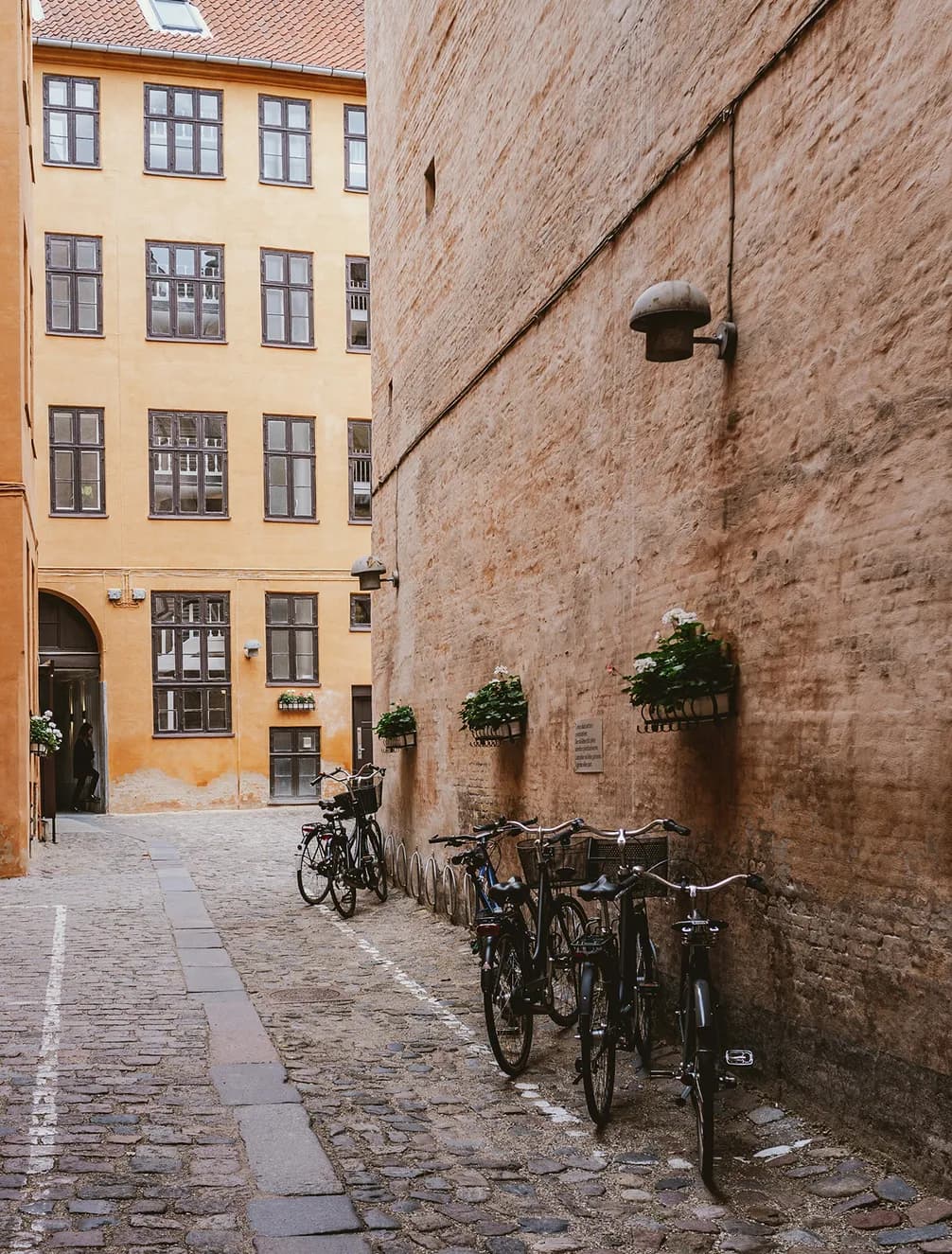
Photo: Mihai Moisa, Unsplash
Start your shopping at La Bagatelle, an independent boutique and atelier on Værnedamsvej – the little street between Frederiksberg and Vesterbro that is sometimes nicknamed Copenhagen’s “French street” – for expertly tailored pieces made from uniquely sourced fabrics.
On the same street, find Skall Studio and, just across the road, Aiayu, both known for Copenhagen-designed knitwear and tailoring. In the city centre, Lot #29 is a colourful multi-brand boutique with a small courtyard and a well-edited selection of European and American brands. Seek out Tage Andersen’s singular floral atelier, filled with flowers, sculptures and his distinctive iron pieces, from candlesticks to vases – stepping inside feels like entering a small world. Lubarol is another favourite multi-brand boutique, and a good place to find Danish names including Akua Objects, Bellini Bikini and Valiese.
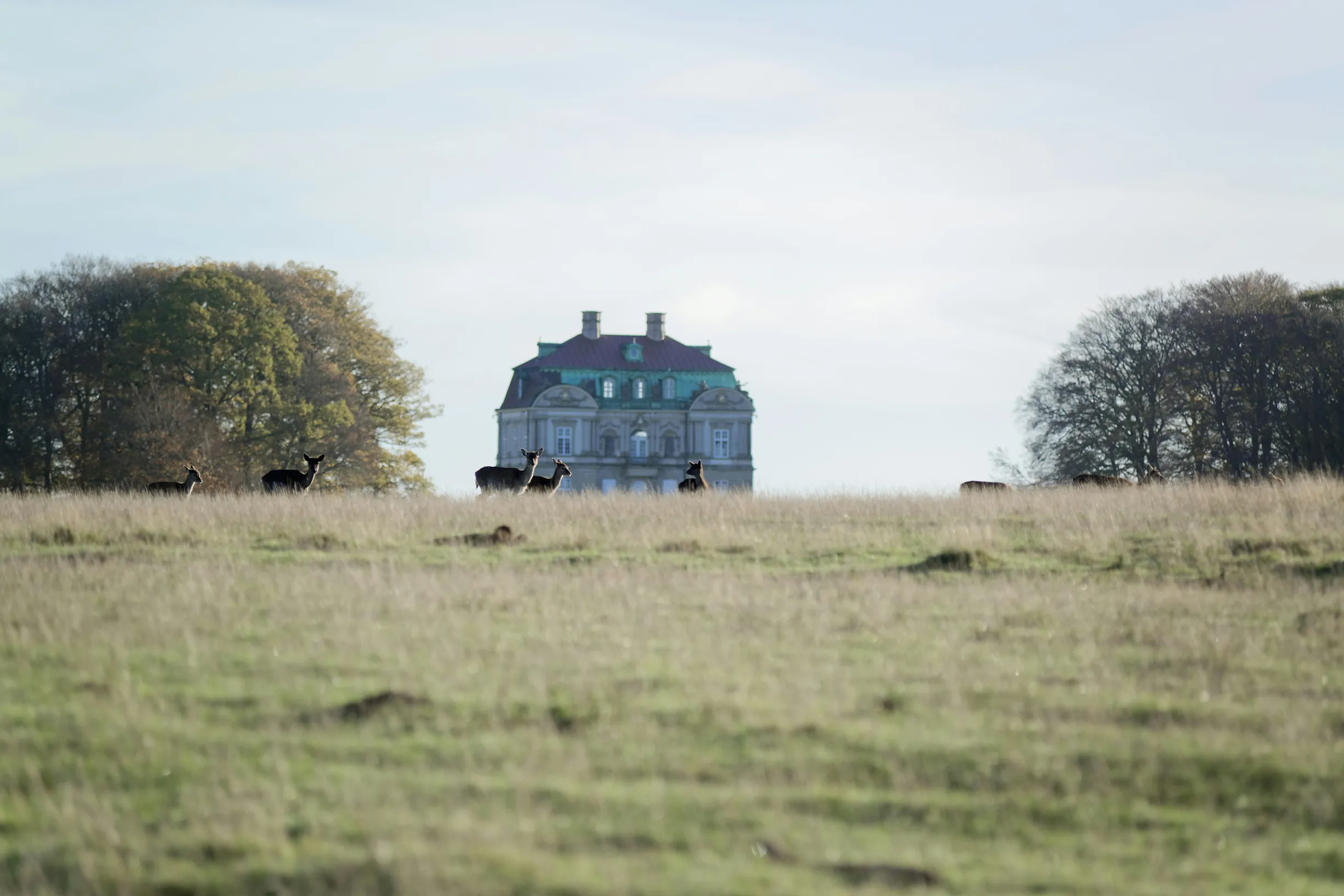
Dyrehaven, Copenhagen. Photo: Bhuvanesh G, Unsplash
Carve out time to explore Christianshavn, with its canals, cobbled streets and quirky old houses. It’s best explored without much of a plan: cross the little bridges, walk along the water and wander down the smaller streets. If the weather allows, hop on a boat. Copenhagen is a city built to be seen from the water, and from here its mix of historic architecture, church spires, houseboats and contemporary buildings comes into view.
Head to Nørreport Station and board the C train towards Klampenborg. Go in the late afternoon, leaving time for a long walk through Dyrehaven's woodland, before ending at Peter Lieps Hus – a centuries-old thatched house tucked among the trees – for dinner by the firelight and a modern take on traditional Danish cooking.
Discover memories faster with exclusive features like facial recognition and smart albums.



&w=96&q=75)
Aug 27, 2026∙7 min
&w=96&q=75)
May 19, 2026∙10 min
&w=96&q=75)
Jul 28, 2026∙7 min


 United States