

Guider
Make a Memory With Me: inside Karnataka’s bustling fish market
Colour, chaos and the women who set the tempo – photographing Malpe Fish Market at dawn in coastal India

3 juli 2026∙5 min
Guider
Colour, chaos and the women who set the tempo – photographing Malpe Fish Market at dawn in coastal India
3 juli 2026∙5 min
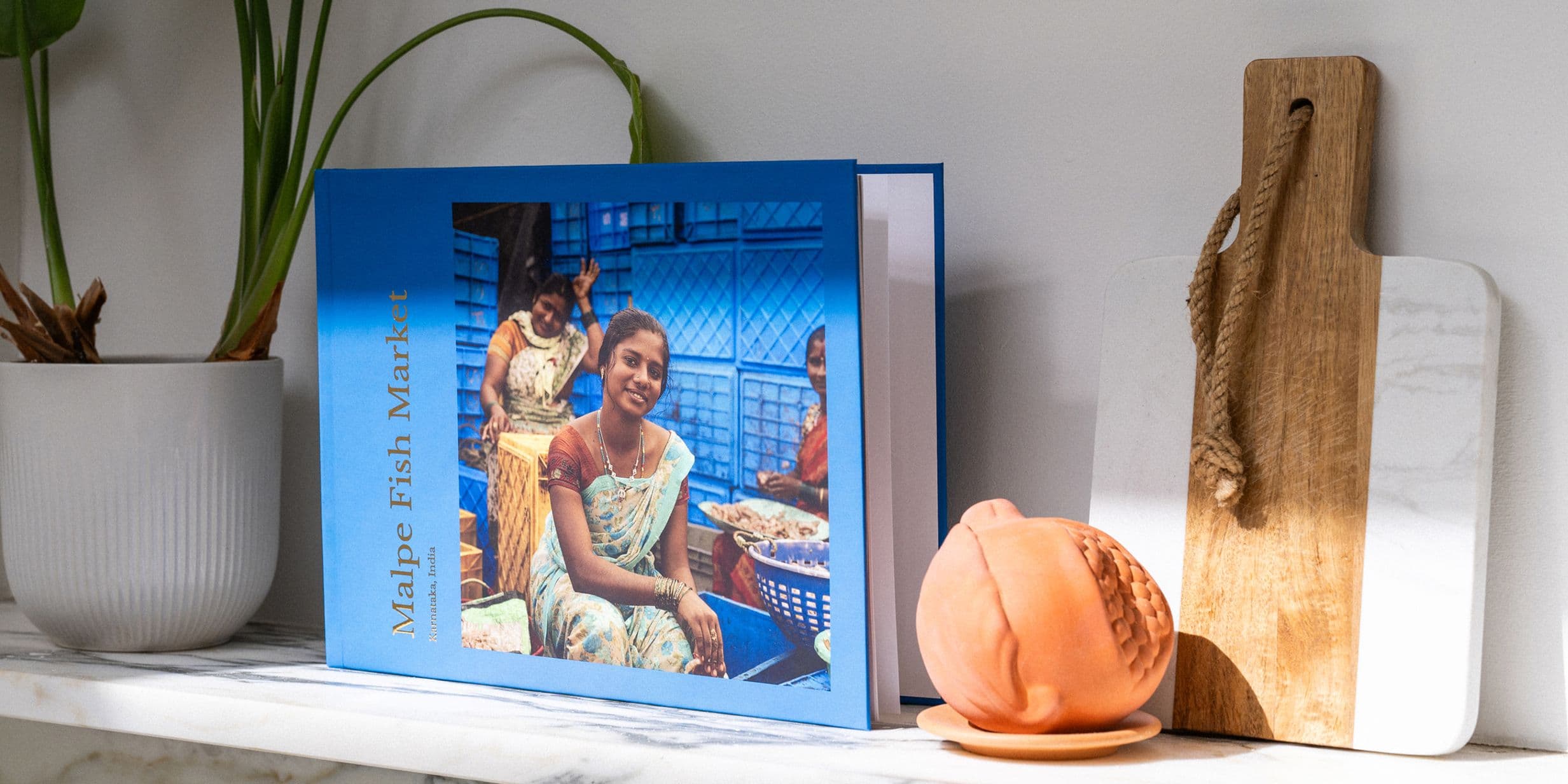
First come, first served is the name of the game at Malpe Fish Market. From hulking vessels crewed by more than 20 men to rickety dinghies, fishing boats compete for every inch of the harbour frontage. Vendors jostle for prime position as the fishermen unload their nightly catch. Scores of local residents stream through makeshift passageways while boxes of the day’s haul are stacked to precarious heights. Malpe, a historic fishing town set along the calm coastal waters of Karnataka, India, offers a vivid and authentic glimpse into one of the region’s largest industries. The disorienting cries of sellers calling out their prices, the bewildering variety of fish laid out before you, and the organised chaos governing the constant arrival and departure of boats made for an hour of frenetic shooting.

Mix and match photo sizes
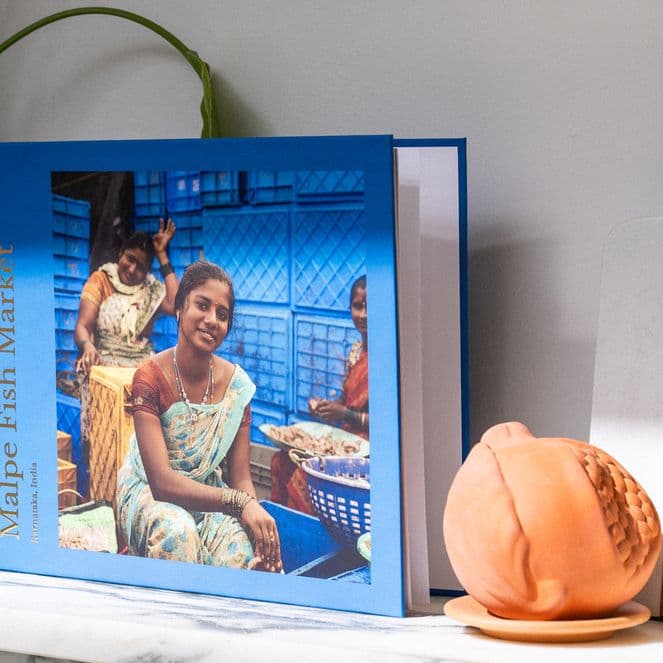
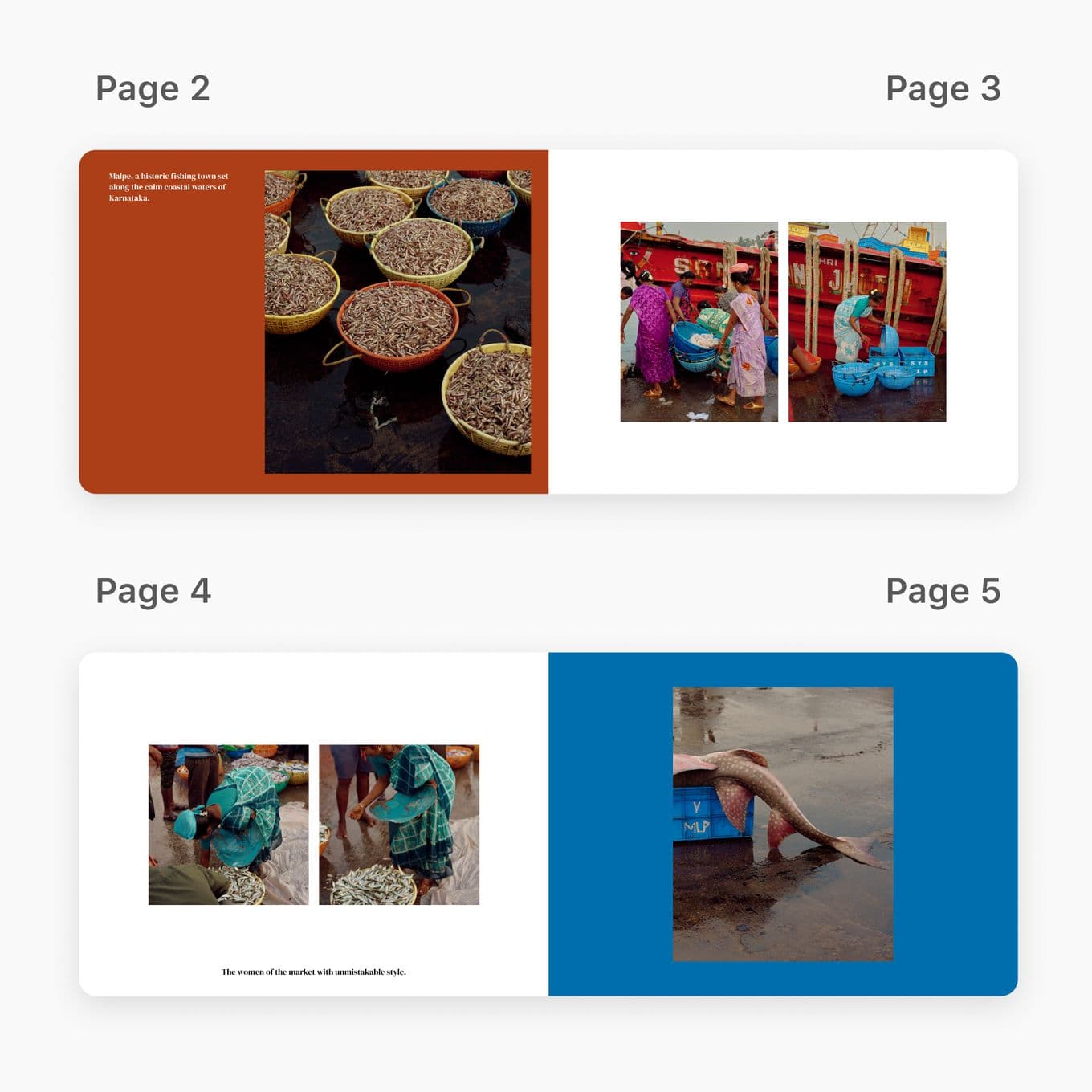
As I wound my way through myriad narrow passageways, trying to either stay out of the way or move with the crowd, it was impossible to ignore the vivid colours saturating every corner of the market. Boxes and nets used to store fish and bycatch were organised by colour, covering almost every square metre of the jetties. Vibrant saris, rich in pattern and detail, were worn by the women processing and selling fish by the kilo. My attention was quickly drawn to these incredible women who set the tempo of the market with unmistakable style. They kept everything in motion, and my camera became fixed on capturing the poise and hustle as they traded with the steady flow of market-goers throughout the morning rush – all while deboning, transporting, bagging and filleting the fish in their immaculate saris.
Kindness and playfulness exuded from fishermen, vendors and customers who suggested a variety of poses and settings for photographs. Being briefly enlisted to help bundle the vast netting sprawled across the jetty felt like a small price to pay after such an extraordinary hour exploring the harbour and capturing the people who make it so distinctive. Environments as turbulent as this can be daunting when you arrive with a camera, intent on capturing their essence. A willingness to step confidently into the heart of the action – coupled with a polite and engaging manner towards the hardworking merchants and fishermen, and the agility to both secure your shot and stay out of the way – will place you in an excellent position to capture something worthwhile.
Laying out the photos
Like many markets around the world, Malpe Fish Market begins its day early, with most vessels arriving and unloading before sunrise. Making the effort to arrive at first light allows you to witness the market at its most dynamic, as deals are hastily struck the moment the first fish hits the harbour’s main pier. Early starts also help you avoid the oppressive heat that settles over the town by mid-morning, slowing both buyers and sellers and casting a harsher, less forgiving light. Set your alarm and arrive before the action peaks. My photography kit consisted of a lightweight mirrorless body with a fixed 50mm lens. In such fast-paced and unpredictable conditions, a light and uncomplicated setup is far easier to manage.
Choose a cover and order the pages
Overcome by exhaustion after an hour of intense sensory overload and frenetic shooting, I set off in search of breakfast at one of the many harbourside restaurants. High-energy locations, such as this market that are so rich in culture and brimming with creative opportunity, leave a lasting sense of both appreciation and awe. The warmth and diligence of the people of Malpe made the experience unforgettable, and I remain deeply grateful for their openness in allowing me to document a glimpse of their daily lives.

From design to finished product
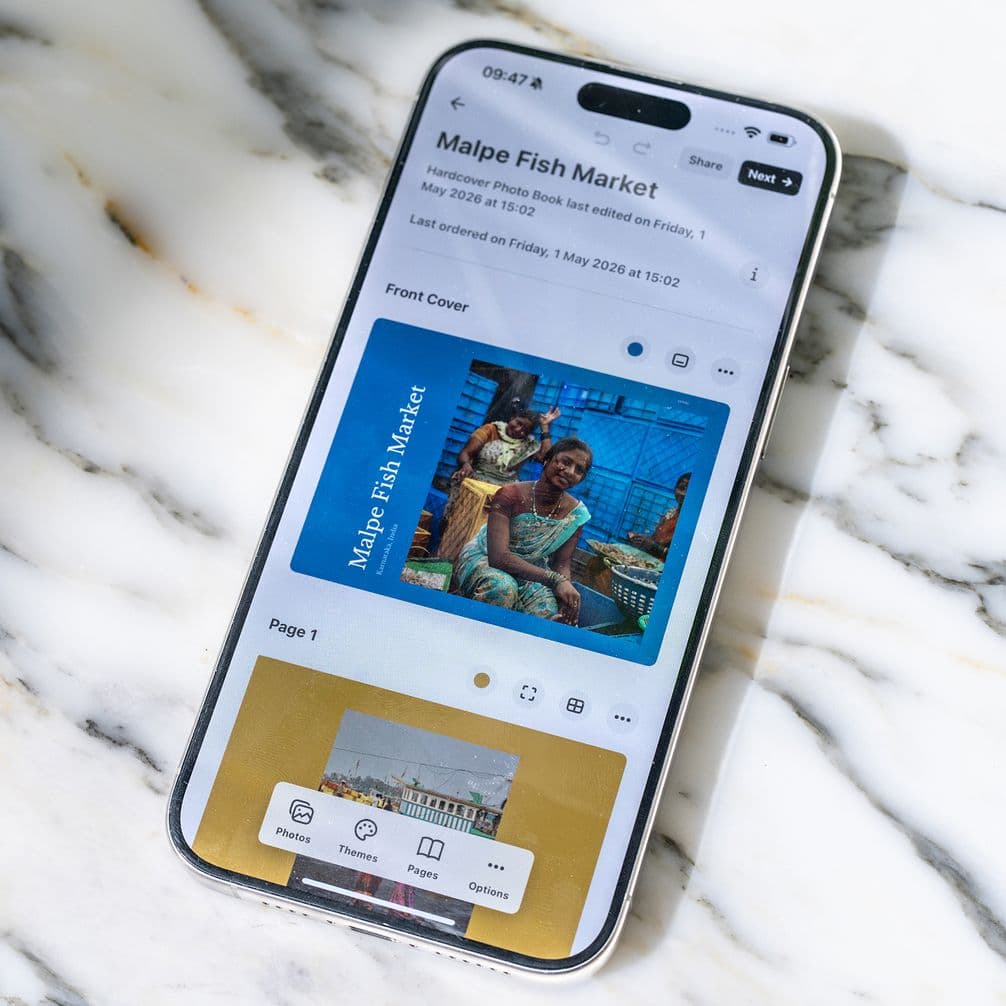
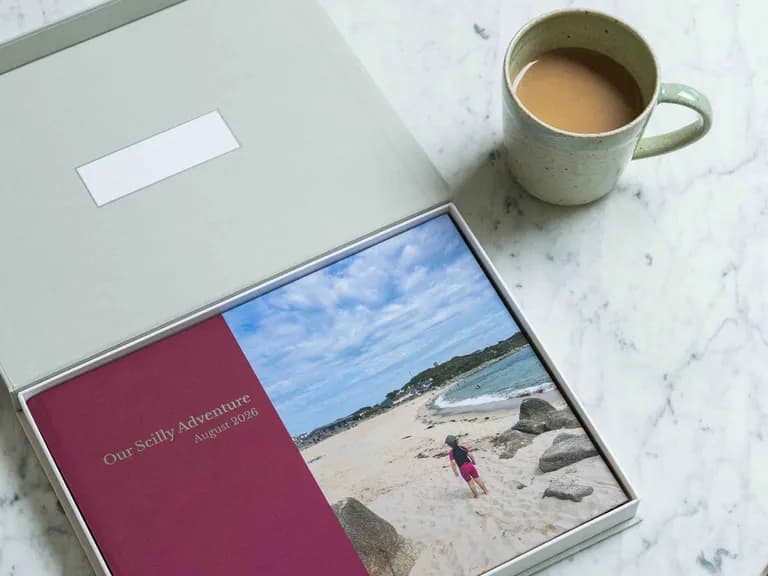
It wasn’t until later, putting the images together as a Popsa Photo Book, that the experience fully settled. What had felt fast and chaotic became something far more considered on the page. The colours, the repetition of the movement, the small interactions between vendors and customers that are easy to miss in the moment now stand out. Sequencing the images, refining the layout and pairing moments together turned fleeting encounters into something tangible and enduring.
If you find yourself along the coast of Karnataka, do not miss the chance to set your alarm, pick up your camera and experience this remarkable daily spectacle yourself.
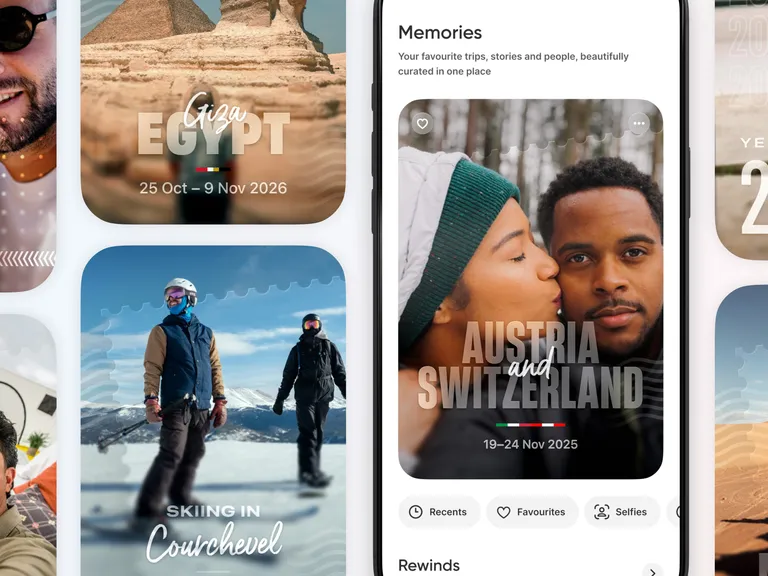
Upptäck minnen snabbare med exklusiva funktioner som ansiktsigenkänning och smarta album.



&w=96&q=75)
Nathan Cook
Författaren Popsa
10 sep. 2026∙6 min

&w=96&q=75)
19 aug. 2026∙5 min
&w=96&q=75)


 USA
USA