

Stories
A photographer’s search for the truth behind Mallorca’s anti-tourism headlines
Documenting Mallorca as both observer and outsider – and what looking closely reveals about the debate

10 cze 2026∙6 min
Stories
Documenting Mallorca as both observer and outsider – and what looking closely reveals about the debate
10 cze 2026∙6 min
I love travelling. Having moved around across countries, states and regions throughout my life, I remain fascinated by the seemingly infinite ways of life that exist across the world. Ideally, this is why we all travel: driven by a curiosity to learn, to explore with good intentions, and to genuinely engage with locals. However, as news headlines continue to remind us, mass tourism is increasingly harming the local communities, economies and environments we are so desperate to “tick off” from our ever-growing travel hit lists.
In my ongoing project, ¿Mí Mallorca?, I explore the often invisible juxtaposition between tourists and locals on the Balearic Island where, as in many other parts of the world, different cultures exist on the boundary of harmonious coexistence and growing tension. In early 2025, tens of thousands marched through Palma de Mallorca, calling for limits on tourism to the island, which saw a record-breaking 15 million visitors in 2024. This anti-tourist sentiment echoes similar movements in Barcelona and across mainland Spain, where locals are protesting the impact of over-tourism on their cost of living, cultural identity and landscape. Meanwhile, rising demand for Airbnbs is driving up property prices, and the tourist tax is rendering certain restaurants and bars increasingly unaffordable for locals.
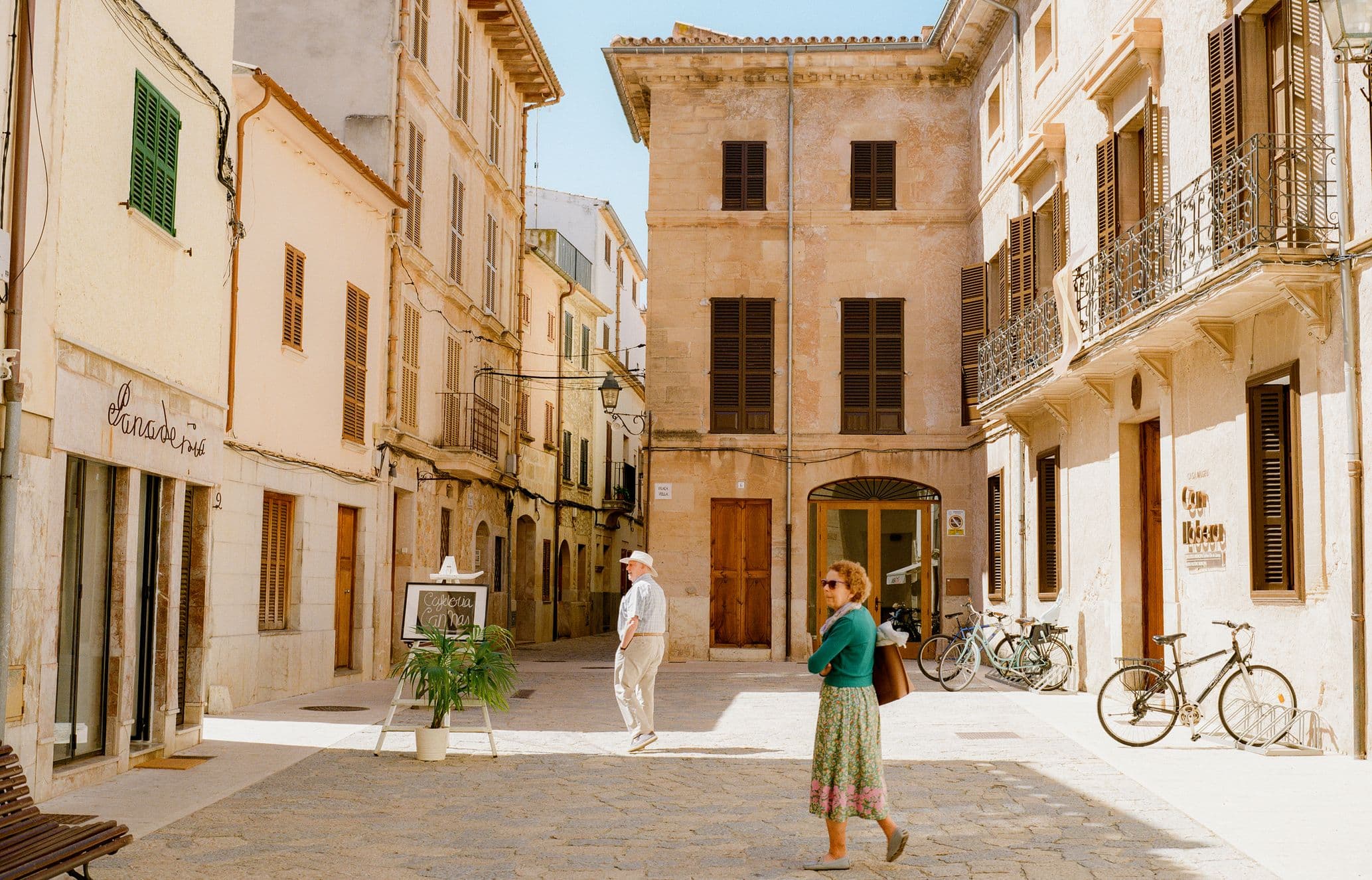
Pollenca, Mallorca. Photo: Chanel Irvine
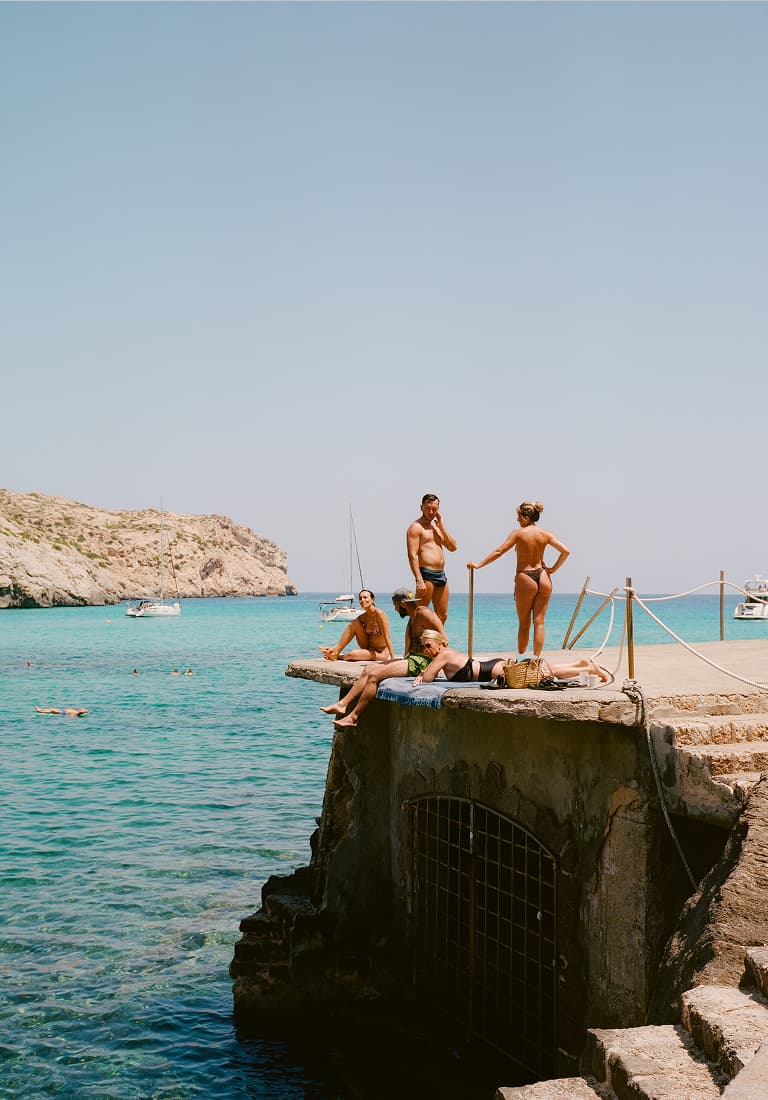
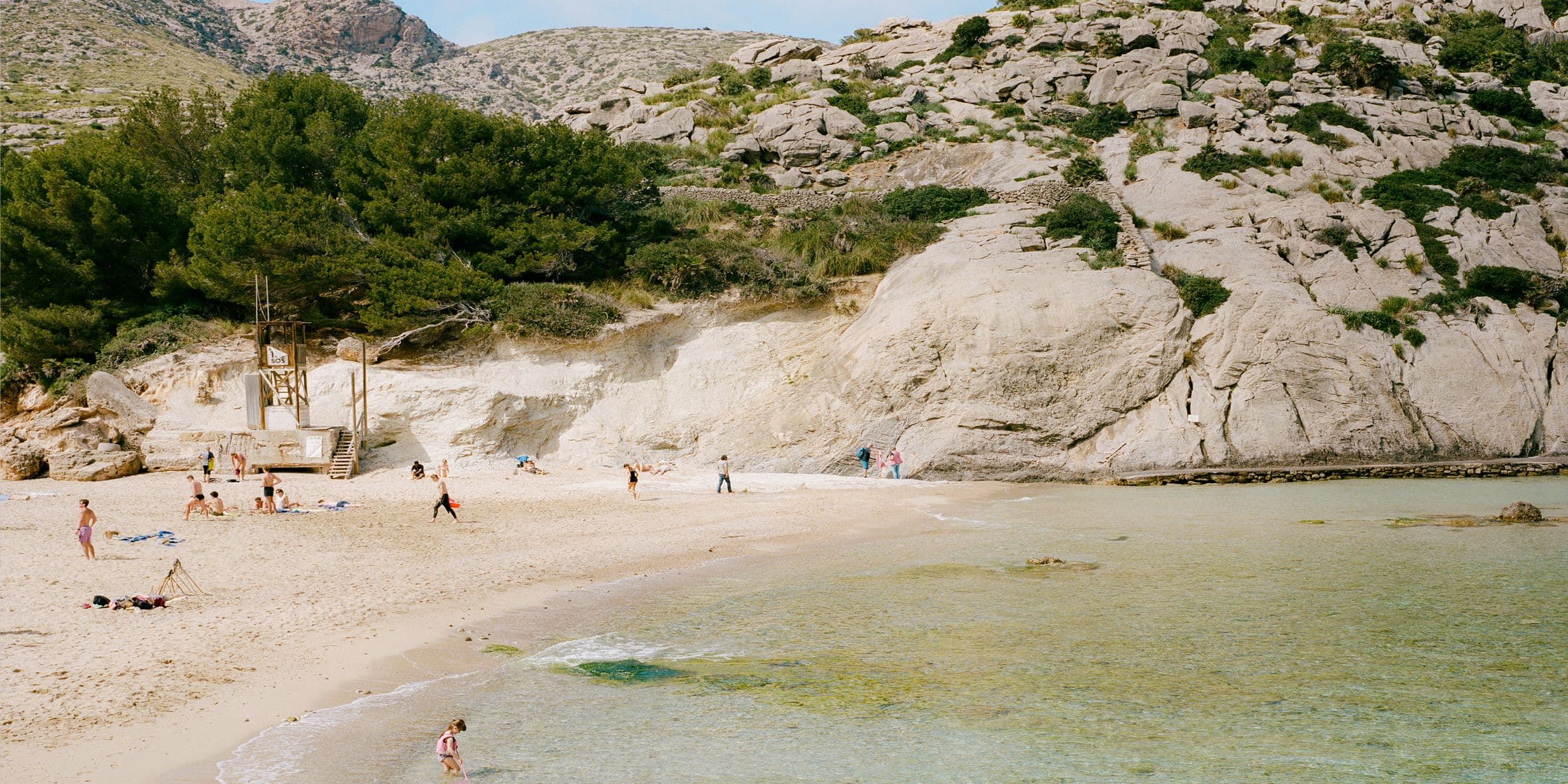
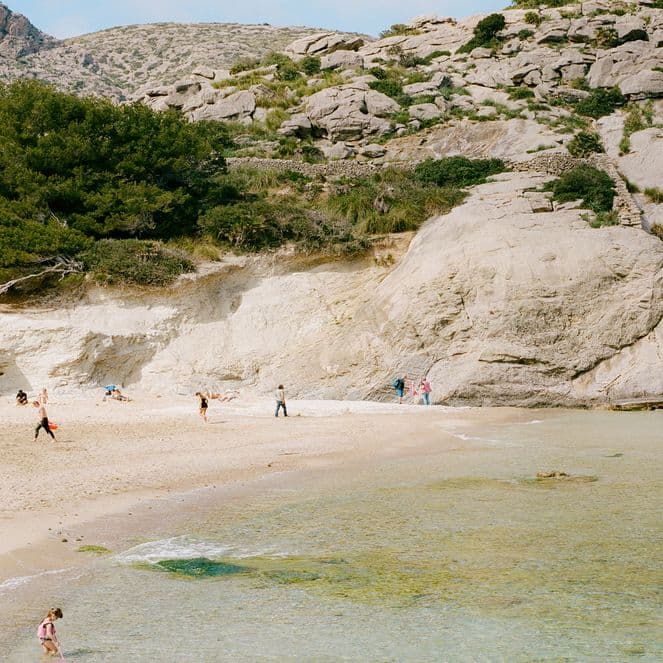
Playa de Cala Clara, Mallorca. Photos: Chanel Irvine
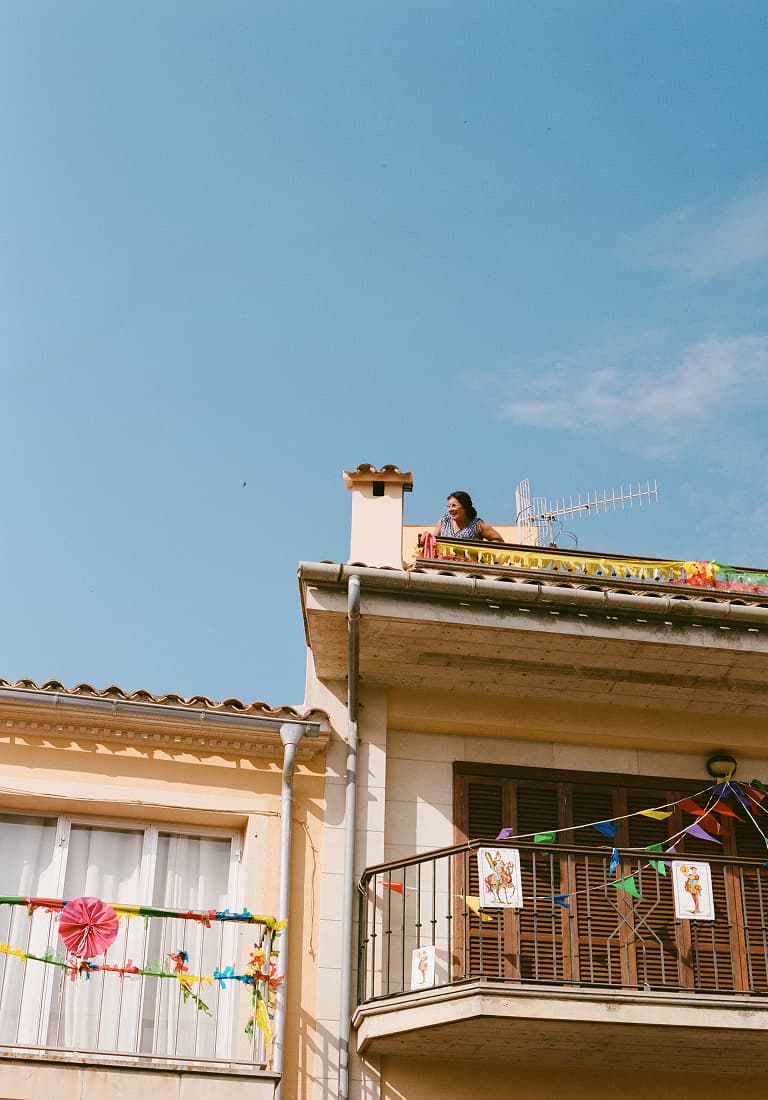
Campanet, Mallorca
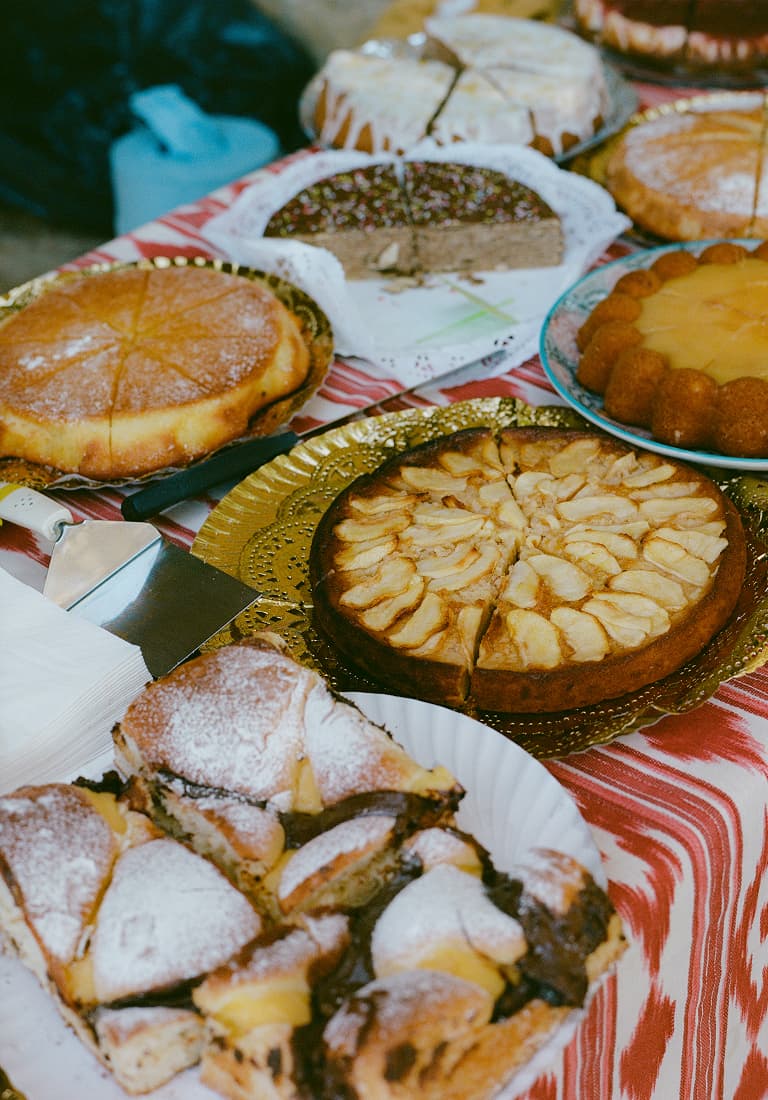
Local delicacies at Sant Miquel’s Easter celebration
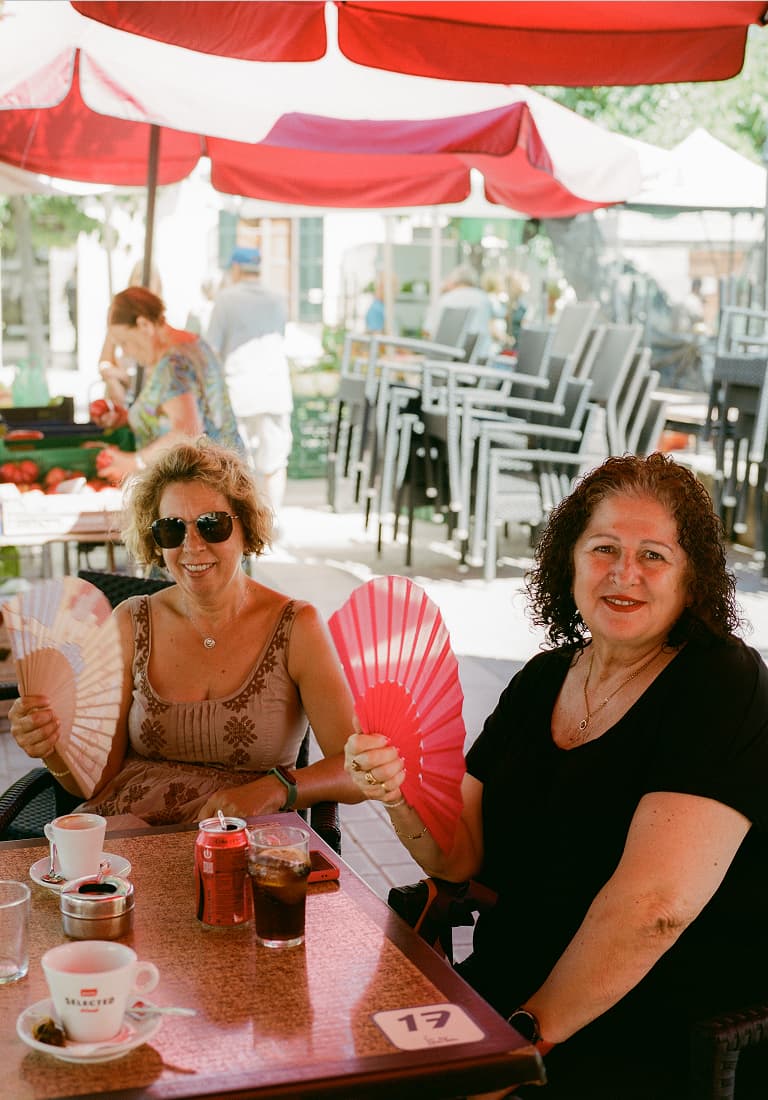
Locals in Campanet, Mallorca
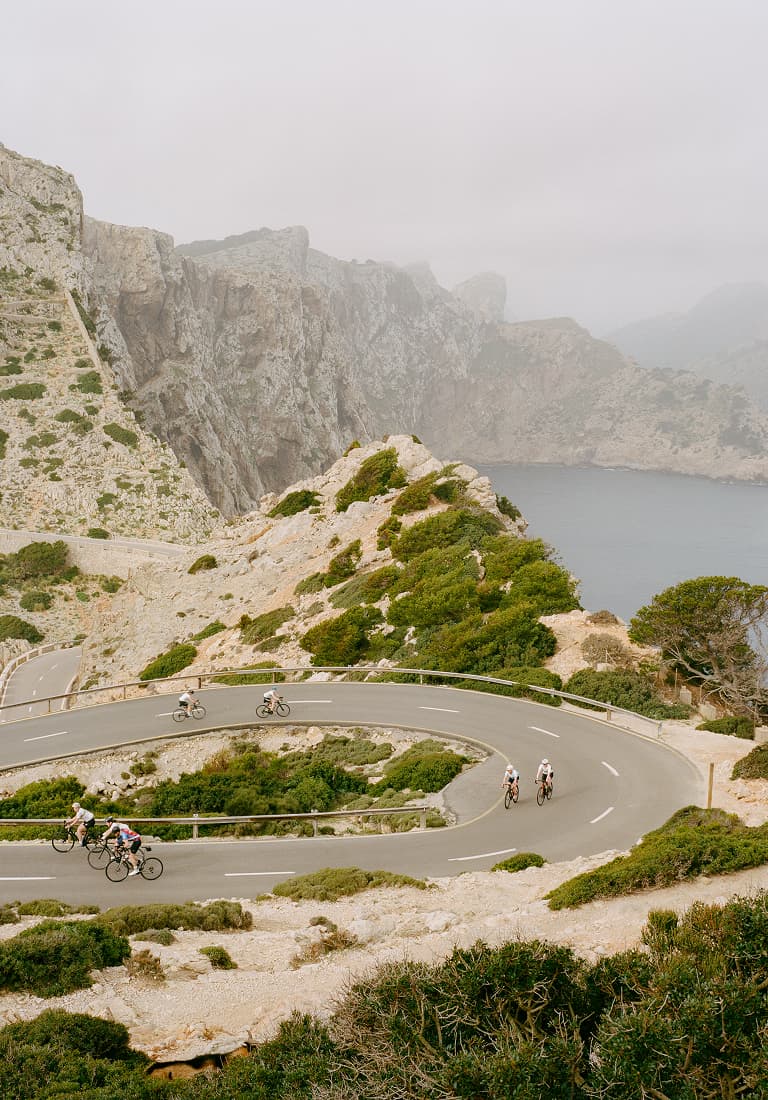
Cap de Formentor, Mallorca
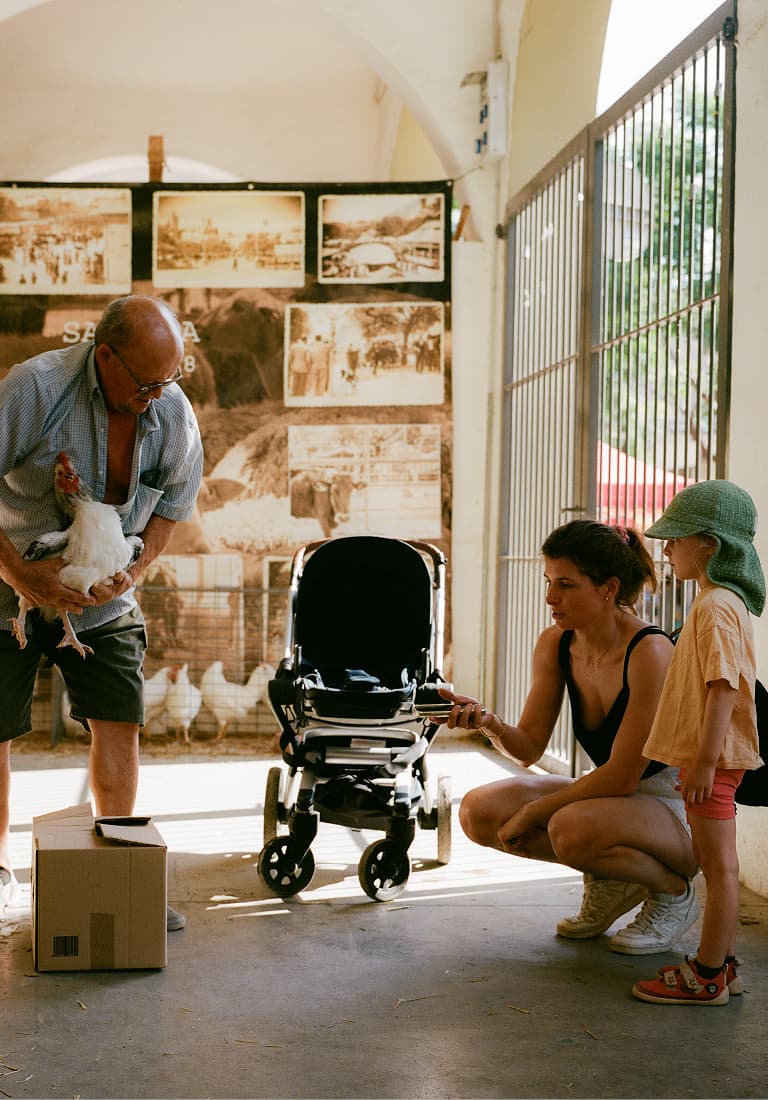
Sineu Market, Mallorca
Whilst this sentiment is shared by many locals in Mallorca – for good reason – others warn of the dangers of reducing tourism on an island so economically dependent upon it. José, a charming taxi driver eager to practise his English with me, shares his thoughts as he drives me from Palma Airport to the small inland town of Campanet. Without tourism, he points out, the main source of income for much of Mallorca’s population would be threatened. In an ideal world, we agree, visitor numbers would decrease, the island would diversify its socio-economic model, and foreigners visiting or settling would make a greater effort to embrace the local language and culture.

Festes de Sant Miquel, Campanet, Mallorca. Photo: Chanel Irvine
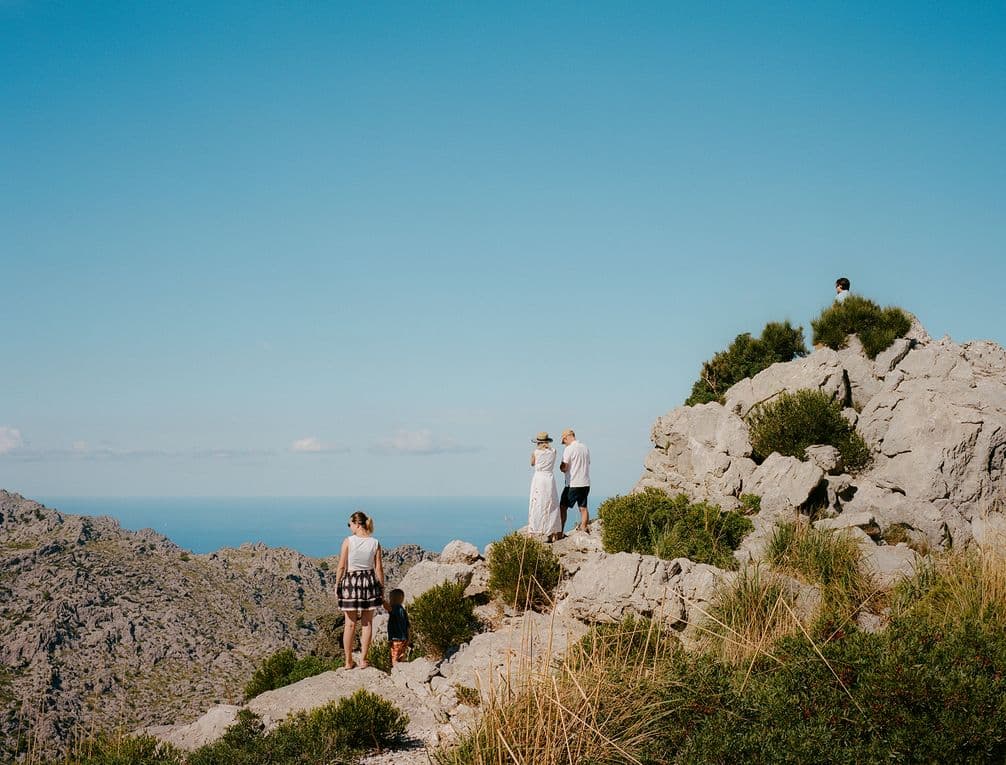
Sa Calobra viewpoint, Mallorca. Photo: Chanel Irvine
I have been travelling to Mallorca, with varying frequency, since 2016. In 2025, I visited the island three times: twice for leisure and once for work. It was during my first trip last year, in April – as conversations around protesting “touristification” were intensifying – that I decided to embark upon this project. I quickly recognised my position as both a genuinely interested observer – by nature of being a social documentary photographer – and a visiting foreigner who is also, however modestly, contributing to the issue at hand. Aware of this irony, I set myself the challenge of documenting this place as it is pulled in two directions, while continually reflecting on what it means to participate as both observer and outsider, and questioning my own intentions as a tourist – not only in Mallorca, but beyond it.
I am attempting to explore the island as both a tourist would, albeit with a mindful and self-aware approach, and as a documenterian
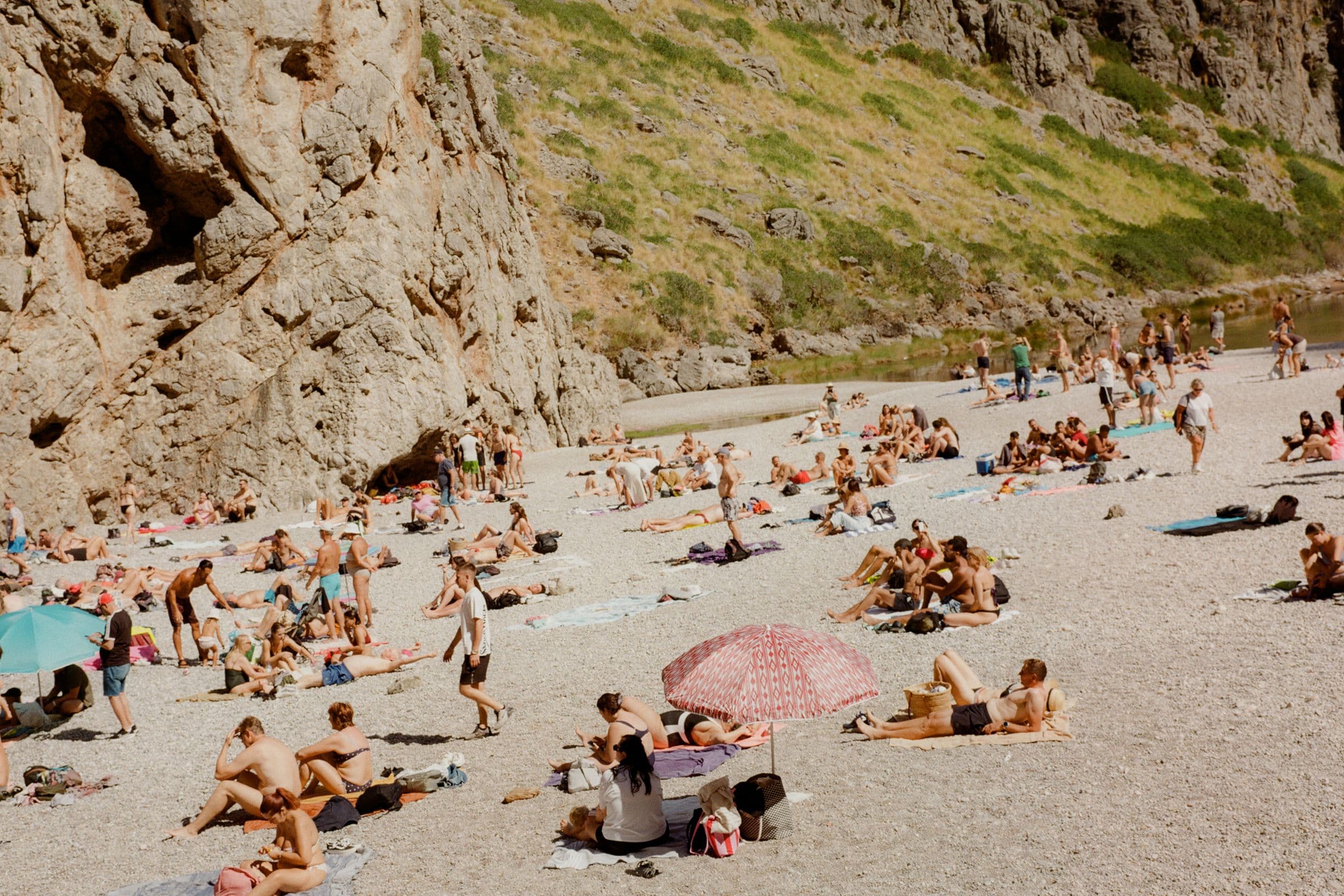
Sa Calobra Beach, Mallorca. Photo: Chanel Irvine
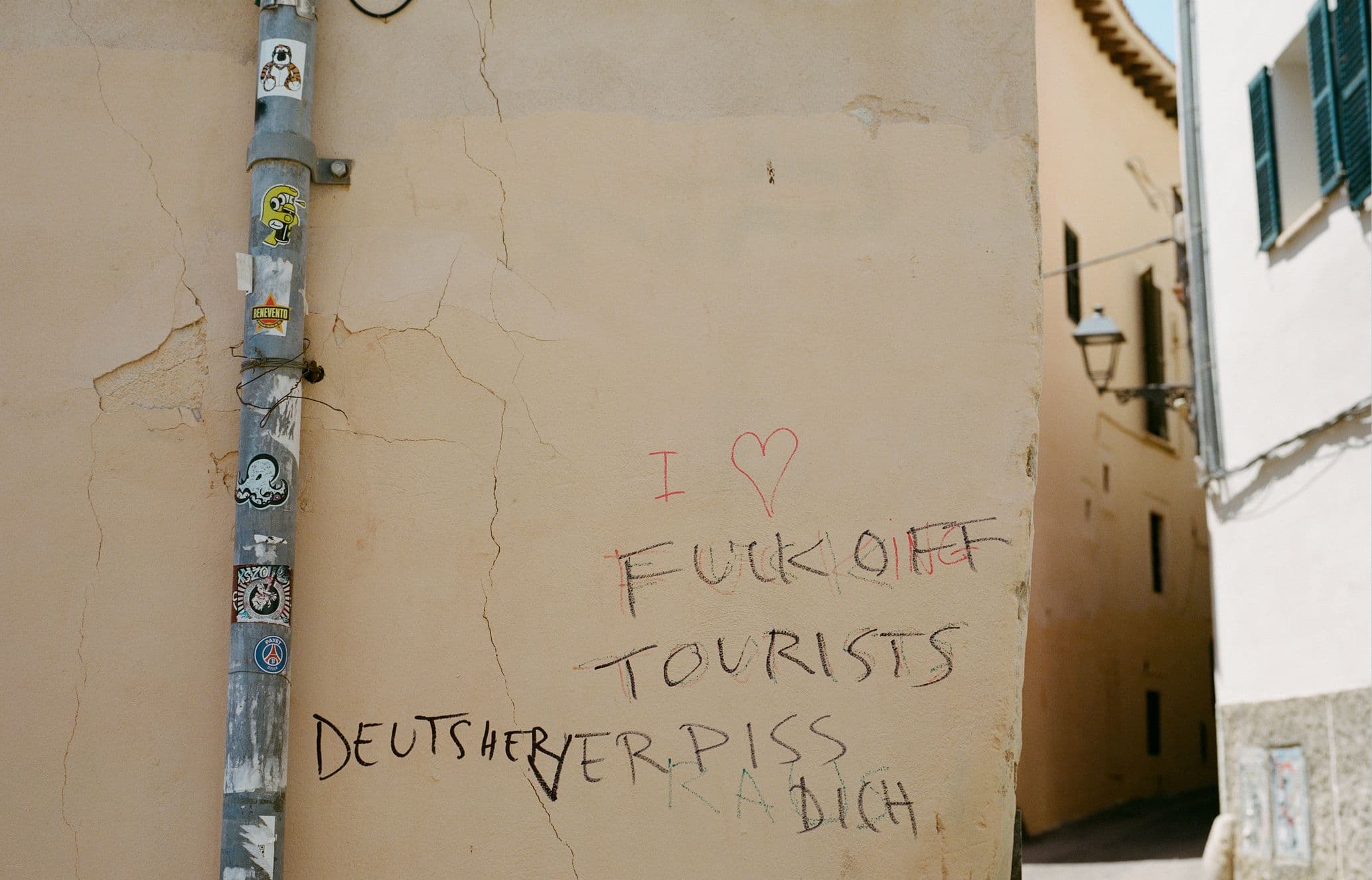
Graffiti in Palma, Mallorca. Photo: Chanel Irvine
Planning this project inevitably raised a series of complex questions. Why do we travel? Where does tourism belong? Do tourists have a right to claim a foreign place as their second home? What does it truly mean to culturally assimilate? Can we ever fully do so? And, crucially, is the anti-tourism sentiment really as prevalent on the island as it is reported?
To engage with these questions – though I am under no illusion that I can offer definitive answers – I am attempting to explore the island as both a tourist would, albeit with a mindful and self-aware approach, and as a documenterian seeking to understand and preserve the traditions and customs local communities are striving to protect. Yes, I have visited countless pristine beaches, one of the island’s greatest draws according to the media. In doing so, I have questioned the motivation behind travelling to sunnier, warmer climates. Is it wrong to want to swim in a turquoise sea when your everyday reality is a far greyer and colder stretch of English coastline? Having grown up in the warm climates of South Africa and Australia, my craving for the sea, sand and the sun feels instinctive rather than exploitative. And yet, the desire has consequences: we become part of the crowds the locals resent. A dilemma worth sitting with.
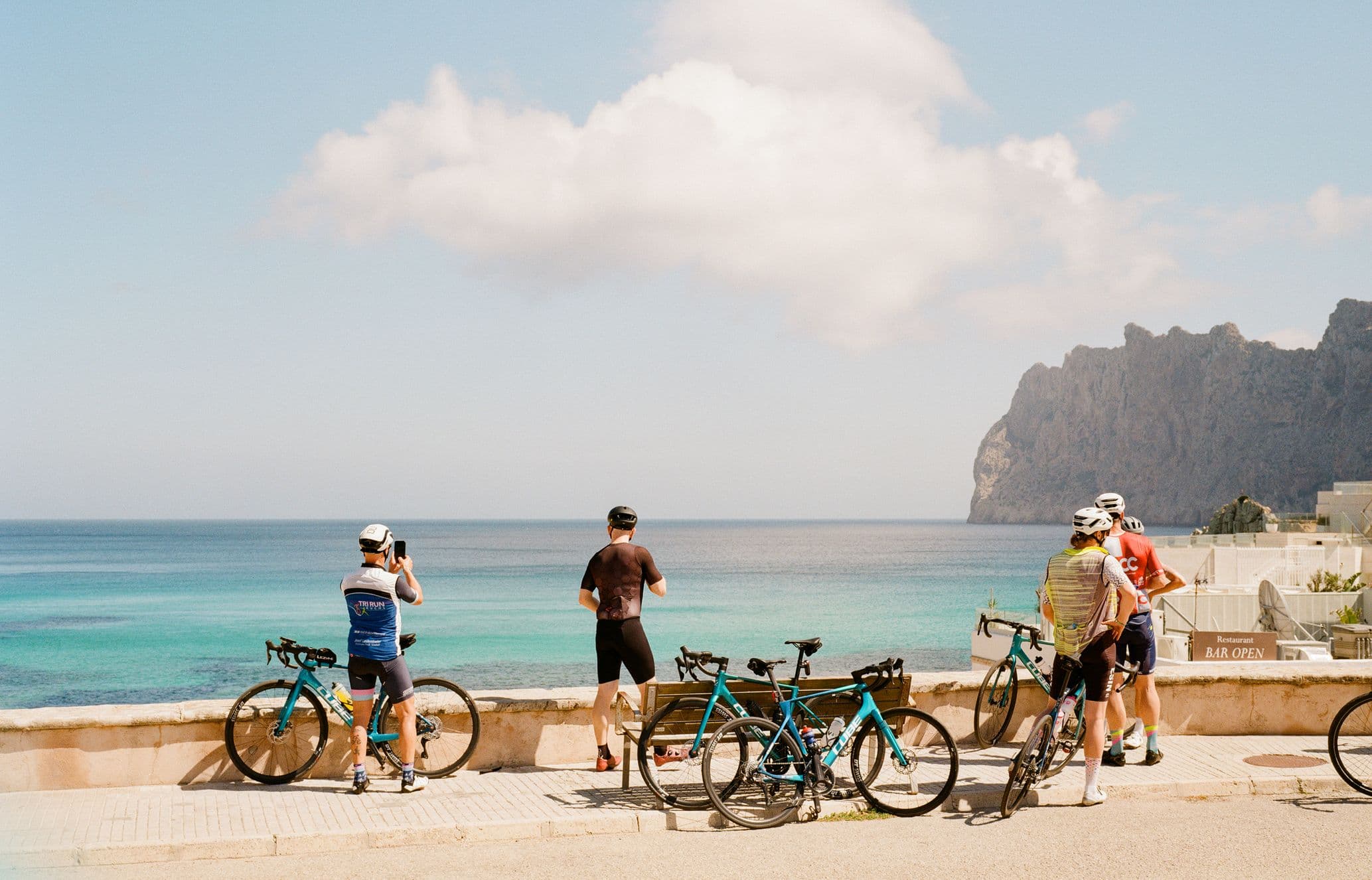
Cala Barques, Mallorca. Photo: Chanel Irvine
During my time on the island, there have been moments when I have struggled to distinguish tourists from residents in a single frame. Sometimes visitors are easy to spot, cameras in hand, photographing vistas lifted from best-of lists while overlooking the quieter, more authentic details elsewhere. In spring and summer, cyclists swarm the roads, filling town squares with rows of bikes reminiscent of overcrowded ski racks. Long queues at bus stops hint at the sheer number of people descending upon towns for market day. Yet certainty remains elusive. Are these only tourists? Or are locals also stretched across beach towels between them, cycling to Cap de Formentor on a moody April morning? Perhaps coexistence is not so problematic for everyone. Aside from the occasional graffiti that makes the anti-tourist sentiment undeniably palpable, I am still trying to work out how to photograph this feeling – or determine just how widespread it truly is.
The highlight of this project so far has been immersing myself in local traditions and festivals. On each visit, I stay in the small town of Campanet, tucked at the foothills of the Serra de Tramuntana and home to roughly 2,600 residents. Having largely escaped mass tourism, the town retains a distinctly traditional Mallorcan character. I have been struck by its strong sense of community, reflected in a calendar of events that bring residents together and reveals why Mallorcans treasure their culture so dearly: it is remarkably rich.
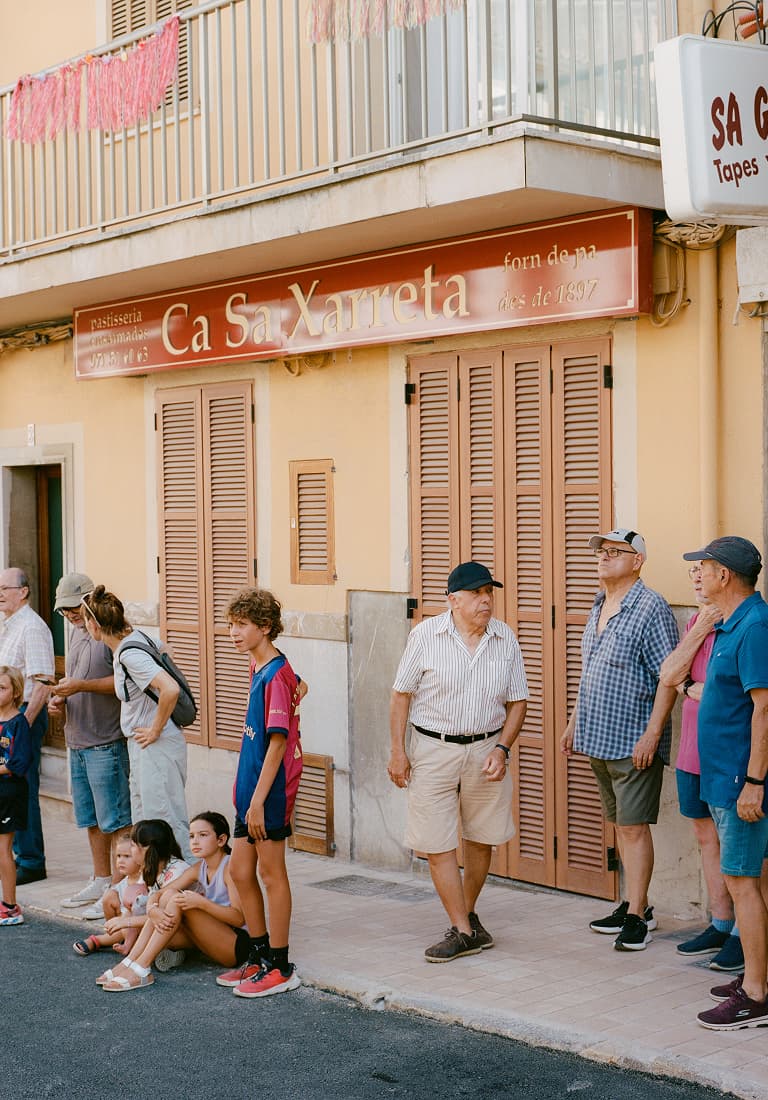
Campanet, Mallorca. Photos: Chanel Irvine
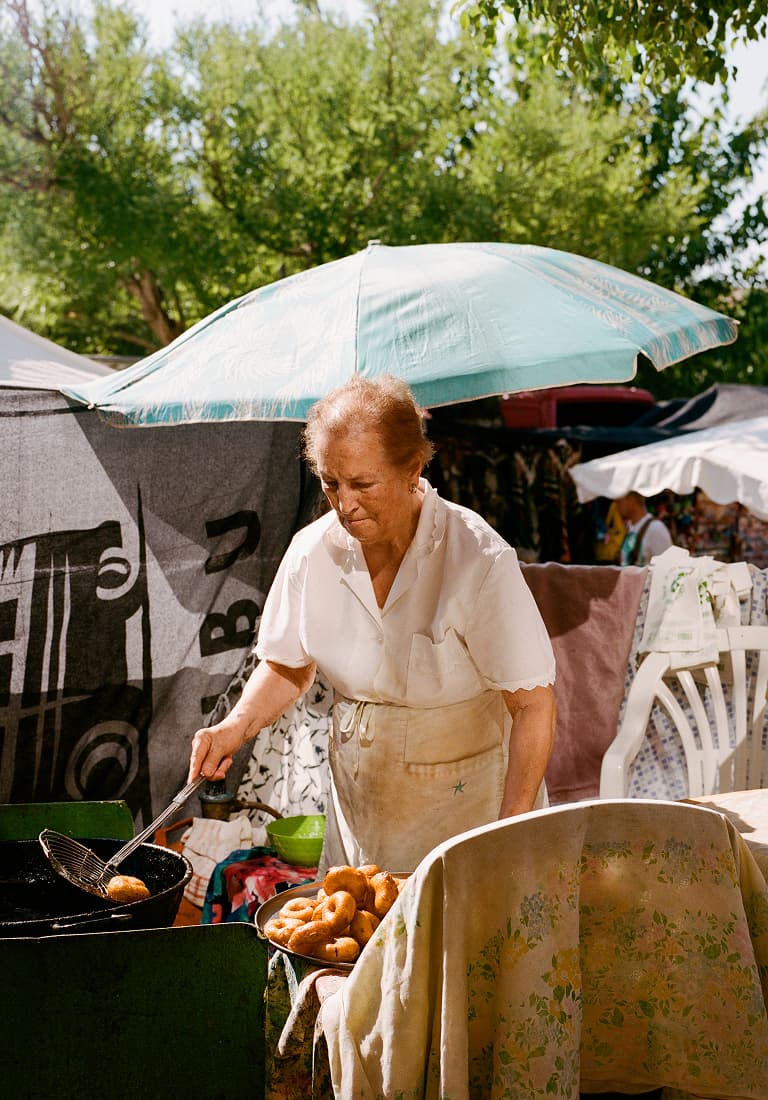
Buńuelos at Sineu Market, Mallorca.
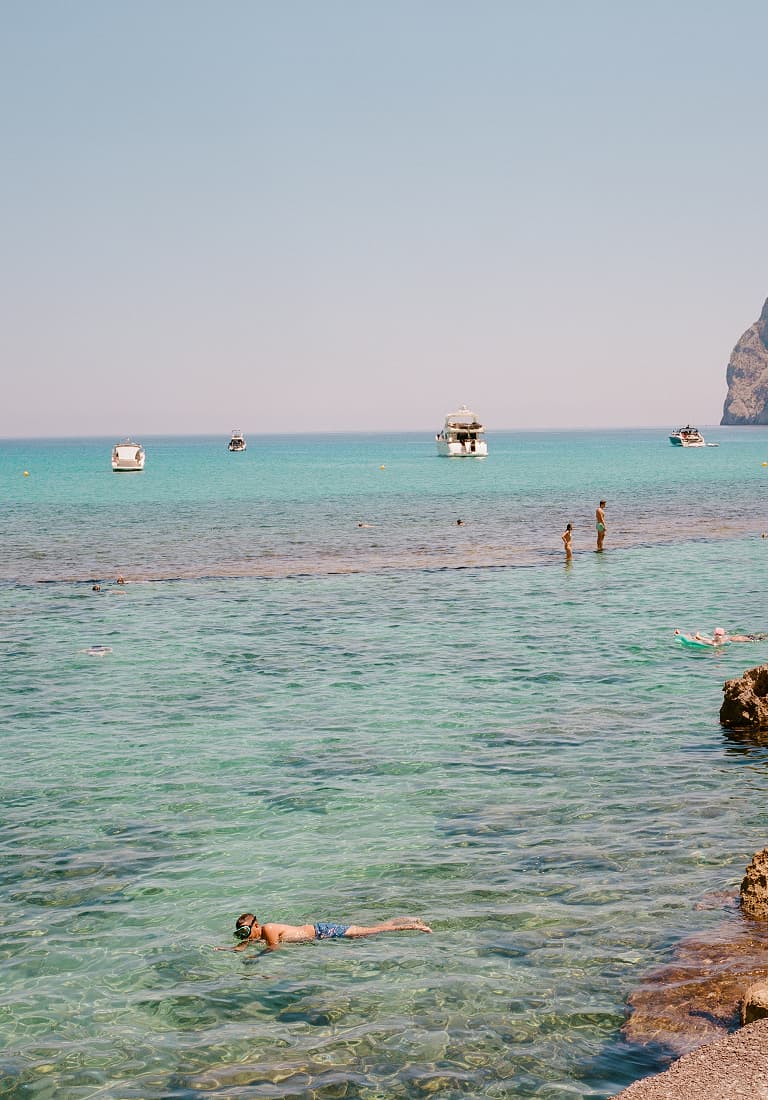
Cala Barques, Mallorca
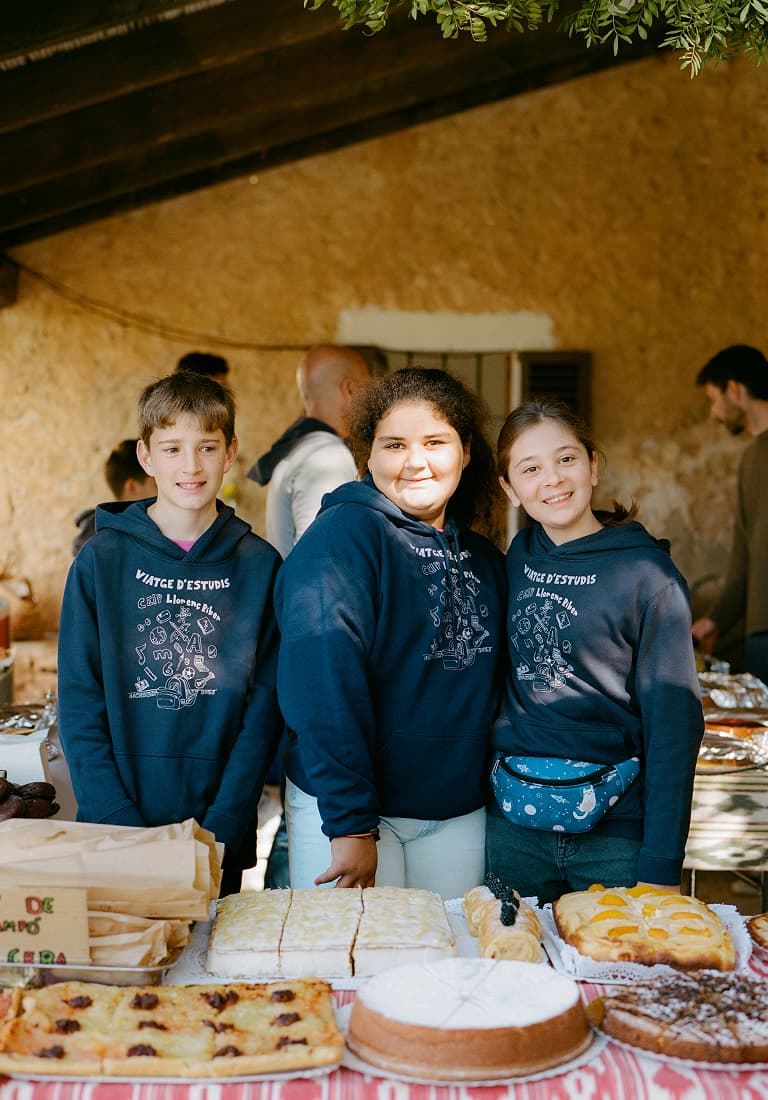
Children volunteering at the Pancaritat outside Campanet
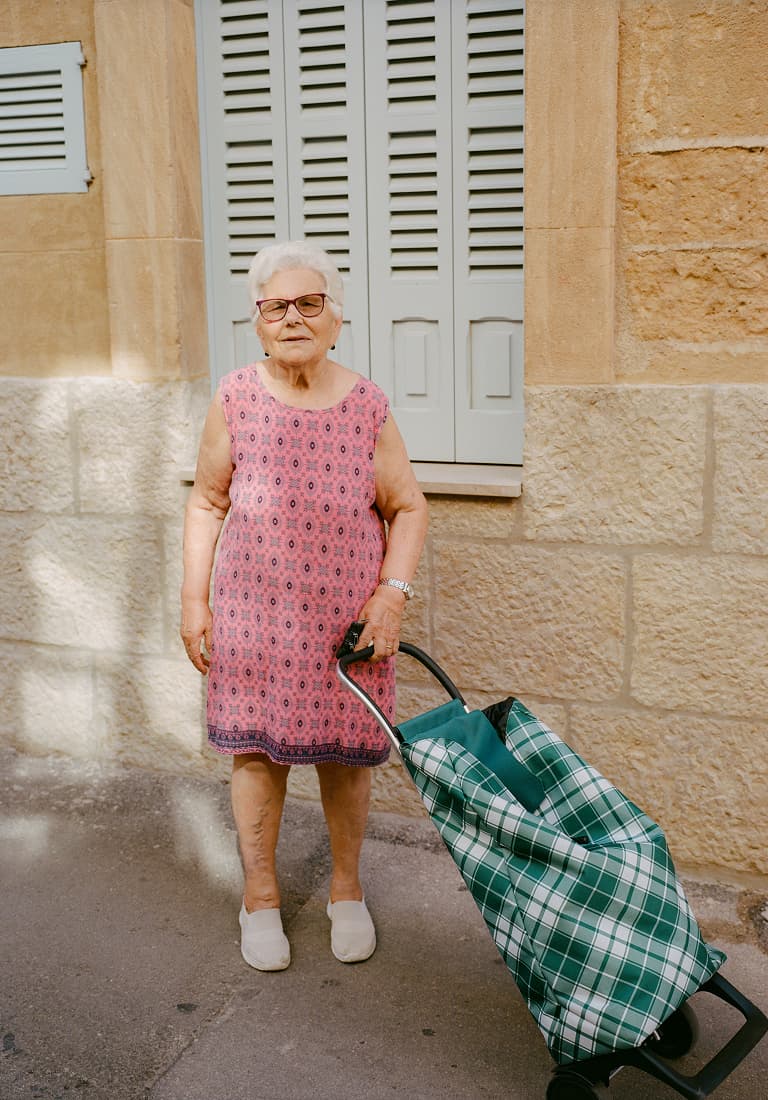
A local who explained the Catalan greeting
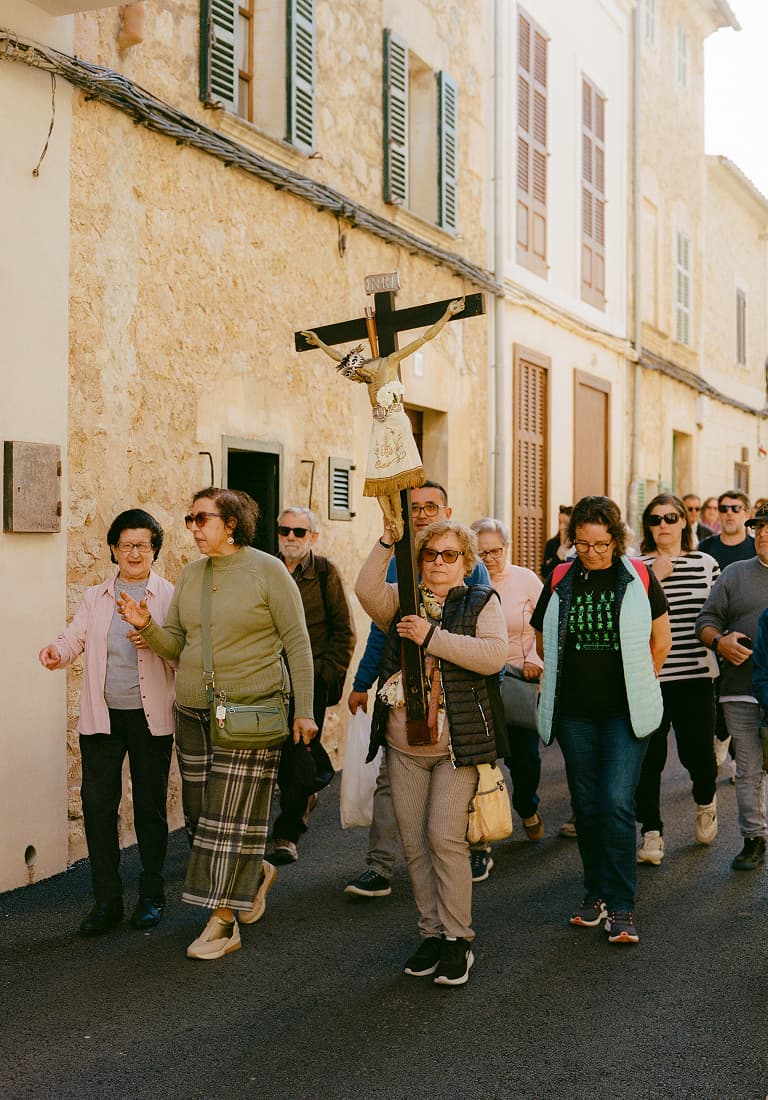
Pancaritat, Campanet, Mallorca

Binissalem Festa des Vermar, Mallorca. Photo: Chanel Irvine
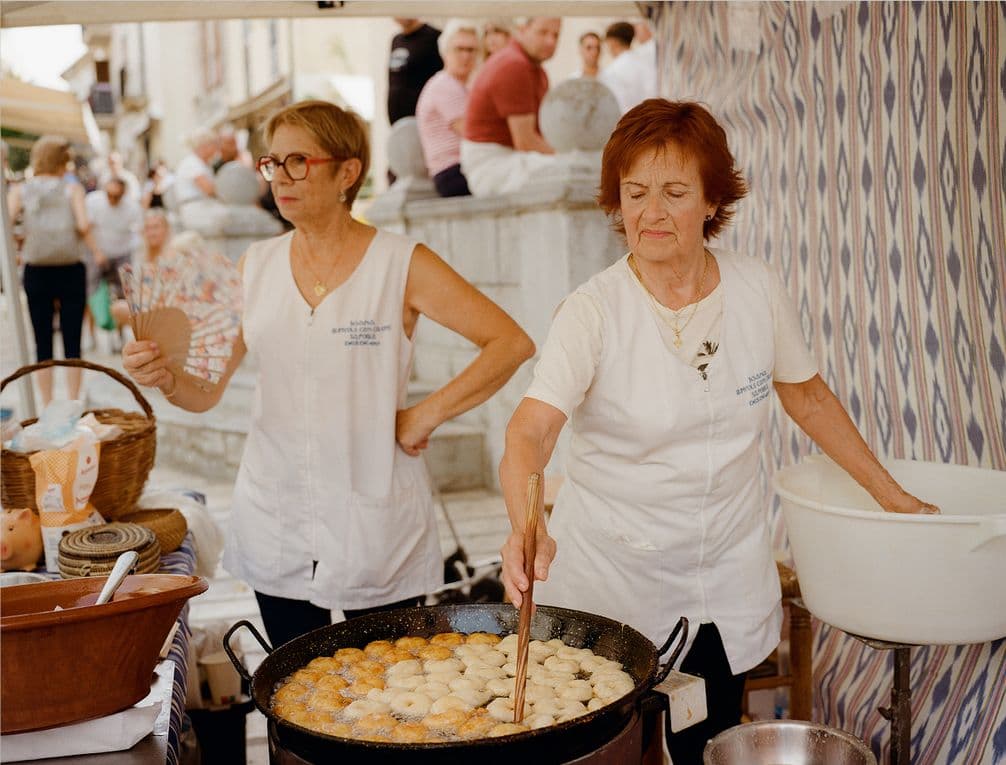
Locals cooking buñuelos in Alcudia, Mallorca. Photo: Chanel Irvine
From the annual Festes de Sant Victòria and Festes de Sant Miquel – with their street parties, folk dancing and communal suppers – to the traditional Easter Pancaritat pilgrimage to the nearby church of Sant Miquel, community is rooted at the core of daily life. I have photographed the making of traditional Mallorcan buńuelos (while happily eating more than a few myself), and visited Binissalem’s Fest des Vermar, the historic wine festival celebrating the grape harvest. To witness, participate and photograph these traditions has been a true privilege, and I have felt welcomed throughout.
I have been struck by its strong sense of community, reflected in a calendar of events that bring residents together and reveals why Mallorcans treasure their culture so dearly: it is remarkably rich
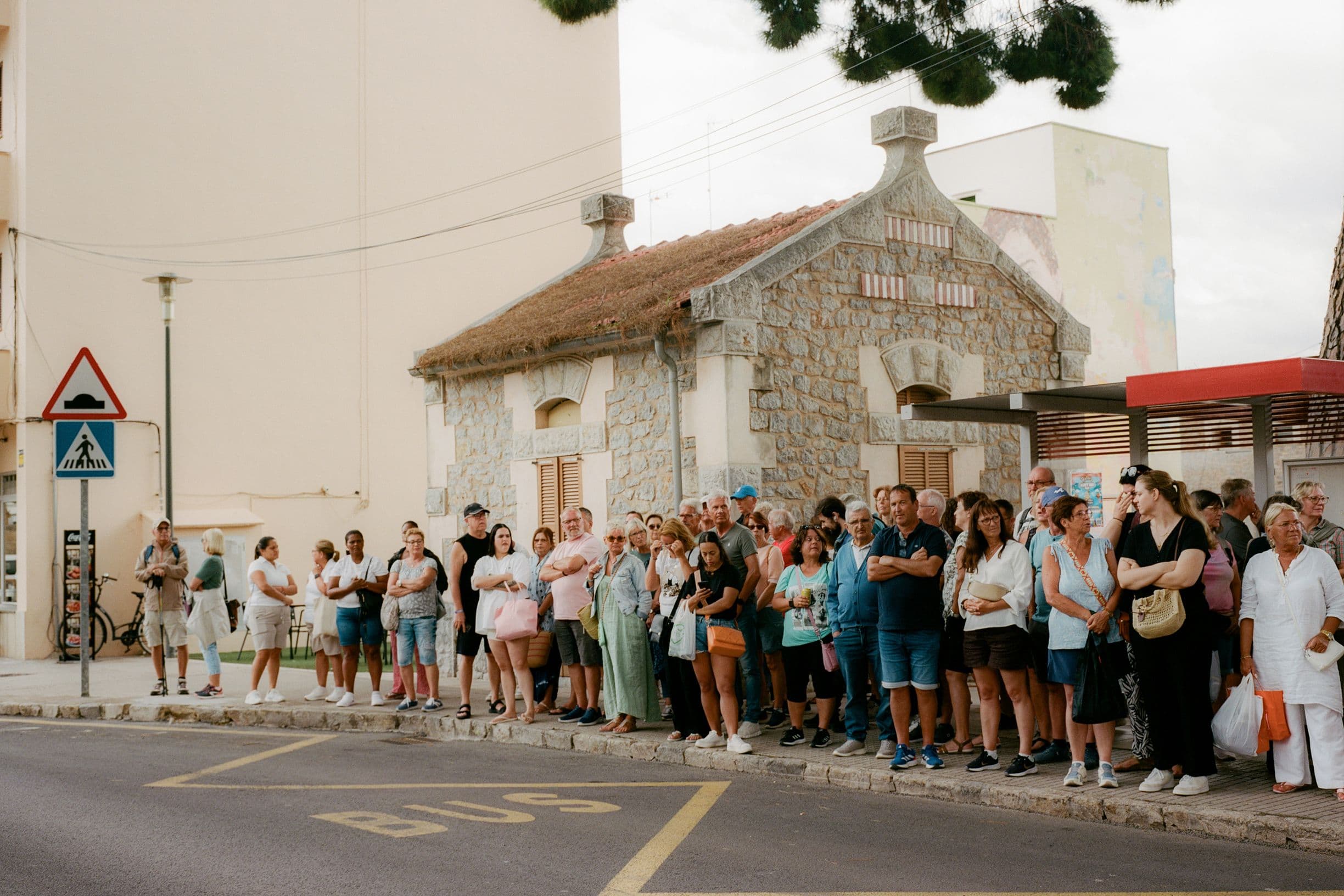
Artà bus stop, Mallorca. Photo: Chanel Irvine
Moments like these continue to complicate the dominant anti-tourist narrative for me: locals greeting me warmly on my walk from the market; schoolchildren excitedly selling handmade photo stands; a taxi driver who told me where I could find the most authentic paella and the best walking route; or a woman kindly correcting my naive “buenas días” with the Mallorcan-Catalan greeting “bon dia”. In each interaction, I felt encouraged not only to return, but to improve my language skills and deepen my understanding of the island and its people.
What is happening in Mallorca is not new. Tension between locals and foreigners is an age-old and global phenomenon, expressed in ways both subtle and overt. Ultimately, ¿Mí Mallorca? seeks to examine the nature of travel – both its joys and its consequences – while asking us to consider our own role when we board a flight to somewhere beautiful. This project is far from over, and I hope to continue returning to Mallorca to document the culture of this remarkable place.
Learn more about Chanel’s ¿Mí Mallorca? project.
Szybciej przywołuj wspomnienia dzięki ekskluzywnym funkcjom, takim jak rozpoznawanie twarzy i inteligentne albumy.



&w=96&q=75)
29 lip 2026∙6 min
&w=96&q=75)
17 sie 2026∙7 min
&w=96&q=75)


 Stany Zjednoczone