

Lifestyle
Table Talk: playful flavours and reinventing the cocktail with Mr Lyan
The boundary-pushing bartender on sustainability, the art of hospitality and changing the way London drinks

13 oct. 2026∙12 min

Lifestyle
The boundary-pushing bartender on sustainability, the art of hospitality and changing the way London drinks
13 oct. 2026∙12 min
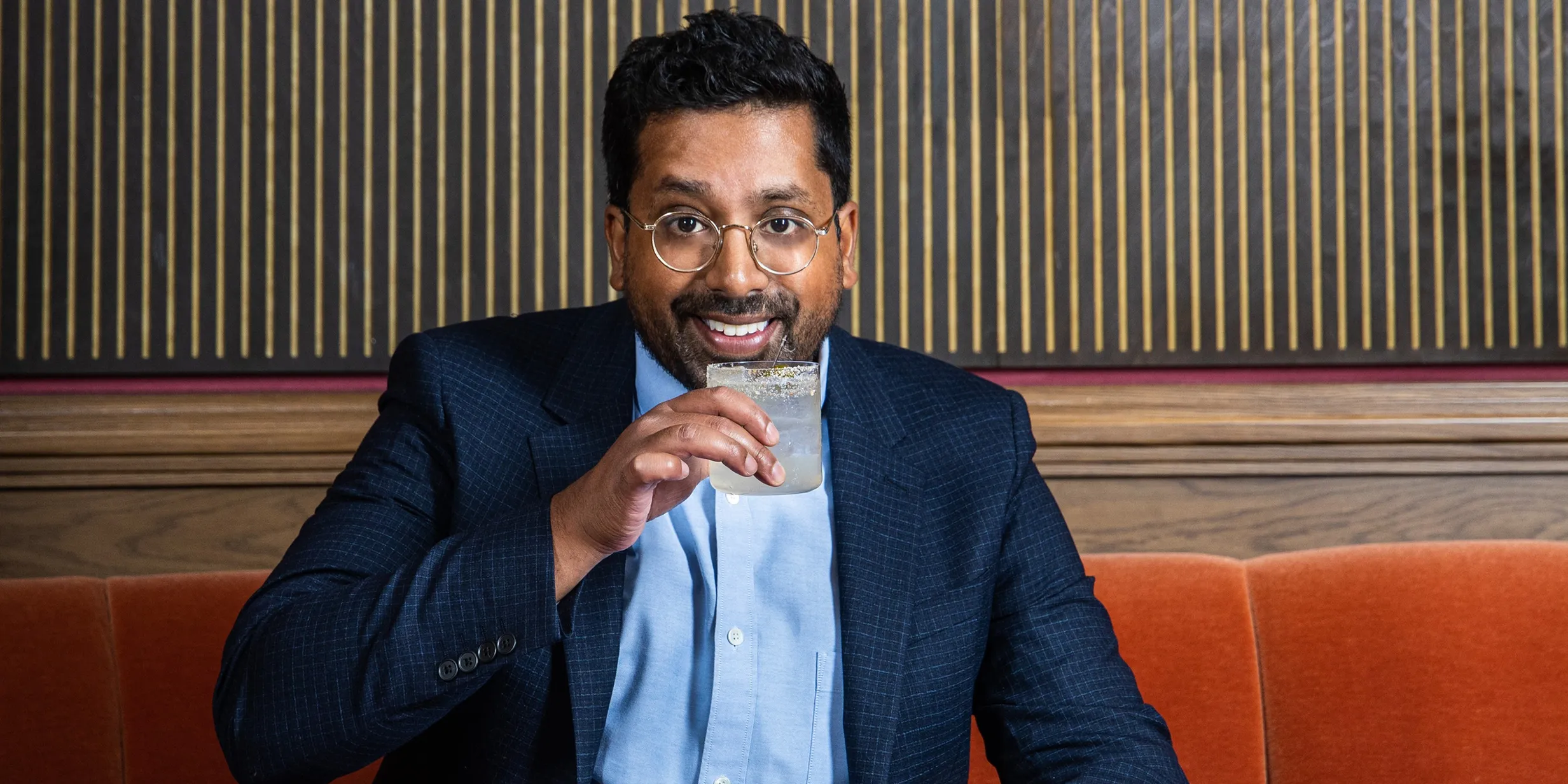
Few names have had as much influence on the way London thinks about cocktails as Ryan Chetiyawardana, better known as Mr Lyan. From pioneering Dandelyan to Lyaness and Seed Library, his bars have consistently challenged what a cocktail can be, combining storytelling, experimentation and thoughtful hospitality with playful flavour. Behind it all is a distinctly curious mind: Chetiyawardana trained as a chef before studying fine art, biology and philosophy, finding a way to bring those worlds together behind the bar.
Food was central to family life growing up, and an early fascination with science and creativity still shapes his work. Sustainability has also been a thread running through his career, from questioning the industry’s approach to waste to exploring how drinks can be made with greater purpose. His collaborative approach has seen him work with some of the biggest names in food and drink, including Rick Stein, Curtis Duffy and Robin Gill.
With Seed Library now open in New York, we caught up with Chetiyawardana to reflect on the memories, mentors and ideas that have shaped his success, the London bars and ingredients exciting him now, and one delicious cocktail recipe to try at home.
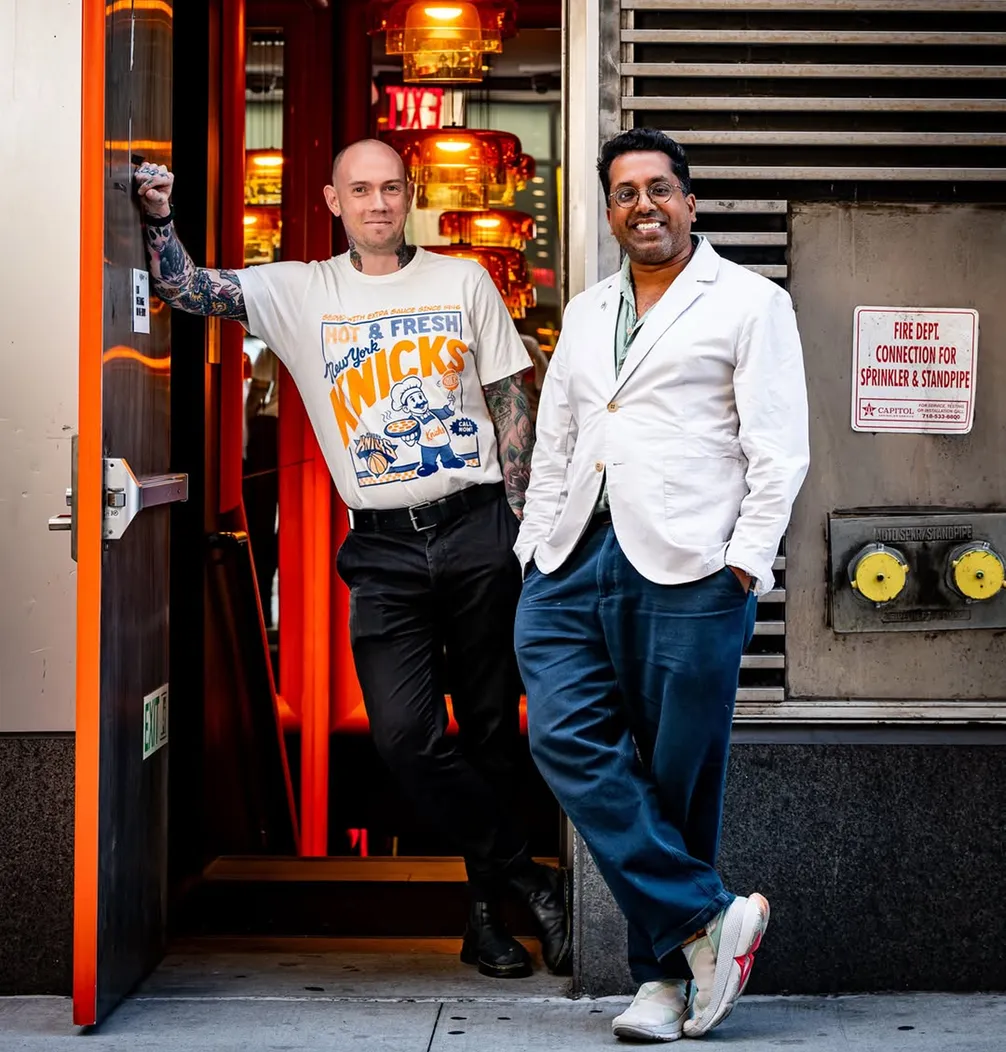
Ryan and Alex open Seed Library NYC. Photo: @seedlibraryshoreditch
Food was central to our socialising growing up. My mum was an amazing cook, so my siblings and I were taught how to cook from a young age. But there are two flavour memories that stand out from my childhood. The first was Chinese food from my neighbours. My oldest friend is half-Chinese, and there was a lovely community around us. I remember being completely entranced by the smells coming from their kitchen – something I didn’t experience in quite the same way with curries or Sri Lankan food. The other was cake. My mum would bake whenever people came round – for our birthdays, and our friends’ too. From an early age, food was tied up with family, friendship and bringing people together.
It was always hard to get my dad to the dinner table – he couldn’t sit still and worked long hours – but my mum always said that my brother, sister and I eat together. It was a real moment of joy and togetherness, even though we fought a lot like siblings do.
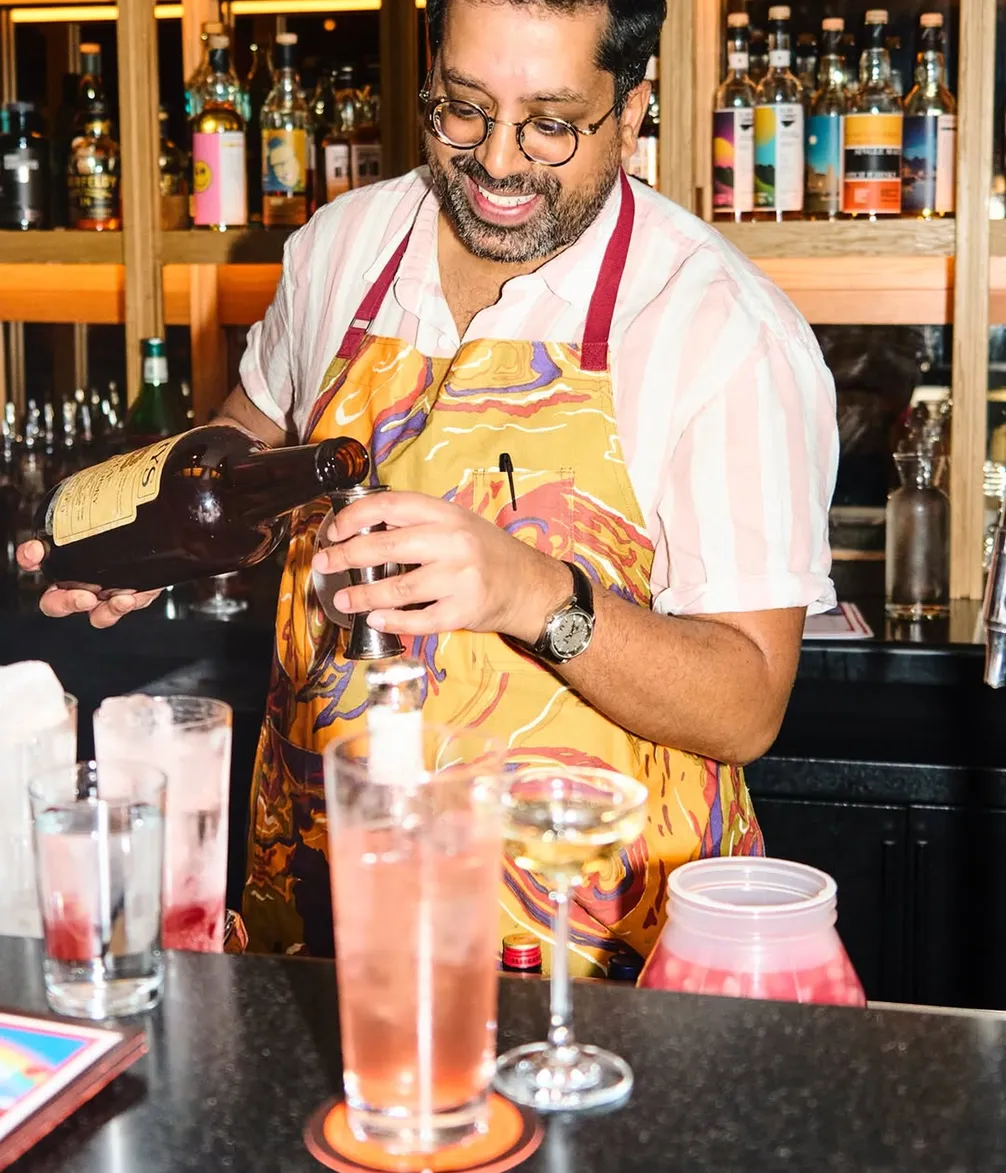
Mr Lyan behind the bar at Seed Library, Shoreditch. Photos: @seedlibraryshoreditch
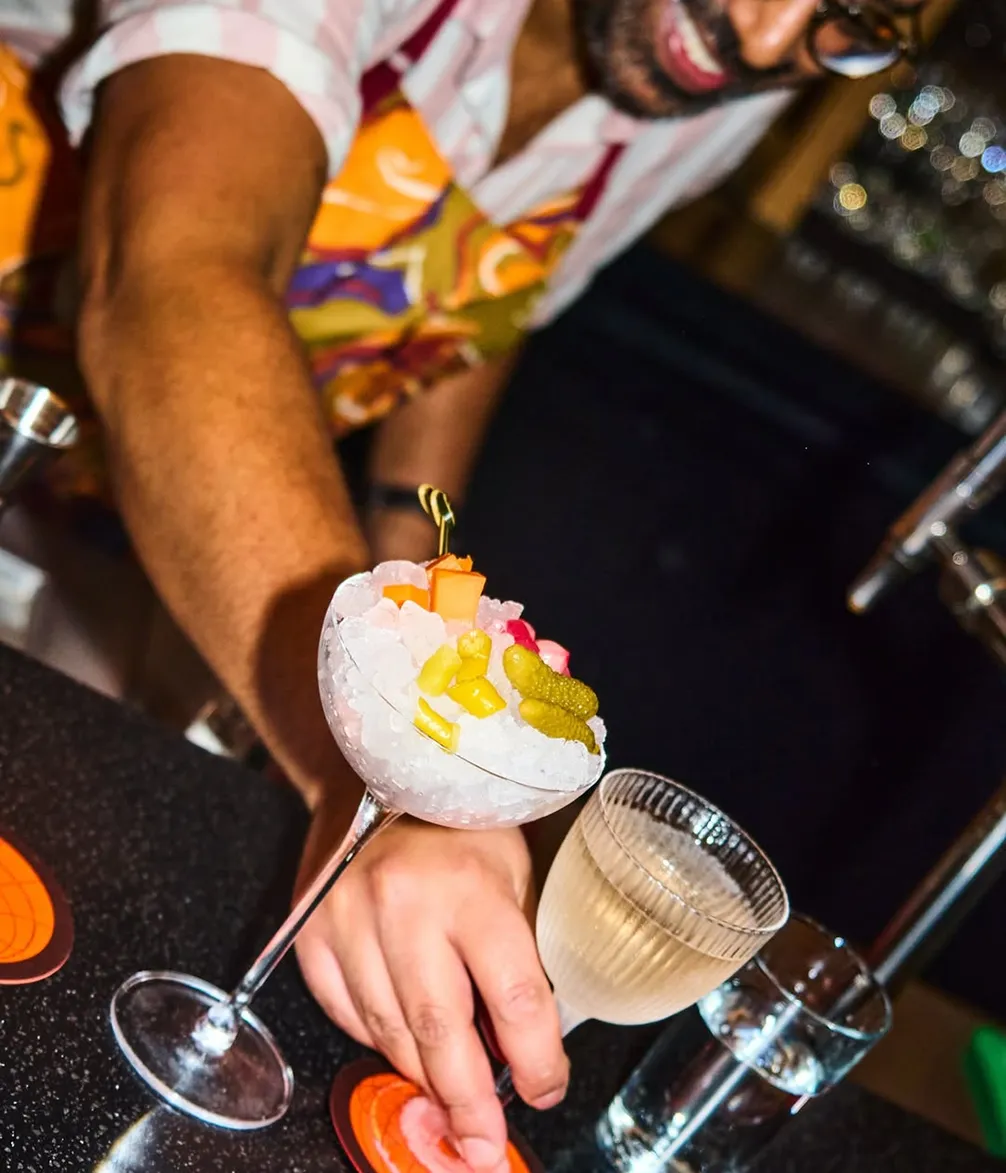
I wanted to train as a chef because I’d grown up with food at the centre of family life and wanted to understand the practical side of cooking. I loved the hands-on work, and the biologist in me was fascinated by food science and safety, but it didn’t quite feel like cooking. I couldn’t interact with food the way I had grown up with. I was always looking to balance my interests in art and science. Studying those subjects was ultimately about people – how we communicate, share and gather. Bartending brought all of that together naturally, giving me space to explore those ideas through food, drink and hospitality.
My sister Natasha has shaped so much of my outlook, creatively and in business. I was also lucky to have exceptional mentors in Scotland, including Jason Scott and Mike Aikman of Bramble, Craig Harper, Andy Gemmell, Ian McLaren, Sukinder Singh, Dave Broom and Nick Ravenhall. They encouraged my thinking and shaped many of my passions.
As I moved through the industry, I met more people who opened up new ways of thinking about food and drink, including Tristan Stephenson, Dawn Davies, Dr Arielle Johnson, Anette Moldvaer, Henrietta Lovell, John Glaser and Dr Johnny Drain. John Glaser, in particular, encouraged me to focus on innovation when that wasn’t the norm.
It’s about clarity of flavour and finding a balance that creates wonder or reflection. Sometimes you want something simple and joyful; other times, slow and contemplative. The essential part is understanding the purpose of the drink and creating something that genuinely answers that need, rather than simply making something we want to put on the menu.
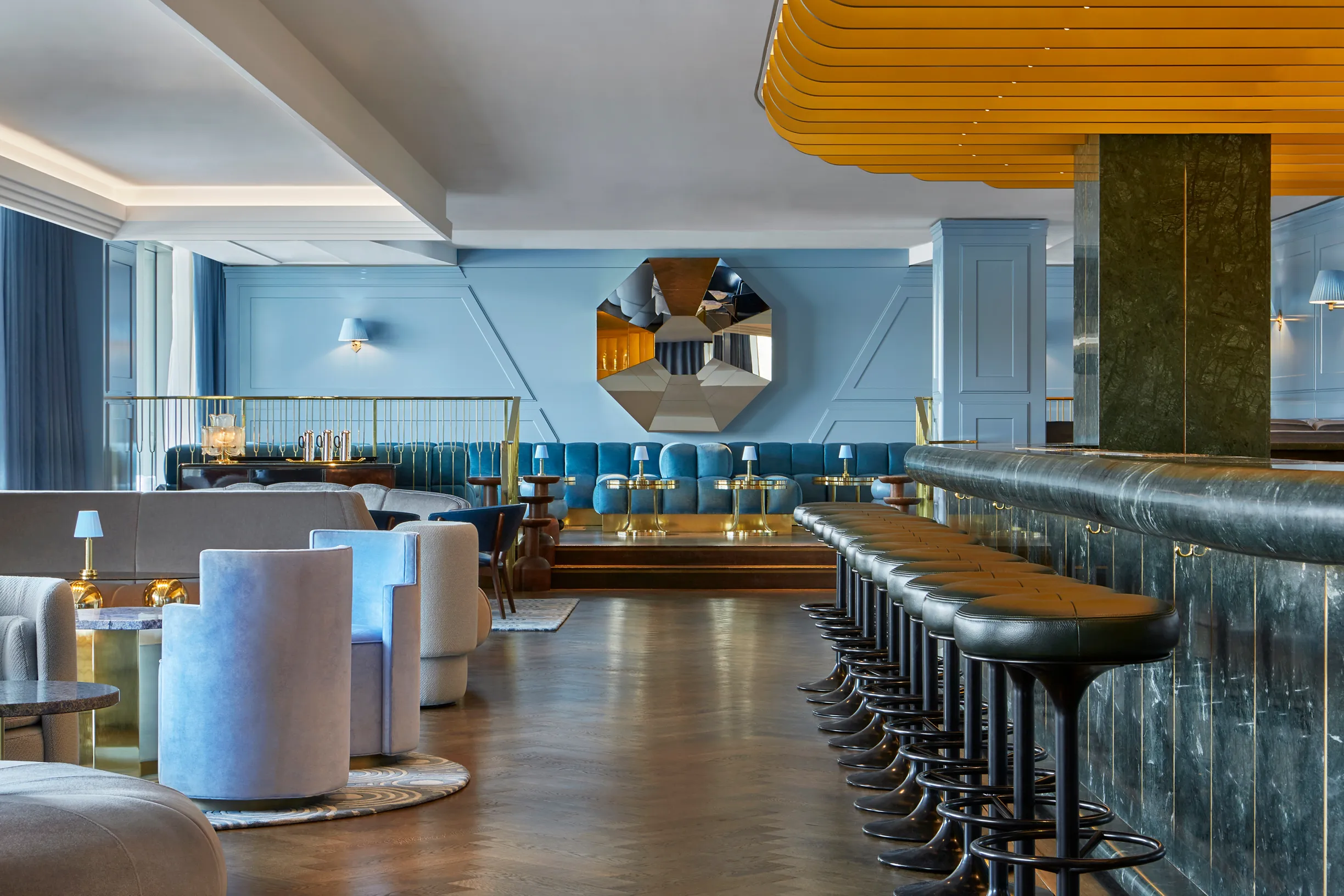
Interiors at Lyaness. Photo: Lyaness
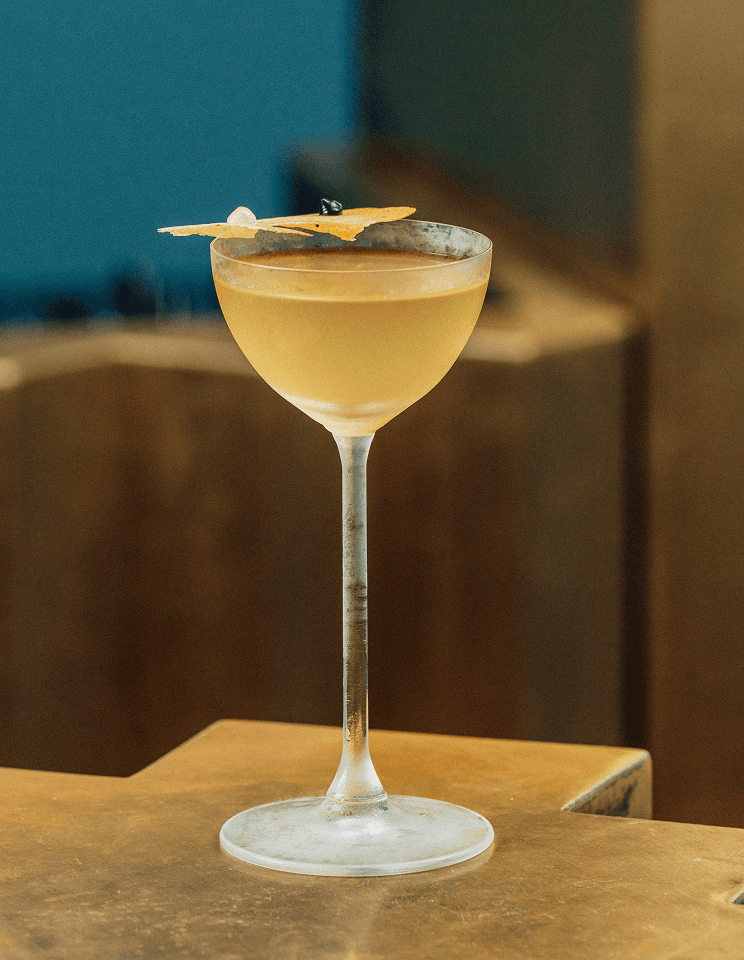
The Lyaness Martini. Photo: Lyaness

St Paul’s Cathedral from Lyaness. Photo: Lyaness
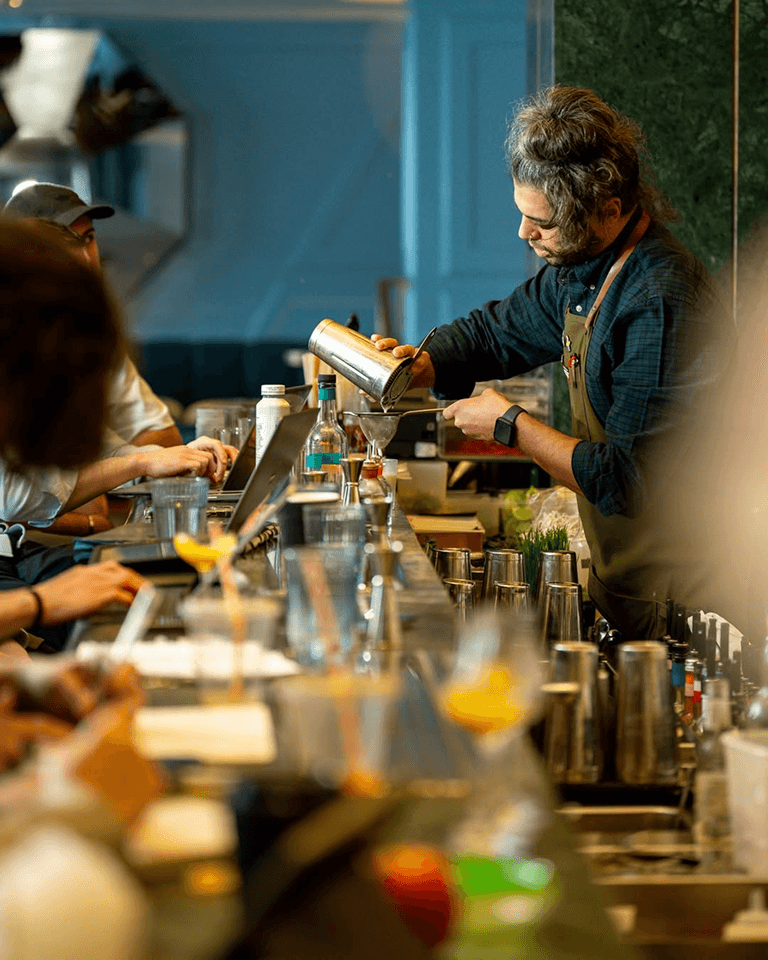
Service at Lyaness. Photo: Lyaness
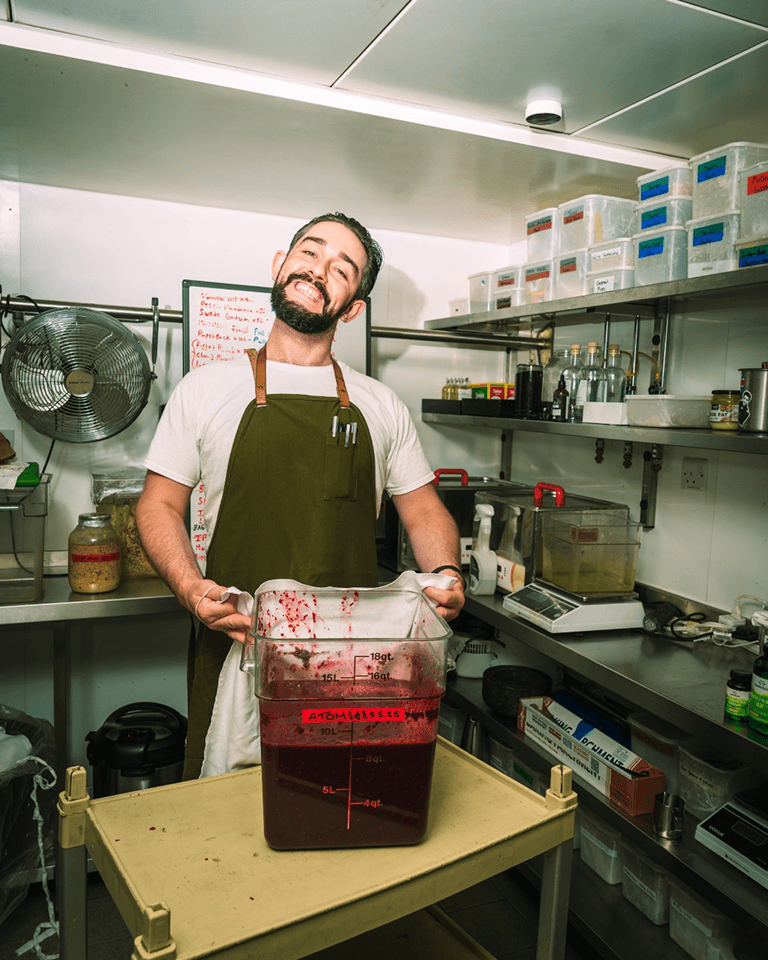
Behind the scenes at Lyaness. Photo: Lyaness
“Good Things” is one of our central pillars. As a biologist, and someone who grew up being conscious of waste, sustainability became a central focus for me around 2010, when it wasn’t yet part of the wider conversation. At first, it was about showing that luxury and sustainability could coexist, and challenging how the industry thought about waste. Over time, the questions have changed. Pioneers such as Doug McMaster [award-winning chef and founder of zero-waste restaurant Silo] made me think more broadly about where meaningful change can happen. Now that sustainability is firmly on the mainstream agenda, we’re focused on excitement and education – showing what’s possible and where change can happen at scale.
There’s still fun to be had in twisting classics, but people are far more knowledgeable about cocktails. Consumers are doing this brilliantly at home, so we want to offer a different perspective – something new, delicious and exciting.
We use storytelling as a springboard, starting with ideas that feel universal and approachable, then using them to unlock new techniques and ways of thinking. It also means we can embrace the team’s diversity. We give everyone a brief and let them explore whatever interpretation interests them. From there, we work together to whittle the ideas down, testing their relevance and getting to the heart of the emotion. Then we build it back up into a drink.

A look inside Seed Library in Shoreditch. Photos: @seedlibraryshoreditch

They’re universal connectors. Flavour is universal but difficult to communicate, so like fashion, comedy or music, it needs to keep evolving to interest us. There are classics, but you can’t pin them in place – evolution and innovation have to sit alongside them. We use those other emotions and experiences to shape what excitement through flavour can feel like.
We’re passionate about what we create, but our main goal is exceptional hospitality. We put huge care into understanding what each guest needs at that moment, whether they know it or not. I’m proud that we’ve had so many comments, letters and notes over the years from people saying they’ve had the best night of their lives in our spaces. That can’t – and shouldn’t – be the goal every night, but we’re always looking to create those moments of magic as often as possible. Ultimately, I hope people leave feeling they’ve been part of something genuine and meaningful – and that our care and passion have brought extra joy to their day.
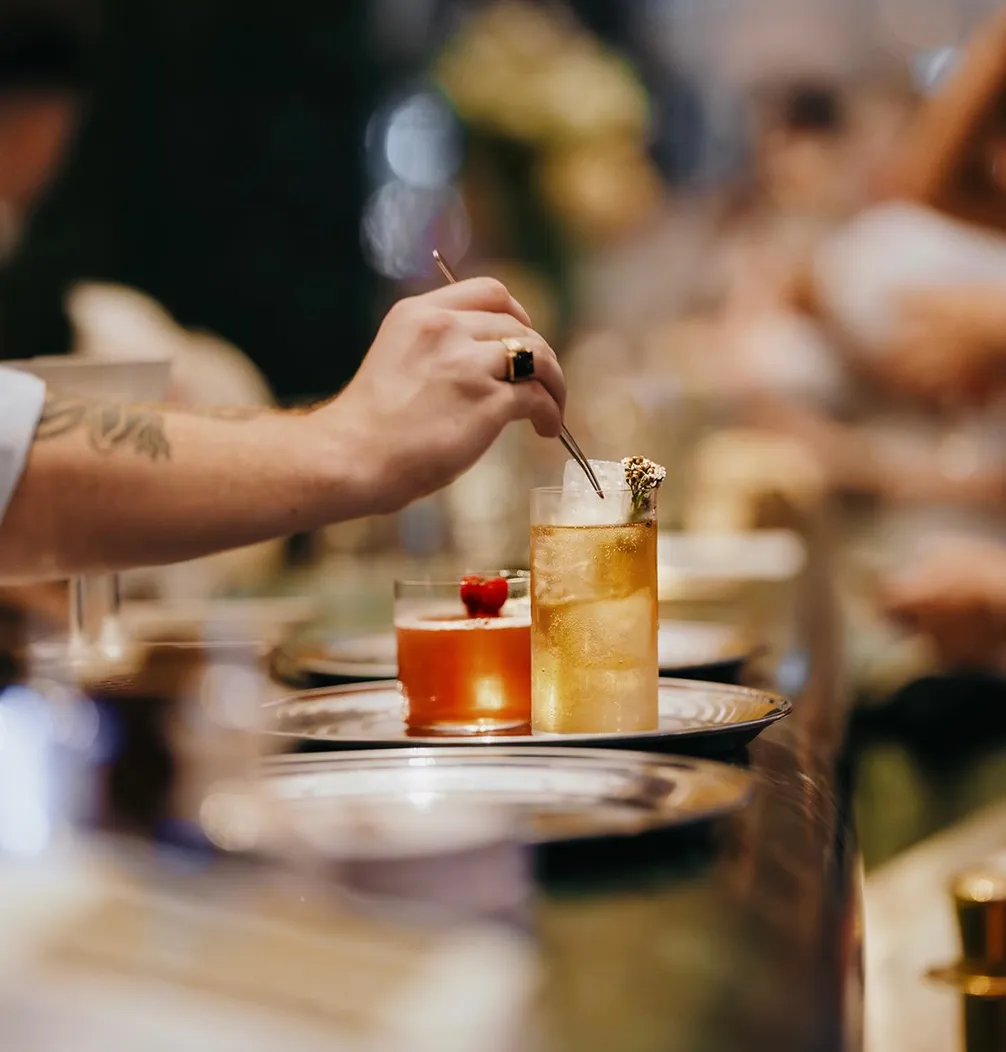
Serving at Lyaness. Photo: @lyanessbar_
I’d start at Lyaness with a Martini. There’s something magical about having a Martini with someone you love before dinner – a moment to switch off, watch the light go down over the Thames and St Paul’s, and let the evening begin. Some of our Martini variations, created across Dandelyan and Lyaness, are still among the best drinks we’ve made.
Head north of the river to Seed Library in Shoreditch. The energy is completely different. It’s a little sanctuary from the bustle of the city, with great music, an exceptional team and a sense of intimacy despite the buzz around you. I’d go for one of the stripped-back cocktails or a bespoke bottling – both capture what Seed Library is about.
In London, I love The Connaught, Waltz, Three Sheets, The Dreamery, Hawksmoor Martini Bar, Swift, Eagle Bar, Side Hustle, Happiness Forgets, MU, Bar Lotus, Knave of Clubs, Equal Parts, Bar Kinky. I’m drawn to the growing focus on local, abundant ingredients that have historically sat outside the cocktail world. It’s opening up new ideas around balance and flavour, and bringing a fresh perspective to how we think about drinks.
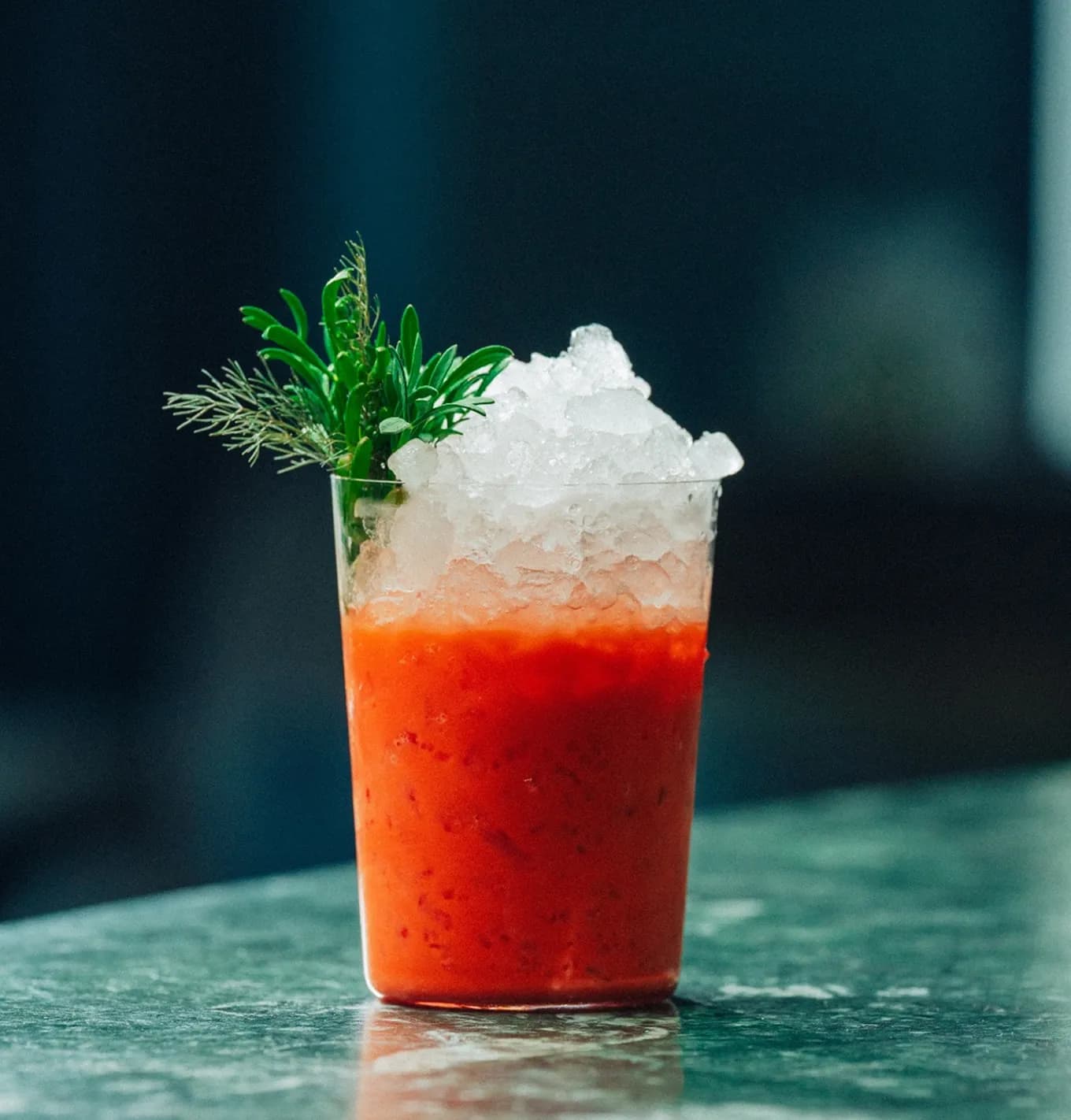
A cocktail at Lyaness. Photo: @lyanessbar_
Tomato and fennel gin, honey, pomegranate and Champagne
Serves 6-8
Ingredients
300ml London Dry Gin, such as Beefeater, or Porter’s Tropical Old Tom
12 datterini tomatoes, sliced
½ red chilli, deseeded (optional)
Pinch fennel seeds
2 tbsp runny honey
Pinch of salt
100ml pomegranate juice
Champagne, to serve
Lemon thyme, to garnish
Orange wedge, to garnish
Method
Add the gin, tomatoes, chilli and fennel seeds to a container. Infuse in the fridge for two hours, then strain into a jug.
Add the honey, salt and pomegranate juice to the infused gin. Mix well until everything has dissolved, then strain into a clean bottle and refrigerate.
To serve, fill a rocks glass with ice and add 60ml of the infused gin mixture. Top with 100ml Champagne and garnish with a sprig of lemon thyme and a wedge of orange.
How to serve
This works particularly well with BBQ dishes, balancing char and spice with red-fruit notes, botanical accents and the acidity and brightness of Champagne. Look for a bottle-fermented sparkling wine, such as good Cava, Crémant or English sparkling wine, rather than Prosecco.
Replongez dans vos souvenirs en toute simplicité grâce à des fonctionnalités exclusives comme la reconnaissance faciale et les albums intelligents.



&w=96&q=75)

&w=96&q=75)

&w=96&q=75)


 États-Unis