Guías
How to write travel photo captions that actually mean something
From ditching clichés to capturing the feeling of a place, here’s how to write captions that add meaning, context and story to your travel photos
14 may 2026∙5 min


Guías
From ditching clichés to capturing the feeling of a place, here’s how to write captions that add meaning, context and story to your travel photos
14 may 2026∙5 min


Photo albums are an efficient way of showcasing your travels, but do you ever find yourself stumped when it comes to captioning your images? Vague, obvious or cheesy words are easy go-tos, but they don’t encapsulate the meaning of the moment. The right caption can go a long way towards retaining the essence and emotion of a memory to ensure it stays fresh for decades to come. Here, writer Karen Edwards shares her tips for creating captions that instantly whisk you back to your favourite travel experiences.
When we’re lost for words, our instinct often pushes us towards abstraction. However, generic captions or sentiments can come across as disingenuous, cringey or even boastful. While this a travel photo book might be for you to enjoy for years to come, there’s every chance your family and friends might have the opportunity to enjoy it, too. Wouldn’t it be wonderful if future generations could lose themselves in your adventures and learn about the world through your eyes?
Next, build a sense of place by considering what made you take the photo: was it because the view was so full of colour, sound and smell that you knew you needed to remember it? Perhaps it was the look of joy spread across a loved one’s face. Whatever that inspiration was, that’s the detail to write down.
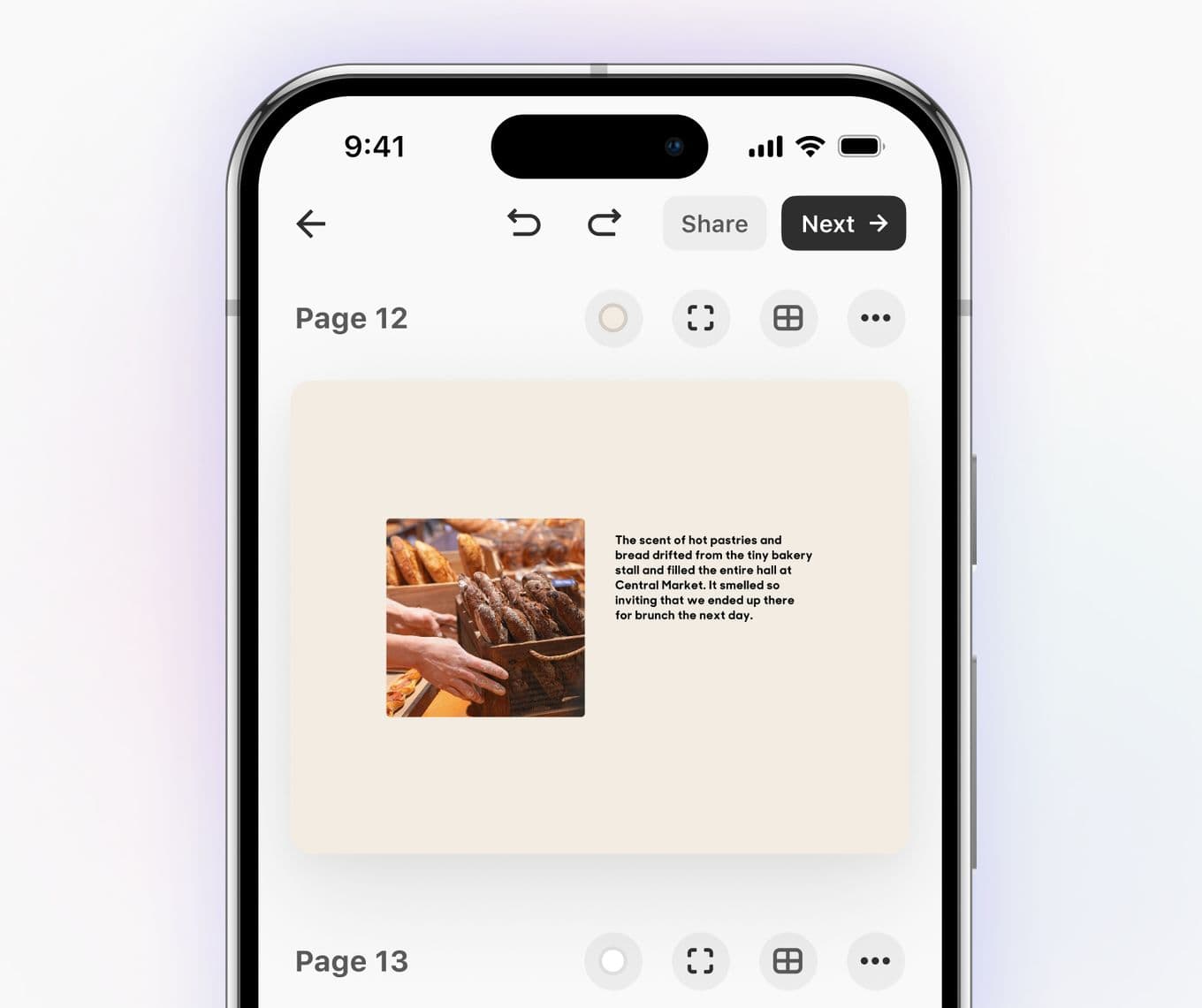
Example: “The scent of hot pastries and bread drifted from the tiny bakery stall and filled the entire hall at Central Market. It smelled so inviting that we ended up there for brunch the next day.”
The “what” in photographs tends to be self-explanatory. The nuance comes when you can describe ”what else” was going on. Perhaps you were blown away by striking Renaissance architecture or the colourful fruits strewn across the tables of a busy market – but will you remember that it was the gold leaf decoration that drew you into the 13th-century temple, or that you were daring enough to taste slightly sour kumquats and crunchy dragon fruit?
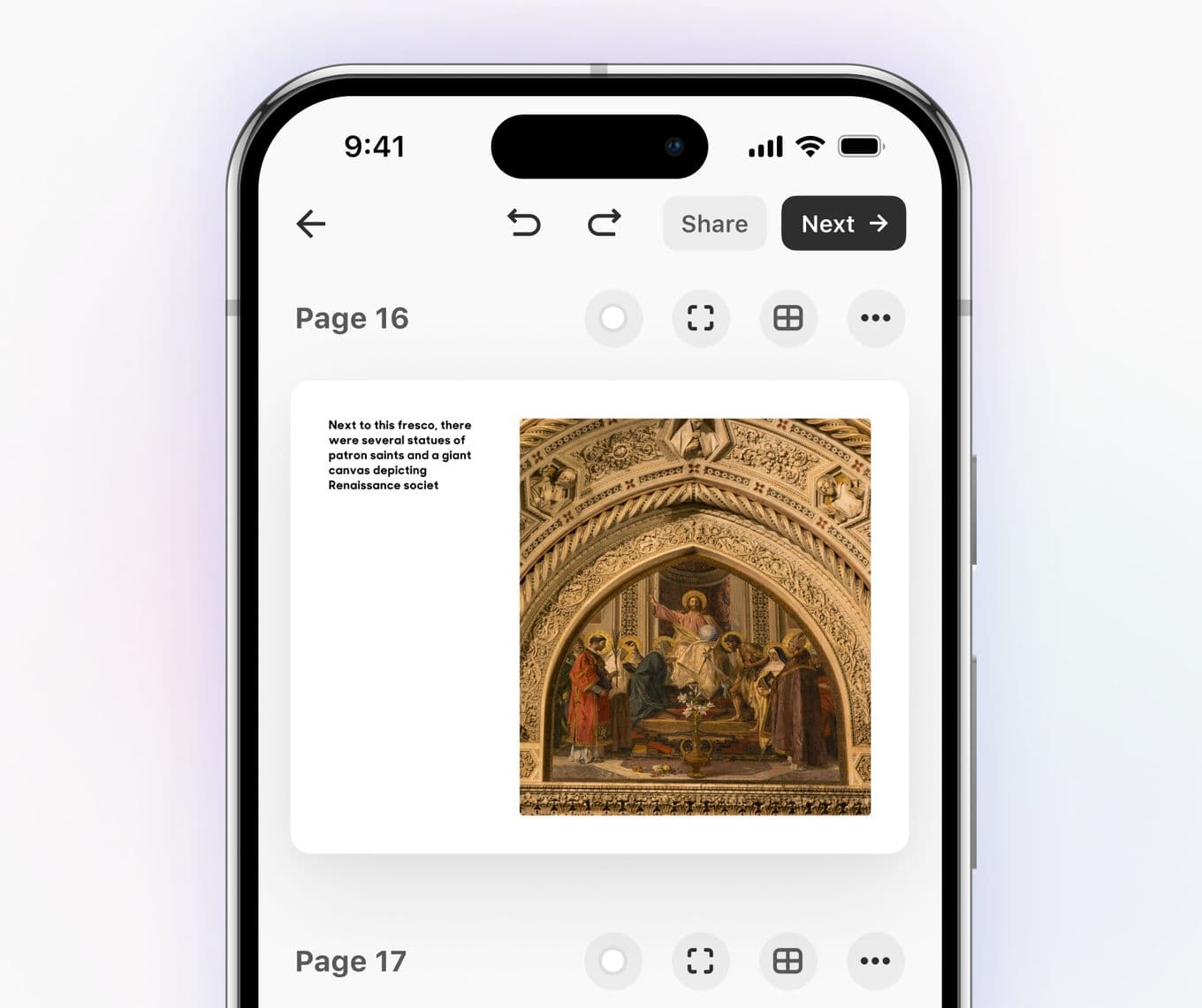
Example: “Next to this fresco, there were several statues of patron saints and a giant canvas depicting Renaissance society.”
The internet is full of stock images and AI imagery. Anyone can find a picture of a place without having travelled there. By adding your perspective on a real memory, you personalise your experience in a way no internet-sourced image can replicate. For instance, were you trying to get the picture quickly before a bird flitted away? These are footnotes that will make you smile when you look back.
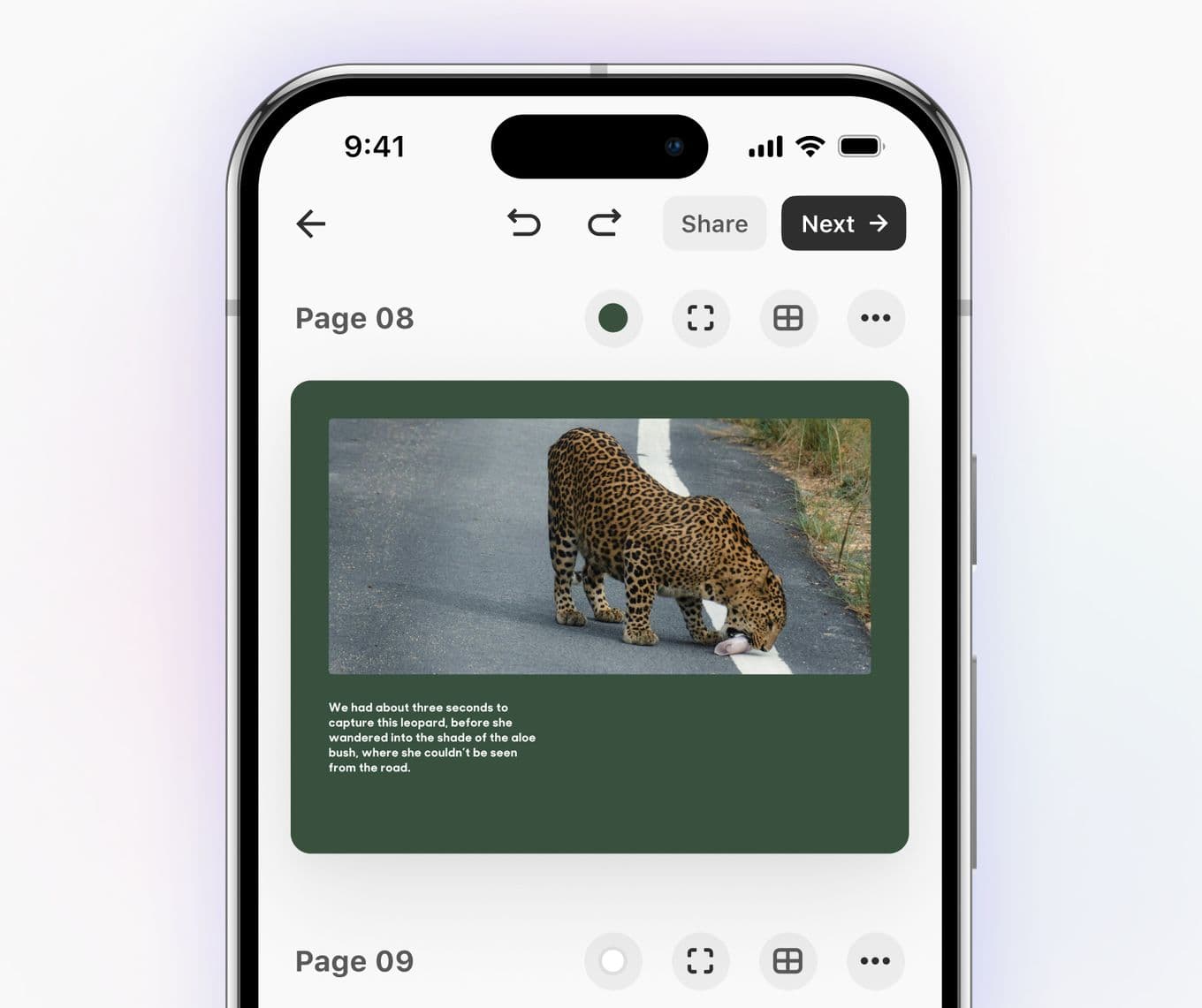
Example: “We had about three seconds to capture this leopard, before she wandered into the shade of the aloe bush, where she couldn’t be seen from the road.”
While keeping descriptions succinct and specific is wise, so too is expressing the emotions caught up in that snapped moment. However, there can be a fine line between sharing feelings and sounding cliché. Your thoughts in that moment were likely raw, so avoid overly dramatic lines and opt for honesty.
Remember that quieter feelings of calm, relief and nostalgia are just as powerful as the grander emotions. How did you really feel with the warm sea lapping against your ankles? Were you really that overjoyed or was it a sense of relief and peace that swept over you? Describing the truth in gentle terms will help you transport you, and anyone else reading, back to that moment through relatable sensations.
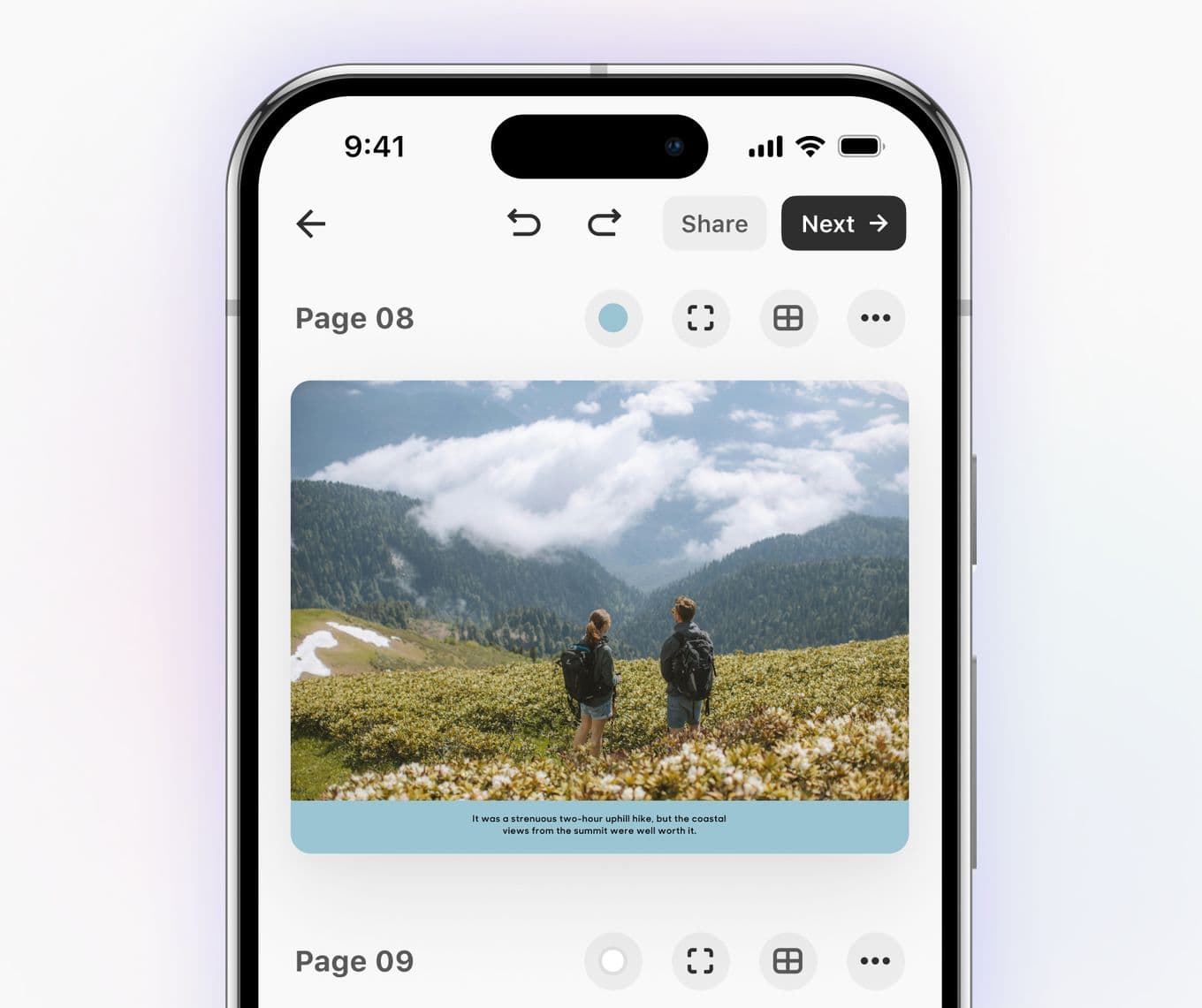
Example: Avoid, “Nearly died but what a view.” Instead, use: “It was a strenuous two-hour uphill hike, but the coastal views from the summit were well worth it.”
Overworked captions can be confusing, while poetic language can get lost in translation over time. Bear in mind you might be looking back through this album in 20 years’ time. Your grandchildren might be flicking through it in 50 years’ time. Simple language is honest, clear and speaks across generations. It’s the key to easy and open storytelling.
Example: Avoid, “I looked out over Mother Ocean. She was angry and unrelenting.” Instead, use: “There was a storm brewing – 4ft waves were crashing against the beach.”
Not every travel experience is full of positive emotions. Much like in everyday life, travel can be a mix of feelings from joy to anxiousness, tranquillity to apprehension. If you find you’ve captured some of those less-happy moments in an image, don’t shy away from your truth. Rather, take control over any negatives by accepting them as a part of your experience.
Example: “An early roti breakfast at our favourite Cafe Sunrise, without another soul in sight. By 9am, hundreds of people had arrived on coaches, and the hawkers were everywhere.”
Once you’ve mastered the art of being specific and summarising the emotions around an experience, you can add even more context by pondering the bigger picture. Elaborate on what was happening around you and you’ll be able to look back and reminisce over so much more than one moment in time.
Was there anything surprising about the moment when the image was taken? Perhaps it was that the roar of a lion sounded nothing like what you’d heard at the start of old MGM films. Or maybe it’s how beautiful a towering skyline can look against an LA sunrise. Include it all in the caption, because every element made the moment what it was.
Example: Avoid, “Me on the subway to Brooklyn.” Instead, use: “This 45-minute subway ride to Brooklyn was complemented by local singer Dean, singing Brown Eyed Girl.”
The best photo captions will remind you of the little details that you’d likely forget if you hadn’t written them down. It could be as casual as your baby being instantly calmed when you walked down the narrow back street that doubled as a wind tunnel. Or the church bells that became your alarm each morning. Include these memories in your caption to always remember the silly, funny and casual moments you’d otherwise overlook.
Example: “I’d been craving these hot cinnamon buns all day. Of course, the cinnamon went straight up my nose and made me sneeze three times.”