

Historias
Finding quiet through macro photography
How close-range photography can curb overwhelm, inspire mindfulness and spotlight fleeting moments

29 abr 2026∙6 min
Historias
How close-range photography can curb overwhelm, inspire mindfulness and spotlight fleeting moments
29 abr 2026∙6 min
I feel an instinctive pull to photography as a means of connecting with people and nature, but it hasn’t always been an intentional practice. I’ve unconsciously photo-journalled for 23 years: from the age of 12, it was customary to attend highly anticipated social events with a digital camera and subsequently upload albums online. I took immense pride in the unobtrusive and solitary process, especially when the surrounding environment felt loud, both literally and figuratively.
As I matured, I developed an affinity for photomicrography and began focusing on zoomed corners and close-range photography, spanning still-life imagery to portraits. I enjoyed capturing fleeting moments that could convey the essence of abstract art and its subjectivity – be it stylised images of everyday items, grooves on flower petals or hands mid-motion. Back then, the voguish shallow depth-of-field era lent itself well to this, making it easy to highlight a single subject and blur the background into obscurity.
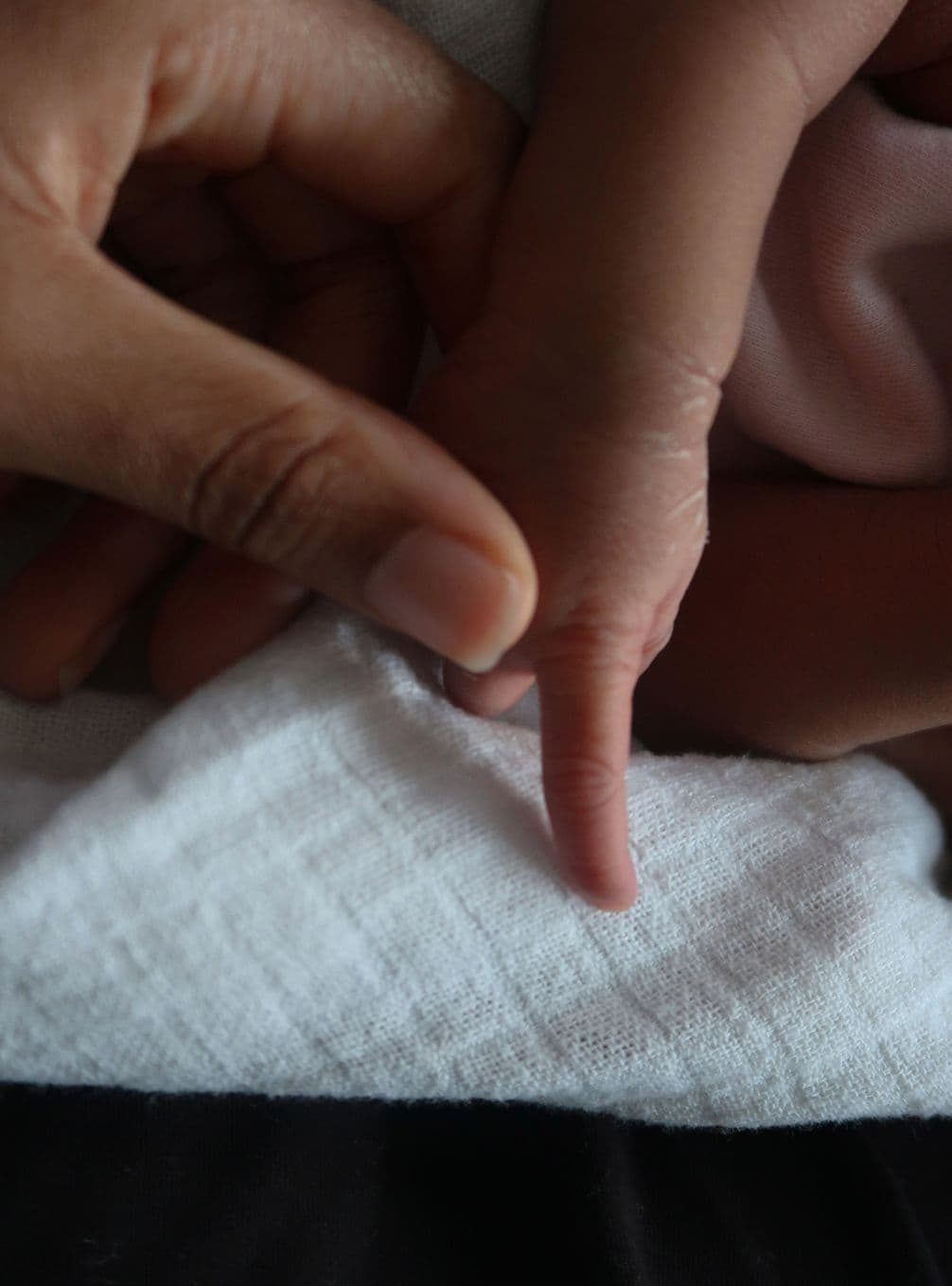
Photo: Avalon Afriyie
I started experimenting with a Sony Cyber-shot camera, capturing zoomed-in flash shots of rite of passage adolescent moments and sprawled out noughties fashion accessories. Two decades later, my style of photography has become more sophisticated, but I’ve continued closing in on subjects, whether it’s people, places, objects or living organisms, which is mesmerising from a creative and psychological standpoint.
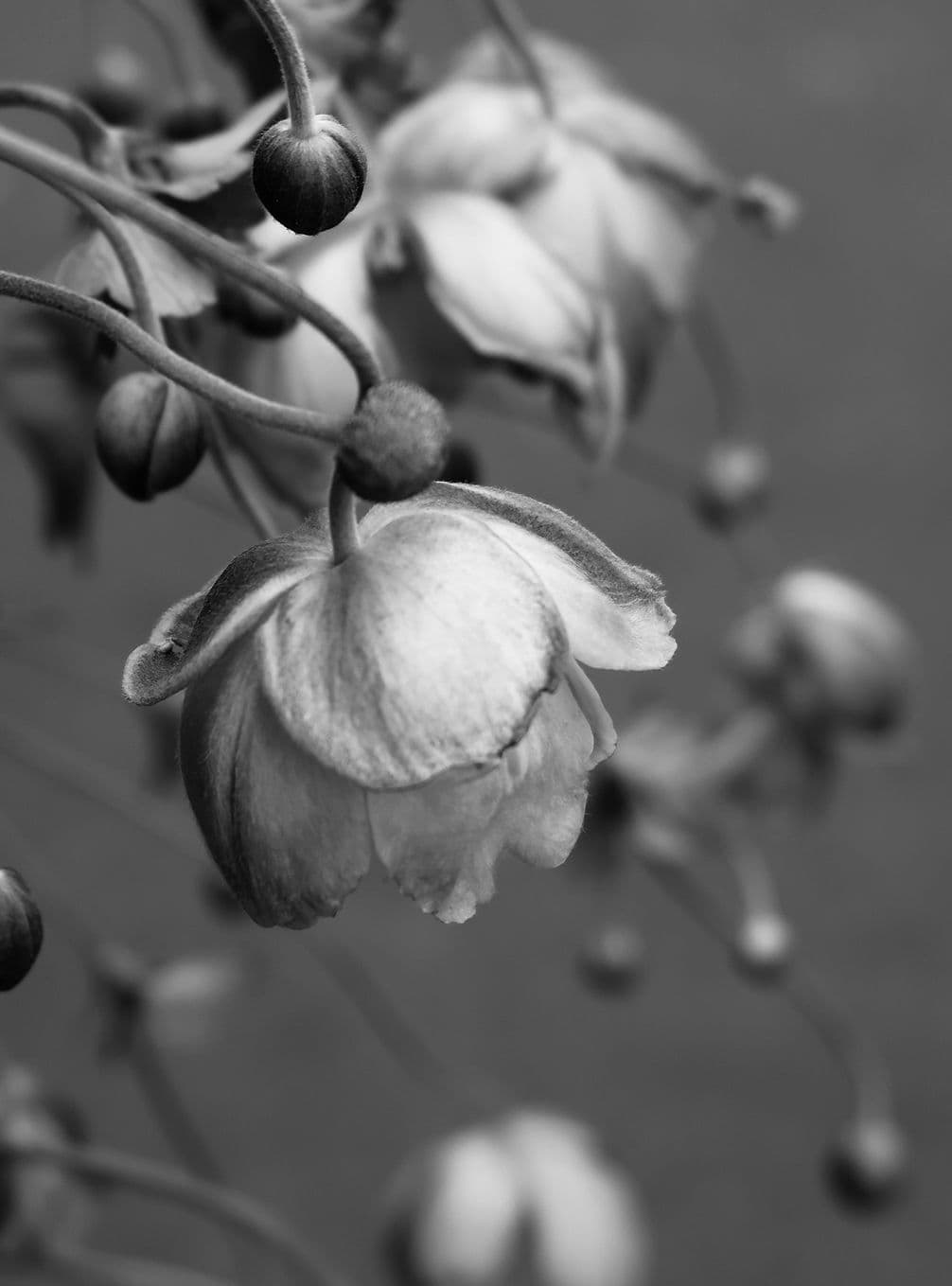
Photo: Avalon Afriyie
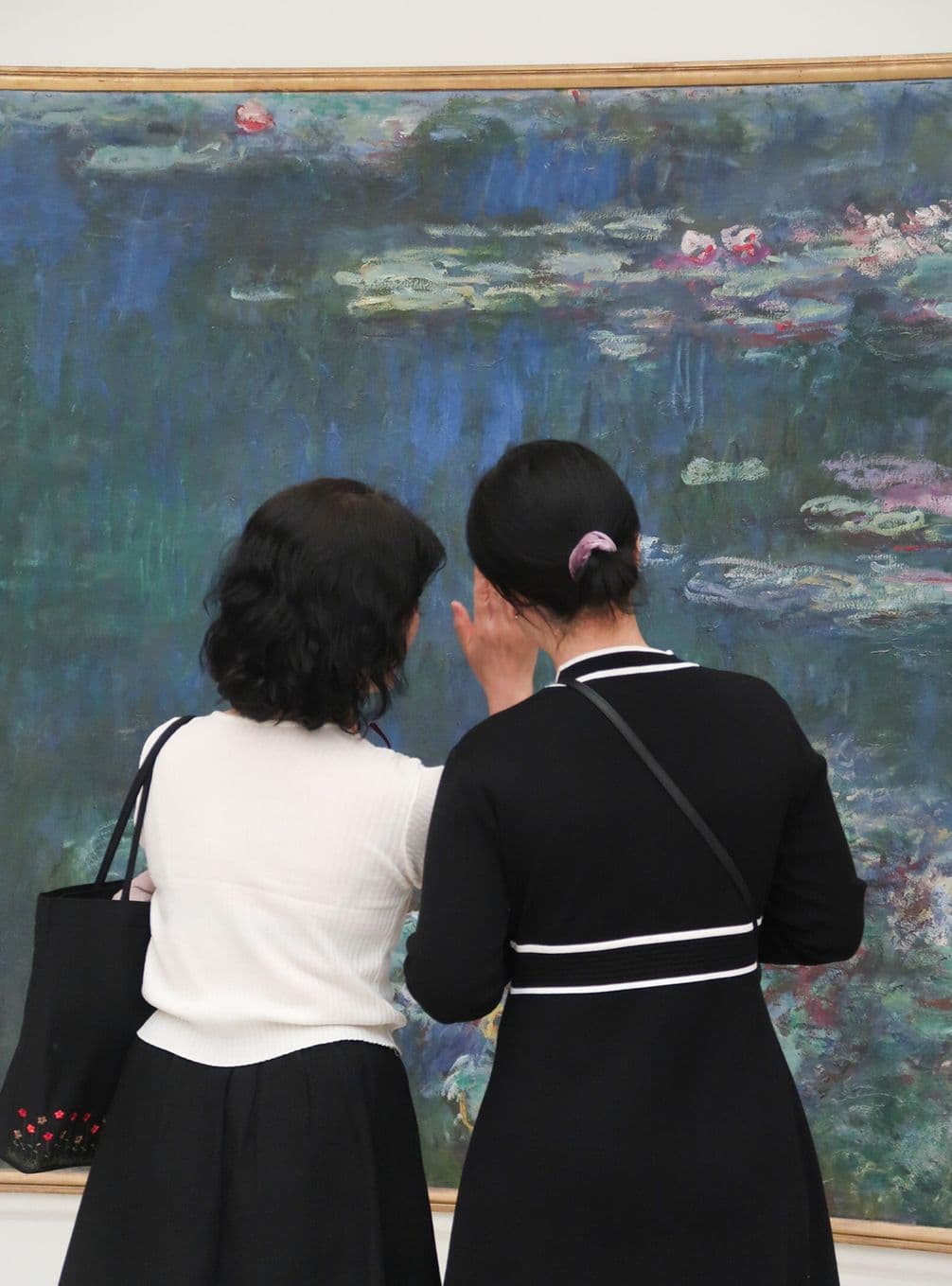
Photo: Avalon Afriyie
I always challenge myself to pluck out minuscule details worth framing, if only as a mental snapshot. It encourages me to search for beauty in the everyday, whether it’s a person’s hand placed daintily over the small of their partner’s back, the contours on a burgeoning flower or the striking colour of someone’s hair that coincidentally complements the painting they’re standing before. The more I consider why I gravitate towards this style of photography, the more I realise that focusing on a singular subject makes the event, person or object the centre of a universe. It amplifies a moment and quietens anything beyond the periphery. Macro shots feel like an antidote to the hurried world that exists beyond a lens’s focal point.
As a writer, I’m fascinated by the idea of drawing stories and inspiration from moving and still subjects that may, to the naked eye, seem inconsequential. It demonstrates the spectrum of life. Every being or object offers a unique viewpoint when examined intently. Light may permeate an unassuming subject and thrust it into the forefront, a windswept leaf can become a metaphoric symbol, and even debris can inspire a profound thought on a lifecycle.
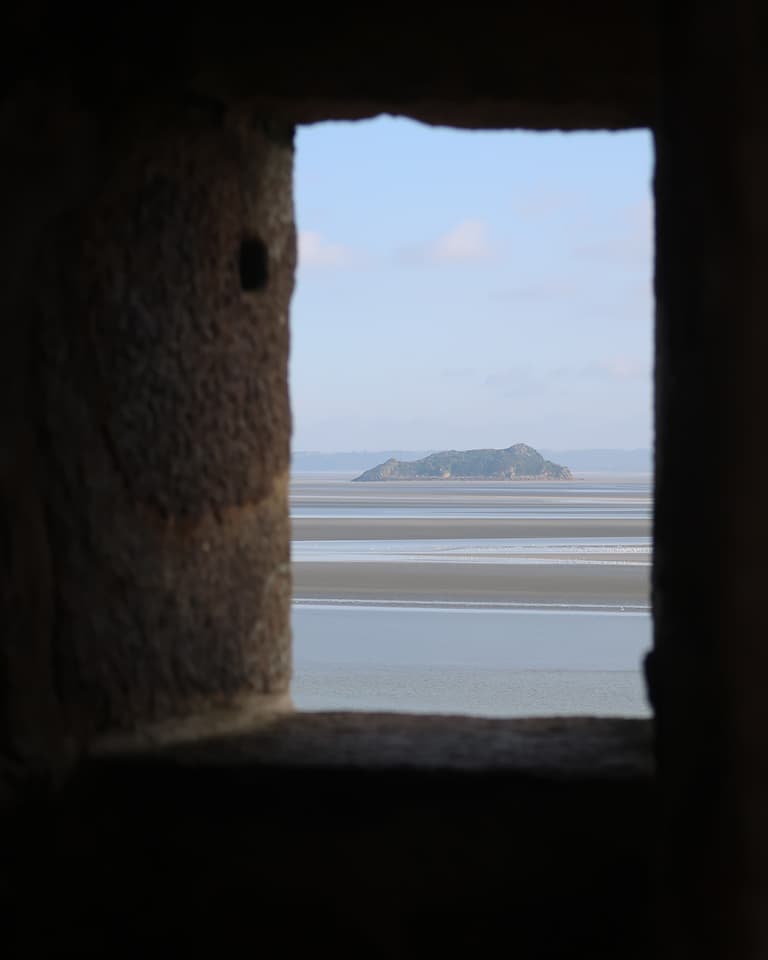
Photos: Avalon Afriyie

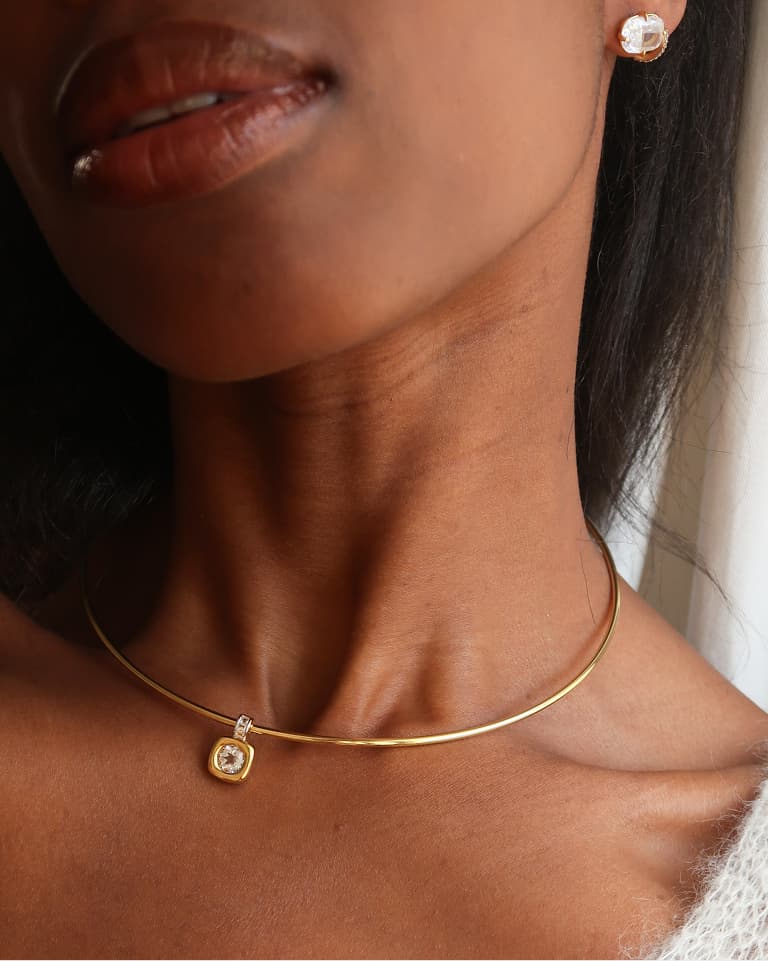
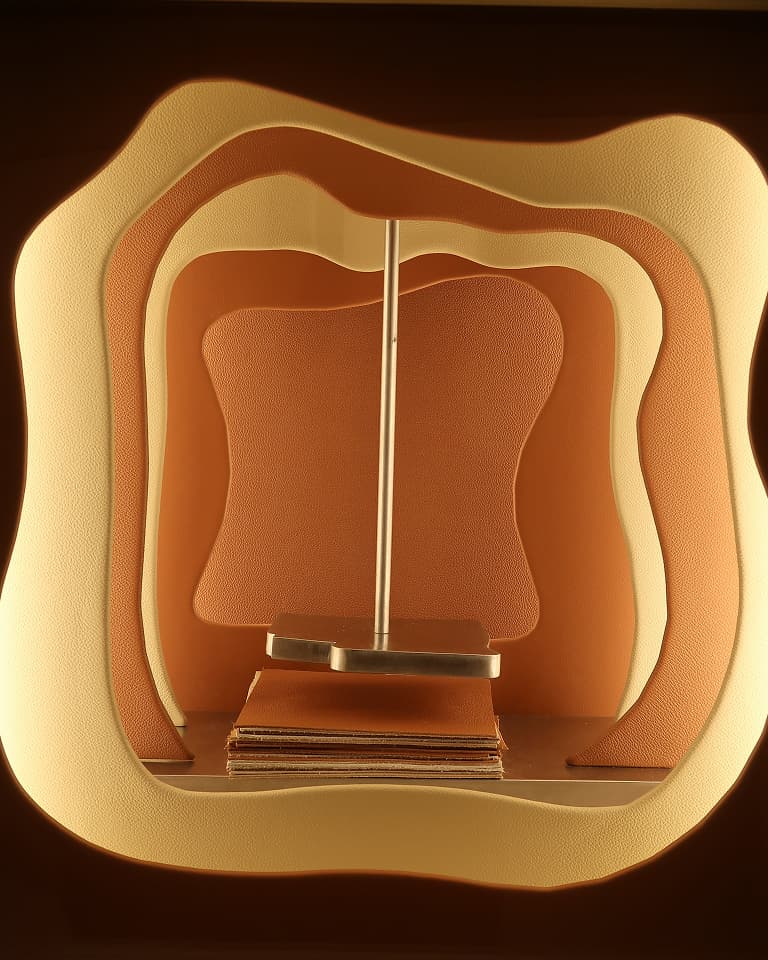
Award-winning Danish photographer Peter Funch is a proponent of this philosophy. Best known for refined subjects and detailed photography, in his book 42nd and Vanderbilt he captured photographs from the intersection of 42nd Street and Vanderbilt Avenue between 8.30am and 9.30am, from 2007 to 2016. Funch seized the minutiae of the early hours, snapping objects synonymous with New York and repeatedly capturing candid photographs of citizens through years of significant cultural, political and economic shifts in the city. Some visuals include portraits of strangers wearing strained facial expressions, decorative accordion pleats on an umbrella, a mature gentleman smoking a cigar pipe, and other people preoccupied with their phones.
In many regards, Funch’s work reads as an anthropological case study. Looking at daily rituals and body language, and centring the individual amid New York’s fast-paced bustle feels profound. Funch’s lens offers a humanistic approach, one that makes the individual a protagonist and highlights their significance in the world, despite the chaos that existed during these years. His work allows a glimpse into the lives of strangers and carries a cinematic essence that sparks curiosity and storytelling.

Photo: Avalon Afriyie

Photo: Avalon Afriyie
There’s a parallel between mental focus and a zoomed-in lens. Although close-range photography is a tool for zeroing in, being highly attuned observers and noticing small details is something we can practice in our day-to-day lives without an apparatus. This can apply when conversing and focusing on a person’s cadence, decelerating movements when we might have otherwise been on autopilot, and perceiving the subtleties in a person’s features, gestures or the surrounding environment. Training the mind to be present increases mental wellbeing – it becomes a tool to ease anxious thoughts and quieten the mind, which practices like yoga and mindfulness meditation have long demonstrated the efficacy of.
Abridging one’s point of focus means there are more opportunities for intimacy, and for capturing splendour that would otherwise slip under the radar. It’s becoming increasingly important to employ mechanisms to self-soothe and look closer, whether that’s inwards or outwards. Leaning into detail-oriented photography continues to be a purposeful pastime, and documenting people, places and experiences in detail has shaped the way I view the world. We can find significance in everything when we look diligently. Allow tiny moments to plunge you into consciousness, become a keen observer and invest in the stories of strangers. From proximity, you will witness the gamut of the human experience – and it may just soothe you in moments of unrest and disruption.
Descubre recuerdos más rápido con funciones exclusivas, como el reconocimiento facial y los álbumes inteligentes.




&w=96&q=75)
Lucy Halfhead
Responsable editorial de Popsa
22 oct 2025∙7 min

&w=96&q=75)
Yulia Aleksandrova
Redactora en Popsa
30 may 2025∙3 min
&w=96&q=75)
Staci Layne Wilson
Autora y cineasta
4 ago 2025∙6 min


 Estados Unidos