


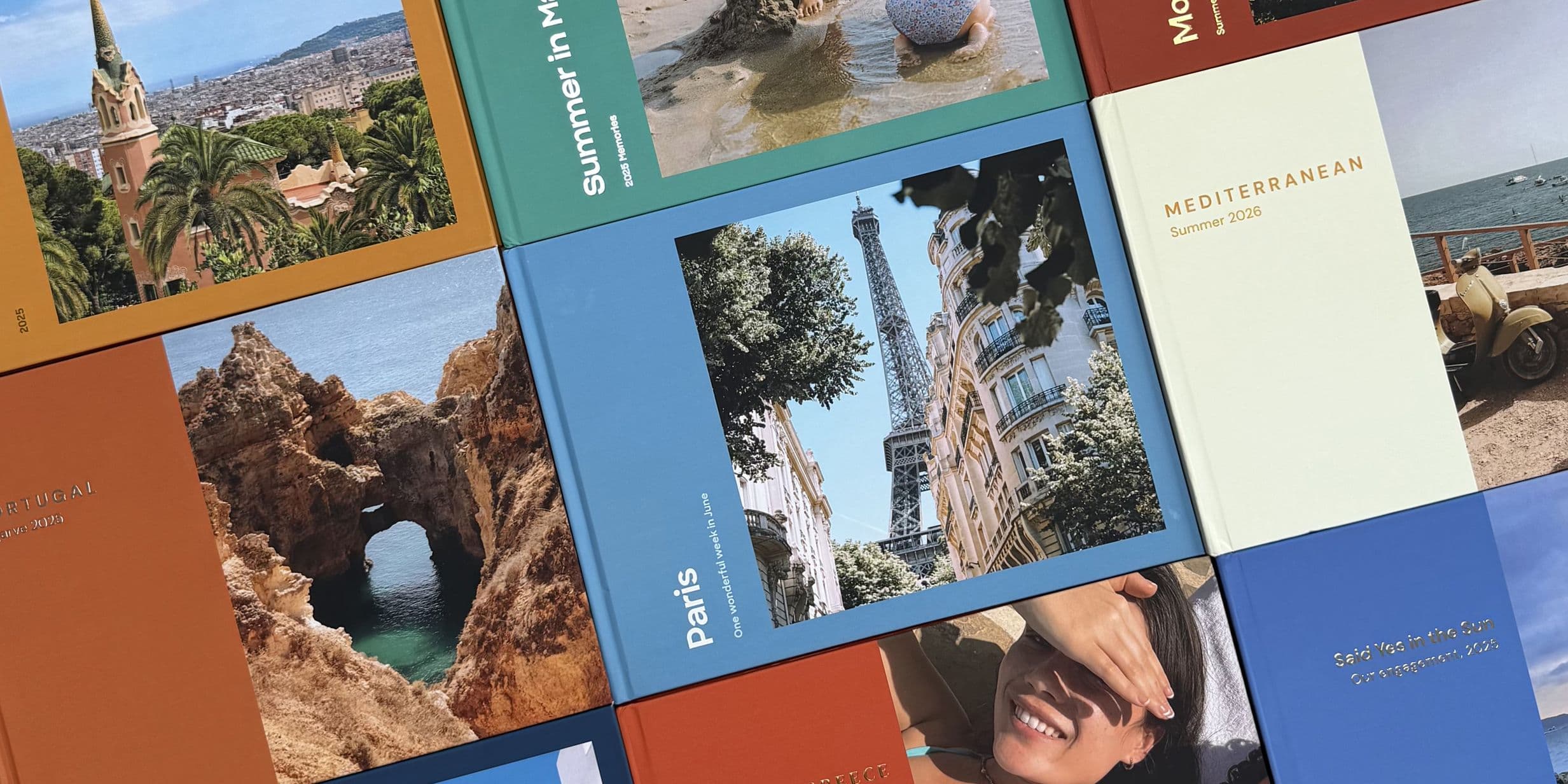
Deciding how many pages to include in a photo book is one of those questions that’s easy to overlook until you’re in the editing process. Getting the balance right makes the difference between a photo book you return to often and one that feels like a chore to browse. Too few pages and it feels compressed; too many and the book loses its pace. Whether you’re documenting a two-week holiday, a wedding or a first birthday, the page count shapes the whole experience. Here’s what to consider before you start.
Is there a minimum number of pages for a Popsa Photo Book?
Popsa requires a minimum of 21 photos to create a photo book, which gives enough room to tell a simple story without padding. For a weekend trip or a single event, such as a birthday or wedding, 20 to 30 pages is usually plenty. It keeps the book focused and every photo earns its place. If you find yourself including images just to fill space, the book is likely too long for the content you have.
How many pages work well for a single-day occasion?
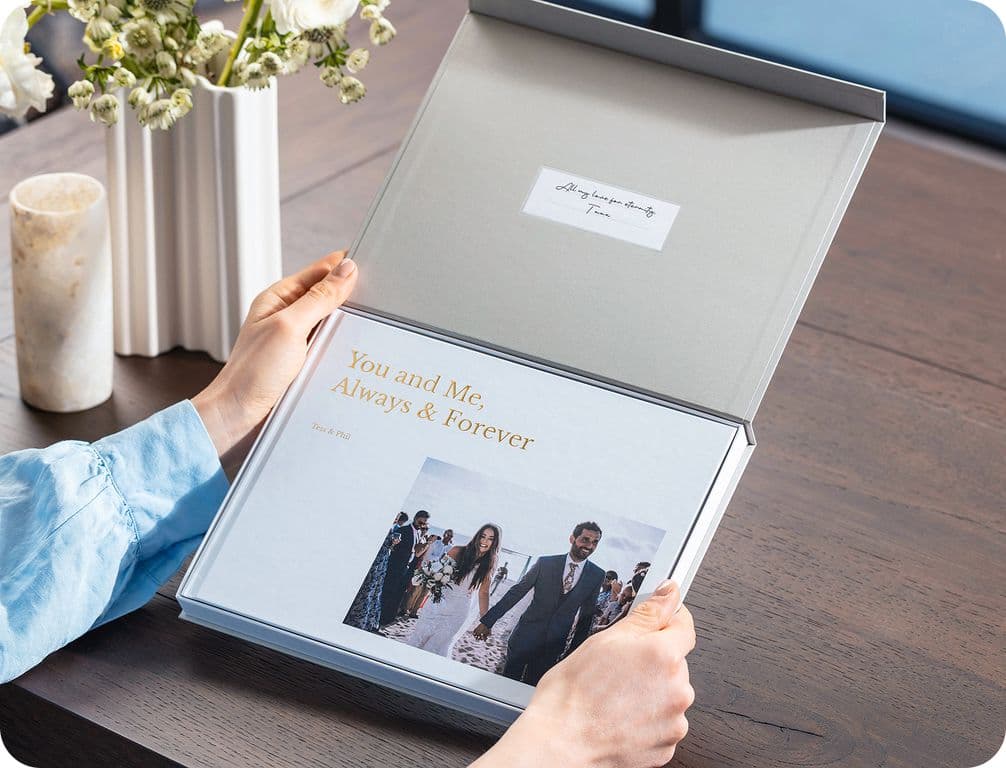
Events like weddings, birthdays or christenings often work better with a tighter page count. A well edited book of 25 to 40 pages can cover the key moments of a day without repeating similar shots. It helps to think in chapters – arrivals, the main event, candid moments, group photos – and choose one or two strong images for each rather than including every frame taken.
How many pages work well for a holiday or travel photo book?
For a longer trip, such as a two-week holiday, a road trip across multiple destinations or an extended adventure, somewhere between 40 to 70 pages tends to work well. That range gives enough space to cover different locations and experiences without making the book feel exhaustive. A good rule of thumb is to think in sections, per destination or day, each with a handful of key images and a few supporting shots.
How many photos should go on each page?
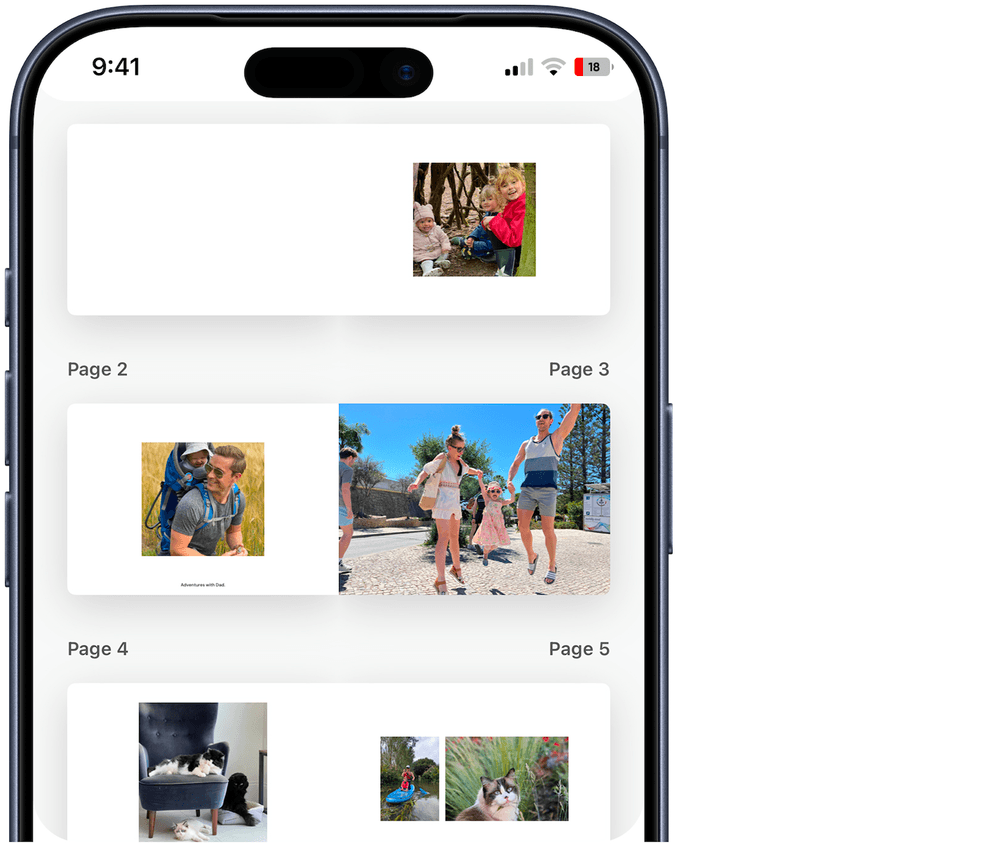
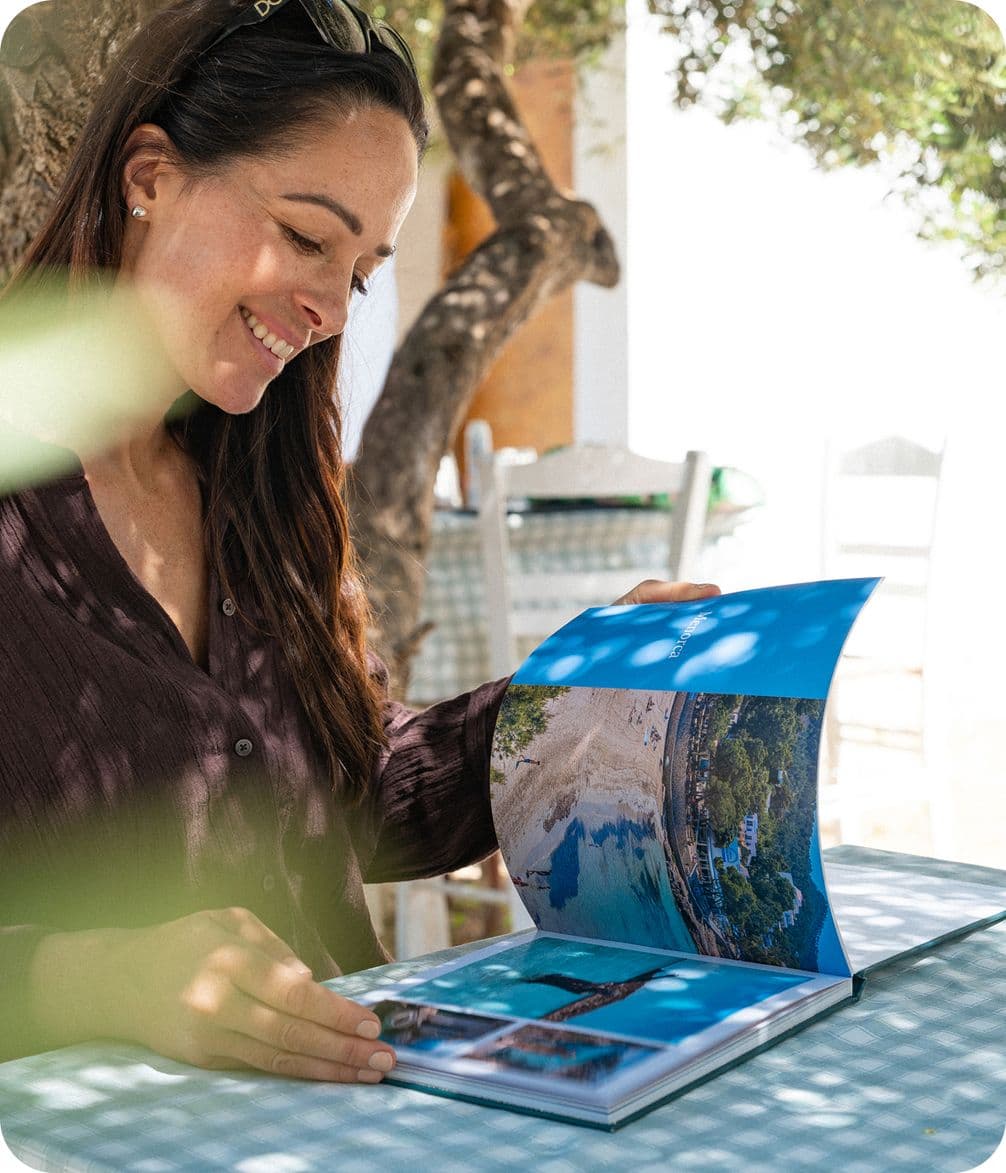
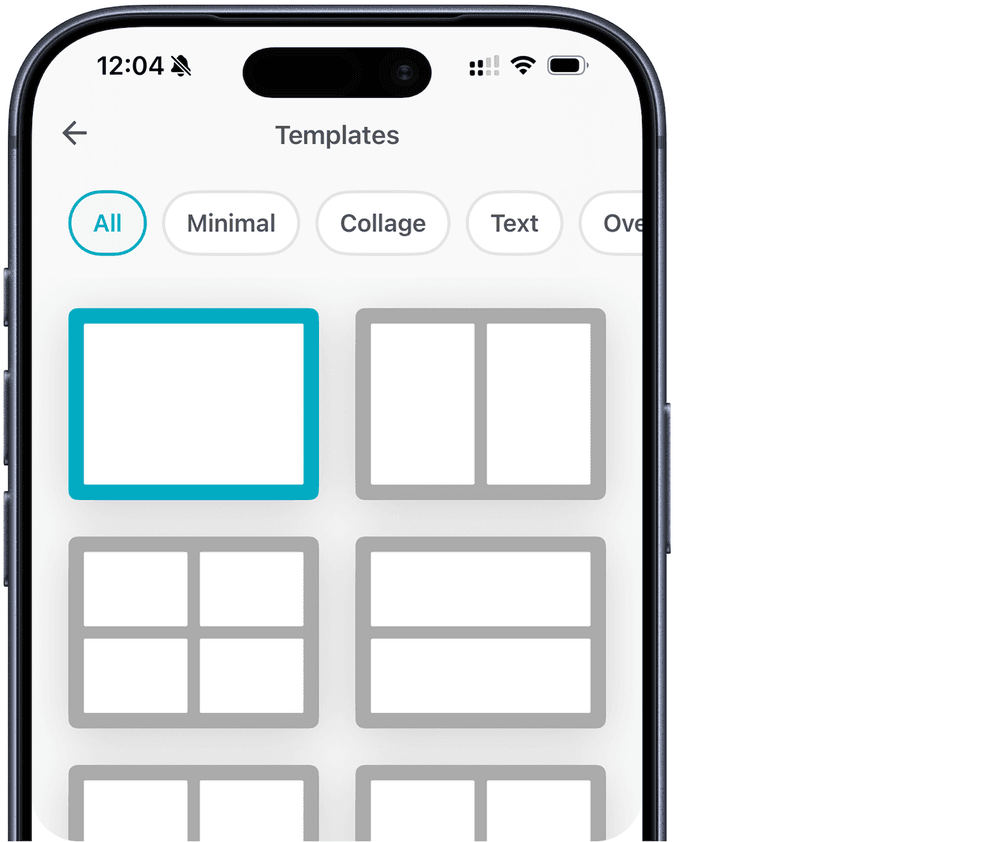
The number of photos per page affects the feel of the book as much as the total page count does. Full-page images create impact and work well for standout shots, including a landscape, a portrait or a scene that deserves room to breathe. Collage pages fit three to six photos and are useful for capturing smaller moments like street scenes, food or candid snapshots. Mixing the two across the book keeps the pacing varied and helps the story move.
How do you decide on the total photo count?
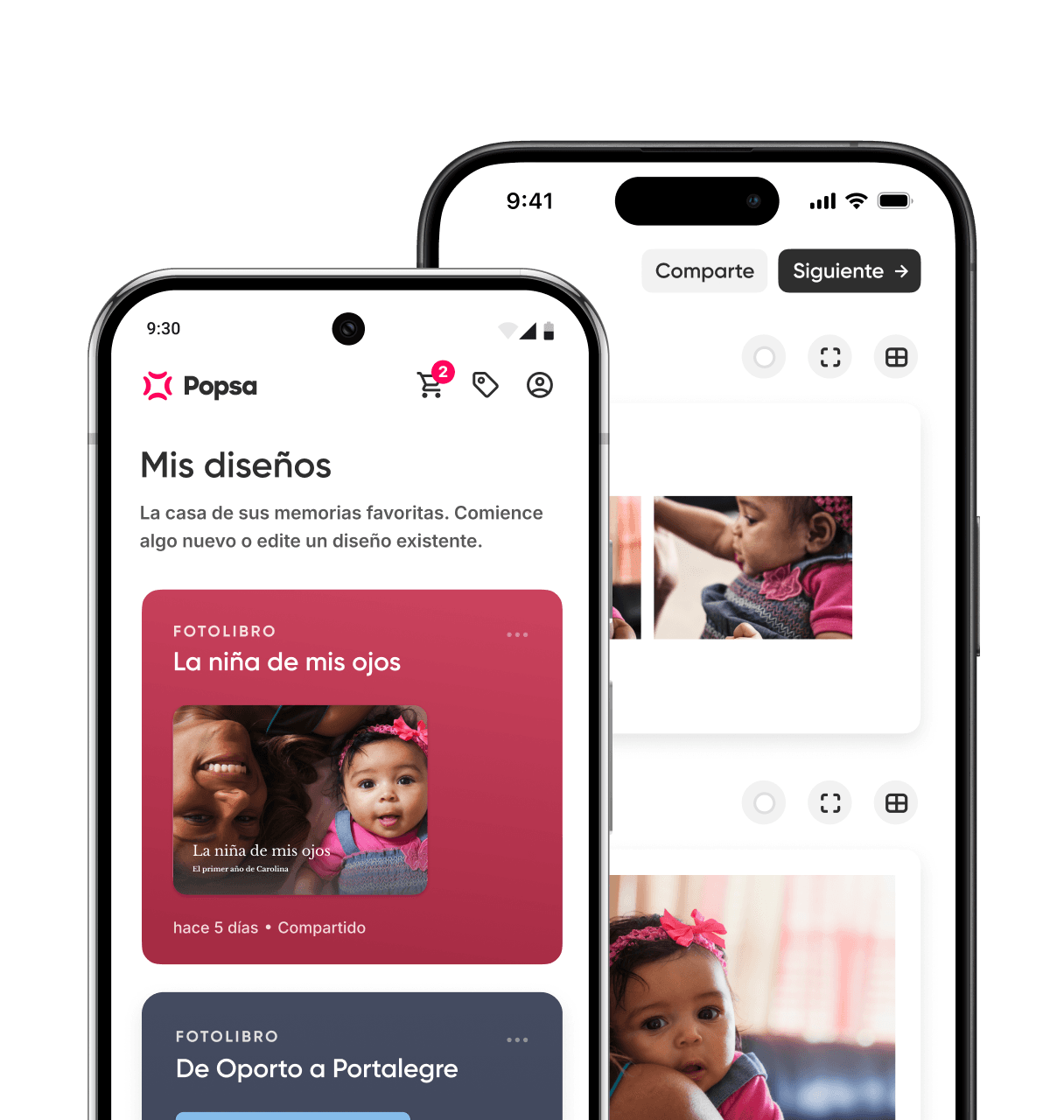
A practical way to approach how many photos to include comes down to the initial selection process. Start with your favourites – the images you’d want someone else to see – and set everything else aside. From there, the page count often becomes clearer. If you have 60 strong photos, a 30 to 40 page book with a mix of single and collage pages will usually accommodate them well. Popsa’s app makes it straightforward to see how your photos fill the available pages as you build, so you can adjust the layout through the process.
Can a photo book be too long?
A long photo book can dilute the impact of the best images and make it harder to browse in one sitting. If you’re regularly including three or four photos from the same moment just because you took them, that’s a sign to edit more tightly. The goal is a book where every page adds something, rather than a complete record of every photo taken. When in doubt, a shorter, well edited photo book will often feel more satisfying than a longer one that includes everything.
What’s the optimum number of pages?
There’s no single correct answer but a useful starting point is to think about how long you’d want to spend browsing the finished book. Most people enjoy around 20 to 30 minutes with a photo album before they’re ready to set it down. That roughly translates to 40 to 60 pages at a comfortable pace. Build from your best photos, keep the layouts varied and adjust the length until the book feels complete.
How do you choose the best format?
The format you choose affects how the finished book looks and how well it holds up over time. Hardcover Photo Books offer a sturdy, polished finish that’s easy to display on a shelf or pass around without worrying about wear. Softcover Photo Books are a lighter, more casual option, which is a good fit if you’re creating multiple books or want something less formal. Layflat binding is worth considering when your photos include wide or panoramic images, as the pages open completely flat and images can spread across both sides without anything disappearing into the spine. Square formats can also work well for Photo Books, giving the pages a balanced feel that suits both portrait and landscape shots equally.
Descargar la aplicación
Descubre recuerdos más rápido con funciones exclusivas, como el reconocimiento facial y los álbumes inteligentes.


Artículos relacionados
&w=96&q=75)
15 may 2026∙5 min


 Estados Unidos