

Photography

The secrets behind beautiful hotel photography

Photographer Emma Lavelle on mastering natural light, capturing the right details and how to make a room feel truly alive on camera

Red-haired woman with eyes closed in a dry grass field, a single reed tucked in her hair.

Apr 22, 20267 min

The secrets behind beautiful hotel photography

Article at a glance

  • Natural light is everything – turn off artificial lights, open the curtains and learn where the sun will be at different times of day.

  • Shoot before you unpack, mix wide shots with close details, and add subtle touches rather than over-styling.

  • Equipment matters less than your eye – use your phone’s gridlines, experiment with angles and zoom settings.
As someone who photographs hotels for a living, I am adamant that your choice of where to stay when travelling is a huge part of your overall experience. I am not one of those people who doesn’t really care where I sleep because I’ll be out exploring all day – my surroundings make a huge difference to my mood and I prefer a slower pace of travel, which involves hanging around my hotel room and enjoying all the facilities. Quite often, I will choose the places I visit by the hotels I’ve been daydreaming of staying in. And, of course, even when I’m not working, I love to document every hotel stay both for my portfolio and to capture the memories. 

Personally, I usually travel with a heavy camera kit that makes hand luggage a challenge, but you can very easily learn how to take beautiful hotel photos with just your phone or a simple point-and-shoot. Great photography is more about your eye and your understanding of light than about expensive equipment, after all. 

Hoping to brush up your photography skills before your next trip? Here are my hotel photography tips for beginners.

Photo: Emma Lavelle

Learn to master natural light

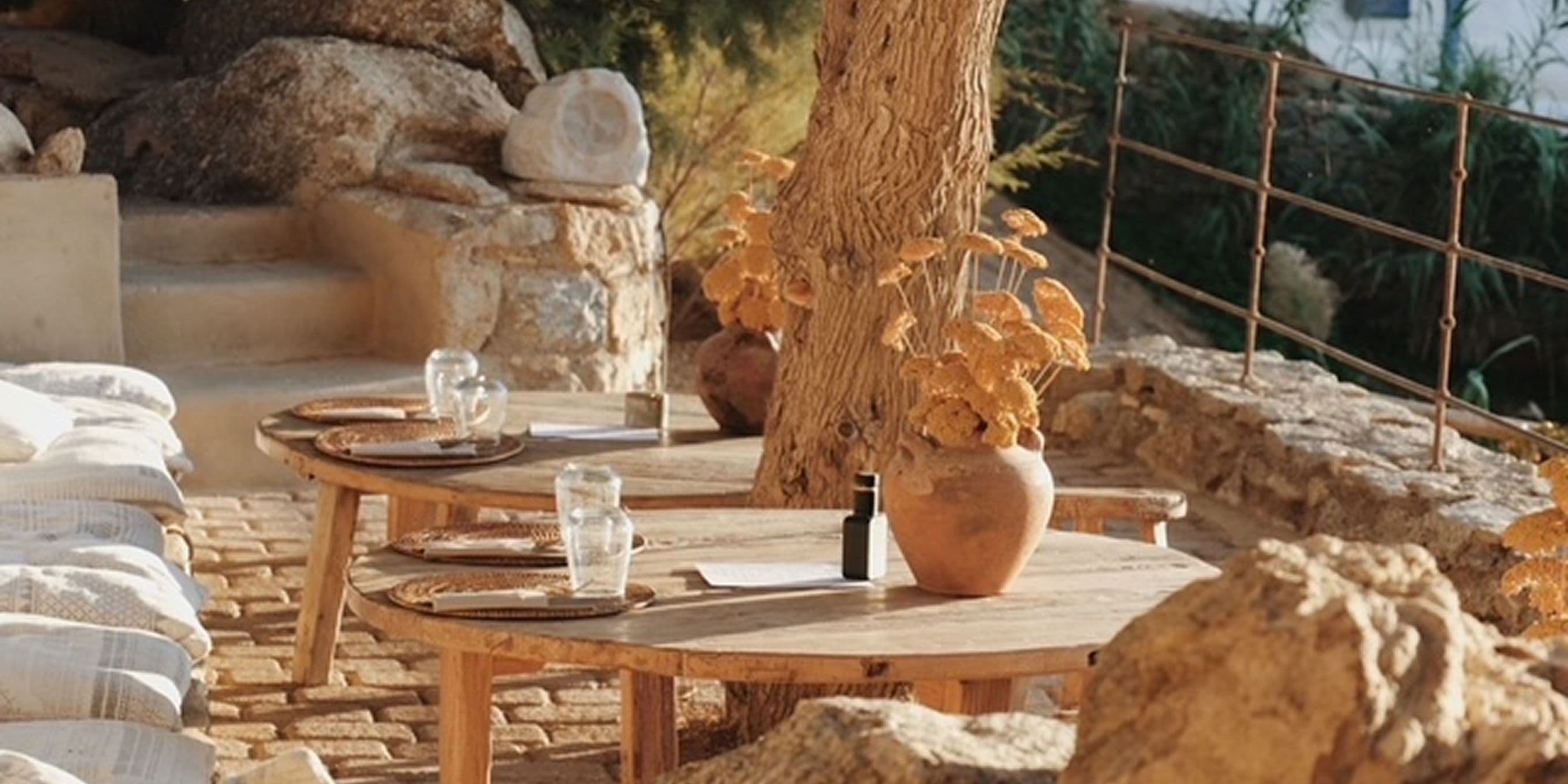
If you take away just one tip, let it be this: turn off artificial lights, open the curtains wide and embrace natural light. Overhead lighting creates harsh shadows and yellow tones, making it extremely difficult to capture a good shot. Turn on the lights in a room and observe how they change the hue of colours and how shadows dominate; then turn the lights off and see how much softer and natural the room looks, even to your eye before looking through a lens. 

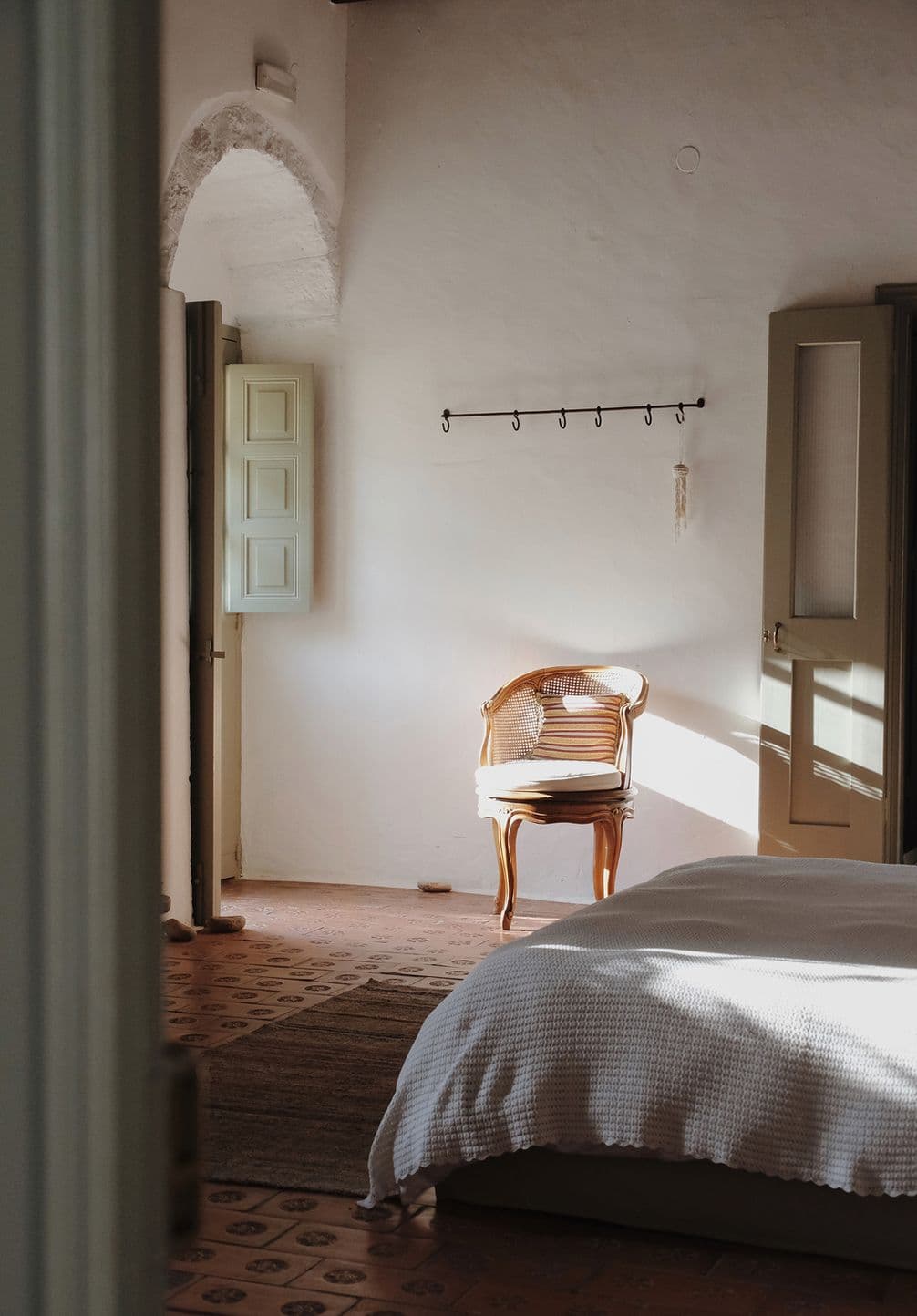
The first thing I always work out when I enter a hotel room is the aspect of the room in relation to where the sun will travel throughout the day (there are apps for this, or you can simply use the compass on your phone). If I know the room will receive direct early morning sun, I’ll set my alarm for just before sunrise to capture that lovely warm glow moving across the walls. This soft light following sunrise and preceding sunset is known as golden hour, and is when you’ll find the most flattering light for photography.

Photo: Emma Lavelle

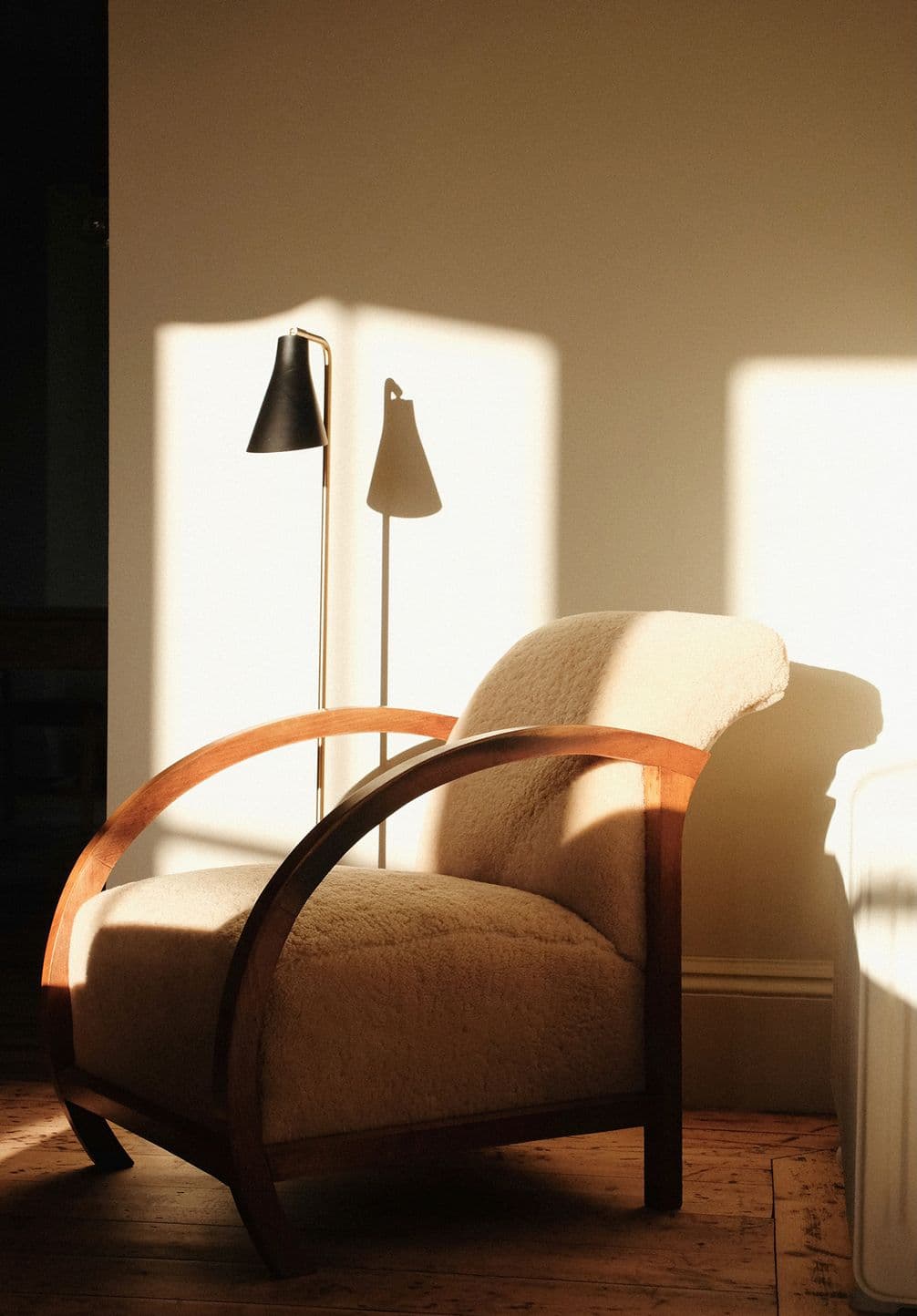
I also like to play around with the harsher direct sunlight a hotel room may receive in the middle of the day, albeit in more creative ways. Try capturing the shadows cast by window panes on a wall or the way a beam of light highlights a particular feature of the room.

Photo: Emma Lavelle

Photograph your room before unpacking

Upon arrival, I usually dump my luggage by the door and immediately get out my camera to capture the hotel room before my detritus is scattered around. I’ll remove any pieces of paper or unsightly things such as tangles of wires (I also always hide away towels that have been folded and left on the bed) and snap away. Once I’ve got those initial shots with a freshly made bed and no clutter, I can relax. I’m naturally an organised person who hates mess, so I tend to store away suitcases and hang up clothes, and the room remains mostly tidy during my stay. I’ll then add in a few subtle touches to make the space feel lived in while I’m shooting.

Photos: Emma Lavelle

Capture details that tell a story

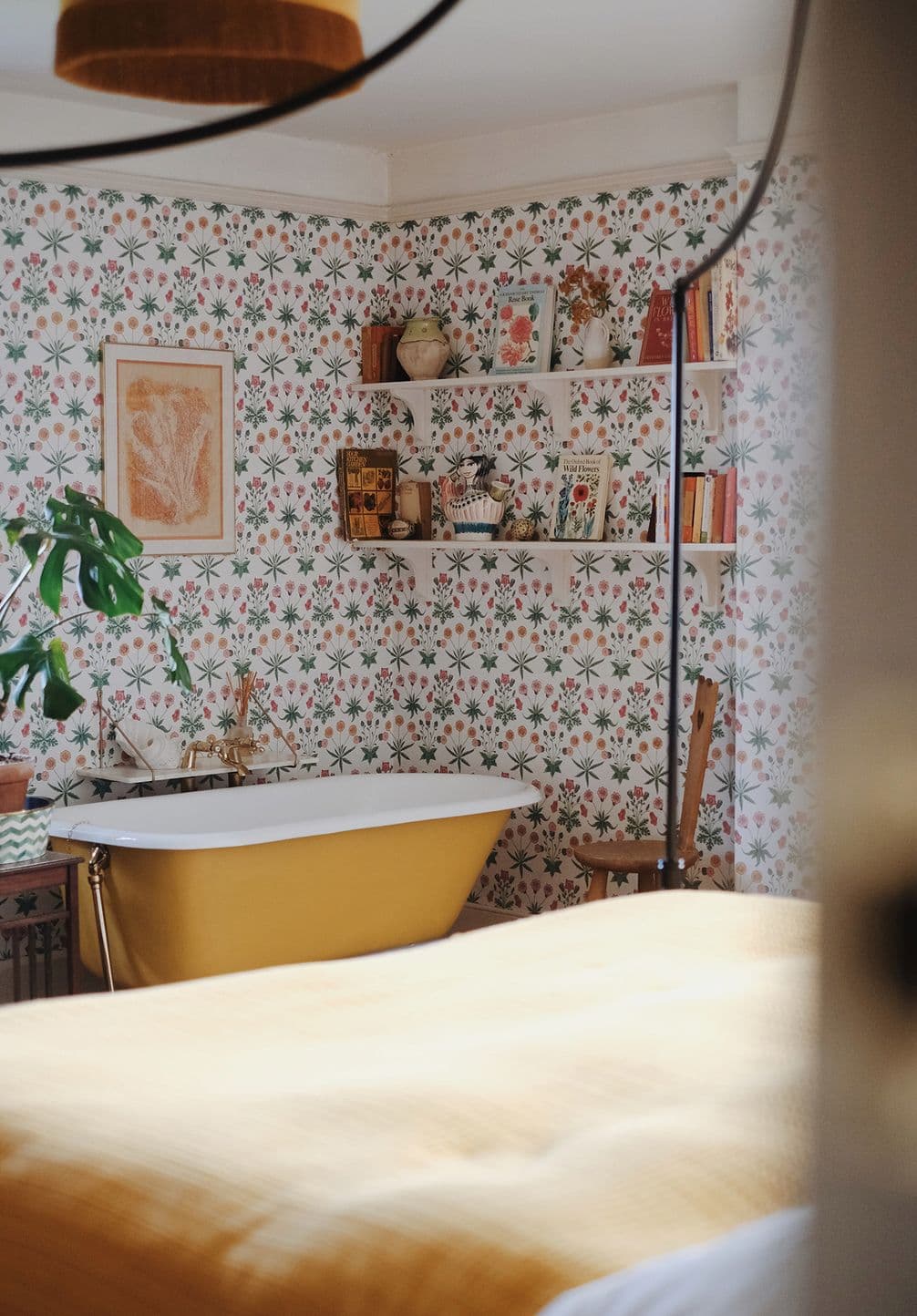
Personally, I loved a crumpled bed shot rather than neatly made sheets, creating the impression that you’ve just got out of bed after a comfortable night’s sleep. I might add a few beautifully packaged lotions and potions on the vanity or in the bathroom, lay out breakfast on the balcony or move the most aesthetic items in the room into my shot. Over-styling (such as leaving an open book in each shot or adding too many lifestyle accessories) tends to look forced and a bit naff, but small details and a more “undone” vibe can add a storytelling element. Many of my clients ask me to capture hotel rooms from the perspective of a guest staying there, for example, which makes their imagery feel more relatable.

Photos: Emma Lavelle

I like to take a real mix of photos when shooting hotels. For a bedroom or suite I would take wide shots of the room as a whole and up-close details of features that catch my eye, such as a beautiful lamp or textured linens, but I’ll also get more creative with watching how the light moves around the space and thinking of unique compositions. I tend to focus on the slow, storytelling moments that make a stay feel special – the feeling of waking up in that particular bed, the life in outdoor spaces, and the human stories behind it all. Remember that a hotel is more than just your room; capture what catches your eye in communal areas including the reception, lounges, bars, restaurants, swimming pools and gardens.

Photo: Emma Lavelle

Include moments, not just spaces

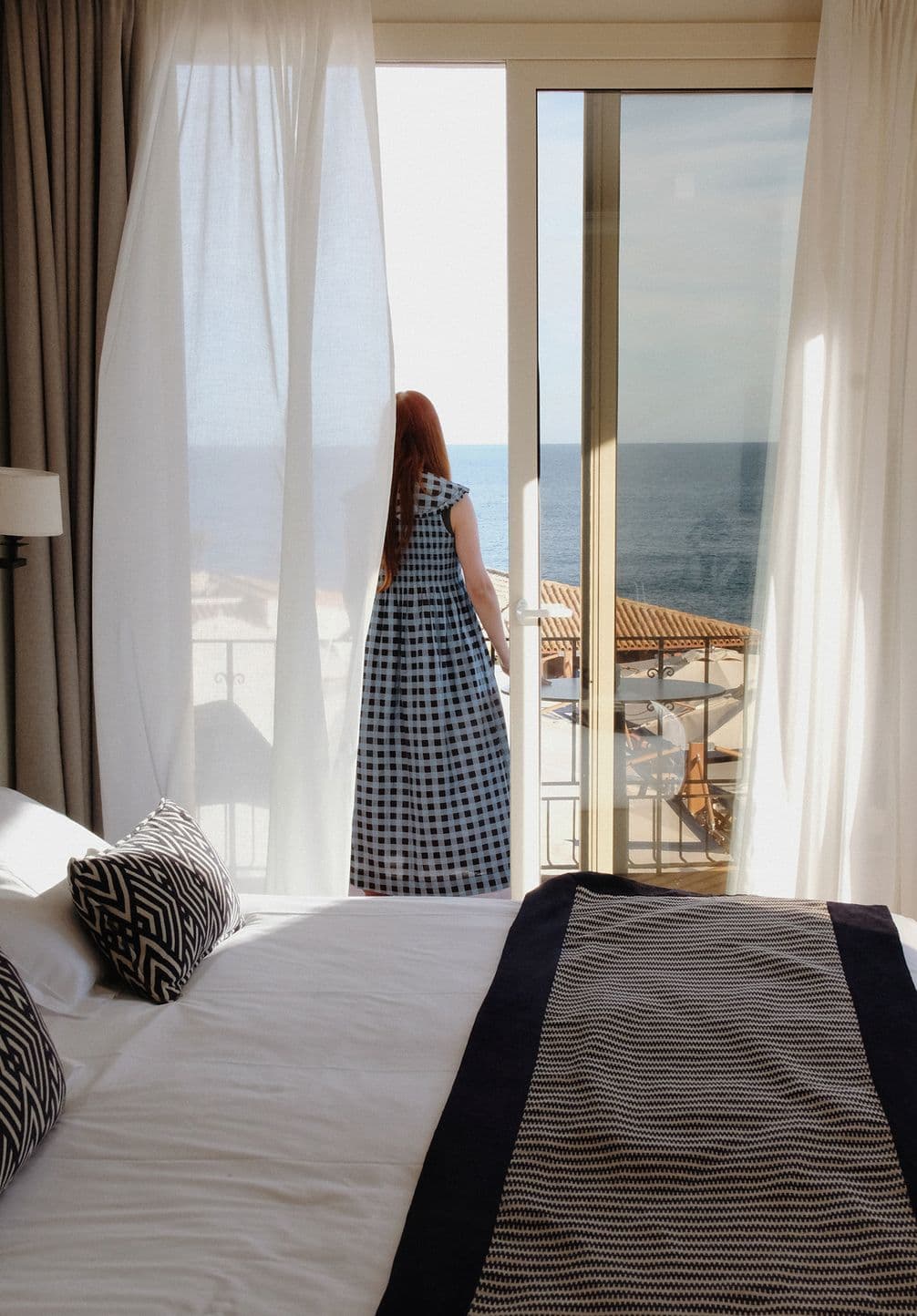
This leads on to nicely my next tip – incorporating movement or people to bring life into your photographs. You don’t need to be travelling with a professional model or know exactly how to pose for the camera, simply focus on natural, relaxed moments that don’t feel forced. If you or your travel companion don’t feel confident with your faces being in shots, you could just feature your hands (holding the room key, smoothing down the bed sheets, picking up a mug of coffee) or have your back to the camera (looking out of a window, sat on a lounger beside the pool, walking through the hotel gardens).

Photo: Emma Lavelle

Photo: Emma Lavelle

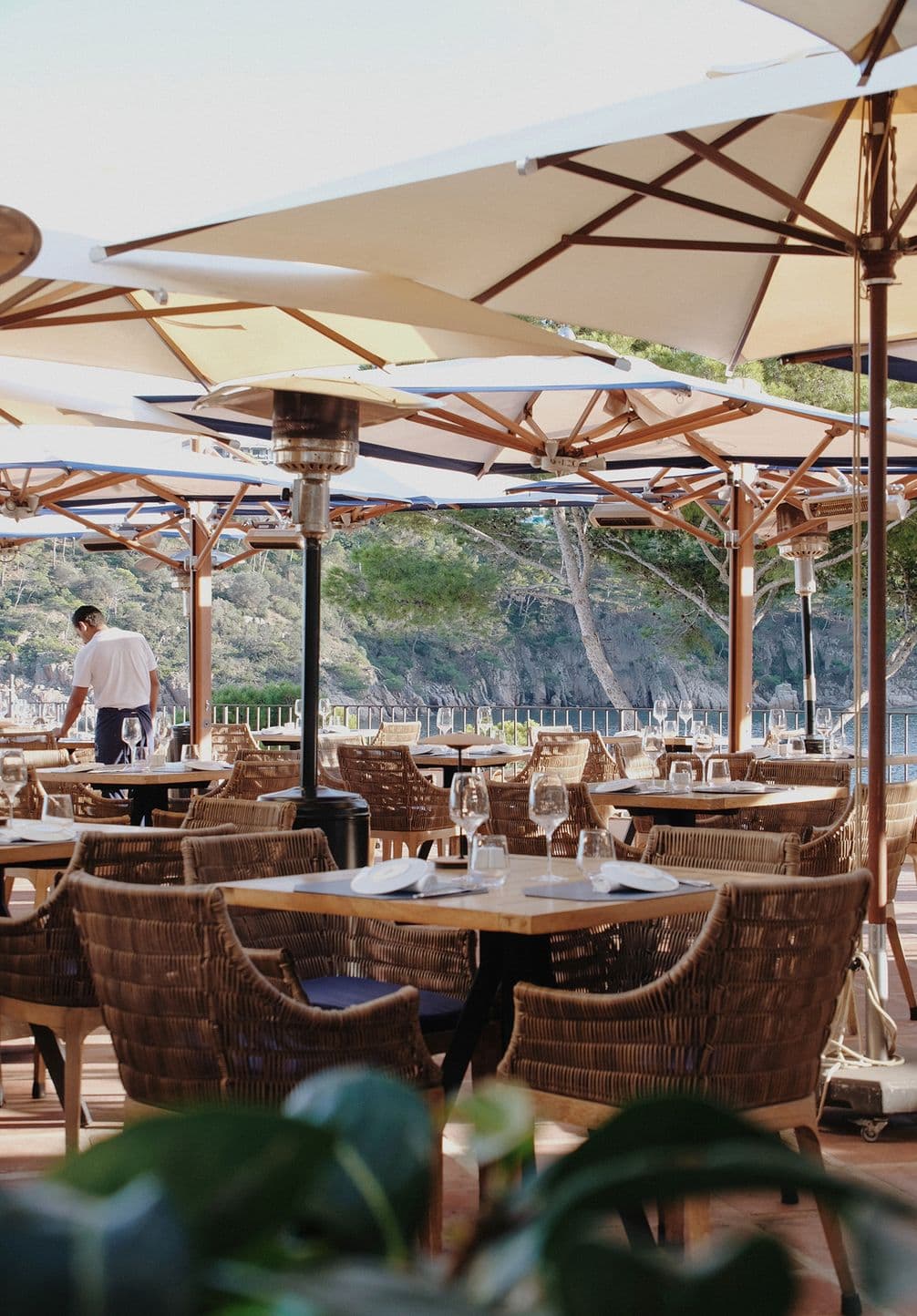
In communal areas of the hotel, you could try subtly snapping the staff at work: setting the table in the background of a shot of the hotel restaurant, a close up of their hands serving breakfast or a shot where the background is in focus and they are blurred, perhaps carrying a tray of drinks to a table (always ask permission first).

Photo: Emma Lavelle

Pay attention to angles and composition

The more you take photos, the more you’ll learn about and play around with angles and composition. If you’re getting into photography for the first time, use the gridlines on your phone or camera to help guide your composition and create straight lines. You can follow the rule of thirds to create a balanced image, where key subjects are placed along the grid lines or at their intersections. 

If you’re using your phone, play around with zooming in and out. I dislike the standard setting for taking photographs on an iPhone as it is the equivalent of 24mm and distorts the space you’re capturing – I tend to zoom into 1.5 (35mm) or 2 (48mm) instead, taking a couple of steps back if necessary.

Photos: Emma Lavelle

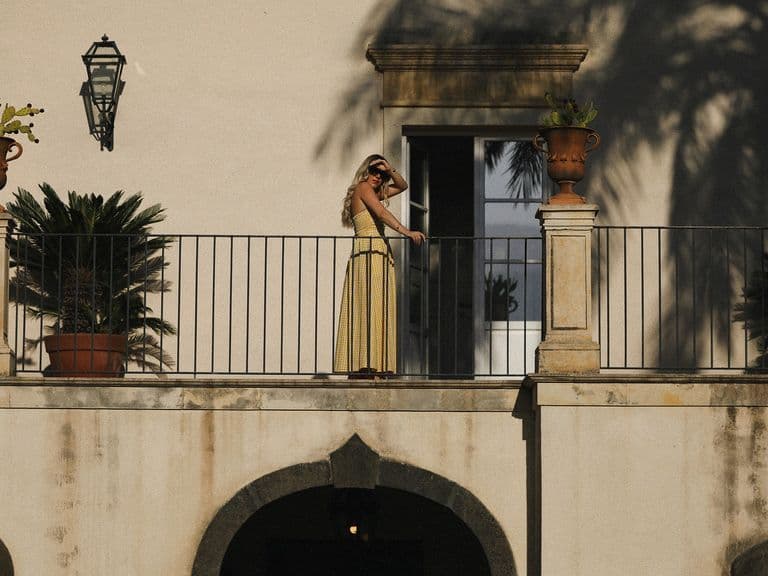
Personally, I like to capture a few simple straight-on shots before getting more creative. Try adding more dimension to your images by paying attention to the foreground of your shots, such as the palm leaves in this shot of a hotel facade or the soft gauze of the curtains framing this photo of a beautiful wooden sink. I also like to shoot through a doorway, capturing the contrast between the room you are standing in and the room you are focusing on. Another simple trick is to use negative space to draw the eye to your subject.

Lightly edit to elevate your photos

You don’t need to be a Lightroom whizz to edit your photos. A few simple tweaks using either the Lightroom app or one of the many other apps available can dramatically improve an image. Learn how to adjust brightness, contrast and warmth for subtle edits, as well as straightening out lines if necessary. You could add a light filter but keep to the same filter across all of your images for consistency and avoid heavy filters that distort colours and might date quickly. Some apps, such as VSCO allow you to select how strong you want a filter to be – just apply lightly for a more subtle effect.

Photo: Emma Lavelle

Ultimately, learning how to photograph a hotel is less about the camera you use and more about the light and how you interpret the scene before you. Capturing aesthetic hotel photos that you’re proud of and want to preserve by printing out or including in photo books of your trip is all about slowing down the process, noticing the details that make a space sing and documenting your memories. Don’t just snap a few shots of where you stayed, but try to capture how it felt to stay there.

Download the app

Discover memories faster with exclusive features like facial recognition and smart albums.

App StoreApp Store
Download the app