
Fotografie
Finding magic in unscripted wedding moments
From quiet exchanges to unguarded bursts of joy, discover why the the best wedding photographs are often the ones that aren’t planned

3. Nov. 2026∙8 min
Registrieren
Anmelden

Deutsch
USD $
Lade Popsa heute noch herunter


Fotografie
From quiet exchanges to unguarded bursts of joy, discover why the the best wedding photographs are often the ones that aren’t planned
3. Nov. 2026∙8 min
It’s 7:30 am on a sunlit Saturday. At a picturesque, family-run farm in Kings Langley, I’m sitting in the corner of a makeshift barn-turned-green room. The bride returns from putting the finishing touches to Joey the dog’s bow tie and settles into her armchair for a rare moment of calm. In her hands is a letter, couriered over from her wife-to-be. Hair in rollers, make-up elegantly sculpted, she reads, chuckling, then stifling tears. It feels like the quiet before a whirlwind – though this is less a storm to weather and more a day of pure elation. Pauses are rare on a wedding day, which is often electric and chaotic in equal measure. But they’re exactly the moments worth seeking out and capturing. The fleeting, unscripted exchanges that help shape the story of what will probably be the happiest day of their lives.
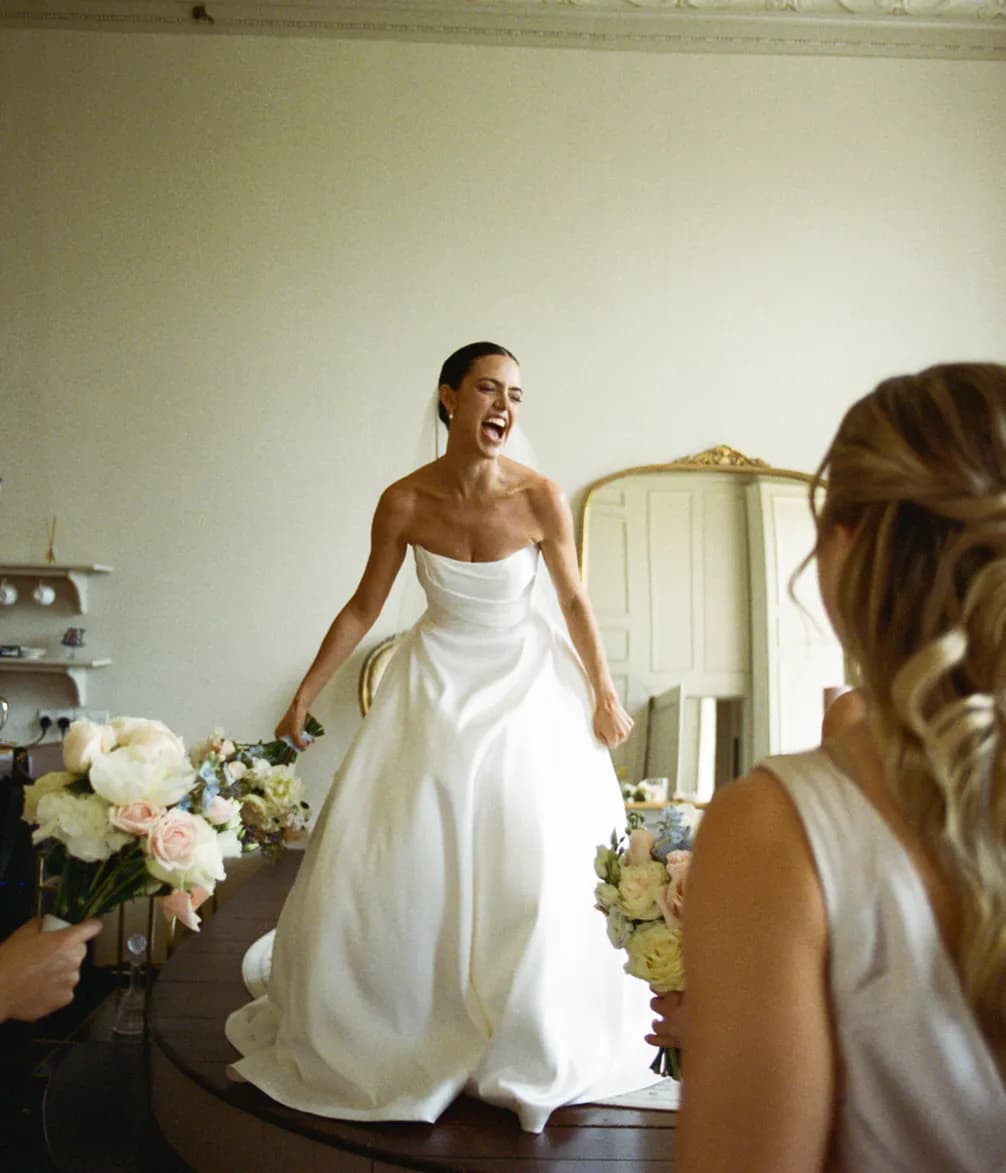
The weddings of Emily and Miles, and Vivan and Fergus. Photos: James Brewer
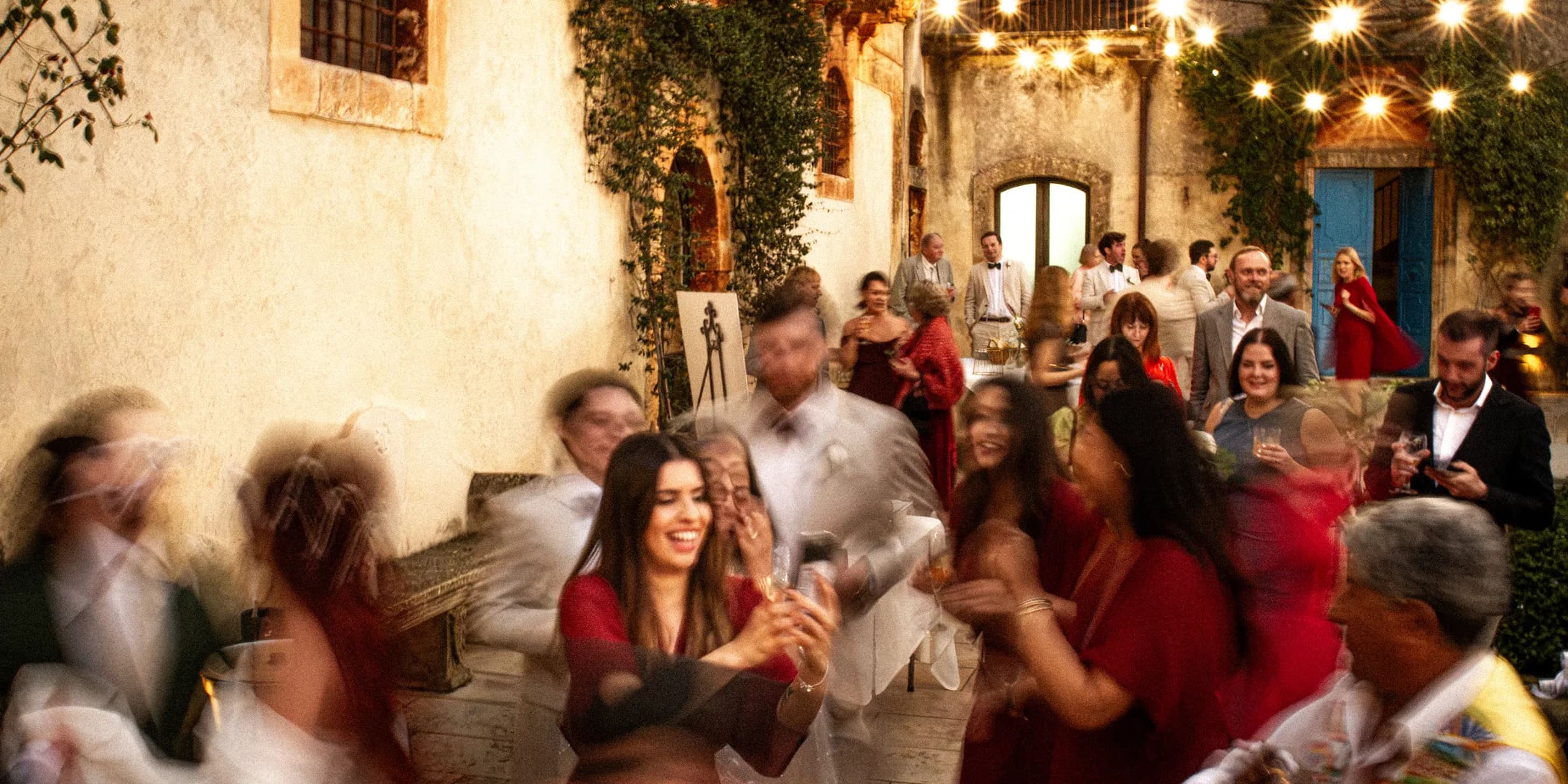
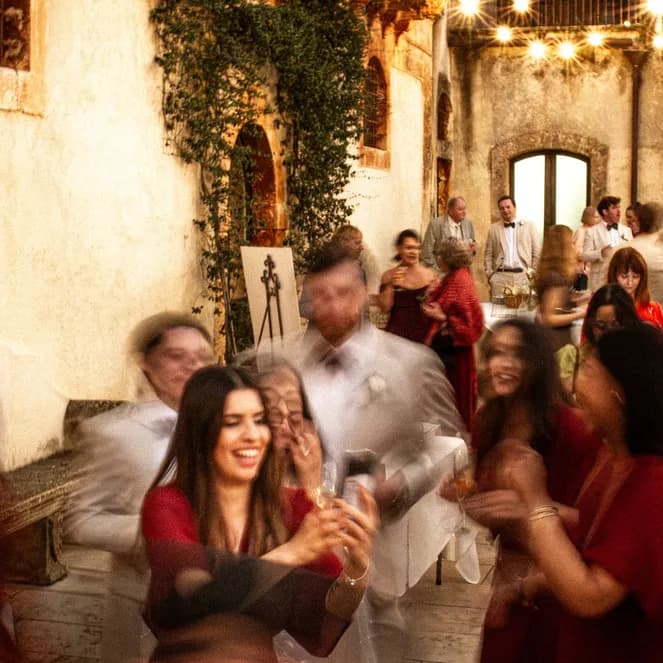
I often think the role of a wedding photographer is to be a quiet witness. By taking a step back and operating almost in the shadows, you can capture the day as it naturally unfolds. The couple will never forget the moment they stood at the altar: the reading of the vows, their first kiss as newlyweds and everything that follows. But it’s the moments they don’t see on the day that they’ll want to remember in years to come. Sometimes these are understated, like the awe on guests’ faces during the ceremony. Fixated on each other, the couple might never see these reactions. Other times, it’s the high-energy reception: guests dancing wildly in the courtyard of a Sicilian villa. For the hero image above, I used motion blur to catch the bridesmaid in a frenetic moment, as delirium and happy chaos unfolded around her.
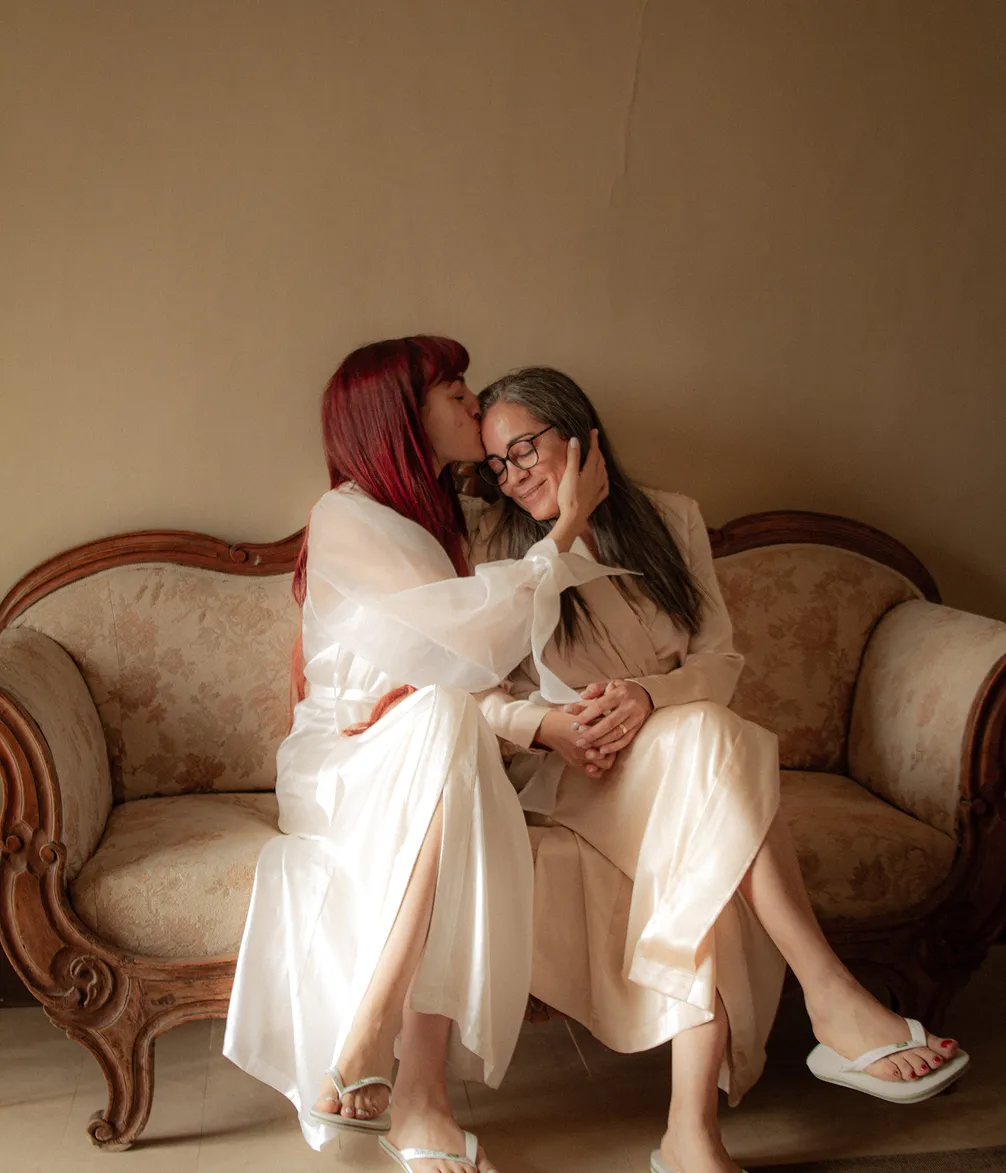
Being a quiet witness isn’t about hiding behind a lens; it’s about building trust with clients and their guests, so that when raw emotions surface, nobody feels the need to perform. That might be a bride taking one last glimpse over her shoulder as she makes her way up the stairs to the chapel, or the all-singing, all-dancing celebrations in the bridal suite, one final release of excitement before the walk down the aisle. In both, people are unashamedly themselves. The key is to anticipate these moments, not orchestrate them.
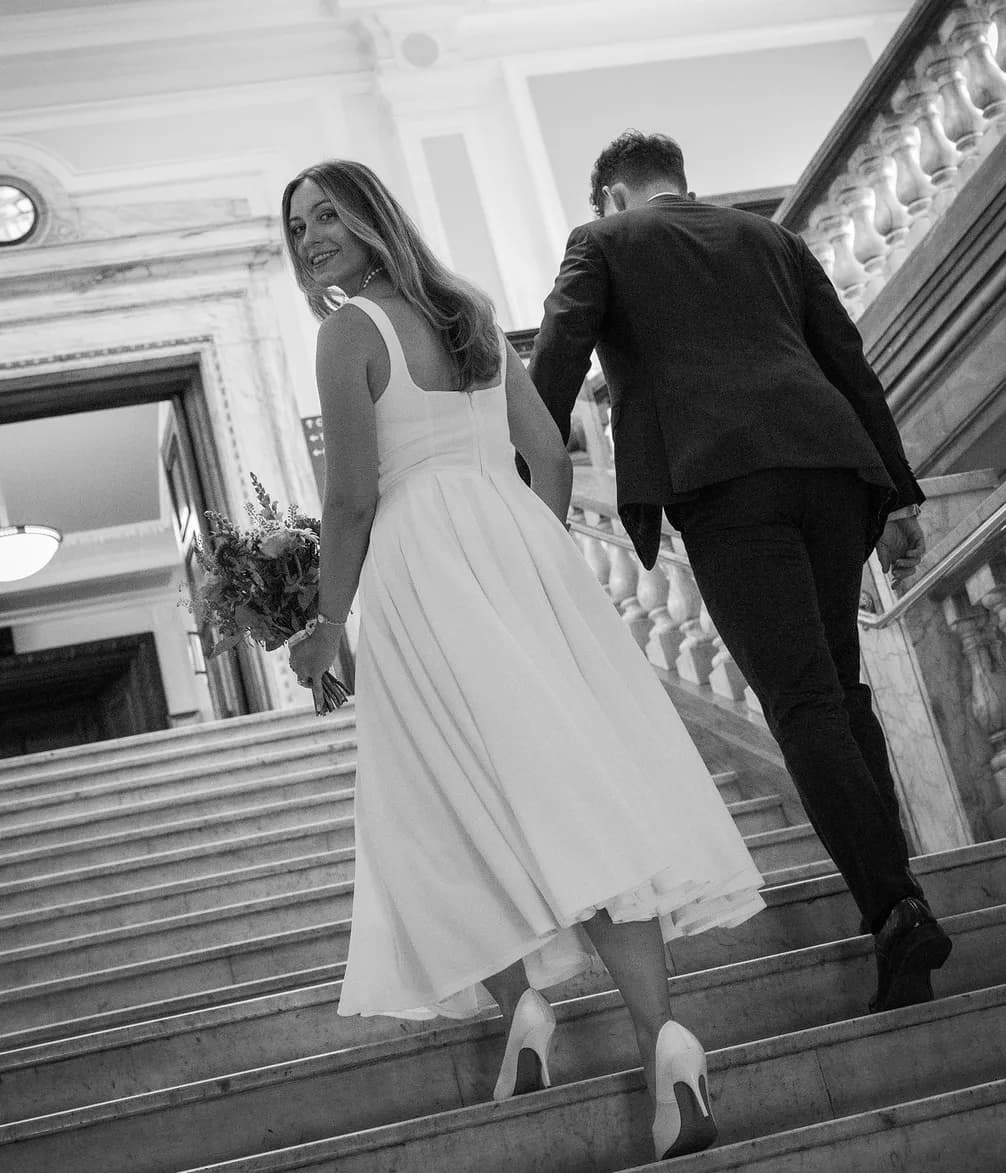
Hayley and Dan’s wedding. Photos: James Brewer
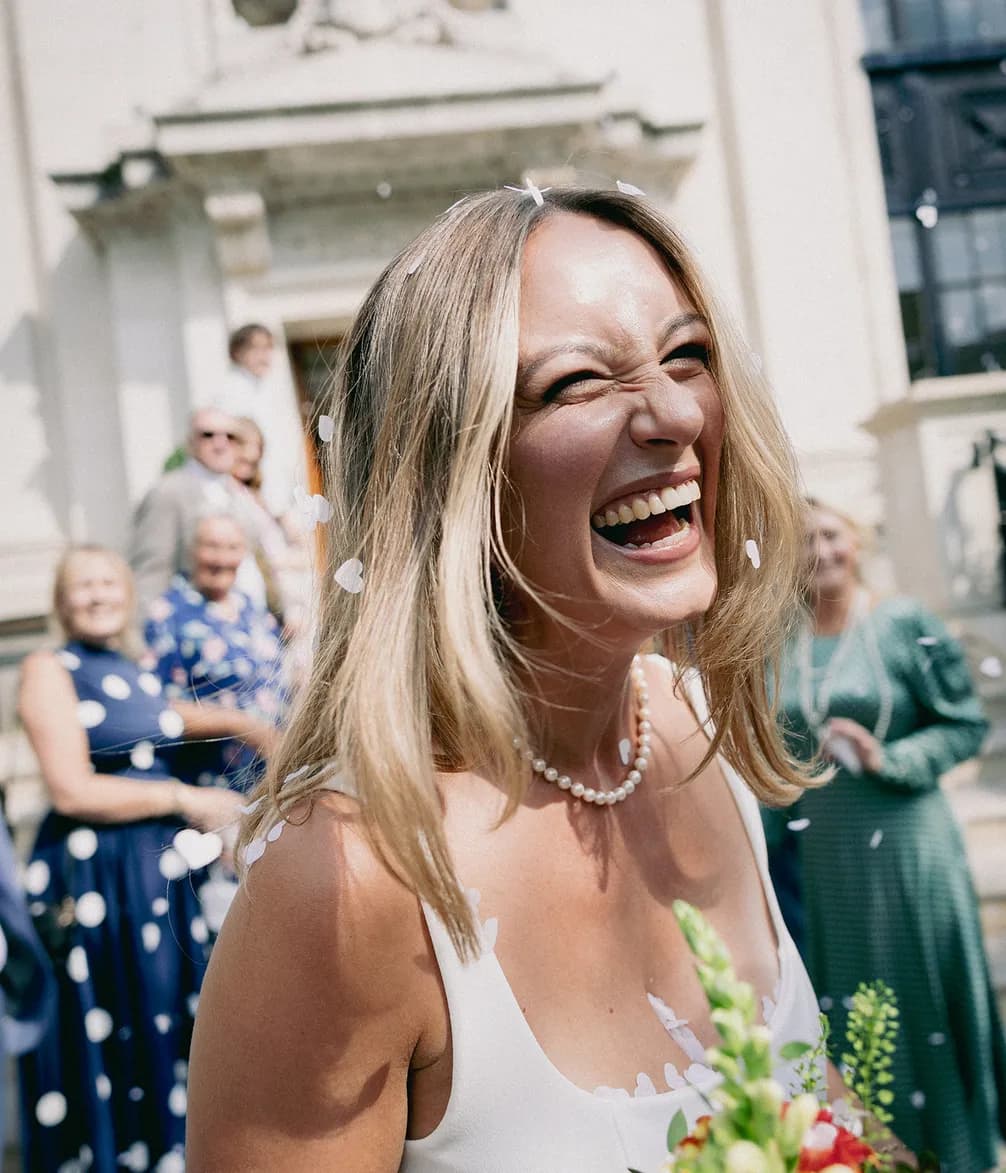


These imperfectly timed, unposed frames can carry the greatest emotional weight. You’re capturing someone in a vulnerable moment, and often it’s these images that will transport them back to the big day. There’s beauty, too, in seemingly minor details. This could be as simple as a flower-laden veil trailing across the gravel, or a silhouetted dress twirling in motion. Such details are easy to miss but can mean so much to whoever wore that dress, looking back.
I’ve had the rare privilege of capturing the weddings of family and dear friends, which brings its own advantages. Being part of that inner circle changes the way I observe a room. Beyond anticipating moments, I can recognise the little idiosyncrasies that make each person who they are: the uninhibited laugh my sister lets out when she’s close to my nephew, or the particular proud smile my friend Rory wears when he looks at his wife, Lydia. I think that intimacy translates directly into the work, adding another layer of meaning to the images.
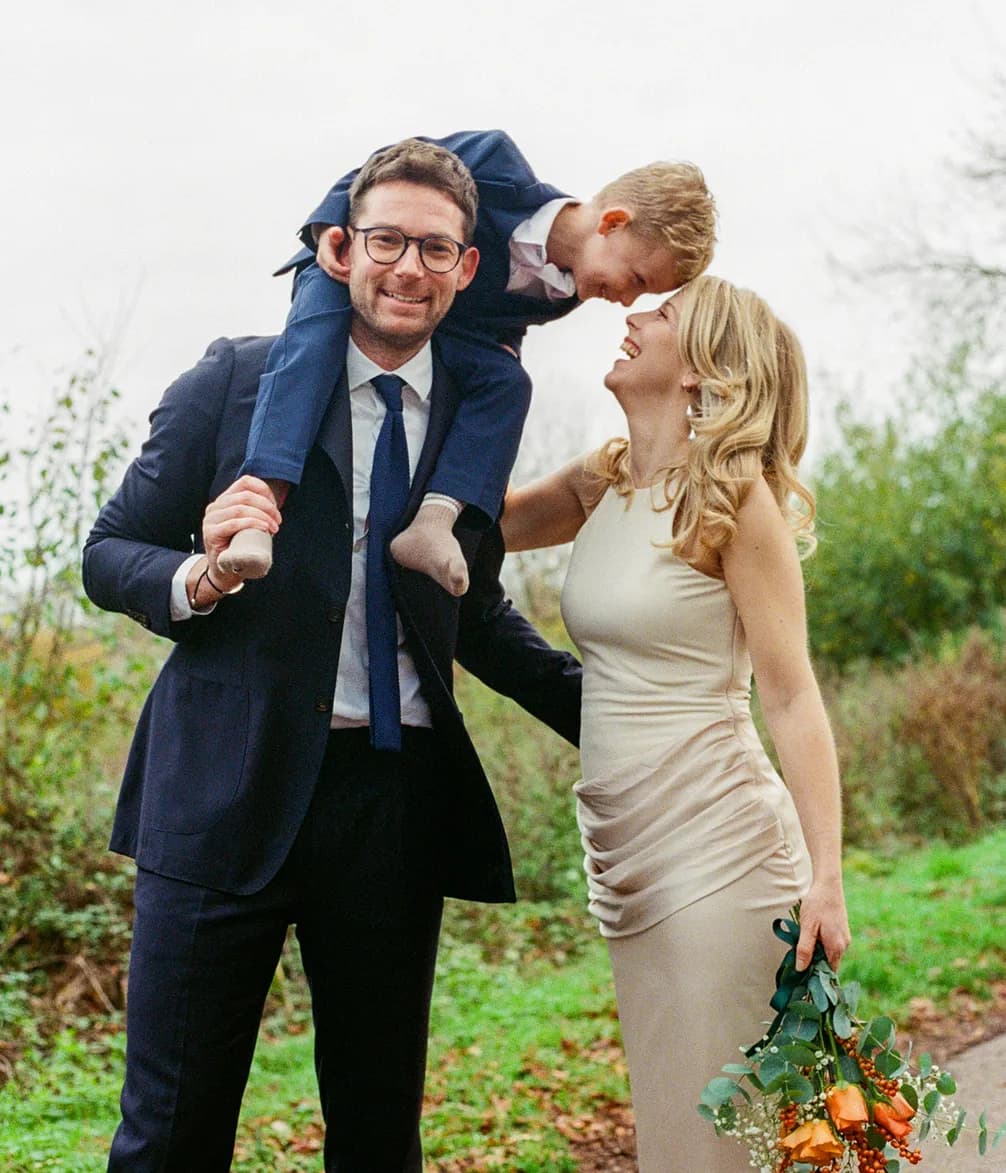
Alex and Olly’s wedding, and Rory and Lydia. Photos: James Brewer
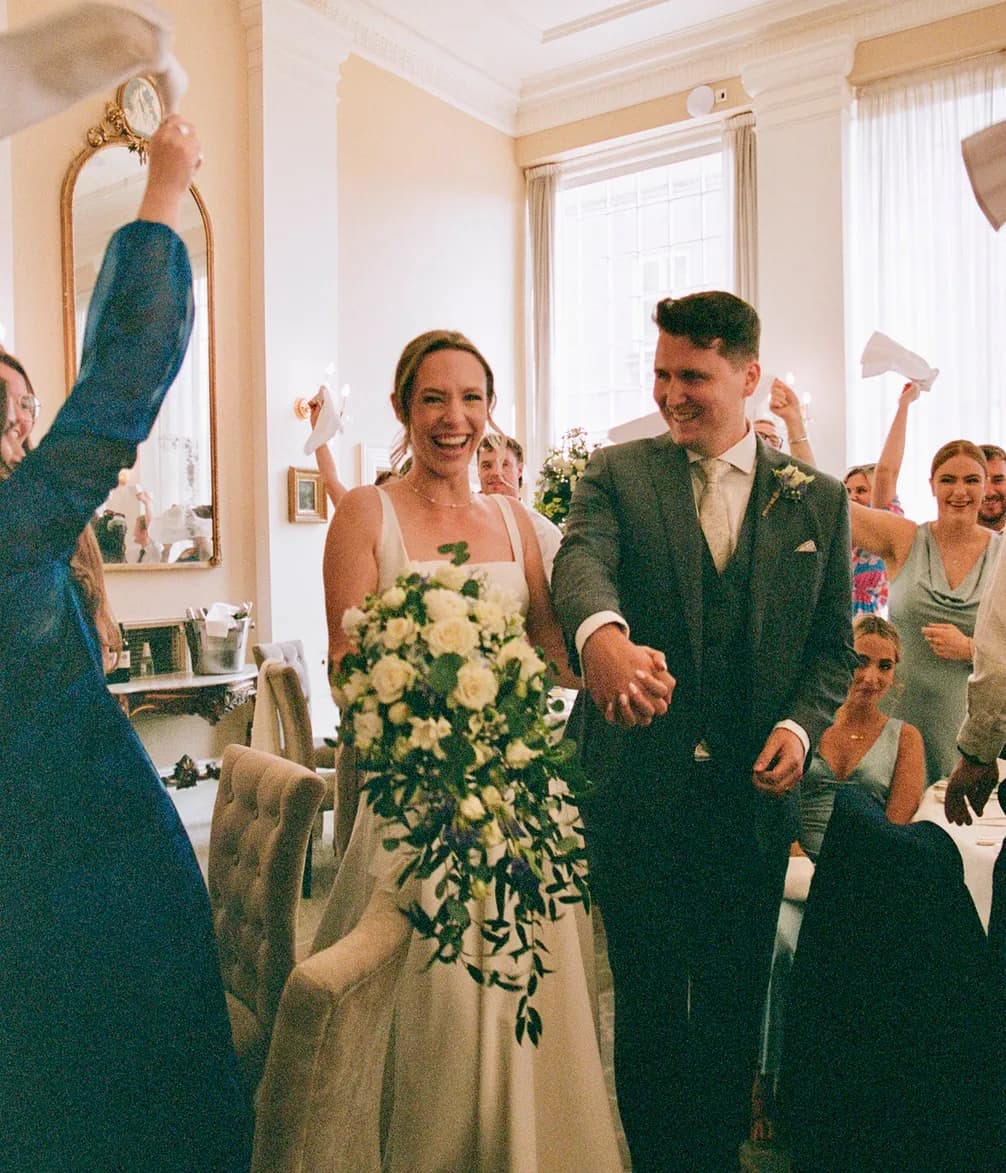

The weddings of Ellie and Harry, and Lilly and Maxie.


It’s important for a photographer’s work to carry a clear visual identity – a cohesive voice that holds the final client gallery together. For me, that means warm, nostalgic colour palettes and tactile grain. Shooting analogue gives that look a distinctive magic (my setup is a Canon EOS 100 loaded with as many rolls of Kodak Portra 400 as I can carry in my pockets). However, the fast-paced, unpredictable nature of a wedding demands quick reactions, and there’s real comfort in the reliability of digital. For that reason, I favour a hybrid approach: capturing roughly 80% of the day on my Canon R6 Mark II, with the remaining 20% on 35mm film. That said, there’s something special about saving film for the more considered, editorial moments. Whether it’s Ellie and Harry perched casually by a pool table, Emily framed against the grand windows by the piano, or Lilly behind the wheel of a convertible, analogue brings an unvarnished honesty to portraiture. Instead of digital’s clinical precision, film grain’s subtle imperfections make a structured portrait cinematic and timeless.
Once the band has packed up, the cake is eaten and the flowers have wilted, the photographs are what remain. Years from now, when Lilly looks back at herself on that sunlit farm, in hair rollers and blue cowboy boots, she won’t remember whether everything went to plan. She’ll remember how it felt to be there, in those moments. Because ultimately, it’s the unscripted, imperfect and authentically human moments that tell the story of her wedding day.
Dank Popsas praktischer Gesichtserkennung und unseren Intelligenten Alben kannst du Erinnerungen jetzt noch schneller wiederfinden.



29. Juni 2026∙6 min


Luke Abrahams
Autor und Redakteur
29. Apr. 2026∙6 min

Dan Mold
Fotograf und Autor
19. Aug. 2025∙9 min


 Vereinigte Staaten