

Reisen
Off the tourist trail: photos from the most remote corners of the world
Mongolian steppes, Himalayan deserts and Congo rainforest offer a glimpse of a wilder world

Luke Abrahams
Autor und Redakteur
2. Sep. 2026∙7 min
Reisen
Mongolian steppes, Himalayan deserts and Congo rainforest offer a glimpse of a wilder world
Luke Abrahams
Autor und Redakteur
2. Sep. 2026∙7 min
A “hidden gem” used to mean a place that not a lot of people knew about, but ask any explorer or nomadic journalist nowadays and they’ll tell you these spots are becoming increasingly hard to find. I can attest to this as I’ve spent the vast majority of 2026 on the road and have found it near impossible to walk a street, valley or forest without coming face to face with a fellow human. That said, there are still a few places on Earth that feel as untouched as they were millions of years ago.
To reach these spots, you need far more than a plane ticket. It takes a lot of planning, endurance and patience, and can involve so many connections you’ll often find yourself debating whether or not the sleep deprivation was worth it. These kinds of places are where animals outnumber communities, airports are rare and the roads are excruciatingly bumpy. Escaping the modern world, however, is one of the most liberating experiences anyone can have. Skies free of light pollution, landscapes shaped by extremes, and the rare quiet that comes from being far away from traditional itineraries is one of the world’s greatest perks.
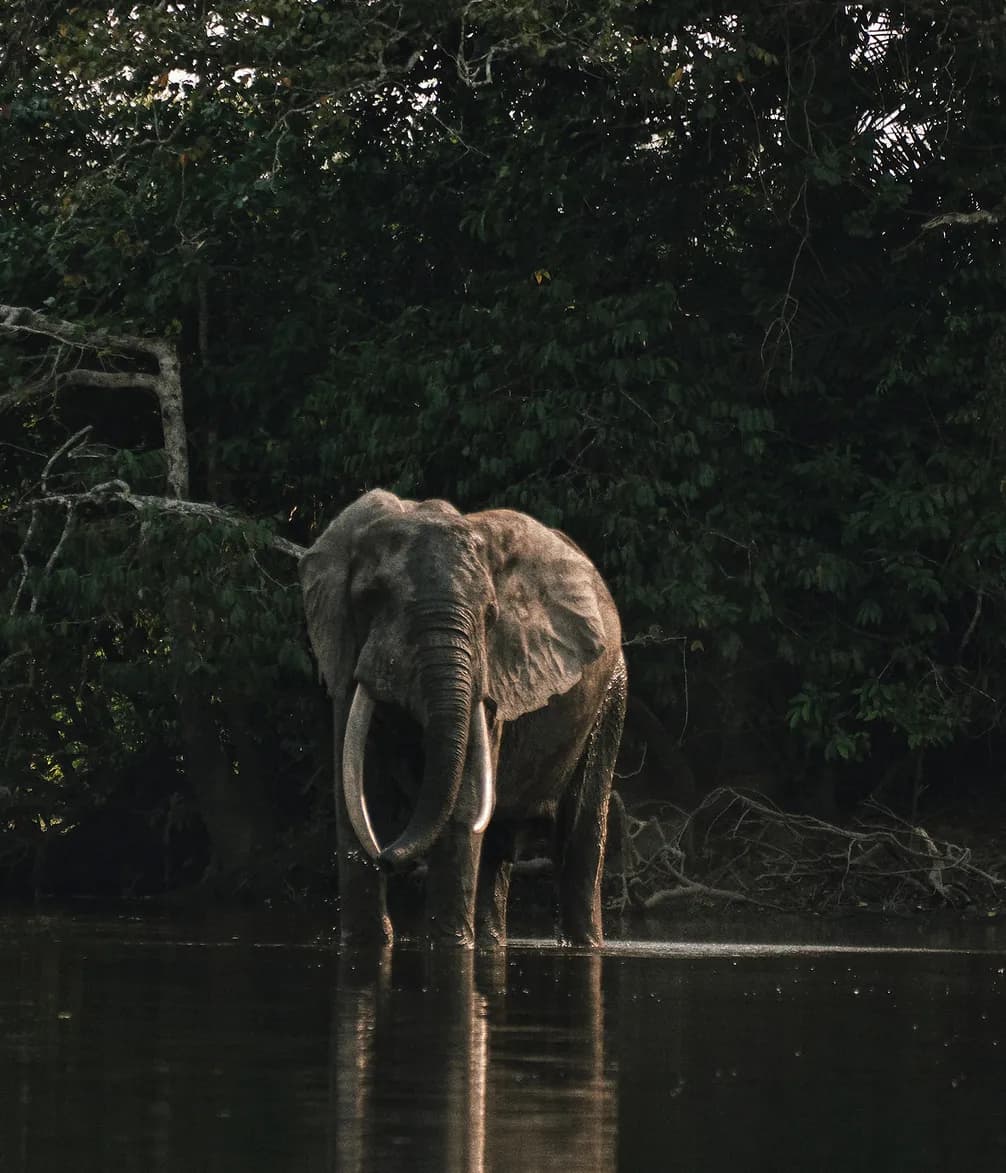
An elephant in Congo. Photo: Luke Abrahams
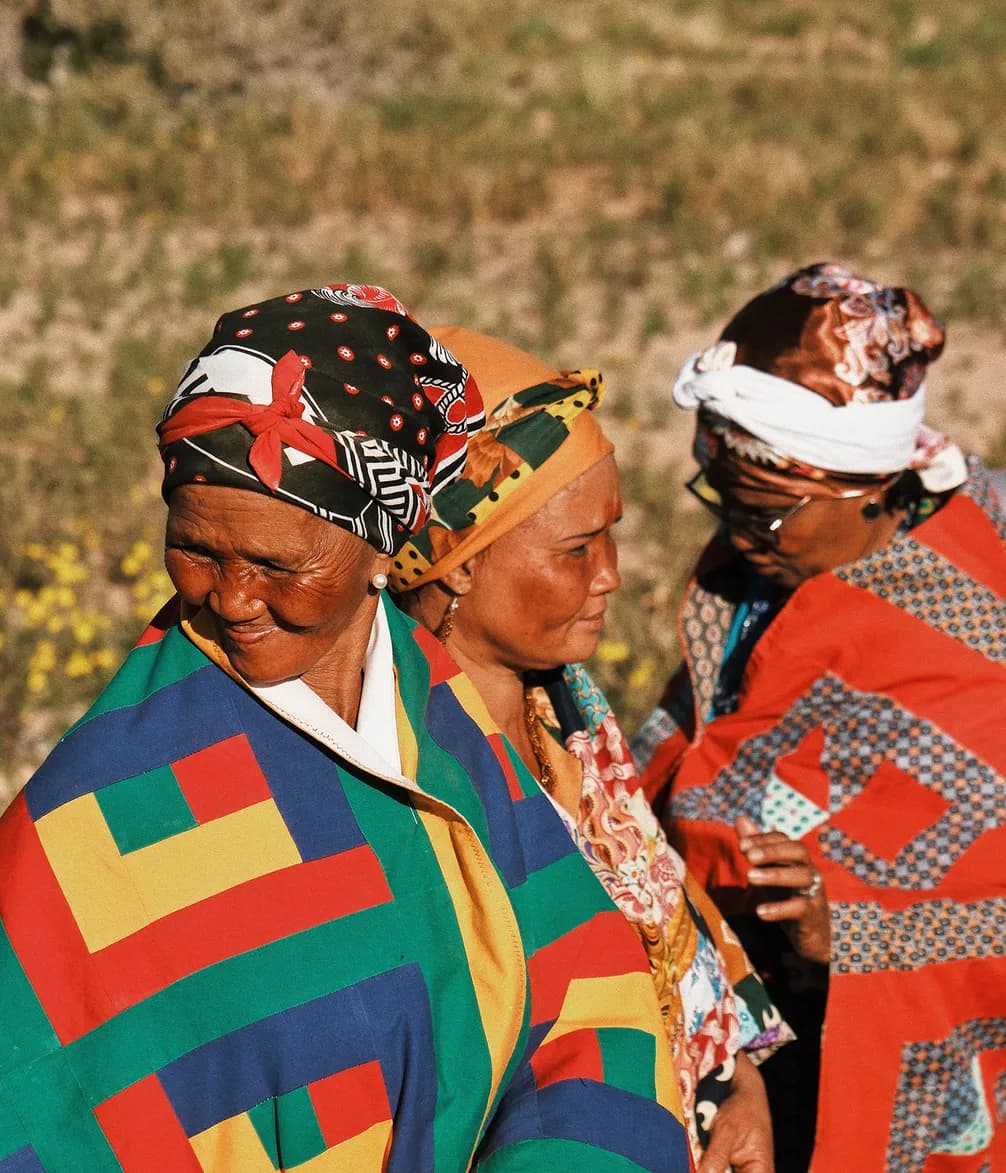
Sandfontein, Namibia. Photo: Luke Abrahams
But why are so many seeking remoteness now? The world has become so accessible that true remoteness appears to be a thing of the past. Journeys to places that once felt like an eternity away are far and few between, and as technology improves, reaching them no longer feels so unattainable. Despite this, there are places that still remind us of just how epic Earth really is. Take Mongolia. Out on the steppes, you feel a vastness so great it’s difficult to comprehend. Endless green grasslands and lonely hills stretch for thousands of miles, with not a trace of a fence, pylon or road in sight.
Escaping the modern world is one of the most liberating experiences anyone can have
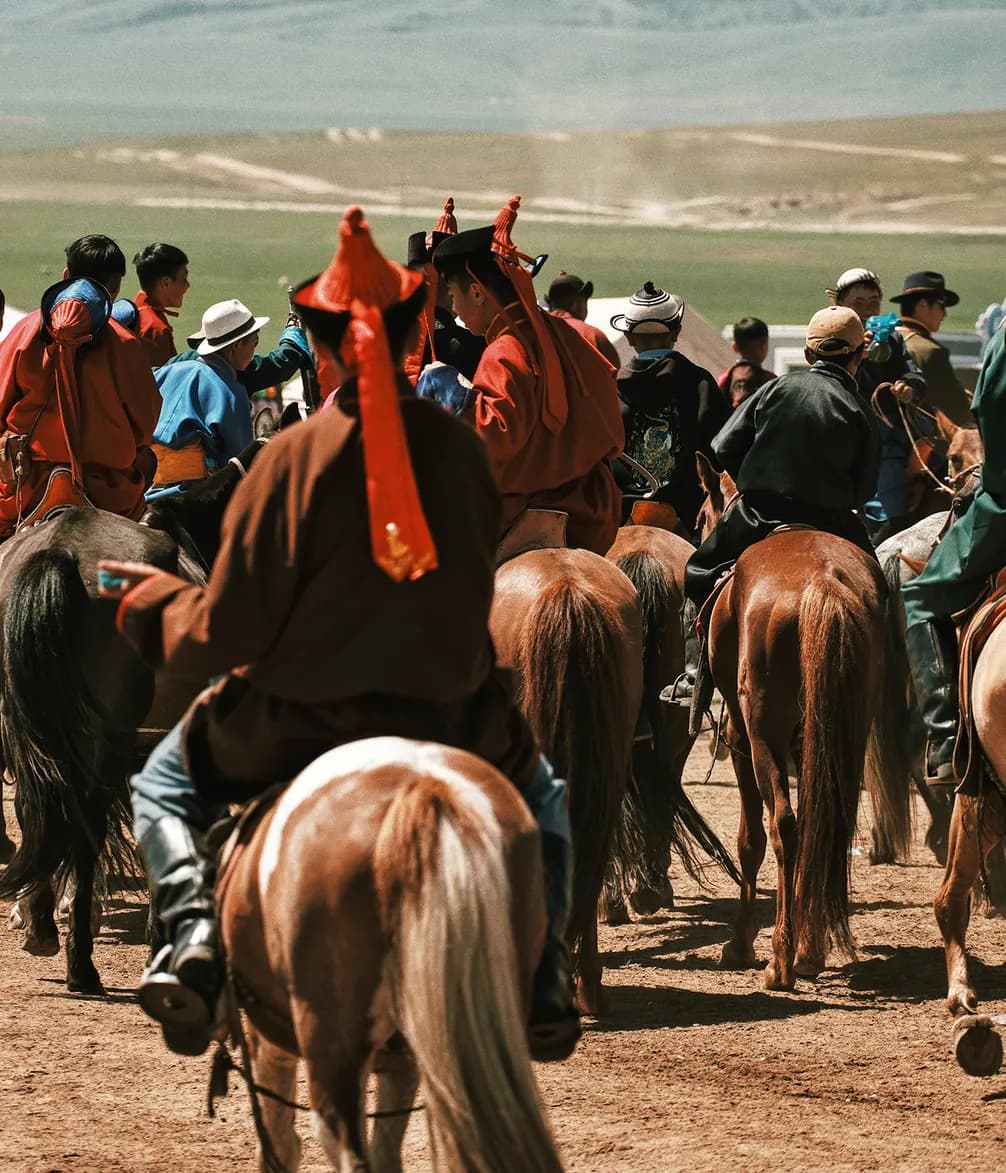
Unlike many other countries I have visited over the years, Mongolia offers a rare escape from the crowds of the modern world – totally removed from the digital age. In the Orkhon Valley I stayed at the Genghis Khan retreat. Here, me and a string of other nomads immersed ourselves in the ancient customs of the land, from throat singing to the centuries-old festival of Naadaam – a gathering showcasing three traditional skills: Mongolian wrestling, horse racing and archery. Rooted in military training and nomadic traditions, the festival dates back to the era of Genghis Khan and earlier Xiongnu Empire, celebrating Mongolian identity, independence and heritage.
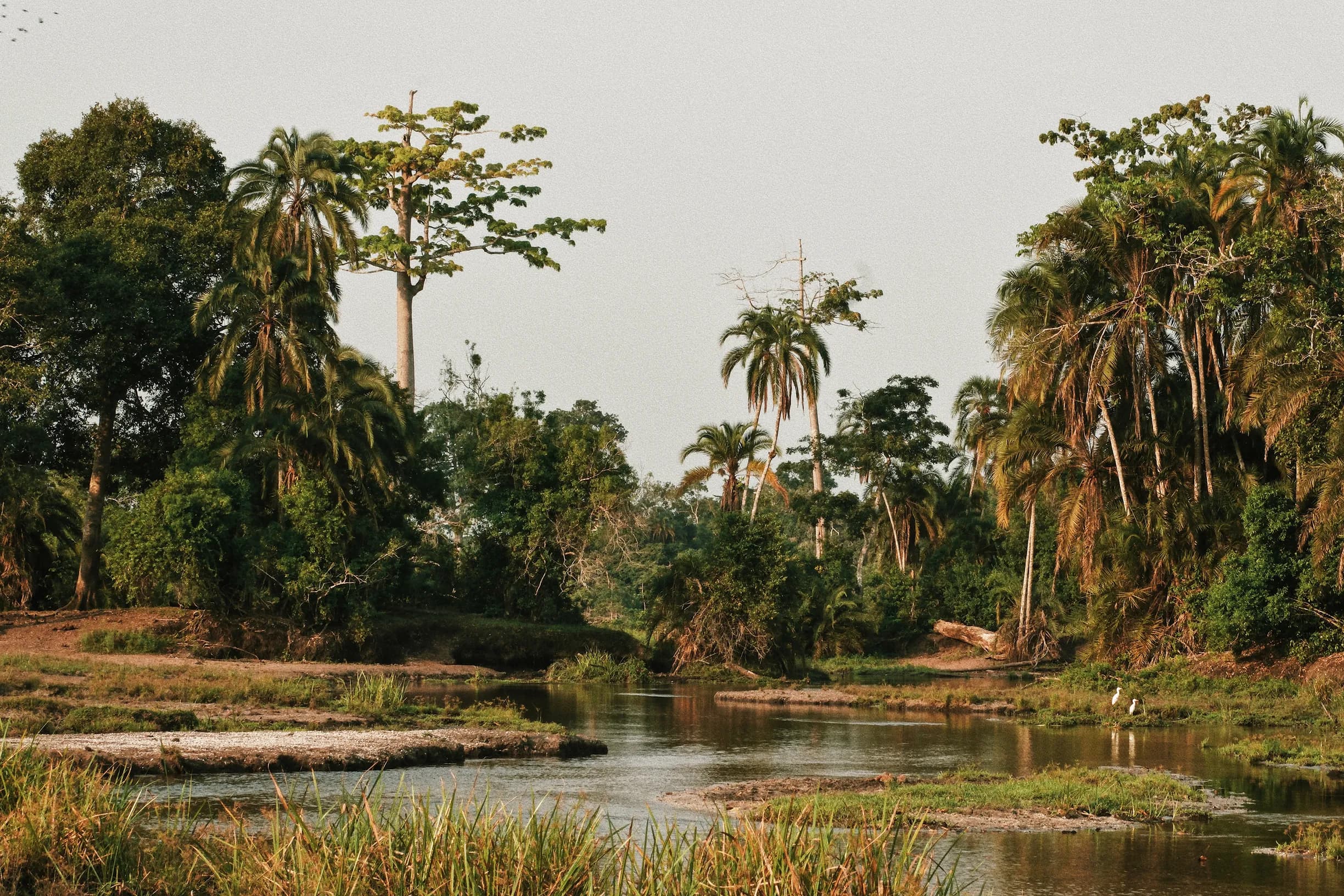
Palm trees in Congo. Photo: Luke Abrahams
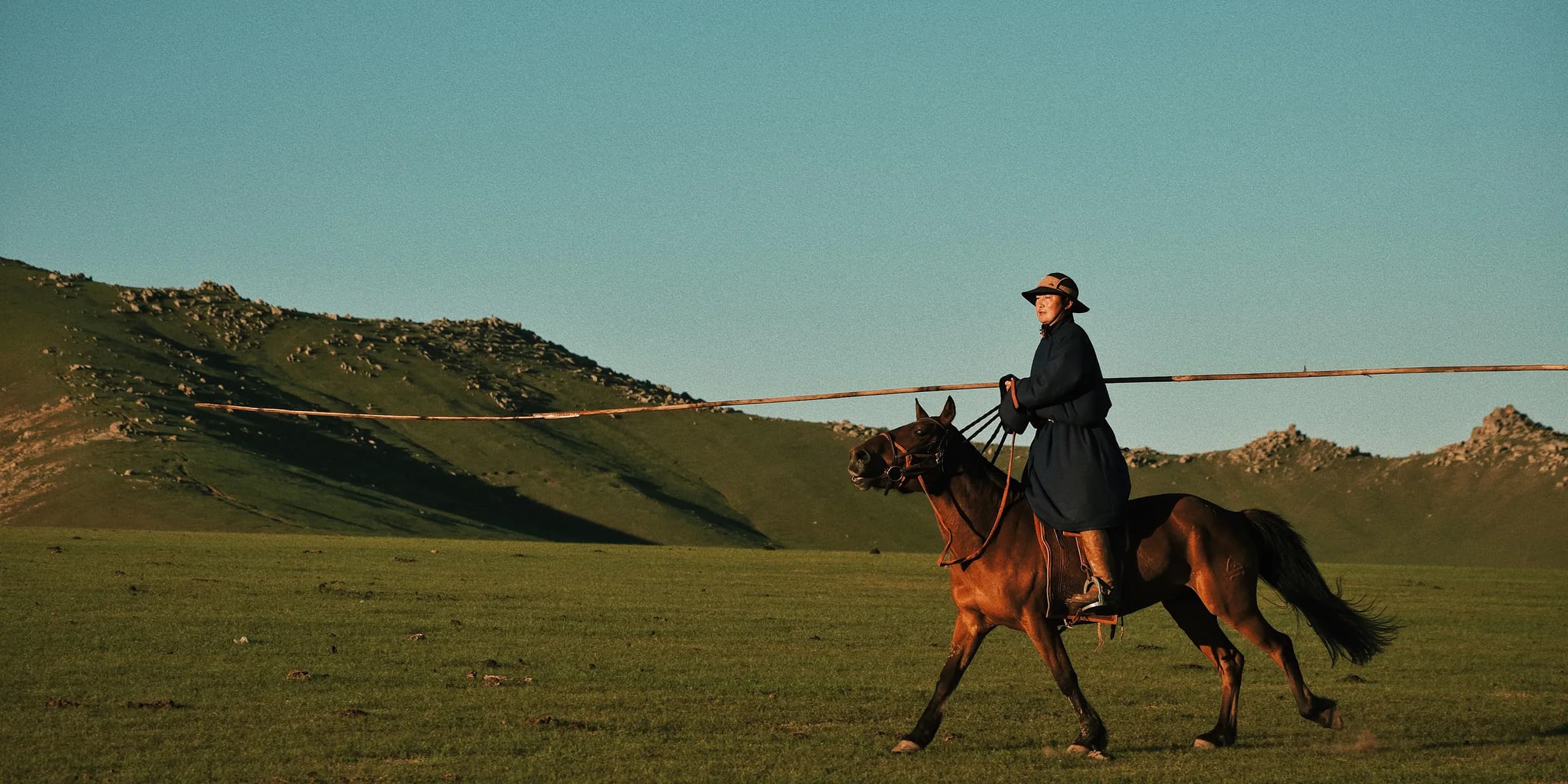
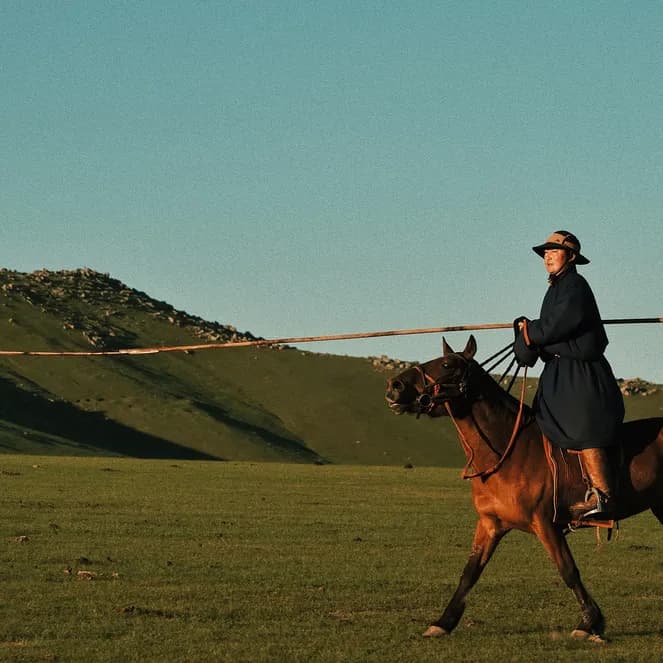
Orkhon Valley, Mongolia
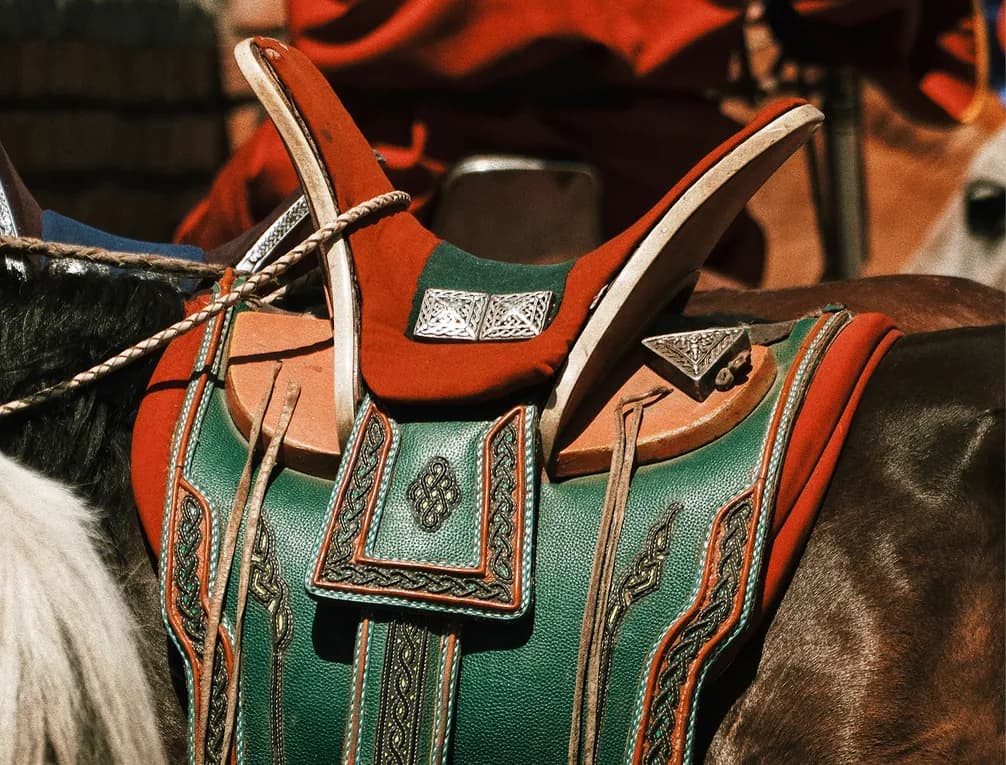
Horse culture is another draw. Steeds in this part of the world are like what dogs are to the British – they’re part of the family unit. In the valleys, especially, horses are the foundation of a nomadic lifestyle, and to this day you can still see semi wild stallions herded by locals on horseback. While they have never been fully domesticated, their bonds to their herders are beautifully intimate. Horses aren’t just livestock in Mongolia, they are sacred companions protected and revered.
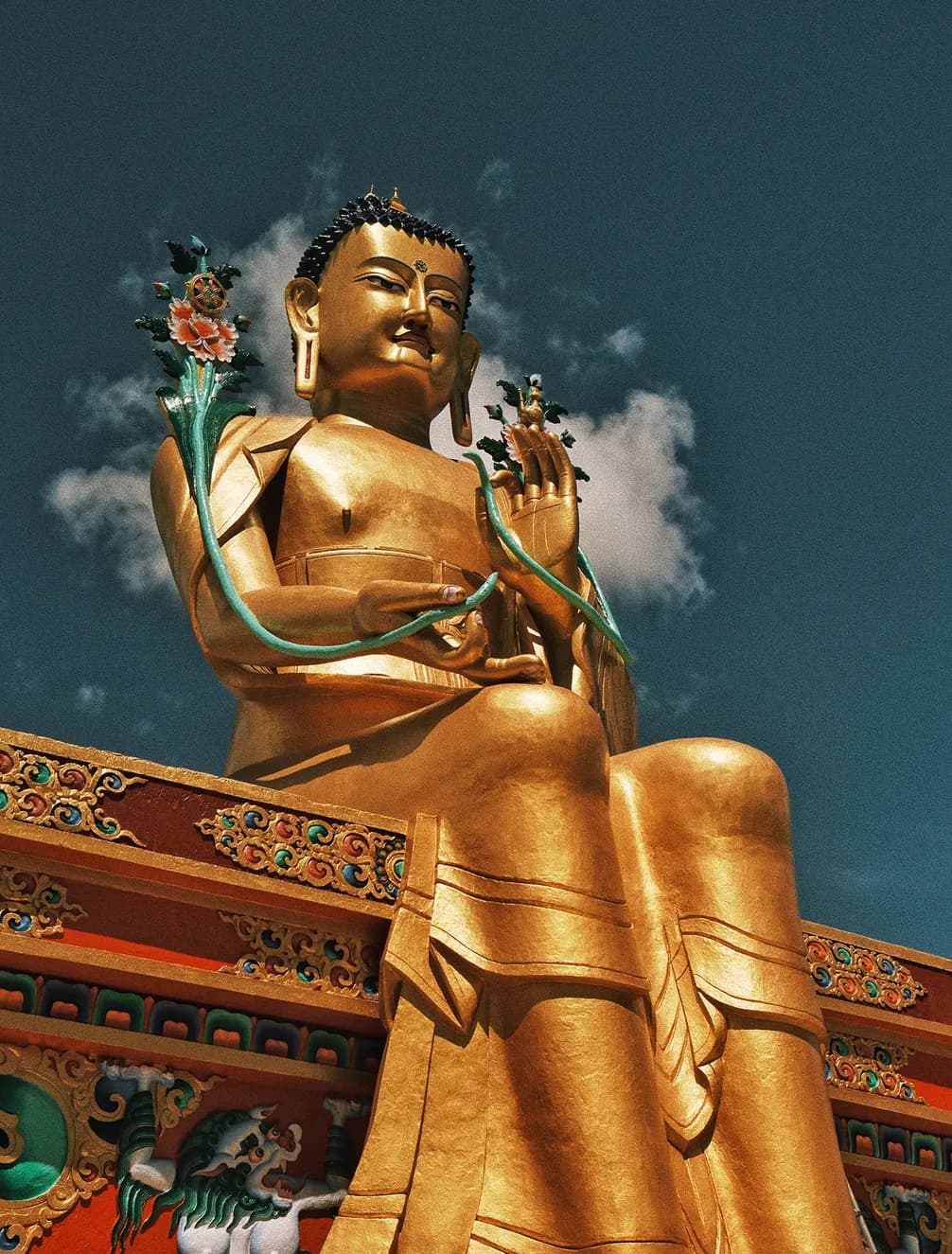
Likir, Ladakh, India. Photo: Luke Abrahams
In Mustang in Nepal, this idea of infinite hallowed exploration continues. Unlike more crowded destinations in the Himalayas – particularly the Everest region – Mustang offers a rare glimpse into a well-preserved and deeply authentic medieval Tibetan Buddhist realm. Its dramatic high-altitude desert landscapes, distinct Loba culture and restricted access make it a uniquely mystical, and in many respects, otherworldly melting pot of discovery. Vast windswept plateaus and dramatic ochre and crimson eroded cliffs coexist next to deep gorges carved out by the roaring Kali Gandaki River. In between, villages – some home to less than 20 people – sit under some of the world’s tallest mountains, including Annapurna and Dhaulagiri, which loom ominously in the background.
It is also the sacred site of Muktinath, a shrine 3,800m above sea level, deeply revered by Hindus and Buddhists as a powerful symbol of spiritual freedom, purification and rare religious harmony. It is one of the sacred holy abodes of Lord Vishnu and is known as the “Place of Liberation”, where Hindus seek moksha (freedom from the cycle of birth and rebirth). I saw thousands flock to its icy baths set under 108 waterspouts said to wash away sins. This was one of those unique opportunities to see culture in action, in the least commercial way possible.
Mustang’s dramatic high-altitude desert landscapes, distinct Loba culture and restricted access make it a uniquely mystical and otherworldly melting pot of discovery
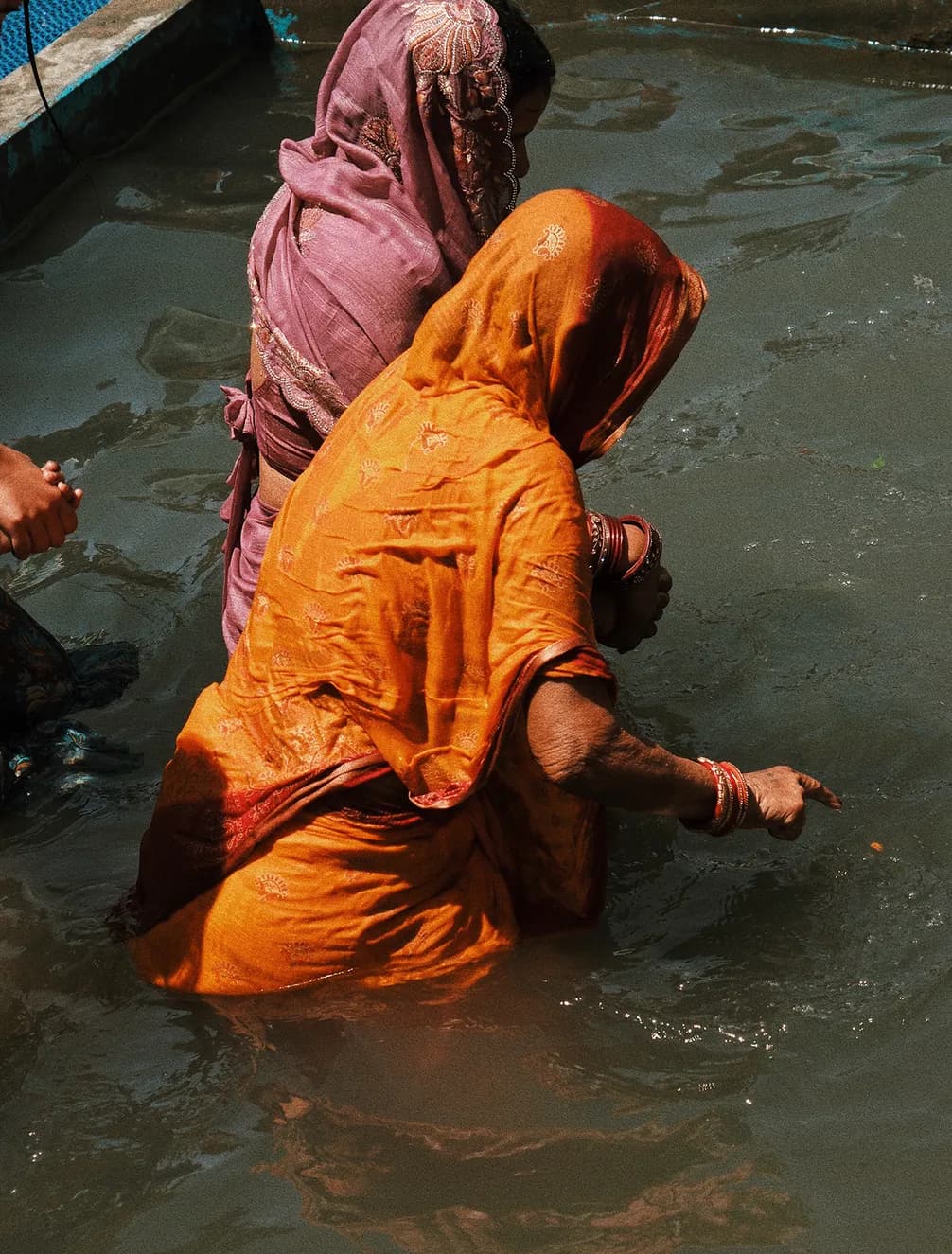
Mustang, Nepal. Photo: Luke Abrahams
“Authenticity” is a word thrown around so much these days that it’s easy to forget what it actually means. Ladakh, in northern India, reminds you of the word’s roots long before it became trendy. I spent eight days here exploring the wilderness by foot, car and bicycle. The raw terrain of huge brown and red mountains stand against bright blue skies, high-altitude turquoise lakes like Tso Moriri and crags crowned by ancient monasteries from Hemis to Thiksay. It gave me an entirely new perspective of what it’s like to experience true, unsolicited adventure. Long epic drives across mountains peering into Pakistan, villages dotted with Shia mosques and the crimson green of the Islamic world, crisscrossed valleys home to lost civilisations like the Brokpa tribes – it offered a glimpse into cultures rarely seen by the Western world.
In Africa, The Republic of The Congo is a reminder of just how virgin and extraordinary our planet can be. The central African nation cuts through the Congo Basin, the second largest tropical rainforest in the world. Exploring its rivers and dense forests was like discovering them for the first time as an ancient human. It’s a place I personally dub “the lungs of the Earth” and it’s unmatched in its ecological importance. It serves as the planet’s largest carbon sink and is home to endangered lowland gorillas, chimpanzees, forest elephants and over 600 bird species.
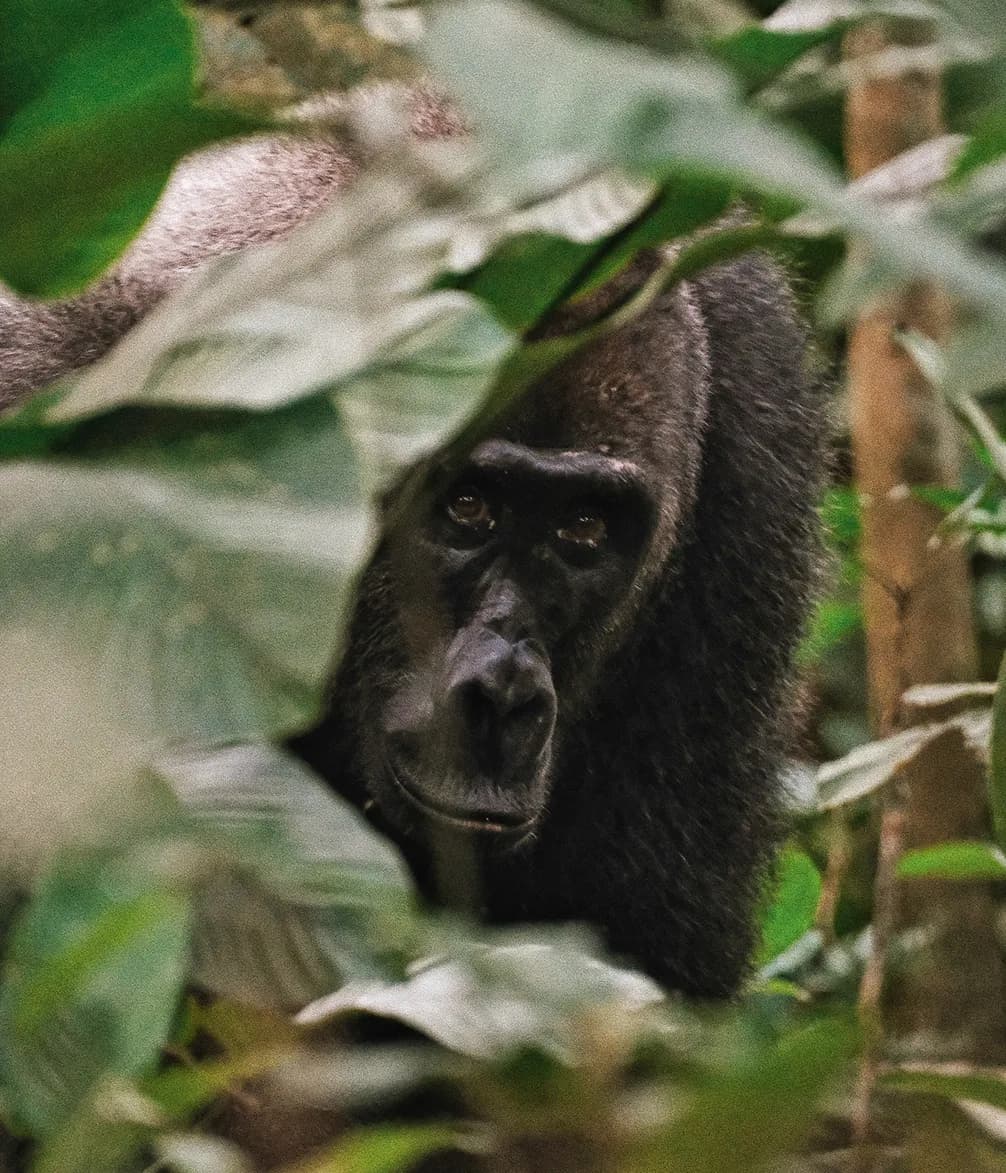
A gorilla trek in Congo. Photo: Luke Abrahams
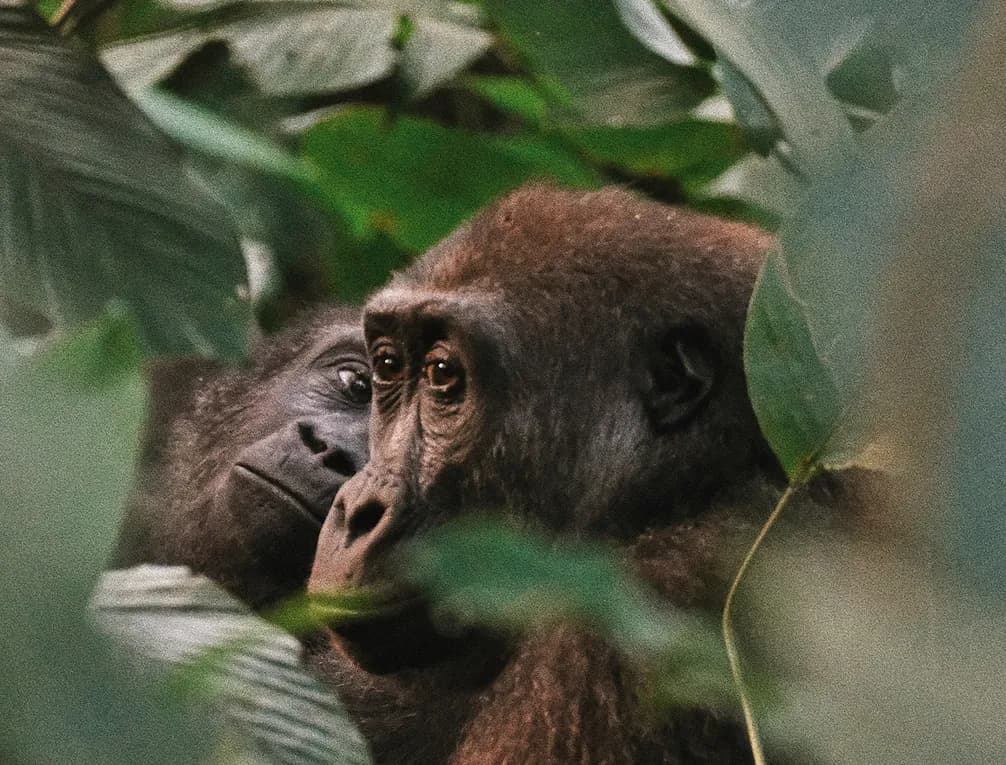
Photo: Luke Abrahams
Its rawness lies in its power to surprise. One morning on a gorilla trek I was bitten by a colony of driver ants after accidentally stepping into their nest. Desperately in pain, I had to keep my cool while surrounded by a family of 11 western lowland gorillas who got so close I could feel their breath on my skin. On the river, I stumbled on a lone elephant bull who, while cautious of our presence, allowed us to pass on foot unscathed after he plunged headfirst into the murky water. Then there were the bai forests, the final frontier of deep jungle exploration. Day after day I would find myself neck deep navigating the plains with nothing but my feet and my guides to help find my bearings. Were there any people? Not one in sight. And after being on several hundred safaris, it was here I realised what it finally meant to be truly immersed in the wonders of the bush.
I had to keep my cool while surrounded by a family of 11 western lowland gorillas who got so close I could feel their breath on my skin
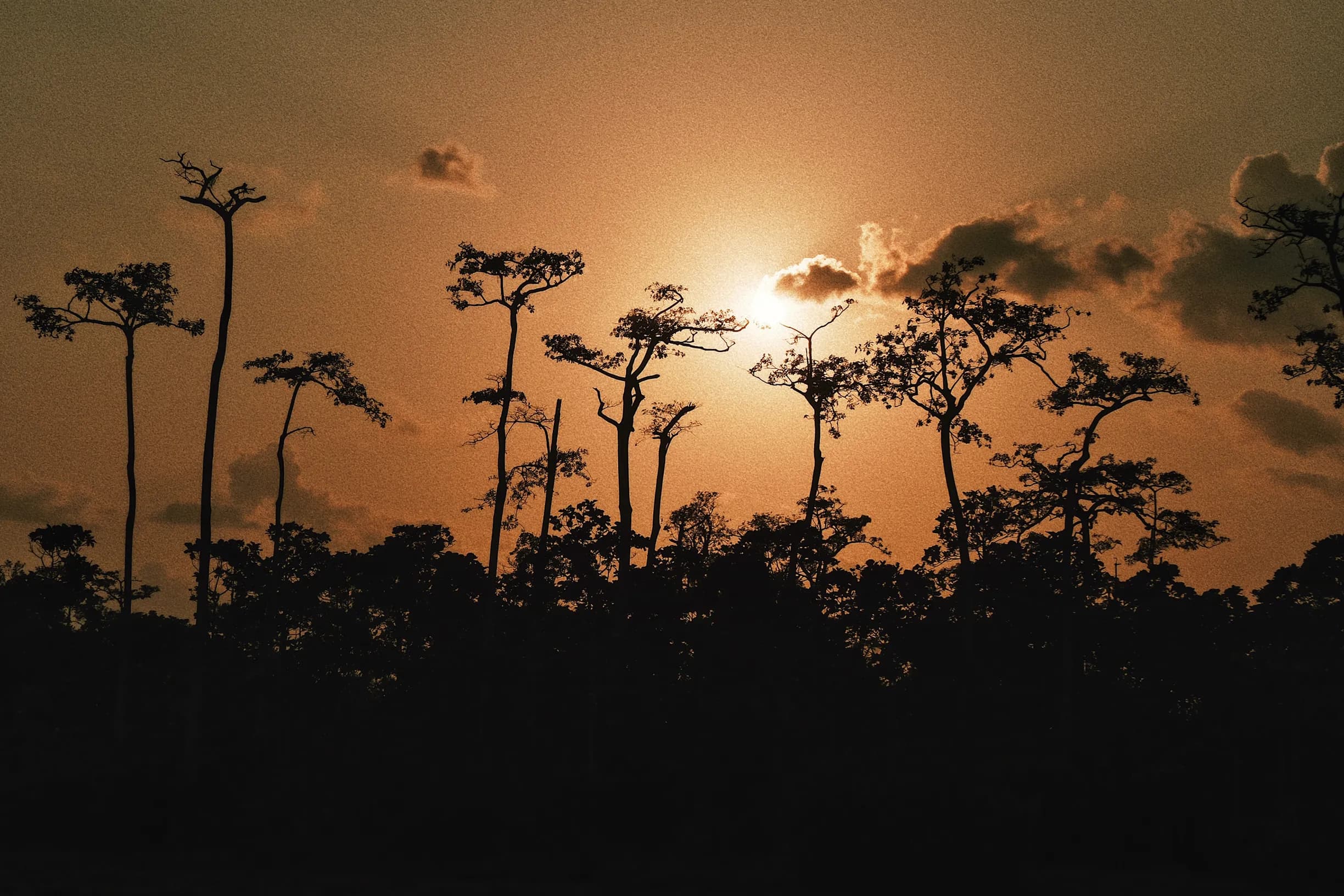
Bai Forest, Lango, Congo. Photo: Luke Abrahams
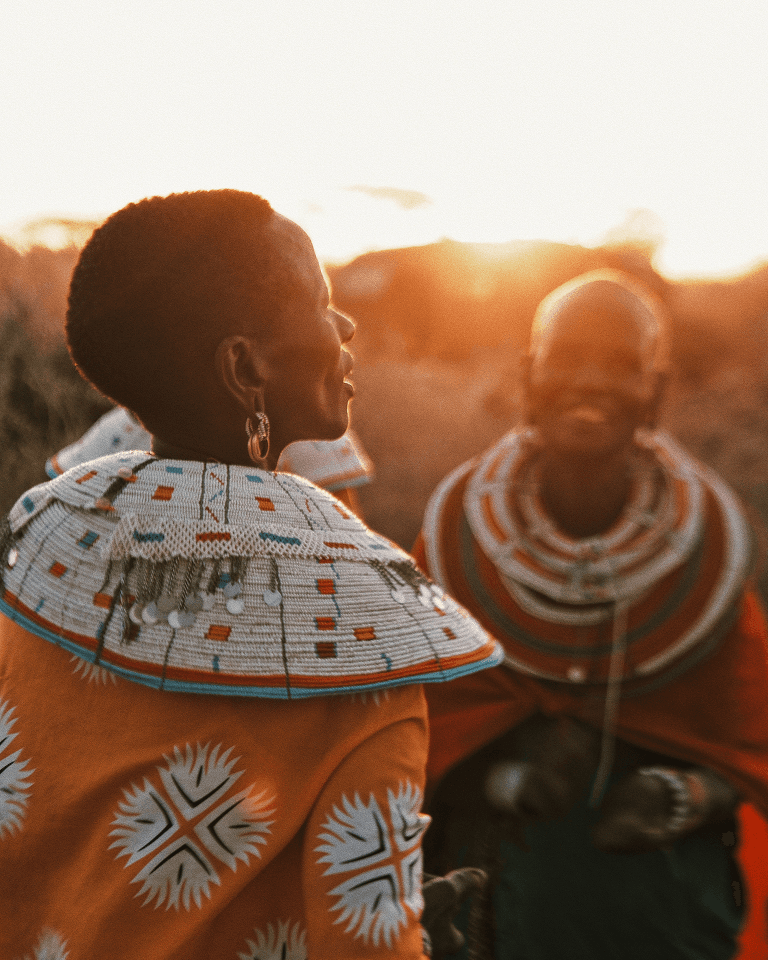
The Samburu tribe in Kenya. Photos: Luke Abrahams
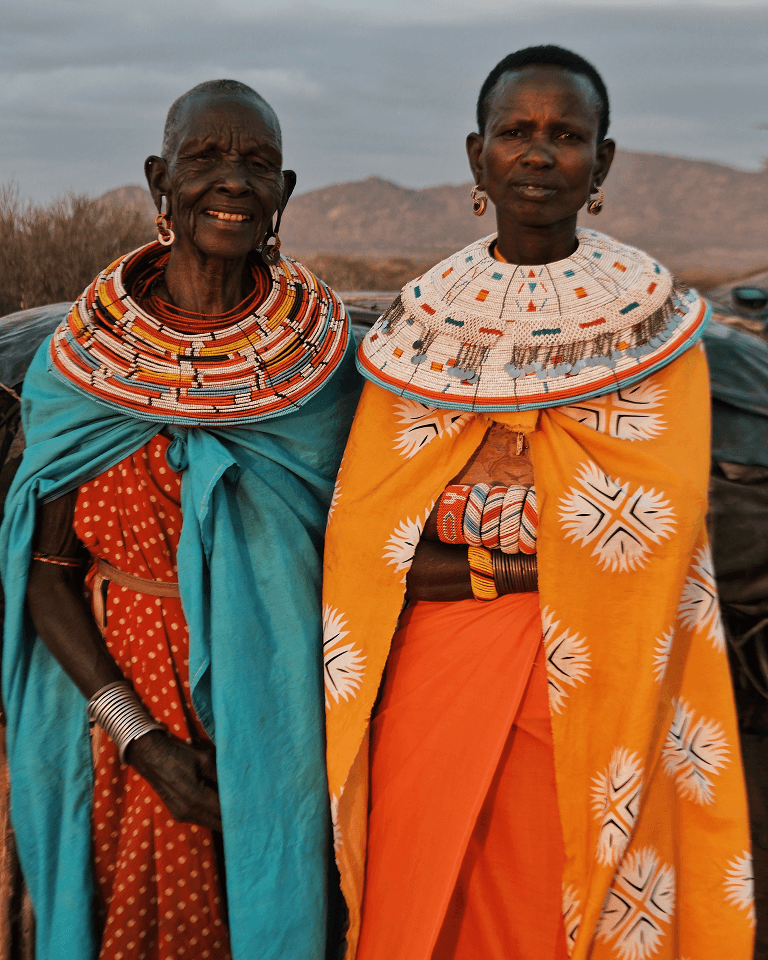
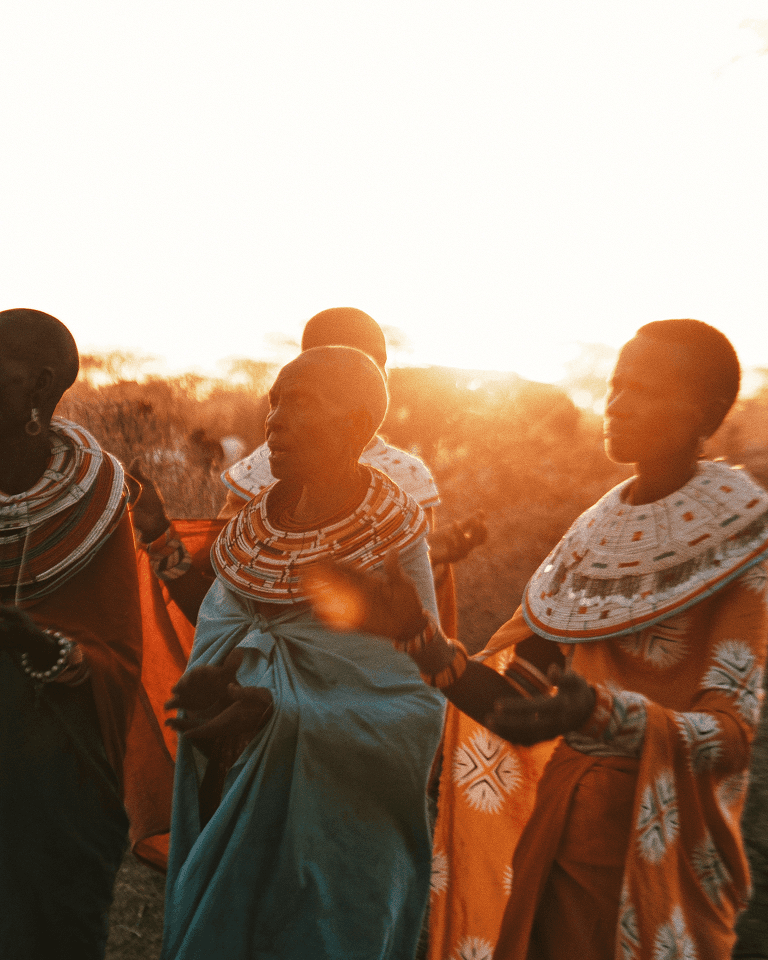
In Samburu National Reserve, in Kenya’s northern frontier, I encountered another side to Northern Africa’s safari story. Far from the crowds of the Maasai Mara, rugged, desolate desert landscapes glowed in the fury of the June summer heat. While most – including myself – come for the wildlife, it’s the nomadic tribespeople who really steal the show. Known for their bright red garments, intricate beadwork and rich heritage, the portrait of the Samburu tribe is uniquely pastoral. Closely related to the Maasai, they speak the Maa language and rely heavily on cattle, goats, sheep and camels, which they herd across Kenya’s arid lands, to survive. Their homes, the manyatta, also give a rare insight into an ancient world that prevailed long before skyscrapers. Built entirely by women using mud, grass and interwoven branches, they are the centrepiece of all the villages in this part of the world, admired and revered by visiting tribes and tourists like me.
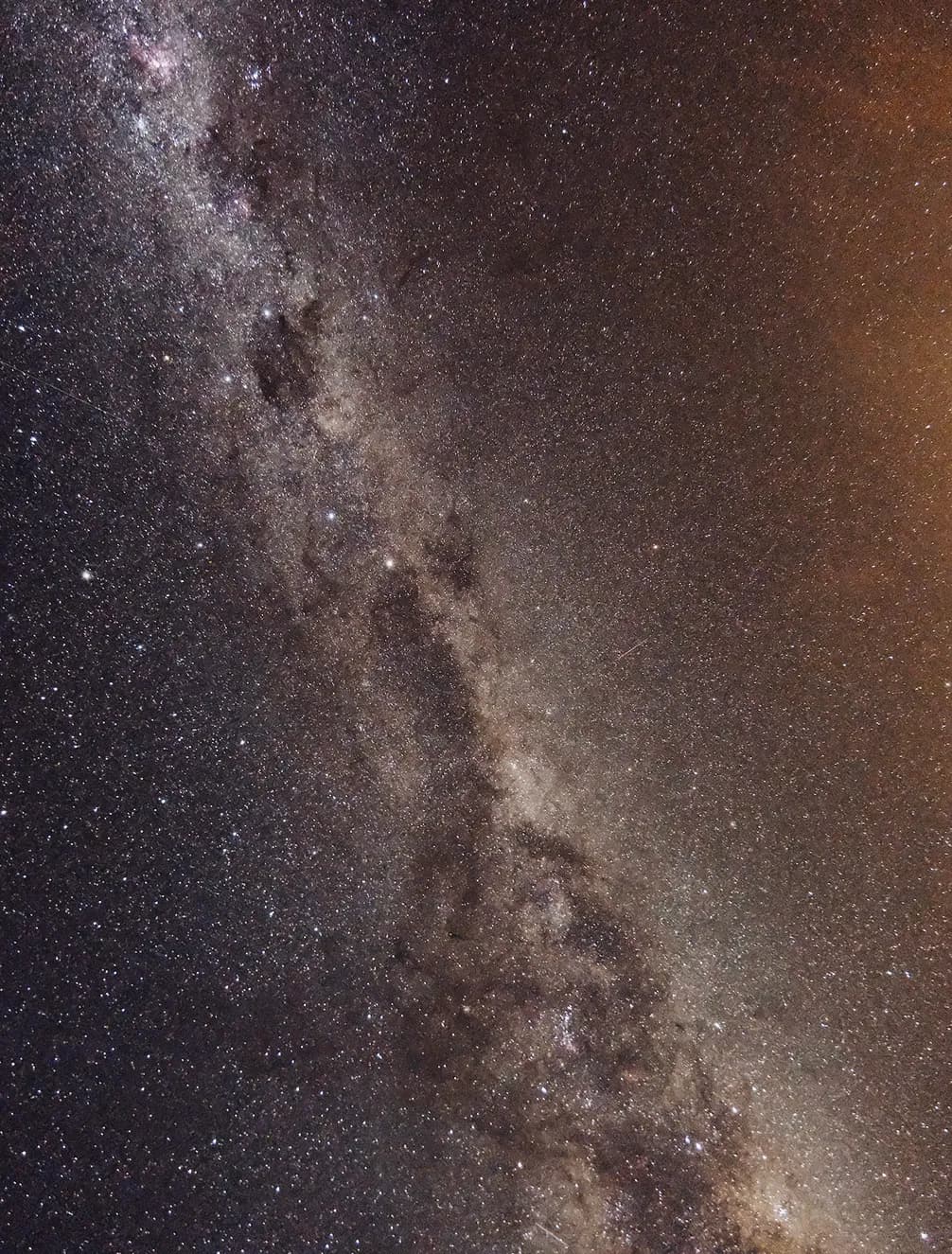
Dark skies in Namibia. Photo: Luke Abrahams
As for complete and splendid isolation, I found this further down in Namibia under the great big dark night sky reserves of Sandfontein, where the closest village to my lodge was 80 miles away. Set in quite literally the middle of nowhere, it’s a place that can only be reached by private charter into an unmarked airstrip flecked by hundreds of wildflowers. The silence is also deafening. Aside from the occasional rush of the morning winds, you hear absolutely nothing. It’s like a vacuum into space, and after night’s spent dazing into the cosmos of the Milkyway, I felt like I was lost in it too. This is what a hidden gem really is: a place so under-the-radar it’s near impossible to get to. It proves they do still exist – you just have to put in the effort and the time to find and experience them.
Dank Popsas praktischer Gesichtserkennung und unseren Intelligenten Alben kannst du Erinnerungen jetzt noch schneller wiederfinden.



&w=96&q=75)
Laura Havlin
Fotografie-Autorin
3. Juli 2025∙6 min
&w=96&q=75)
17. Juni 2026∙6 min
&w=96&q=75)
Ro Elfberg
Popsa-Autorin
3. Sep. 2025∙7 min


 Vereinigte Staaten