

Insights
Die meistfotografierten Getränke Europas
Naturweine, kreative Cocktails und Kaffee aus handwerklichen Röstereien – die Getränke, die Popsa-Nutzer:innen besonders gern fotografieren
&w=96&q=75)
26. Aug. 2026∙7 min
Insights
Naturweine, kreative Cocktails und Kaffee aus handwerklichen Röstereien – die Getränke, die Popsa-Nutzer:innen besonders gern fotografieren
26. Aug. 2026∙7 min
Von Georgina Groom-Rietschy
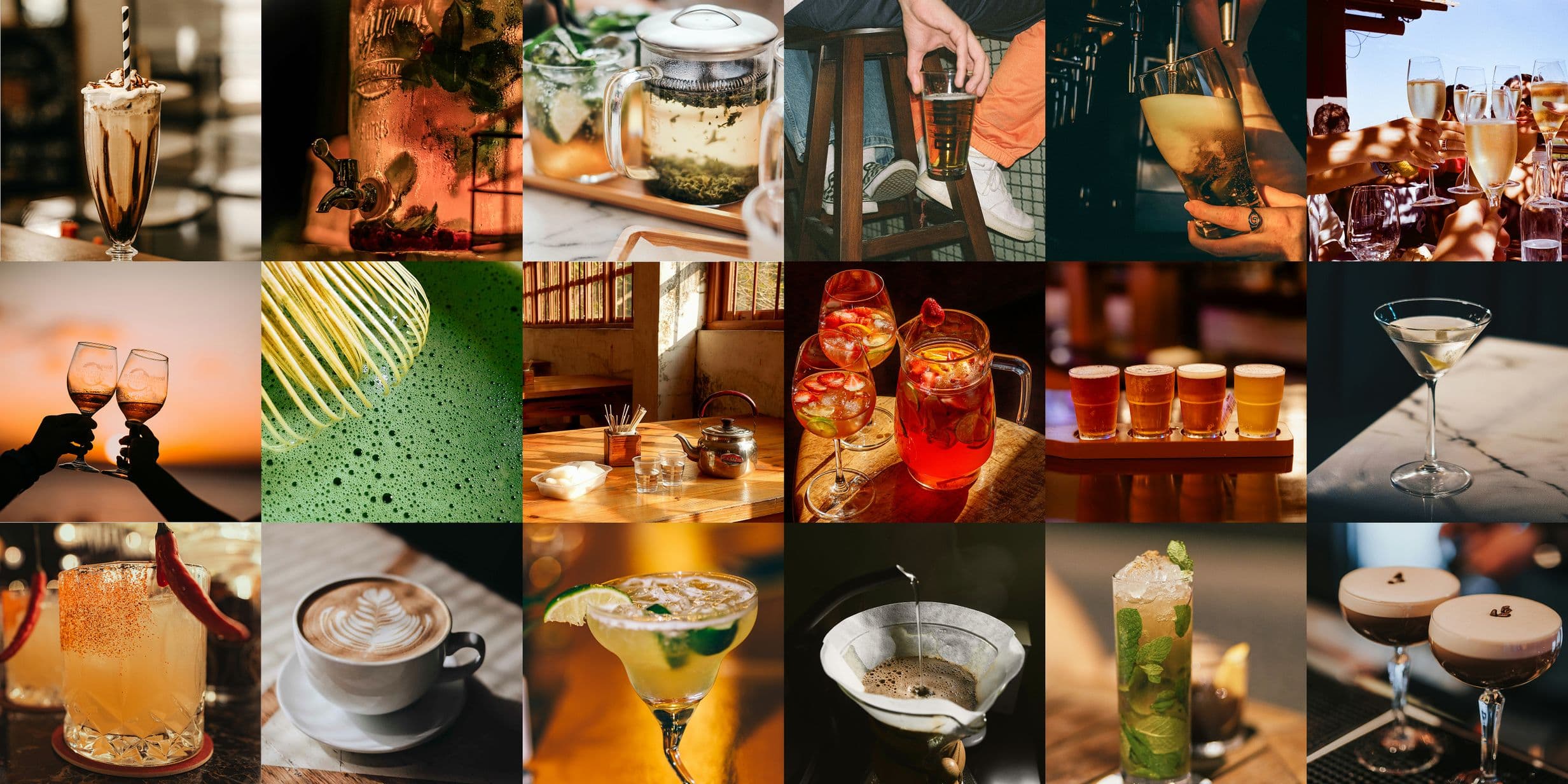
Viele von uns fotografieren ein ansprechend serviertes Getränk, bevor sie den ersten Schluck nehmen. Weine, die mit möglichst wenigen Eingriffen hergestellt werden, handwerklich gebraute Ales und kleine Kaffeeröstereien verändern die Art, wie wir zusammenkommen. Gleichzeitig verleihen kreative Geschmackskombinationen vertrauten Klassikern neue Facetten. Unser Data-Science-Team hat Millionen von Fotogalerien ausgewertet, um herauszufinden, welche Getränke in Europa am häufigsten fotografiert werden.
Im Vergleich zu unserem Ranking von 2024 hat sich wenig verändert: Wein führt weiterhin die Liste an. Der Trend zu biodynamisch und biologisch erzeugten Weinen steigert seine Beliebtheit weiter. Auch Bier und Tee behaupten sich neben Cocktailklassikern wie Martini, Margarita und Mojito. Hier sind die zehn meistfotografierten Getränke Europas.
Mehr dazu, wie die Daten analysiert und die Fotoindex-Werte berechnet wurden, findest du in der Methodik am Ende dieses Artikels.
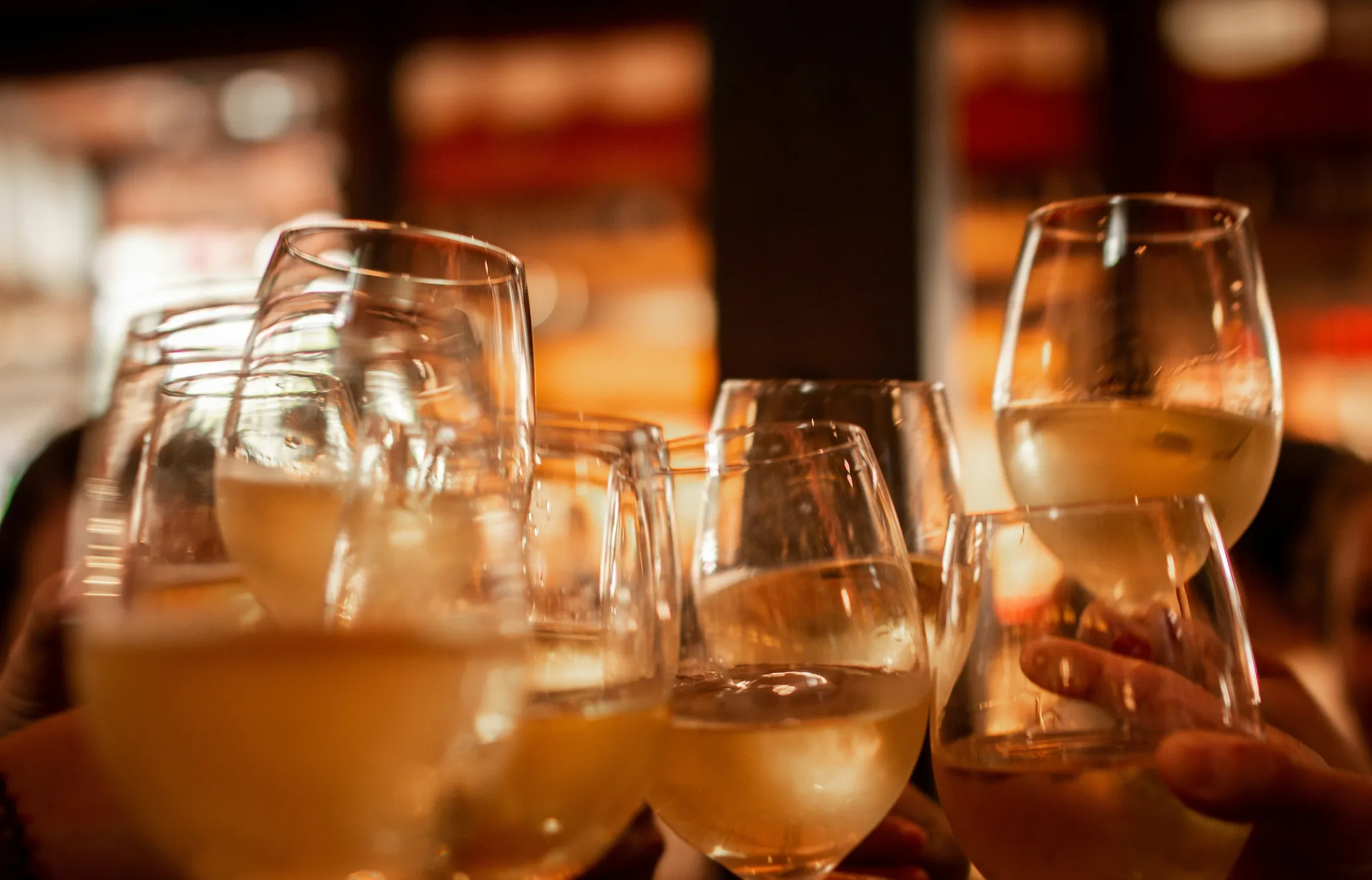
Foto: Kaja Reichard, Unsplash
Fotoindex-Wert: 100
Wo Wein seinen Ursprung hat, ist seit Langem umstritten. Einige der frühesten Belege führen jedoch nach Georgien. Im Jahr 2017 entdeckten Archäolog:innen an zwei Fundstätten südlich von Tiflis 8.000 Jahre alte Keramikgefäße mit Weinrückständen. Heute hat das wachsende Interesse an biologischem und biodynamischem Weinbau sowie an einer Weinherstellung mit möglichst wenigen Eingriffen eine neue Generation von Naturweinen hervorgebracht. In Städten weltweit sind kleine Weinhandlungen und Weinbars entstanden. Das Herz der Weinszene schlägt aber weiterhin in Europa, wo Italien und Frankreich für ihre historischen Weinberge und jahrhundertealten Traditionen bekannt sind.
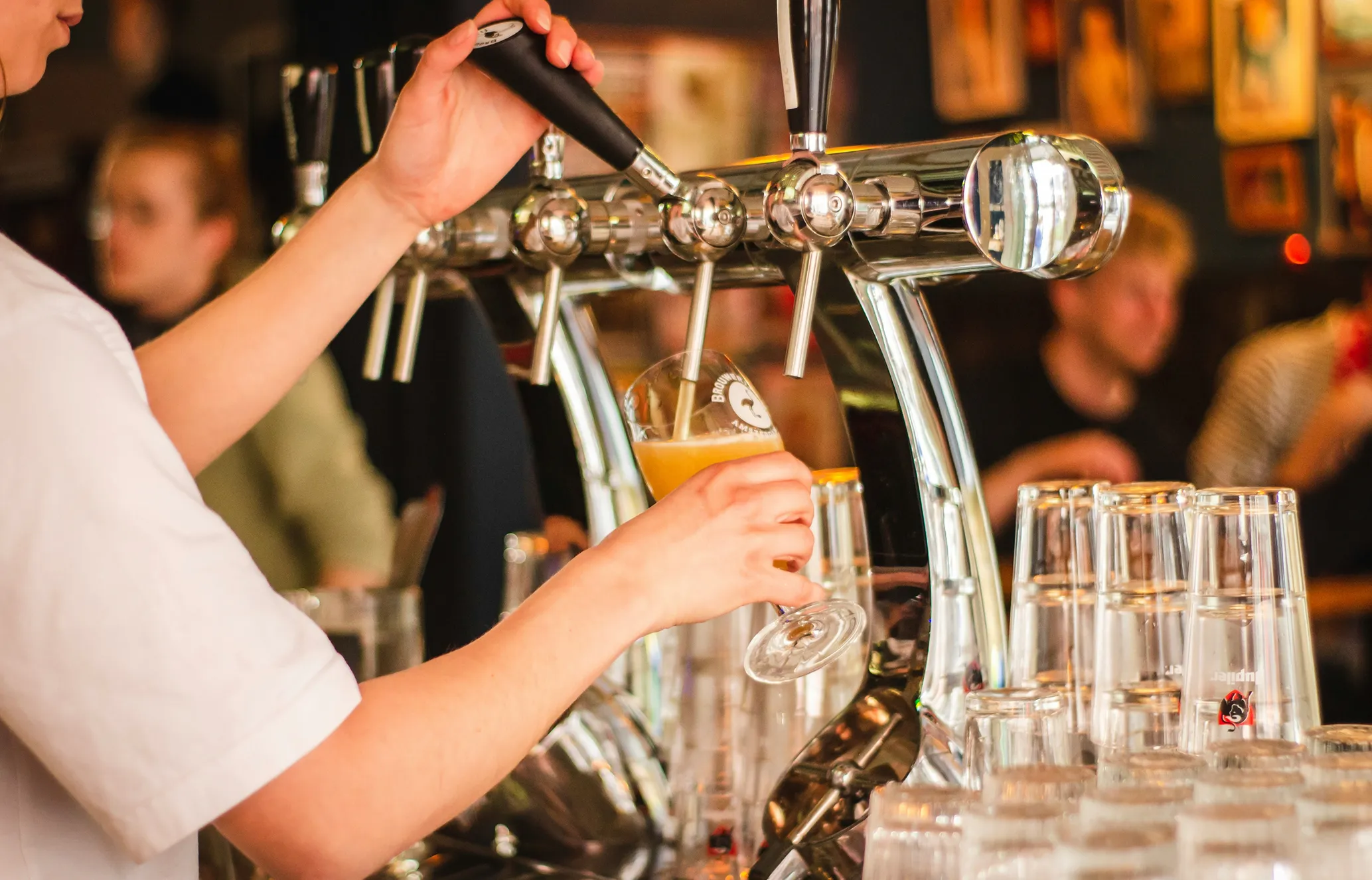
Foto: Louis Hansel, Unsplash
Fotoindex-Wert: 96
Die Wurzeln des Bieres reichen mehr als 13.000 Jahre zurück und führen in eine Höhle nahe dem heutigen Haifa. Seit den dickflüssigen, breiartigen Getränken der Antike hat sich viel getan. Das Angebot reicht heute von innovativen IPAs und frischen Pilsbieren bis hin zu alkoholarmen Bieren und von Cocktails inspirierten Sauerbieren. Belgien zählt weiterhin zu den wichtigsten Bierländern Europas. Brüssel ist für seine historische Braukultur und seine unverwechselbaren Lambic- und Gueuze-Biere bekannt. München steht für bayerische Traditionen, legendäre Bierhallen und das Oktoberfest. Prag ist für seine Pilsbiere aus tschechischer Gerste und Saazer Hopfen berühmt. In Kopenhagen und London wiederum experimentiert eine lebendige Szene unabhängiger Brauereien mit neuen Stilen und Verfahren.
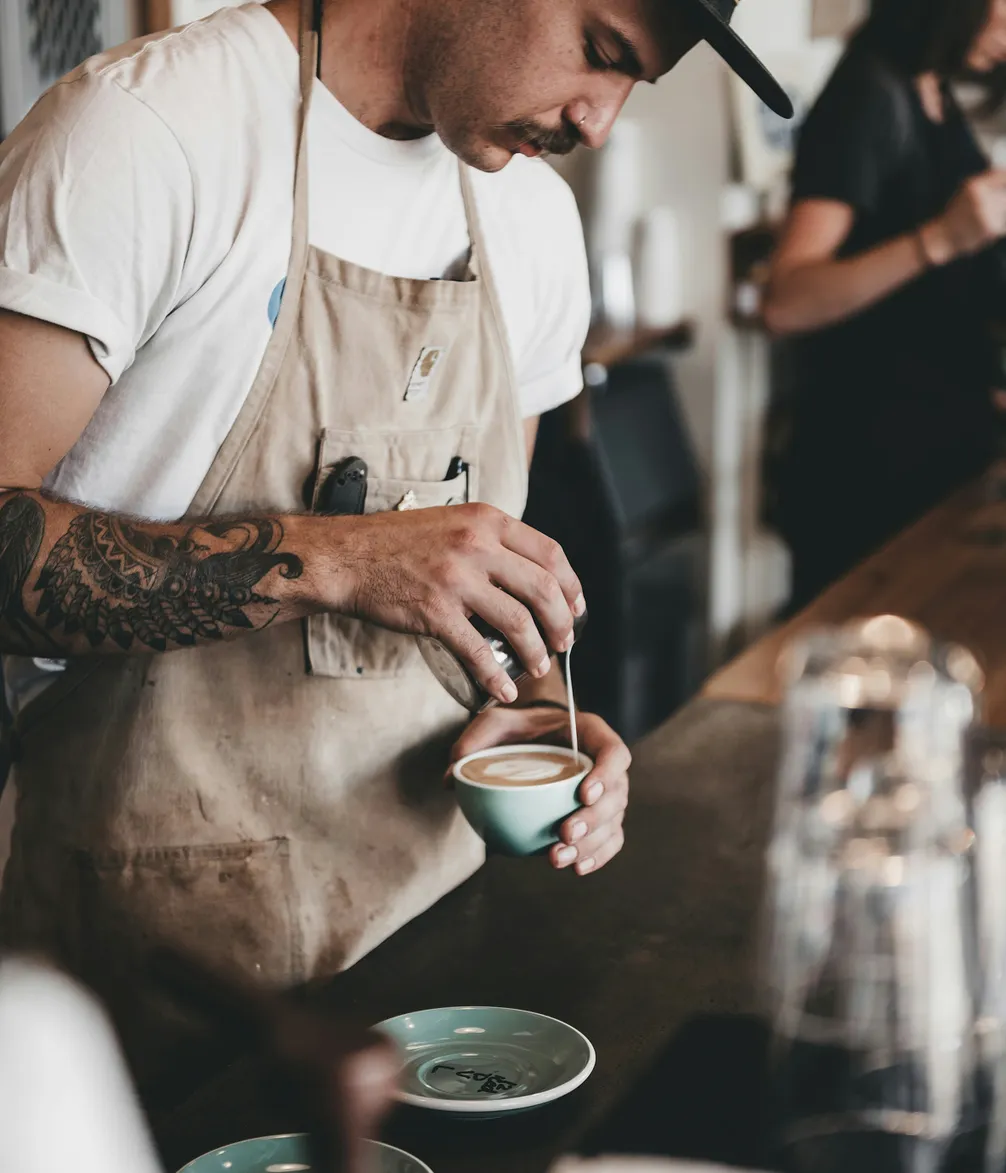
Foto: Brent Gorwin, Unsplash
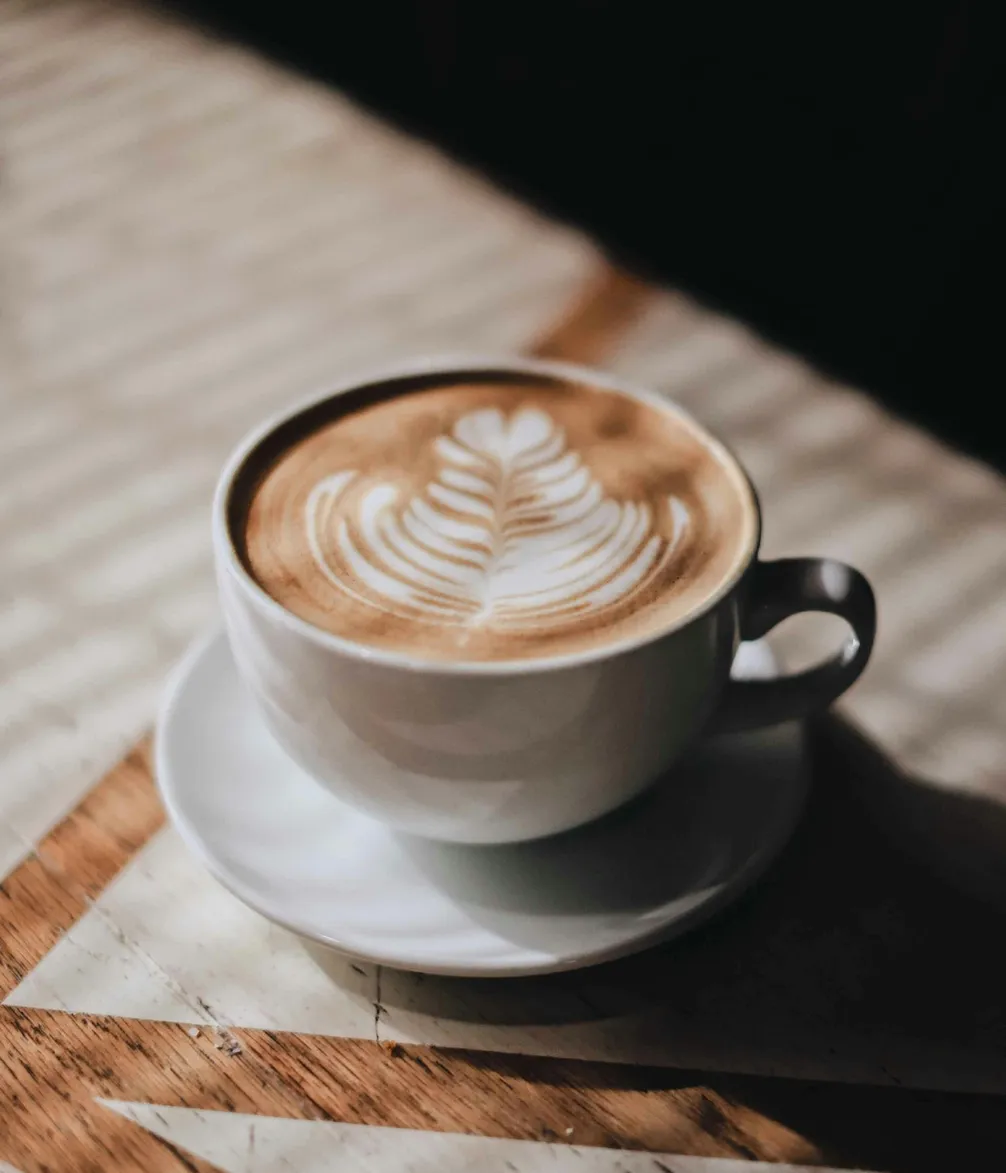
Foto: Tabitha Turner, Unsplash
Fotoindex-Wert: 89
Die Kaffeekultur hat die Gastronomie verändert. Handwerkliche Röstereien, unabhängige Cafés und Hotels schaffen Orte, an denen man bei einem Espresso verweilen und zusammenkommen kann. Schnell zubereiteter Kaffee hat weiterhin seinen Platz, ob aus der Kapsel oder als Instantkaffee. Doch Spezialitätenkaffee, kreative Zubereitungsmethoden und neue Geschmacksrichtungen haben die Kaffeewelt geprägt. Ob du die Klassiker liebst oder lieber zu pflanzlichen Milchalternativen, Bohnen mit fruchtigen Noten und aktuellen Varianten greifst: Die alltägliche Tasse Kaffee war noch nie so fotogen. In Europa hat Kaffeekultur viele Gesichter – von Londons Spezialitätenkaffeeszene und Kopenhagens modernen Röstereien über Amsterdams lebendige Cafékultur bis zu den Traditionen Wiens und Mailands.
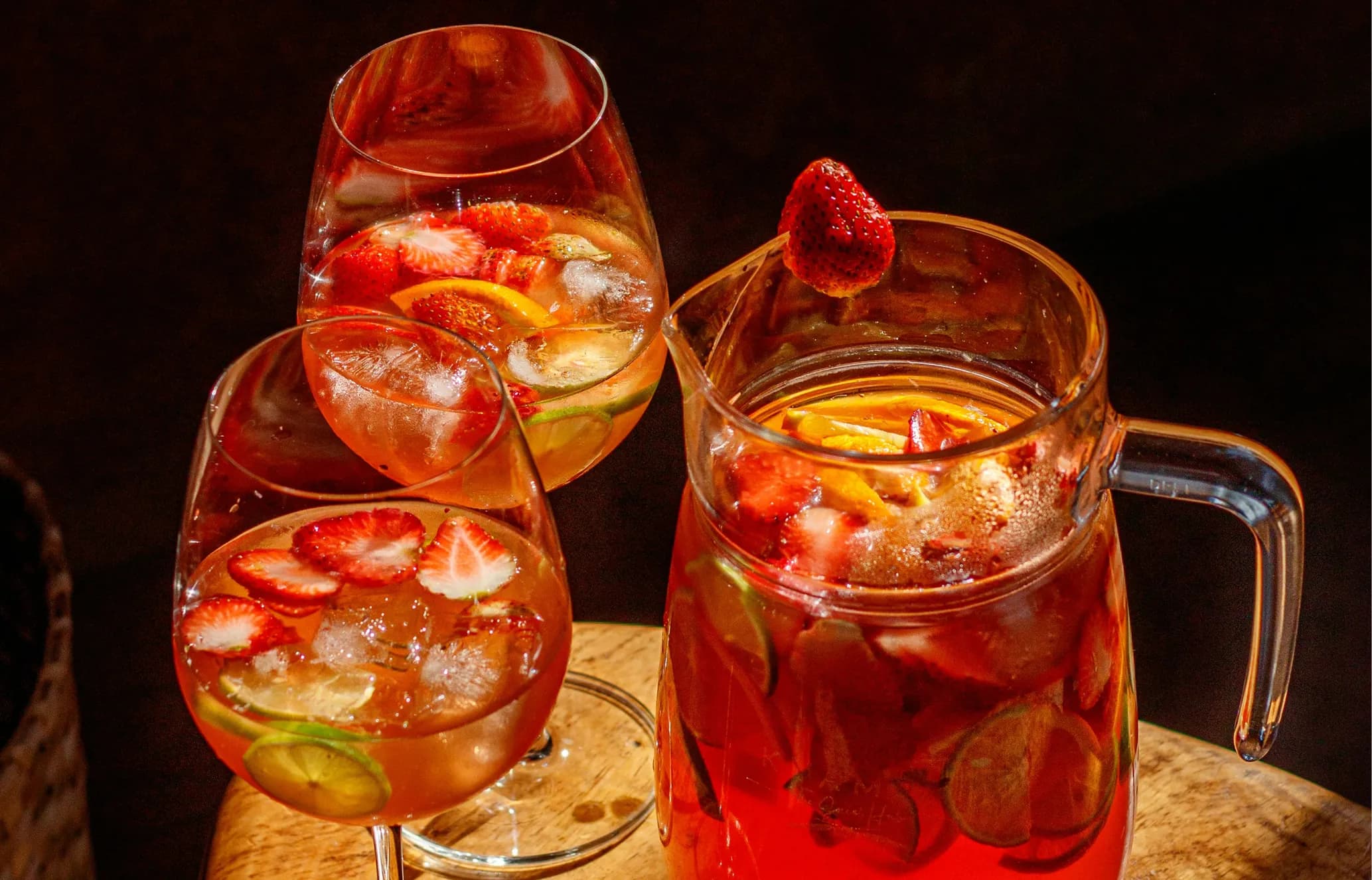
Foto: Srijal Maharjan, Unsplash
Fotoindex-Wert: 76
Kaum ein Getränk steht so sehr für den Sommer wie Sangria. Traditionell wird der spanische Klassiker aus Rotwein und Früchten zubereitet. Heute gibt es auch frische Varianten mit Weißwein oder Rosé sowie sprudelnde Versionen mit reichlich saisonalen Zitrusfrüchten und frischen Kräutern. Auf den Terrassen und in den Tapasbars von Madrid, Barcelona und Sevilla wird Sangria glasweise oder in großen Krügen serviert. Sie kommt bei vielen gut an und passt zu ausgedehnten Mittagessen, späten Nachmittagen und zum Ausklang des Tages bei Sonnenuntergang. Kein Wunder also, dass sie so häufig auf unseren Fotos auftaucht. Längst ist sie auch außerhalb Spaniens zu finden und steht in vielen europäischen Großstädten auf mediterran inspirierten Getränkekarten.
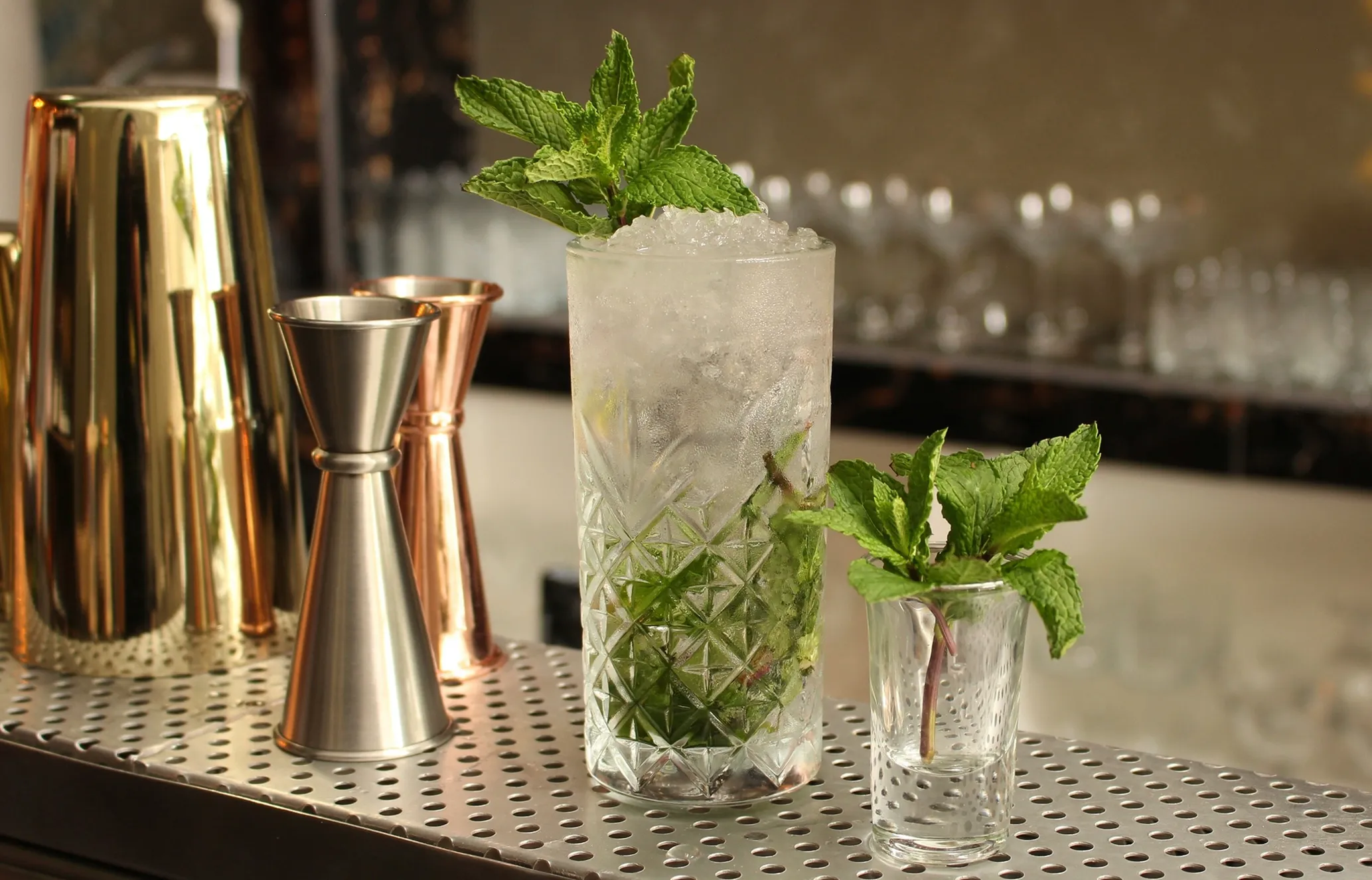
Foto: Tatyana Vega, Unsplash
Fotoindex-Wert: 74
Der Mojito stammt aus Havanna und ist Kubas bekanntester Cocktail. In den historischen Bars der Stadt und an den Stränden der Karibik gehört er bis heute dazu. Auch in Europa ist er beliebt: Seine erfrischende Mischung aus weißem Rum, frischem Limettensaft, Zucker, Minze und Sodawasser passt zu lauen Abenden in Beachclubs und Rooftop-Bars. Besonders in Barcelona trinkt man gern Mojitos. Doch auch in den Bars von Lissabon, in den Küstenorten Italiens und auf den griechischen Inseln sind sie zu Hause. Dazu lässt sich der Cocktail leicht selbst mixen – ein weiterer Grund, warum er so häufig fotografiert wird.
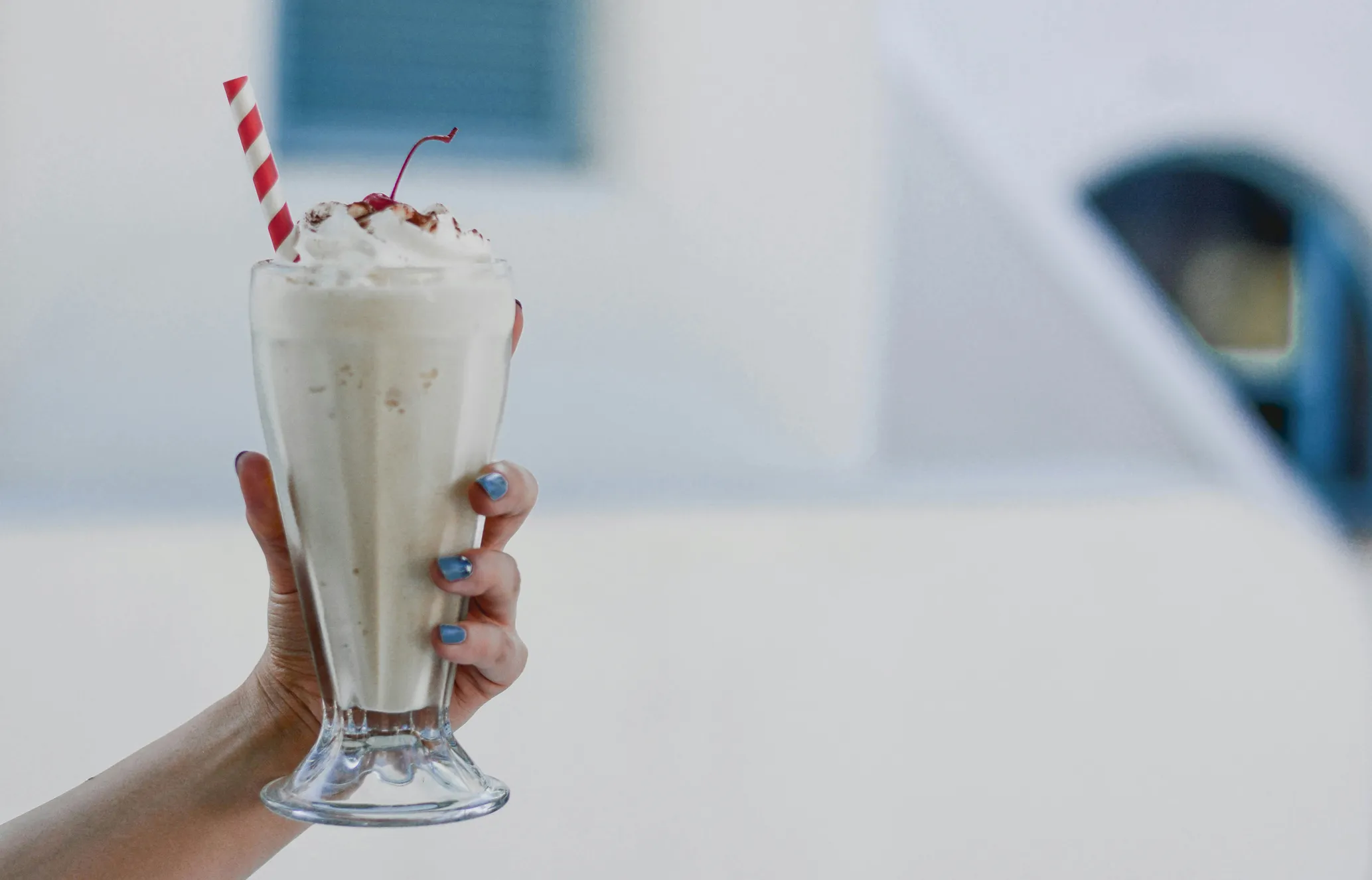
Foto: Content Pixie, Unsplash
Fotoindex-Wert: 74
Hoch aufgetürmte Kreationen, vielfältige Geschmacksrichtungen und aufwendige Toppings haben Milchshakes in ganz Europa zu beliebten Fotomotiven gemacht. Sie stehen häufig auf Dessertkarten und sind in Eisdielen zu finden. Neben Klassikern wie Schokolade, Vanille und Erdbeere gibt es inzwischen besonders üppige Varianten. Bei beliebten Londoner Adressen wie Udderlicious in Covent Garden wird frisch zubereitetes Eis zu verlockenden Milchshakes verarbeitet und mit reichlich Saucen, Früchten und Schlagsahne gekrönt. Auch die renommierten Chocolaterien und Patisserien von Paris haben diesen Ansatz für sich entdeckt – zur Freude aller, die Süßes lieben.
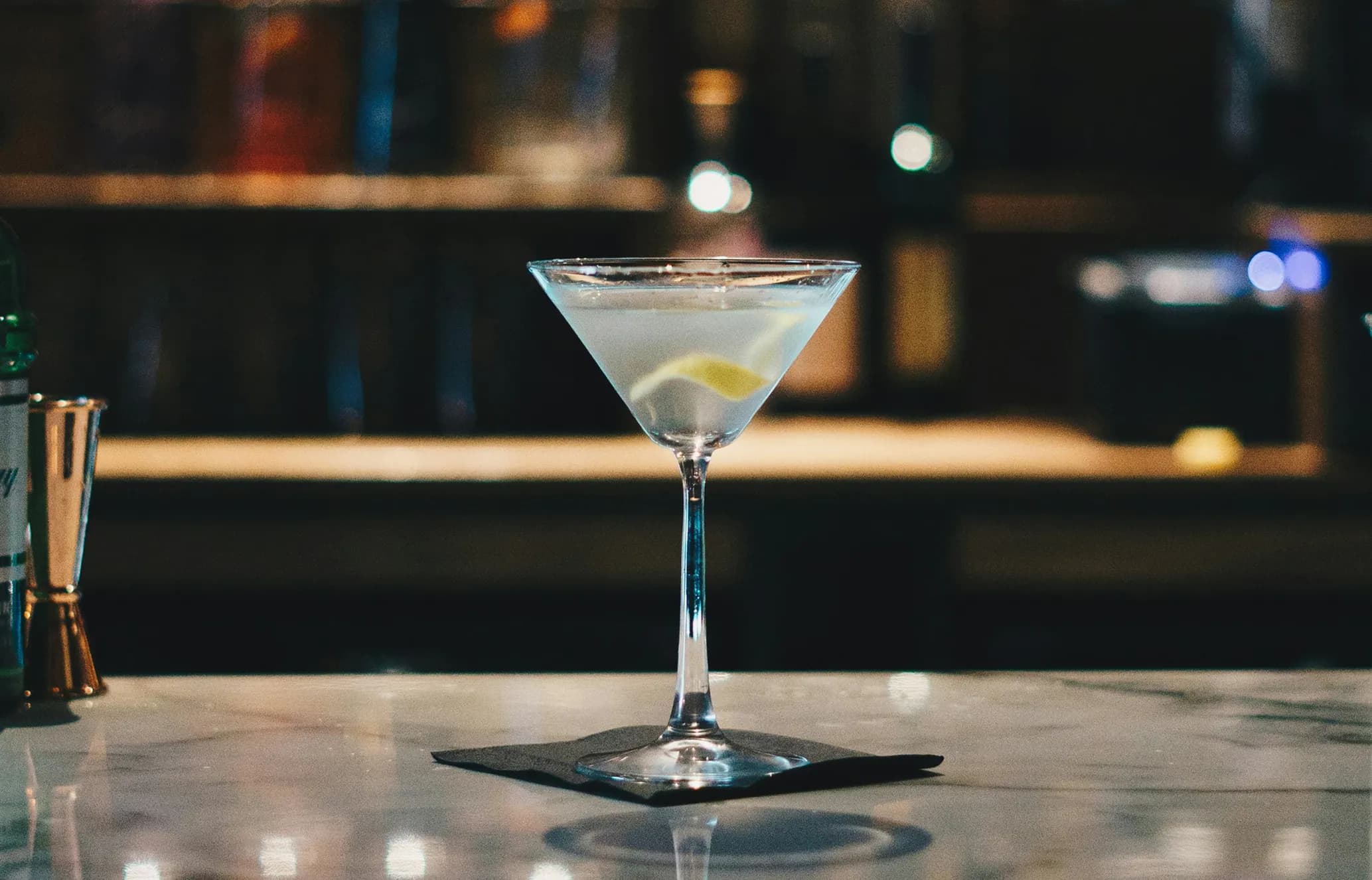
Foto: Ambitious Studio, Unsplash
Fotoindex-Wert: 73
Man könnte meinen, ein gewisser 007 habe den Martini mit seiner berühmten Bestellung „geschüttelt, nicht gerührt“ bekannt gemacht. Doch der herbe, elegante Cocktail war schon in den Goldenen Zwanzigern in der gehobenen Gesellschaft Europas und der USA beliebt. Zu seinen Liebhaber:innen zählten Persönlichkeiten aus Literatur, Politik und Kultur, darunter Winston Churchill, Frank Sinatra und Ernest Hemingway. Seine anhaltende Beliebtheit verdankt der Martini seiner Schlichtheit und Eleganz. In Europas führenden Cocktailbars findest du ihn und Varianten wie den Espresso Martini auf der Karte – ob in der Londoner Connaught Bar, wo er am Servierwagen zubereitet wird, oder im gedämpften Licht des Paradiso in Barcelona.
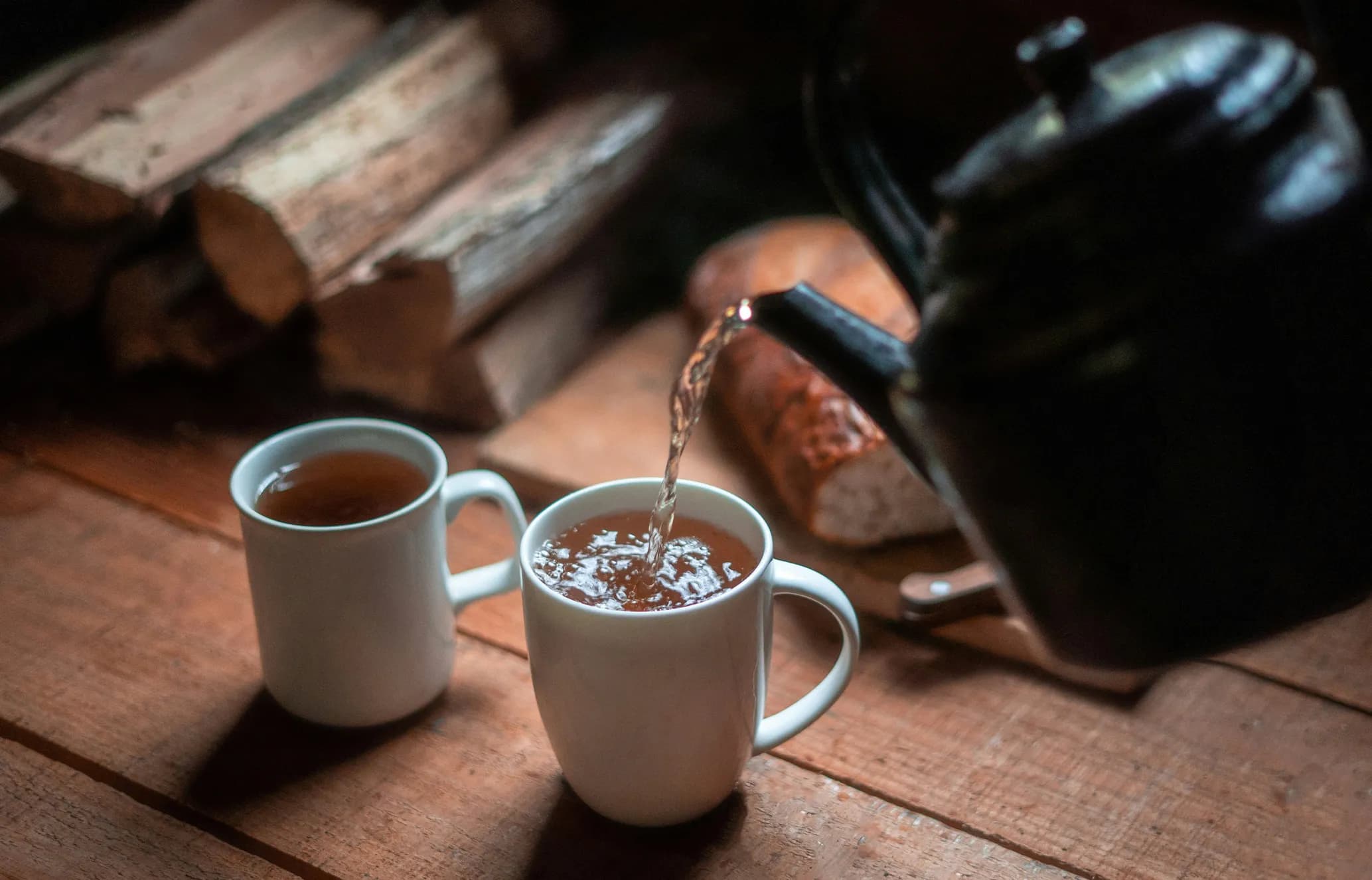
Foto: HC Digital, Unsplash
Fotoindex-Wert: 71
Als Import aus China kam Tee einst nach Europa. Heute ist er in vielen europäischen Kulturen ein festes Alltagsritual und wird am Küchentisch ebenso getrunken wie in Grandhotels und kleinen Cafés um die Ecke. Er begegnet uns in vielen Formen: beim aufwendigen Afternoon Tea mit feinem Gebäck und Sandwiches genauso wie als einfache Tasse zum Frühstück. Wellness-Trends haben das Interesse an losen Teemischungen und Kräuteraufgüssen neu entfacht. Bubble Tea und Matcha wiederum verleihen dem jahrhundertealten Getränk einen modernen Reiz. In London hält Fortnum & Mason mit mehr als 80 Mischungen die Teetradition hoch. In Paris lohnen sich Besuche bei Teehäusern wie Palais des Thés und Mariage Frères, die mit seltenen Sorten und Teesalons aufwarten.
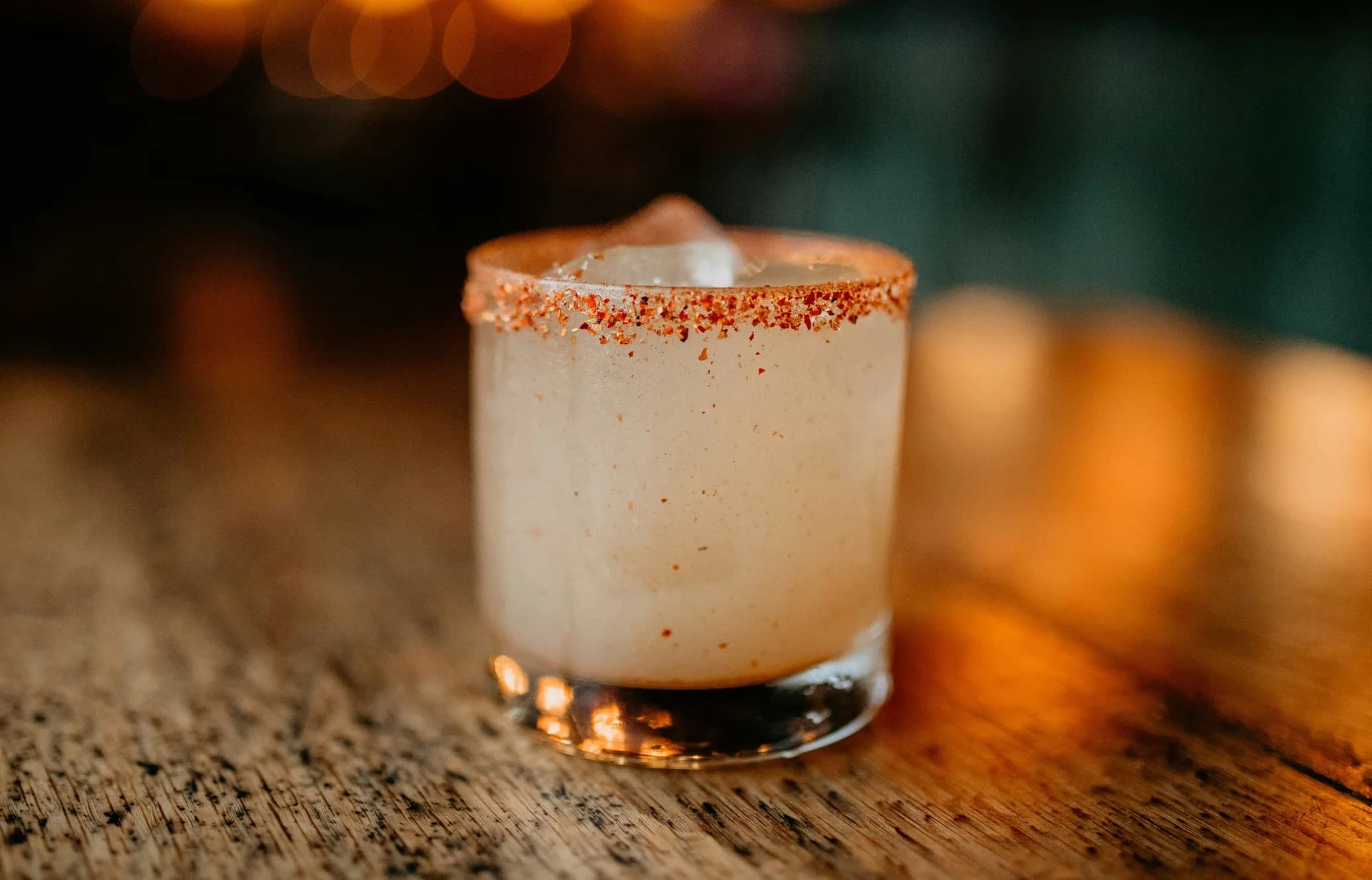
Foto: Daniel, Unsplash
Fotoindex-Wert: 68
Säuerlich, frisch und voller Zitrusaromen: Die Margarita ist für ihren belebenden Geschmack beliebt. Tequila, Limettensaft und Orangenlikör verbinden sich zu einer ausgewogenen Mischung, die in einem Glas mit Salzrand serviert wird. Als Ursprungsland des Cocktails gilt Mexiko. In den vergangenen Jahren sind neue Varianten hinzugekommen. Dazu zählt die Spicy Margarita, die während des Lockdowns in den sozialen Medien immer beliebter wurde. Die Variante mit Chili gehört inzwischen zum festen Angebot führender Bars und Restaurants in ganz Europa.
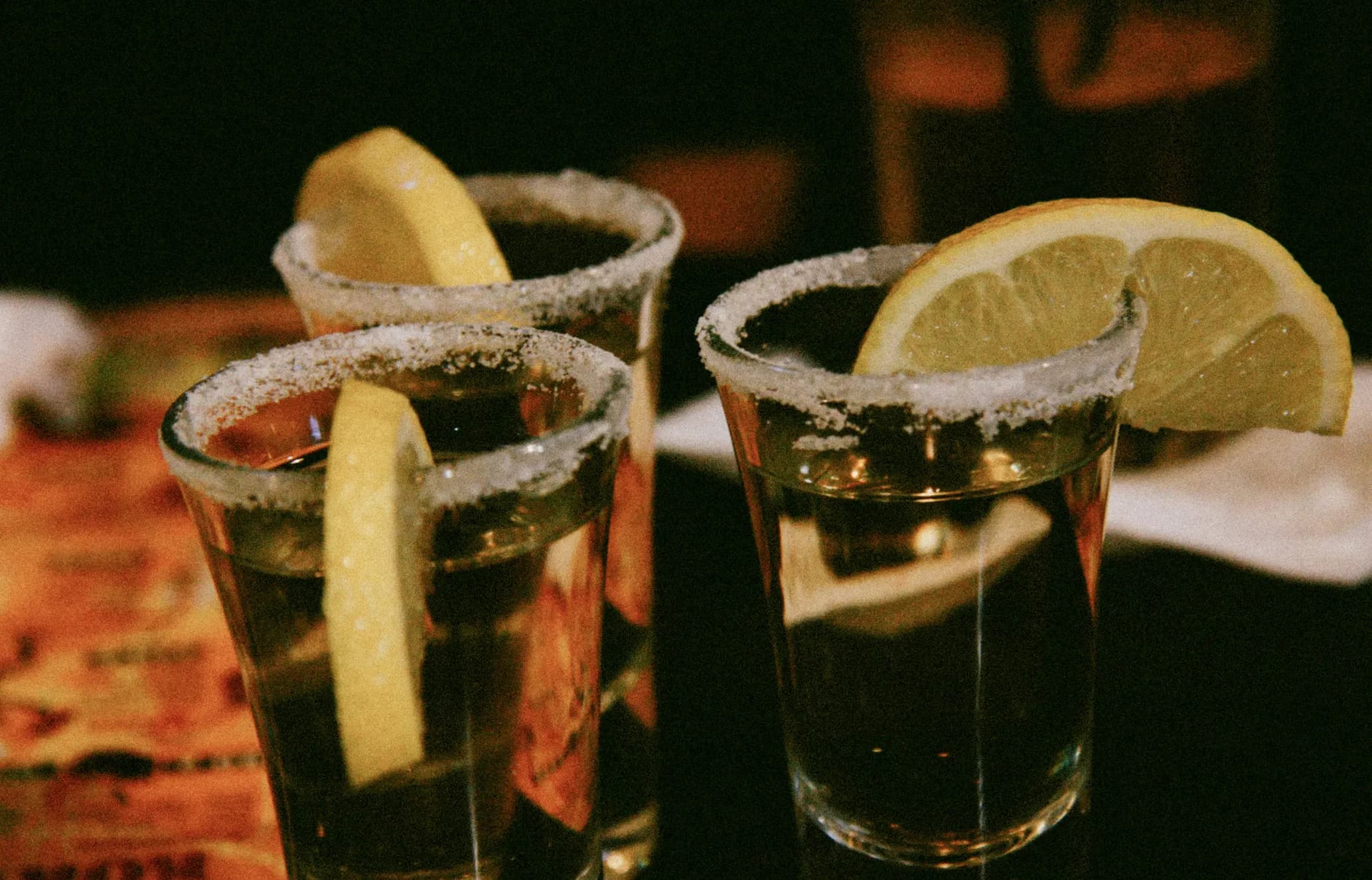
Foto: Alena Plotnikova, Unsplash
Fotoindex-Wert: 39
Ob Hochzeit oder Geburtstag: Ein Tequila-Shot gehört bei vielen Feiern dazu. Das traditionelle Ritual mit Salz und Limette läutet den Abend ein oder rundet ihn ab. Die Spirituose wird aus der Blauen Agave hergestellt, die vor allem im mexikanischen Bundesstaat Jalisco angebaut wird. Premiummarken wie Patrón, Don Julio und George Clooneys Casamigos haben Tequila einem neuen Publikum nähergebracht. Während man in südeuropäischen Ländern wie Frankreich, Italien, Spanien und Portugal eher regionale Weine und Digestifs wie Grappa und Limoncello nach dem Essen bevorzugt, fällt die Wahl beim Shot in Großbritannien, Irland und Deutschland häufig auf Tequila.
Um die meistfotografierten Getränke Europas zu ermitteln, hat Popsas Data-Science-Team Millionen von Fotos ausgewertet, die Kund:innen in den Jahren 2024 und 2025 aufgenommen haben. Das Team hat die Fotos zu keinem Zeitpunkt angesehen. Stattdessen wurden die Getränke ausschließlich auf den Geräten der Nutzer:innen erkannt und anschließend nach der Gesamtzahl der jeweiligen Fotos sortiert.
Die Popsa-App nutzt maschinelles Lernen direkt auf dem Gerät, um allgemeine Bildinhalte zu erkennen. Dazu gehört, ob ein Getränk zu sehen ist und welchem Getränketyp es am ehesten entspricht. Für die Analyse werden ausschließlich diese Zuordnungen zusammengeführt, niemals die Fotos selbst. Jedes Getränk erhielt einen Fotoindex-Wert, der seine Häufigkeit im Vergleich zu allen anderen Getränken im Datensatz widerspiegelt. Anschließend wurden die Werte auf einer logarithmischen Skala von 0 bis 100 normalisiert, wobei das meistfotografierte Getränk als Referenz diente. Da die Skala logarithmisch ist, bilden die Werte relative Unterschiede in der Größenordnung ab, keine absoluten Fotozahlen.
Dank Popsas praktischer Gesichtserkennung und unseren Intelligenten Alben kannst du Erinnerungen jetzt noch schneller wiederfinden.




%3Agrayscale()&w=96&q=75)
5. Aug. 2026∙7 min
29. Apr. 2026∙8 min
28. Sep. 2026∙10 min


 Vereinigte Staaten