A Confluence In Time
Our ancestors have been sharing stories since the dawn of humanity, and although the methods have changed, the subconscious need to pass on our experiences and values hasn’t… we believe it’s more prevalent than ever.
Nowadays, we take photos for all sorts of reasons; to record the best of our lives, to remind ourselves of mundane tasks, and even for communication. In the last decade there has been an explosion of visual media — the only comparable event is the invention of the printing press in 1436.
At the same time we are witnessing a new age of computing, one in which vast amounts of data can be rapidly processed on devices that we hold in our hands.
The convergence of these phenomena; the human instinct to share experiences, the proliferation of photography, and the acceleration of privacy-preserving mobile processing power has given rise to Popsa.
Beyond Print
Our colleagues didn't join Popsa to build a printing app.
That’s just a stage we are passing through.
We’re not creating another Photobox or Shutterfly. Our ambitions go far beyond that.
For us, the printing of memories is just one manifestation of a more fundamental human need; our innate desire to understand who we are.
That’s not to say we will intend to dilute the business we have built on printing photos, in fact quite the opposite, we believe that building a better service for these customers will also lead us into building something increasingly valuable to those who don’t have any intention to print at all.
Why do we believe this?
Our customers don't print because they love flicking through pages or because they admire the quality of our binding. When we talk to them it very quickly becomes clear that there are much more subtle – and often subconscious – reasons for printing.
People choose to reminisce in this way to be a better parent, to impress their neighbours, to leave a legacy, to strengthen a relationship, or to come to terms with loss – amongst other things.
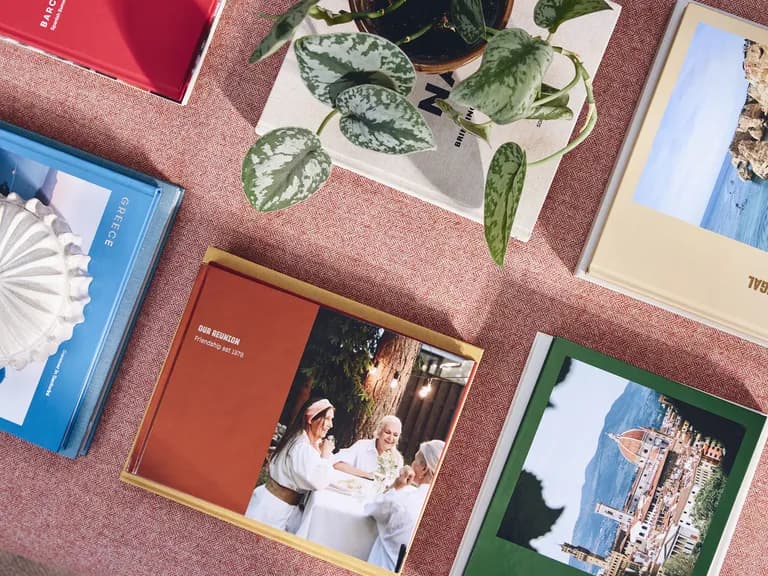
All of this sounds quite deep at first, but when you stop and think about it, curating the best of your experiences and relationships is a perfectly rational way of processing your life. Furthermore, the act of crystallising all this into something tangible can serve as a constant reminder of the things that make life worth living.
Boosting Self-Esteem
What is the evolutionary reason for instinctively wanting to record and relive?
Memory – in general – is obviously essential for survival.
But perhaps even more so is an understanding of the events in those memories.
Humans have evolved to reminisce primarily as a way of increasing our understanding of the world around us. And the more we understand things, the more we can improve our chances of success and happiness within that world.
We can make ourselves better people – and lead more satisfying lives – by self-reflection.
However, it is important to recognise that bringing up memories of past events is not automatically a good thing. In fact, there are different types of reminiscence and some are more healthy than others.
‘Obsessive’ reminiscence (characterised by always looking at the past in its most negative light, through the prism of mistakes and missed opportunities), and ‘escapist’ reminiscence (a view of the past that is so positive that we long to go back because our world today is so awful) are extremes on a spectrum.
Both of these can be damaging, but there are other ways of reminiscing that are in fact critical in supporting our mental health.
Popsa exists to increasingly help our users process their thoughts through:
Transmissive Reminiscence
Best summed up as the passing on of values to your children (this is partly why we feel guilty if we stop recording their childhoods). Traditions in this way can be a good tool for propagating personal beliefs and even culture.
Instrumental Reminiscence
Turning unfortunate situations around and making the most of them for self-improvement. This helps build confidence in yourself; a sense that you can achieve anything when you put your mind to it. Reliving our happiest moments reinforces this.
Integrative Reminiscence
Derived from ‘integrity’ in the sense of being whole or well-rounded, this kind of processing of your own thoughts and memories helps you feel calm, assured, and content with life.
All of this processing helps us in the realisation that ups and downs are all part of life’s great story. They are not just random events the world throws at us; we can extract value from negative situations, whilst celebrating the amazing things we do and the wonderful people we come across.
Distilling An Identity
It’s clear that just remembering doesn’t necessarily confer benefits. Quality reminiscing involves some kind of effort at evaluation and the extraction of meaning.
It is worth considering, however, that not everyone can access this ability; or at least, not to the same degree.
Our mission at Popsa is to help these people find meaning in their lives.
In a way, people who already make lots of photo albums are already very good at this.
But most people struggle to access the most healthy kind of reminiscing because there is so much life to sift through, or they feel ill-equipped to create something from all the content they’ve accumulated.
There is a wonderful, natural process that is an interesting parallel to what we’re doing at Popsa.
The human mind is so large and inquisitive – it takes in much more data than it can possibly store – and so it has mechanisms to make sense of it all.
We refer to this mechanism as dreaming.
When we dream, we process short term memories and work out what is important to keep for the long term.
It’s a kind of defragmentation of the mind.
We believe that Popsa can be to a photo library (or people’s digital lives) what dreaming is to the mind.
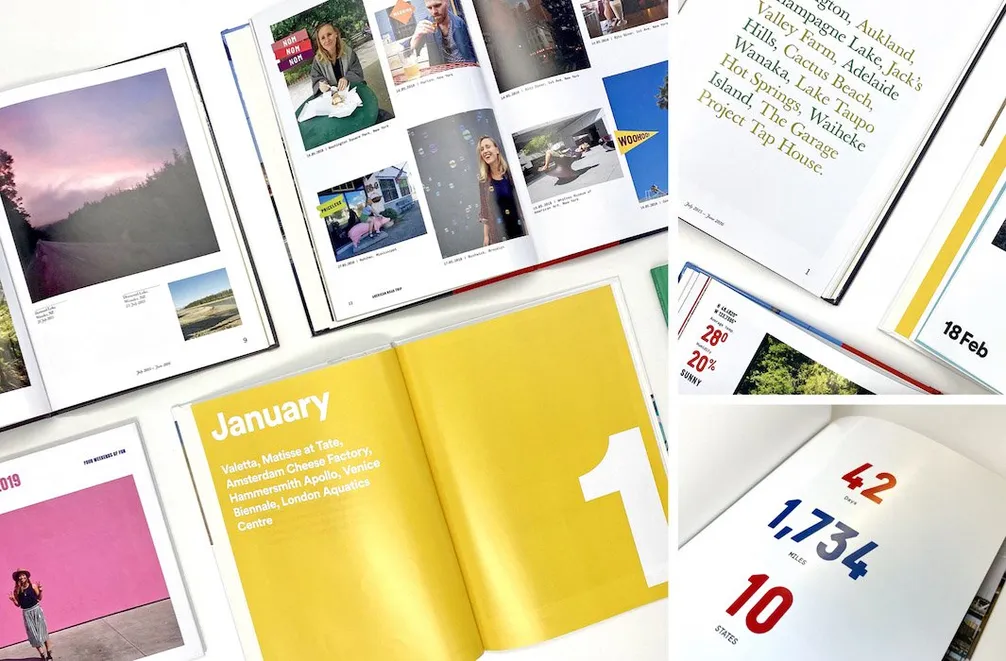
Not only by sifting through vast amounts of raw data to pick out the important things, but to then analyse what remains and process them into something meaningful, something beautiful, something that can be experienced again and again to feel content and satisfied.
Taken together, we describe this process as helping people to distil their identity. After all, the meaningful events, experiences and relationships in your life are what makes you, you.
And when people are confident in themselves and their identity, they typically lead
more fulfilling lives.
Making Memories Accessible
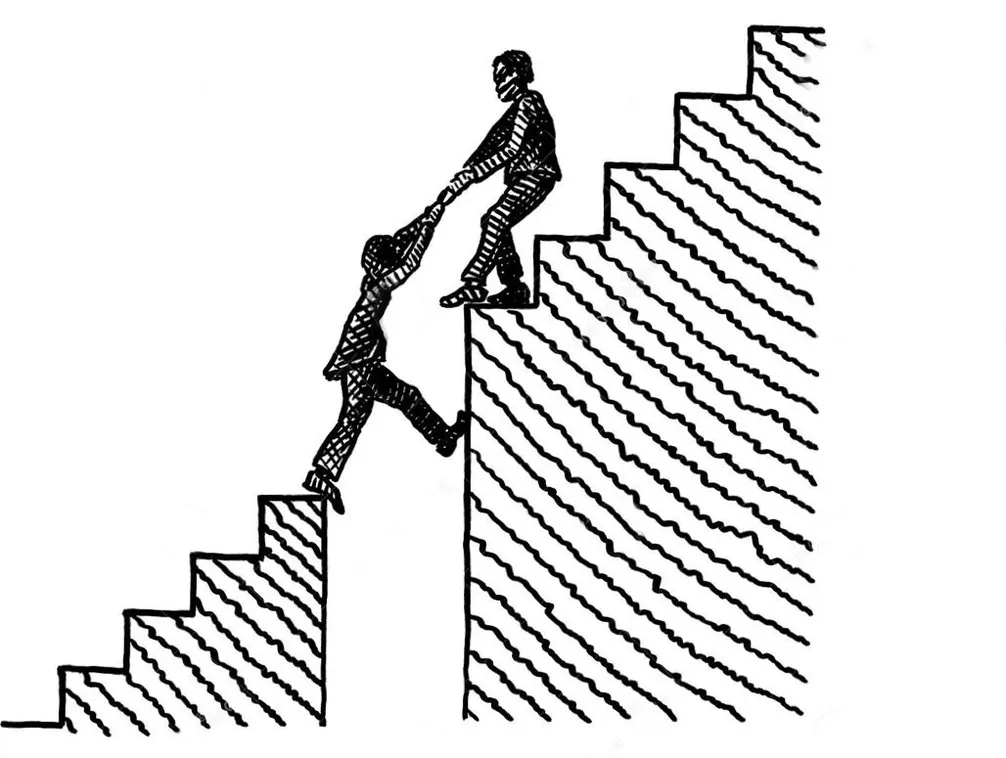
Given how beneficial such activities can be for mental wellbeing, we believe it is critical to make them accessible for as many people as possible.
A typical response from companies in our sector is to give their users a myriad of options from which they can self-serve.
We believe this approach to be not only ineffective, but discriminatory.
It’s a strategy that is biassed towards people who already have a strong desire to reminisce, whatever stands in their way.
Despite having no shortage of photos, people who are less self-assured face a range of barriers:
Anxiety About Technology
I don’t want to touch that button in case I mess it up
Anxiety About Design Skills
I’m embarrassed to show what I’ve made to people I respect
Lack of Time
I don’t have the patience to do all of that
Lack of Imagination
I’m not sure what I should create
Preconceptions
That sounds complicated
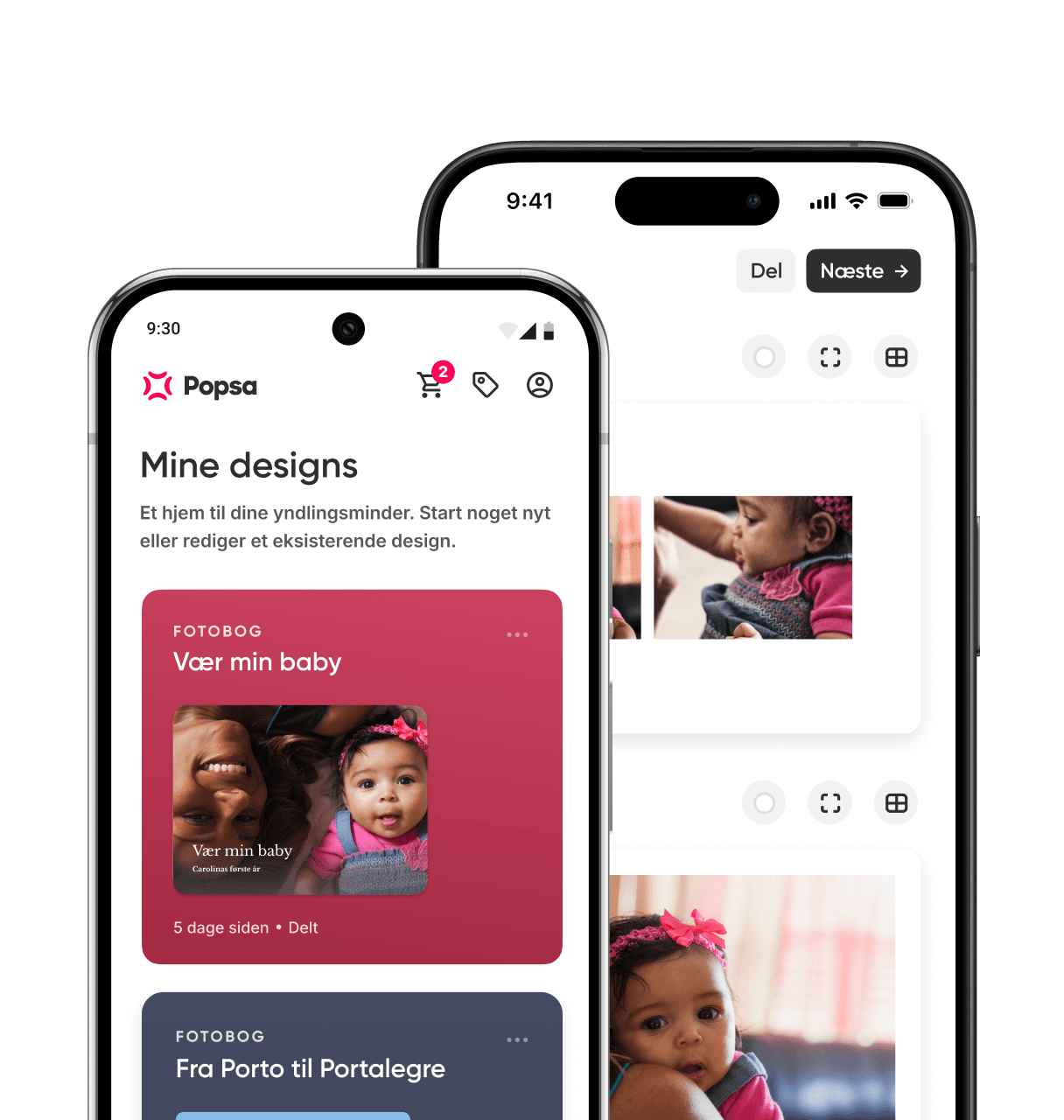
Therefore Popsa is harnessing technology to make the whole process much more accessible.
What you see in today’s app is nothing compared to where we’re going.
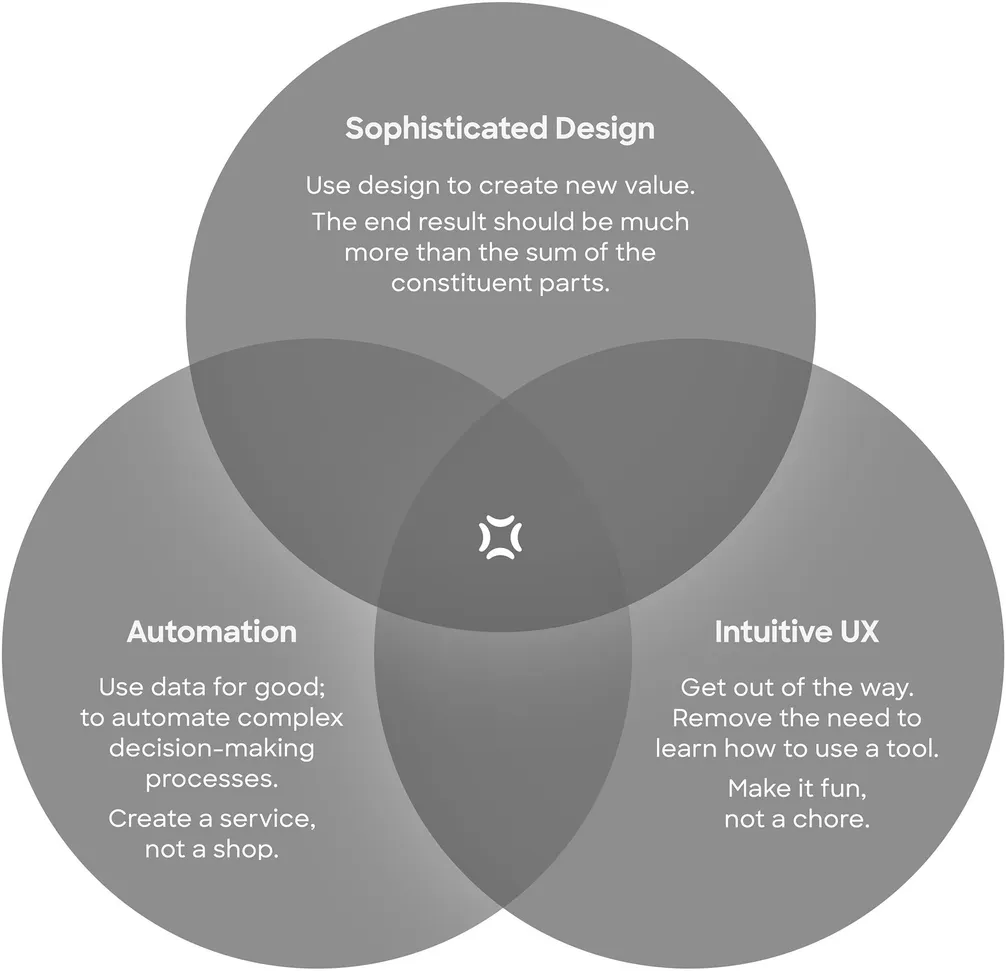
We are now focussing our efforts on three objectives, and it’s the combined results that we believe will help people overcome these barriers.











 USA