
Heritage Heroes celebrates the artisans preserving centuries-old crafts and traditions. In this series, we seek out the workshops and boutiques worth the detour, the experiences that capture the spirit of a destination and the keepsakes you’ll treasure long after the journey ends.

There is something quietly precious about putting pen to paper. The weight of a notebook in your hand, the drag of ink across the page, the small imperfections that make handwriting unmistakably your own. In a digital world, these rituals can feel almost radical – marks and imprints made to be kept, read and passed down.

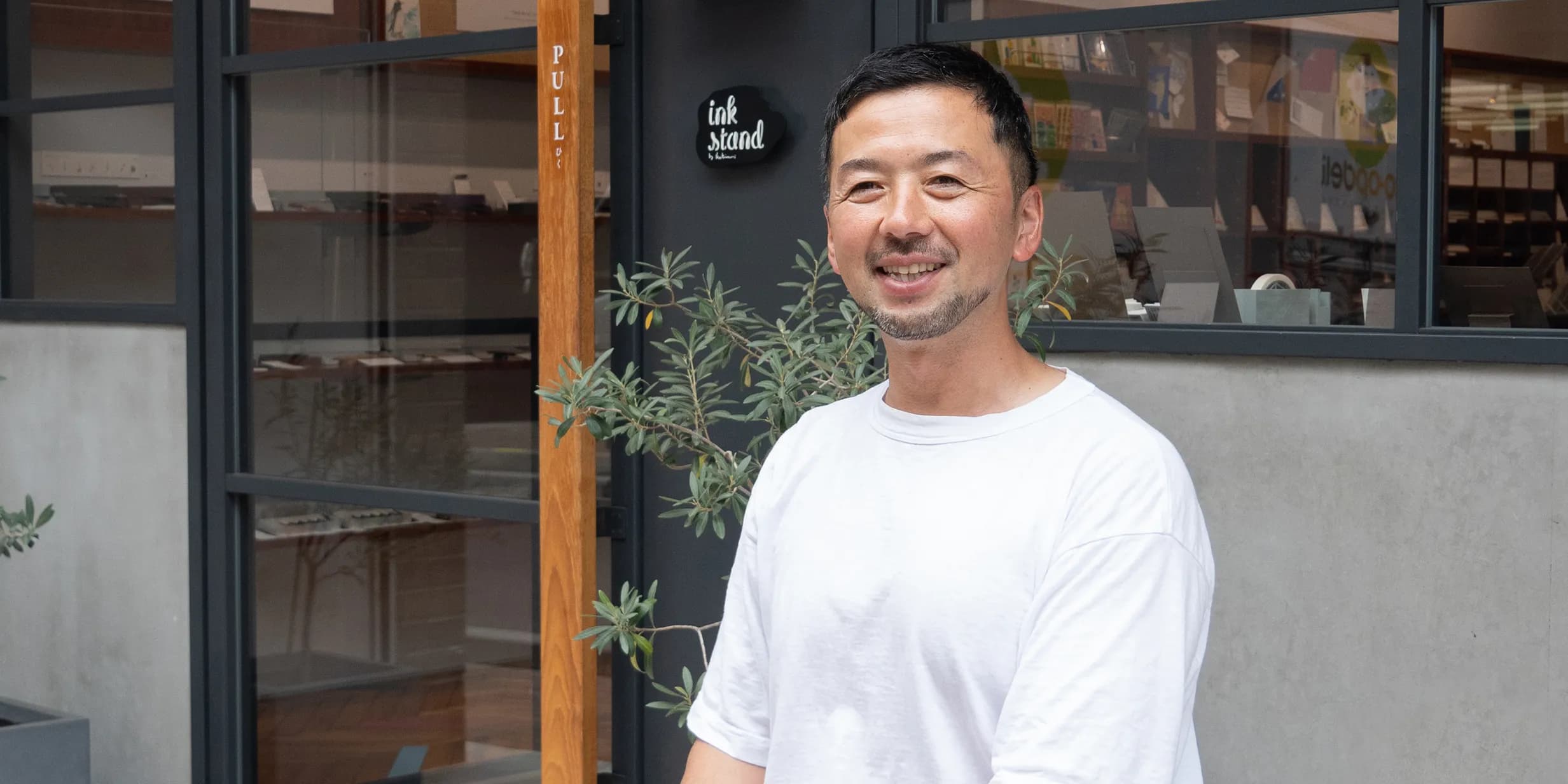
For Takuma Hirose, founder of Tokyo stationery shop Kakimori, connection has always been central to making. His relationship with stationery began in his grandfather’s small shop in Takasaki and led him to Kuramae, a neighbourhood once known for its small manufacturing workshops. Today, Kakimori brings these makers together – from traditional craftspeople to factories using cutting-edge machinery – to make writing tools, notebooks and inks designed to be used.

Hirose’s approach rests on monozukuri, Japan’s culture of making, and the enduring value of things made with care. As handwriting grows rarer, he sees its value growing. Here Hirose discusses his earliest memories of craft, the changing landscape of Kuramae, and why the simple act of writing by hand still matters.

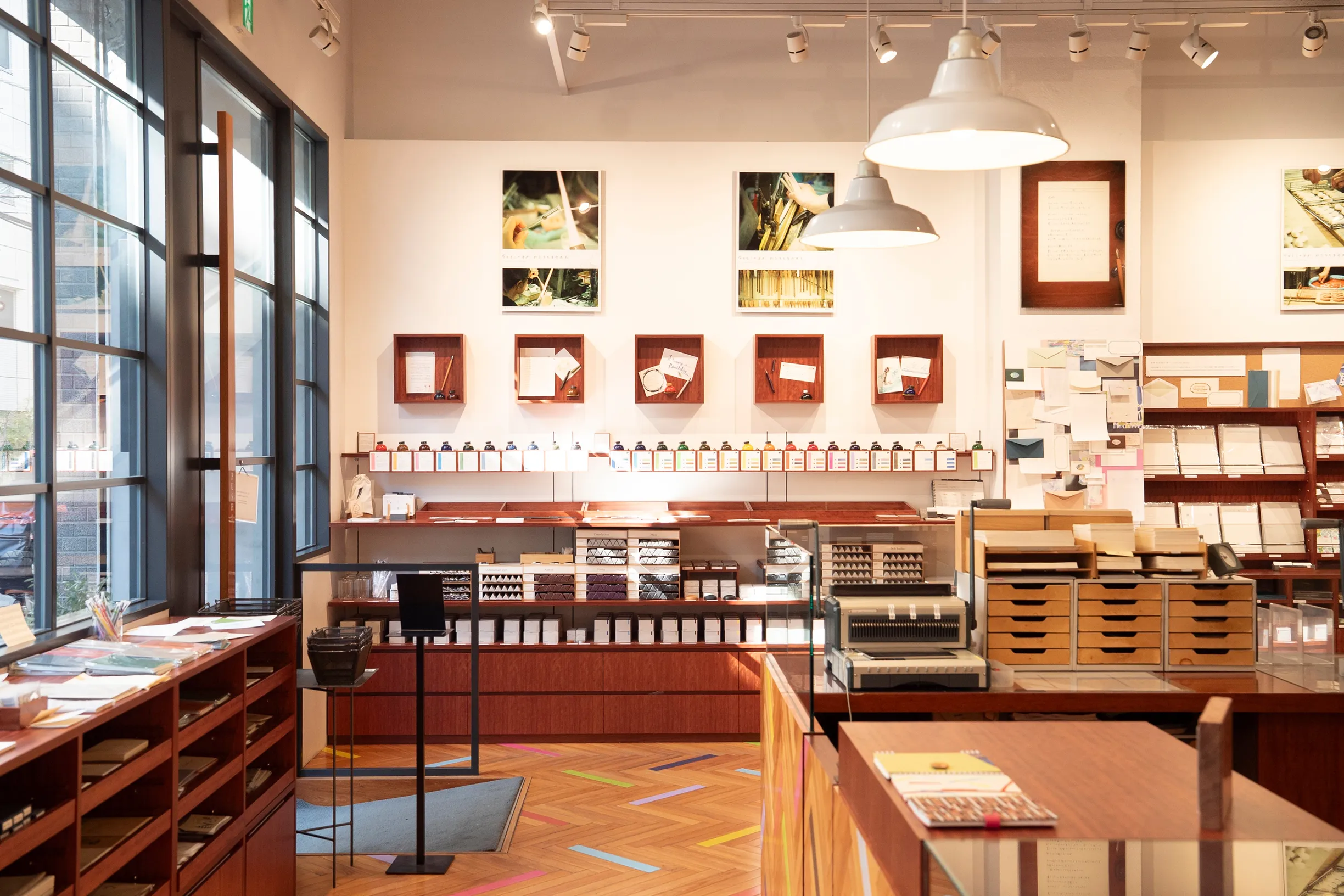
Interior of a modern stationery store with large windows, wooden displays of ink, paper, and pens, artwork, and a herringbone floor with colorful stripes.

A look inside Kakimori in Tokyo

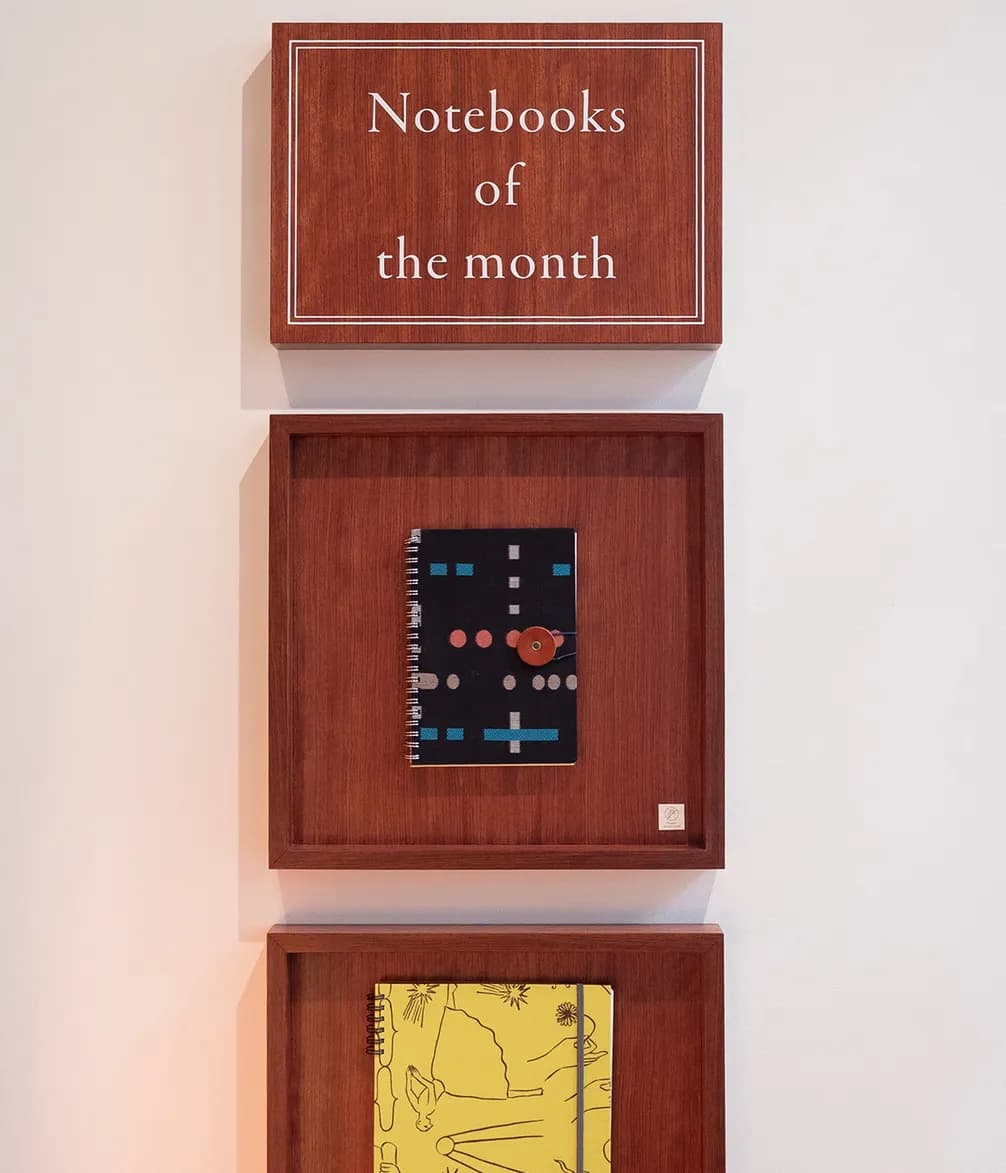
A sign "Notebooks of the month" above two framed notebooks on a white wall; one black with abstract patterns, one yellow with line art.

Design details at Kakimori

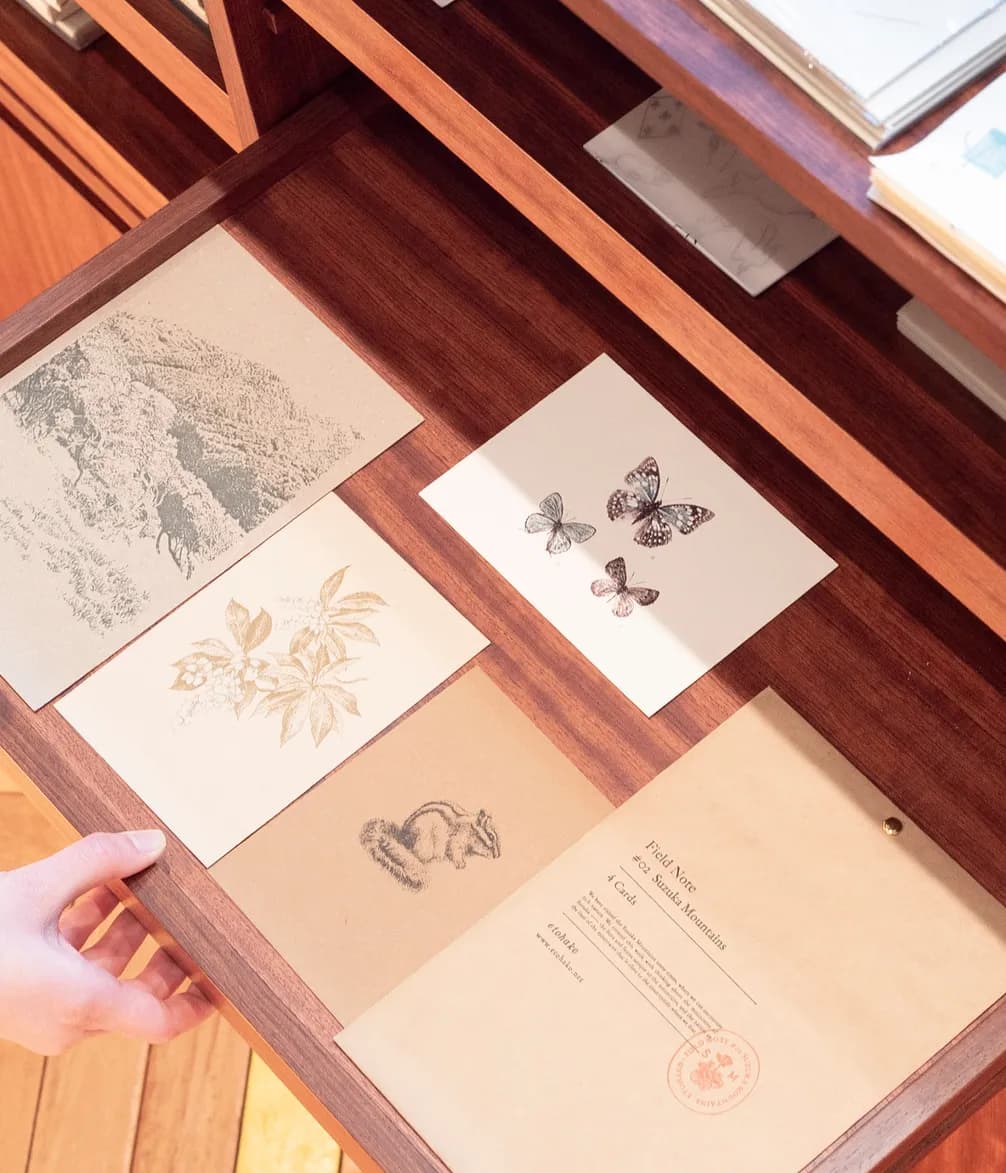
A hand pulls open a wooden drawer revealing nature-themed cards: illustrations of mountains, butterflies, a chipmunk, and flowers. A "Field Note" card pack is visible.

Tell us about growing up in Takasaki

As a child, I visited my grandfather’s stationery shop every week. I remember a small, always-bustling shop in the middle of the neighbourhood. As motorisation changed how people lived, the business grew into a well-loved stationery and office-supplies store in the suburbs. The excitement I’d felt there as a child disappeared, and I gradually lost interest in stationery.

What are your earliest memories of craft?

Looking back, I was drawn to old, well-used objects like tape cutters and staplers. Perhaps I sensed the human element in them. That partly drew me to Kuramae. Small workshops were still dotted around the neighbourhood – paper-cutting shops, printers, die-cutting workshops – where old machines were carefully maintained and used. I thought it would be interesting to create a shop that could bring these makers closer to the people who use their work.

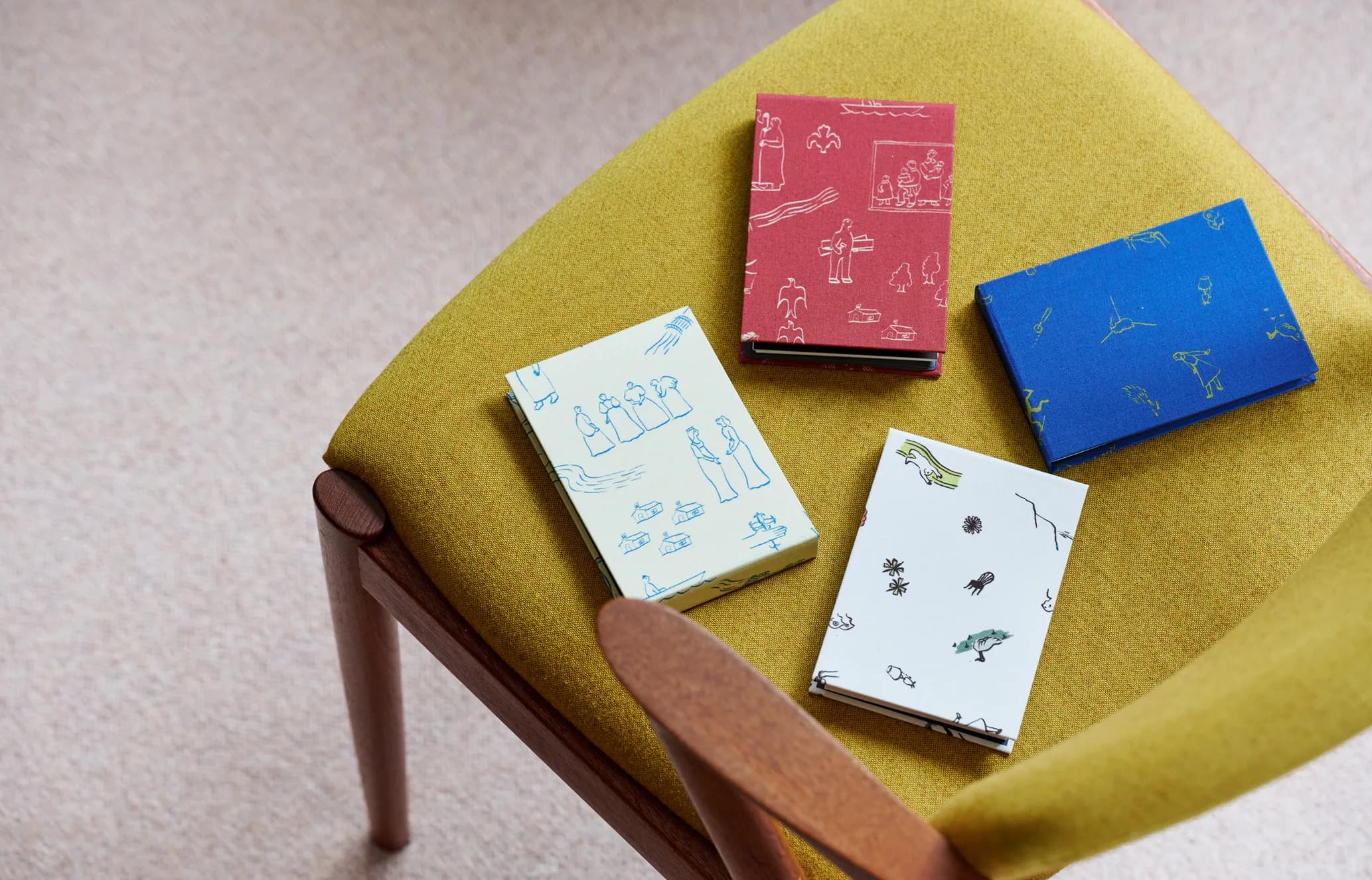
Four small illustrated books in red, blue, white, and light green, featuring various figures and scenes, resting on a mustard yellow chair.

A collection of Kakimori’s beautiful notebooks

What drew you to the Kuramae neighbourhood?

When I arrived in Kuramae in 2010, it was commercially quiet, with few people on the streets. As manufacturing moved to regional areas and overseas, the neighbourhood had become hollowed out. Meanwhile, a few young people were opening interesting shops here. I didn’t have much money then, so there were things I couldn’t do in high-rent areas. Kuramae’s affordable rents and manufacturing culture appealed to me: it felt like somewhere I could build something.

How has Kuramae changed since then?

There are many more shops and visitors now, but Kuramae still moves more slowly than Shibuya and Ginza. That said, Kakimori and the cafés around us can be busy, particularly at weekends, and it’s becoming harder to give each customer the attention we’d like.

We’re grateful the neighbourhood has grown, but its success brings tension. Old buildings are being replaced by chain hotels, and the culture of the shitamachi (lowland area) is gradually disappearing. We’re still working out how to help protect what makes Kuramae special. If you can, visit us on a weekday. You’ll have more time to explore Kakimori and the neighbourhood at its most relaxed.

How do you decide which makers and techniques to champion?

The makers Kakimori works with vary, from individual craftspeople to factories employing around 100 people. We usually start with what we want to make, then find the right maker. One of the wonderful things about Japan is the diversity of its manufacturing and craftsmanship. We’re only tapping a fraction of it.

Our role is to bring these makers forward and communicate the value of their work. Rather than deciding what should be preserved or who is worth working with, we want to build on what exists: making new things with these makers and sharing their stories. We hope, even in a small way, to raise the profile and value of their work.

A black, cloud-shaped sign with "ink stand by kakimori" in white script hangs on a beige wall, next to a dark, blurry room.

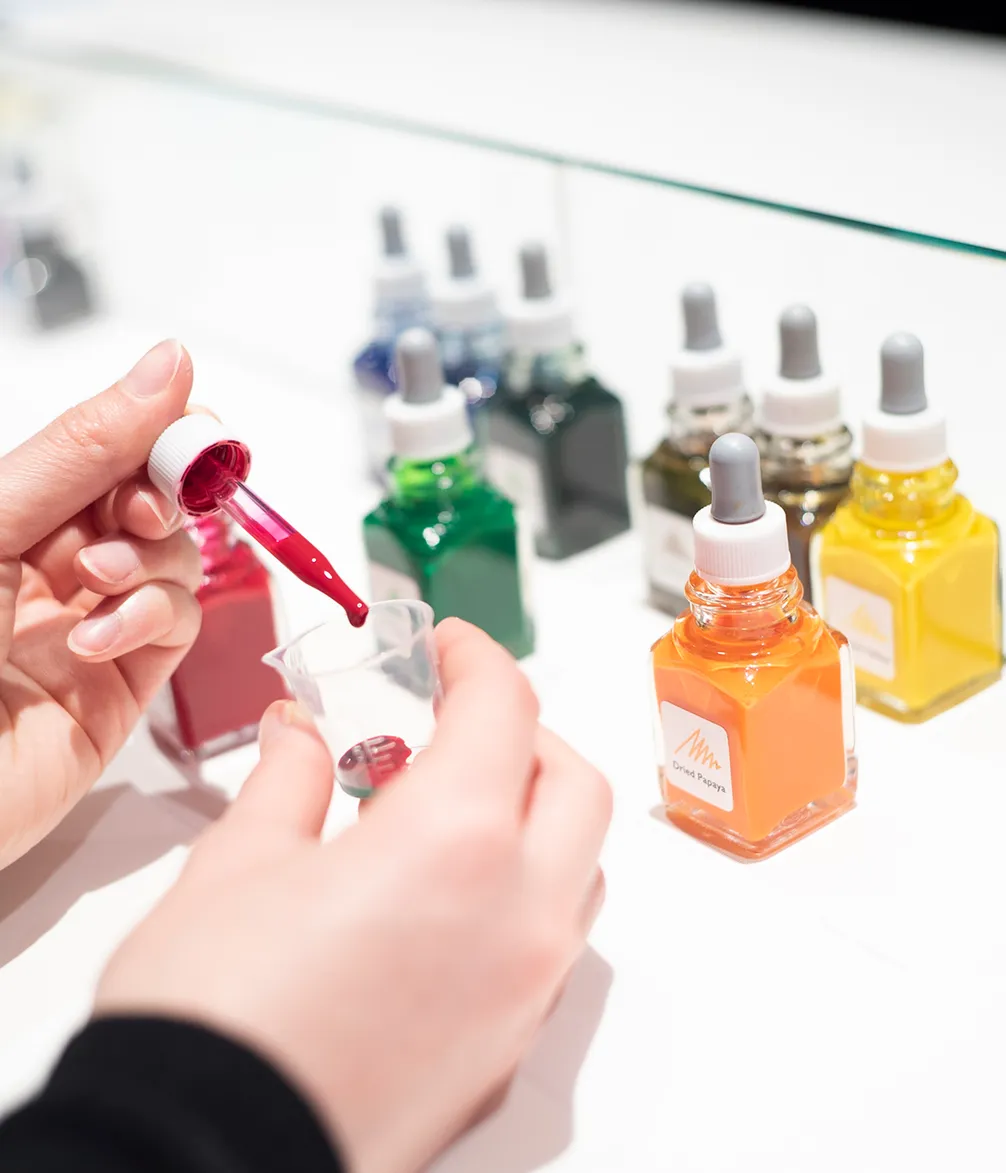
Visitors can create their own ink colours at Kakimori, Tokyo

Hands use a dropper to add red liquid to a small measuring cup, with many colorful dropper bottles in the blurry background.

Kakimori grew up alongside Sumida’s paper factories and printing craftspeople – what does it mean to you to keep these traditions alive in a digital age?

It helps us develop our thoughts, organise our ideas and express how we feel – things we can do digitally, perhaps even with AI, but explore more deeply by hand. There’s also something cool about writing by hand. Imagine sitting in a beautiful café: what looks more interesting, watching videos on your phone or writing in a notebook? Most people would choose the latter.

We’re in a period of transition. Demand for paper and the number of factories are falling, but I believe the value of the small factories and craftspeople still making things in the heart of Tokyo will only grow. That’s why Kakimori still makes its notebooks as locally as possible. I hope that, when we come through this period of transition, Tokyo will remain not just a major city, but a rare one where things are still handmade.

Illustrated paper showing a desk setup with red accents, "We write with joy" text, and a wooden fountain pen on a dark blue stand.

Pens, papers and notebooks at Kakimori

A silver pen with blue ink on its metal nib rests on paper displaying ink swatches and "kakimori Metal nib pigment ink" text.
A collection of colorful fabric-bound books stands upright on a rustic wooden shelf, showcasing various woven textures and patterns.
A collection of white cards displaying various ink patterns, textures, and brushstrokes in blue, red, black, orange, and teal.
An open sketchbook with blue ink patterns and nature drawings on a wooden table, next to a blue ink bottle and a fountain pen on a wooden stand.

Describe the vibe of the your shop, Kakimori

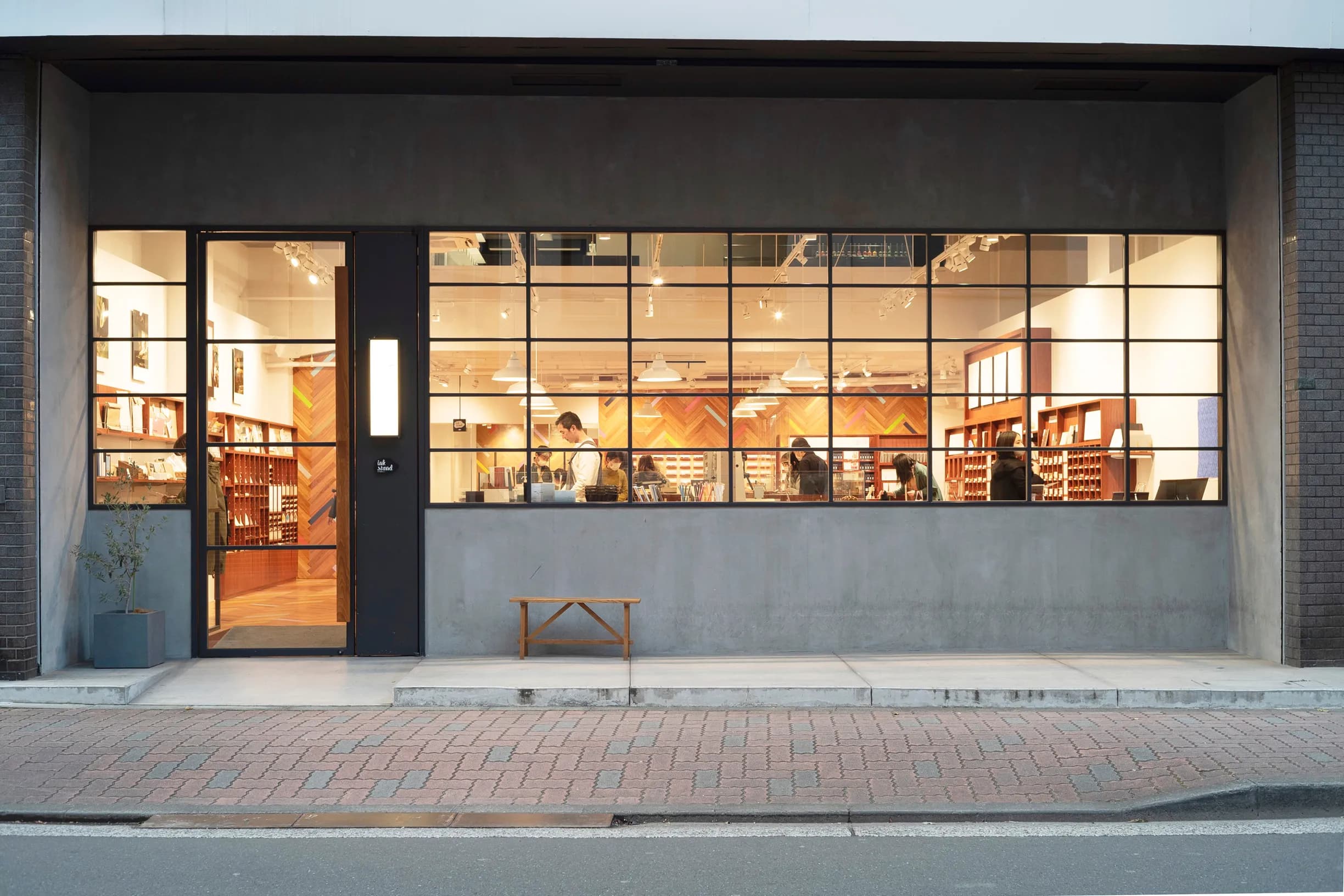
A little way from the station, the shops thin out, and you may wonder if you’re still heading the right way. Then you arrive at a spacious shop with large windows and a remarkably high ceiling. Step inside and you’ll probably hear notebooks being made. The interior is built around wood, but bright pops of colour give it the feel of a life-size box of coloured pencils. The architecture feels both rooted in the neighbourhood and refreshingly new.

Tell us about the custom experiences at Kakimori

Our order-made notebook service has been part of Kakimori since we opened. I wanted to connect local makers with our customers, initially by creating a Kakimori notebook with craftspeople from around Kuramae. But because manufacturing here is highly specialised, different makers produced the cover, paper and binding. Looking at these separate components, I wondered: why not let each customer create a notebook that was truly their own? That became the order-made notebook service. Its success led us to explore customising writing tools, which became Inkstand, where customers create their own ink colours. Both services are now hugely popular and a key reason people visit.

Exterior of a modern shop with large grid windows, a warmly lit interior where people are browsing, a wooden bench, and a brick sidewalk.

The exterior of Kakimori in Kuramae, Tokyo

For a first-time visitor, where should we start – and what would we put in our basket?

Start by picking things up. The shop is designed for trying everything, from 100-yen ballpoint pens to 50,000-yen fountain pens. For order-made notebooks, you can test more than 10 papers. See how a pen feels in your hand, how it moves across the page and what catches your eye. If you love a writing tool but want it in a different design, ask the team. They’re there to help you find your perfect match.

How do you hope visitors feel when they leave?

I want people to leave thinking, “That was fun. I’m glad I made the trip. I’m going to start writing today.” For visitors from far away, it might be 10 or even 30 years before they return. Even if they visit only once, I hope the experience stays with them – a small memory they carry and share.

Two small, round glass bottles, one brown with a silver cap and one red with a black cap, sit on a wooden shelf against a blue wall.

Kakimori’s Makoto Koizumi-designed ink bottles

Tell us about a project that changed Kakimori

In 2021, we developed a dip pen and ink bottle with the designer Makoto Koizumi. When the pandemic cut off our overseas customers, we rethought what we wanted Kakimori to be. We returned to our idea of “We write with joy” and decided to make the products we genuinely want to use ourselves.

Our off-the-shelf ink bottle had a frustratingly narrow opening, and no dip pen we found worked with several ink colours as we wanted. So we decided to make both ourselves, collaborating with makers across Japan. It was our first project with a product designer, and it pushed us into new territory.

What happened when you launched it?
Not much at first. Even before launch, pen enthusiasts in San Francisco gave our prototype an almost entirely negative response. But we believed in the idea, so we refined the products and launched them anyway. Slowly, word of mouth took hold, and sales began to grow – particularly overseas. Today, more than 70% of Kakimori’s customers are from outside Japan. It showed us that if we make something we believe in, people around the world will want it too. The project began a new chapter for Kakimori; our dream now is to open a store overseas.

Ladda ner appen

Upptäck minnen snabbare med exklusiva funktioner som ansiktsigenkänning och smarta album.

App StoreGoogle Play
Ladda ner appen