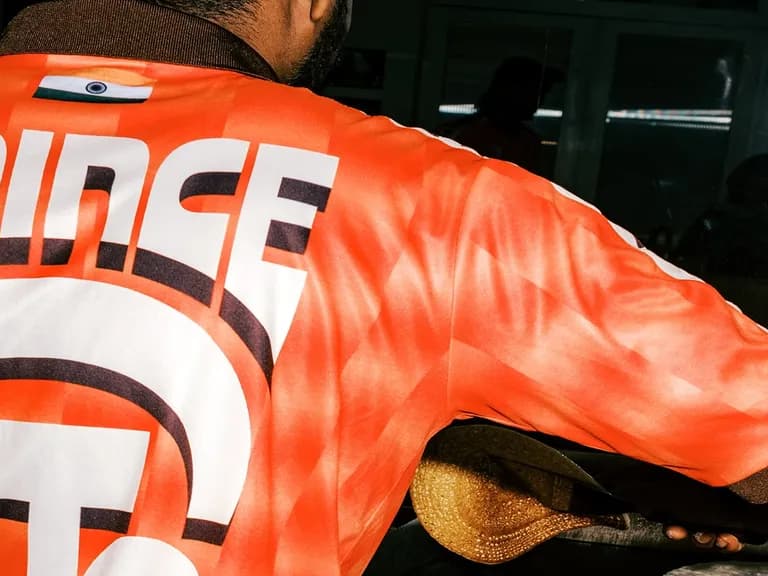

Heritage Heroes celebrates the artisans preserving centuries-old crafts and traditions. In this series, we seek out the workshops and boutiques worth the detour, the experiences that capture the spirit of a destination and the keepsakes you’ll treasure long after the journey ends.

For Nasser Zriouil, Moroccan carpet weaving is both a tradition to honor and a medium to reinvent. The Marrakech-based designer and founder of Tribaliste explores bold geometry, rich color and a distinctly contemporary sensibility, collaborating with women weavers to create pieces that feel rooted in Morocco while looking firmly to the future.

Tribaliste is built on a belief that craft survives not through nostalgia, but by evolving. Nasser works closely with artisans, using technology to connect his studio with weaving communities while keeping their knowledge and skill at the center. His Marrakech showroom sits somewhere between a gallery and design studio, where carpets are experienced through touch as much as sight.

We spoke to Nasser about growing up in Marrakech, working with women weavers, and the role technology can play in keeping traditional craft alive.

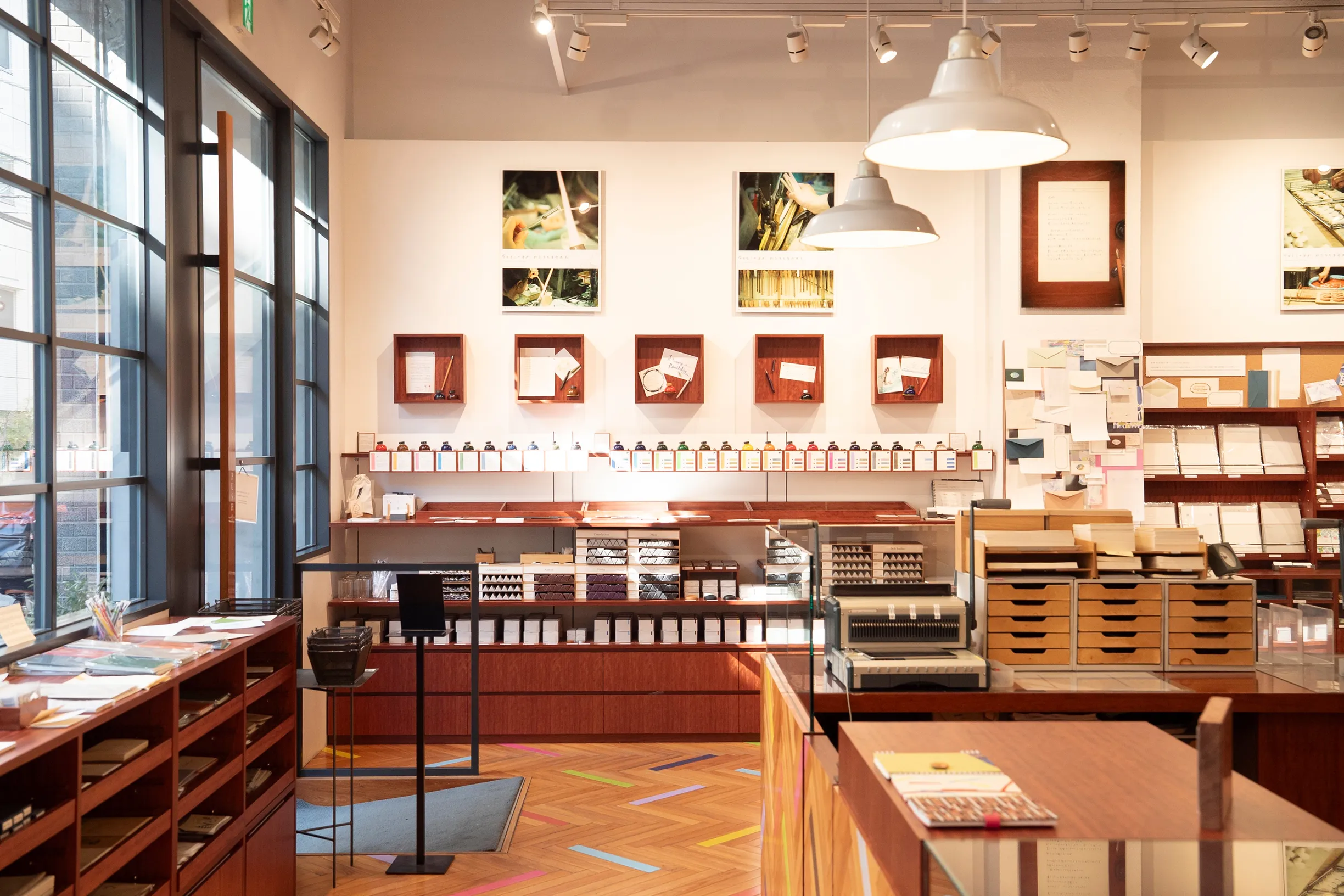
Interior of a modern stationery store with large windows, wooden displays of ink, paper, and pens, artwork, and a herringbone floor with colorful stripes.

Nasser Zriouil

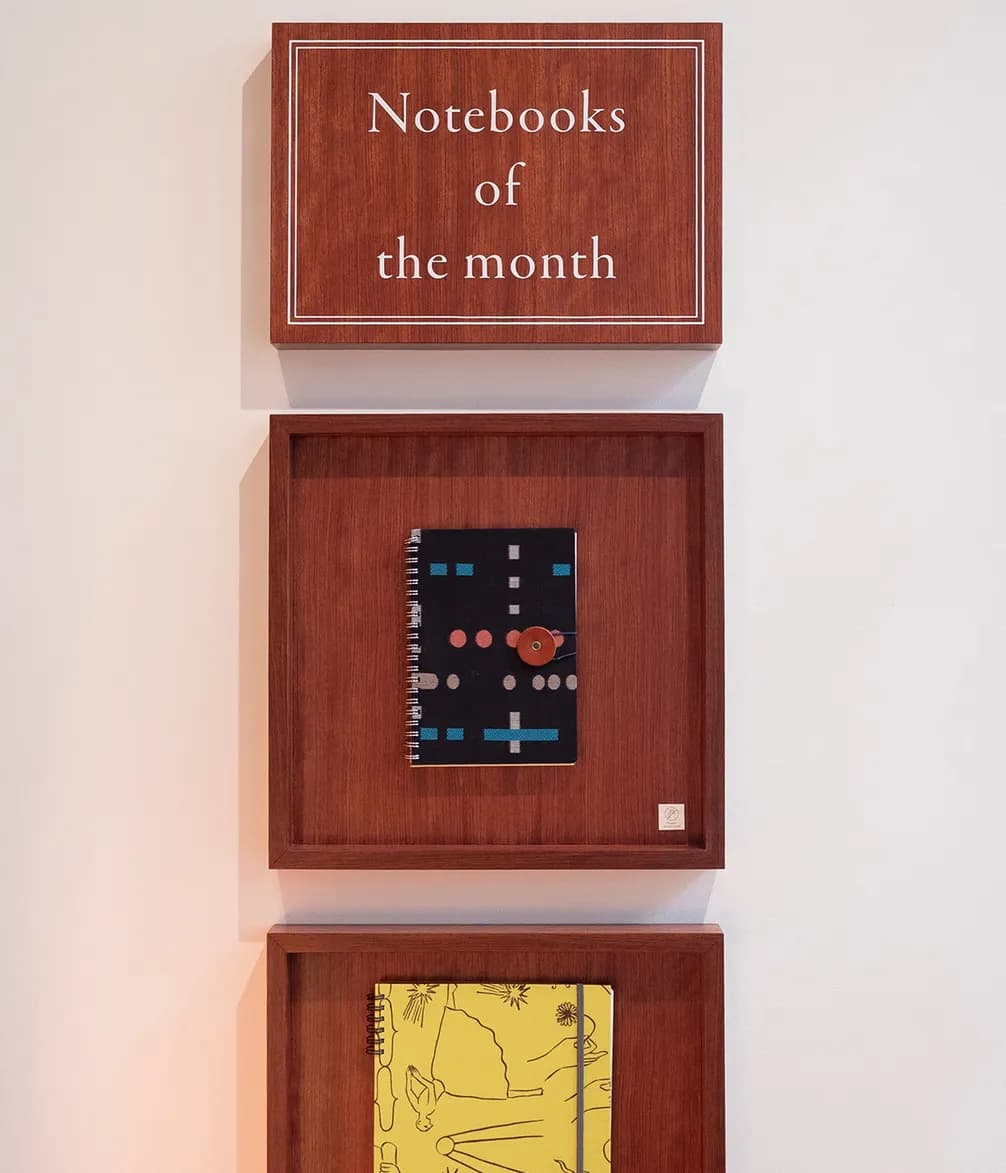
A sign "Notebooks of the month" above two framed notebooks on a white wall; one black with abstract patterns, one yellow with line art.

Design details at Kakimori

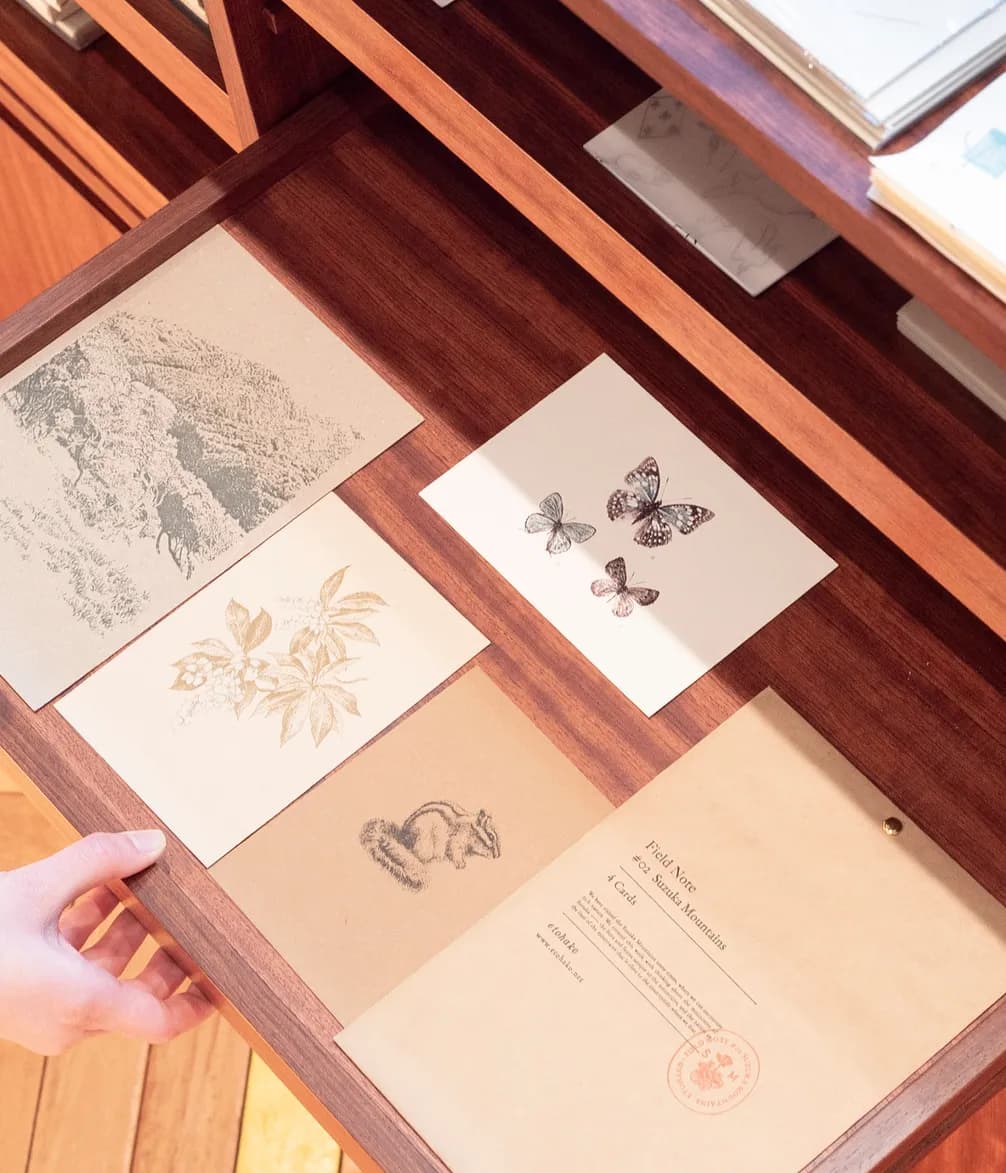
A hand pulls open a wooden drawer revealing nature-themed cards: illustrations of mountains, butterflies, a chipmunk, and flowers. A "Field Note" card pack is visible.

Where did your connection to Moroccan craft begin?

Something can be around you throughout your childhood, and you only learn to see it later. I was born in Marrakech, so Moroccan craft was simply part of the visual environment: carpets, woodwork, ceramics, architecture, color. You don’t analyze these things when they are part of everyday life. Only with distance did I see them differently. Things I had considered ordinary suddenly appeared incredibly sophisticated. Carpets fascinated me in particular because they aren’t simply decorative objects; they are almost a form of language. That was the beginning of Tribaliste: recognizing that we were surrounded by a creative language that had been presented to the world simply as traditional craft. I wanted to see what would happen if we treated it as contemporary creation.

What took you from aircraft engineering into design?

I don’t see engineering and design as opposites now. Engineering taught me that what you see is often the result of forces you can’t see. An aircraft is form responding to invisible forces: pressure, tension, gravity, movement. Years later, I saw the same principle in design and art. An idea, an intention, a piece of imagination – all invisible – can become an object, a surface, a color or a piece of wool occupying a room. Moving into design was not a rejection of engineering, but a continuation of the same curiosity. I wanted to stop analyzing structures made by other people and start making my own. Design gave me a place for the analytical and intuitive sides of my mind to work together. For a long time, I thought I had to choose between them. Now I understand I need both.

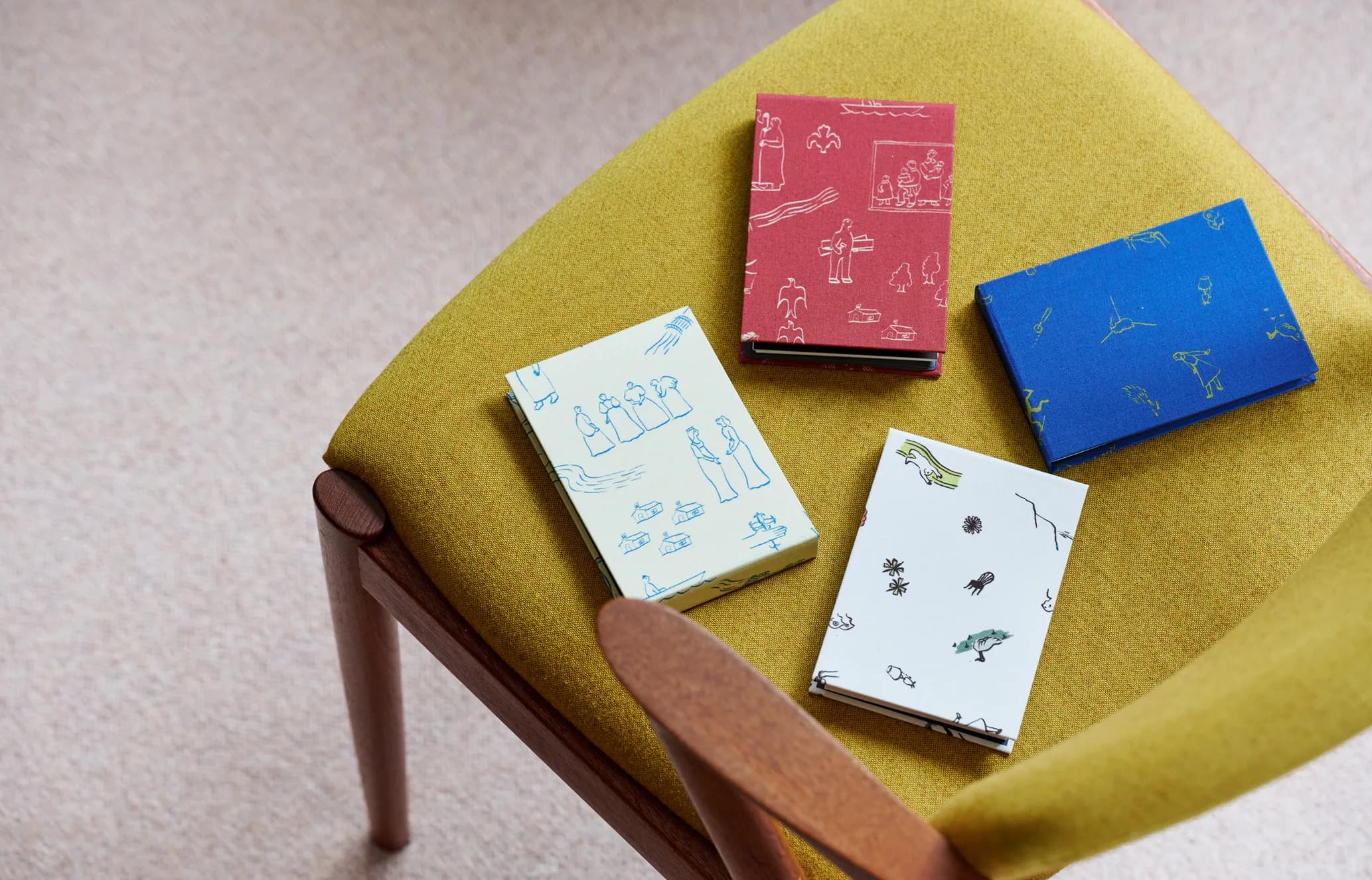
Four small illustrated books in red, blue, white, and light green, featuring various figures and scenes, resting on a mustard yellow chair.

A look inside the Tribaliste showroom in Marrakech, Morocco

Who were your formative influences?

There wasn’t one mentor. Travel, spiritual work and meeting women weavers shaped me far more than any single person. Spending time with artisans, I was struck by how physical their intelligence is – they often know things without intellectualizing them. A weaver knows tension because her hands know it; she understands proportion through thousands of repeated gestures; she knows when something is wrong long before she can explain why.

Coming from engineering and consulting, where everything has to be named, measured and justified, this changed how I understood intuition. We treat intuition and knowledge as opposites, when intuition can be years of subconscious knowledge that no longer needs to be articulated. That idea has shaped my creative process. When I draw or make art, I try not to control everything. There has to be enough structure for something to exist, but enough freedom for something unexpected to happen.

How would you describe Morocco’s craft scene to someone who has never visited?

Forget the romantic image of Moroccan craft. These are real places, with economic realities, families, agriculture, changing aspirations and younger generations with access to the same world as everyone else. Weaving exists within that reality.

The rhythm is slow because the object demands time and patience. A carpet is built knot by knot, line by line. You can’t cheat time in this craft, which feels almost radical today. We live in a world where everything is optimized to remove waiting, yet there are still objects where time isn’t an inconvenience; it’s the material. When you look at a handmade rug, you are also looking at weeks of someone’s attention.

How do you decide which makers and techniques to champion?

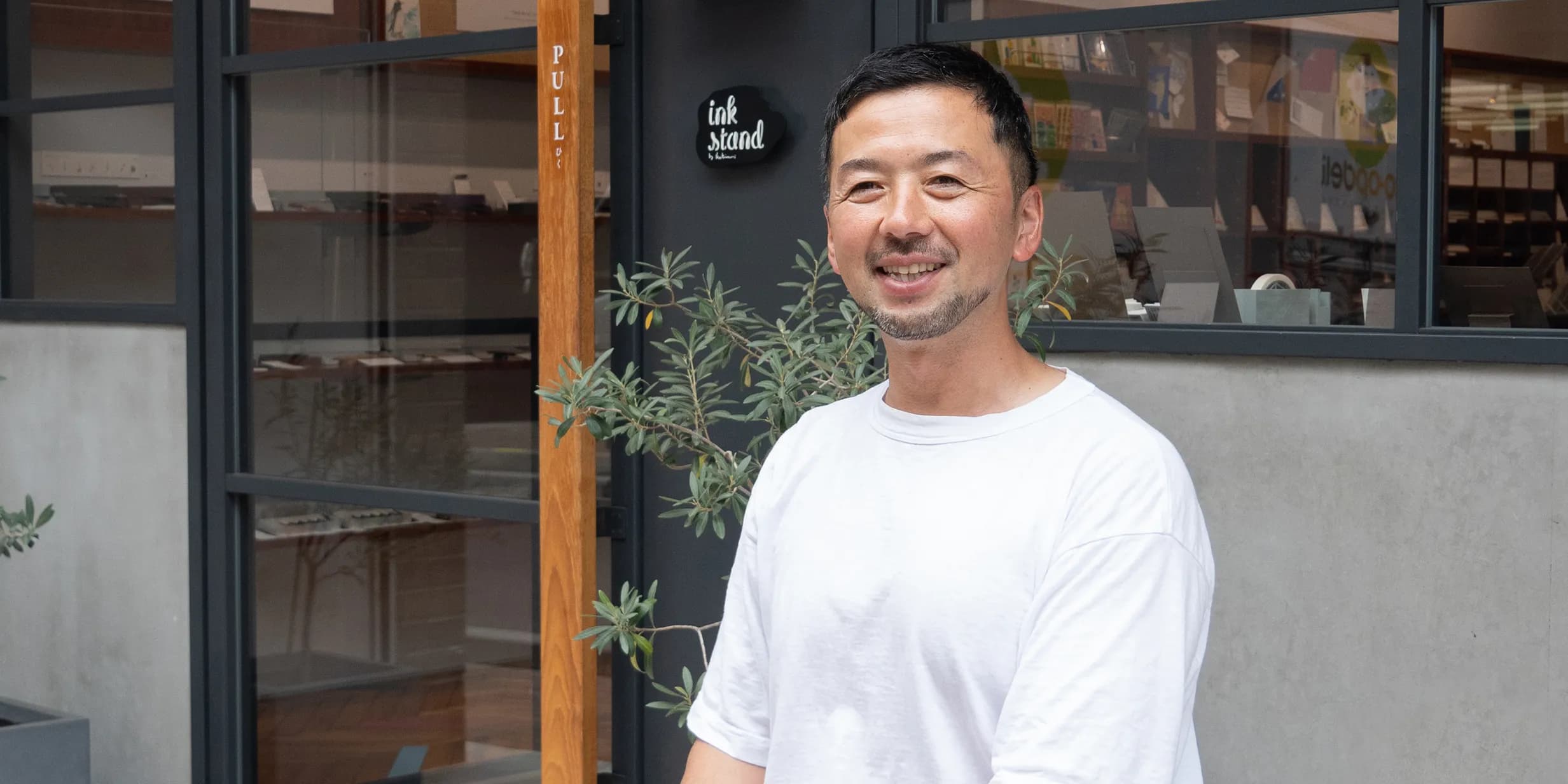
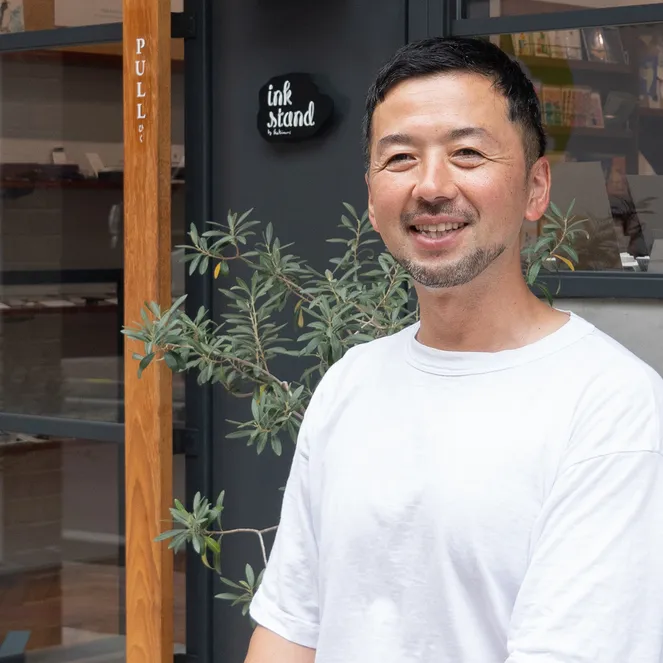
The makers Kakimori works with vary, from individual craftspeople to factories employing around 100 people. We usually start with what we want to make, then find the right maker. One of the wonderful things about Japan is the diversity of its manufacturing and craftsmanship. We’re only tapping a fraction of it.

Our role is to bring these makers forward and communicate the value of their work. Rather than deciding what should be preserved or who is worth working with, we want to build on what exists: making new things with these makers and sharing their stories. We hope, even in a small way, to raise the profile and value of their work.

A black, cloud-shaped sign with "ink stand by kakimori" in white script hangs on a beige wall, next to a dark, blurry room.

Visitors can create their own ink colours at Kakimori, Tokyo

Hands use a dropper to add red liquid to a small measuring cup, with many colorful dropper bottles in the blurry background.

Kakimori grew up alongside Sumida’s paper factories and printing craftspeople – what does it mean to you to keep these traditions alive in a digital age?

It helps us develop our thoughts, organise our ideas and express how we feel – things we can do digitally, perhaps even with AI, but explore more deeply by hand. There’s also something cool about writing by hand. Imagine sitting in a beautiful café: what looks more interesting, watching videos on your phone or writing in a notebook? Most people would choose the latter.

We’re in a period of transition. Demand for paper and the number of factories are falling, but I believe the value of the small factories and craftspeople still making things in the heart of Tokyo will only grow. That’s why Kakimori still makes its notebooks as locally as possible. I hope that, when we come through this period of transition, Tokyo will remain not just a major city, but a rare one where things are still handmade.

Illustrated paper showing a desk setup with red accents, "We write with joy" text, and a wooden fountain pen on a dark blue stand.

The finished and framed block wool rug

A silver pen with blue ink on its metal nib rests on paper displaying ink swatches and "kakimori Metal nib pigment ink" text.
A collection of colorful fabric-bound books stands upright on a rustic wooden shelf, showcasing various woven textures and patterns.
A collection of white cards displaying various ink patterns, textures, and brushstrokes in blue, red, black, orange, and teal.
An open sketchbook with blue ink patterns and nature drawings on a wooden table, next to a blue ink bottle and a fountain pen on a wooden stand.

You’ve said you don’t want this sector to die. What did you see happening to the trade that made you want to intervene?

For me, the danger isn’t simply that one day nobody will remember how to make a carpet. It’s that weaving stops making economic or cultural sense for the people doing it. You cannot preserve a craft through nostalgia. If the next generation sees weaving only as difficult, underpaid work while someone else captures the value, they will choose something else – and rightly so. The question isn’t how we convince people to keep doing what their grandparents did. It’s how we make that knowledge valuable in the world they live in now. A living tradition has to evolve. Respecting heritage doesn’t mean reproducing the same patterns forever. It means respecting the intelligence behind them enough to let them create something new. Otherwise, you preserve the shell and lose the life inside it.

Tell us about connecting weavers across the world

The idea was to create a technological bridge between our creative studio and a craft ecosystem that is still largely non-digital. I travel a lot and work visually, so ideas can come from anywhere: a sketch, an image, a material, an architectural detail. We needed a way to translate those ideas into production quickly and naturally. WhatsApp was the obvious choice because the artisans we work with already use it. We share drawings, dimensions, colors, references, corrections and production updates – without asking artisans to learn unfamiliar digital systems. The innovation is digitizing the space between the idea and the hand, while keeping the craft human.

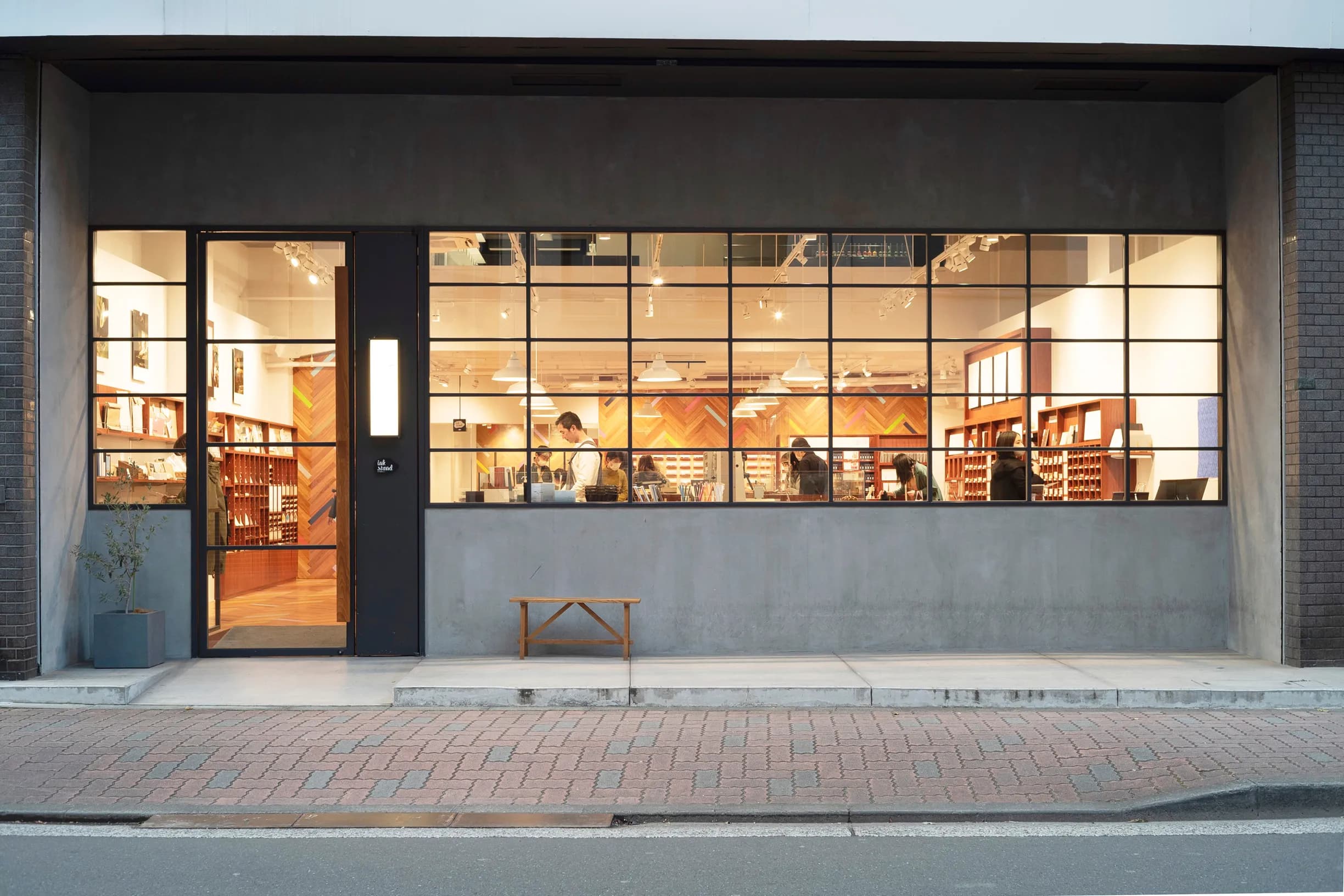
Exterior of a modern shop with large grid windows, a warmly lit interior where people are browsing, a wooden bench, and a brick sidewalk.

The exterior of Kakimori in Kuramae, Tokyo

How do you make sure the pricing is genuinely fair to weavers, not just faster?

Pricing should not start with costing, but with valuing. A piece should be priced for what it represents: the labor behind it, the time it takes to make, the conditions it’s made under, the history and knowledge embedded in the craft, and its creative value as an artist’s or designer’s work. When you price it this way, you create more value around the object. That value allows us to improve working conditions and pay the artisans behind the looms fairly. That is how the craft becomes sustainable: not by making it cheaper, but by making sure its true value is recognized.

How do your collaborations begin, and how do you balance your creative input with the artisans’?

I never think of the artisan as a pair of hands executing my drawing. I may bring the design, concept, geometry, proportions, color or composition, but the weaver understands the material in a way I don’t. Wool has its own behavior. Tension changes things. A line on paper is not the same as a line built from thousands of knots. Sometimes the most beautiful detail in the final piece is the distance between what I imagined and what the material or the hand decided to do. I used to think creativity meant controlling the result. Now I think it means creating the conditions for something to emerge. You have an intention, you give it attention, you act towards it, but you leave enough space for reality to answer back. Collaboration isn’t about deciding whose creativity wins. The object exists because both are present.

Two small, round glass bottles, one brown with a silver cap and one red with a black cap, sit on a wooden shelf against a blue wall.

Artworks decorate the Tribaliste showroom

Tell us about the showroom in Marrakech

Arrive without knowing the collections. Start by touching things. The showroom in Marrakech sits somewhere between a design studio, a gallery and a materials library. There are our carpet collections, bespoke pieces and experiments, alongside the wider work I’m developing through artworks and objects. I want people to understand the material before they understand the categories. Touch a shaggy or flatwoven carpet. See what happens when the pile changes, the geometry shifts or light hits wool differently. Online, you experience design through images. The showroom brings back the other senses. A carpet is one of the largest objects you physically interact with every day: you walk on it barefoot, children sit on it, furniture lives on it. It should be experienced, not simply looked at.

What should a first-time buyer expect?
There are two experiences. If the piece is in stock, it’s straightforward: we prepare and ship it quickly. Custom work is different. Someone may discover a design online and want another dimension, color or a version adapted to a particular space. Then it becomes a conversation. For pieces up to three by two meters, production takes about nine to ten weeks. Larger pieces take 12 to 13 weeks. I don’t want to hide that timeframe. Part of buying something handmade is accepting that the object doesn’t exist yet. There’s something beautiful about ordering an object that exists, at that moment, only as a possibility. Somewhere in Morocco, wool is prepared, colors are chosen and a loom begins turning that possibility into something physical. A few months later, what began in your imagination is lying in your home.

Download the app

Discover memories faster with exclusive features like facial recognition and smart albums.

App StoreGoogle Play
Download the app