

Occasions
The traditions behind festive baking
Milanese panettone, French king cake and a very British mince pie revival: the festive bakes worth queuing for, and the bakeries doing them best

25 wrz 2026∙-5 min
Occasions
Milanese panettone, French king cake and a very British mince pie revival: the festive bakes worth queuing for, and the bakeries doing them best
25 wrz 2026∙-5 min
It feels appropriate to indulge in a little extra sugar over the festive months, with the best bakeries taking the opportunity to present speciality Christmas bakes – drawing on historic traditions from all over the world and adding their own twist to these much-loved recipes. From sold-out mince pies to queue-worthy panettones, the hype for these annual bakes is growing steadily year on year. I’ve selected five of my favourites, delved into the memories and histories behind them, and noted where you can try the treats yourself across London.
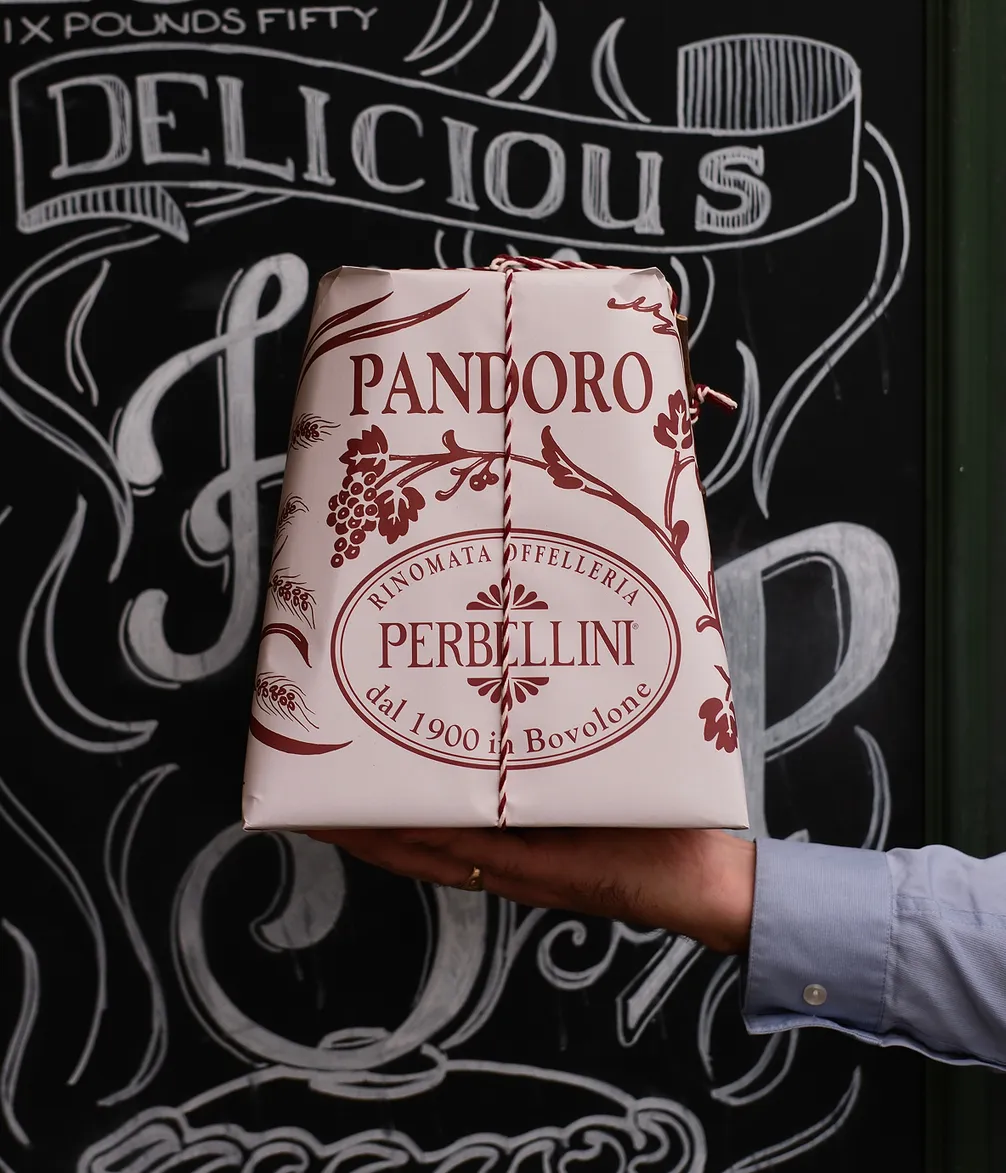
Forno Bakery’s panettone. Photo: Milly Kenny-Ryder
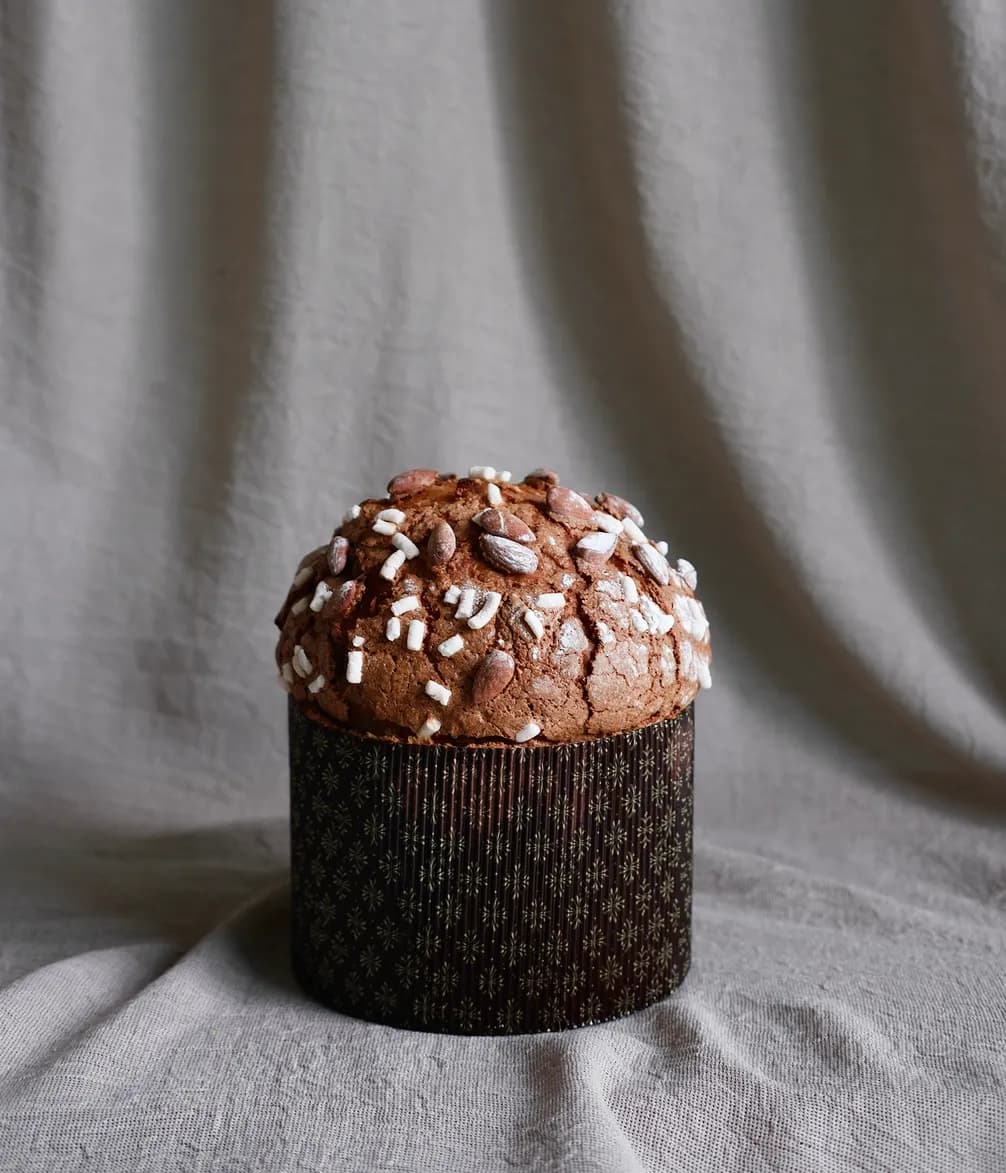
The tall, sweet bread from Milan is one of the most familiar festive bakes. The name is said to come from a boy named Toni who baked the rich bread for a royal banquet in 1495 – “Pan de Toni” – when the chef burnt the planned dessert. The dome-shaped bread is hung upside down after baking to prevent the delicate structure collapsing. It is enriched with butter and eggs, and punctuated with raisins and candied citrus peel – essentially a fruity, aerated brioche. Eaten on Christmas morning with a coffee, it makes the perfect celebratory breakfast.
This Italian soft bake has taken off in recent years, with designers like Dolce & Gabbana selling an expensive version in an elaborately decorated tin. Thanks to the fat content, panettone stays fresh for a while, but it is also used for panettone and butter pudding in restaurants – a festive, no-waste dessert.
Where to try: FORNO in Hackney, for their sought-after panettone – wonderfully light and buttery with plenty of candied peel.
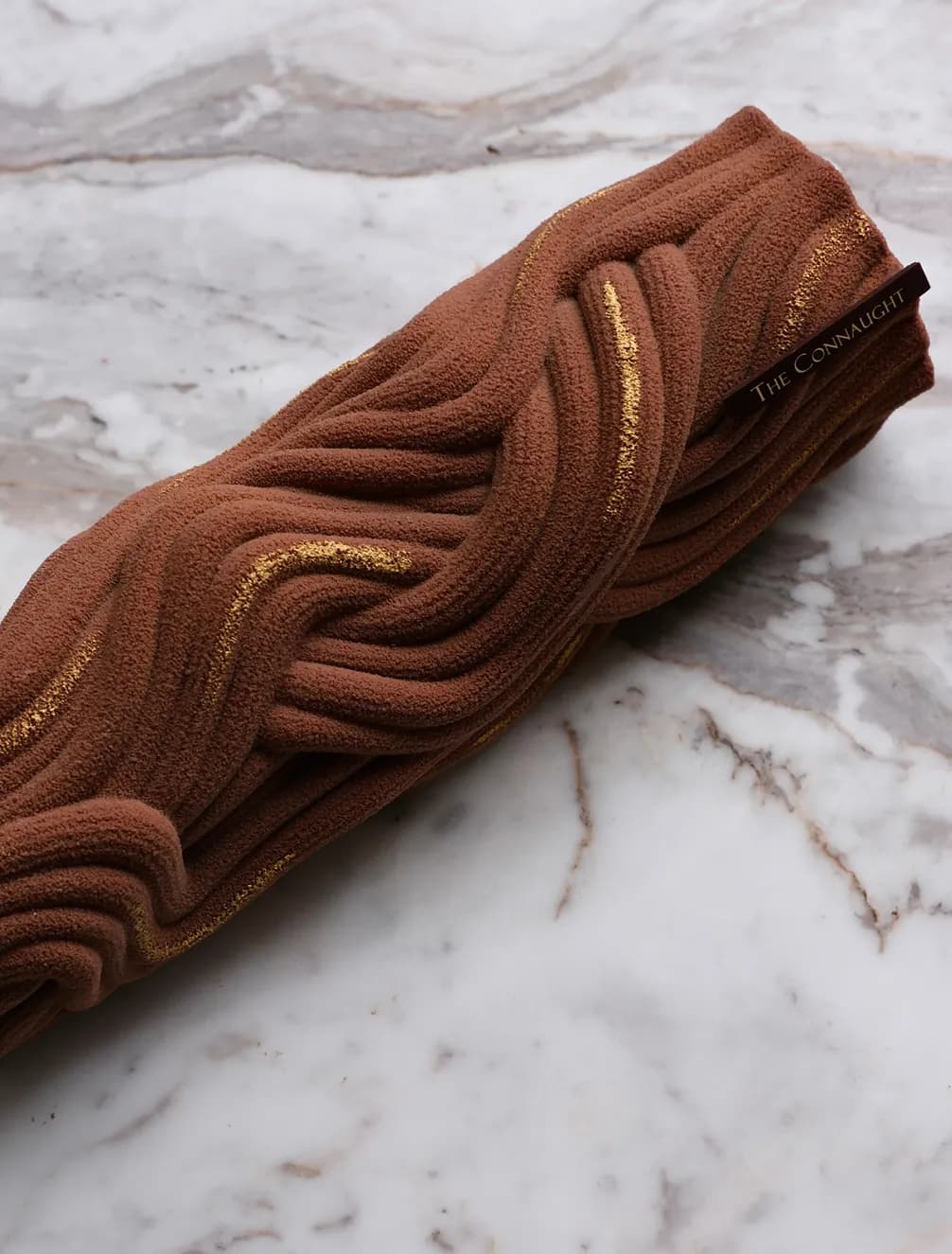
The Connaught’s Yule Log. Photo: Milly Kenny-Ryder
A yule log was once burnt to celebrate the winter solstice and the imminent return of the light. As houses got smaller and fireplaces disappeared, this pagan custom was replaced with the bûche de Noël – a log-shaped, rolled chocolate cake with frosting to mimic bark and powdered sugar to look like snow. Enjoyed throughout the festive period, it is a family-friendly dessert – thanks, in part, to the lack of alcohol or dried fruit.
Where to try: Nicolas Rouzaud at The Connaught makes a highly decorative showstopper version each year.
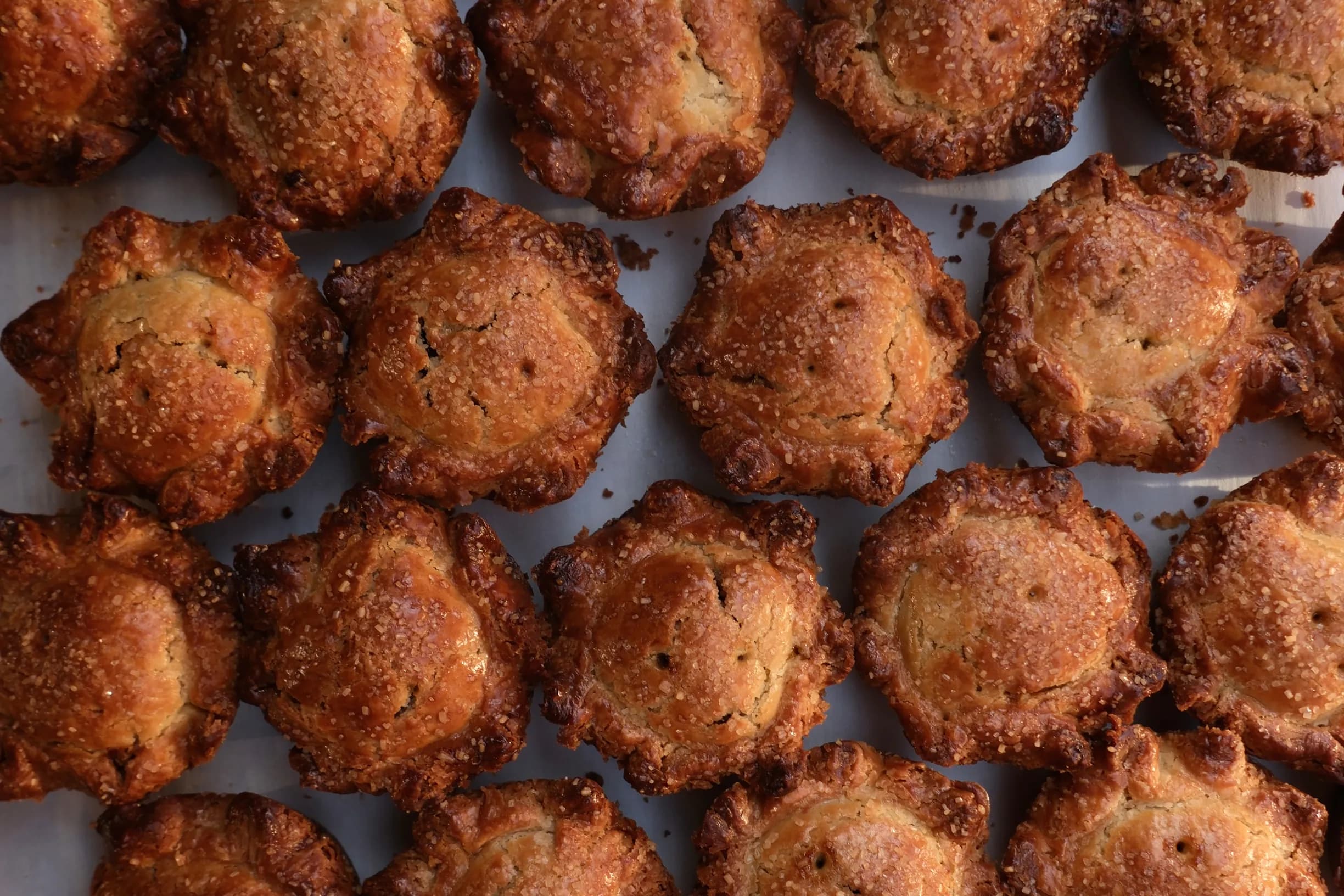
Freshly baked mince pies. Photo: Milly Kenny-Ryder
The history of mince pies is long and complicated. Originating in 13th-century England, they were made as large pies with 90% minced meat and 10% fruit and spices, as a way of preserving winter food. From the 17th century, sugar and fruit became more abundant and affordable, so the meat decreased, and nowadays it’s omitted entirely (though beef suet pastry is sometimes still used). The making and sharing of mince pies is one of the most cherished British traditions, with numerous superstitions surrounding it – for instance, that you should make a wish when you bite your first mince pie of the season, and each family member should take a turn at mixing the mincemeat, stirring clockwise to bring good luck. Due to the popularity of these spiced sweet snacks, every bakery has its own interpretation – many alter the shortcrust pastry to make it extra crumbly or buttery, while others treat the fruit differently or add additional spices.
Where to try: Toklas Bakery in Temple has a delectable version with plenty of slow-roasted quince and house-candied pomelo peel.
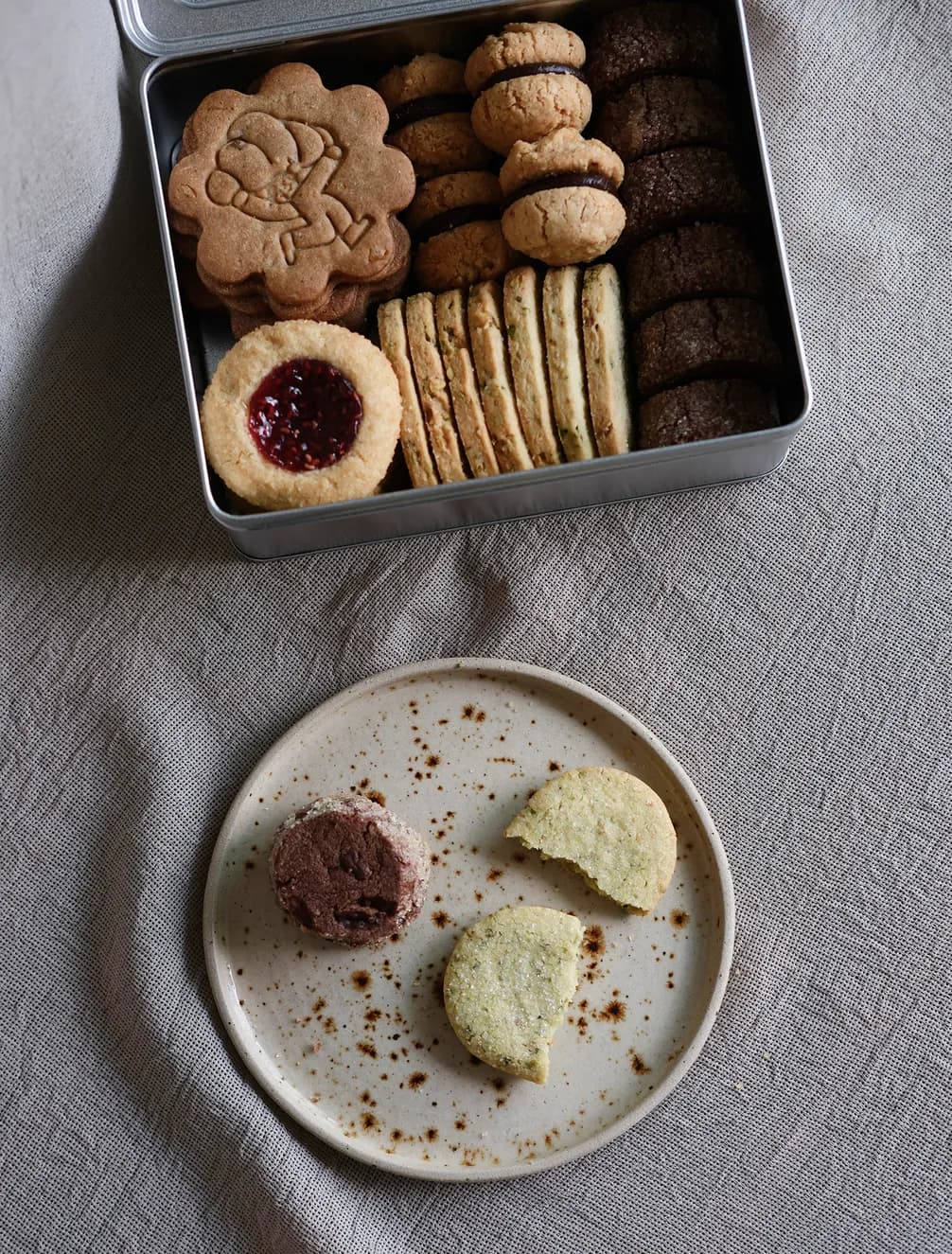
Christmas biscuits. Photo: Milly Kenny-Ryder
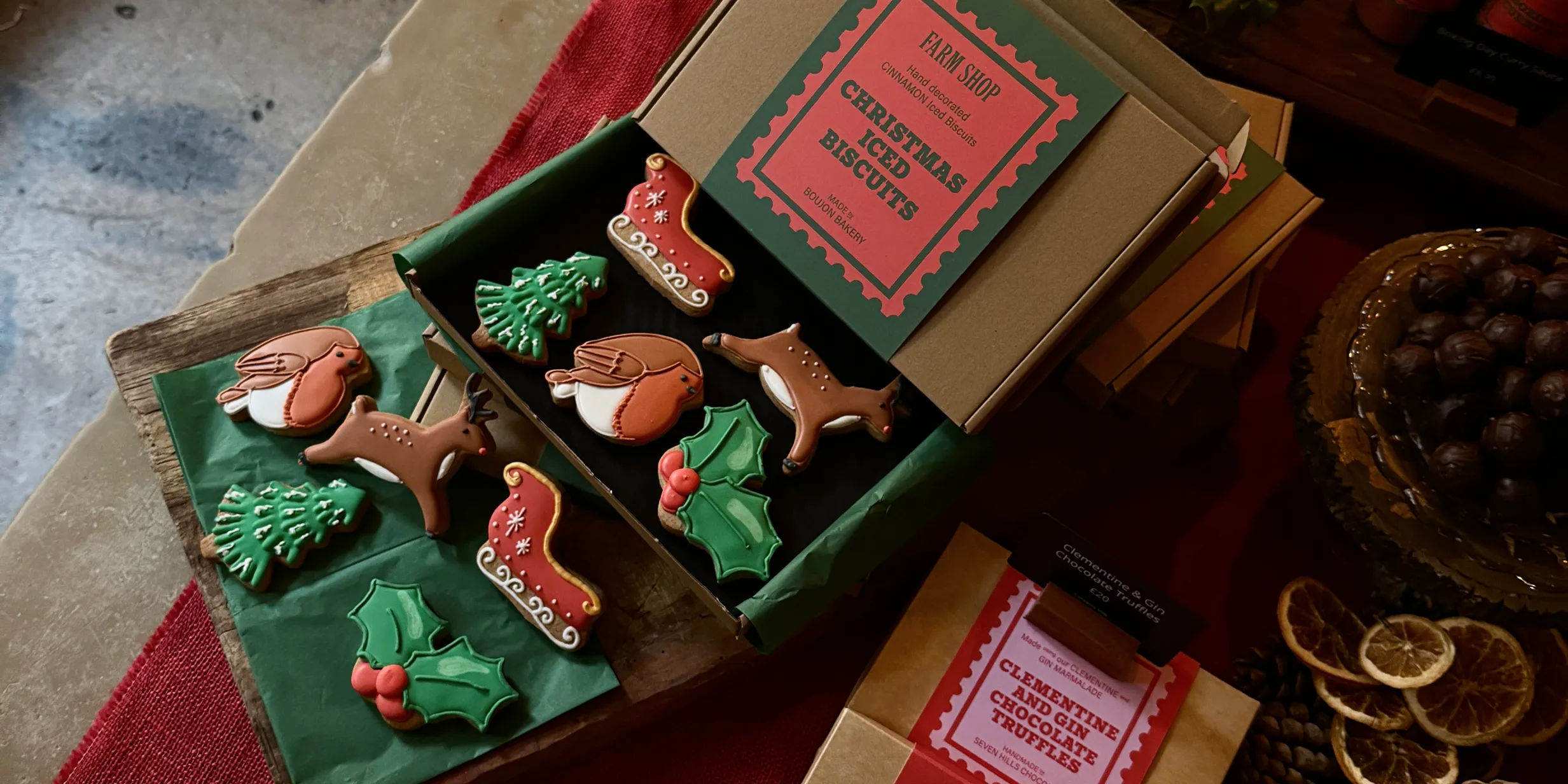
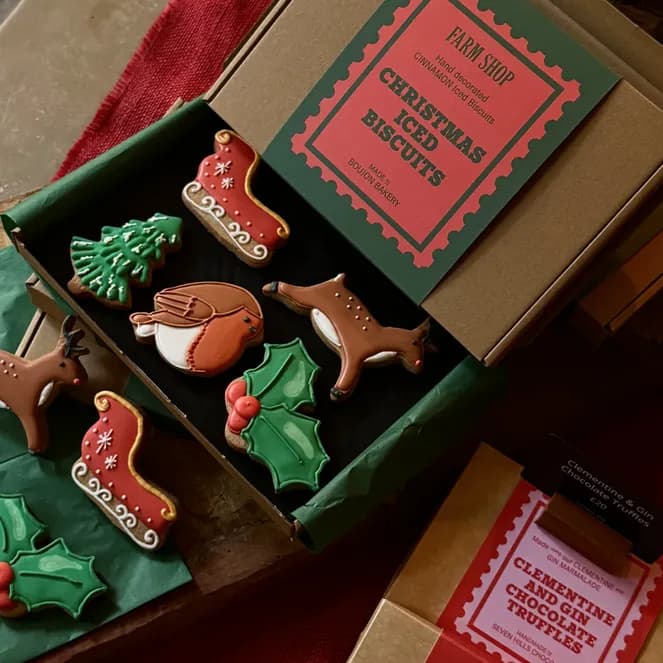
Homemade Christmas biscuits make the perfect festive gift. They are an opportunity for artisan bakeries to illustrate their creativity, and the shelf life is usually a little longer than other special-occasion bakes. Assorted boxes of festive biscuits are said to have begun in the late 19th century. Intricately lithographed metal tins were used to present the selection, and once eaten, the tin was kept as a reusable keepsake. Giving these ornamental tins as gifts was a middle-class sign of seasonal generosity, and that sentiment continues today. The types of biscuits are always evolving, with more distinctive flavours and techniques showcased by bakeries and brands each year. Shortbread and gingerbread usually feature, with winter spices and chocolate proving popular too.
Where to try: Maya’s Bakehouse in Brixton offers a limited edition with distinctive flavour combinations, presented in an artist-designed box.
&w=3840&q=75)
Galette des Rois. Photo: Milly Kenny-Ryder
&w=3840&q=75)
&w=3840&q=75)
Galette des Rois, or ‘king cake’, was created to honour the three kings who travelled to visit the baby Jesus. It originated in northern France and is enjoyed in January to celebrate Epiphany. Unlike many festive bakes, it is a relatively simple recipe – almond frangipane sandwiched between two round layers of flaky puff pastry. A small ceramic charm (fève) is hidden inside – the person who finds it is crowned king or queen for the day. In France, children often keep the charms they’ve found over the years and treasure them as lucky mementos. Many in France also indulge in an additional tradition: the youngest child hides under the table and calls out the names of the recipients for each slice, ensuring it is fair. Bakeries across the UK have jumped on board, and it is now available throughout January to remedy the new year blues.
Where to try: Miel Bakery on Warren Street are highly trained in French patisserie and offer the galette whole or by the slice.
Szybciej przywołuj wspomnienia dzięki ekskluzywnym funkcjom, takim jak rozpoznawanie twarzy i inteligentne albumy.




&w=96&q=75)
&w=96&q=75)

&w=96&q=75)


 Stany Zjednoczone