

Verhalen
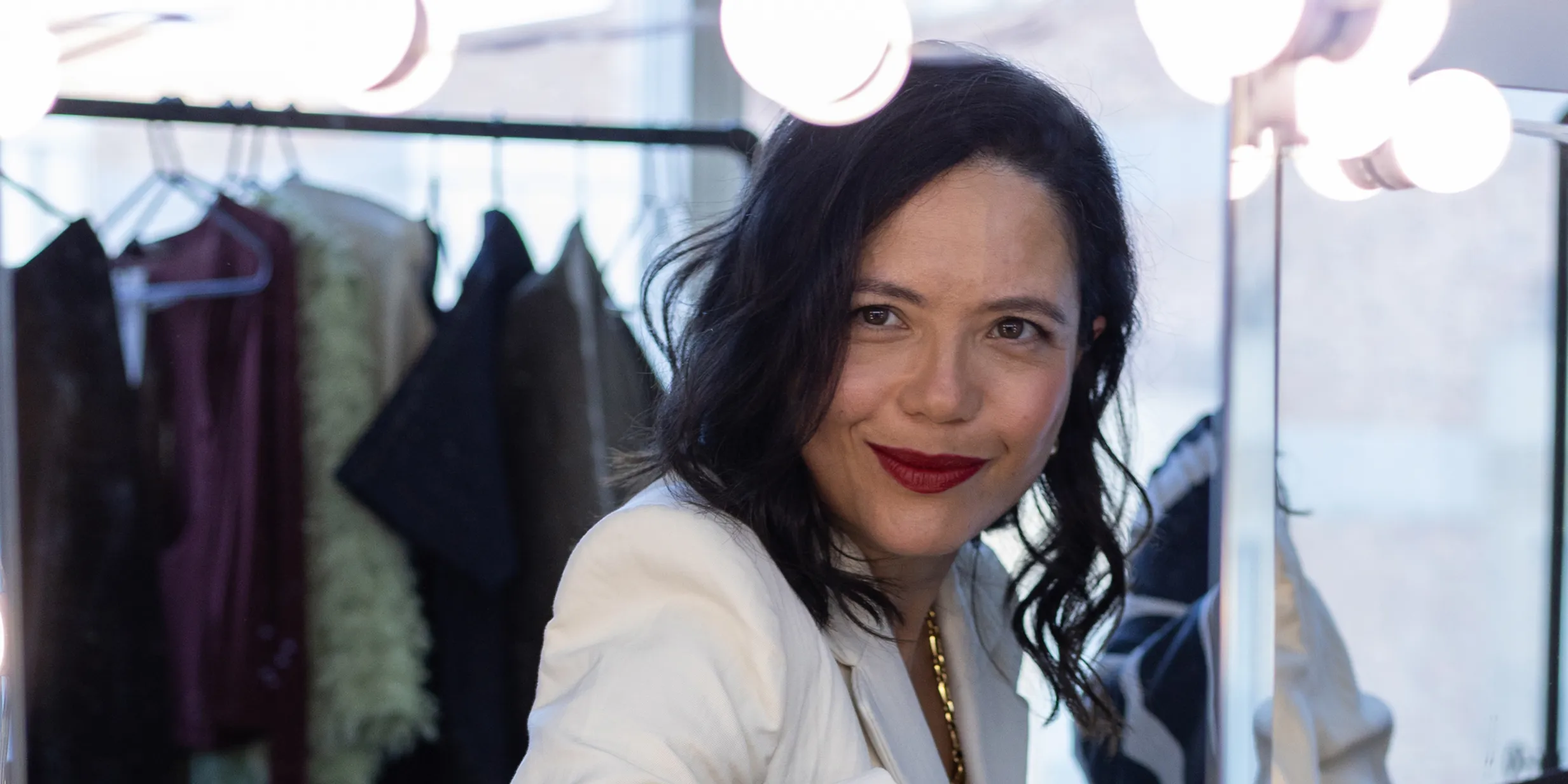
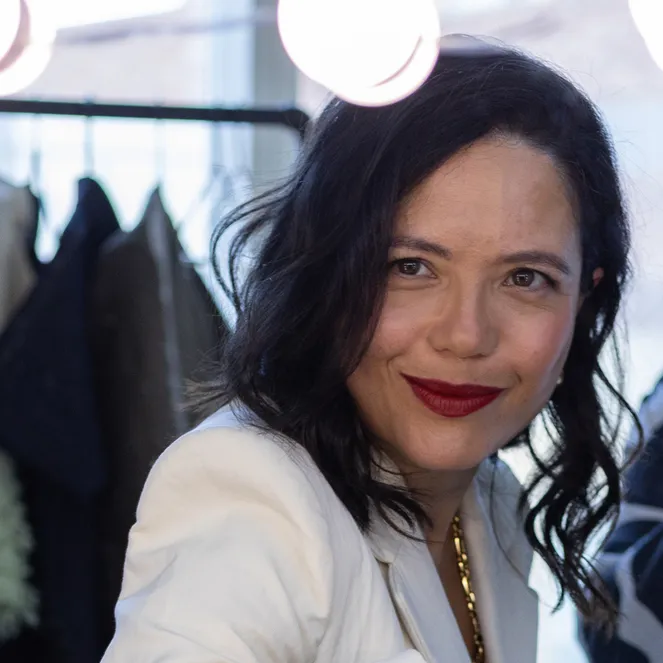
Memory Architects: the producer, Sarah Brocklehurst
The BAFTA-nominated filmmaker behind The Outrun on being trusted with other people's memories, and turning them into stories we all share

30 sep. 2026∙6 min
Verhalen
The BAFTA-nominated filmmaker behind The Outrun on being trusted with other people's memories, and turning them into stories we all share
30 sep. 2026∙6 min
Some stories we remember most vividly aren’t our own. They reach us through a cinema screen, borrowed from someone else’s life and quietly folded into ours. Few understand this alchemy better than producer Sarah Brocklehurst, the latest subject of our Memory Architects series. Founder of Brock Media, she earned a BAFTA nomination for her debut feature Black Pond and went on to produce Animals, Emma Jane Unsworth’s adaptation of her own novel. She then optioned and produced The Outrun, Nora Fingscheidt’s film of Amy Liptrot’s memoir starring Saoirse Ronan, which received two BAFTA nominations, including Outstanding British Film. Her latest, Extra Geography, based on a Rose Tremain short story, opens in UK cinemas on 2 October.

Sarah at the 2026 Sundance Film Festival
Making a film is an enormous team effort – creatively, technically, logistically – and my role as producer is to lead and nurture a project through its stages: sourcing ideas, developing the script, finding the creative team, casting, financing, shooting, post-production, and launching the finished film.
It’s a journey that takes at least five years, and it can at times be extremely challenging, so it’s vital that I’m passionate about the project and endlessly inspired by it so that I have the energy to keep pushing and persevering when things get hard.
I take a very personal approach to producing. It all starts with a story or a character that connects with me, a subject that makes me want to dive in deep. It’s often an emotional reaction that motivates me – a story I find moving or confronting – a truth in the idea that I believe will also connect with a wide audience and speak to us as a society.
We all use stories to make sense of our memories and cinema is an incredibly evocative medium. The more films I produce the more I recognise they are a form of self-expression reflecting different chapters of my life.
The same can be said of the cast and creative team who work on each project. Each individual brings their personal experience be it through the script they have written, the performance they give, designing costumes, props and sets, composing music etc. Everyone is writing and contributing their own talent and experience, and the confluence of all these shared memories into the making of a film is incredibly potent. That’s what makes a good film endure.

Holliday Grainger and Alia Shawkat in Animals, 2019
I first read Animals when I was 30, I was so aligned with the characters and their pursuit of hedonism and creativity, wanting to redefine female desire and defy convention.
I love how the film has become a time capsule for that chapter of life, a monument to hazy memories of nights out and glorious excess. Those adventures are mostly behind me now but I sometimes feel the pang of nostalgia and find myself quoting the film.

The Outrun, 2024
Every story is personal on some level but it’s a different responsibility when real people are involved. It was a huge privilege to be trusted by Amy Liptrot to adapt her memoir and commit her memories to film.
The method we adopted, led by director Nora Fingscheidt, was to navigate between fact and fiction, documentary and drama. We used real locations from Amy’s childhood and cast people with lived experience of the characters they portrayed. We also fictionalised certain characters and events to amplify the film’s narrative. It was an early decision to change the name of Amy’s character, played by Saoirse Ronan, to Rona – to give everyone some healthy distance.

Paapa Essiedu and Saoirse Ronan in The Outrun

Amy has written about seeing her life turned into a movie: the distortion of memories, the realisations gained through telling and retelling, how the film starts to replace the real events in her memory. Similarly, The Outrun has coloured my memories and the way I reflect on my own recovery, which ran in parallel to the making of the film. It is living proof that I can do hard things and that makes me unbelievably proud.

Galaxie Clear and Marni Duggan in Extra Geography, 2026

Extra Geography
With Extra Geography we wanted to make a film that transports you back to your teenage years. The intense feelings of being a girl, of loving your best friend fiercely and fearing being left behind, unpicked. All the confusing feelings, desires and jealousies that you’re not yet able to articulate.
There is such a beautiful nostalgia with coming of age stories. I hope audiences will take pleasure in reliving moments from that time – it was brutal but we survived it!

Sarah on set
I keep small objects from each of our productions, as mementoes for the office. Pink silk roses tied with a blue scrunchie from Extra Geography. A miniature doll Amy/Rona finds on the beach in The Outrun. Polaroids of Laura and Tyler partying ‘over the years’ from Animals.
I also love keeping onset photos as a reminder of how much fun it is making a film. I can get overwhelmed by the state of the industry and the pressures of running a business. It’s important to remember how fortunate we are to work with people who are passionate and go above and beyond to solve problems and bring their best to a project.
I’m interested in exploring more stories about the female experience. Women come of age again and again, through periods of transition and rebirth. The female body is so expressive, and I want to show on screen how powerful it can be. Memories of desire, strength, grief, survival – those are the stories I’m working on next.
Extra Geography is released in cinemas on 2nd October.
Herontdek herinneringen sneller met speciale functies, zoals gezichtsherkenning en Smart Albums.


&w=96&q=75)
&w=96&q=75)
&w=96&q=75)


 Verenigde Staten