
Voyages
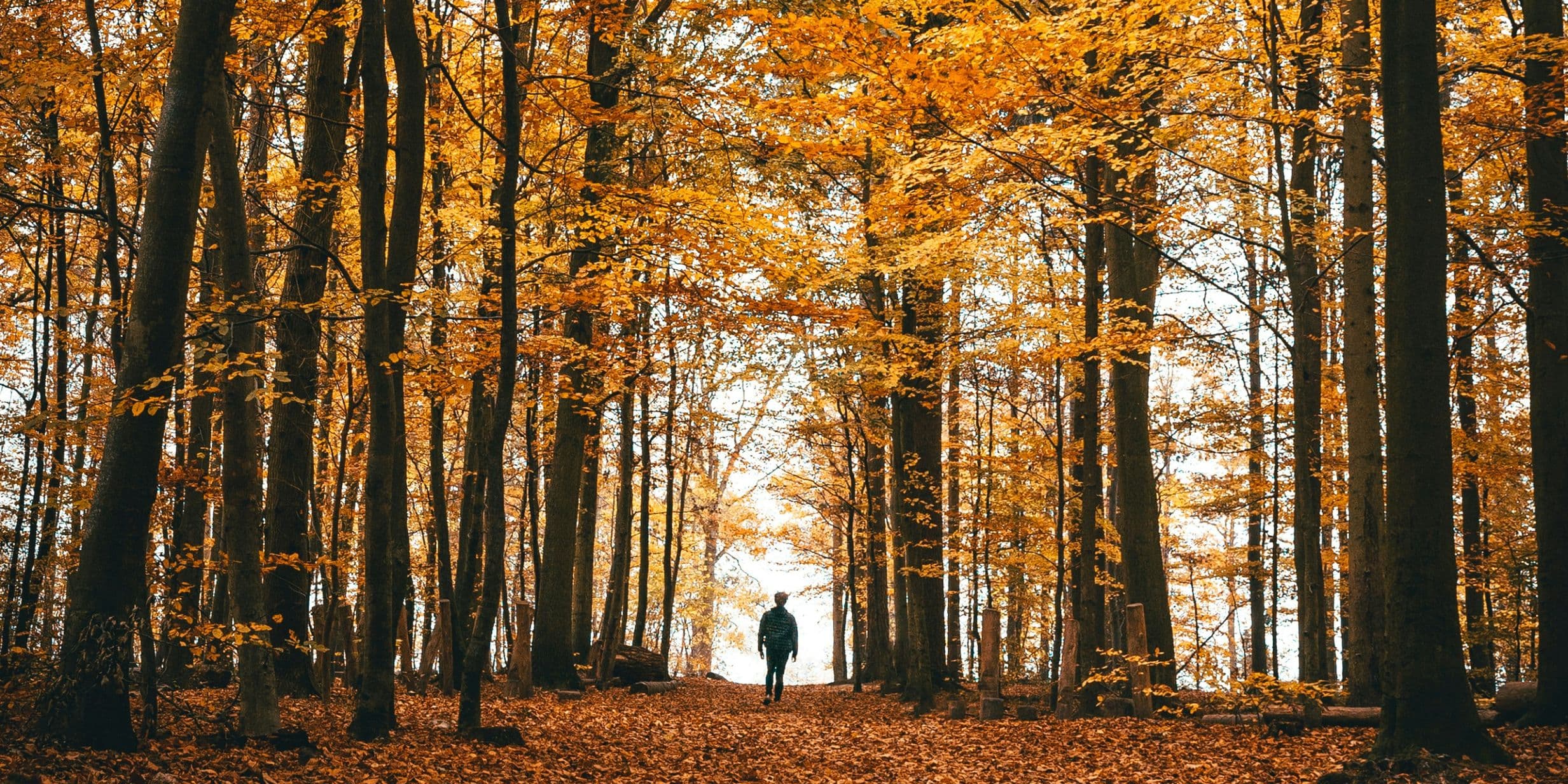
The year of the micro-pilgrimage
How to take short, meaningful trips that reset your perspective without flying across the world

17 Dec, 2025∙8 min
Voyages
How to take short, meaningful trips that reset your perspective without flying across the world
17 Dec, 2025∙8 min
Writer, editor and responsible travel expert Karen Edwards was practising slow, local travel long before it had a name. Here, she describes why 2026 will be the year this new trend truly takes off.
Is there any better feeling than going on a fresh adventure? The joy of learning and absorbing a new environment or culture, followed by a sense of great achievement. Or a longing to free your feet from the confines of shoes that have carried you on a small but special journey. You can almost feel your body whisper, “That felt good, now… let’s rest.”
In a world where living a fast-paced life is the norm and social media constantly vies for our attention, taking enough time off to rest is more difficult than ever. Which is why an increasing number of people are swapping the traditional “week in the sun” for the more thoughtful “micro-pilgrimage” – a slower, more conscious way of travelling, which puts purposeful experiences ahead of destination.
Unsplash
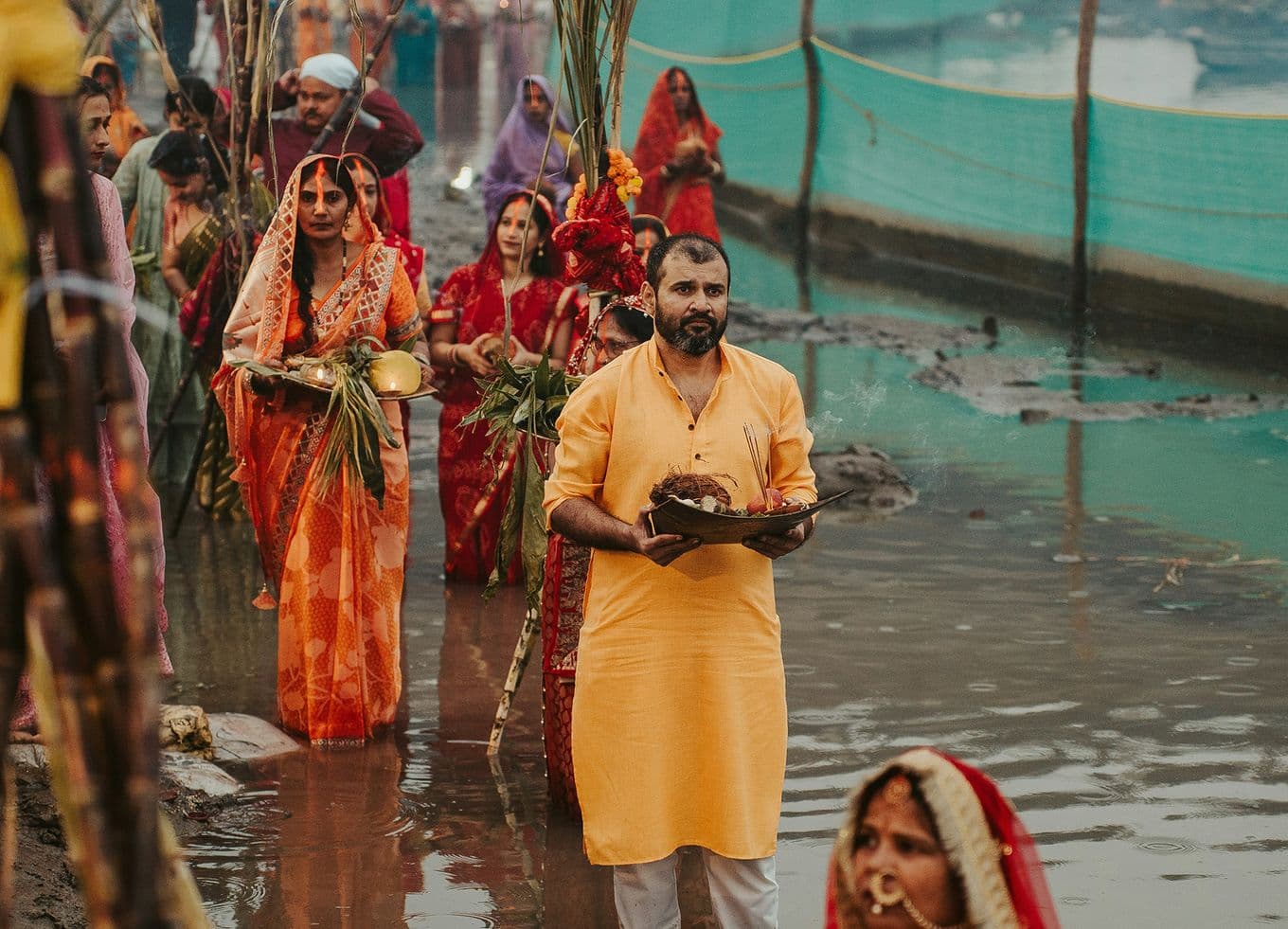
The notion of a pilgrimage has been a popular method of religious and cultural exploration since ancient times, but the “micro” concept was made famous during the pandemic – when many of us embarked on daily walks to escape the confines of our homes. At the time, the focus on its benefits were well-documented: fresh air and sustained exercise is healthy for our minds and bodies. Now, the micro-pilgrimage is evolving into a tried and tested trend, showcasing how much-needed getaways can be found closer to home than we think. Here, we explore the benefits of going slow and local in 2026.
Unsplash
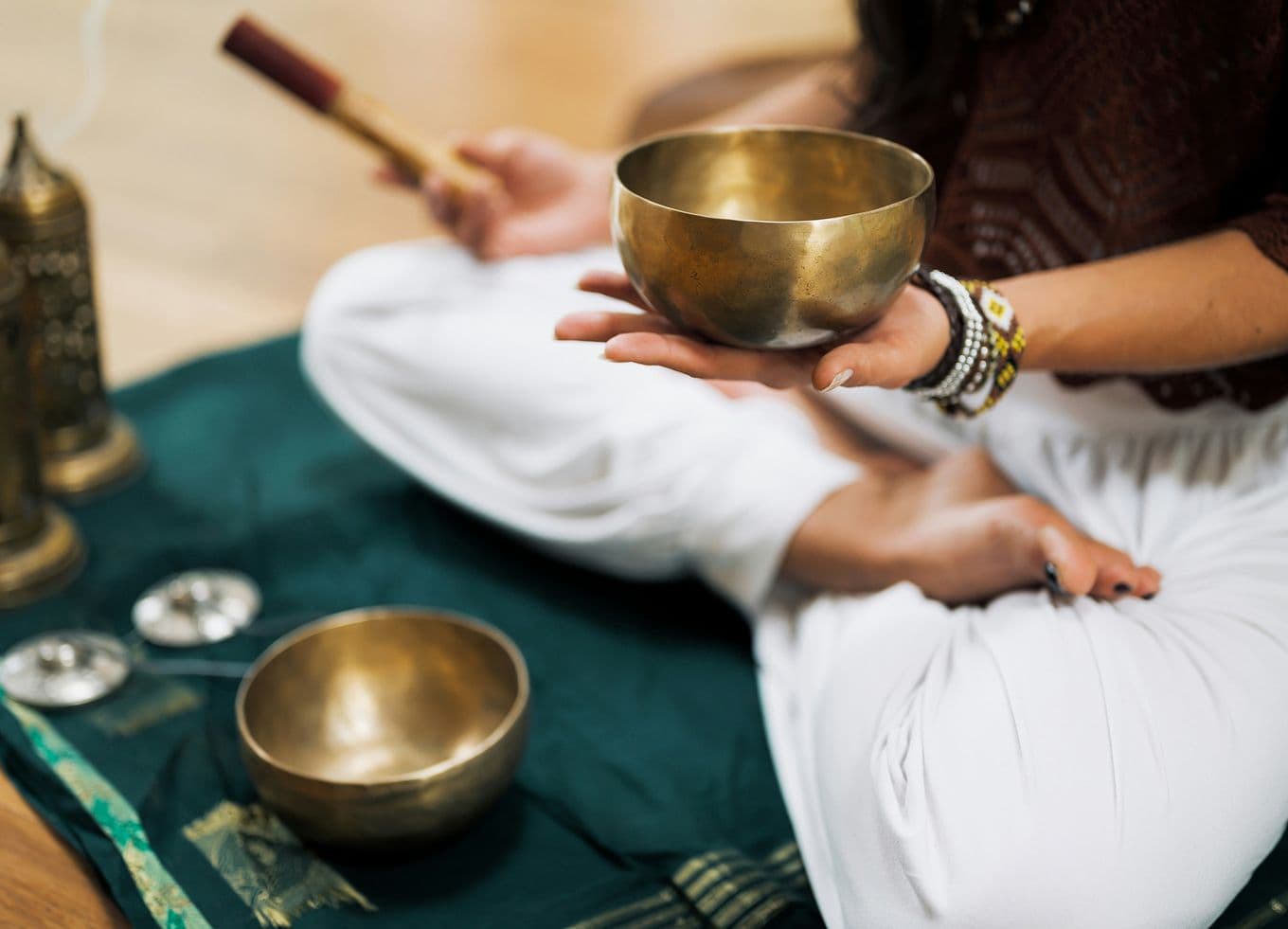
Looking after your mental health has never been more important, which is why manageable rituals such as journalling, meditation, breathwork and micro-pilgrimages have become so popular. These little acts of self-care are proven methods of slowing the mind, encouraging emotional regulation and helping to prevent anxiety and depression. And micro-pilgrimages offer an accessible and easy physical escape that can also bring the most special moments.
Exploring a place on foot, taking notice of the sounds of nature, basking in extraordinary landscapes, learning about the significance of cultural landmarks, and even experimenting with new cuisines, can liberate you from negative thoughts and inspire positivity. A simple change of scene in your own neighbourhood can offer a release, leaving you feeling grounded and renewed. The British Pilgrim Trust suggests that short, daily walks have huge benefits. After all, a true pilgrimage is not about the length of the journey but about the state of mind adopted along the way. “Structure your walk around a purpose determined by your heart and activated by your feet,” it recommends.
Unsplash
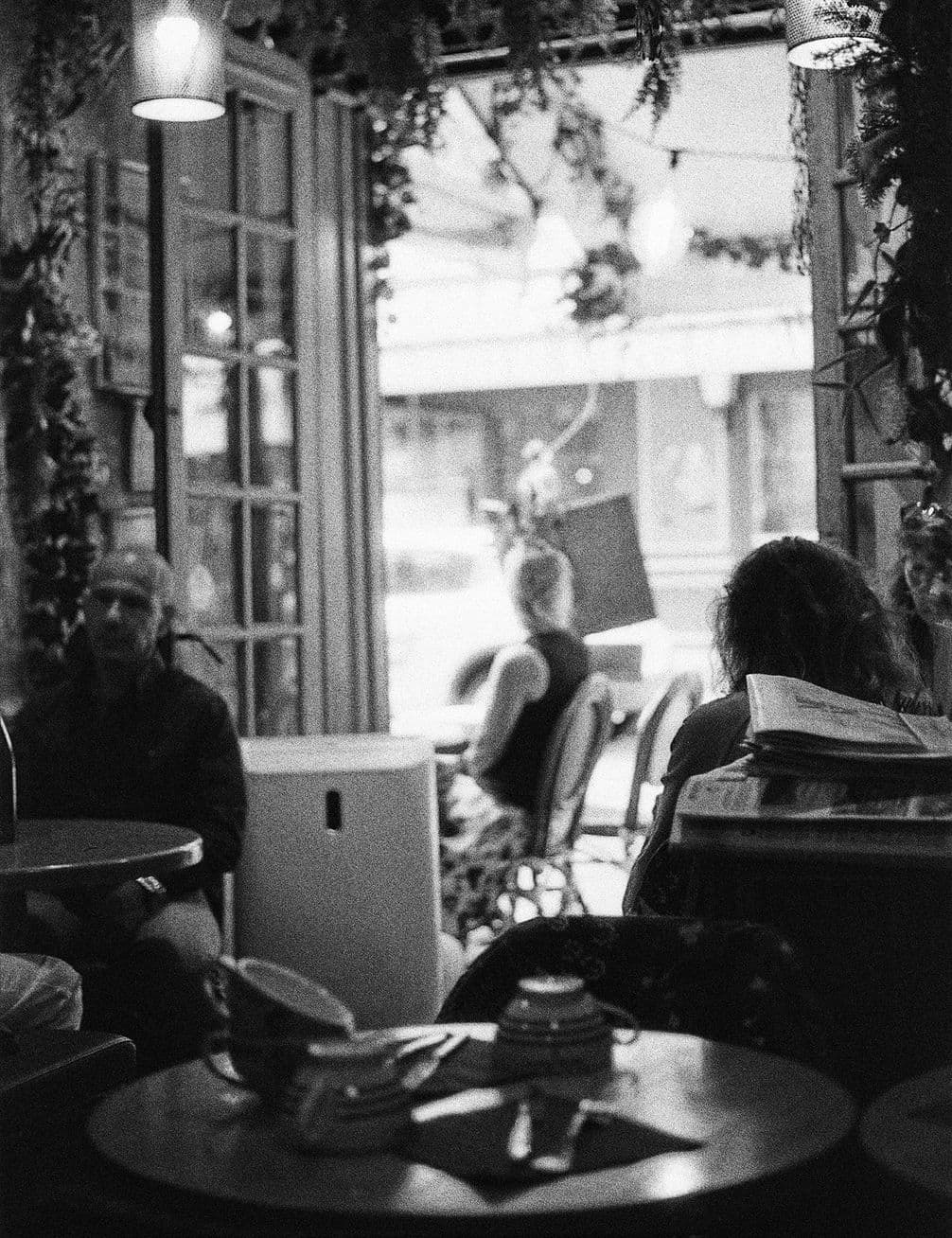
Travel allows us to positively contribute to the places we’re visiting – supporting communities and respecting environments, while in search of our own fun. Micro-pilgrimages present the opportunity to delve beneath the surface of a place close to home – focusing not on the destination but on the plethora of sights, scents, sounds and people that can be found along the way. By absorbing the details, and interacting with those you meet, you’ll almost certainly gain a deeper understanding of the place you’re visiting. Perhaps you’ll settle into a new café – ideal for people watching – or maybe you’ll stumble upon a conservation project that offers respite you didn’t know existed.
Further afield, you might choose to sign up for a guided tour, absorbing the environment or culture around you through the lens of a local resident. Opening your eyes to someone else’s lived experience can be humbling and bring gratitude. Wherever you choose for your micro-pilgrimage, the idea is to show up with intention, to support locally run initiatives and ensure your tourism money is going where it’s most needed.
For years, the little transportable gadgets in our hands have kept us in touch with – and addicted to – the outside world. No matter where we are and what we’re doing, we are forced to remain connected. But is that healthy? The experts think not. According to a 2022 academic study, 74% of people who “doomscroll” also experience mental health issues. Breaking the habit, however, isn’t as easy as we’d like to think.
That’s where the power of the micro-pilgrimage really kicks in – allowing us to experience adventure, exploration and curiosity through life experiences, rather than on screen. By literally switching off and embarking on your own adventure, you’ll be training your mind to let go of the digital world and focus on the real world. Give it a go and feel the release.
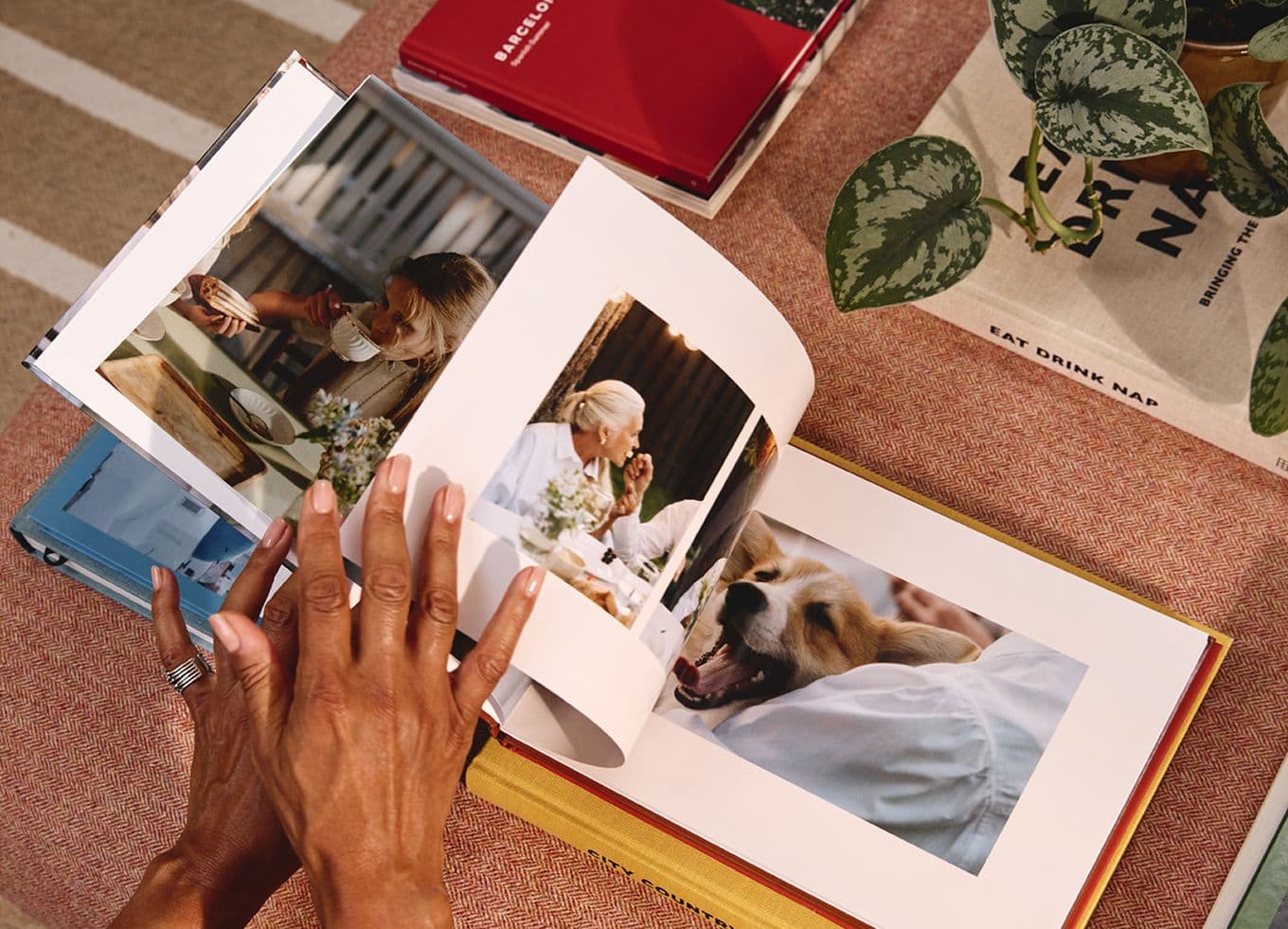
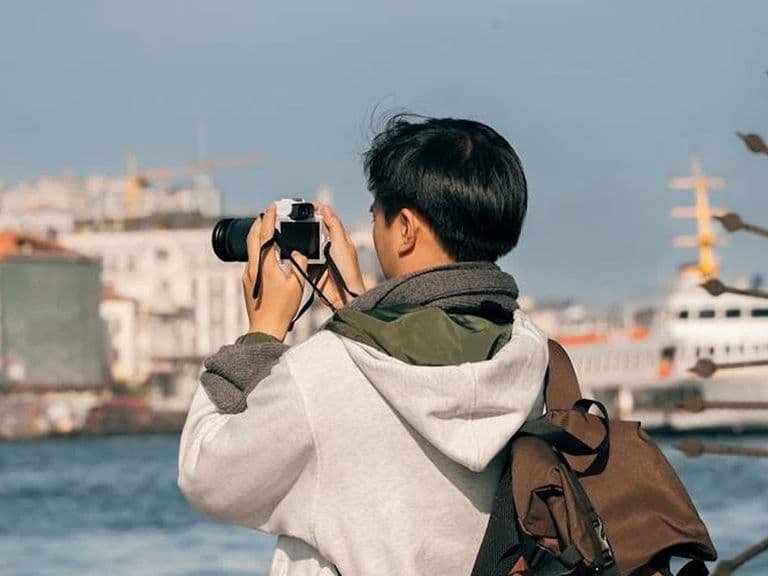
Snapping pictures on our phones has become second nature, but does taking mindless photos truly capture the feeling and meaning behind a great travel experience? Investing in a reliable camera can help – allowing you to carefully consider the moments that mean something, without the lure of posting to social media. Another tip is to invest in one of Popsa’s Photo Books, which are designed to help you reflect on moments of serenity, joy and peace long after you’ve come home. With space for captions and storytelling, they double up as a creative and colourful travel journal that you can come back to time and time again.
Découvrez des souvenirs plus rapidement grâce à des fonctionnalités exclusives telles que la reconnaissance faciale et les albums intelligents.


&w=96&q=75)
Jason Kaye
Rédacteur Popsa
30 Jun, 2025∙9 min

&w=96&q=75)
Ben Olsen
Rédacteur Popsa
2 Oct, 2025∙9 min
&w=96&q=75)
Bella Falk
Rédactrice voyage et photographe
30 May, 2025∙6 min


 Etats-Unis