

Photography
How to capture steam, breath and warmth in cold weather photos
Photographer Emilie Hill shares the techniques behind winter photography’s most atmospheric details

29. kesä 2026∙6 min
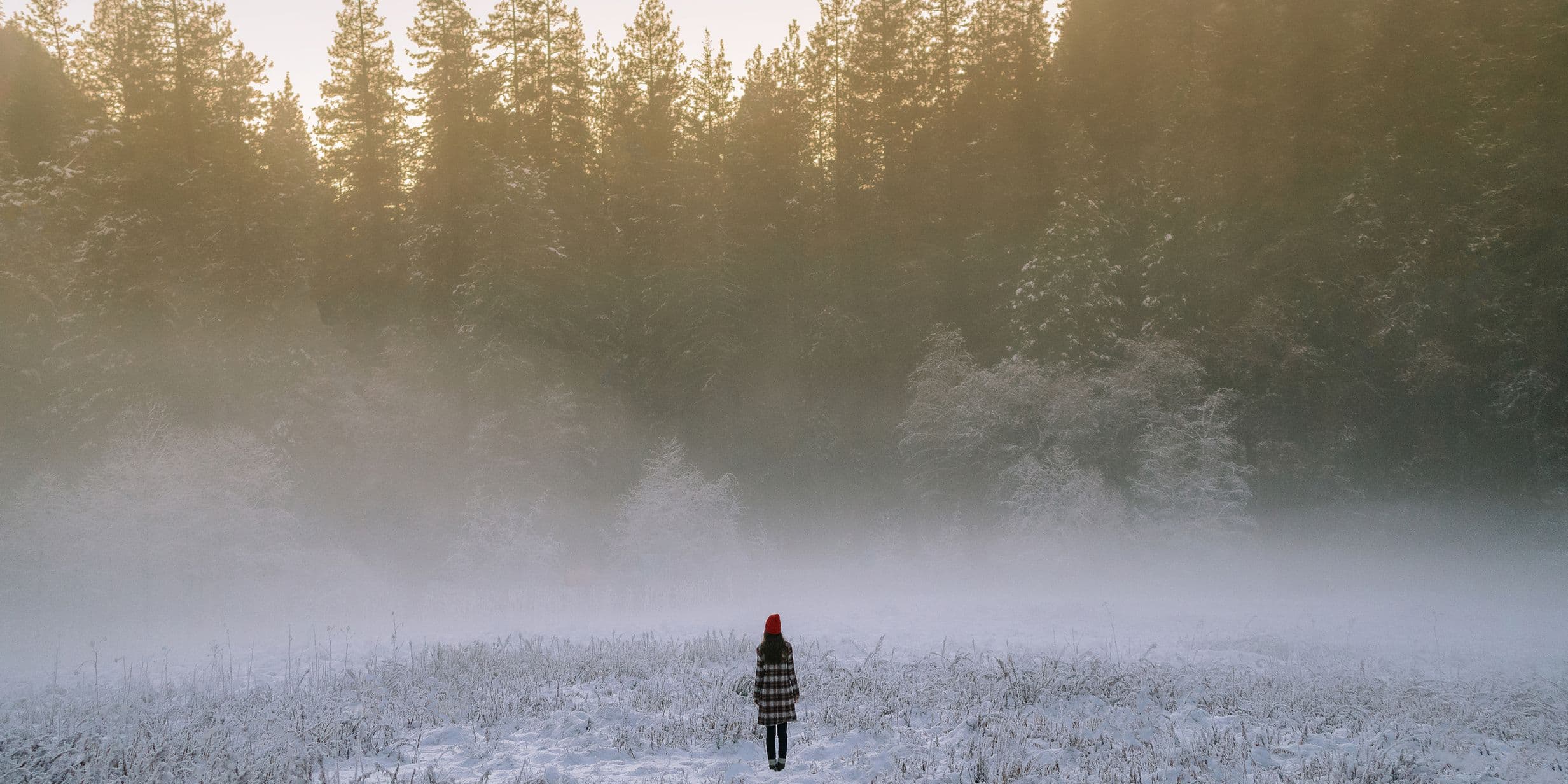
Photography
Photographer Emilie Hill shares the techniques behind winter photography’s most atmospheric details
29. kesä 2026∙6 min
Emilie Hill is an Australian travel photographer with over a decade of experience shooting in some of the world’s most remote and extreme environments.
There’s a special kind of magic that only appears when the air turns cold enough to see it. I’ve worked in some of the wildest places on Earth – from Greenland and Antarctica to the remote winters of Canada and Finland – and these cold and remote landscapes, where temperatures fall well below freezing and the air itself feels alive, have deeply shaped how I see and photograph the world.
My work blends thoughtful storytelling with an immersive visual style, capturing the spirit of a place through its landscapes and culture. I’m drawn to fleeting moments, soft light and the subtle ways nature reveals herself through people and places. My photography sits somewhere between portrait and storytelling, often shaped by travel, emotion and the in-between moments that often go by unseen.
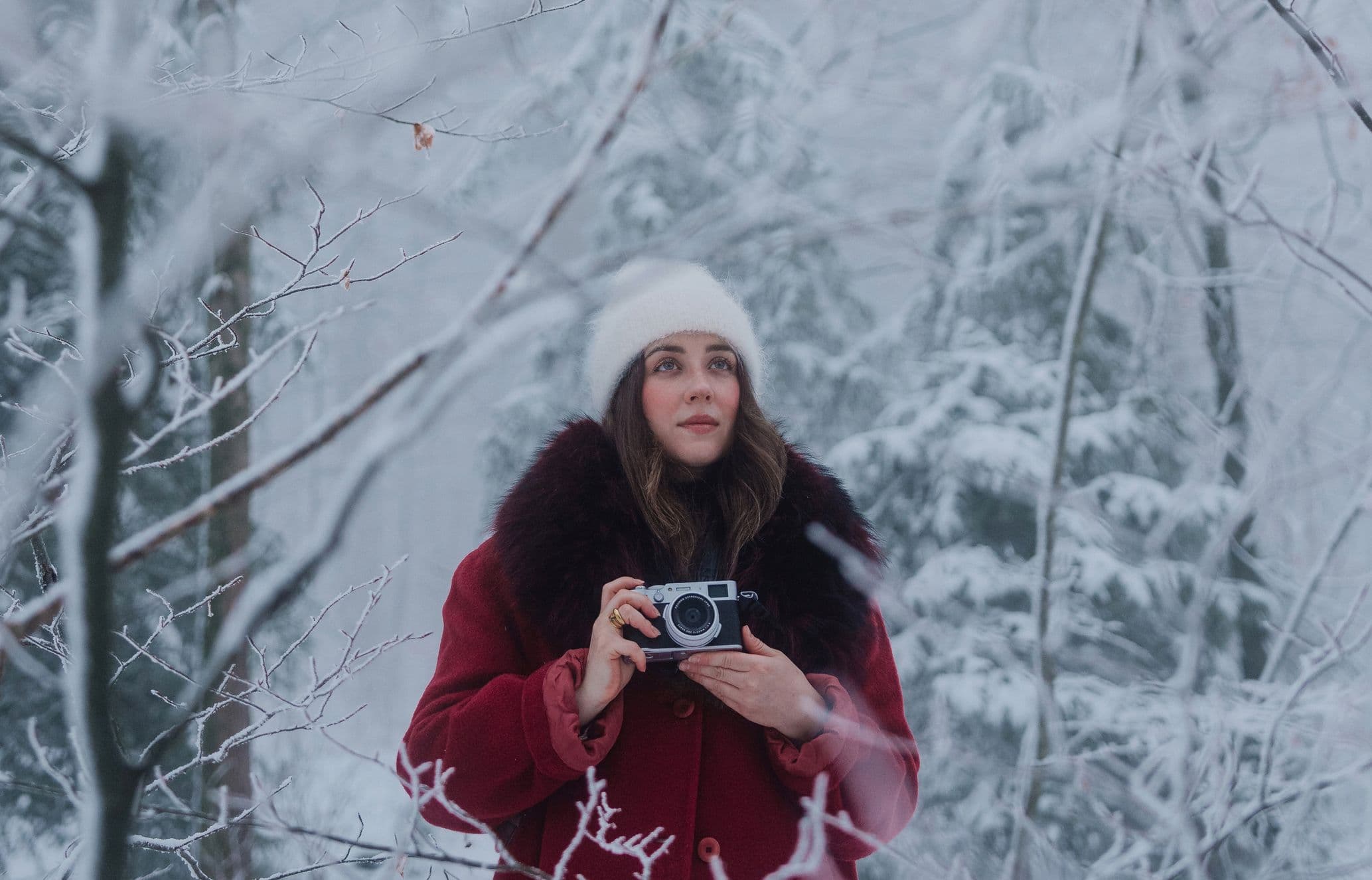
Sils-Maria, Switzerland
Breath in the cold air, rising steam, the glow of warmth against winter light – these are some of the most atmospheric details you can photograph. They hold presence and reveal life within vast, frozen environments. But they can also be surprisingly difficult to capture. Warm air disappears in seconds, steam blends into the background, and winter light can often feel flat or unforgiving, especially in extreme conditions where everything moves quickly and unpredictably.
When it works, though, it changes everything – a simple portrait becomes something emotive; a quiet scene gains atmosphere. Beyond documenting the cold, it’s about revealing the warmth within these scenes, and capturing moments of connection and humanity in even the most unforgiving conditions. Here are my top tips for photographing steam, breath and winter atmosphere.
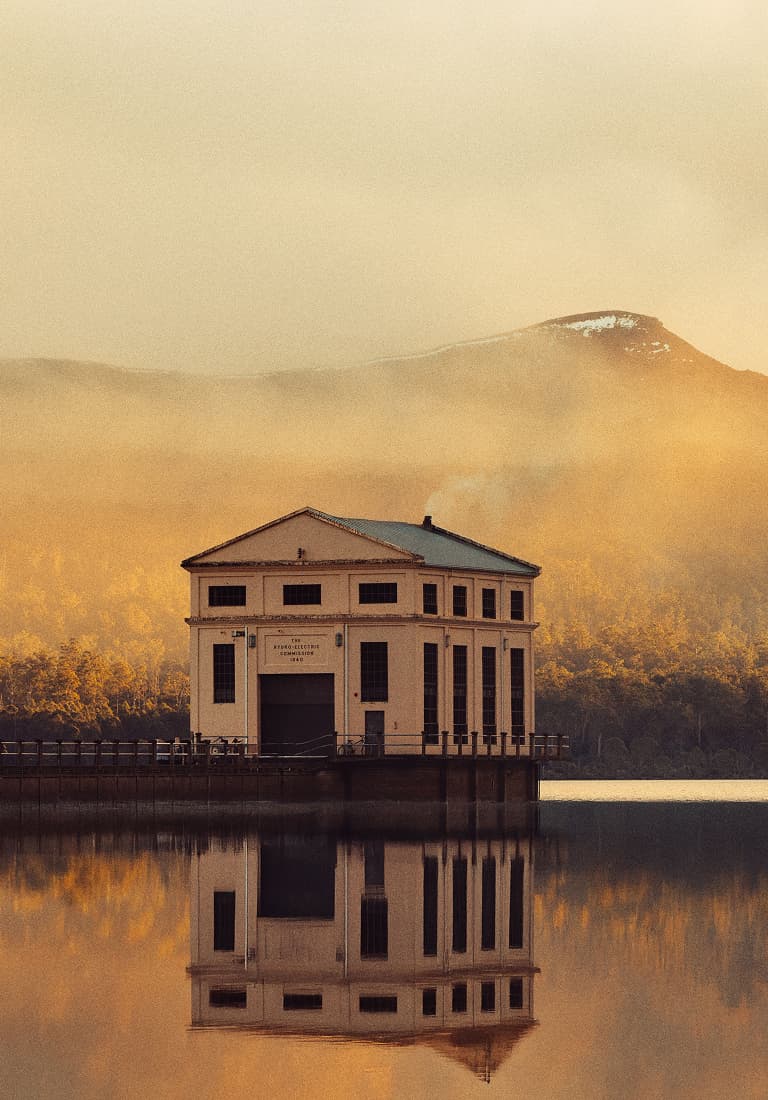
Pumphouse Point, Lake St Clair, Tasmania
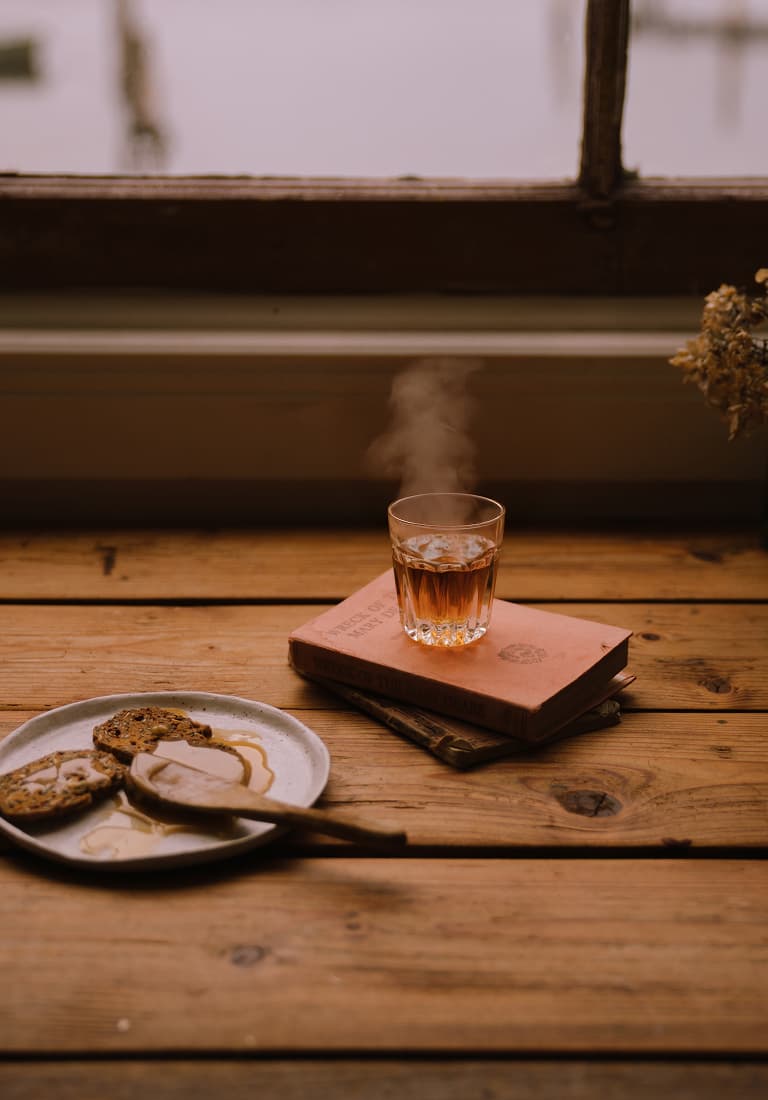
Captains Rest, Strahan, Tasmania
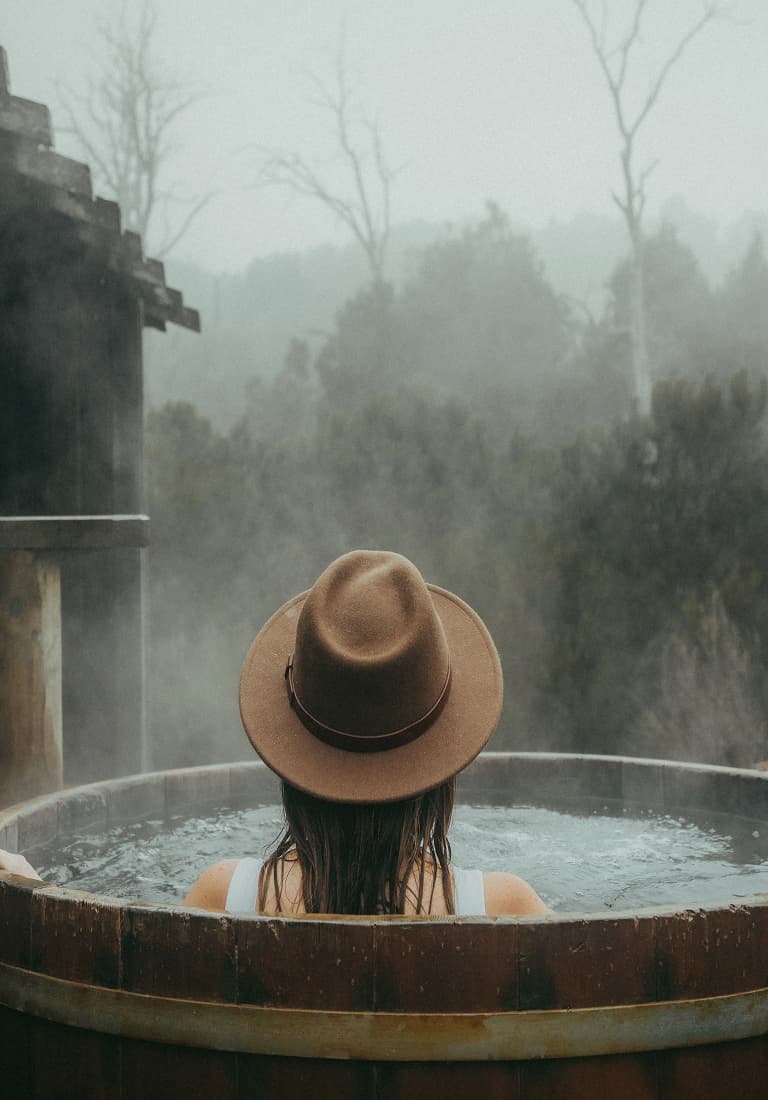
Spitsbergen, Norway
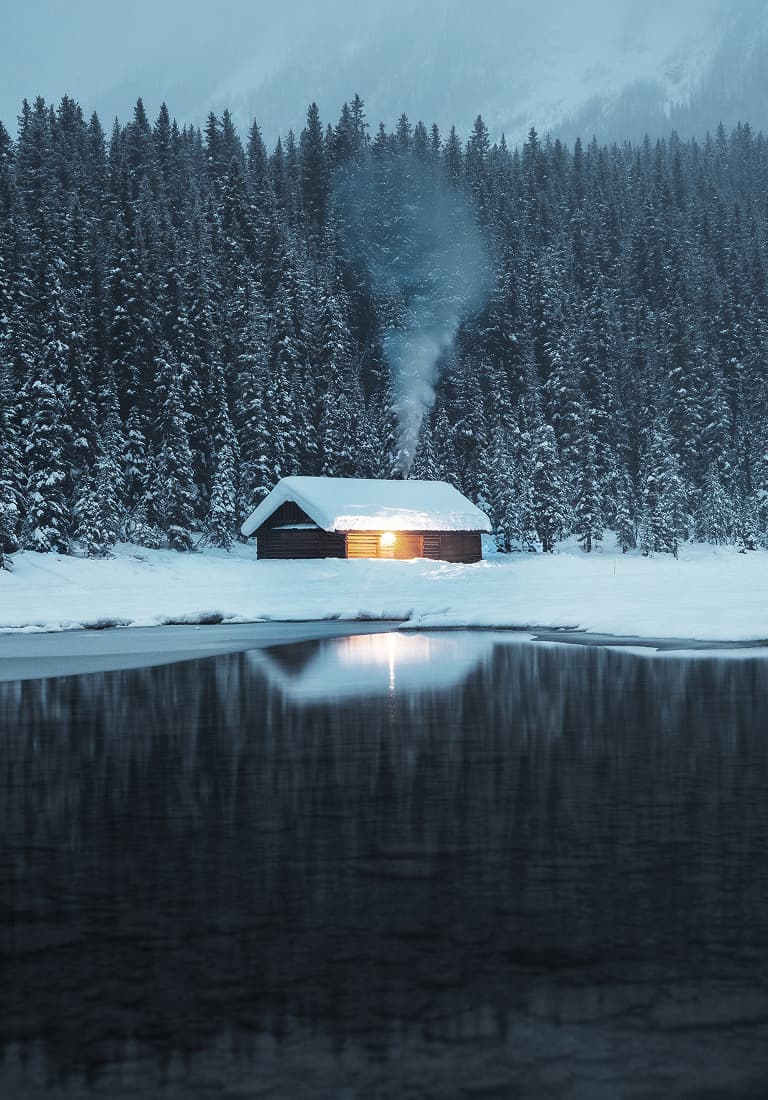
Lake Louise, Banff National Park, Canada
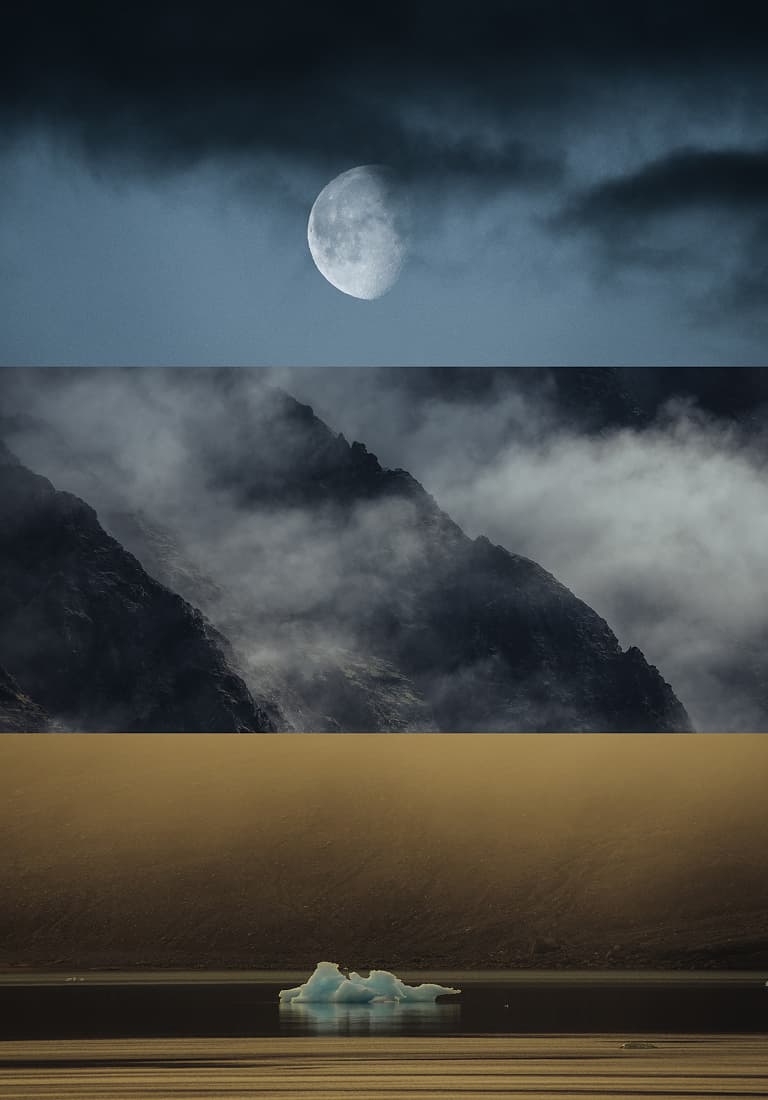
Spitsbergen and Greenland
If you’ve ever photographed someone breathing in the cold and nothing showed up, light direction is usually the reason. Breath needs light behind it to separate it from the background. Position your subject so the light source – whether it’s the sun, a streetlight or a window – is just behind them. This creates a soft glow around the breath, making it visible as it leaves the body. Whether it’s breath, drifting snow or low fog, backlight helps separate it from the landscape. Position yourself so the light source sits just behind the scene, catching particles in the air and creating that soft, glowing edge that brings winter to life.
It sounds obvious, but temperature matters too. Visible mist, fog, steam and breath appear when it’s cold enough for warm air to condense. For breath especially, this usually happens below 5C, and more reliably closer to freezing. If you’ve struggled to capture it, it may simply not be cold enough. Early mornings and blue hour tend to work best. Think quiet streets, frosty fields or mountain air before the day warms up. The colder and stiller the environment, the more defined the breath will be. It’s worth noting that you need a contrast in temperature: the air or steam has to be warmer than the surrounding air to be visible.
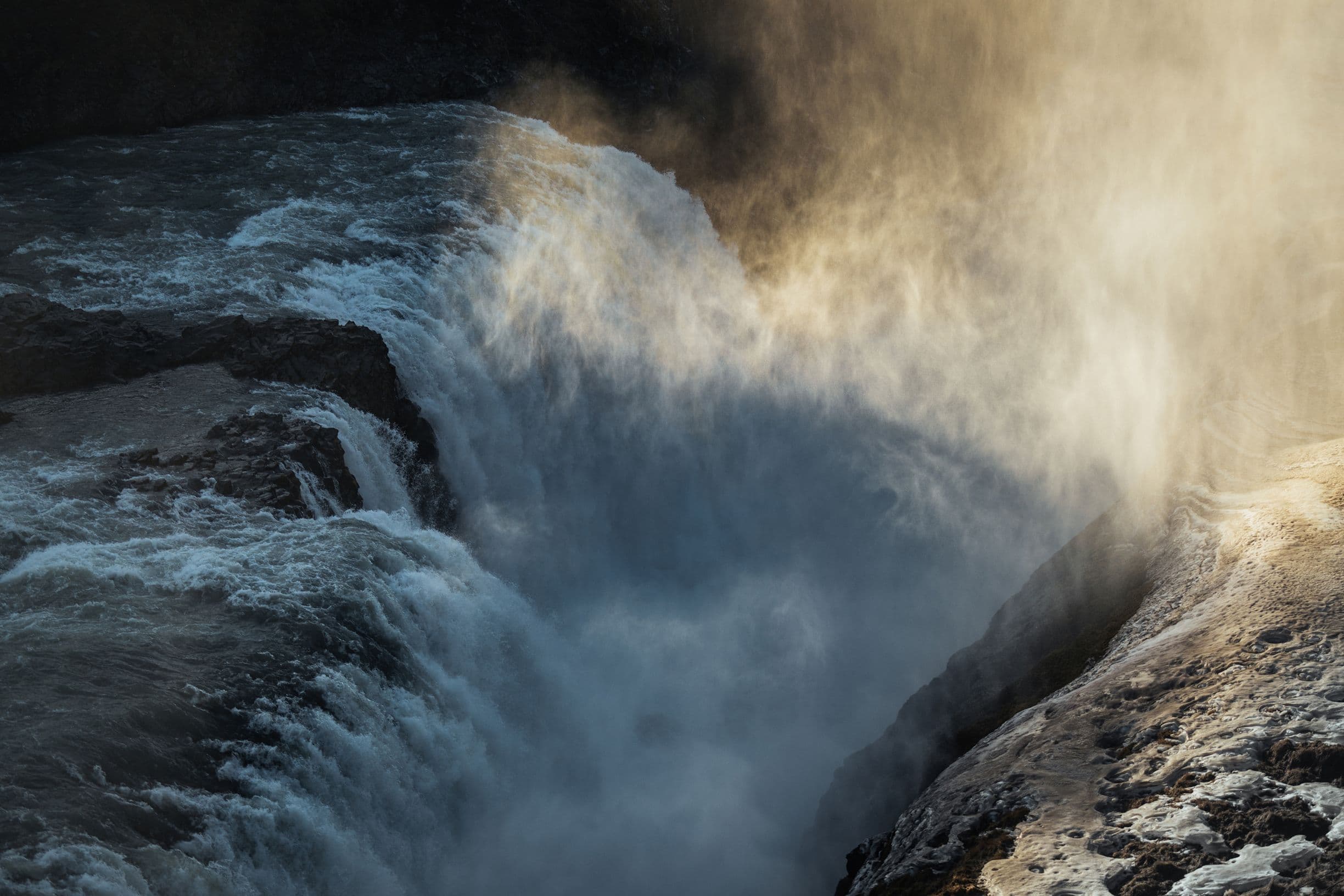
Dettifoss, Vatnajökull National Park, Northeast Iceland
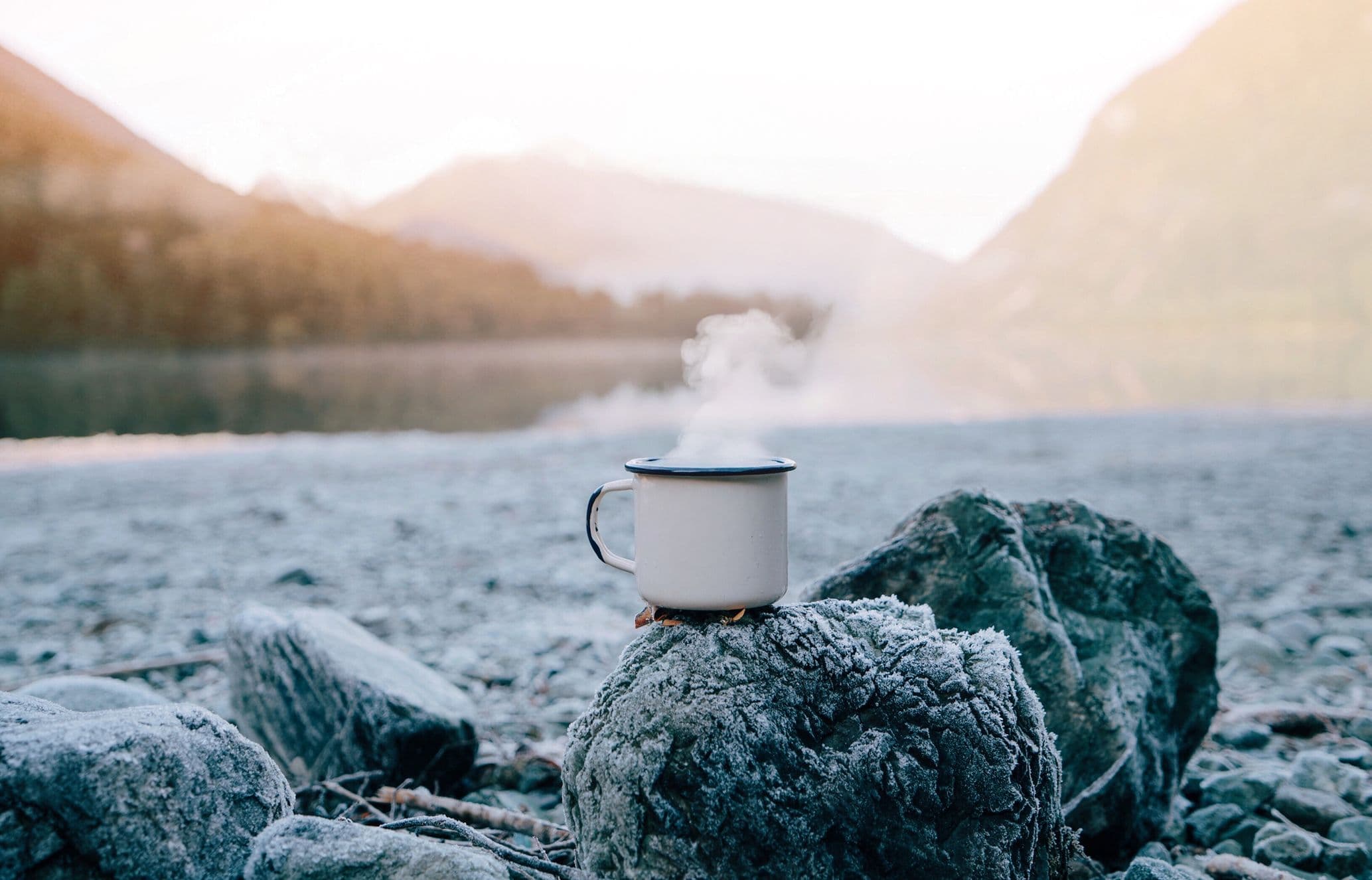
Lake Gunn, Fiordland National Park, New Zealand
Steam, breath and mist are delicate – they disappear easily against busy or bright backgrounds. To make them stand out, look for darker tones or clean negative space behind your subject. Forest edges, shaded streets or even a shadowed wall can create the contrast you need. If you’re shooting someone holding a hot drink outdoors, position them so the steam rises against something darker rather than an open sky. It makes a subtle detail instantly more visible.
This type of subject is fleeting, but it’s also predictable. Instead of shooting continuously, guide your subject. Ask them to take a deeper breath and exhale slowly through their mouth. Count it out if needed – the strongest visible breath usually appears right at the beginning of the exhale. If you’ve struggled with missing the moment, try using burst mode or a slightly faster shutter speed. It gives you a better chance of catching that perfect shape before it disappears.
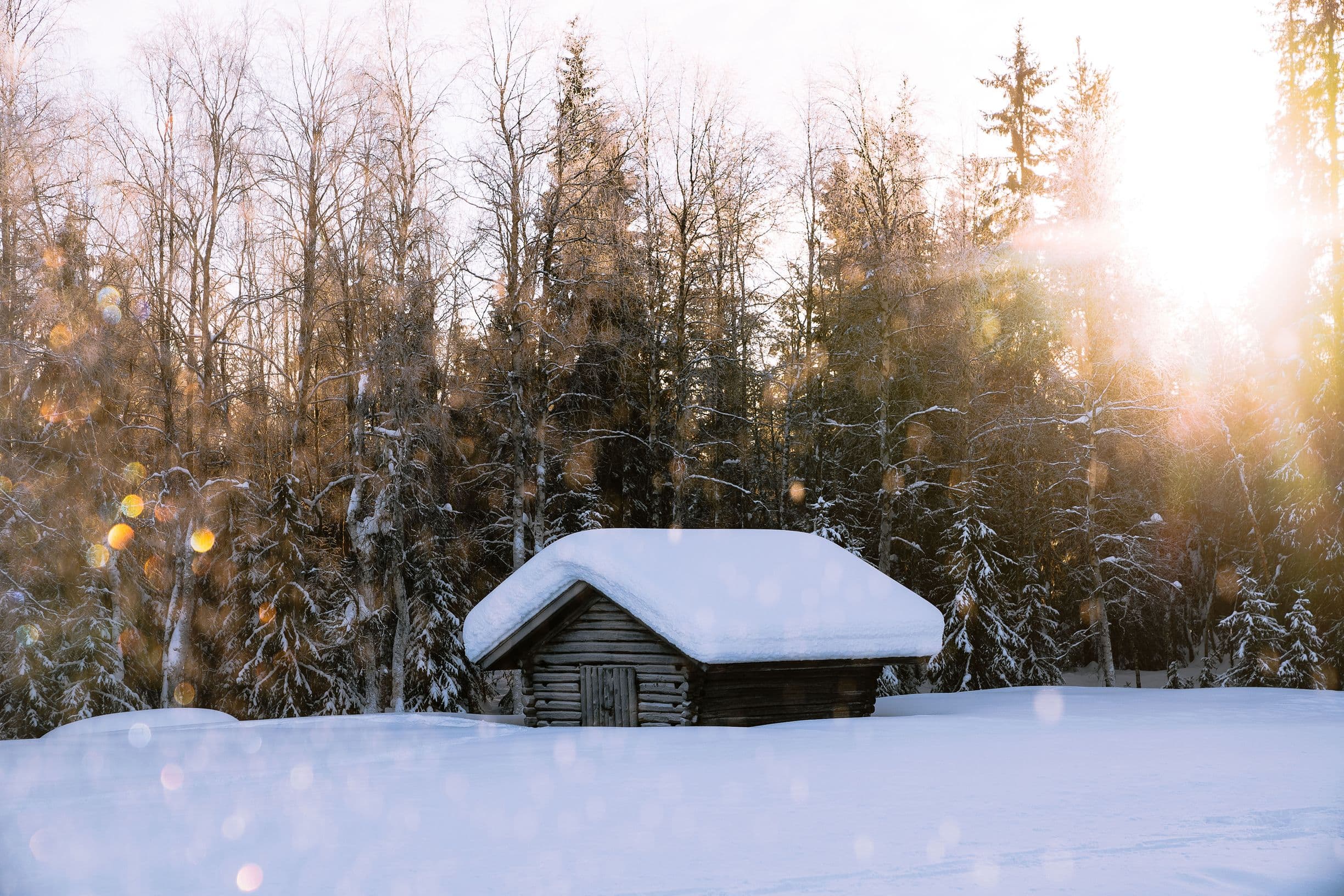
Riisitunturi National Park, Finland
Steam is easiest to capture when there’s a clear temperature contrast. Hot drinks outdoors are perfect – coffee, tea, soup, anything that creates visible vapour when it meets cold air. Freshly poured drinks work best, so timing matters here too. Try stepping outside with a warm mug on a cold morning and shooting immediately. Hold the cup still and watch how the steam moves. It often drifts in soft, unpredictable patterns that add a beautiful sense of movement to still images, and tends to look even more impressive on video than in stills.
While backlighting works well for breath, steam and mist can feel more natural with side light. Side light reveals texture without making it too harsh. It gives steam a softer, more layered look, especially in lifestyle scenes like someone warming their hands around a mug or sitting by a window. If you’re indoors, window light works beautifully. Outdoors, position yourself so the light falls across the steam rather than directly behind it.
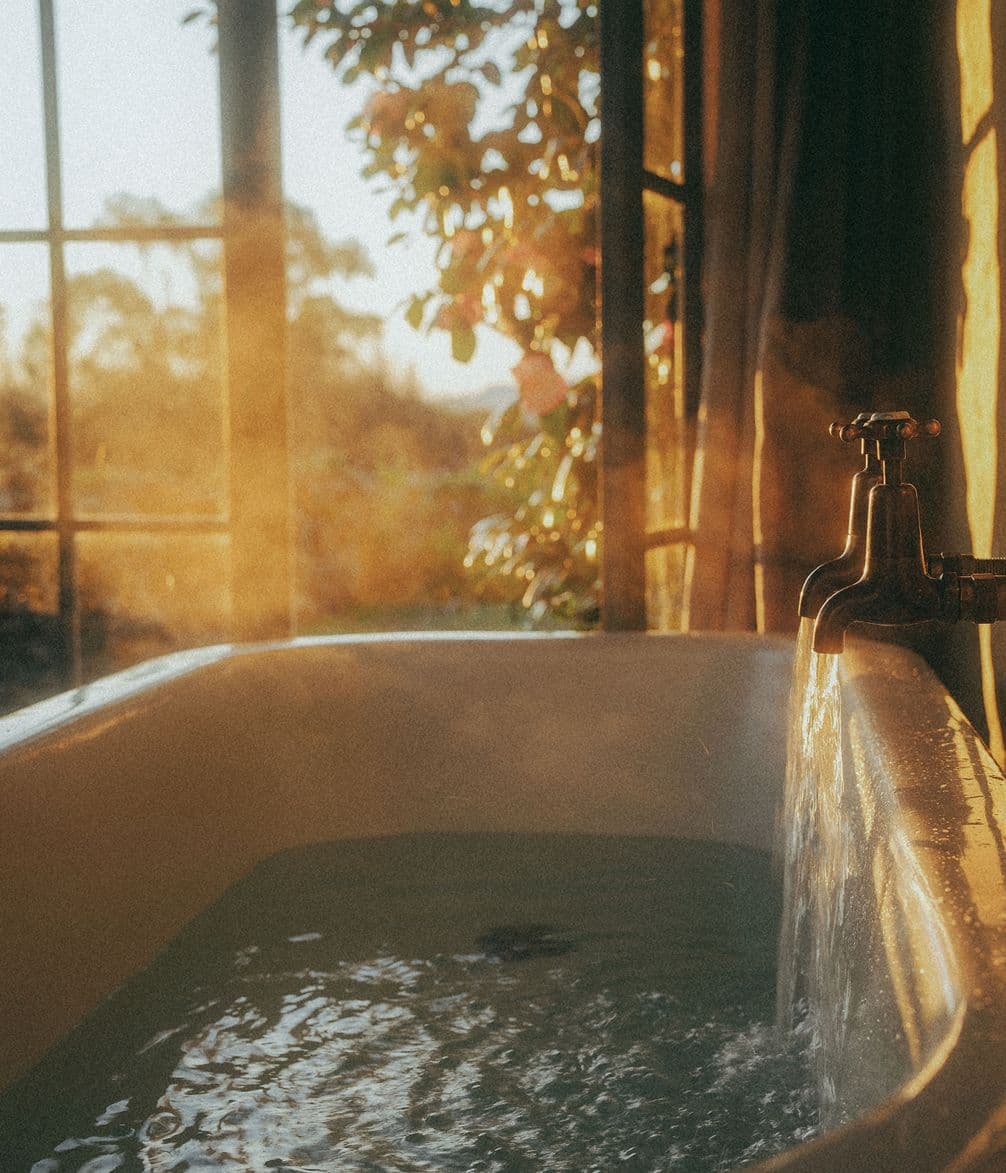
The Burrows, Swansea, Tasmania
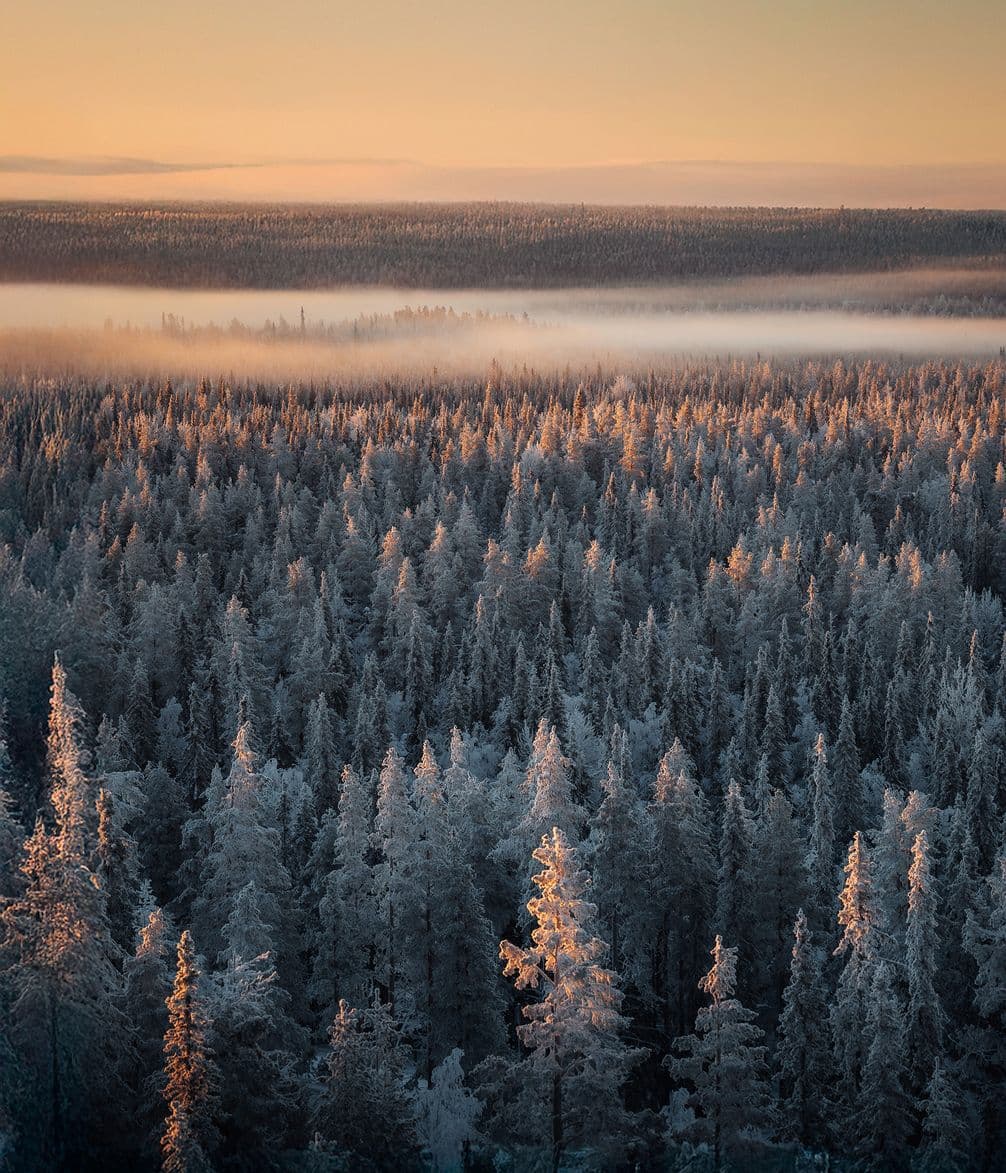
Riisitunturi National Park, Finland
Some of the strongest winter scenes don’t rely on subjects at all, but on conditions that are already doing the work. Fog sitting low in valleys, mist rising from water or clouds hugging mountain lines all create a natural base for breath and steam to sit within. Early mornings after cold nights are often the most reliable for this. Contrast is what makes these moments feel alive. Rather than relying on people, look for warmth within the landscape itself – steam rising where warm water meets cold air, a distant cabin, a soft light through a window. These elements create emotion within vast, frozen scenes.
Breath isn’t just a visual detail – it adds feeling. In winter portraits, it can create closeness, vulnerability, even a sense of quiet solitude. Think of someone wrapped in a scarf, hands tucked into sleeves, exhaling into the cold. If you’ve struggled to make winter portraits feel engaging, try directing small actions instead of static poses. Walking slowly, pausing to warm hands, laughing mid-conversation, sipping warm tea or coffee – these moments naturally bring breath into the frame.
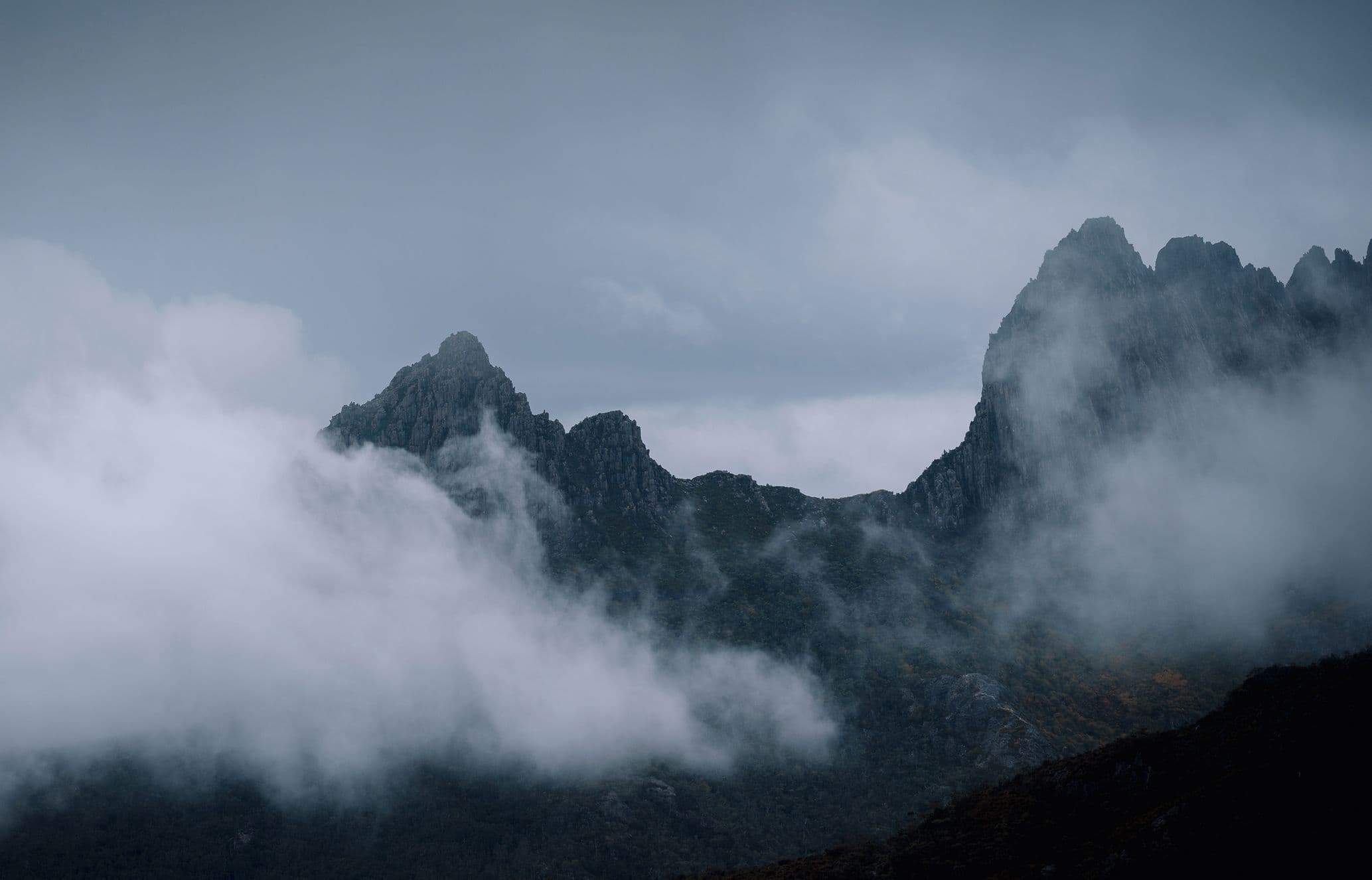
Cradle Mountain, Tasmania’s Central Highlands, Australia
Wind, humidity and light all affect these conditions. Still air is the most important element to look for, as wind will break up the shape before you can capture it. Humidity can make steam heavier and more visible, while dry cold air creates lighter, quicker breath. Pay attention to your surroundings. Try planning your shoot around the right weather – early mornings with still air and a chance of fog are ideal. You can also look for more sheltered locations, a quiet corner or the side of a building can make a noticeable difference.
Editing plays an important role in shaping the winter atmosphere. Tools like dehaze and clarity can help refine the mood of your photography. For this kind of cold weather imagery, adjusting dehaze slightly can help preserve mist, fog and softness in the air, while lowering clarity can prevent steam and breath from feeling too harsh, enhancing a softer, dream-like feel.
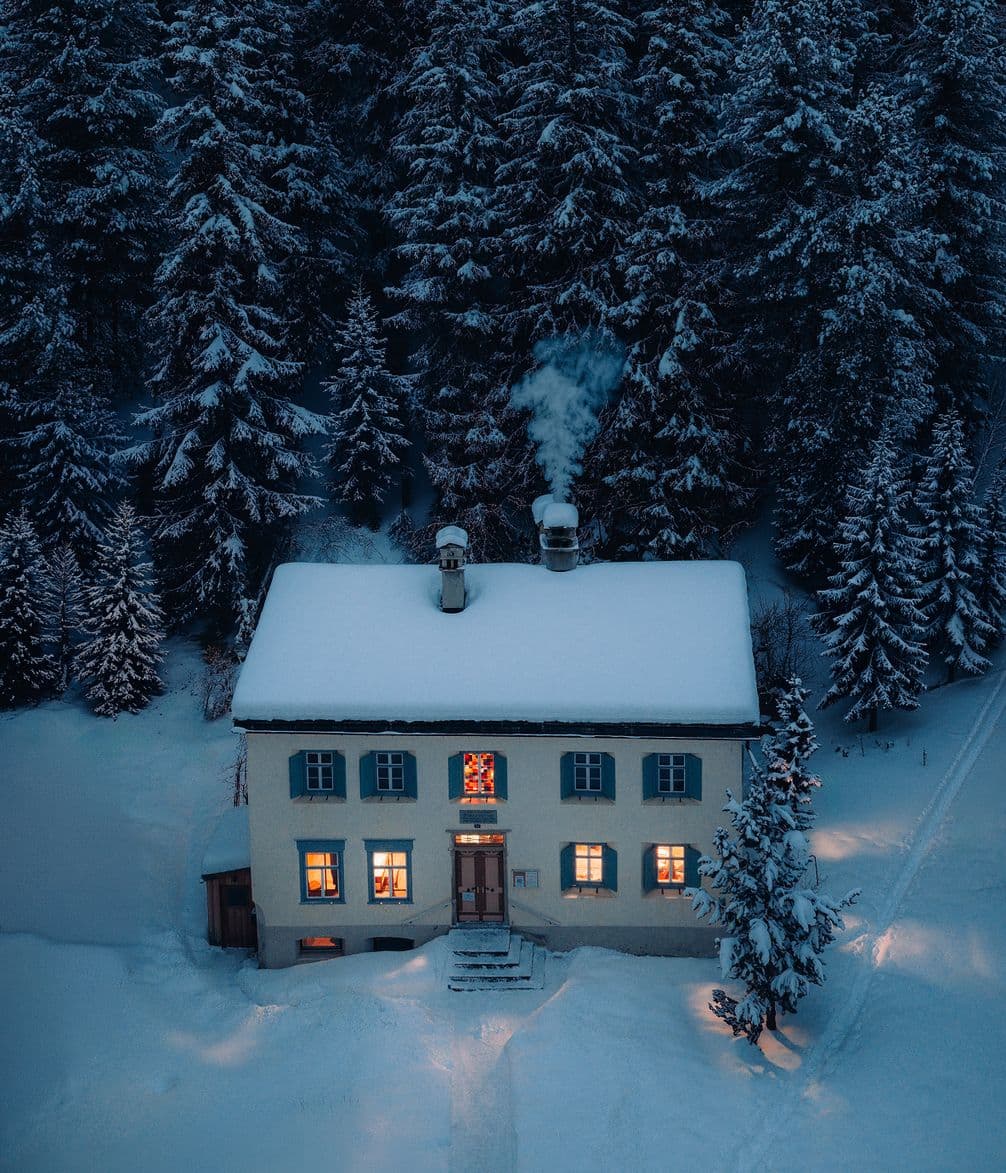
Nietzsche House, Sils-Maria, Switzerland
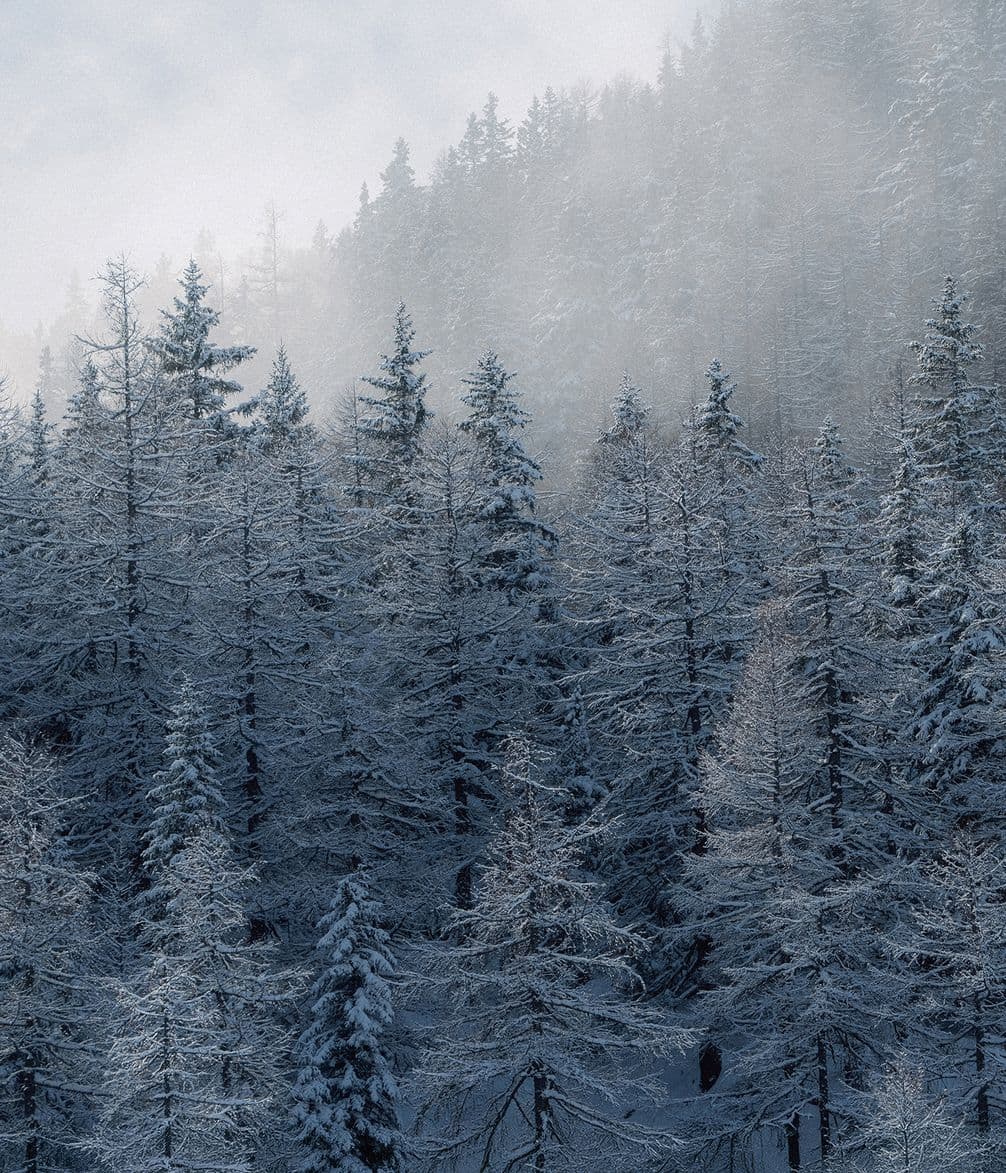
St. Moritz, Switzerland
Usein kysytyt kysymykset
How cold does it need to be to photograph visible breath?
What’s the best light for photographing breath or steam?
How do I photograph steam from mugs or food without it disappearing?
Can I photograph visible breath with a phone?
What camera settings work best for winter breath photography?
What are common mistakes to avoid when photographing visible breath?
Löydä muistoja nopeammin kasvojentunnuksen, älykkäiden albumeiden ja muiden ainutlaatuisten ominaisuuksien ansiosta.



&w=96&q=75)
17. syys 2025∙11 min
&w=96&q=75)
12. touko 2026∙6 min


 Yhdysvallat