

Matka
The best city breaks for photography fans
New York, Paris, Amsterdam and beyond – a guide to the galleries, institutions and insider spaces worth building a trip around

16. kesä 2026∙6 min
Matka
New York, Paris, Amsterdam and beyond – a guide to the galleries, institutions and insider spaces worth building a trip around
16. kesä 2026∙6 min
We’ve shown you how to shoot better travel photos and how to curate your travel books, but what about when you put the camera down? From the grand institutions that first legitimised photography as fine art to the smaller, specialist spaces only insiders know about, these cities are perfect for building a trip around great photography. Why not plan your next getaway with a few of these spots in mind?
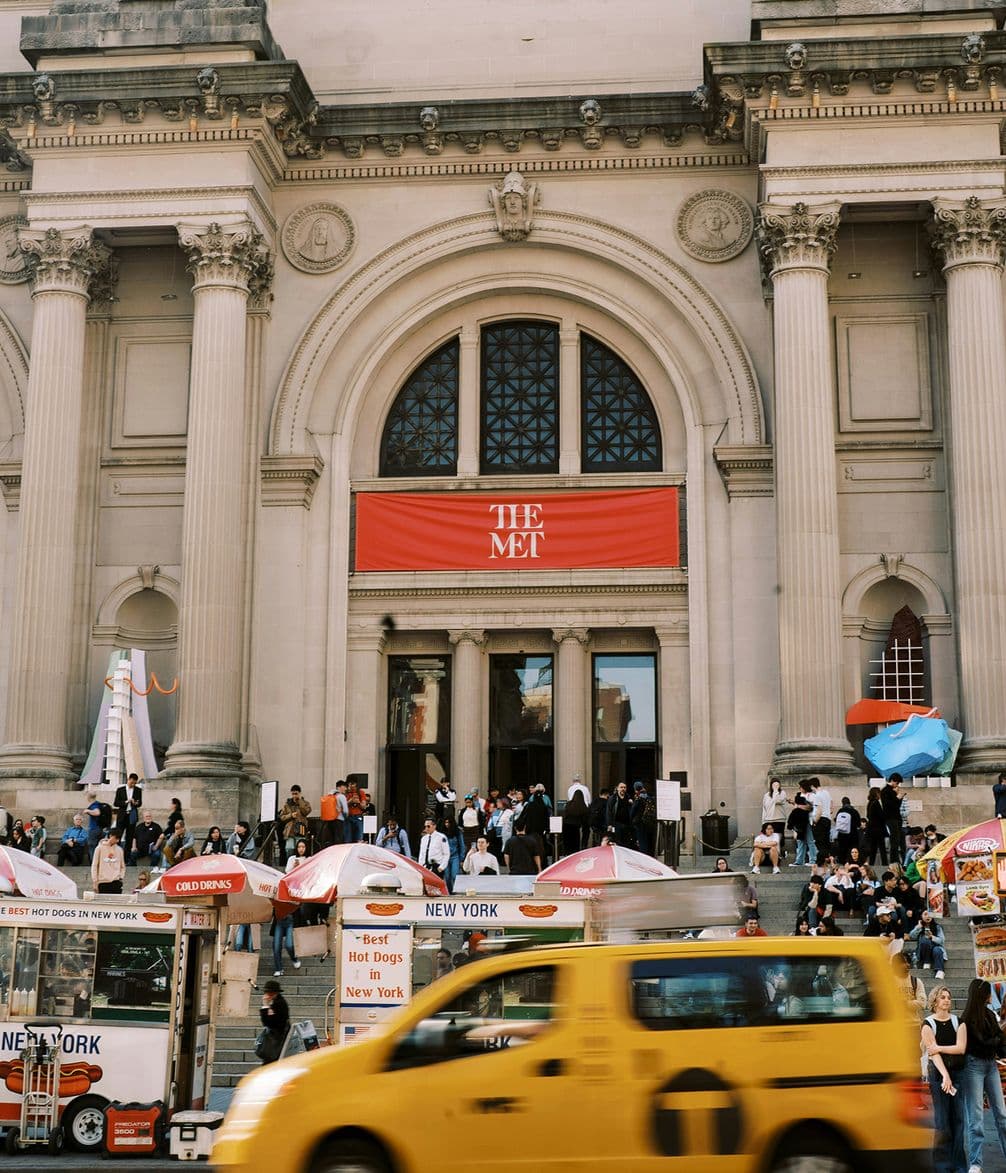
The Met. Photo: Georgia Sheridan, Unsplash
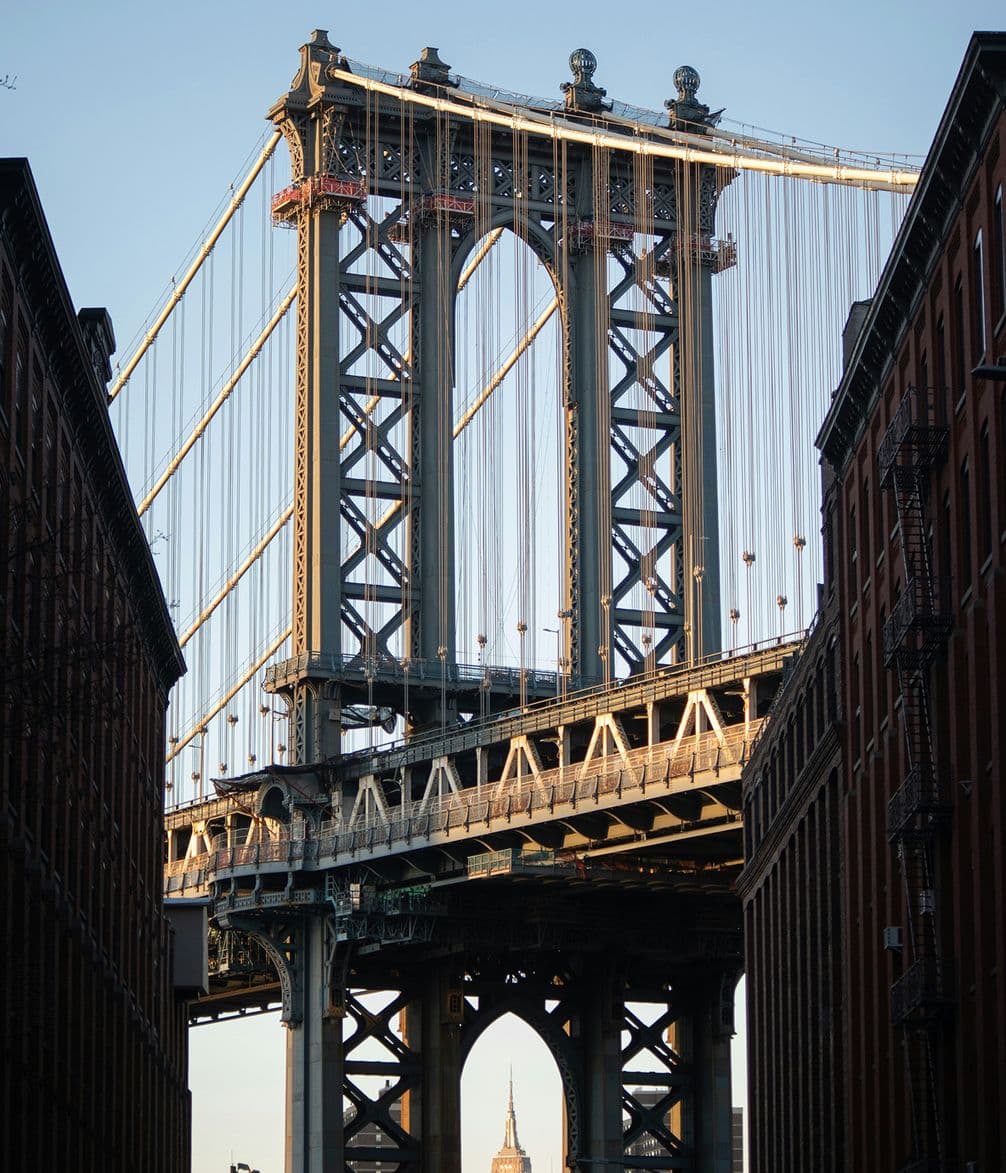
Manhattan Bridge. Photo: Laurenz Heyman, Unsplash
No city rivals New York for the sheer density of serious photography on offer. A good place to start is the International Center of Photography (ICP) on the Lower East Side. Founded in 1974 by Cornell Capa to preserve the legacy of his brother Robert and the tradition of concerned photojournalism, it houses a collection of more than 200,000 photographs and a consistently ambitious exhibition programme. The Metropolitan Museum of Art and MoMA both hold world-class photography collections too – neither needs much introduction, but both reward dedicated time rather than a passing visit.
Over in Chelsea, the Aperture Foundation is free to enter and combines bookshop, gallery and archive under one roof. And for the serious collector or photography obsessive, Howard Greenberg Gallery in the Fuller Building on East 57th Street is something close to a pilgrimage. Founded in 1981, it was the first gallery to exhibit photojournalism and street photography as fine art, and the names it represents – Cartier-Bresson, Kertész, Gordon Parks, Saul Leiter, Berenice Abbott – read like a history of the medium itself.
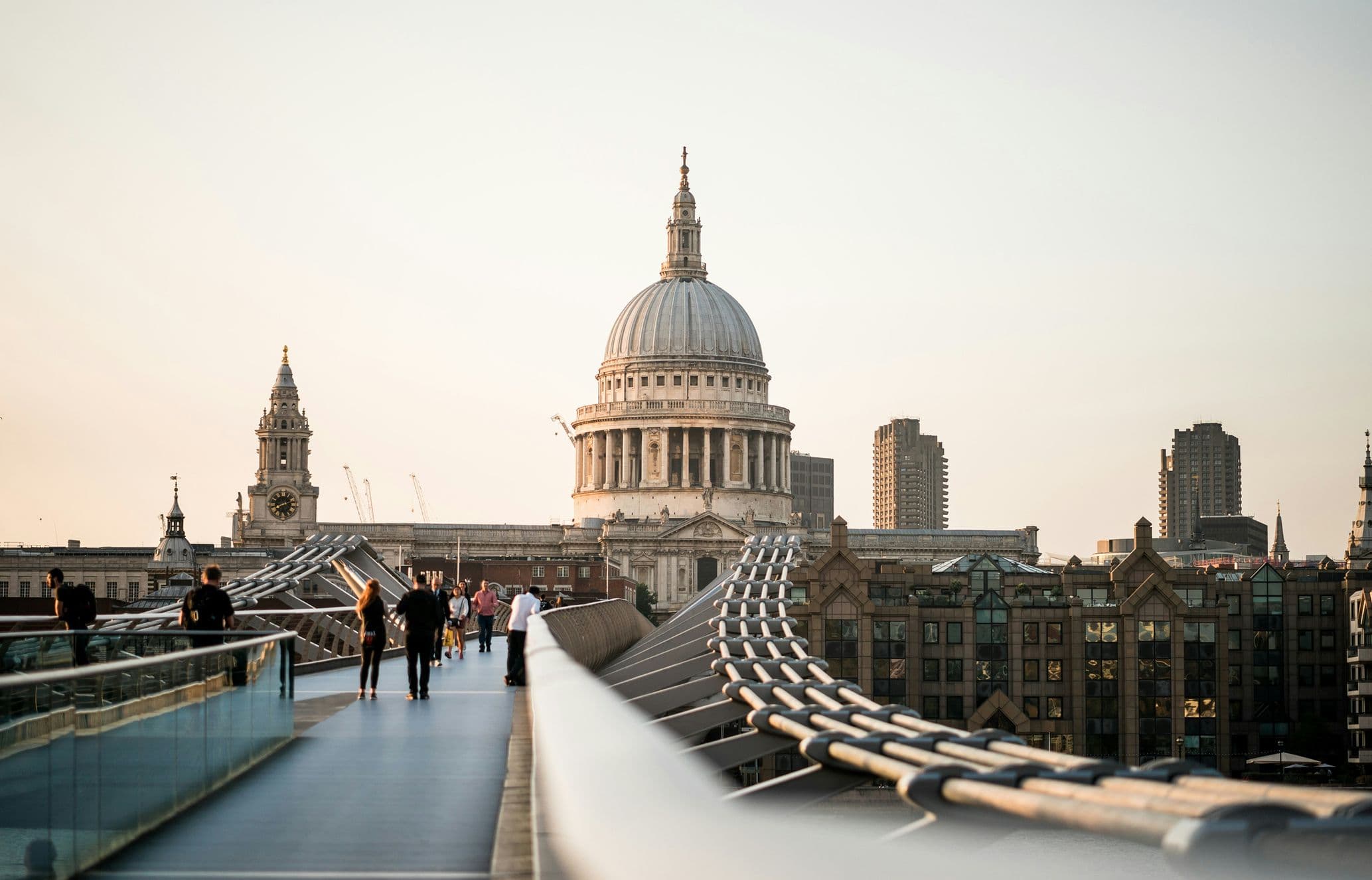
St Paul’s Cathedral. Photo: Jonathan Chung, Unsplash
&w=3840&q=75)
Tower Bridge. Photo: David Tkocz, Unsplash
&w=3840&q=75)
Buckingham Palace. Photo: Jean Carlo, Unsplash
&w=3840&q=75)
Big Ben. Photo: Luke Tanis, Unsplash
&w=3840&q=75)
Soho. Photo: Marcel Heil, Unsplash
&w=3840&q=75)
Piccadilly Circus, London. Photo: Fabrizio Coco, Unsplash
The Photographers’ Gallery in Soho is the essential starting point: the first public gallery in the UK dedicated solely to photography. Another key institution is the Victoria & Albert Museum, arguably photography’s most important institutional home – it was the first museum in the world to collect photographs as art, and its permanent collection spans the entire history of the medium. The V&A’s photobook library is bookable in advance online (a genuine insider tip for anyone who wants to go deep), and archival works can be requested for viewing at the Study Room.
Beyond the big institutions, London’s grassroots photographic organisations offer perspectives you won’t always find elsewhere. Autograph in Shoreditch centres its programme on race, representation, human rights and social justice, while Four Corners in Bethnal Green has spent four decades championing photography and film outside the mainstream. The city’s commercial gallery scene is thriving too: Iconic Images deals in big-ticket cultural photography, from rock stars to film stars, while Michael Hoppen Gallery is the destination for serious collectors after rare vintage prints sourced from archives and private collections worldwide.
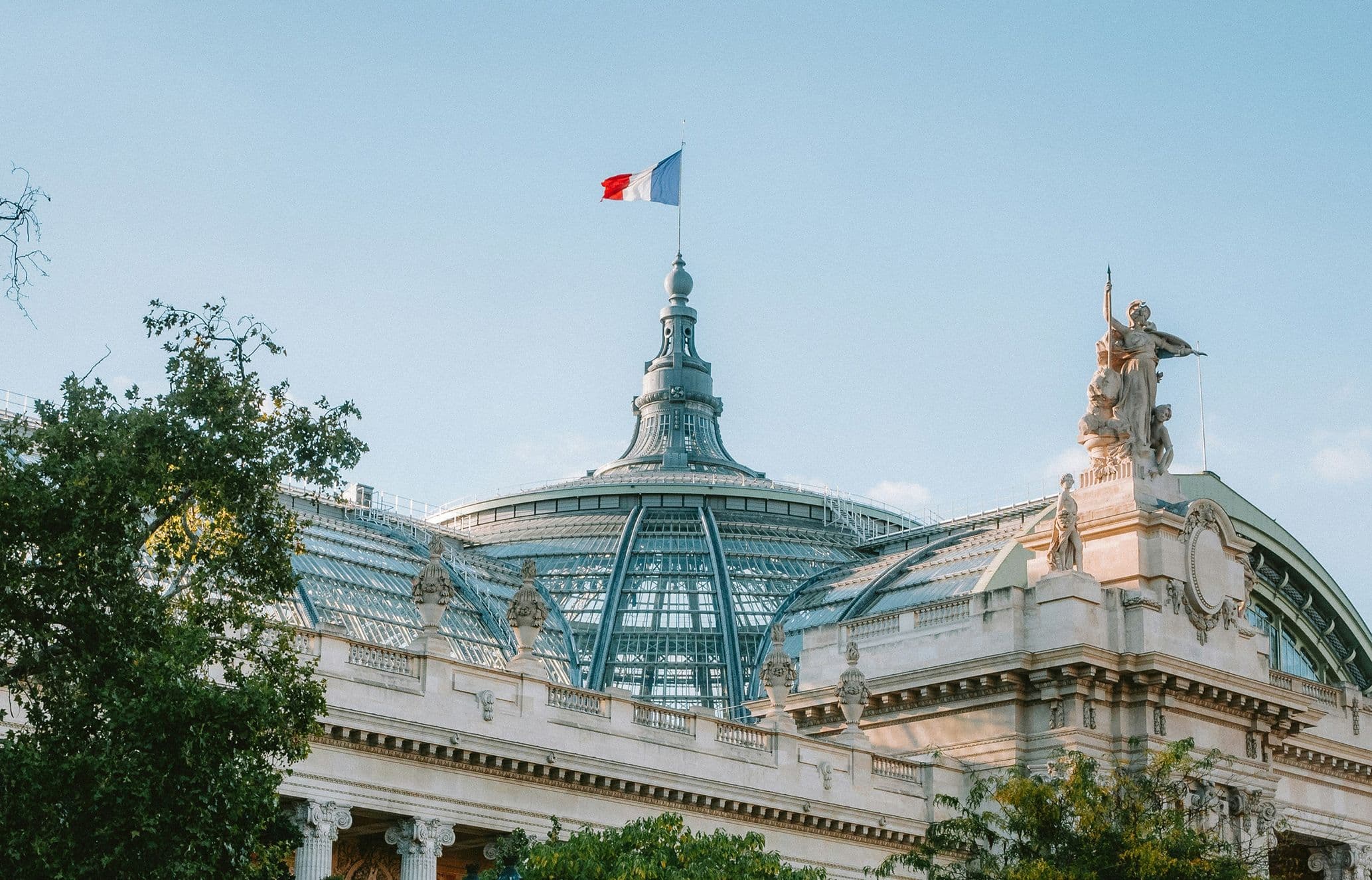
The Grand Palais, Paris. Photo: Norbu Gyachung, Unsplash
Is there a city on Earth that loves photography as much as Paris? It was here, in 1947, that Henri Cartier-Bresson, Robert Capa and their collaborators founded Magnum Photos, the legendary cooperative that changed photojournalism forever. The agency’s Paris gallery on rue Léon Frot in the 11th arrondissement shows a rotating programme of archival and contemporary work drawn from its near-80-year history, and is essential visiting for anyone serious about the medium.
In the Marais, the Maison Européenne de la Photographie (MEP) holds 24,000 photographic works spanning international creation from the 1950s to the present, including foundational pieces by Robert Frank and William Klein. A short walk away, the Fondation Henri Cartier-Bresson houses his archive, while the Jeu de Paume, set at the edge of the Jardin des Tuileries, runs one of the most ambitious photography programmes in Europe.
And every November, Paris Photo takes over the Grand Palais. Widely regarded as the world’s premier photography fair, it’s a blockbuster of a show that also inspires a host of independent satellite exhibitions and events across the city – a must-visit for any photo fan.
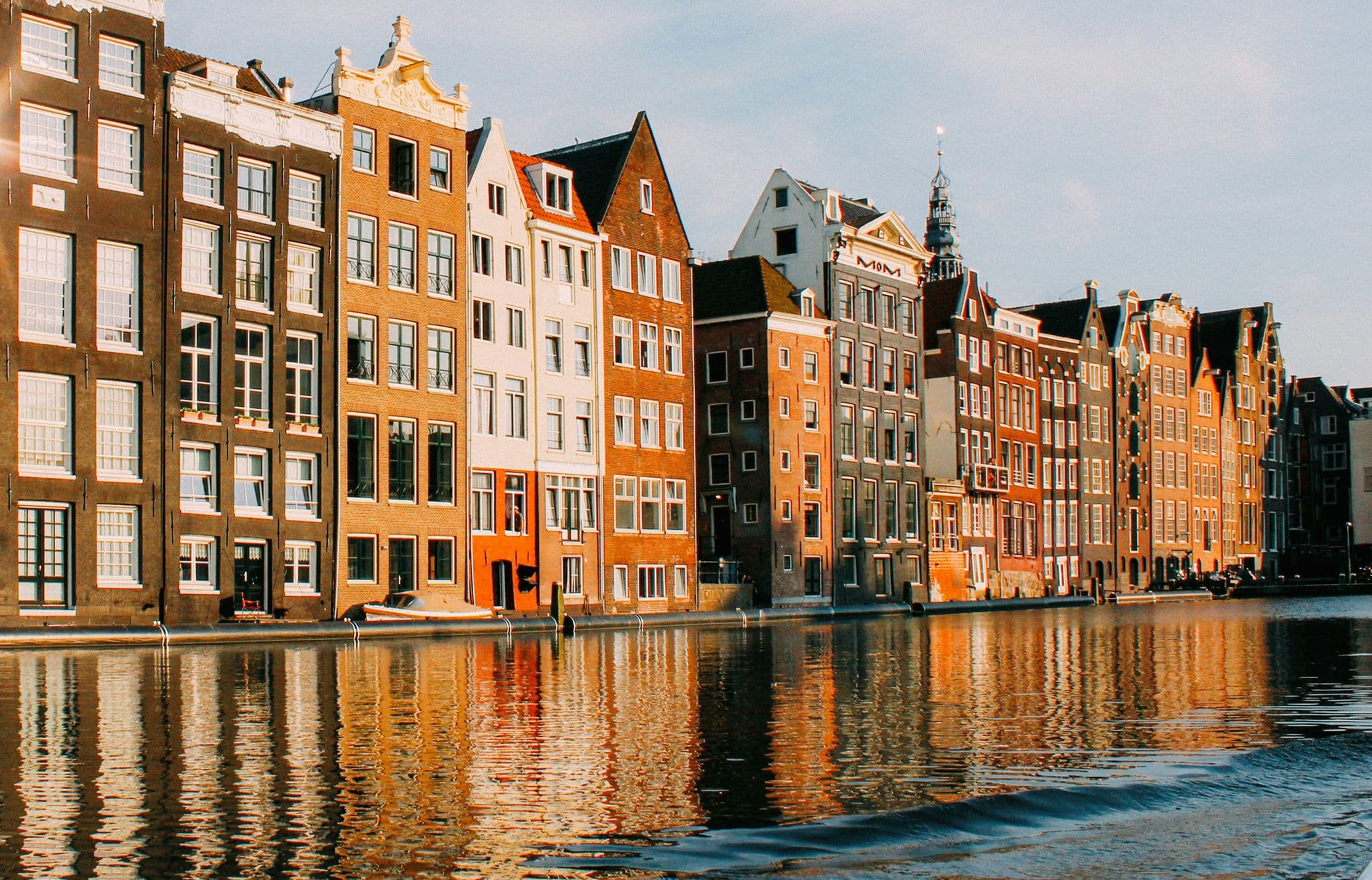
Amsterdam, Netherlands. Photo: Nastya Dullhieer, Unsplash
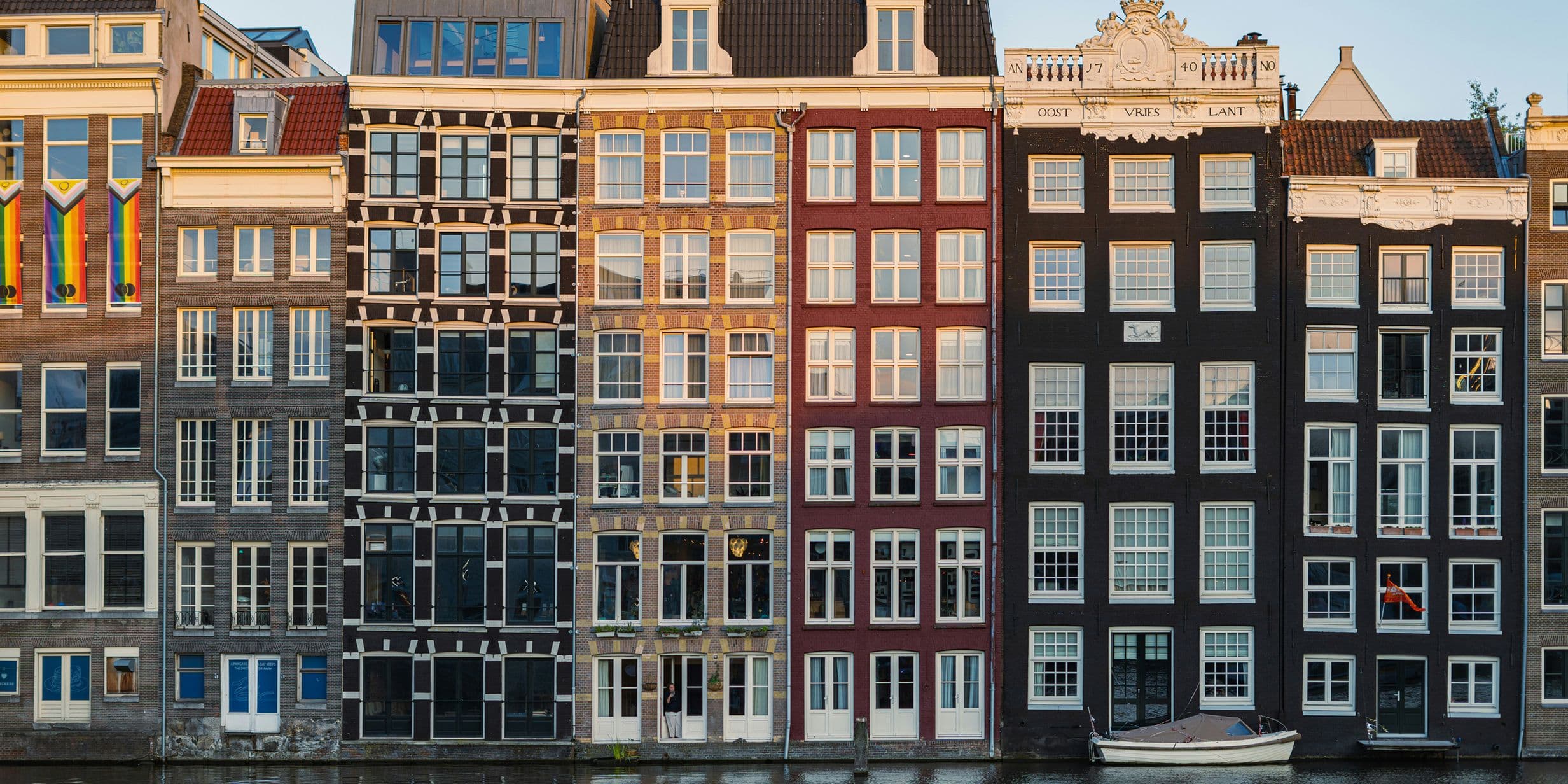
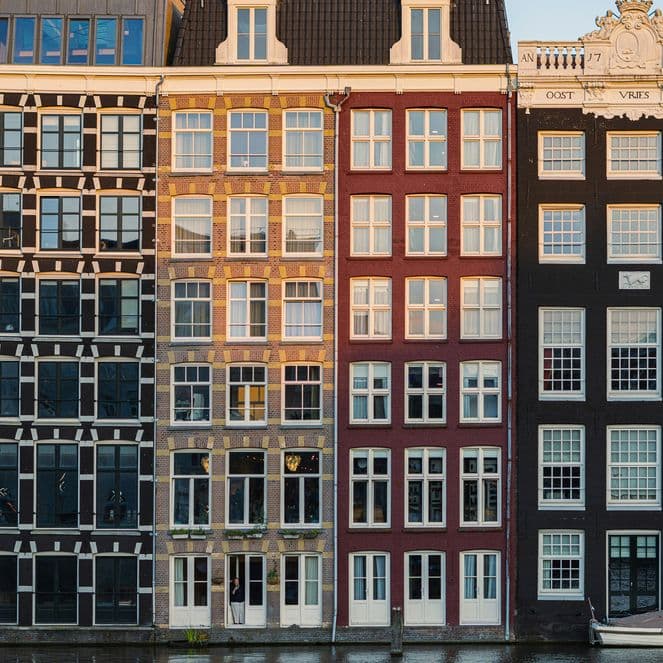
Amsterdam has an exceptional claim on photography culture as the permanent home of the World Press Photo Foundation, whose annual contest and travelling exhibition set the global standard for photojournalism. It runs from April to September in the city – reason enough to plan your trip around it.
The Fotografiemuseum Amsterdam (FOAM) is another essential stop. Set in a historic canal house on the Keizersgracht, it runs around 20 exhibitions a year spanning documentary, street, portrait and fashion photography, balancing major international names with emerging talent. Around 40 percent of its visitors are under 35, which tells you something about the atmosphere and the energy of its programming. A short walk along the same canal, Huis Marseille offers a quieter counterpoint: a second dedicated photography museum, this one housed in a 17th-century merchant’s house, with a slower, more intimate programme.
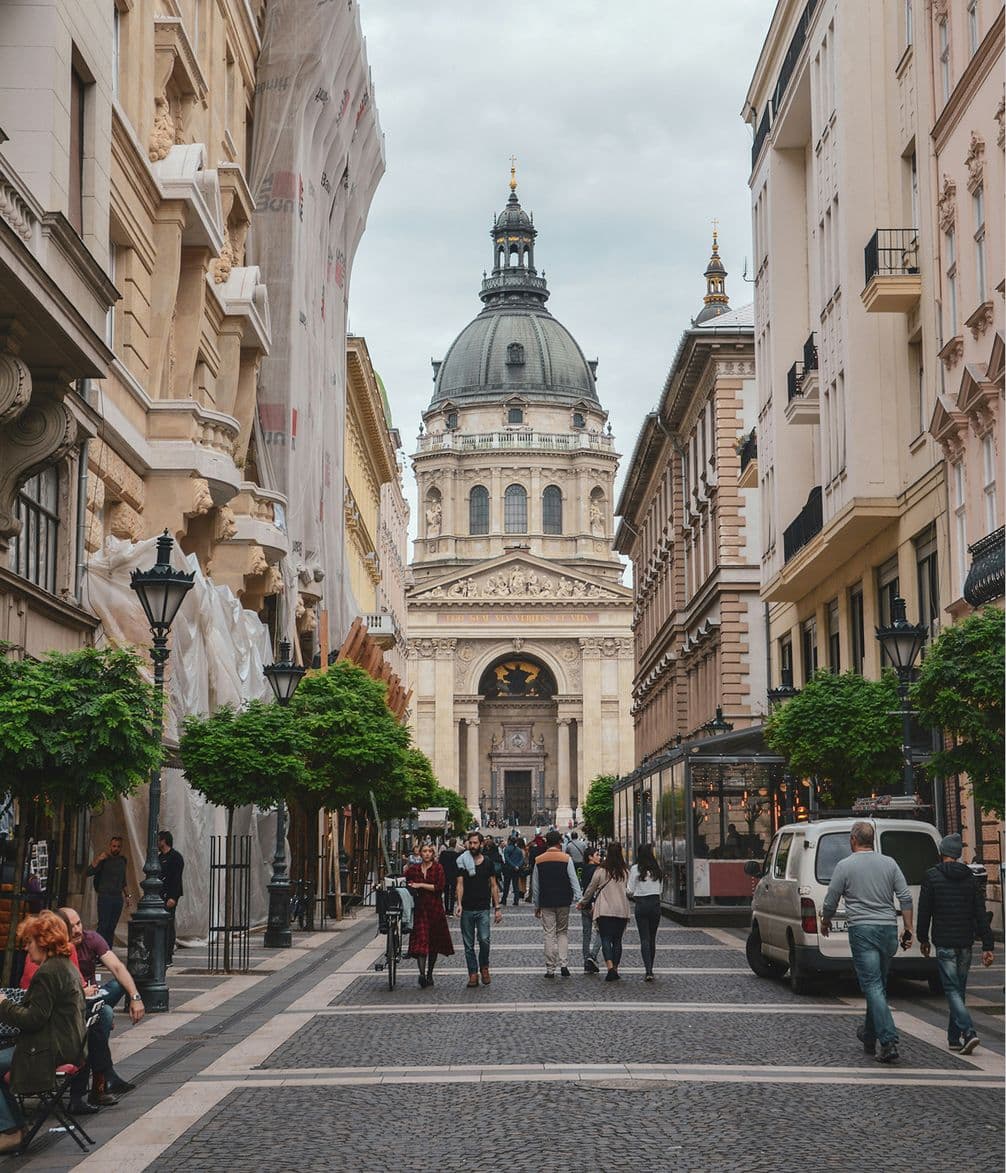
Budapest. Photo: Linoleum Creative Collection, Unsplash
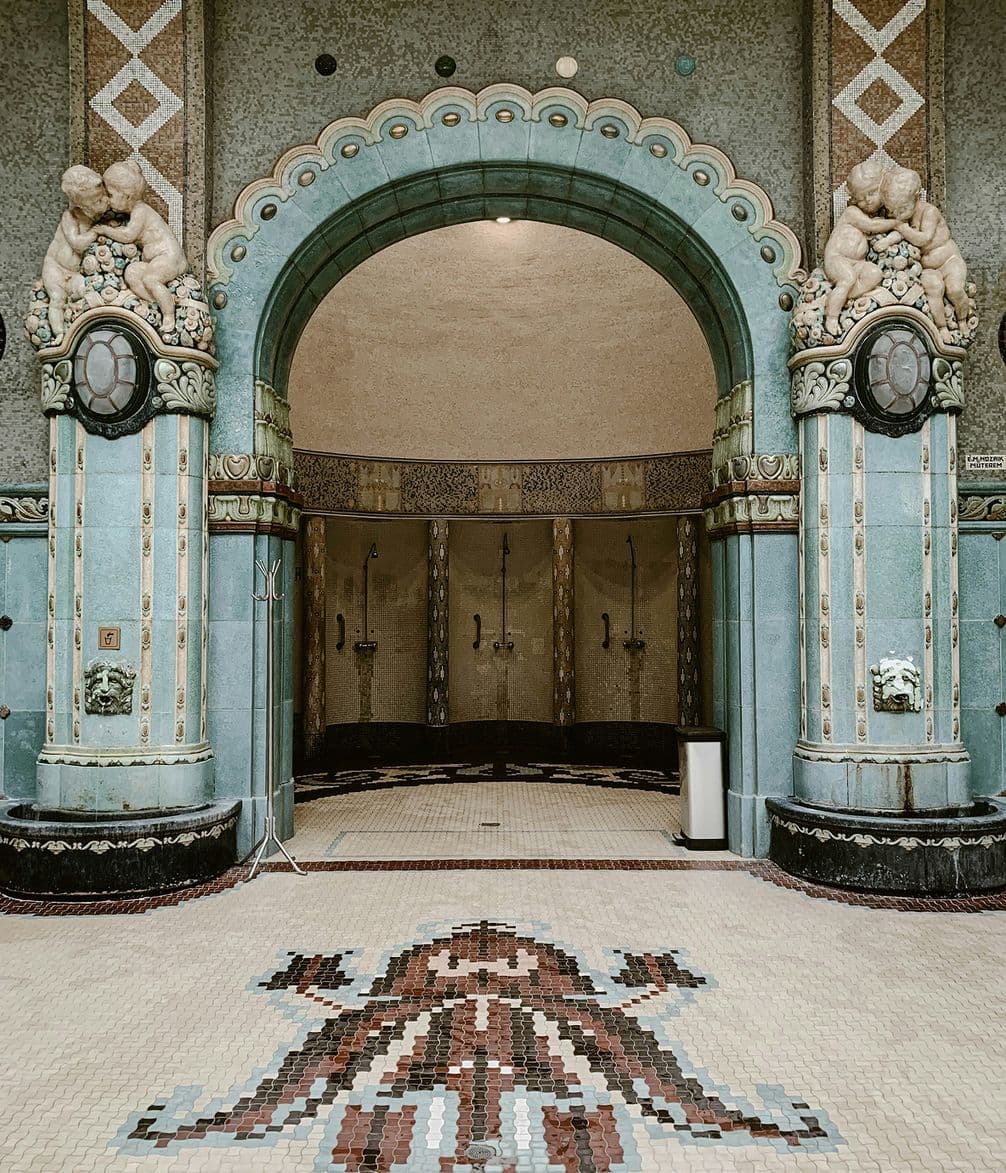
Gellért Thermal Bath. Photo Linoleum Creative Collection, Unsplash
The Hungarian capital has contributed enormously to the history of photography – not least as the birthplace of Robert Capa and André Kertész, two of the most influential photographers of the 20th century. The Robert Capa Contemporary Photography Center is the headline institution, with a permanent collection dedicated to both photographers alongside a strong temporary programme. A short distance away, Mai Manó House – an atmospheric Art Nouveau building constructed in 1894 for the royal photographer – doubles as gallery, bookshop and café, and is worth visiting for the building alone.
The real insider recommendation, though, is the Eidolon Centre for Everyday Photography, a small institution dedicated to vernacular photography: the family snapshots, amateur images and everyday pictures that make up the majority of our visual heritage but are rarely given serious attention.
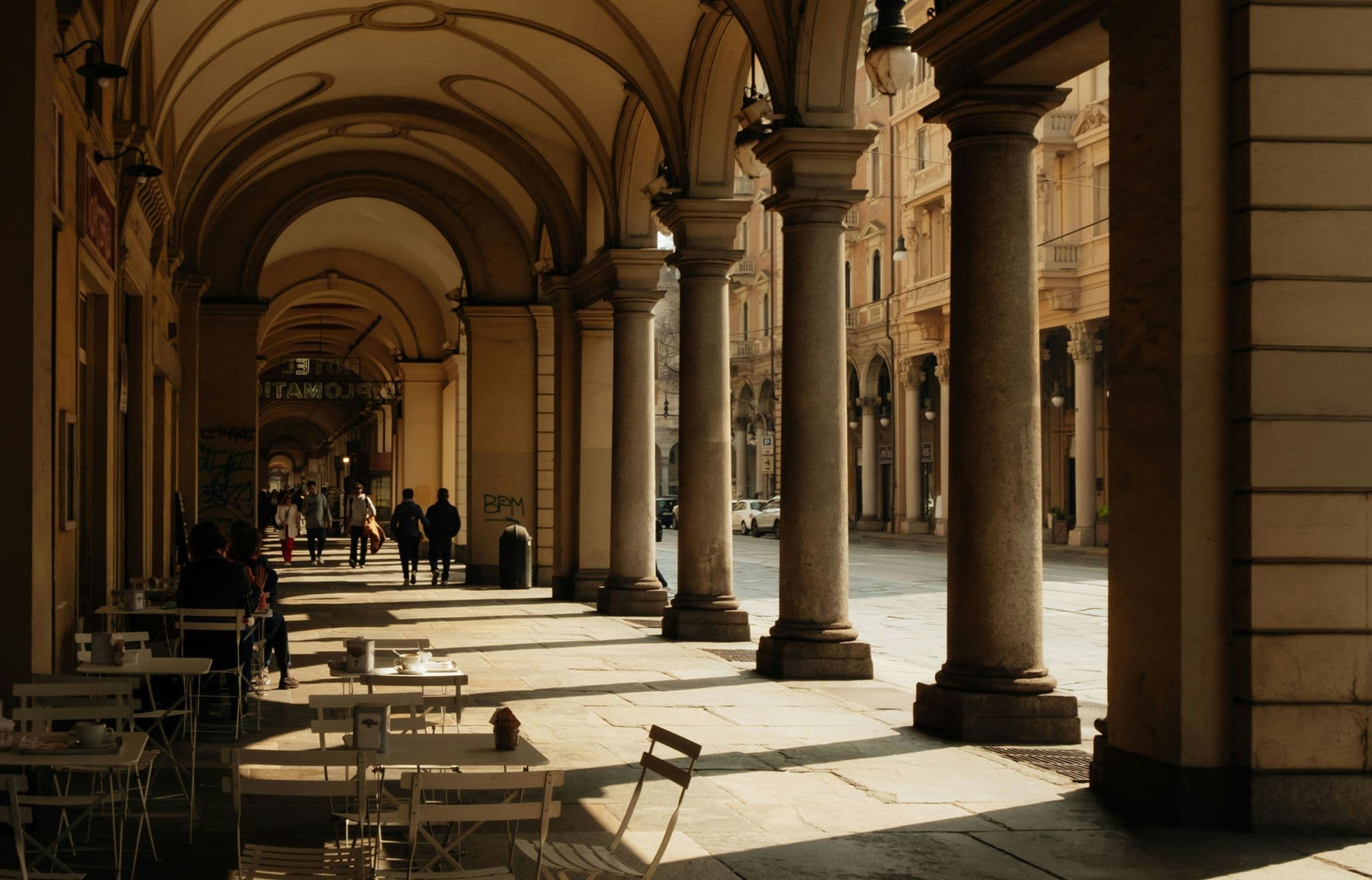
Turin, Italy. Photo: Girgori Shcheglov
Turin is easy to overlook on the Italian circuit, but for photography lovers it offers a compelling reason to visit: CAMERA Centro Italiano per la Fotografia. Founded in 2015 and housed in a converted 19th-century convent on Via delle Rosine, it is dedicated solely to photography and functions as exhibition space, education centre and archive. Its programme spans Italian and international work, and actively supports contemporary photographers in showing new work.
A short walk away, in Palazzo Turinetti on Piazza San Carlo, the Gallerie d’Italia is a vast museum space dedicated to photography and video art. It’s also home to the Publifoto Archive – seven million photojournalism images spanning six decades of Italian history.
Löydä muistoja nopeammin kasvojentunnuksen, älykkäiden albumeiden ja muiden ainutlaatuisten ominaisuuksien ansiosta.



&w=96&q=75)
19. touko 2026∙10 min
&w=96&q=75)
17. syys 2026∙8 min

&w=96&q=75)
19. touko 2026∙6 min


 Yhdysvallat