


New Year’s Eve may be the one night of the year celebrated around the globe, but how we mark the occasion varies across cultures. Across the world, customs, rituals and feasts bid farewell to the old year and welcome the new. From sweet cakes in Greece to temple bells in Japan – with plenty of fireworks in between – here’s our guide to some of the New Year’s Eve traditions from around the world.
NYE traditions from across the world
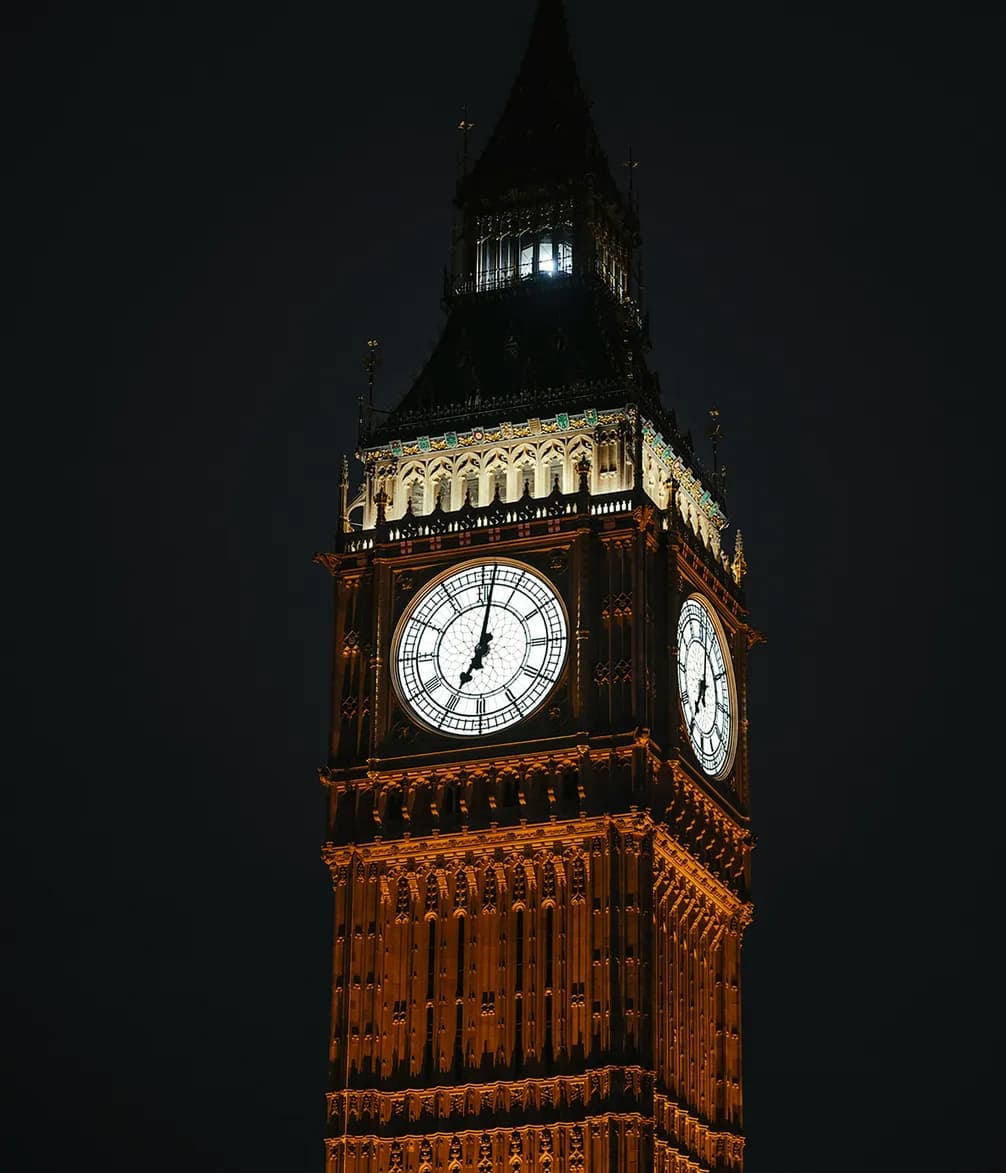
Big Ben, London. Photo: Laura Martinez, Unsplash
Photo: Kateryna Hiznitsova, Unsplash
UK
In Scotland, New Year’s Eve is known as Hogmanay, and one tradition endures: first-footing. The first person to cross your threshold after midnight is said to set the tone for the year ahead. Traditionally, that meant a dark-haired stranger arriving with gifts of coal, shortbread and a dram of whisky – tokens of warmth and good fortune. In London, Big Ben’s chimes usher in the New Year, while Robert Burns’ Auld Lang Syne brings crowds along the Thames – and living rooms across the country – together in song, arms crossed and voices raised.
Spain
At the stroke of midnight in Madrid’s Puerta del Sol, locals race to pop a grape into their mouths with each of the clock’s 12 chimes – one grape for each month of luck ahead. The tradition dates back to 1909, when grape growers in Alicante had a bumper harvest and needed to find a home for their surplus. Today, many pair each grape with a silent wish for the corresponding month.
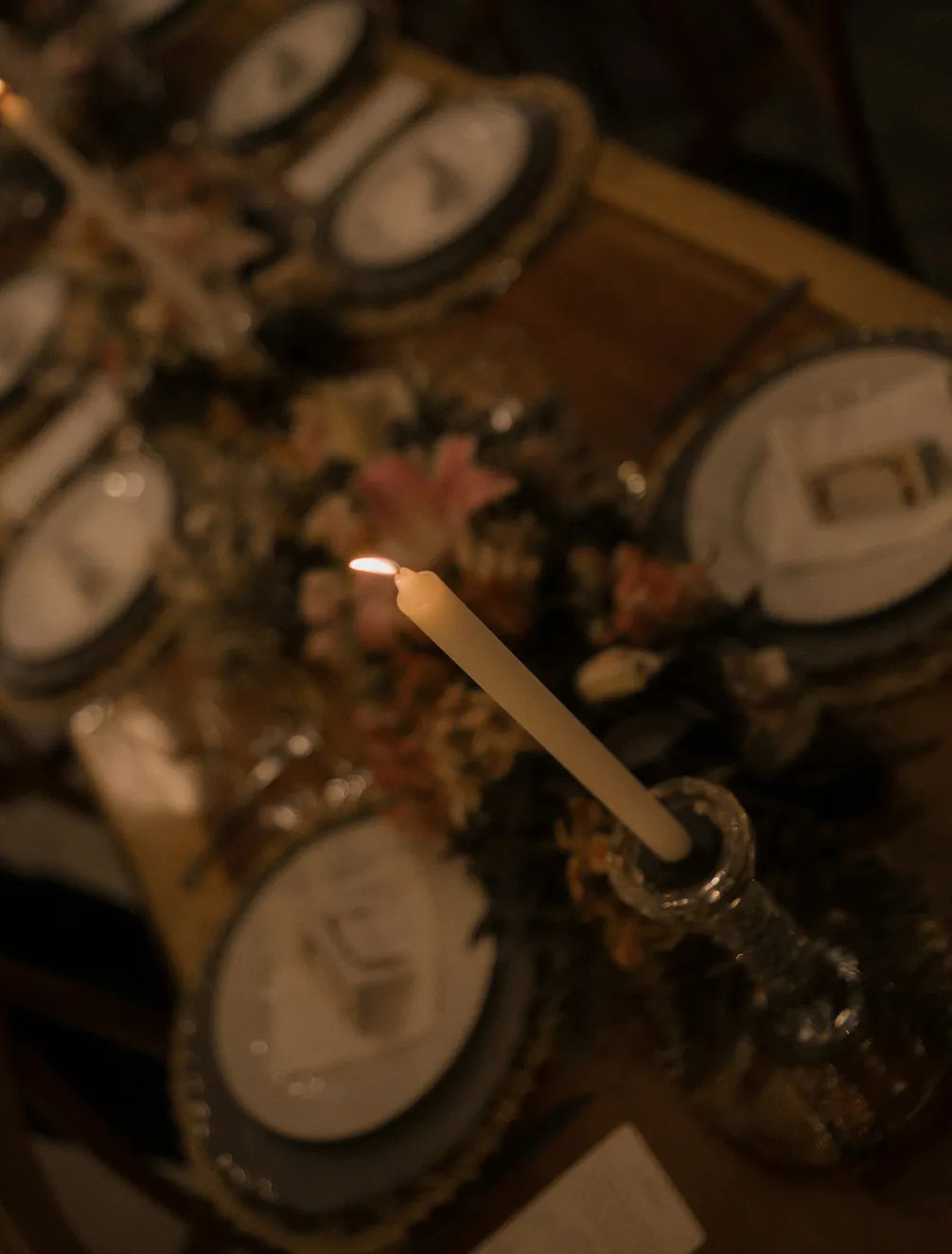
Photo: Alexander Mass, Unsplash
Denmark
In Denmark, locals welcome the New Year by smashing old plates and glasses against the front doors of family and friends – the bigger the pile, the more good fortune is said to come your way. Families and friends feast on boiled pork with kale, followed by kransekage, a towering marzipan ring cake. At midnight, everyone climbs onto a chair and jumps off together – leaping into January.
Greece
Vasilopita, a sweet cake named for Saint Basil, is sliced at midnight, with one coin baked somewhere inside – whoever finds it in their slice is said to have good luck for the year ahead. Outside the front door, households hang a sea onion, chosen for sprouting without soil or water, as a symbol of rebirth and resilience. On New Year’s Day, Greeks smash a ripe pomegranate on their doorstep, scattering its seeds in a ritual said to bring good luck, abundance and fertility.
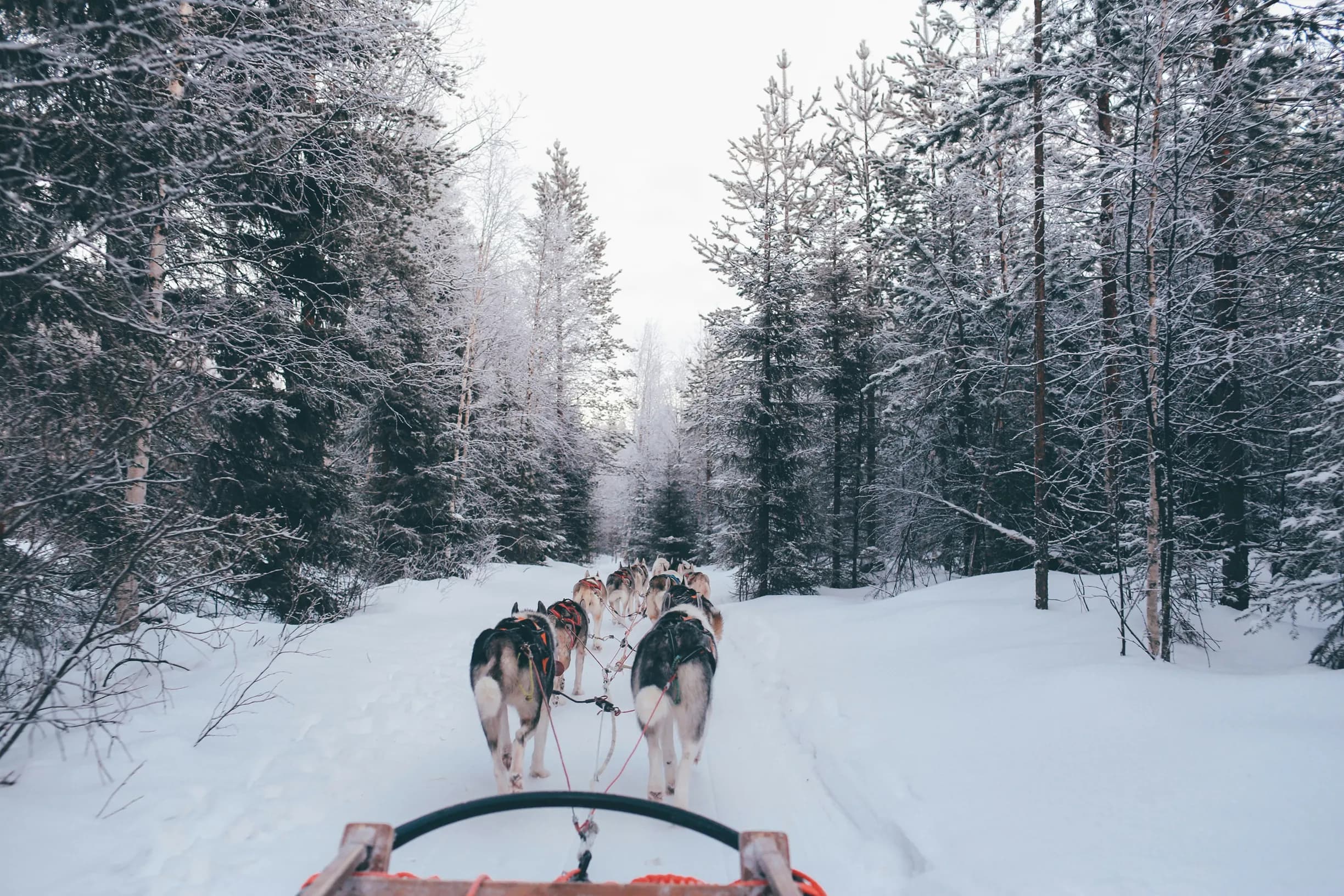
Finland Photo: Fox Jia, Unsplash
Finland
Melt a small horseshoe-shaped piece of tin over a flame, tip it into a bucket of cold water, and you have Finland’s method for predicting the year ahead. The metal sets instantly into a random shape, read – much like tea leaves – by holding it to candlelight and interpreting the shadow it casts. A ship shape means travel; a heart means romance; while a shard sharp enough to draw blood is a bad omen. In city hubs, including Helsinki’s Kansalaistori Square, fireworks displays light up the sky. Casual feasts are just as popular – tables lined with frankfurters, potato salads and crisps.
Puerto Rico
At midnight, Puerto Ricans throw buckets of water from windows and front doors, sweeping away bad energy. Sugar is scattered on doorsteps to sweeten the year ahead, while some households toss a handful of rice into the street as a symbol of prosperity. Some walk backwards into the breaking waves at midnight, washing away lingering bad luck.
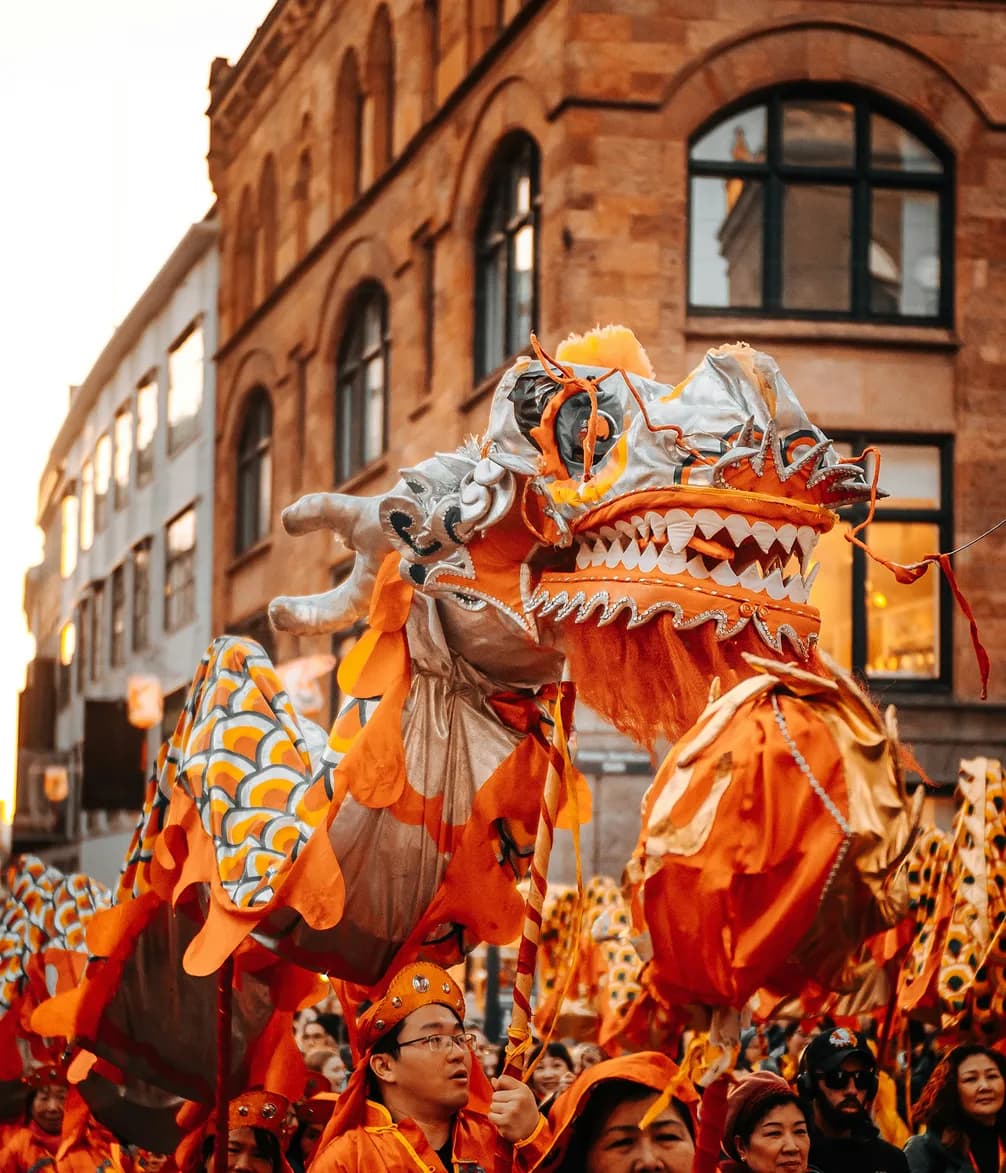
Chinese New Year. Photo: Jacob Buchhave, Unsplash
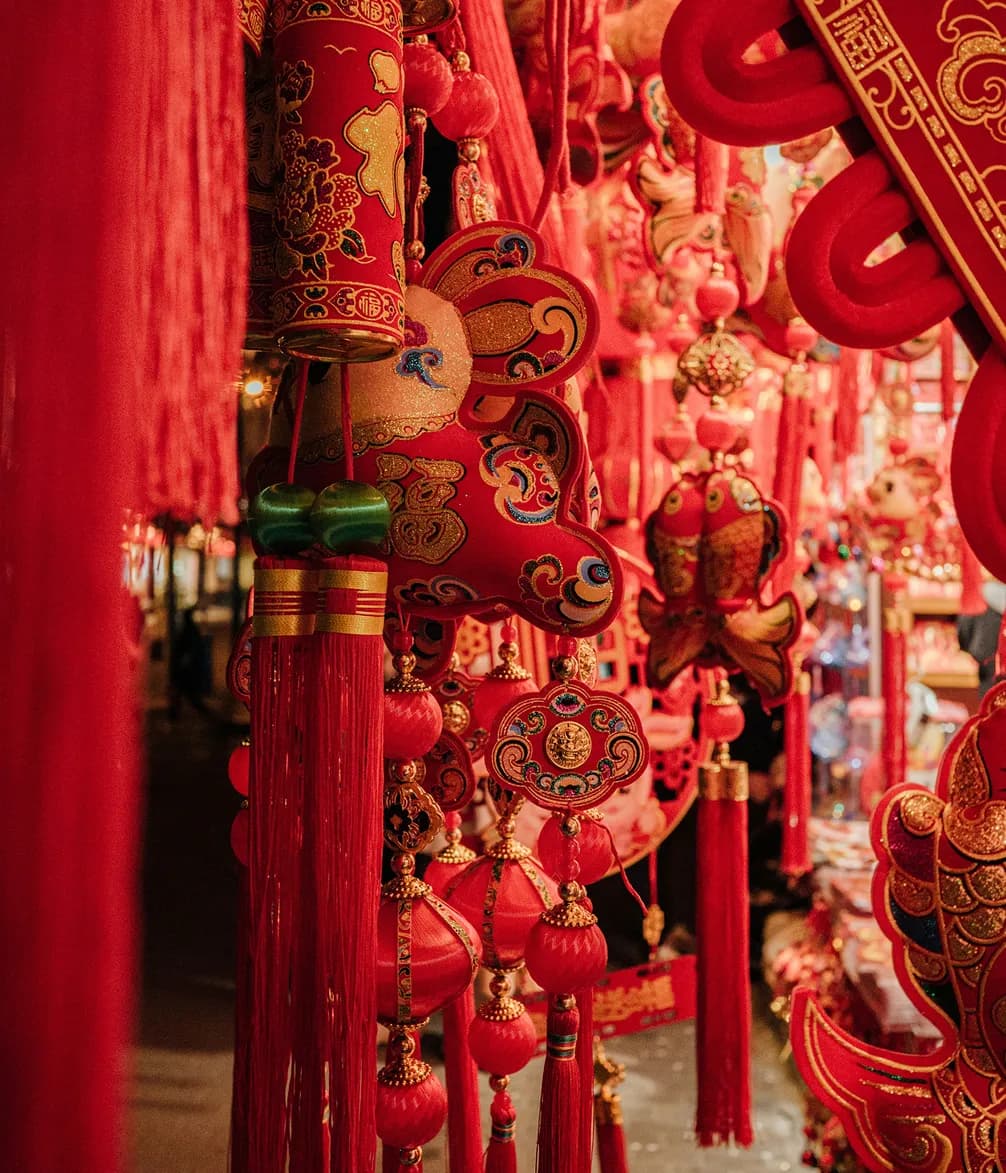
Photo: Chenyang1912, Unsplash
Japan
Families eat toshikoshi soba – long buckwheat noodles said to symbolise longevity – while Buddhist temples ring their bells 108 times at midnight in a ritual called joya no kane, each strike said to dispel one worldly desire. The celebrations begin with a deep clean of the home, said to sweep away the past year’s dirt and make way for the new. The following morning, people rise early to watch the year’s first sunrise, considered an auspicious start to the year.
China
Not every New Year falls on 1 January – China’s Spring Festival follows the lunar calendar. It triggers one of the world’s largest human migrations, as hundreds of millions travel home for the reunion dinner. Red dominates everything: envelopes stuffed with cash (hongbao) handed to children, lanterns strung outside doors, firecrackers set off to frighten away Nian, a mythical beast said to fear both. Lion and dragon dances fill the streets for days afterwards, all in service of one instruction: start the year as you mean to go on – together, loudly, and slightly in the red.
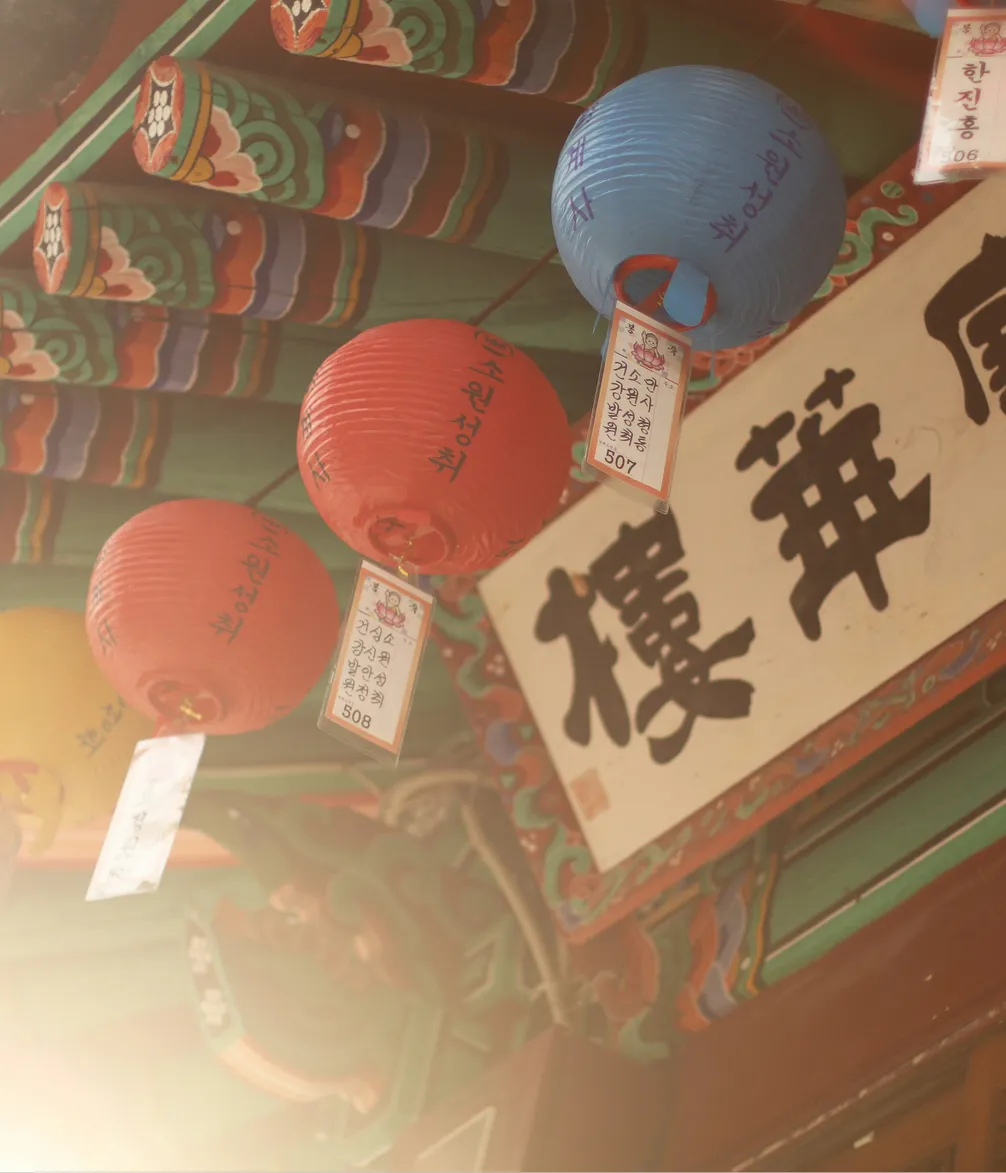
South Korea. Photo: Galaxim, Unsplash
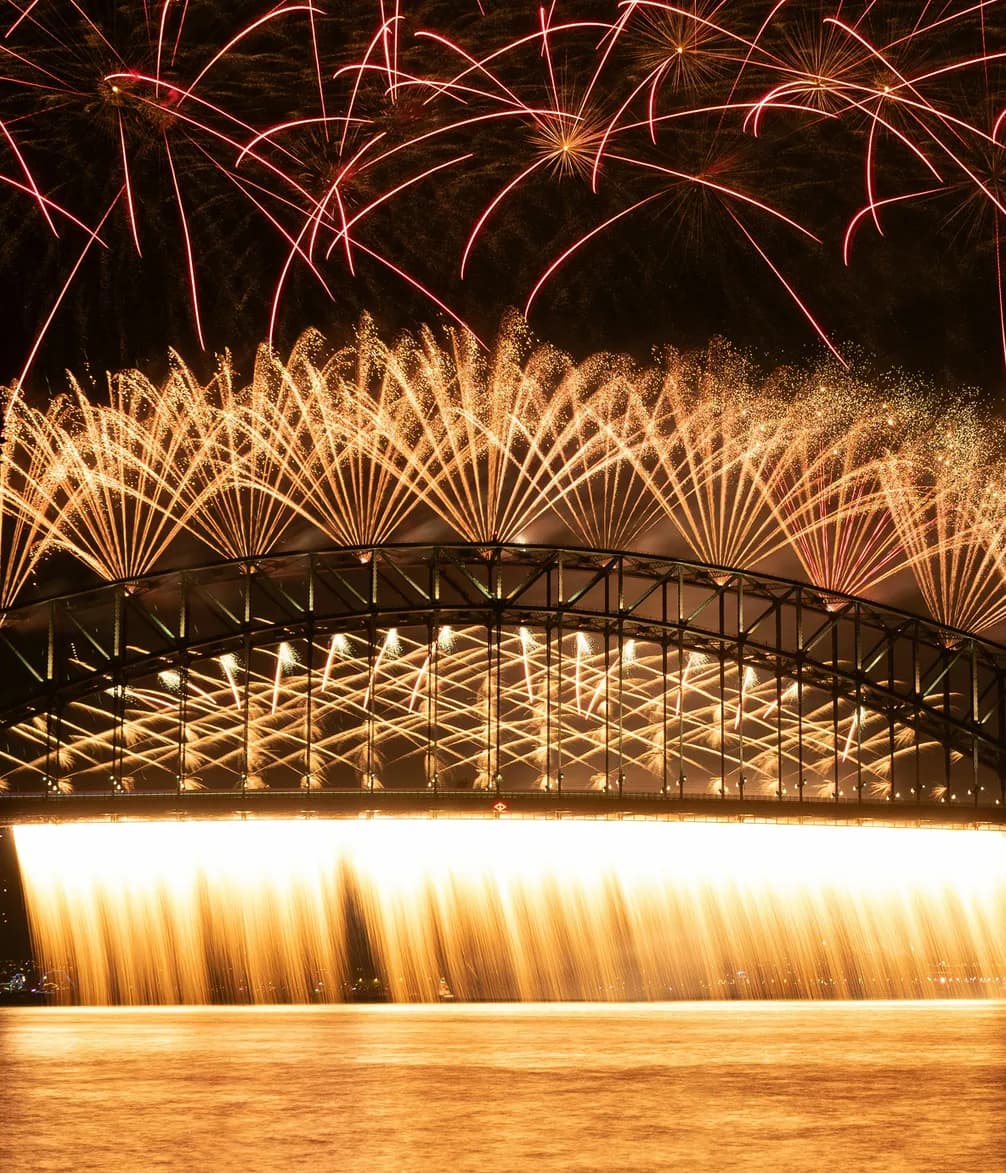
Sydney, Australia. Photo: Jayden Lynch, Unsplash
South Korea
Seollal, South Korea’s Lunar New Year, falls on the same date as China’s Spring Festival but has its own traditions. Children bow formally to their elders in a ritual called sebae, receiving cash in a silk pouch and a few words of advice. Everyone then eats a bowl of tteokguk, a soup of sliced rice cakes said to add a year to your age. Hanbok, the traditional dress, is also brought out, turning the day into a colourful celebration of Korean custom.
Australia
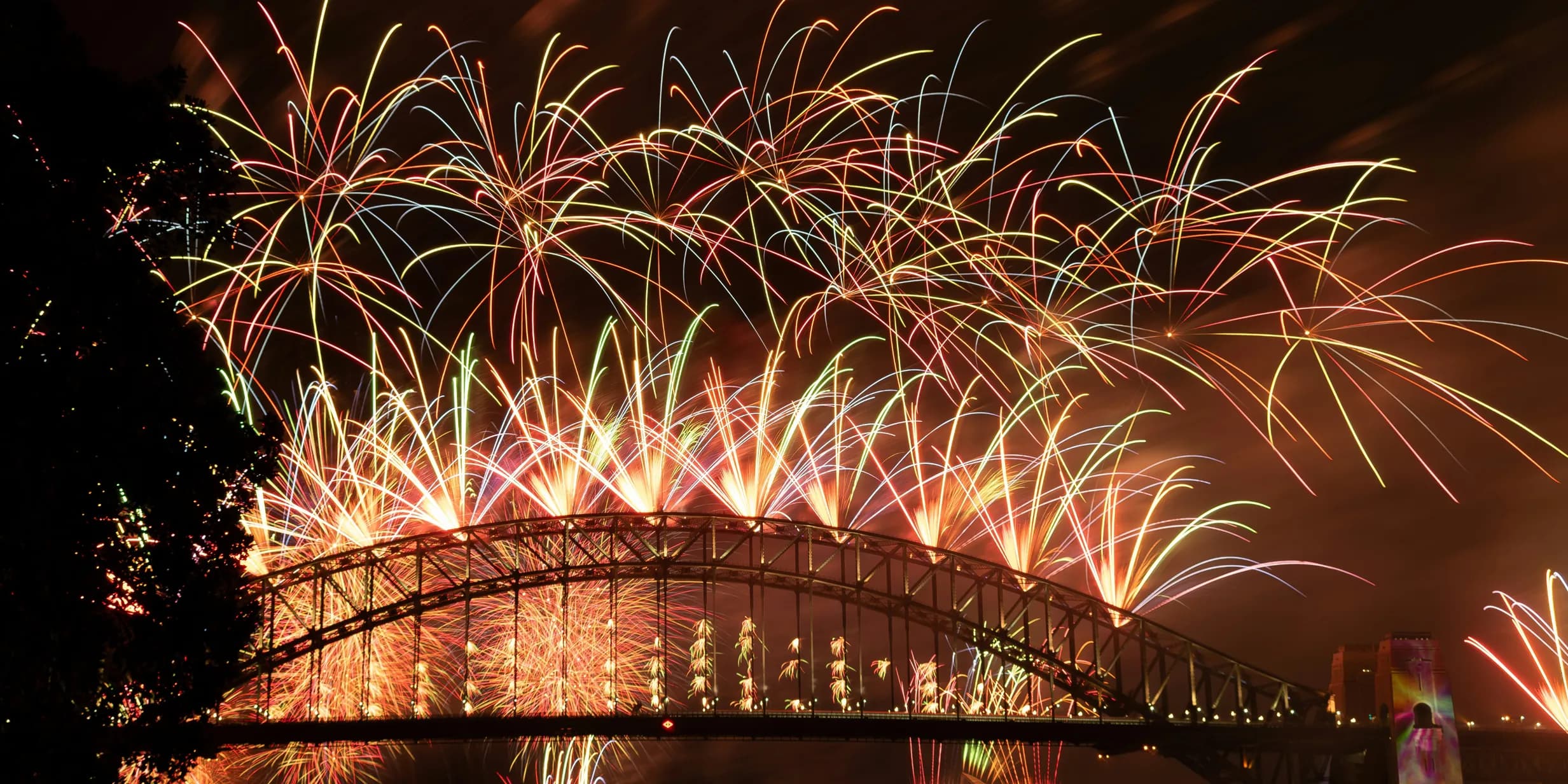
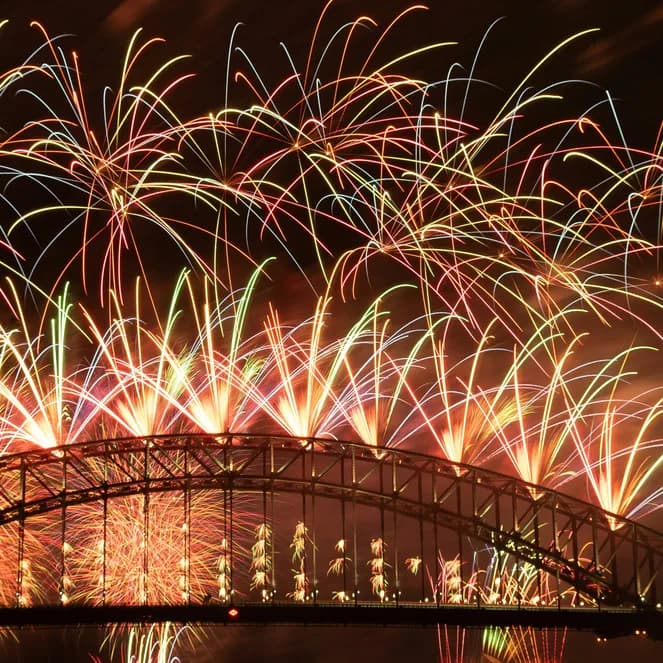
Among the first major cities to reach midnight, Sydney kicks off the world’s New Year’s fireworks, and it doesn’t hold back: nine tonnes of fireworks light up the skies above Sydney Harbour, watched by more than 1 million people along the foreshore. It falls in the middle of Australian summer, so for many locals New Year’s Eve starts at the beach – barbecues, swimming and a 9pm fireworks display for children, before the main event at midnight.
Brazil
Copacabana beach turns a sea of white on New Year’s Eve, as millions gather for Réveillon dressed head to toe in white, a symbol of peace. Offerings of flowers, perfume and small gifts are made to Iemanjá, the orixá of the ocean, and cast into the waves at midnight in hope of her blessing. Fireworks light the bay for half an hour, while some wade in and jump seven times over the breakers – one for each wish.
Download the app
Discover memories faster with exclusive features like facial recognition and smart albums.



&w=96&q=75)
&w=96&q=75)
25 Sep 2026∙-5 min

&w=96&q=75)
16 Dec 2025∙7 min


 United States