Photography

Sunrise to sunset: why Italy is Europe’s best destination for light

A photographer’s guide to mastering timing, direction and camera settings

Smiling dark-haired man in a black suit and open-collar white shirt, head-and-shoulders portrait on a dark background.

29. apr. 20266 min

Sunrise to sunset: why Italy is Europe’s best destination for light

Artikel overblik

  • The difference between a snapshot and a compelling image often comes down to one thing: learning to read, anticipate and control light before you even raise your camera.

  • Timing, direction and quality of light are the three pillars of great photography.

  • Preparation is everything: check weather forecasts the night before, use apps like Alpenglow, experiment with ISO settings and learn to read how light shifts throughout the day to shoot with intention rather than luck.
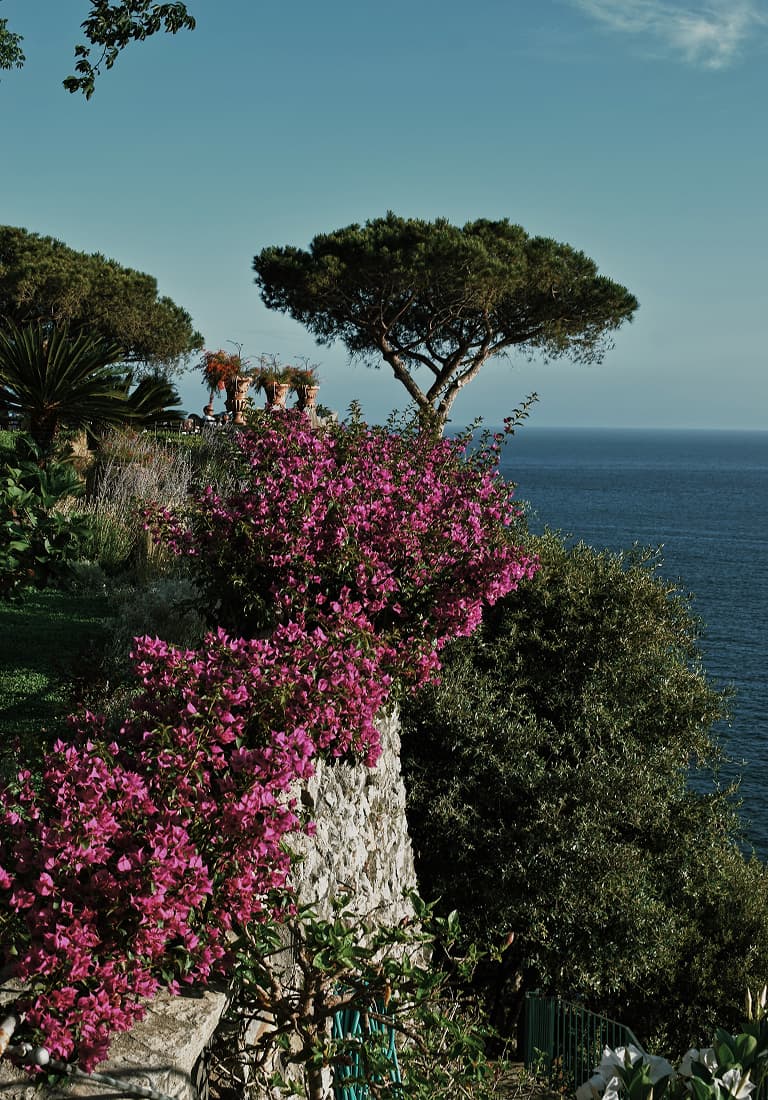
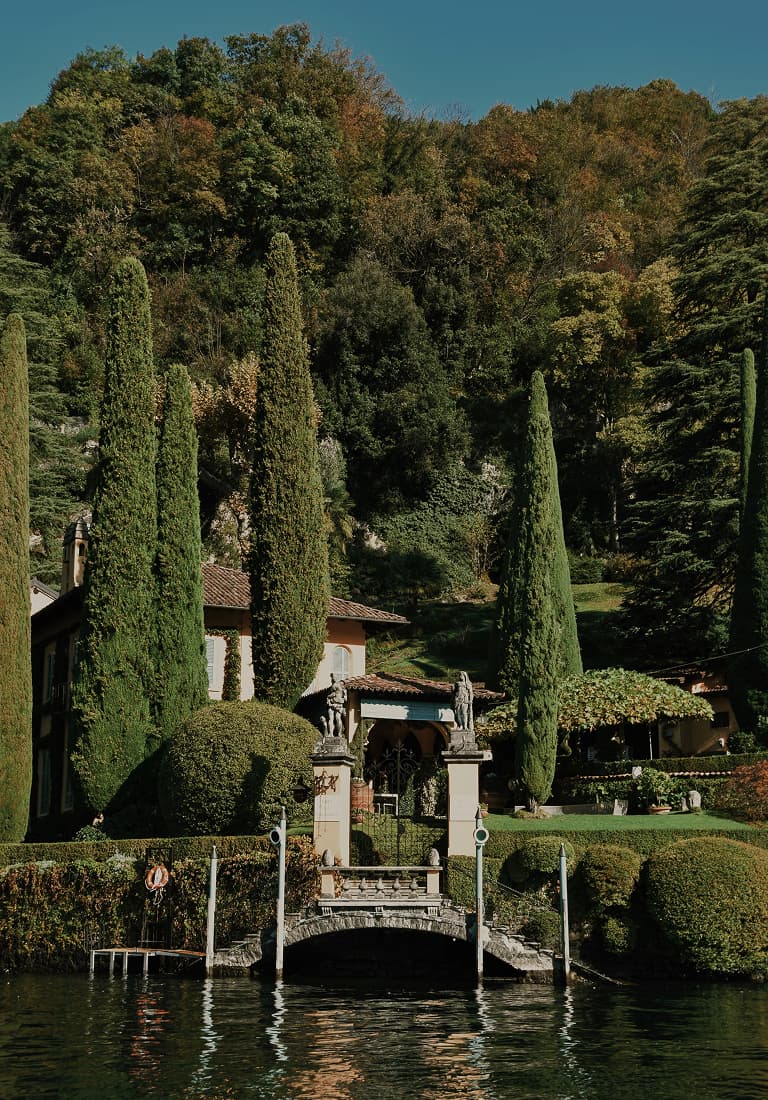
Ask any photographer what they obsess over, and the answer is almost always the same: light. Beyond creative vision, it’s fundamental in shaping the mood, atmosphere, texture, form and colour of an image. Its quality, especially when timed well, can transform even the most ordinary scenes into something extraordinary. Mastering light has taken over a century and it remains the defining ingredient in creating emotional depth and compelling visual storytelling. But where is the world’s ultimate round-the-clock cover star?

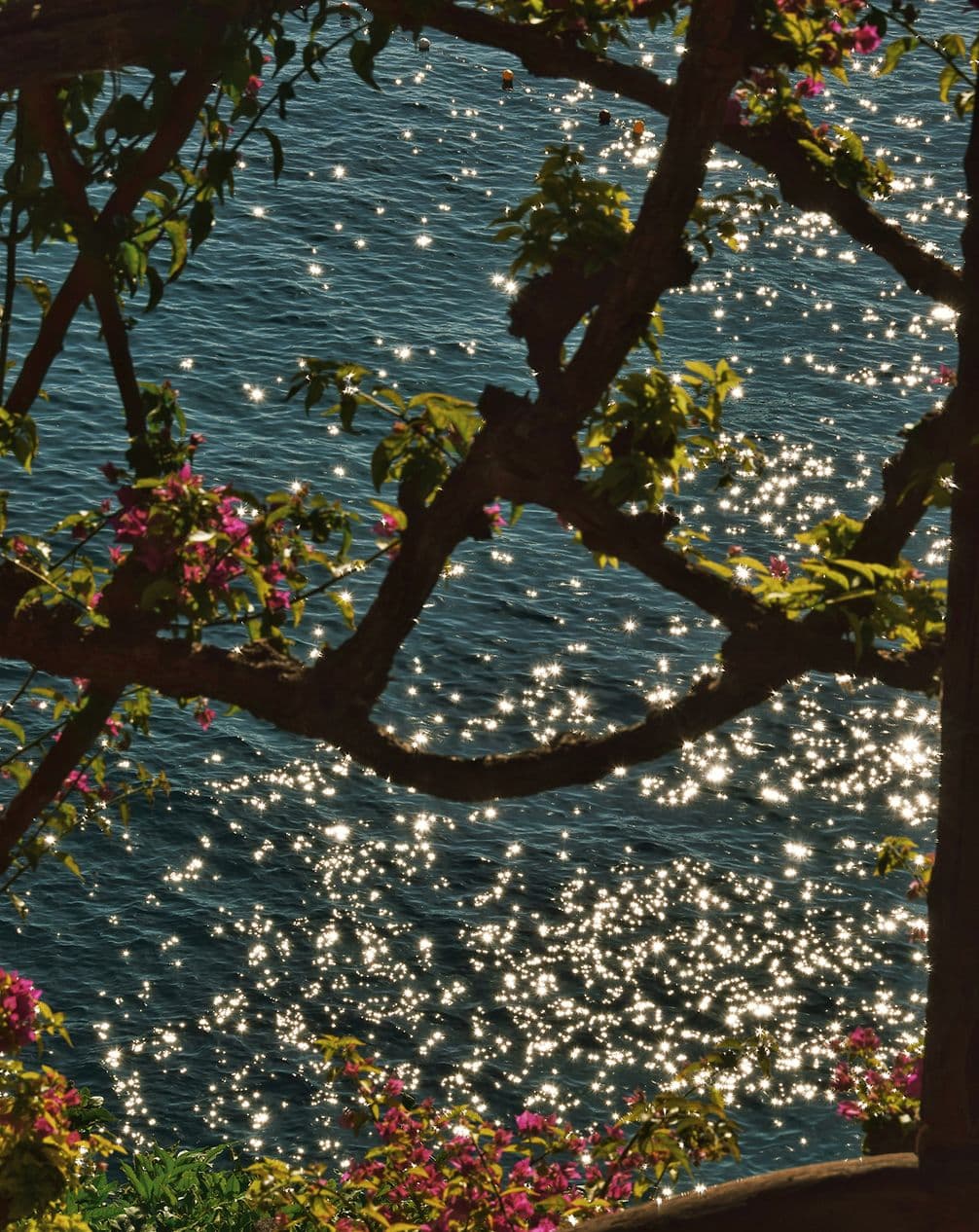
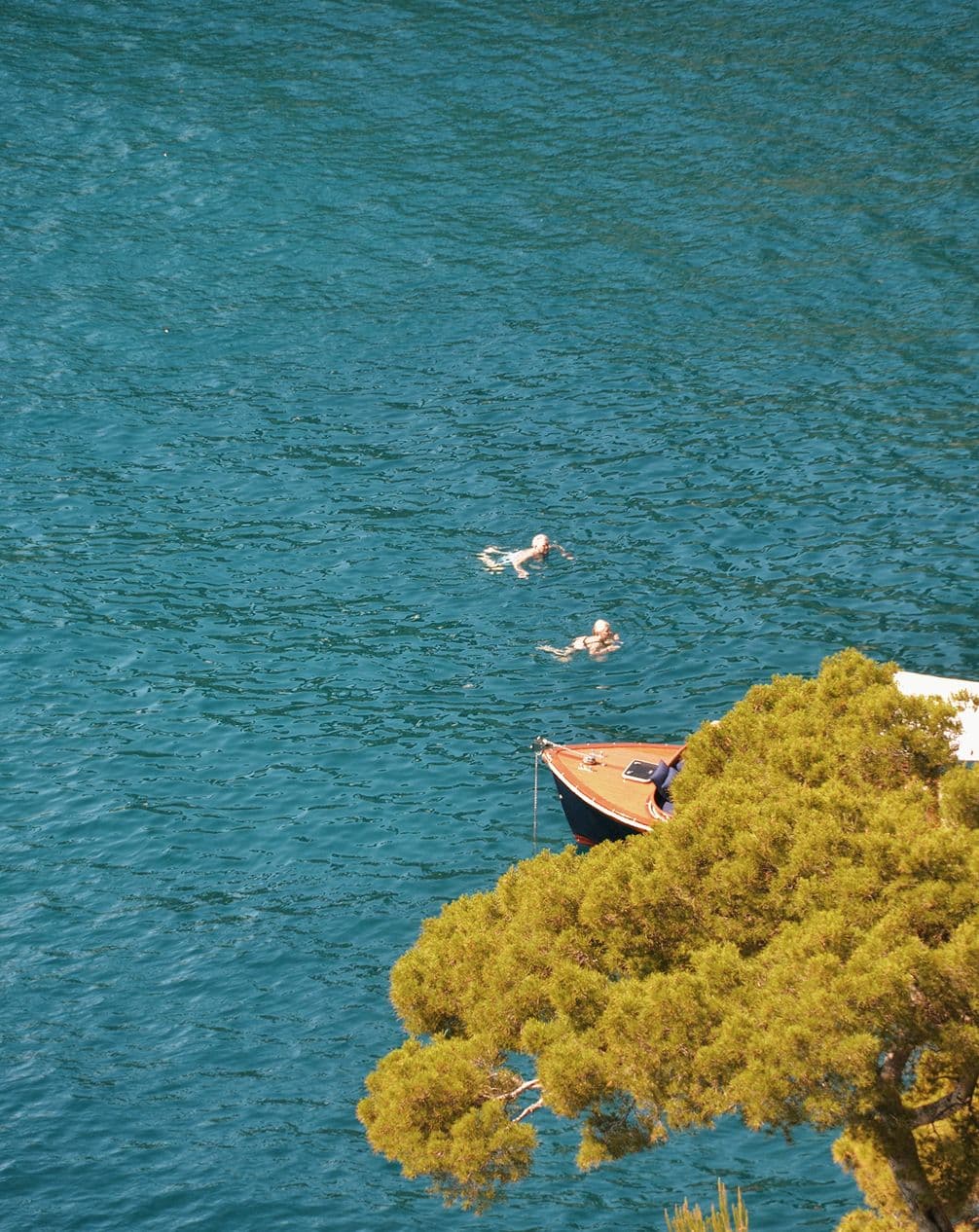
Amalfi Coast. Photos: Luke Abrahams

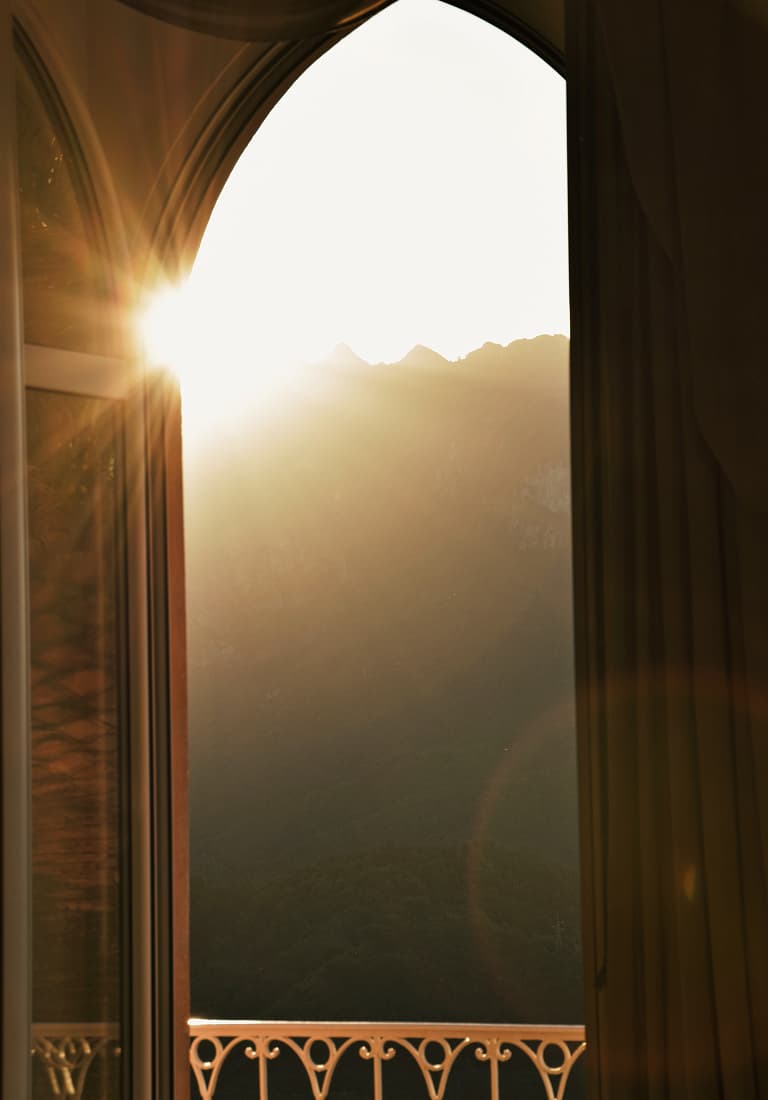
Villa La Cassinella, Lake Como

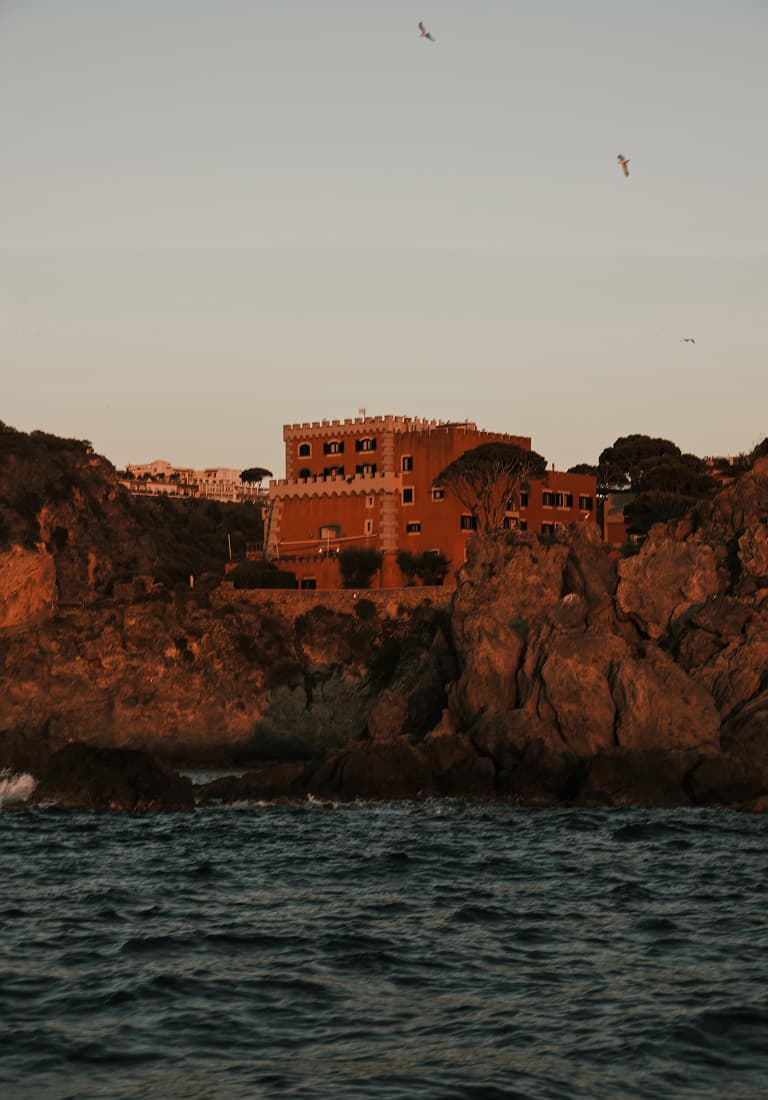
Mezzatorre Hotel & Thermal Spa, Ischia

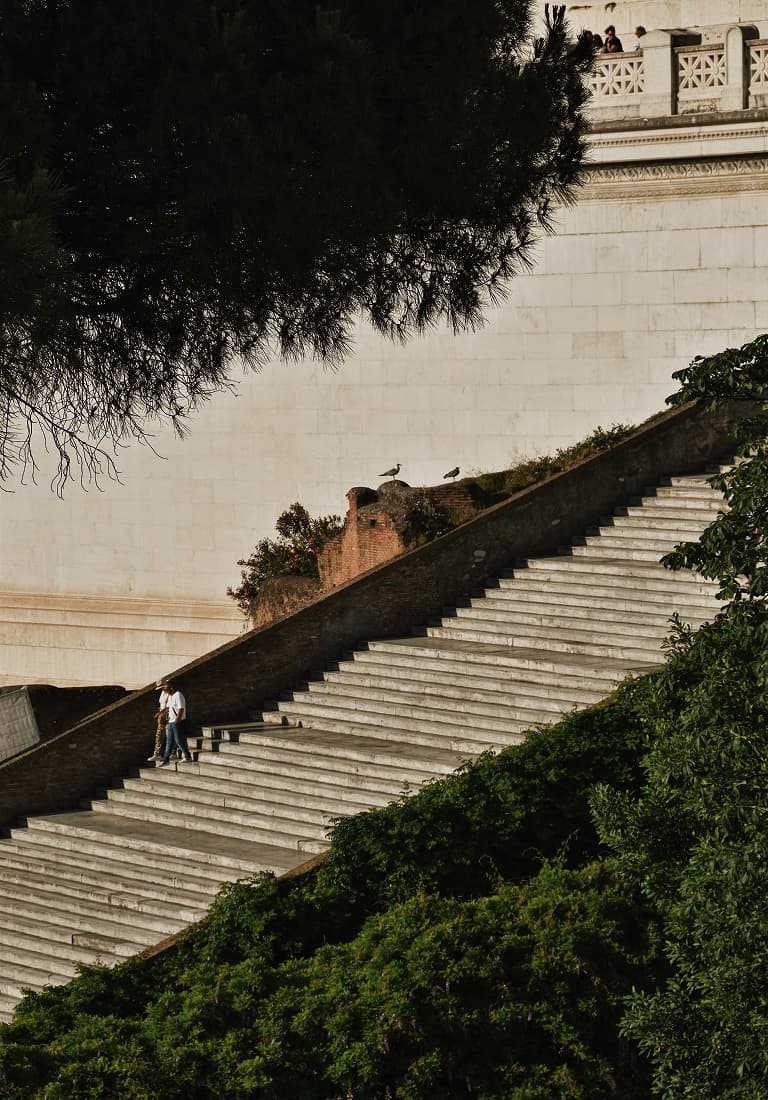
Spanish Steps, Rome

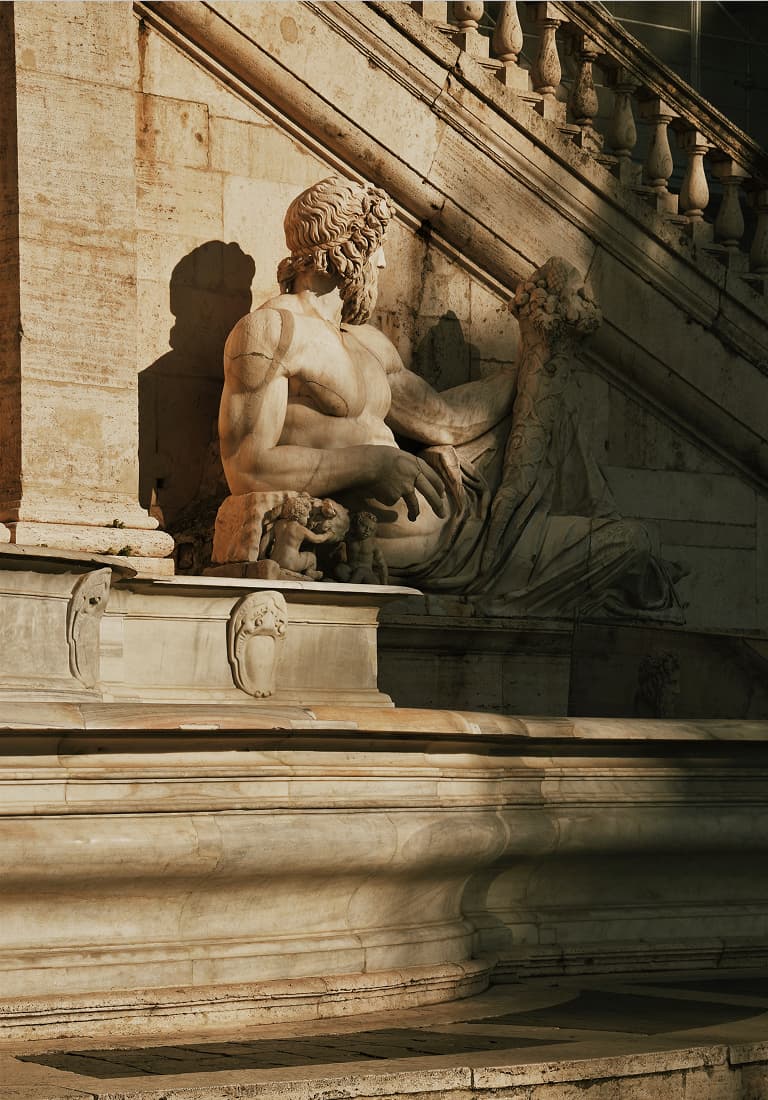
Palazzo Senatorio, Piazza del Campidoglio, Rome

If there is one place on Earth seemingly made for golden hour, it’s Italy. From sunrise to sunset, the light here is as dramatic as it is emotive, shaped by a rich interplay of diverse landscapes, ancient architecture and warm, luminous tones. Regionality plays its part, too. Unlike anywhere else I’ve visited (140 countries and counting), Italy feels like multiple worlds woven into one. There are dramatic coastlines from Amalfi to Cinque Terre, rustic countryside in Umbria, Piedmont and Emilia-Romagna, and historic cities like Rome, Bologna and Siena that offer endless opportunities for richly textured, colour-soaked and deeply storied compositions.

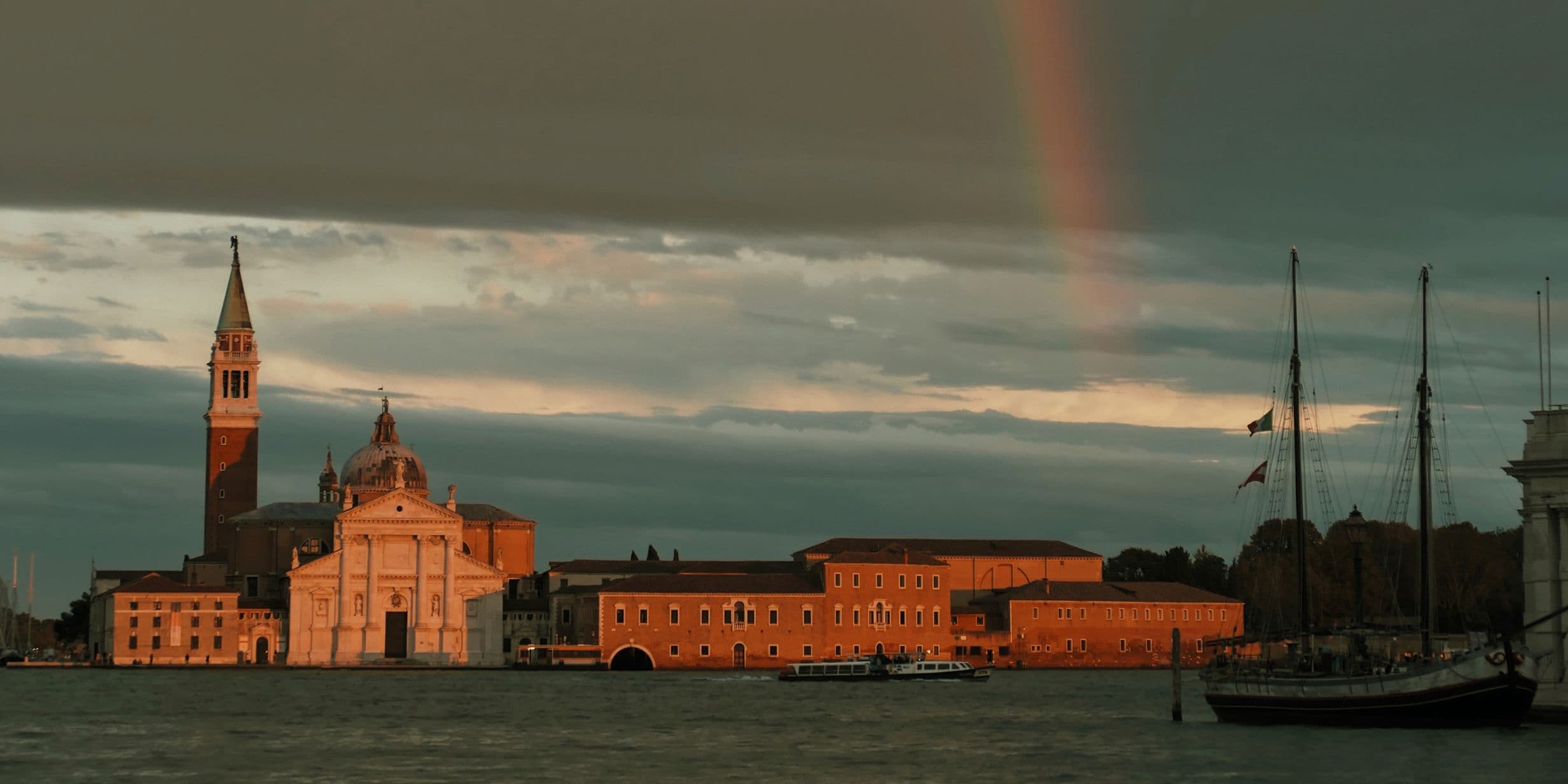
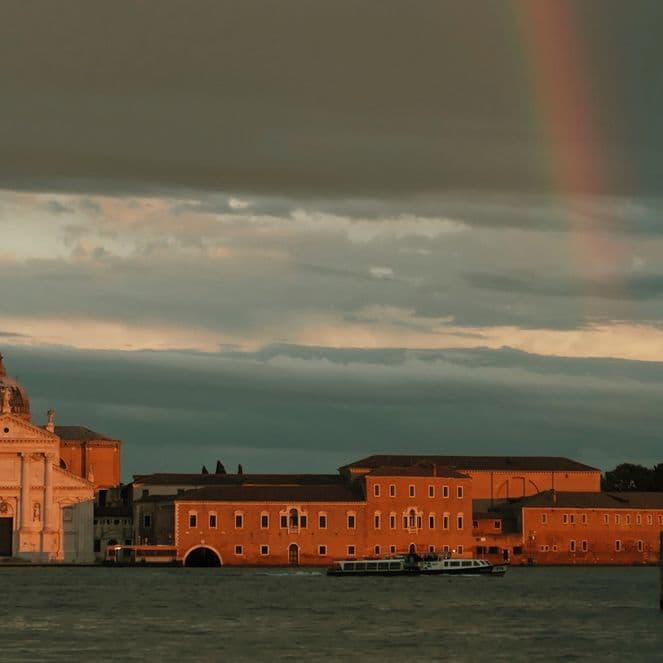
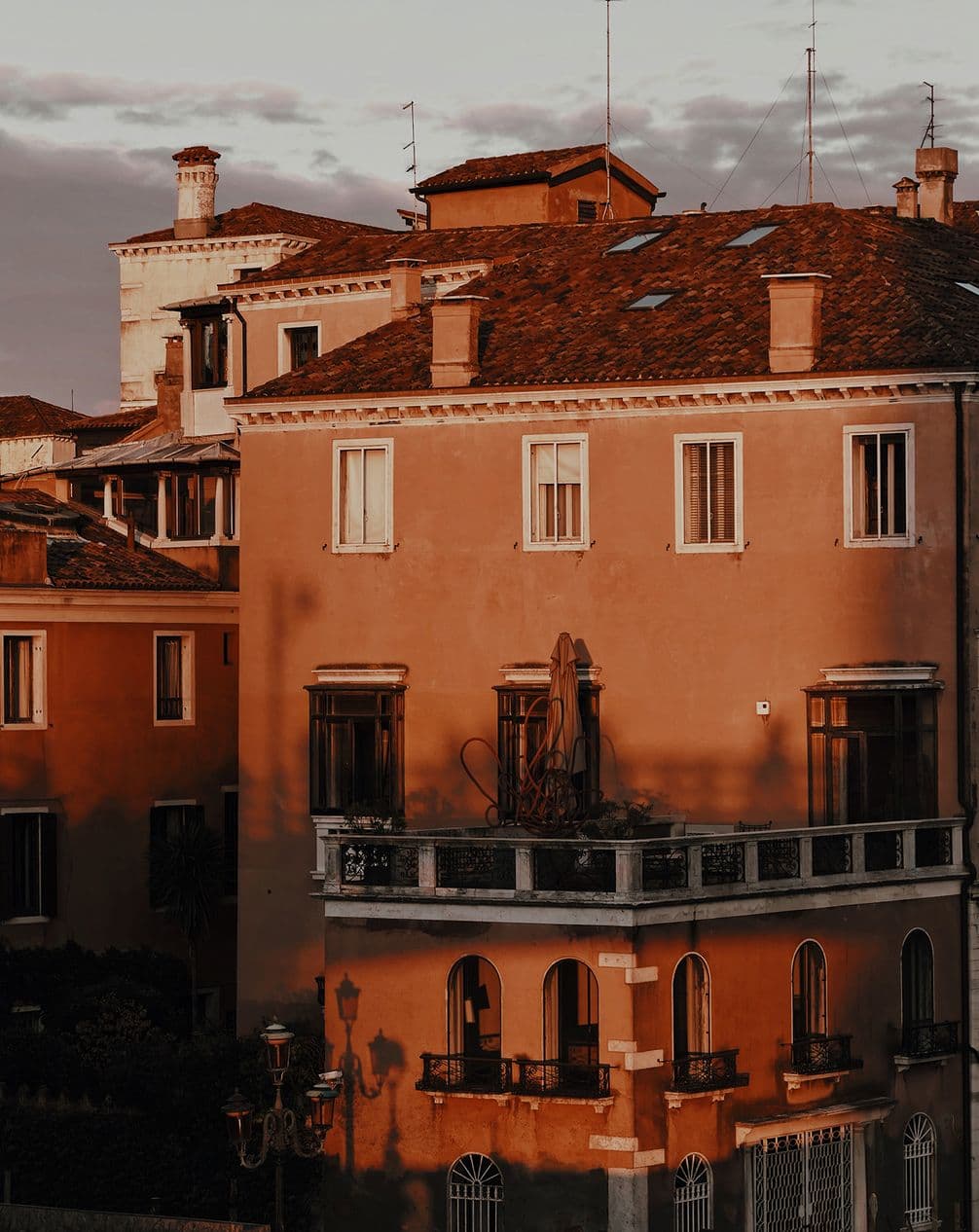
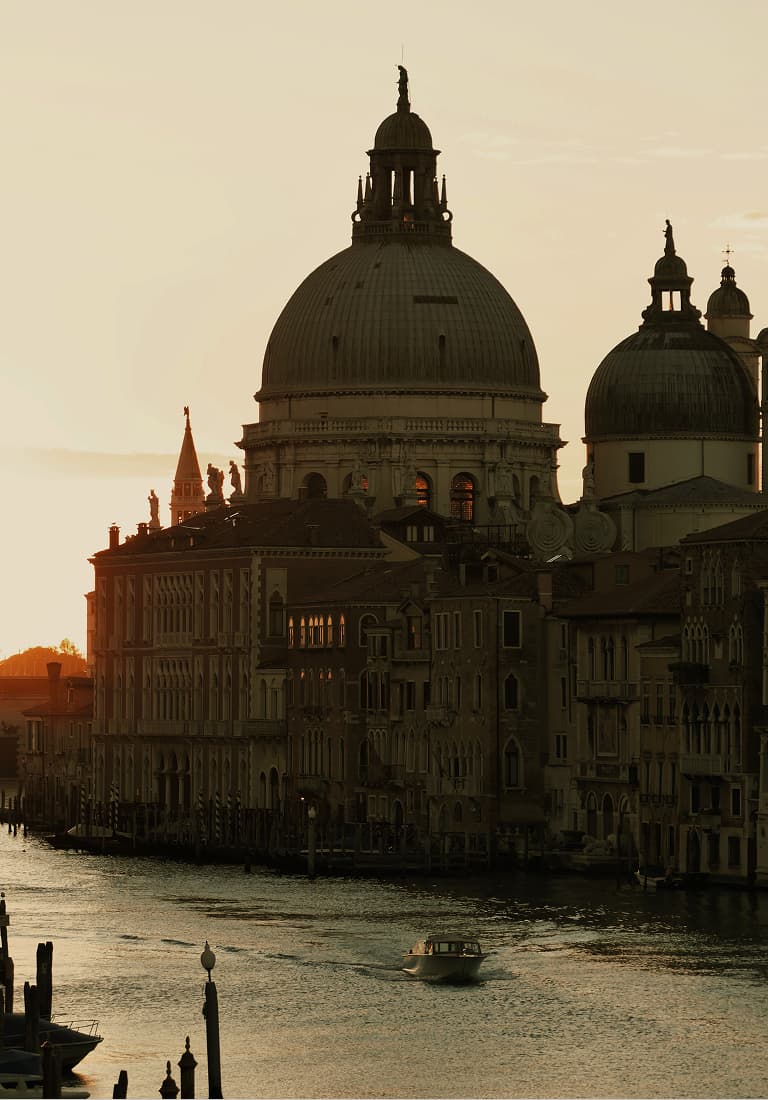
Venice. Photo: Luke Abrahams

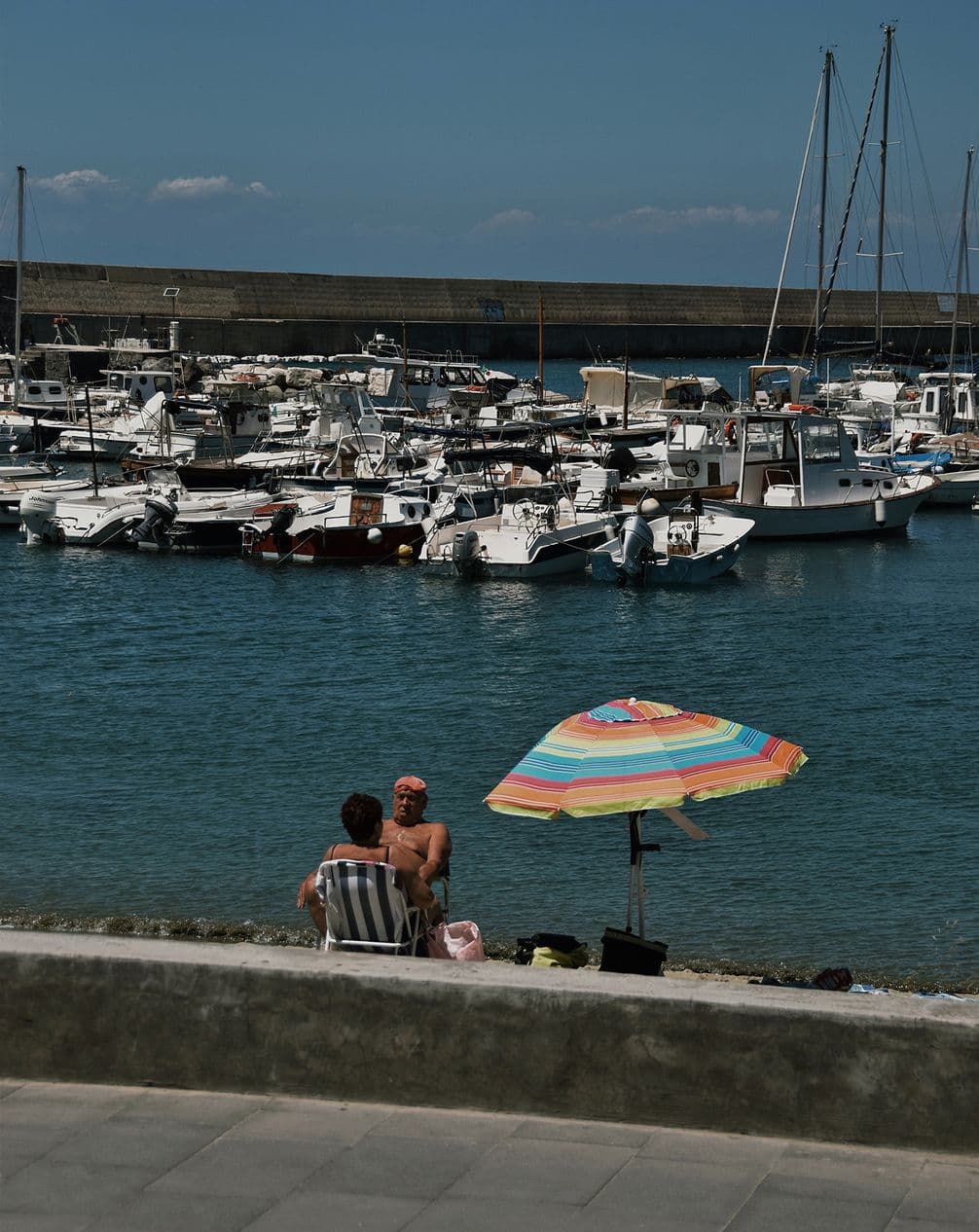
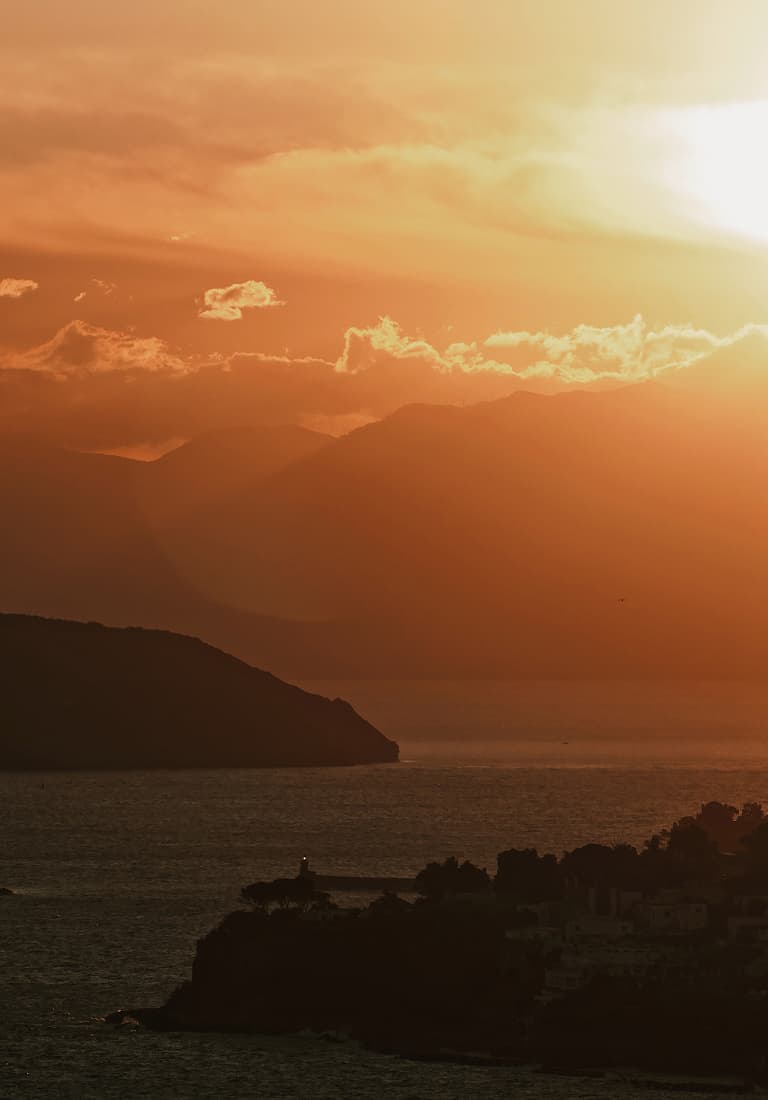
Ischia. Photo: Luke Abrahams

The atmosphere is equally essential. From narrow streets and winding alleyways to the effortless rhythm of La Dolce Vita, Italy’s street, beach and piazza scenes feel like a timeless living gallery, heightening its photographic allure. In short, it is Europe’s premier destination for light – one that has long captivated amateurs like myself and icons such as Slim Aarons.

Essential tips for mastering light, from dawn to dusk 

As with anything in photography, preparation is key. Wherever I am, whether in Italy or elsewhere, I check the weather the night before and use apps like Alpenglow to forecast sunrise and sunset conditions. I’ll set an early alarm to assess the landscape at first light, scanning for cloud cover, movement on the horizon or fleeting moments of life, from fishing boats to wildlife.

Ischia. Photos: Luke Abrahams

Ischia

Santa Maria della Salute Basilica, Venice

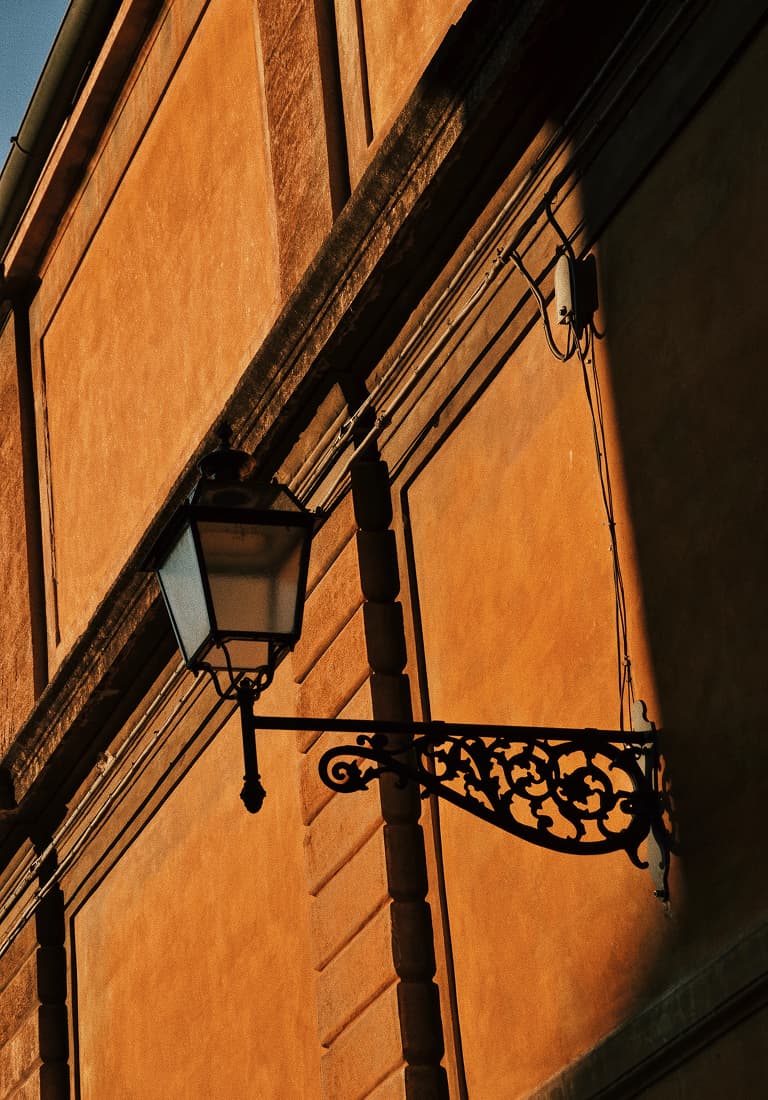
Rome

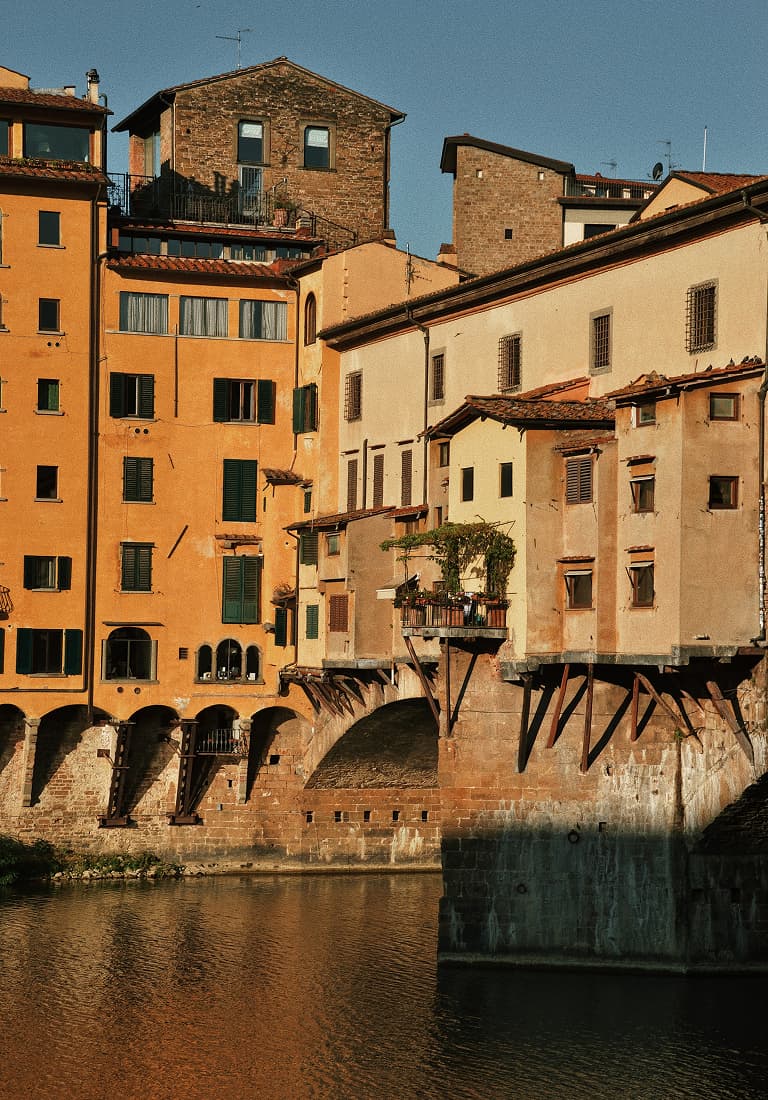
Ponte Vecchio, Florence

Ultimately, light quality dictates image quality. Hard light (direct sunlight) produces strong, defined shadows and a more contrast-driven aesthetic. Soft light (diffused by cloud cover) creates smoother gradients and more delicate tonal transitions. Timing is everything: sunrise and sunset bring softer, more atmospheric hues, while midday delivers harsher, more intense light that can add energy and visual tension.

Direction matters just as much. Front lighting minimises shadows and enhances colour; side lighting introduces texture and depth; backlighting adds drama, creating silhouettes and subtle halos. Learning to control how much light enters your camera is what elevates a photograph from a fleeting snapshot to something more immersive and expressive.

Experimentation is essential. Adjust your ISO and capture multiple variations of the same scene. Lower ISO settings tend to produce cleaner, more striking images, encouraging the viewer to linger and absorb the finer details.

Portofino. Photo: Luke Abrahams

Amalfi Coast. Photo: Luke Abrahams

Colour temperature is another crucial factor. Light shifts throughout the day – bright conditions flatten tones, while lower light introduces warmth and golden depth. Shooting across different times and weather conditions allows you to shape mood with intention. And don’t shy away from clouds, they soften contrast and introduce cooler, blue-toned light that the naked eye often overlooks.

Suggested settings

  • Sunrise/sunset: ISO 100, f/4, 1/250

  • Bright sunlight: ISO 100–200, f/8–f/16, 1/100–1/1000

  • Overcast: ISO 400, f/2.8, 1/125

Balanced exposure is everything. A tripod is invaluable for manual shooting, but if you’re anything like me, especially at dawn, auto mode with a simple ISO adjustment can be just as effective. No matter the time of day or season, great light is always there – you simply need to know how to find it.

Indlæser…

Download appen

Find minderne hurtigere med eksklusive funktioner som ansigtsgenkendelse og smarte albummer.

App StoreApp Store
Download appen