Popsa bakom kulisserna

Inside Popsa’s mission to turn memories into meaning

By blending artificial intelligence, psychology and design, Popsa helps people understand their lives, relationships and identity – going far beyond photo printing

Inside Popsa’s mission to turn memories into meaning

Artikel i korthet

  • Popsa uses AI and design to help people identify meaningful moments and better understand themselves.

  • The product is built around healthier forms of reminiscence and meaning-making, reducing friction by removing decisions rather than adding options.

  • By using privacy-minded, opt-in intelligence we aim to evolve from a tool into a collaborative destination for memory-making.

Popsa is building a new generation of services that combine artificial intelligence and thoughtful design to help people understand the meaningful events in their lives – and, in turn, understand who they are. Although this vision was first articulated several years ago, it remains strikingly accurate today – not because it was static, but because realising it has always been a long-term journey.

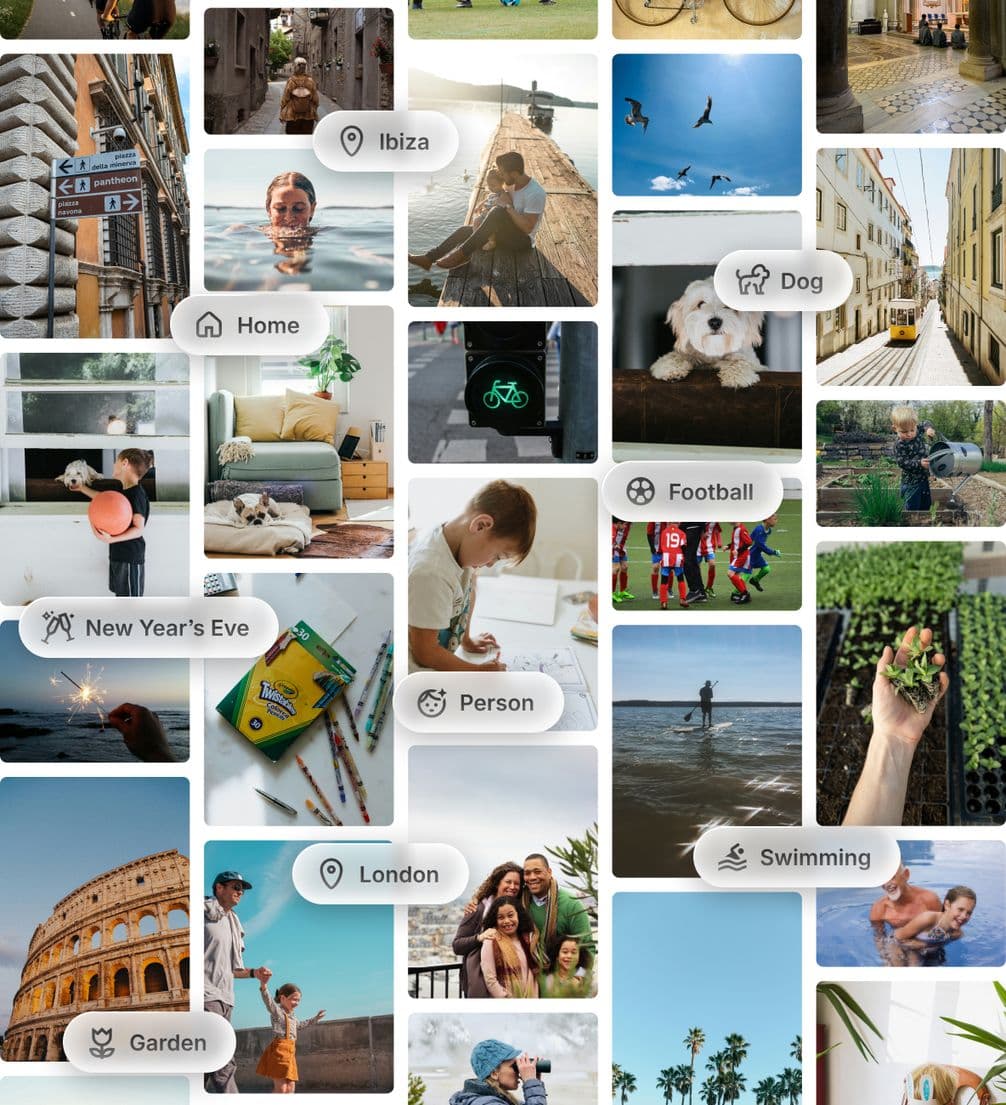
Popsa captures the full spectrum of life’s moments, from sports days to afternoon tea, safaris to snowball fights

A confluence in time

Our ancestors have been sharing stories since the dawn of humanity, and although the methods have changed, the subconscious need to pass on our experiences and values hasn’t – we believe it’s more prevalent than ever. Nowadays, we take photos for all sorts of reasons: to record the best of our lives, to remind ourselves of mundane tasks, and even for communication. In the last decade there has been an explosion of visual media – the only comparable event is the invention of the printing press in 1436.

At the same time, we are witnessing a new age of computing, one in which vast amounts of data can be rapidly processed on devices that we hold in our hands. The convergence of these phenomena – the human instinct to share experiences, the proliferation of photography and the acceleration of privacy-preserving mobile processing power – has given rise to Popsa. What’s notable in hindsight is that while the technology landscape has shifted rapidly, the underlying human need this vision addresses has not.

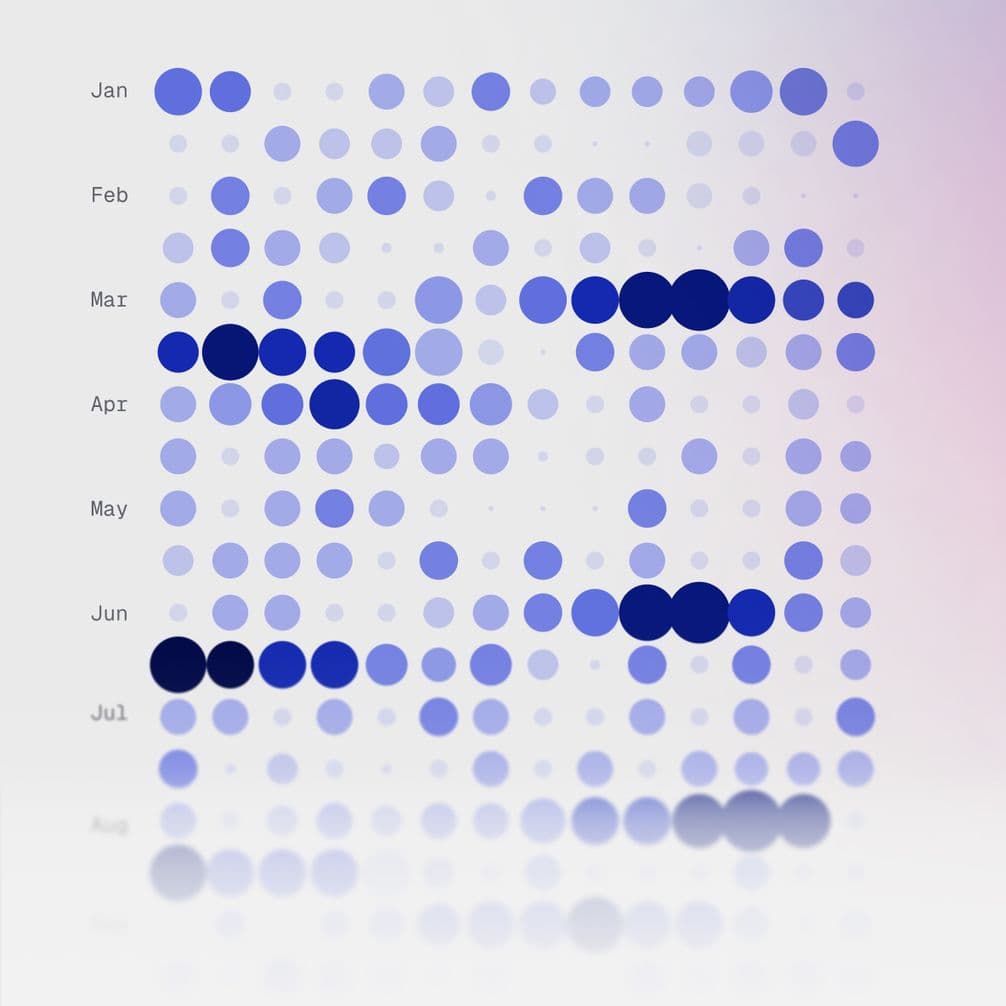
Photo Behaviour Analysis: a sudden change in your photo habits can indicate a big life event. We notice these patterns to help you record truly meaningful moments

Beyond print

Our colleagues didn’t join Popsa to build a printing app. That’s just a stage we are passing through. We’re not creating another Photobox or Shutterfly. Our ambitions go far beyond that.

For us, the printing of memories is just one manifestation of a more fundamental human need: our innate desire to understand who we are. That’s not to say we intend to dilute the business we have built on printing photos – quite the opposite. We believe that building a better service for these customers will also lead us into building something increasingly valuable to those who don’t have any intention to print at all. In practice, this has meant deliberately sequencing our roadmap: strengthening the data foundations first so that more ambitious manifestations can follow.

Why do we believe this?

Our customers don’t print because they love flicking through pages or admire the quality of our binding. When we talk to them, it quickly becomes clear there are much more subtle – and often subconscious – reasons. People choose to reminisce in this way to be a better parent, to impress their neighbours, to leave a legacy, to strengthen a relationship, or to come to terms with loss, amongst other things. All of this sounds deep at first, but when you stop and think about it, curating the best of your experiences and relationships is a perfectly rational way of processing your life. As our understanding has matured, we’ve come to see printing not as the destination, but as one of many possible expressions of this deeper process.

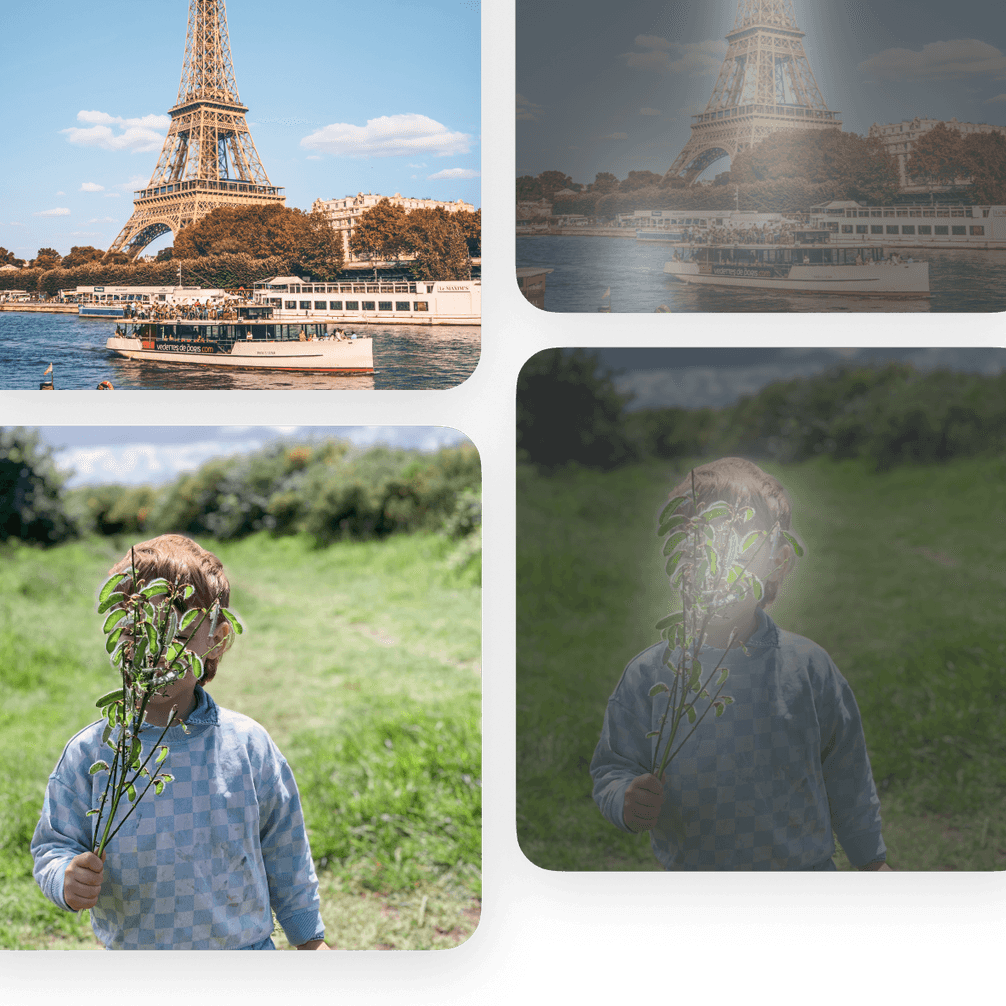
Saliency Detection: we identify the most emotionally important areas of each photo to ensure layouts preserve what matters most and there’s no awkward crops or missing faces

Healthy reminiscing

What is the evolutionary reason for instinctively wanting to record and relive? Memory, in general, is obviously essential for survival. But perhaps even more so is an understanding of the events in those memories. Humans have evolved to reminisce primarily as a way of increasing our understanding of the world around us. And the more we understand things, the more we can improve our chances of success and happiness within that world. We can make ourselves better people, and lead more satisfying lives, by self-reflection. However, it is important to recognise that bringing up memories of past events is not automatically a good thing. In fact, there are different types of reminiscence, and some are more healthy than others.

“Obsessive” reminiscence (characterised by always looking at the past in its most negative light) and “escapist” reminiscence (a view of the past so positive that we long to return to it) are extremes on a spectrum. Both can be damaging. Popsa exists to increasingly help our users process their thoughts through healthier forms of reminiscence: transmissive, instrumental and integrative. Together, these help us realise that ups and downs are part of life’s great story. While we rarely frame our work internally in overt mental health terms, we increasingly recognise that helping people process their lives more holistically has profound downstream benefits.

Finding meaning

It’s clear that just remembering doesn’t necessarily confer benefits. Quality reminiscing involves effort, evaluation and the extraction of meaning. Not everyone can access this ability – at least not to the same degree. Our mission at Popsa is to help these people find meaning in their lives. Most people struggle to access healthy reminiscence because there is simply too much life to sift through, or because they feel ill-equipped to create something meaningful from the content they’ve accumulated. There is a natural parallel to what we’re doing at Popsa: dreaming. When we dream, the mind processes short-term memories and decides what matters. It’s a kind of defragmentation.

We believe Popsa can be to a photo library what dreaming is to the mind. In recent years, this analogy has become even more literal as we’ve begun analysing entire photo libraries, rather than isolated moments. By selecting what matters and transforming it into something meaningful and repeatable, Popsa helps people distill their identity. As we’ve learned more about our customers, this process of identity distillation has emerged as the true core of our long-term value.

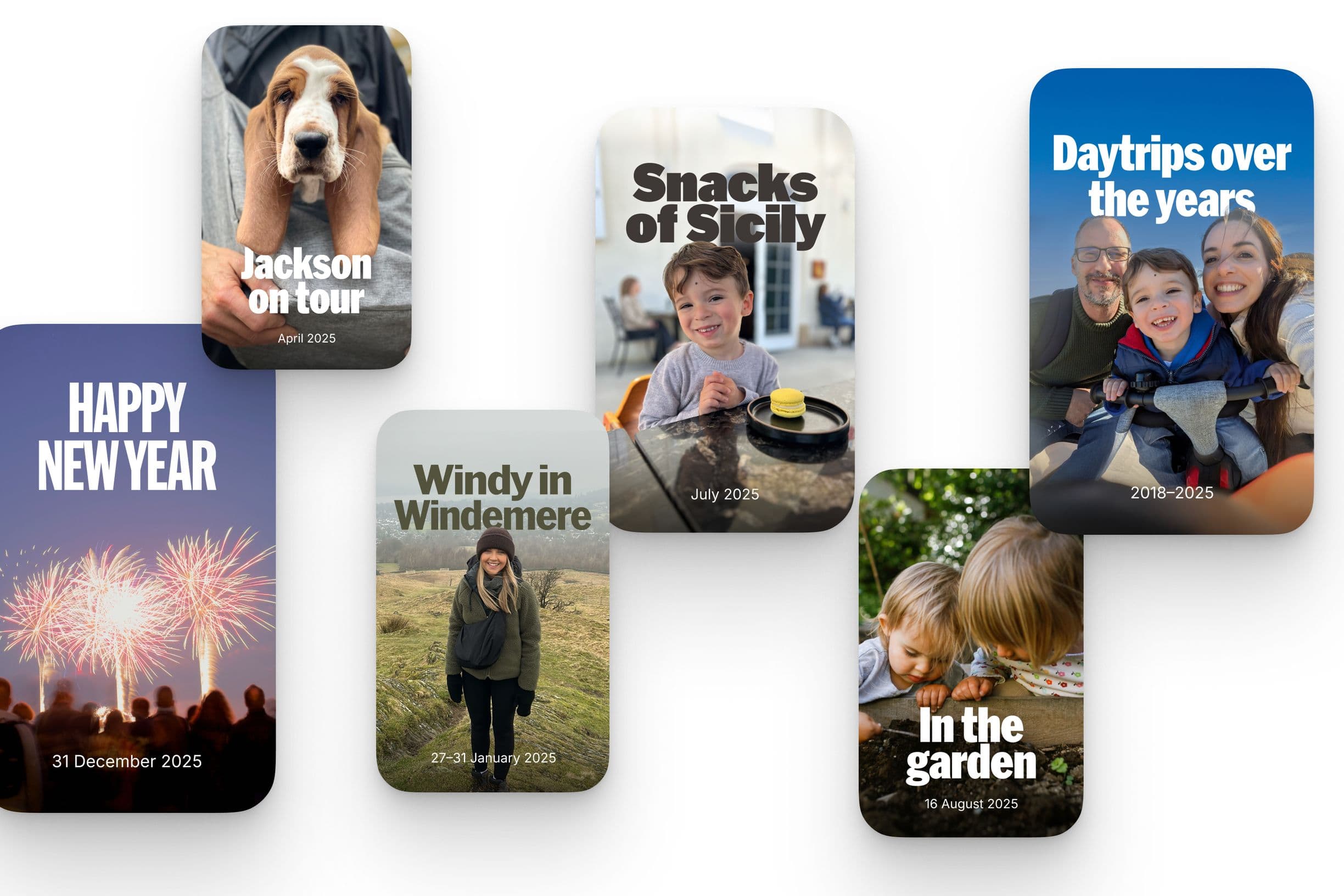
Popsa Memories: Popsa not only identifies people and trips, we also infer life milestones

Make memories accessible

Given how beneficial these activities can be, we believe it is critical to make them accessible to as many people as possible. Many companies respond by offering endless options. We believe this approach is not only ineffective, but discriminatory. People face barriers such as anxiety about technology, lack of confidence in design skills, lack of time and preconceptions about complexity.

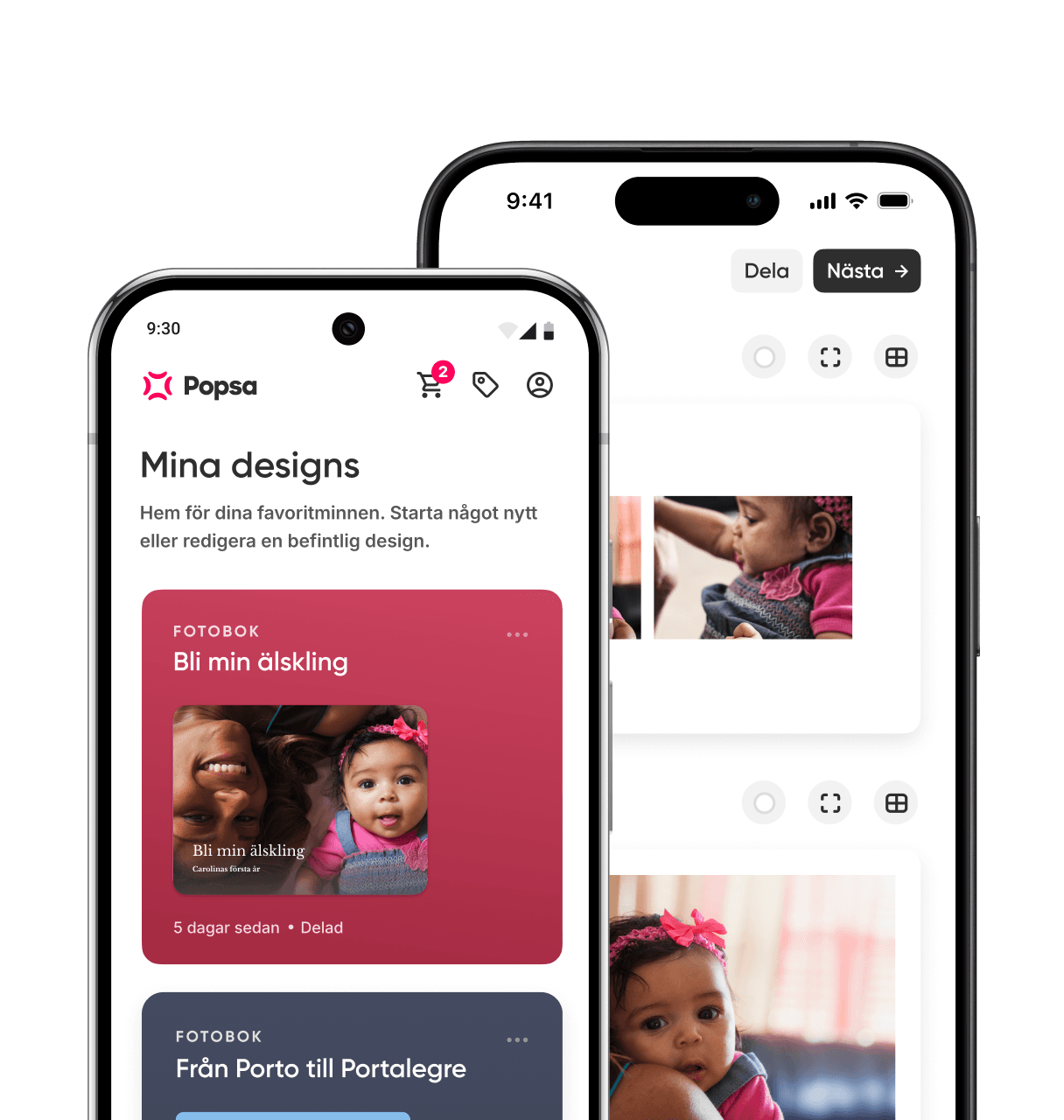
Therefore, Popsa harnesses technology to remove friction from the process. What you see in today’s app is nothing compared to where we’re going. Over time, we’ve learned that accessibility doesn’t come from adding tools – it comes from removing decisions. We are now focusing our efforts on three combined objectives to overcome these barriers. This approach has proven not only more inclusive, but commercially resilient, allowing us to serve people with ever-growing photo libraries and ever-less time.

On-Device Analysis: Your photos are processed on your device rather than uploaded to the cloud

Using data for good

Popsa is a data company, not a printing company. We believe data can be used for good – to boost people’s self-esteem – and that using it sensitively can give us a competitive advantage. Unlike advertising-driven platforms, our interests are aligned with our customers’. We only generate revenue if a customer purchases something meaningful. In recent years, this conviction has deepened as we’ve realised that to be truly helpful, we must understand not just photos, but the relationships between moments. For us, data is directly linked to accessibility.

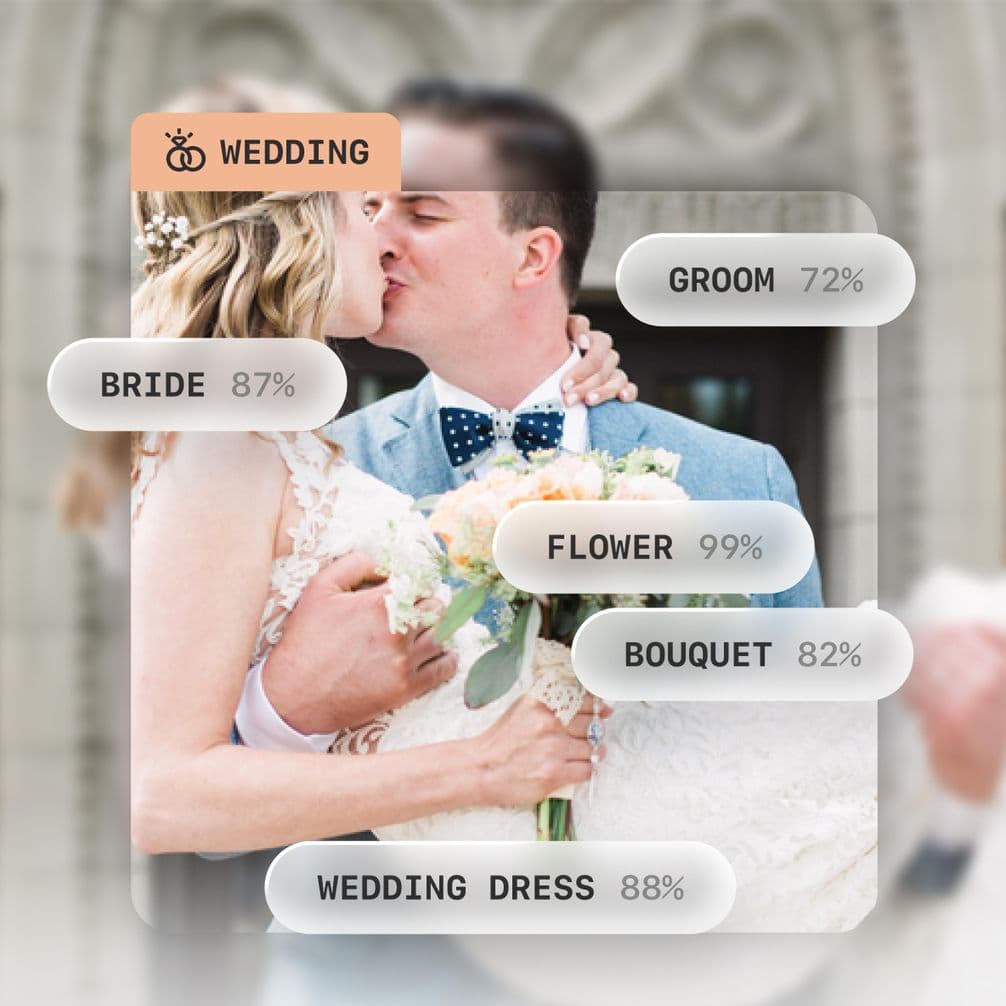
Occasion Inference: Popsa detects when a meaningful event has taken place by recognising associated objects in your photos and cross-checking with your calendar, helping us suggest moments you might want to record

Building the platform of tomorrow

Popsa seeks to add new kinds of value for our customers, not just convert one grid of photos into another. We’re working towards a platform that resurfaces the most significant events in your life. We’re building an intelligence layer (for those who opt in) that learns what is sentimental to you, using machine learning, heuristics and procedural logic – with a bias towards on-device processing for privacy.

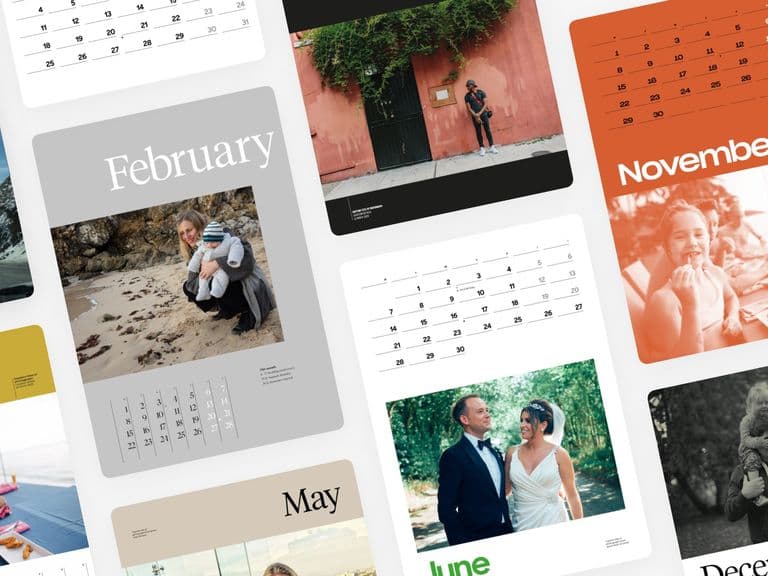
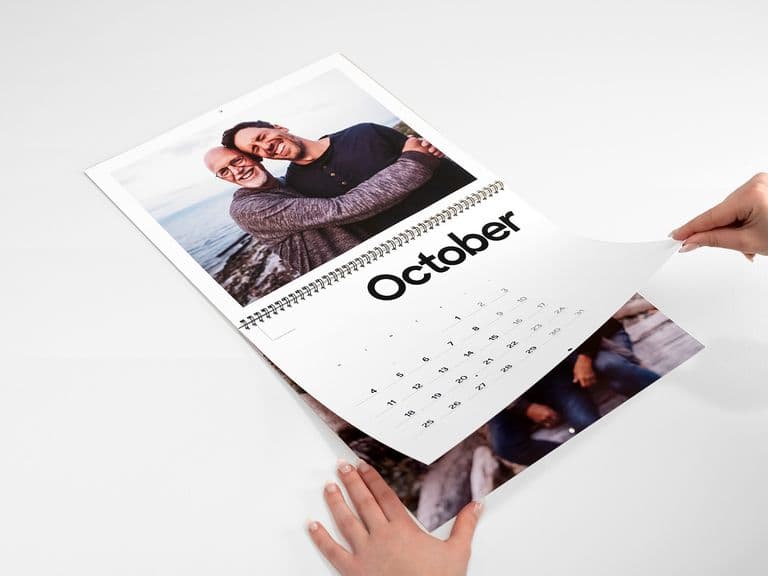
To make sense of it all, we’ve developed an experience graph that preserves relationships between moments so significance can be inferred, forming the backbone of how memories are discovered and understood. Once collections exist, we add narrative. Physical products will evolve from simple collages to richer, editorial-style artefacts. We’ve learned that automation isn’t about removing control – it’s about giving people a headstart on meaning.

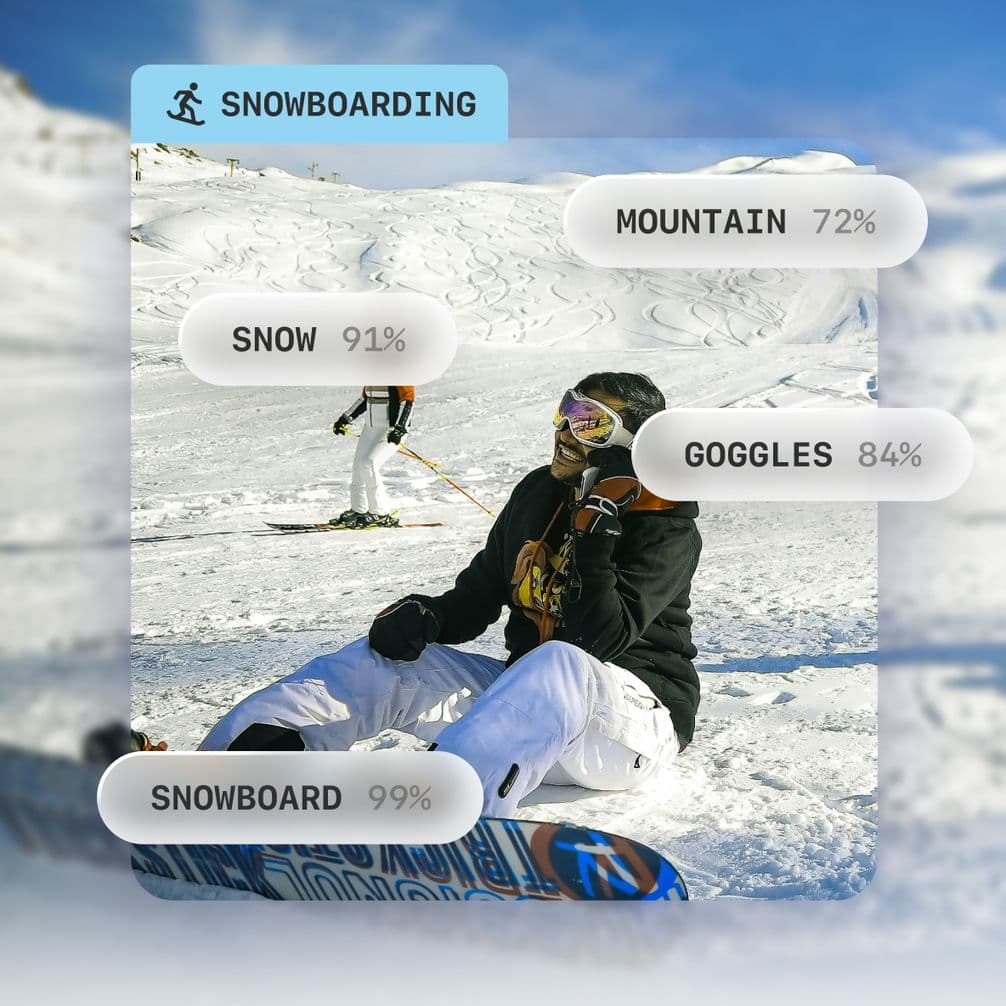
Activity Inference: we recognise the activities and hobbies in your photos to suggest stories that reflect what you love doing most

From utility to destination

While Popsa started as a great tool, our ambition is to become a destination. Some users may never print; they may come to organise, collaborate, reflect or simply revisit memories. Others may build on Popsa’s platform with consent. We’re also addressing collaboration. Today, many people use WhatsApp to work together on designs – a painful experience. We aim to bring real-time collaboration to the sector. Our belief is that memory-making should be social end-to-end, not just at the moment of sharing. This is how Popsa moves from utility to destination.

Evolving our brand

Our sector is commoditised. Popsa will diverge by starting with meaning, not containers, moving from a passive model to a push model. We plan to reposition our brand accordingly. While some elements of this evolution have taken longer than expected, the direction has remained constant and the foundations are now firmly in place.

Making a difference

In an increasingly digital world, we risk losing shared moments around memories.

Whether it’s supporting mental health or simply bringing joy, we’re proud to be building something meaningful – not a shop for gifts, but an ongoing companion for understanding life. It’s definitely something worthwhile to contribute to society.