Popsa bakom kulisserna
Popsa Rewinds: in conversation with Bradley Grantham
Our Director of AI and Data Science on how Rewinds are made, the trade-offs behind them and what he hopes they’ll look like in a decade

19 nov. 2026∙6 min


Registrera dig
Logga in

Svenska
USD $
Ladda ner Popsa-appen idag


Popsa bakom kulisserna
Our Director of AI and Data Science on how Rewinds are made, the trade-offs behind them and what he hopes they’ll look like in a decade
19 nov. 2026∙6 min
As the year winds down, most of us reach for our camera rolls to look back on the highlights. Somewhere between the everyday screenshots and 800 near-identical beach photos is the story of your year – and finding it is the hard part.
Popsa’s Rewinds do the digging for you, turning each month and year into chapters you can revisit, share or print in minutes, without your photos ever leaving your phone. The holiday and the wedding are a given. It’s the lazy Sunday with the family you’d forgotten all about that stops you in your tracks.
To celebrate the Rewinds launch, we sat down with Bradley Grantham, Popsa’s Director of AI and Data Science, to talk about how a Rewind gets made, what the AI deliberately leaves out and the future of our camera rolls.
Open the Popsa app to see your Rewinds and explore the rest of your Popsa Memories.
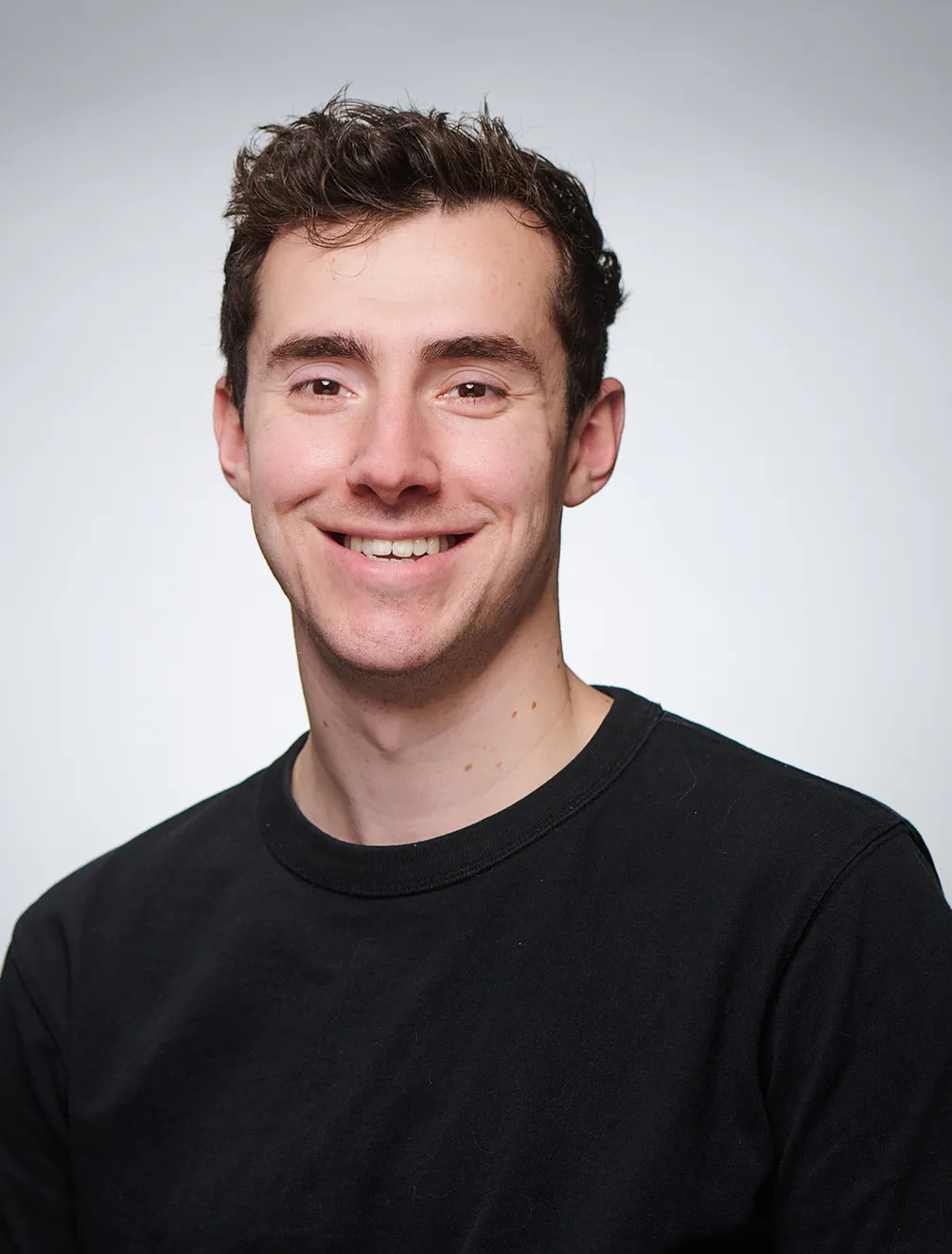
Bradley Grantham, our Director of AI and Data Science
The first thing to say is that all your photo analysis happens inside your Popsa app. Your photos never leave your phone, so no one but you can see your memories. Every photo on your phone carries a lot of information: where you were, when, what was in front of you, who you were with and how that day compares with the rest of your life. The Popsa app studies this context in a private and secure way, and then infers more information with AI models we built and trained ourselves. From all of these signals, our system is able to work out what you were doing, whether that’s a dog walk, a day at the beach or an international holiday. Then it infers which experiences were the most meaningful, which of course is critical in deciding what highlights to show.
A technically good photo is easy – our models are able to score everything from lighting and focus to composition and colour. But a meaningful photo is a lot more difficult because it depends on you. So the app learns your patterns: where your life usually happens, how you normally take pictures and what you tend to keep. Very little of this judgement can come from how technically good a photo is. For example, a blurry photo of your dog on a beach you’ve never visited before is more meaningful than the most perfectly lit shot of your kitchen. We tell the two apart by combining everything the AI models on your device pick up about each photo, and the exact algorithm is constantly becoming more personalised.
They do different jobs. A Monthly Rewind is a ritual of looking back on memories that are still relatively fresh. An Annual Rewind tells the story of your whole year, typically through the photos you’d want printed in a Photo Book on your shelf. The Monthly keeps you connected to your photos; the Annual stops the year disappearing into your camera roll.
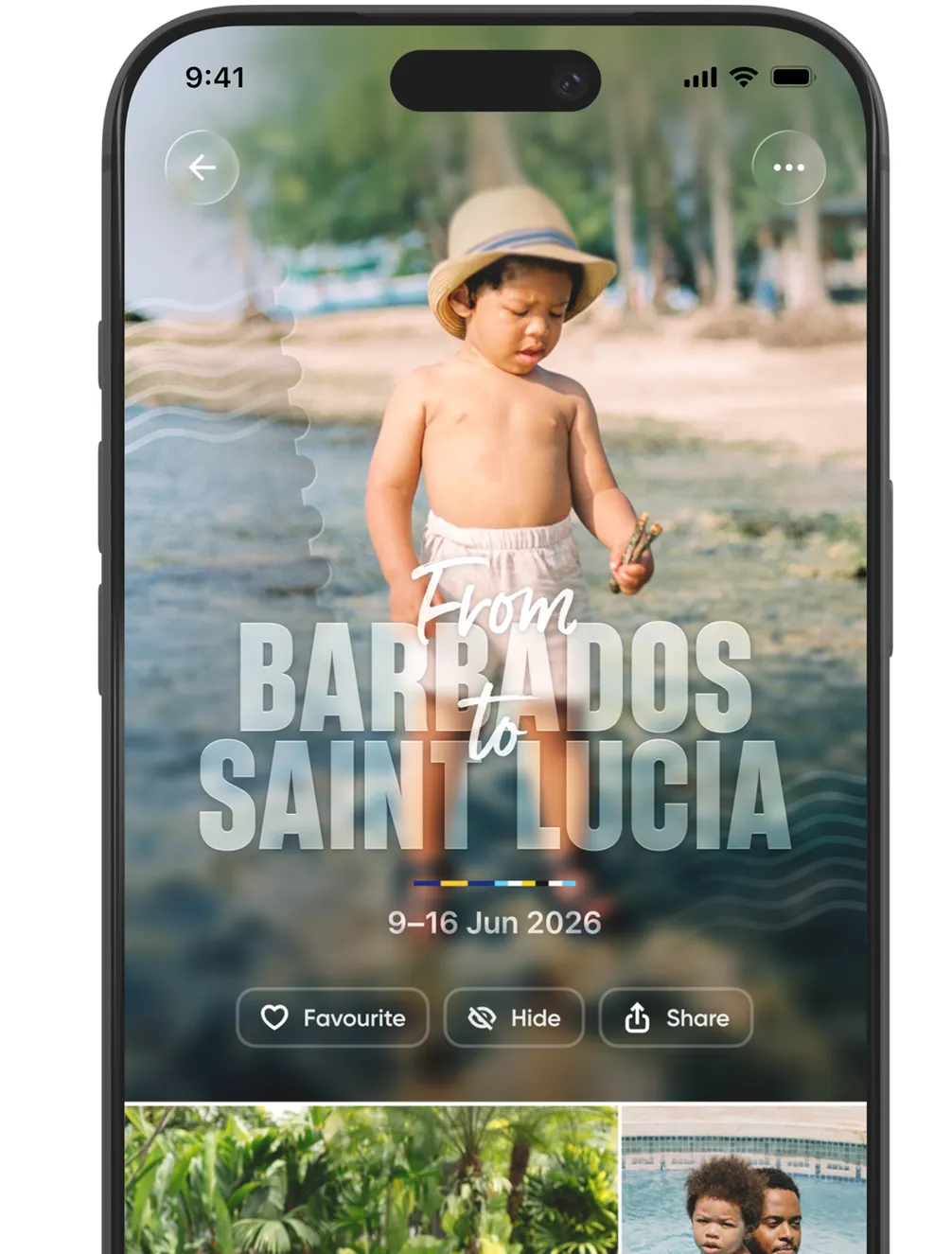
Precious moments, collected
No: the Annual is built separately, drawing on the whole year. A Monthly is more relaxed. It makes room for everyday life alongside the bigger moments, and it can take several photos from the same scene – think a Tuesday walk in the park. The Annual is much stricter, setting a higher bar for quality and picking only from the moments that stood out: your holiday, your birthday, the wedding you went to.
Mostly it’s an editing problem. Taking a photo costs nothing now, so we take loads. But going back through 4,000 of them and choosing the 50 that tell the story of your year is a lot of work. They come in bursts, too: on an average day we take a handful, but a big day or a trip brings hundreds. And, surprisingly, not much of a camera roll is memories: between the big days, it fills up with screenshots, receipts and forwarded WhatsApp images, so the photos that matter end up buried. Technology created the problem by making photos free to take, and technology can help with the sorting.
Google and others can run enormous models because you’ve already uploaded your photos to their cloud. Ours have to fit inside the Popsa app and run on your phone without draining the battery. That’s the trade-off, but it’s worth it for privacy: people should be able to enjoy their memories without handing over their photos.
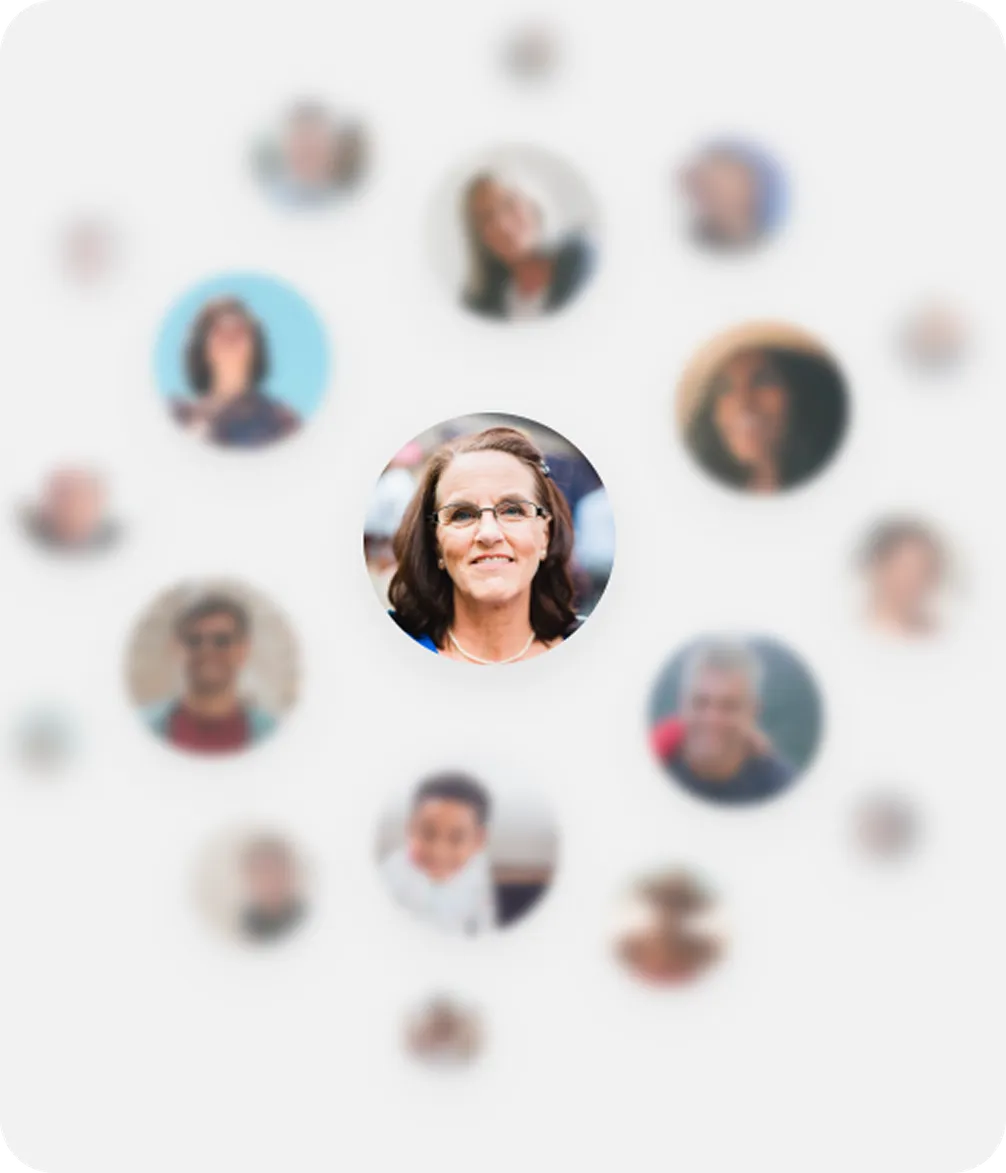
Centre of your world
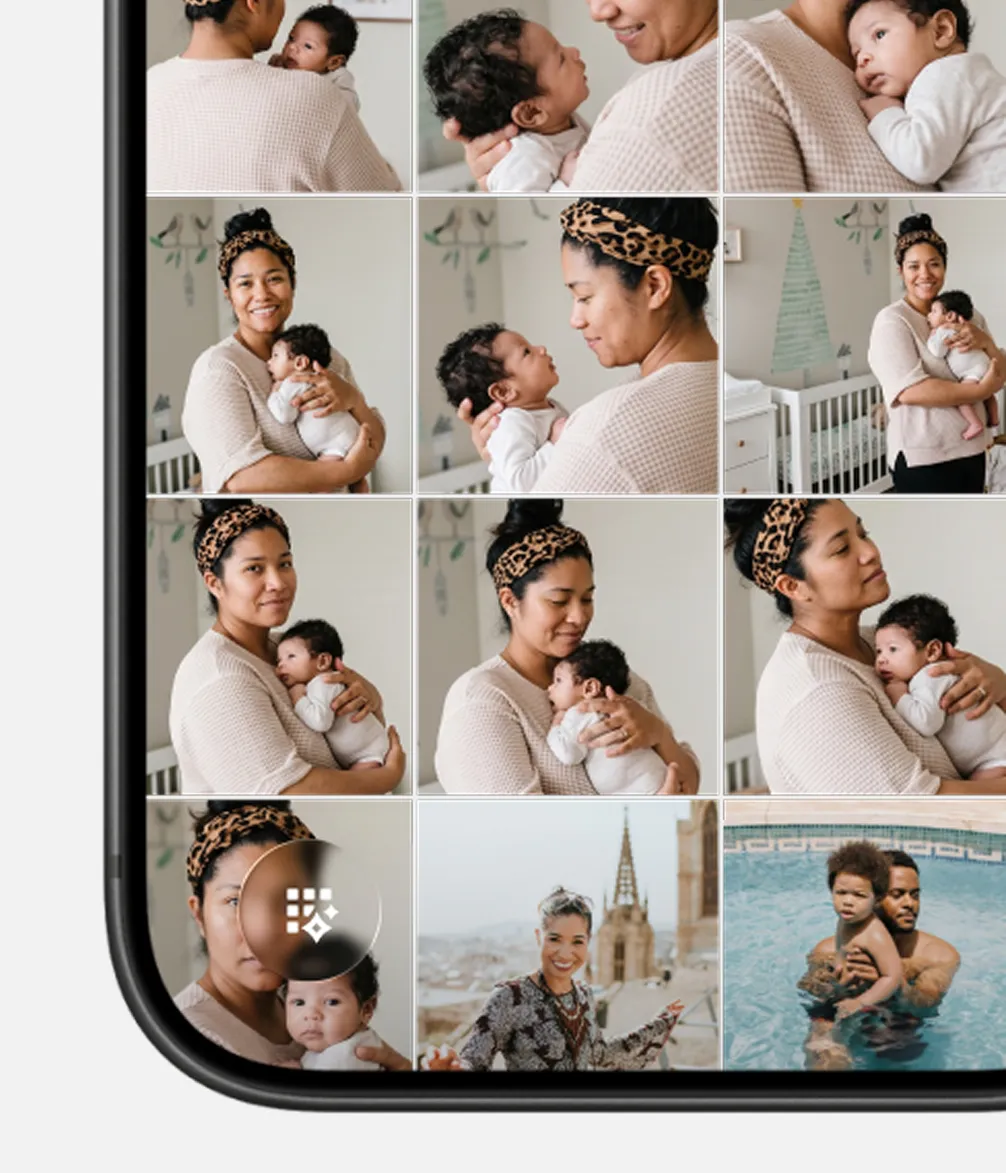
Usually it’s thin, or a bit repetitive. The most common cause is a quiet month. Another is when most of your photos arrived through WhatsApp, which compresses them, so they print poorly and miss the cut. Without enough good pictures, we’d rather make no Rewind than a weak one.
We also recognise that not every month is a good month: you might have been through a bereavement, a breakup or an illness. That’s why we leave out hospital photos. But honestly, the model doesn’t understand what a month meant to you. It can’t tell a happy dinner from the last one before a breakup. Remembering is deeply personal, and sometimes the kindest thing a product can do is leave something out.
The main protection is variety. For the Annual, we take one photo from each distinct scene within a moment. A two-week holiday with 800 beach photos doesn’t get 800 slots; it gets a handful of genuinely different shots. A moment with just 15 photos can still make the cut if you were somewhere new or the model recognises a birthday, graduation or wedding. A March where nothing out of the ordinary happens might not make the Annual, but it can still get its own Monthly.
The ordinary moments surprise me more than the big ones: a random weekend I’d completely forgotten, or something I’d never have scrolled back to find. That’s when it stops feeling like an algorithm and starts feeling like someone who was paying attention.
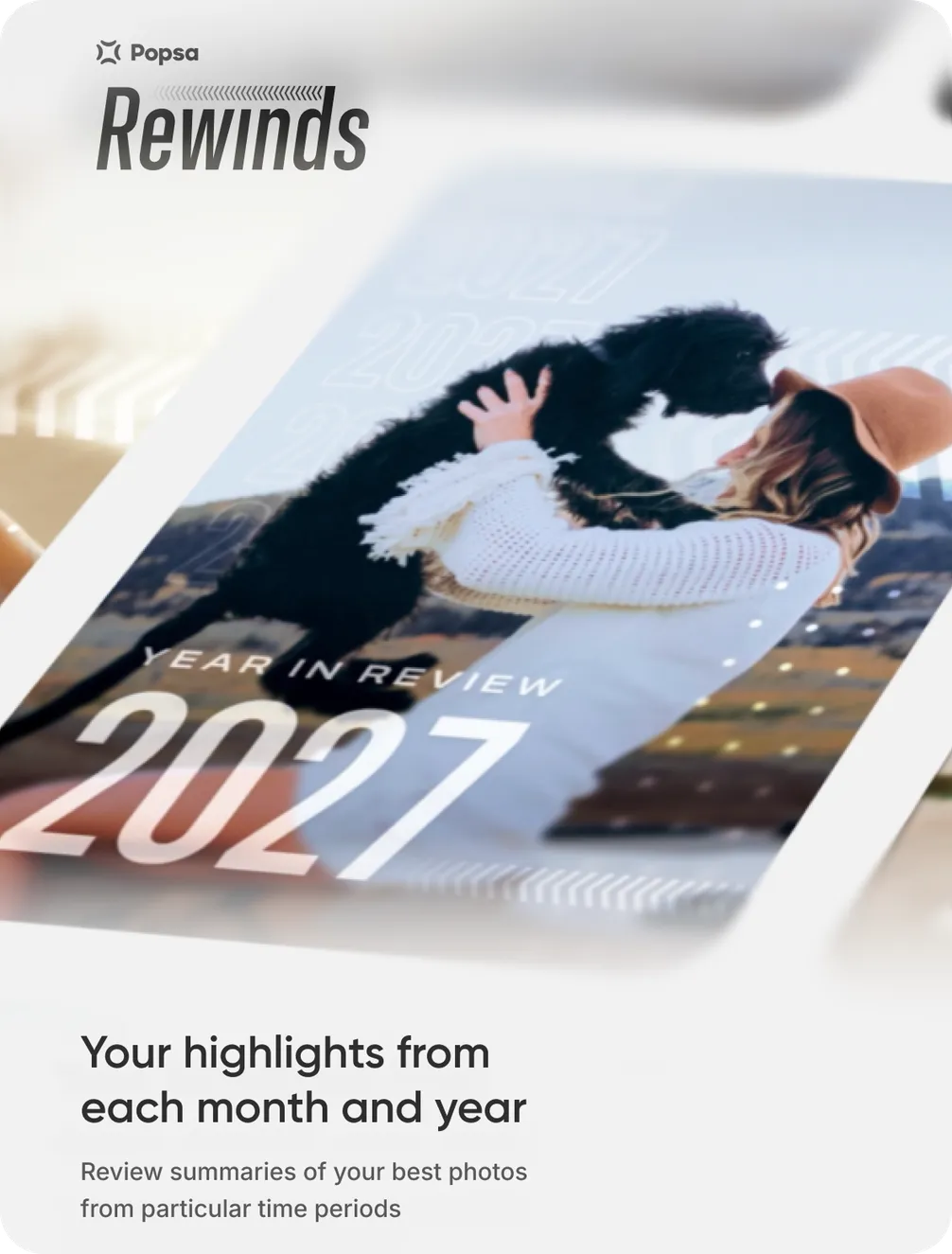
Rewinds at your fingertips
Speed against quality. Early on, the product team wanted Rewinds to show up as fast as possible, so if the on-device models were still working, we’d fill the gaps by picking photos more or less at random. It was quick, but the feedback was that people’s first Rewind felt poor, and you only get one first impression. We changed course: now we wait until the phone has finished analysing that period before we build anything. There’s still pressure to go faster, and we’re always working on it, but we won’t rush out a bad Rewind.
I think we’ll stop scrolling through our photos (except on the tube and on planes) and start being shown them, at the right moment, with the clutter already cleared away. For someone who’s used Rewinds for a decade, I’d love them to add up to a record of those years: 120 Monthlies, 10 Annuals and, hopefully, a shelf of Photo Books – so they can flick back to any month of their life.
Upptäck minnen snabbare med exklusiva funktioner som ansiktsigenkänning och smarta album.

30 nov. 2025∙10 min
13 juli 2023∙5 min


 USA