

Insights
The most photographed beaches in the UK
A Cornish surfing hotspot, Norfolk’s windswept dunes and plenty of stops along the East Sussex coast – the UK beaches Popsa travellers love to capture most
&w=96&q=75)
22 juli 2026∙6 min
Insights
A Cornish surfing hotspot, Norfolk’s windswept dunes and plenty of stops along the East Sussex coast – the UK beaches Popsa travellers love to capture most
22 juli 2026∙6 min
Words by Georgina Groom-Rietschy
As the UK’s summer heatwave shows no signs of letting up, the appeal of an afternoon paddling in the sea has never felt more compelling. To uncover Britain’s most beautiful beaches, our data science team identified the destinations that dominated Popsa travellers’ camera rolls in 2025.
We analysed millions of customer photos using a rigorous, data-led methodology. Comparing the findings with our 2024 rankings, the sweeping golden sands of Bournemouth retained the top spot, closely followed by Brighton’s bohemian beachfront. Elsewhere, Durdle Door dropped out of the rankings entirely, likely due to its temporary closure following severe winter storms, while St Ives Harbour Beach secured a place in the top ten.
To learn how the data was analysed and how the photo index scores were calculated, see the methodology at the end of this article.
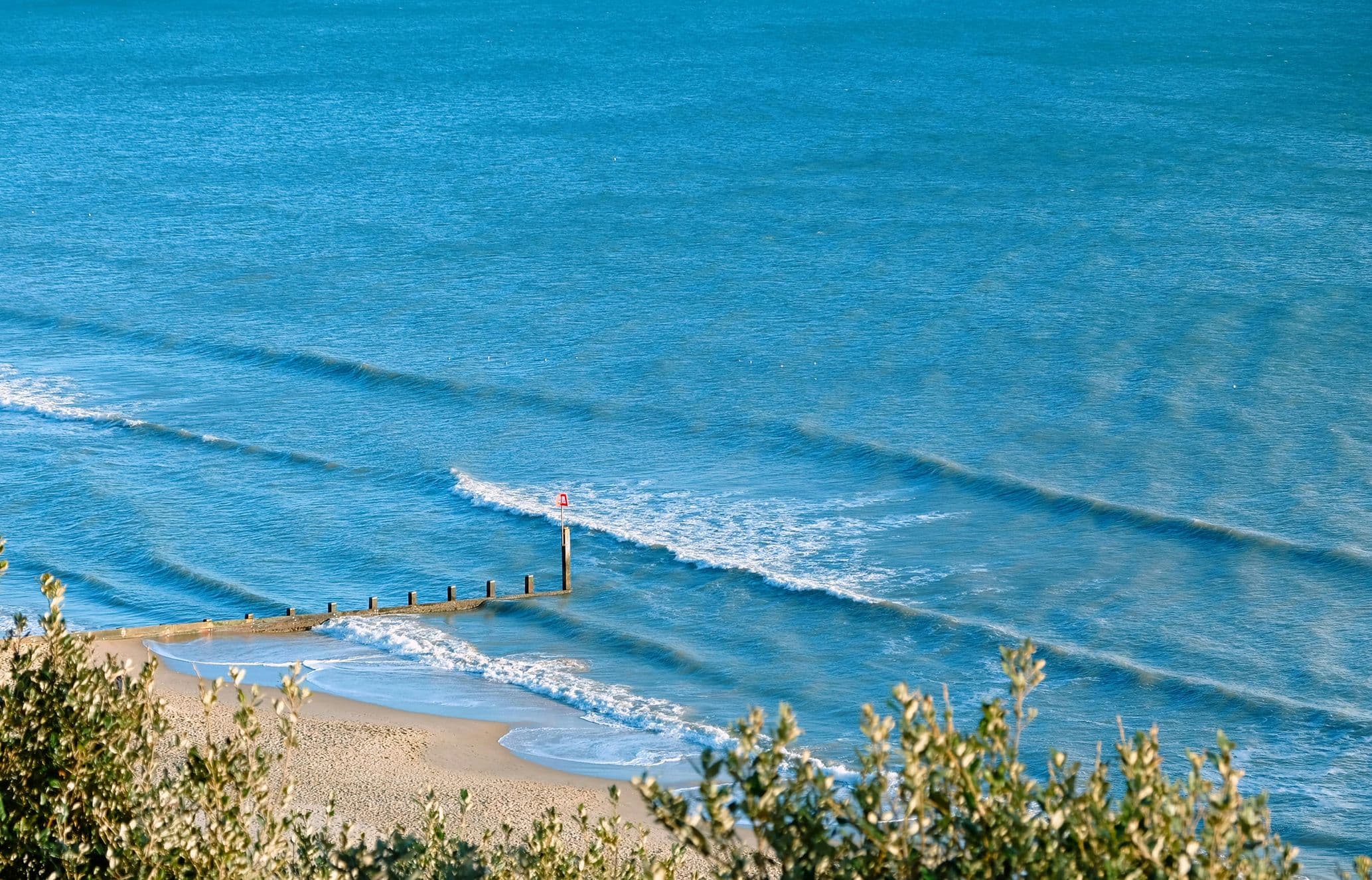
Bournemouth Beach, Dorset. Photo: Marcus Loke, Unsplash
Photo index score: 100
Stretching seven miles across golden sand, Bournemouth Beach is a firm favourite among Brits thanks to its traditional seaside charm and Blue Flag status. Shallow, calm waters are ideal for little ones and friends looking to throw a frisbee about, while a rare microclimate provides this pocket of the south coast with some of the warmest sea temperatures and highest sunshine hours in the UK. Reach the sand directly from the town centre, passing through the pristine Grade II-listed Lower Gardens on the way. Thrillseekers can try the PierZip – launching from a 25m-high tower at the end of Bournemouth Pier, riders zoom across the sea to safely land on the beach. For something quieter, head 15 minutes along the coast to Sandbanks – and be sure to reserve a table at Rick Stein for exceptional seafood.
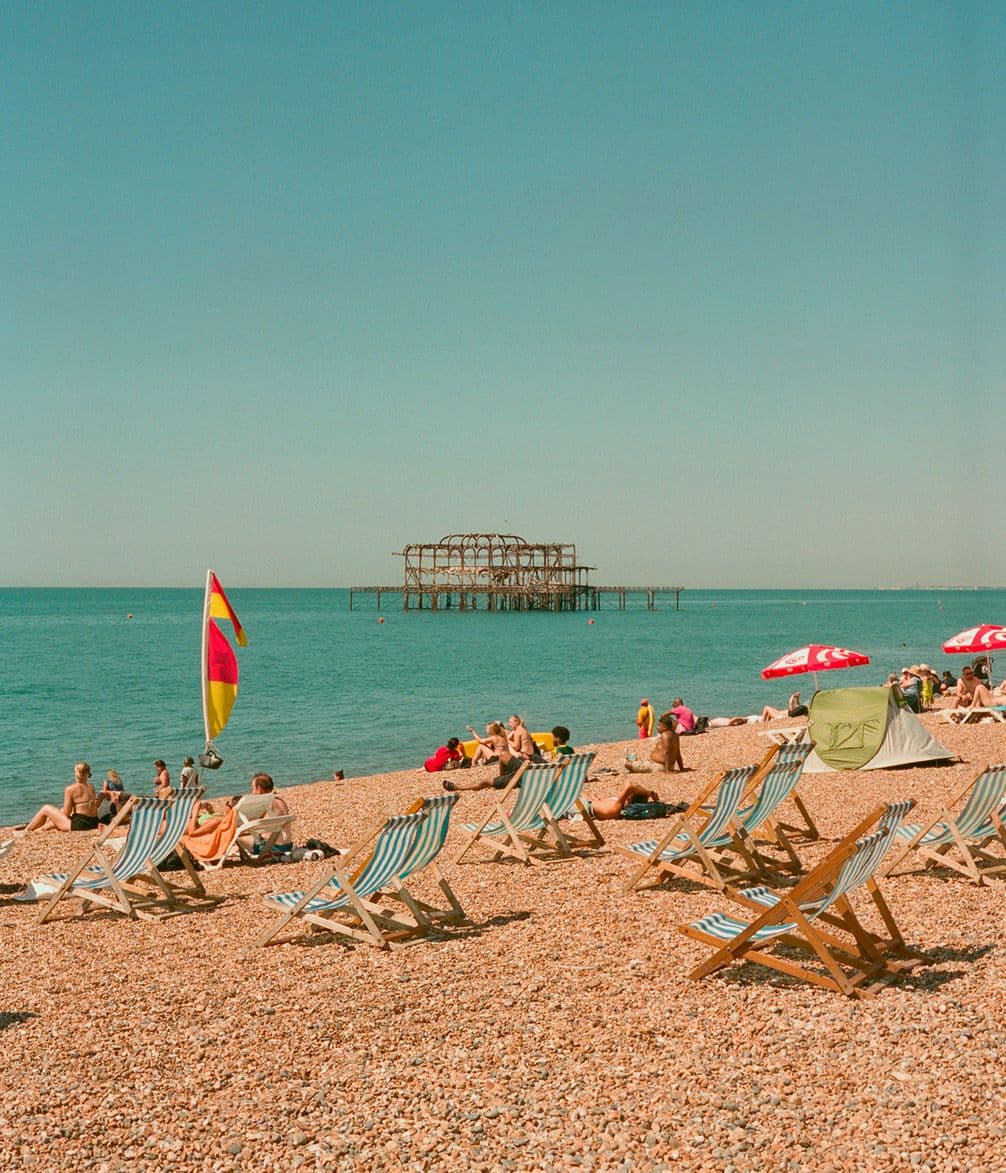
Brighton Beach, East Sussex. Photo: Intrepid, Unsplash
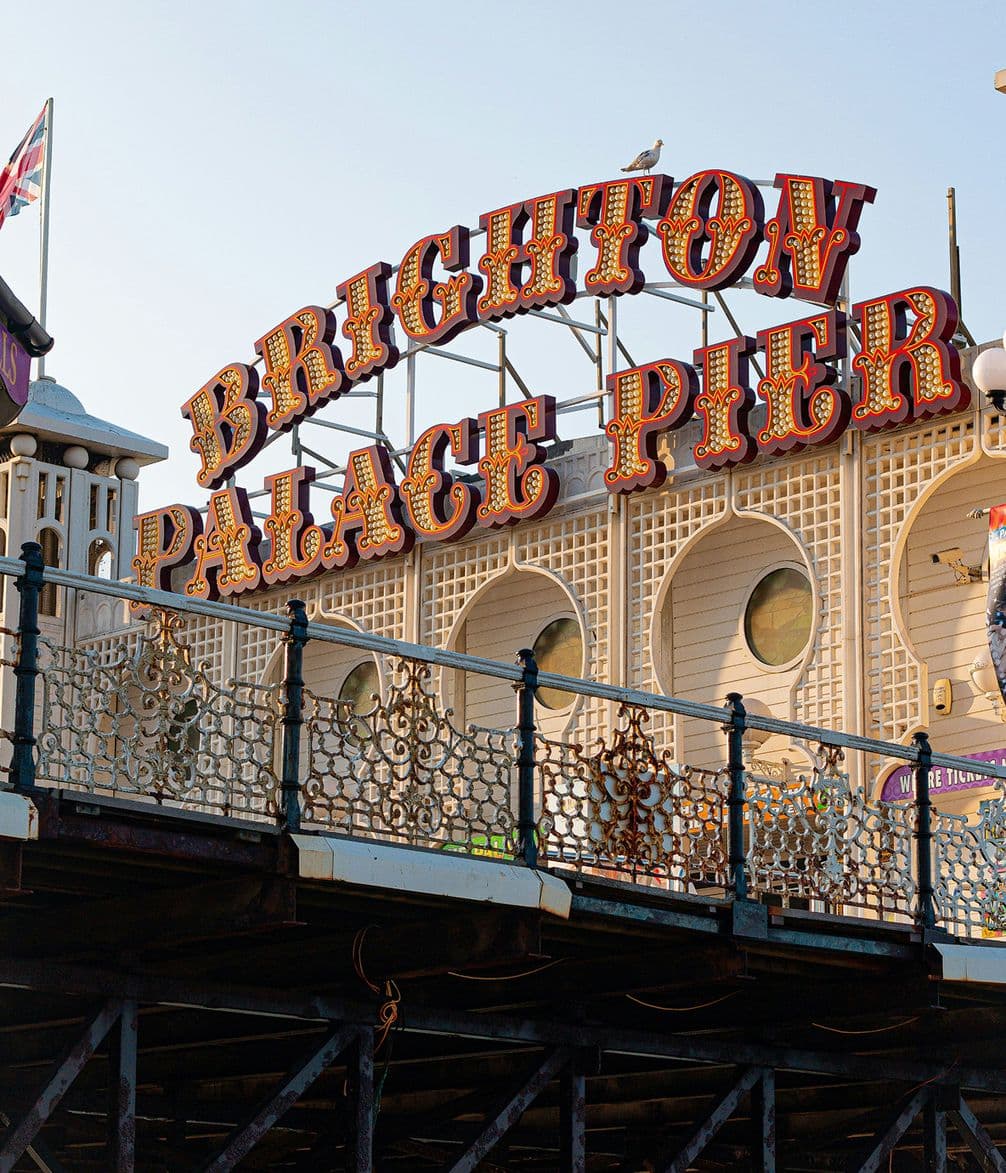
Brighton Palace Pier. Photo: Veerle Contant, Unsplash
Photo index score: 99
Just under an hour from London by train, Brighton is loved for its playful atmosphere, thriving independent scene and buzzy seafront. Arrive early to wander the pier and capture a shot of the beach framed by the city’s colourful architecture without the crowds, before bagging a striped deckchair on the shore. The beauty of Brighton is just how much you can squeeze into a day trip, from browsing boutiques in the Lanes – we love They Made This for its contemporary prints – to refuelling at top restaurants such as The Coal Shed, Dishoom Permit Room or Kindling Restaurant. Back on the seafront, stretch your legs with a walk to Hove, passing picturesque beach huts en route to family-run Marrocco’s for ice cream. Continue on to Shoreham, or head east from the pier to open-air lido Sea Lanes Brighton.
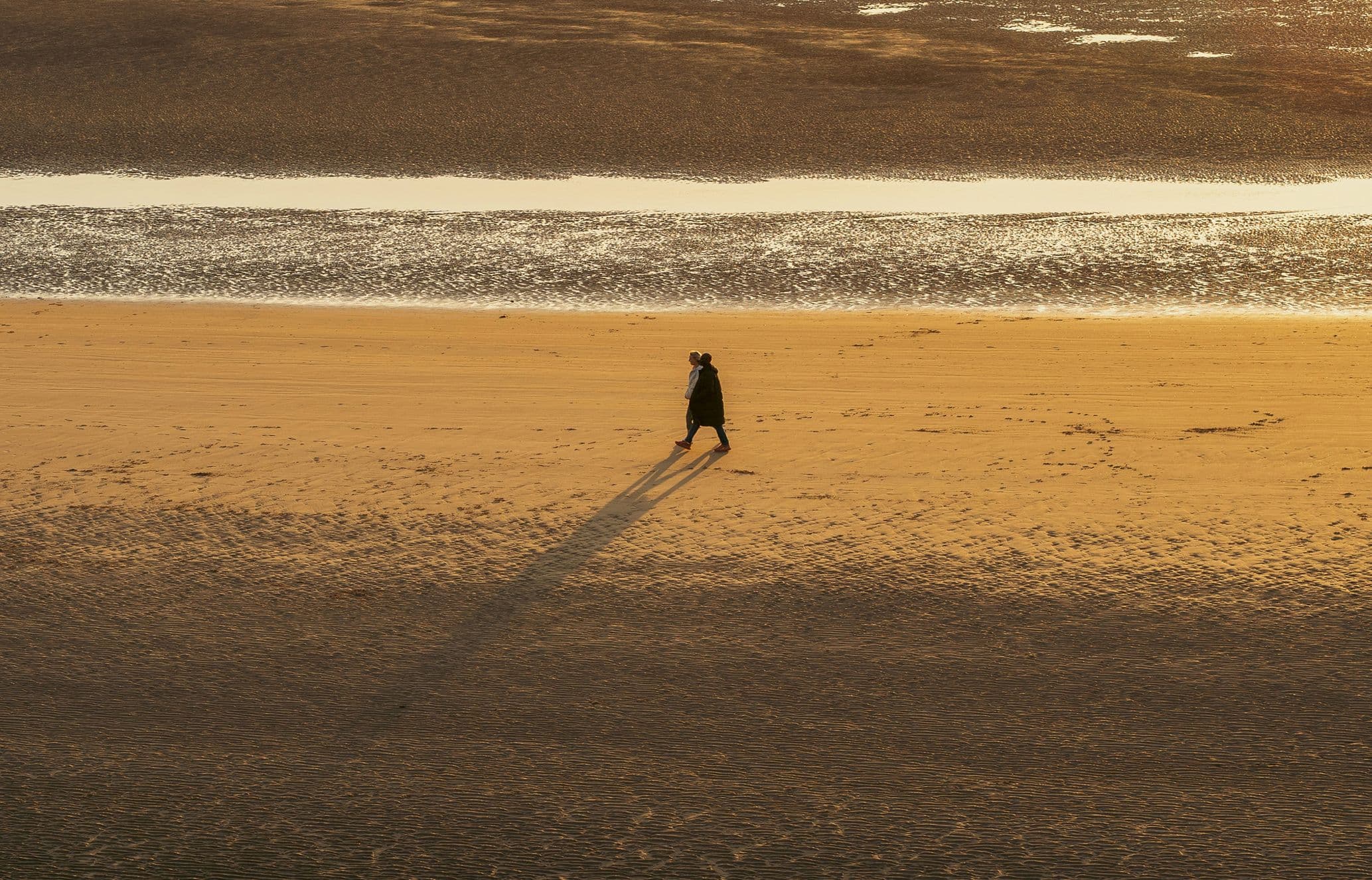
Blackpool Beach, Lancashire. Photo: Tot, Unsplash
Photo index score: 45
Blackpool is loved for a handful of reasons – there’s the seaside rock, the Tower and the Illuminations – but the real showstopper is its beach. At low tide, the sand stretches back nearly 600m from the promenade, offering plenty of room for picnics, sandcastles and donkey rides during the summer months. Base yourself on the Golden Mile, where you can pop into Papa’s Fish & Chips, before picking up candyfloss or sticks of rock from the stalls lining the arcade. Round off your afternoon with a hair-raising trip to Pleasure Beach Resort, home to the UK’s second-tallest rollercoaster – the Big One – known for its stomach-churning drop and bumpy track. Come dusk, walk the length of the Illuminations, Blackpool’s much-loved light show that draws crowds to the promenade from early September.
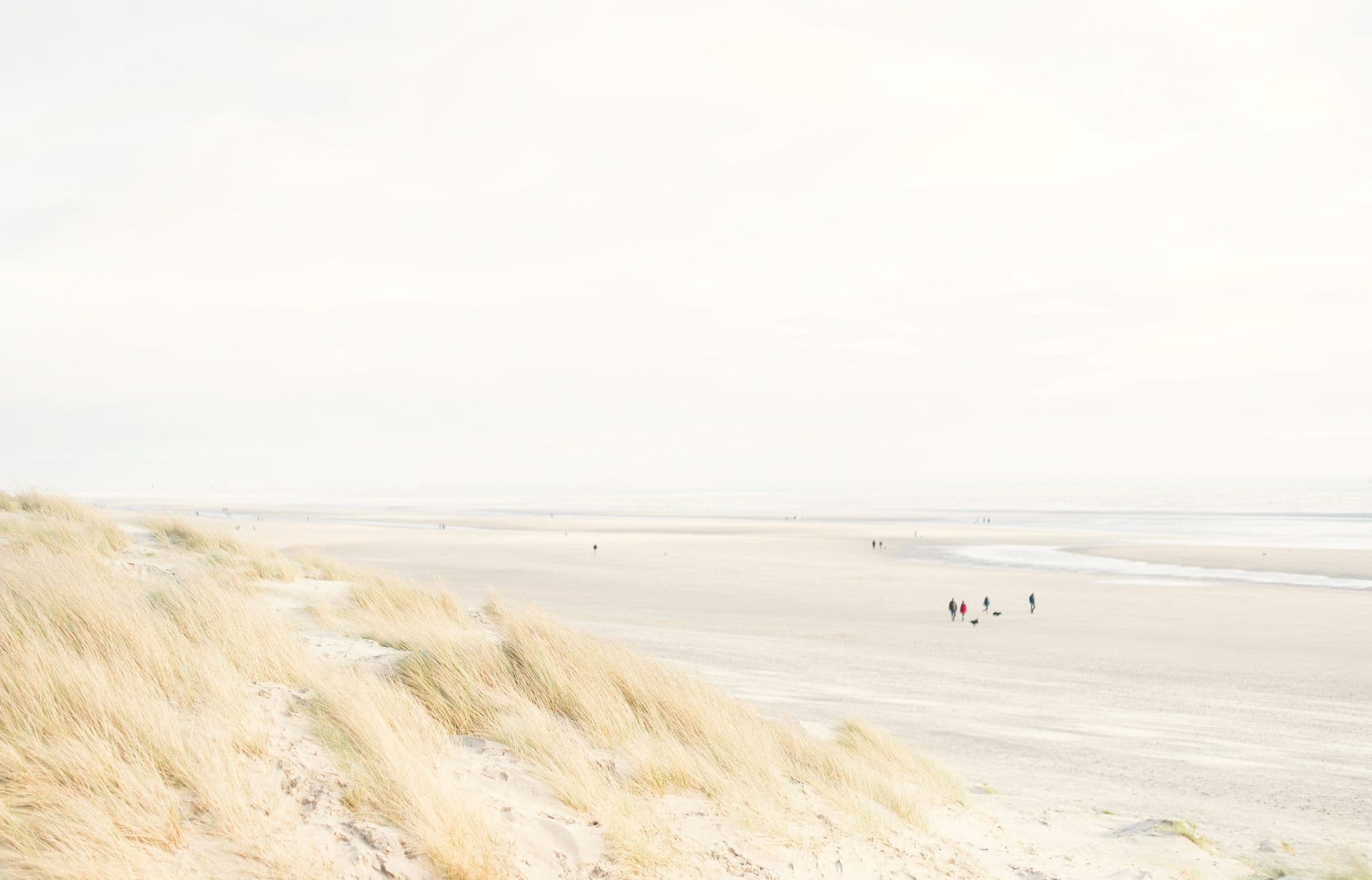
Camber Sands, East Sussex. Photo: Claire Leach, Unsplash
Photo index score: 39
Soft dunes peppered with wispy marram grass and sea buckthorn shelter the sweeping three-mile stretch of beach at Camber Sands. Right on the doorstep of Rye, the drawcard of this spot is its stillness. You won’t find a lively pier or flashing arcade, but a tranquil setting dotted with blankets, parasols and picnic baskets. Stroll along to Frankie’s at the Beach for footlong hotdogs or retreat to the stylish boutique hotel The George in Rye for charcoal-fired plates at the Grill. We recommend staying overnight in one of its cosy rooms – think vibrant wallpapers, upholstered headboards and lamps you’ll want to sneak into your suitcase. If you get down to the beach early enough the next day, you might find horses trotting through the shallow shores at sunrise.
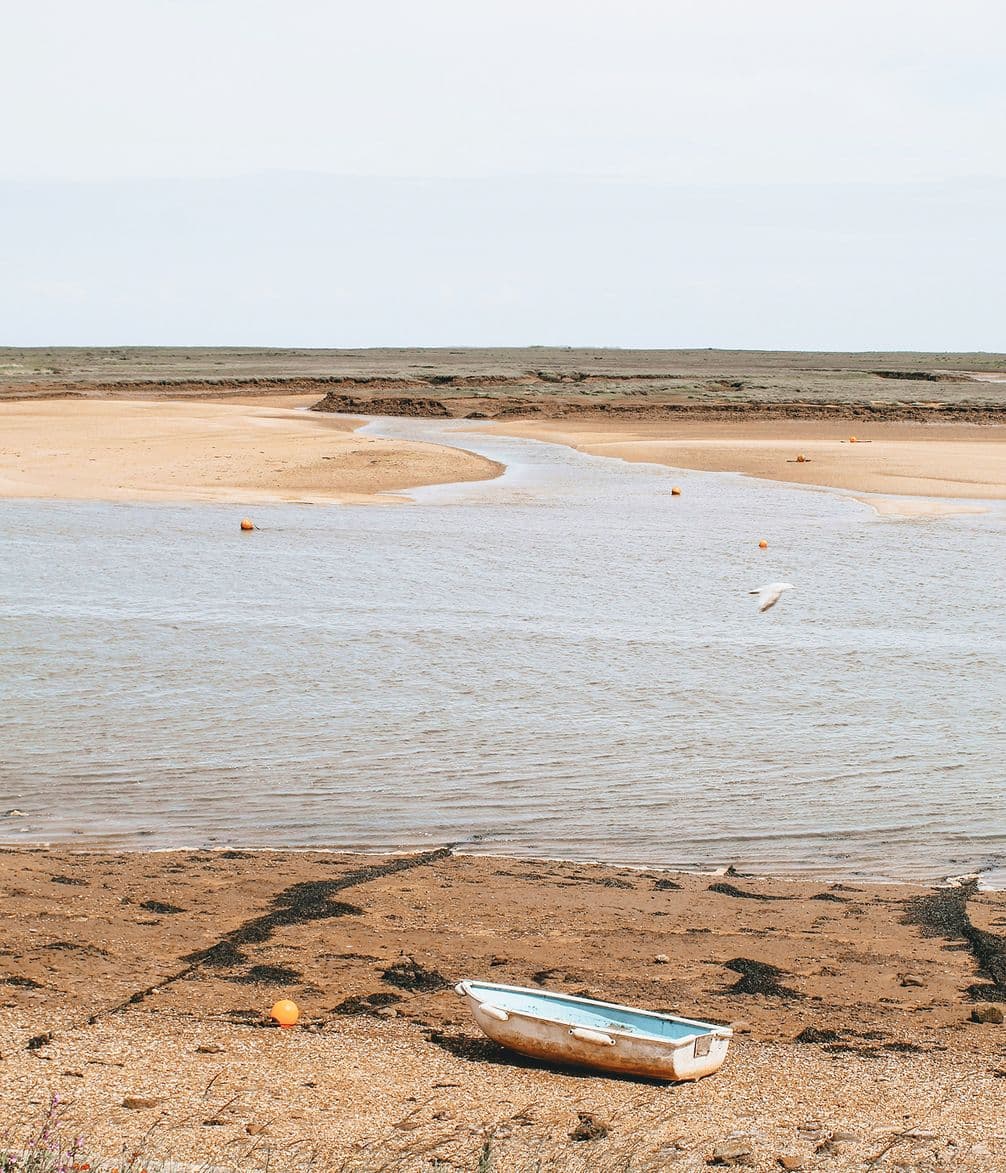
Wells-next-the-Sea Beach, Norfolk. Photos: Chloe Frost-Smith, Unsplash

Photo index score: 36
Norfolk’s coastline is not short of beautiful beaches but it’s Wells-next-the-Sea that remains a crowd-pleaser, thanks to its unspoiled stretch of sand and a rustic collection of more than 200 colourful beach huts lining the shore. Join the locals at French’s, the town’s fish and chip shop, which has been run by the same family for more than 100 years and pairs locally sourced haddock with a rich curry sauce. Stroll along the sand to neighbouring Holkham Bay, a breathtaking expanse of dunes, or enjoy an afternoon flitting between the sand and sea. The beach forms part of the Holkham National Nature Reserve, renowned for its migrating birds and grey seals often spotted basking in the sun. If you’re visiting at sunset, pick up a pizza from the Beach Café to enjoy on the sand.
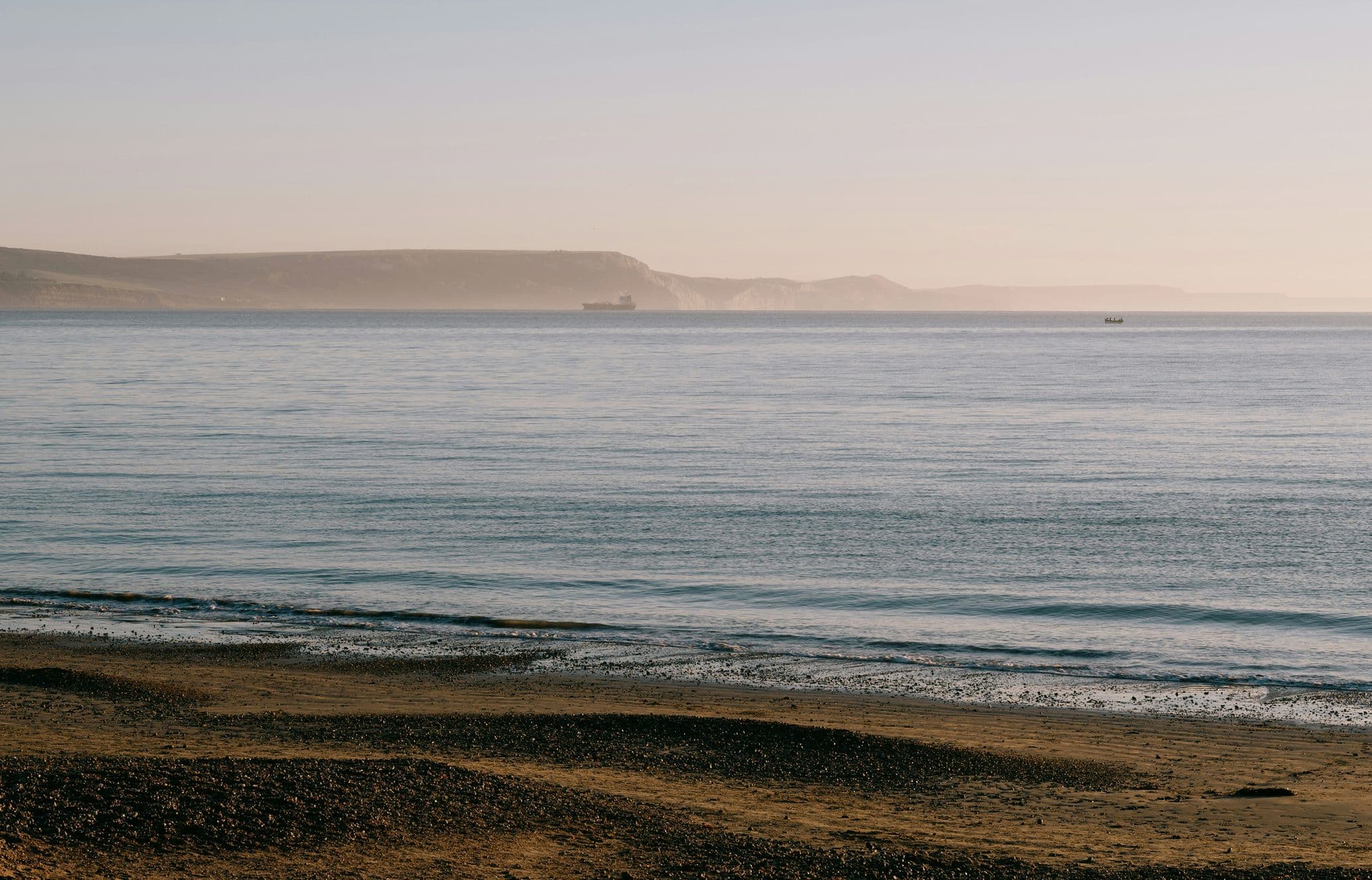
Weymouth Beach, Dorset. Photo: Zikang Zhou, Unsplash
Photo index score: 33
Right in the heart of the Jurassic Coast – a Unesco-listed site famed for its craggy cliffs and world-class fossil hunting – Weymouth Beach pairs a broad arc of golden sand with a beautiful Georgian seafront. Its calm, gentle waters make it a hit with families, while the lively promenade captures the timeless charm of the traditional British seaside. During the summer, little ones can slide down the helter skelter before settling in for a classic Punch & Judy show on the sand. Head along the coast to the shingle shores of Chesil Beach, then wind down at Crab House Cafe, where the fresh local seafood – particularly the crab remoulade – is well worth the detour.
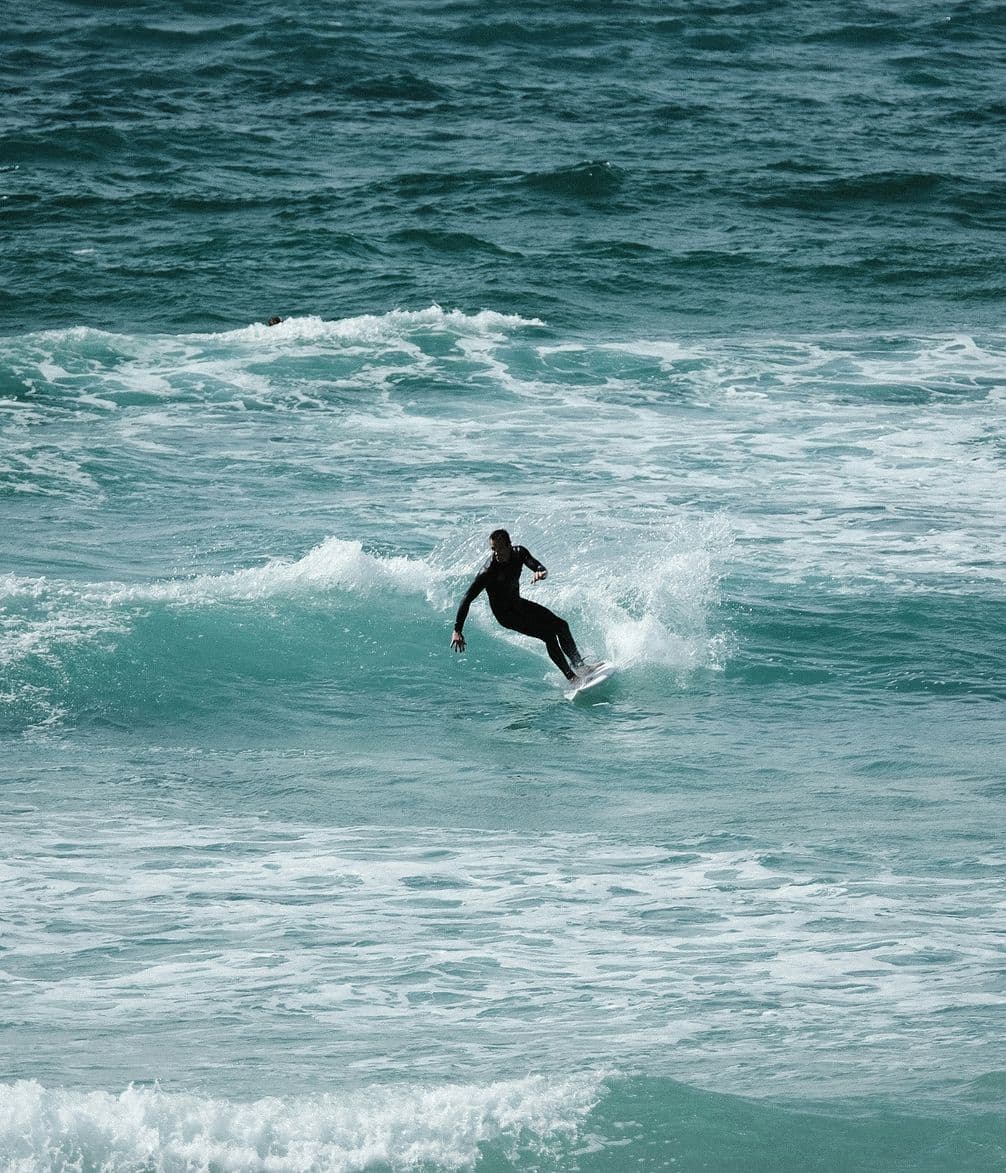
Fistral Beach, Cornwall. Photo: Carter Moorse, Unsplash
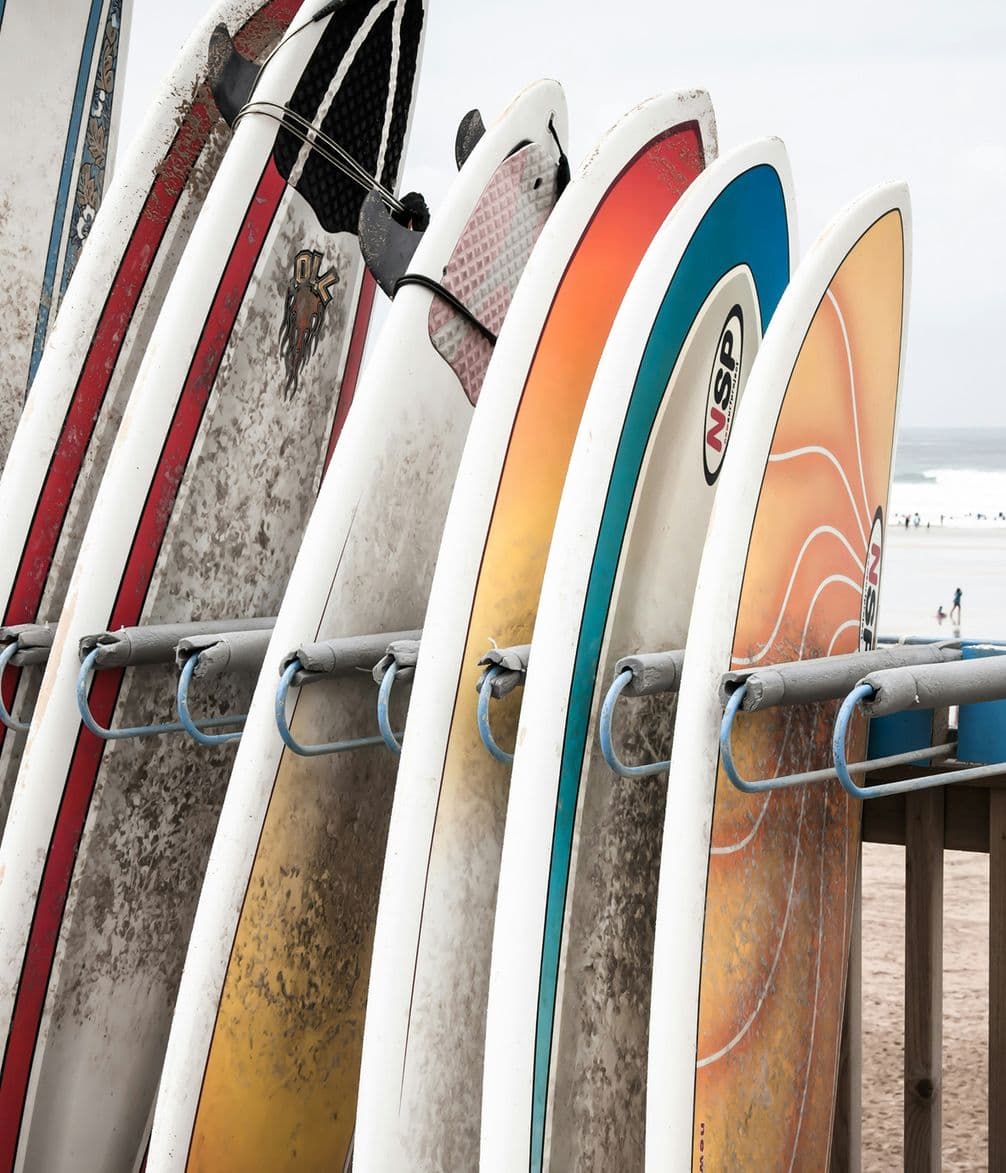
Photo: Leif Christoph Gottwald, Unsplash
Photo index score: 33
Widely considered the home of British surfing, thanks to its west-facing bay and exposure to powerful Atlantic swells, Fistral Beach is where Cornwall’s surf community hangs out year round. Book a session with one of the local surf schools to experience the thrill of riding its famous waves. The white-sand beach is just a 20-minute walk from Newquay, where a lineup of lovely hotels – including Watergate Bay Hotel, The Headland Hotel and The Scarlet Hotel – offer everything you need for the ultimate staycation. While Newquay draws visitors for its exceptional food scene and delightful beach, it’s the annual Boardmasters Festival that sees the coastline transform, with Fatboy Slim, The Kooks, Lily Allen, Loyle Carner and Joy Crookes among this year’s headliners (5-9 August).
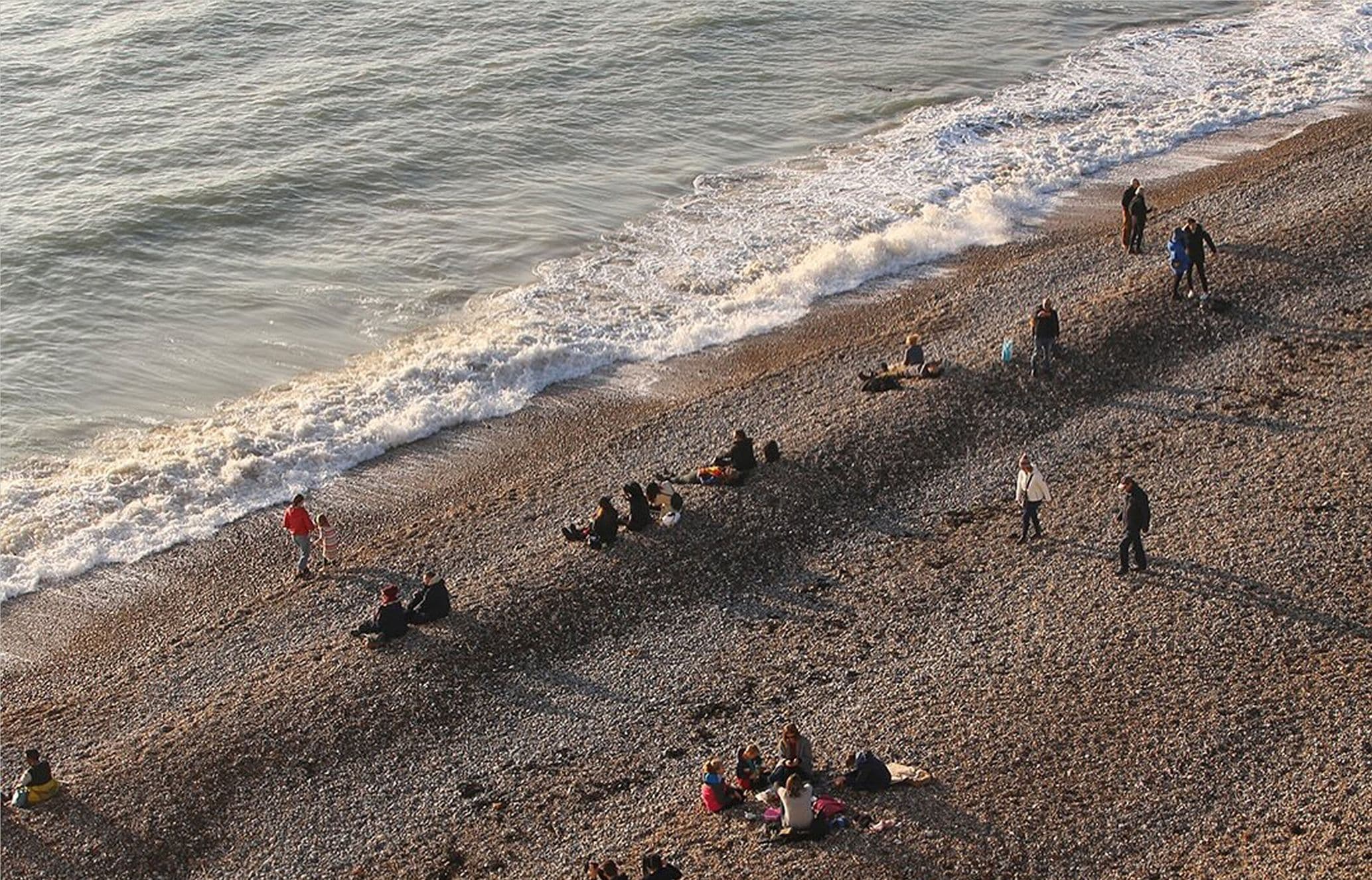
Eastbourne Beach, East Sussex. Photo: Port Hotel
Photo index score: 32
Eastbourne has enjoyed something of a renaissance in recent years, hosting the Turner Prize ceremony in 2023 and welcoming a major J.M.W. Turner watercolour exhibition earlier this year. Not to mention the stream of stylish openings across its seafront, including boutique Port Hotel, occupying a gloriously restored Victorian townhouse and serving seasonal British cuisine on its sunny terrace. Its shingle shoreline stretches three miles, from the 19th-century Eastbourne Pier, where you can hire deck chairs, to the chalk cliffs of Beachy Head. Wander along the coast to Pevensey Bay for a scenic photo opportunity. Keen walkers can tackle the 13.5-mile Seven Sisters coastal hike from Eastbourne to Seaford, passing the Birling Gap and Belle Tout Lighthouse.
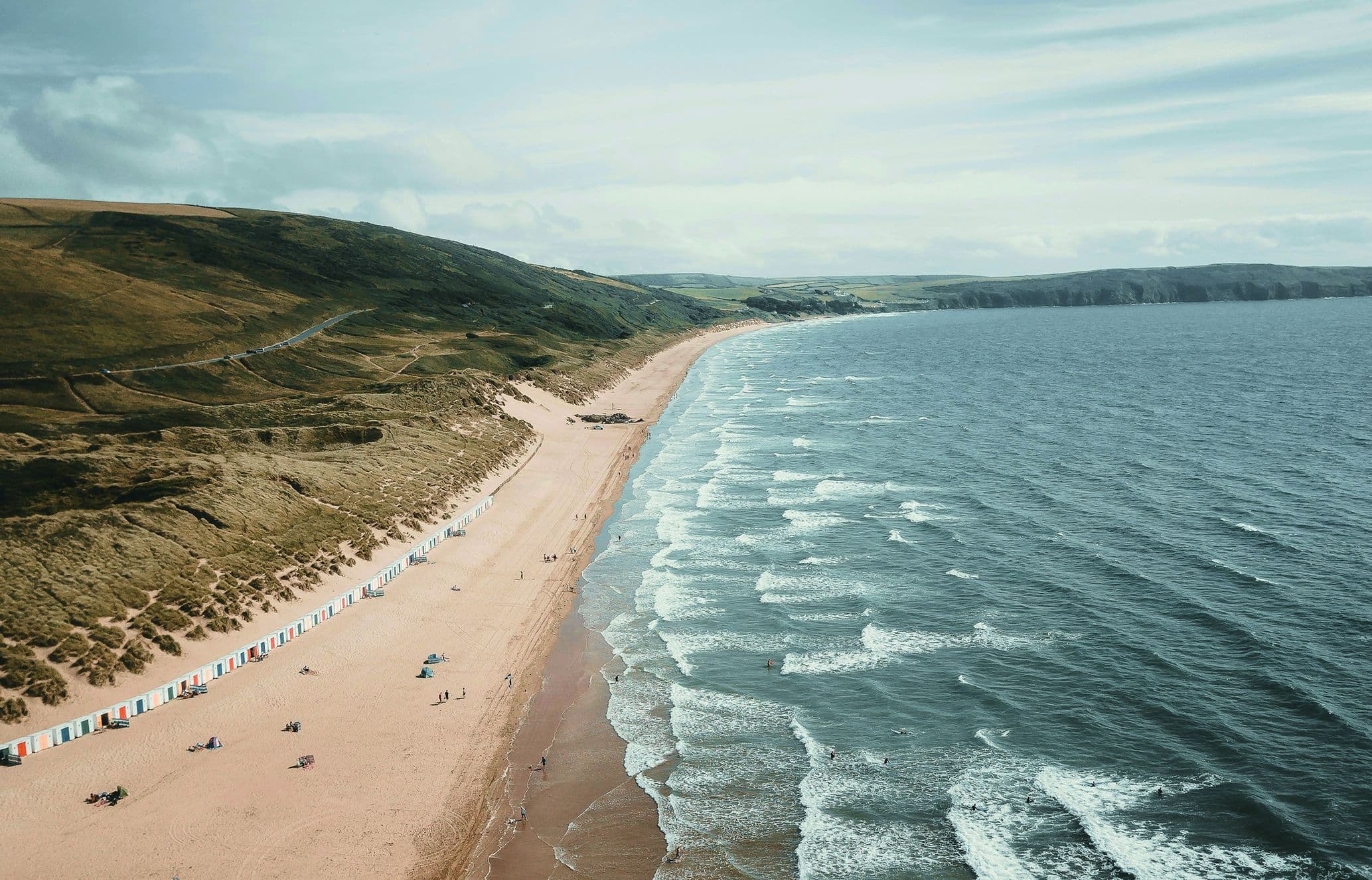
Woolacombe Beach, Devon. Photo: Peter Ford, Unsplash
Photo index score: 31
On the North Devon coast, between Saunton and the edge of Exmoor National Park, Woolacombe Beach boasts 2.5 miles of golden sand backed by rolling dunes and lapped by Atlantic waves. It’s one of the UK’s top surfing destinations, but its vast shoreline means there’s still plenty of space for those simply looking to unwind by the sea. The pace of life here is refreshingly slow, while just a 15-minute drive away, the historic harbour town of Ilfracombe offers plenty of spots to explore. For an overnight stay, Watersmeet Hotel overlooks the secluded Barricane Beach, a haven for rock pooling, with an outdoor pool facing the sea and coastal views from every angle.
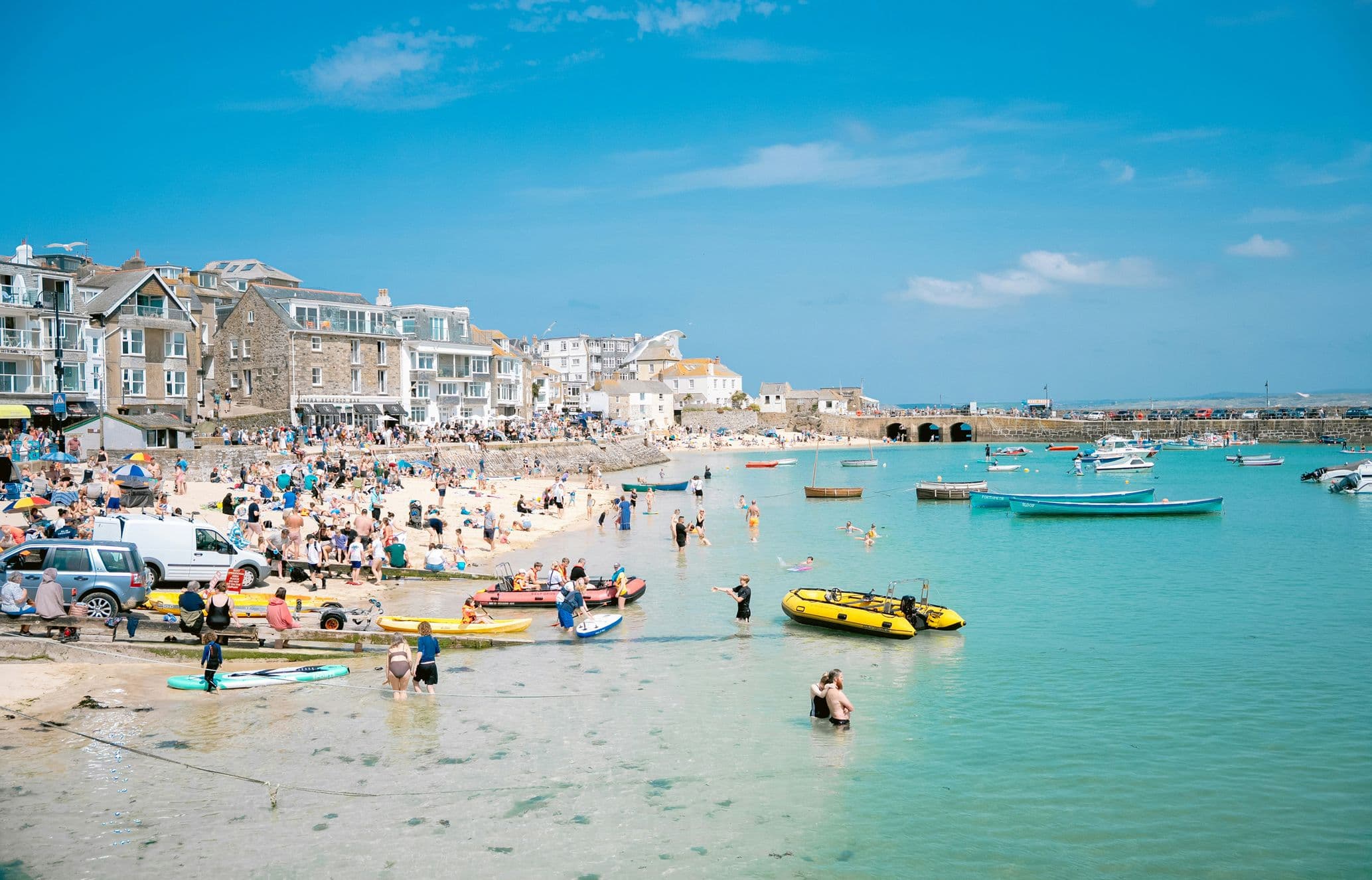
St Ives Harbour Beach, Cornwall. Photo: Ben Elliott, Unsplash
Photo index score: 30
There’s an infectious energy that flows through St Ives, from its weather-worn fisherman’s cottages and sea-facing Tate St Ives to its cobblestone streets lined with independent shops. At its heart lies St Ives Harbour Beach, a small pocket of honey-coloured sand lapped by turquoise water and bustling with boats in summer. You might spot fishing boats launched from the slipway or the lifeboat being transported across the beach by tractor. Head up Fore Street to pick up a pasty from St Ives Bakery, or wander along the front to Moomaid of Zennor Ice Cream Parlour. Just a short stroll away, you’ll find the more peaceful Porthminster Beach. Continue a little further and you’ll reach Carbis Bay, a striking cove of white sand and crystal-clear water. It’s a great spot to spend a whole day, with the Deli at Carbis Bay Estate serving drinks, pastries and sandwiches.
To determine the most photographed beaches in the UK, Popsa’s data science team analysed millions of photos uploaded by customers in 2025. Using location metadata, they identified images taken within the boundaries of UK beaches and ranked them according to total photo volume.
Each beach was assigned a photo index score reflecting the relative volume of photos taken there compared with all other beaches in the dataset. Scores were then normalised on a scale of 0 to 100, with the most photographed beach used as the benchmark. The result is a ranking that reflects real traveller behaviour, highlighting not only where people visit, but also the places that most inspire them to capture their memories.
Upptäck minnen snabbare med exklusiva funktioner som ansiktsigenkänning och smarta album.



%3Agrayscale()&w=96&q=75)
1 okt. 2026∙15 min
3 juni 2026∙8 min
3 juli 2026∙6 min


 USA
USA