

Insights
The most photographed French wine regions in autumn
From Provence’s lavender fields to Burgundy’s terraced vineyards and the storybook villages of Alsace, we reveal the locations Popsa travellers love to capture
&w=96&q=75)
2 wrz 2026∙7 min
Insights
From Provence’s lavender fields to Burgundy’s terraced vineyards and the storybook villages of Alsace, we reveal the locations Popsa travellers love to capture
2 wrz 2026∙7 min
Words by Georgina Groom-Rietschy
When autumn arrives, France’s landscapes take on a romantic glow, especially its wine regions, where vineyards turn golden as pickers bustle between the vines during harvest. The scenery has long inspired literary legends and renowned artists alike, from Vincent van Gogh and Paul Cézanne to Ernest Hemingway. As more travellers choose to explore these areas in autumn, we set out to discover where to find the most photogenic backdrops.
Our data science team analysed millions of customer photos using a rigorous, data-led approach. Comparing data from September to November across 2024 and 2025, we found that the rankings remain completely unchanged. The Rhône Valley steals the show, with its distinctive steep granite hills in the north and rolling plains in the south, closely followed by Bordeaux and Provence. Further down the list, familiar favourites and lesser-trodden corners, including Champagne and Beaujolais, prove equally worthy of a place on your itinerary.
To learn how the data was analysed and how the photo index scores were calculated, see the methodology at the end of this article.
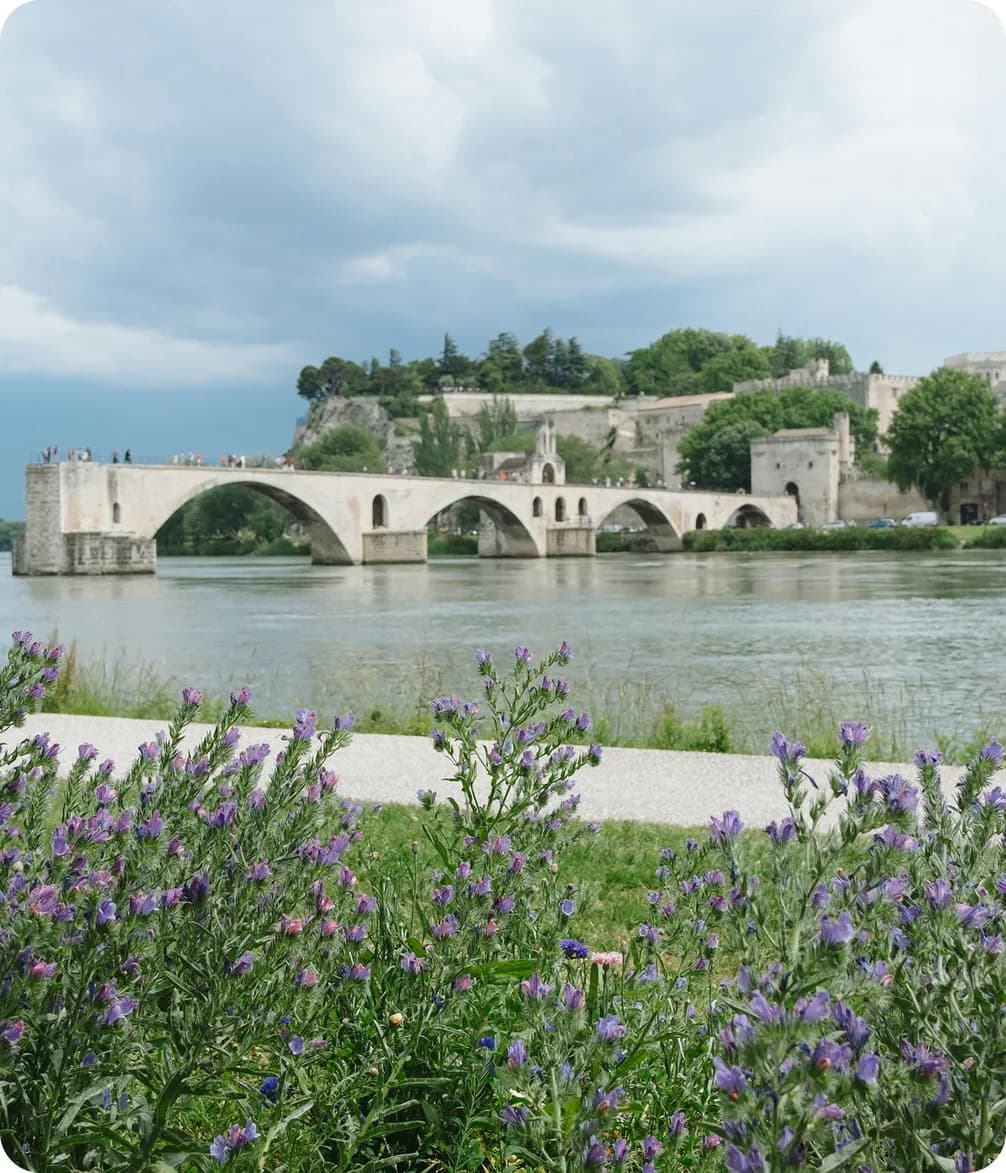
Rhône Valley. Photo: Chelsea Essig, Unsplash
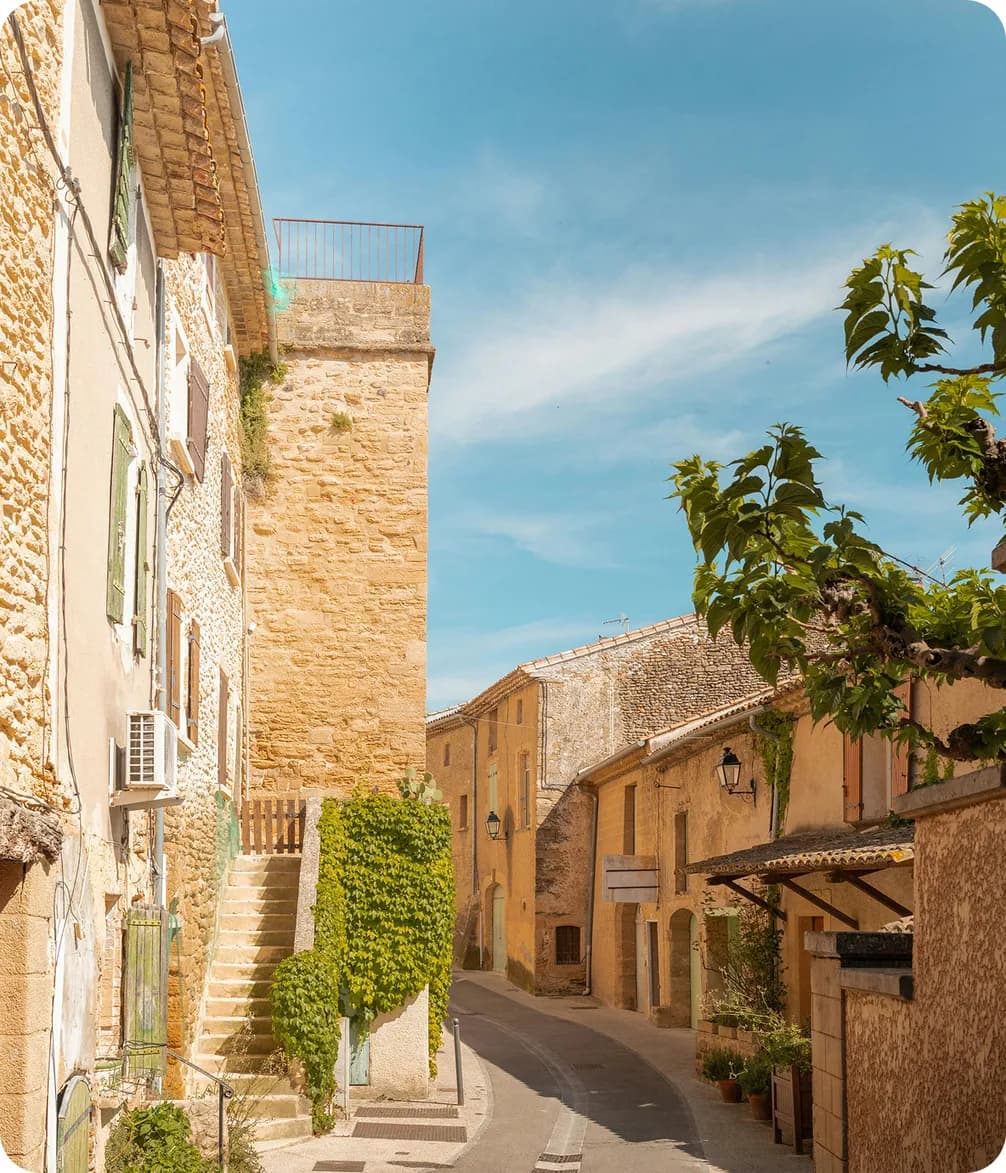
Photo: Ryan Cluas, Unsplash
Photo index score: 100
Stretching roughly 150 miles from Lyon to Avignon, the Rhône Valley unfolds in two distinct halves. In the north, steep rocky slopes hug the river, producing characterful reds from Syrah and aromatic whites from Viognier, while further south, sun-baked stony hills favour Grenache-led reds. Start in Lyon, with Villa Florentine as your base – hilltop views, a rooftop pool and upscale dining make for a memorable stay. Then head into wine country, weaving through Vienne, Chavanay and Malleval, with their village markets, vineyard lanes and cyclists tackling the ViaRhôna. Highlights include E. Guigal’s steep terraces in Côte-Rôtie and the historic Château La Nerthe in Châteauneuf-du-Pape, with records dating to 1560.
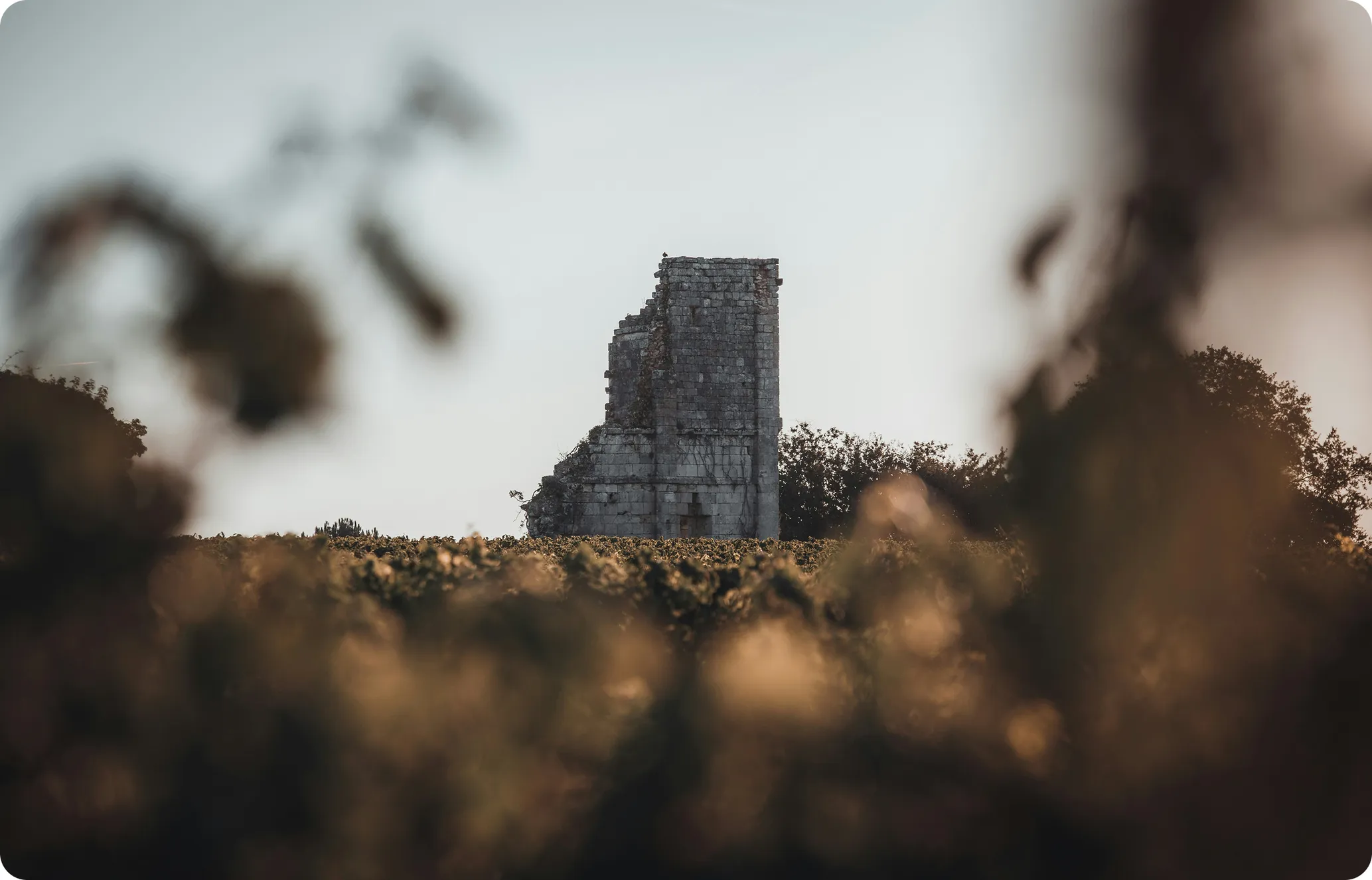
Bordeaux. Photo: Dylan Leagh, Unsplash
Photo index score: 73
The port city of Bordeaux is synonymous with its elegant red blends, typically made from Cabernet Sauvignon and Merlot, while sweet Sauternes has long put the region on the world stage. Spend an afternoon at the Cité du Vin, a ten-storey celebration of wine heritage and culture featuring interactive exhibitions, tasting workshops and a bottle shop – all housed in a striking curved building, designed to evoke the movement of wine, on the banks of the Garonne. Back in town, join locals at La Brasserie Bordelaise, where floor-to-ceiling shelves are brimming with bottles. Head 40 minutes to Saint-Émilion and visit Château Angélus, celebrated for its organic farming and natural amphitheatre vineyard.
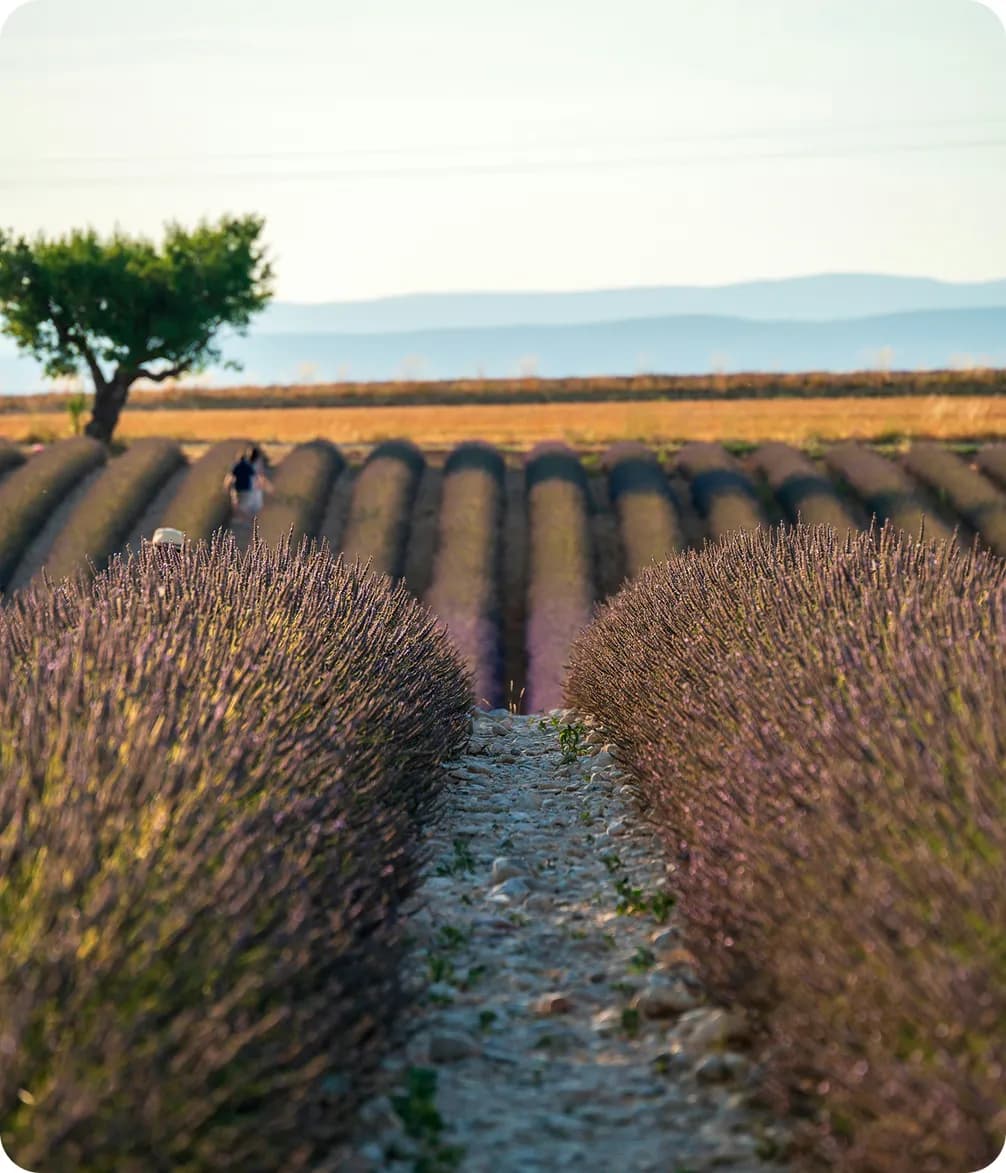
Valensole, Provence. Photo: Chris Royer, Unsplash
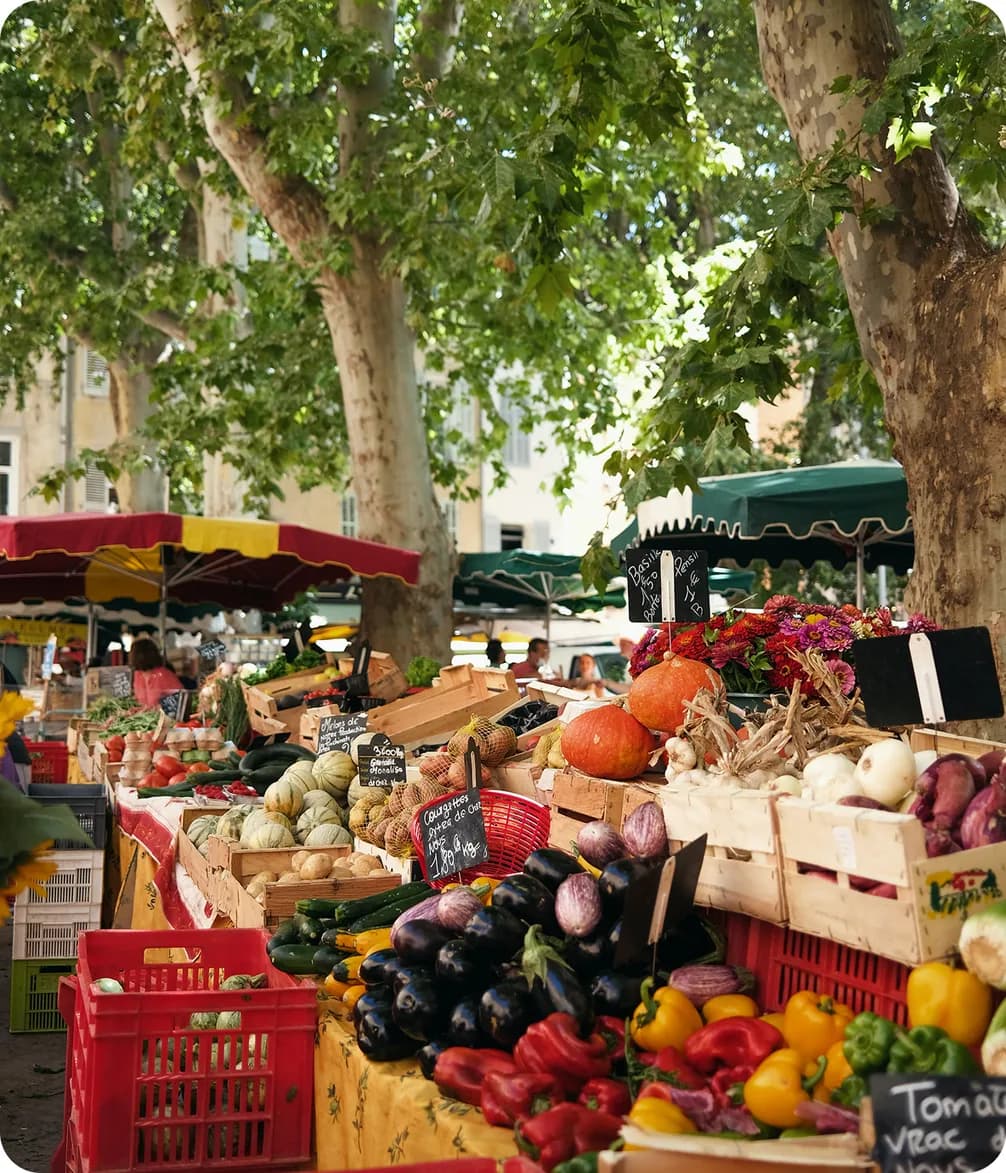
Aix-en-Provence. Photo: Christian Mackie
Photo index score: 71
Lavender fields, sun-bleached villages and bustling food markets have made Provence a muse for artists, from Pablo Picasso to Henri Matisse – and the landscape still feels remarkably painterly. Rosé is the region’s calling card, thanks to its Mediterranean climate and centuries-old winemaking tradition. Start in Avignon and pop into the Musée Angladon for works by Van Gogh and Cézanne, then browse the 400-plus southern French bottles at Le Vin Devant Soi. From there, visit Arles, where Van Gogh produced more than 300 paintings and drawings in just 15 months, including Starry Night Over the Rhône. Further east, Valensole delivers showstopping lavender fields, while Aix-en-Provence’s tree-lined streets and joyful charm make a strong case for lingering. Stay at Le Pigonnet, an 18th-century mansion with pristine gardens, an outdoor pool and a gourmet restaurant.
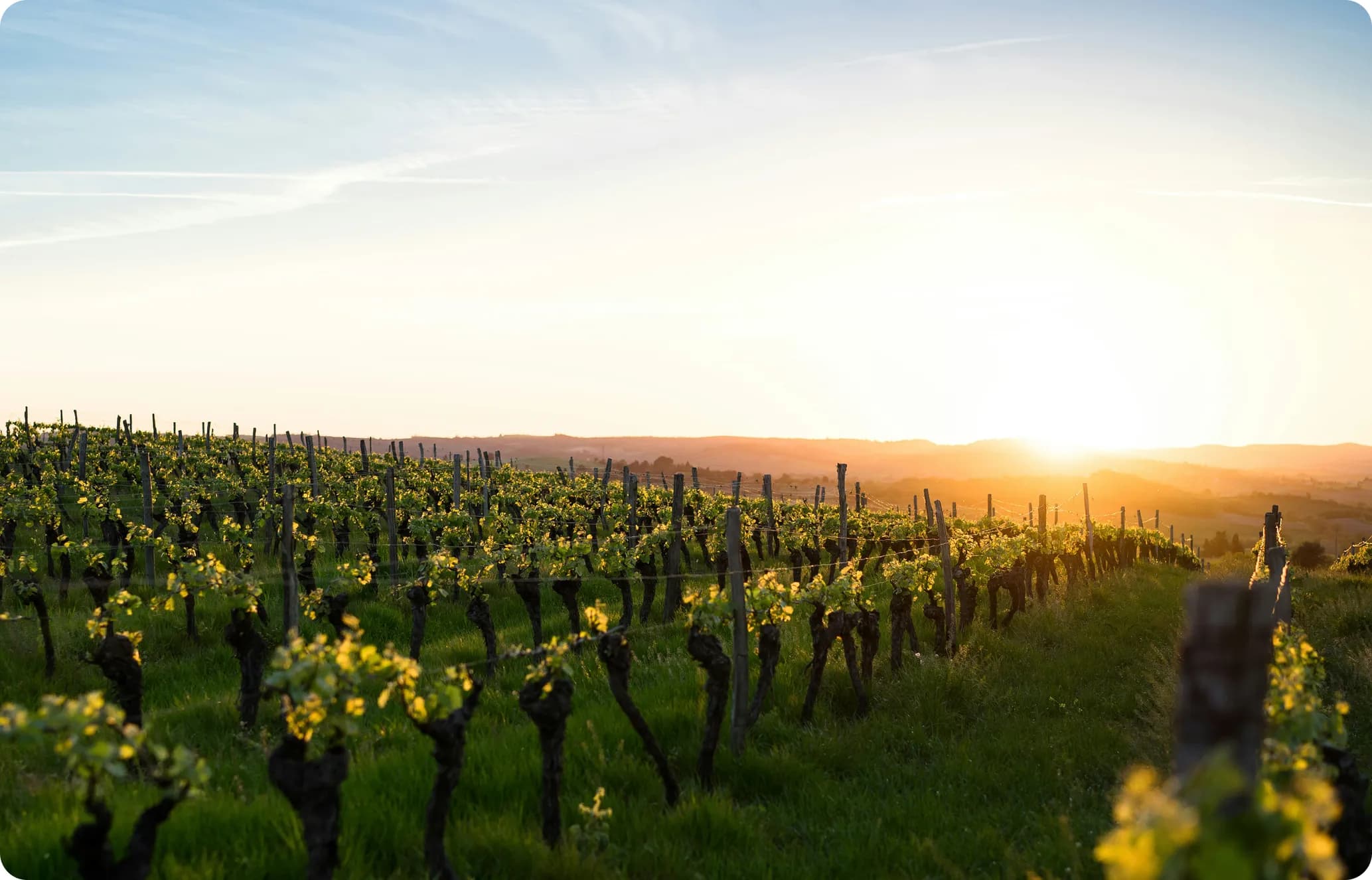
Carcassonne, Languedoc-Roussillon. Photo: Boudewijn Boer, Unsplash
Photo index score: 55
Stretching from the Mediterranean coast to the foothills of the Pyrenees, Languedoc-Roussillon is one of southern France’s less-trodden regions, with vineyards, medieval villages and wild landscapes in abundance. From Grenache and Syrah-led Pic Saint-Loup reds to fresh Picpoul de Pinet, Languedoc’s wines delight visitors, while local markets offer oysters, cheese and charcuterie. Make Carcassonne your base, exploring its medieval citadel before cycling or boating along the Unesco-listed Canal du Midi. For a change of pace, head northwest to the Gorges de l'Hérault and stone-built Saint-Guilhem-le-Désert. This is a region that rewards slow travel – and still feels blissfully removed from the crowds further east.
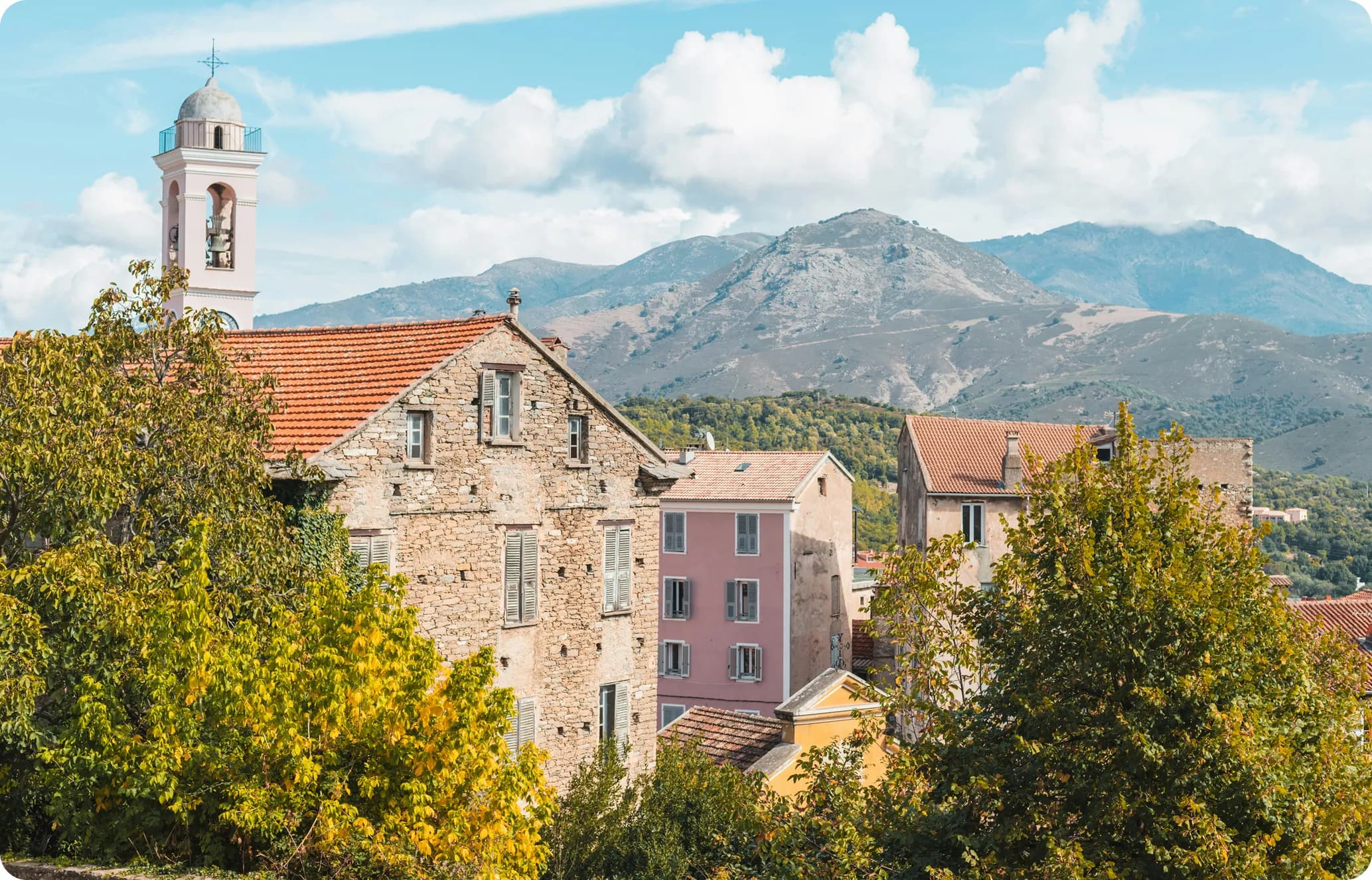
Corsica. Photo: Clovis Wood, Unsplash
Photo index score: 29
Corsica’s wines remain something of a rarity outside of France, with only around 20 per cent of production exported internationally. This glamorous French island, just north of Sardinia, is a mix of granite mountains, fragrant maquis and dazzling Mediterranean beaches. Hike a stretch of the GR20 – the 112-mile trail running across the island from Calenzana to Conca – before rewarding yourself with local charcuterie and a glass of Niellucciu or Vermentinu. Base yourself in Ajaccio at the waterfront Hôtel Les Mouettes for sea views and access to its private sandy beach. Further south, Bonifacio’s white limestone cliffs and Porto-Vecchio’s beaches attract a stylish crowd, while the Calanches de Piana offer some of the island’s most arresting scenery.
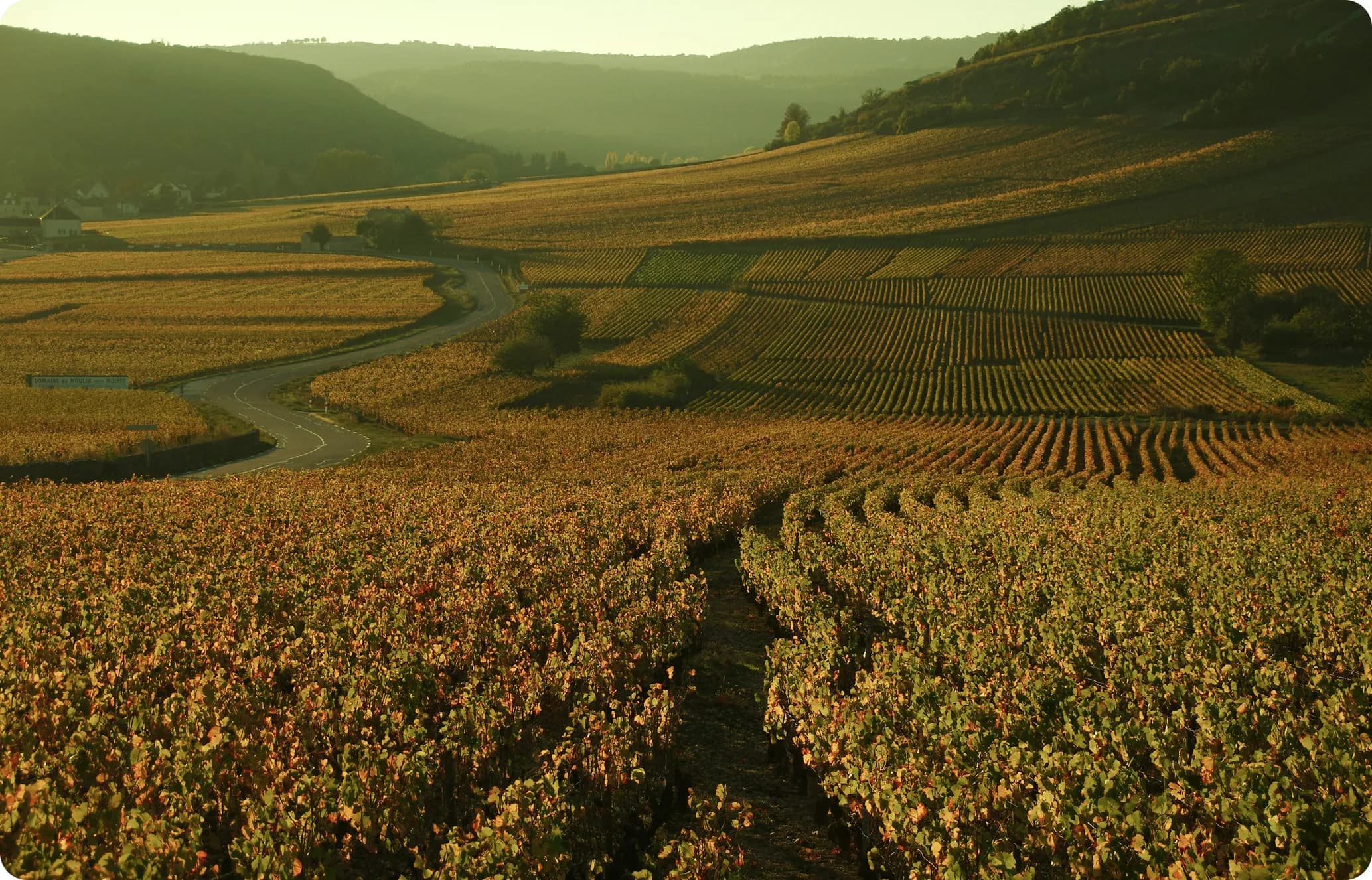
Burgundy. Photo: Elodie Debard, Unsplash
Photo index score: 26
Burgundy rewards visitors who set aside a long weekend to explore its medieval villages, winding canals and hillsides dotted with vineyards. The famous slopes of the Côte d'Or form the historic heart of the region’s wine production, stretching from Dijon to Santenay and yielding exceptional Pinot Noir and Chardonnay. Autumn is a particularly magical time to visit, when the hillsides turn vivid shades of gold, orange and ruby. Burgundy is a must for foodies too, home to classics such as beef bourguignon, coq au vin and Dijon mustard. Rustic local bistros sit alongside fine dining spots. We love Relais Bernard Loiseau hotel in Saulieu, partly for its two Michelin-starred restaurant, but also for its manicured gardens, soothing spa and snug bedrooms.
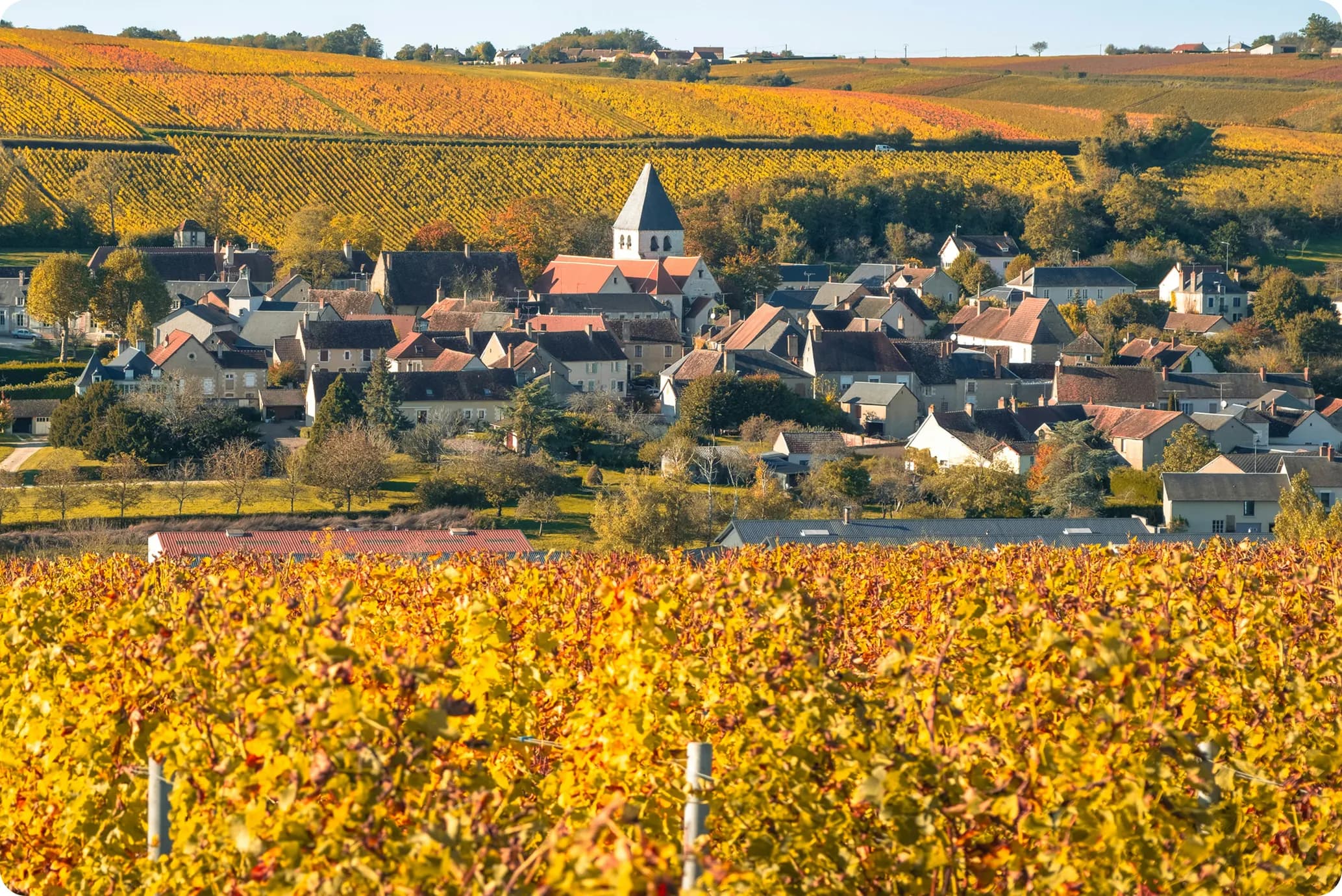
Sury-en-Vaux, Loire Valley. Photo: Sue Winston, Unsplash
Photo index score: 23
Nicknamed the “Garden of France”, the Loire Valley’s regal history sets it apart from other regions on this list. Home to over 300 châteaux built for French nobility, the valley pairs abundant local produce with exceptional winemaking, particularly crisp, dry whites including Sauvignon Blanc and Chenin Blanc. Many postcard-perfect villages come with a grand residence of their own, but the Château de Chambord is the valley’s largest castle, famed for its French Renaissance architecture and double-helix staircase. For the full regal experience, bed down at Les Sources de Cheverny, set within a vast estate of woodland and farmland, with period rooms, antique furnishings, Michelin-starred dining and bikes to explore the surrounding countryside.
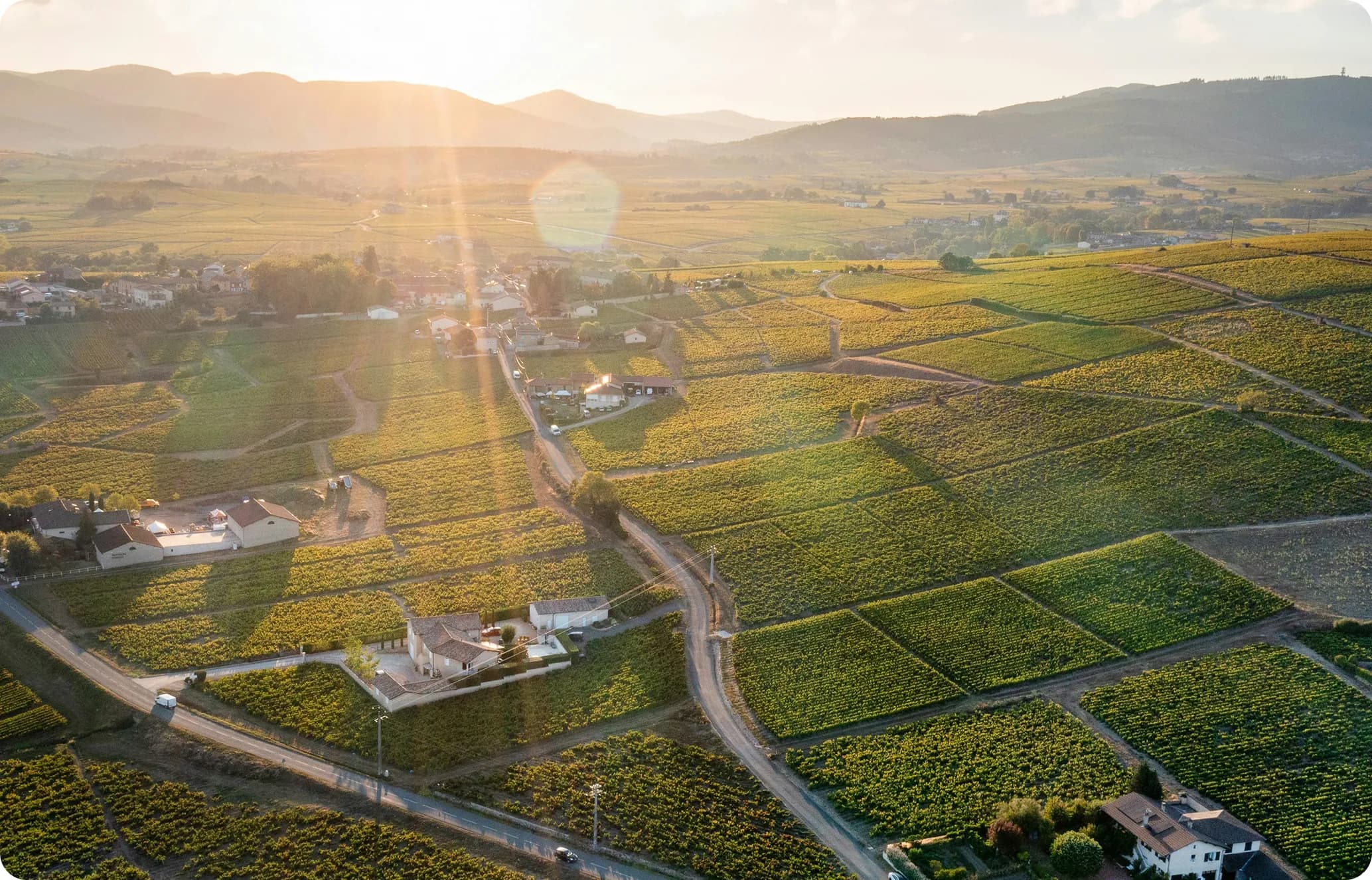
Beaujolais. Photo: Filipp Romanovski, Unsplash
Photo index score: 17
The 35-minute train journey north from Lyon to Beaujolais offers glimpses of the Saône Valley before pulling into town. Head to Moulin-à-Vent, one of Beaujolais’ most celebrated regions, comprising the villages of Romanèche-Thorins and Chénas. Its historic windmill makes a showstopping photograph, particularly in autumn, when the grape harvest sees hillsides awash with golds and reds. Known for its structured Gamay-based reds, Beaujolais comes alive in November, when locals gather for the five-day Les Sarmentelles festival in Beaujeu, featuring torchlight parades, gourmet dinners, concerts, wine tastings and fireworks.
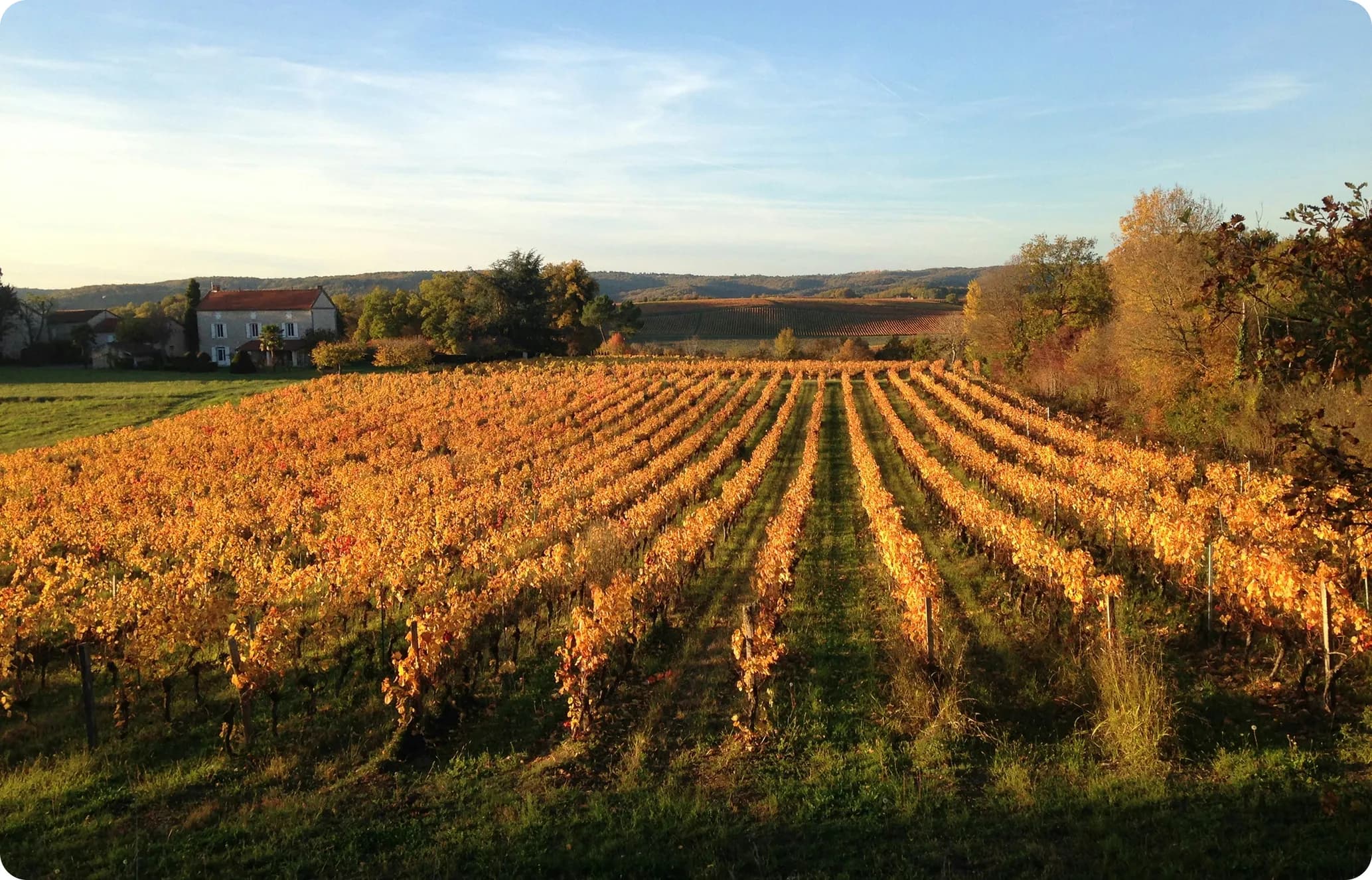
Cahors. Photo: Martin Kelly, Unsplash
Photo index score: 16
Southwest France, from the Dordogne and Garonne valleys to the foothills of the Pyrenees, is the country’s fifth-largest wine-producing area. Neighbouring Bordeaux, Bergerac uses many of the same grapes, including Merlot, to produce rich reds and honeyed sweet whites, while Cahors, on the Lot, is noted for its powerful, inky Malbec. Further south, Madiran is worth a stop for its Tannat-based wines. The village is home to Hôtel Le Prieuré, where seasonal dining, charming bedrooms and vineyard views make for a lovely overnight stay – expect stone walls, airy rooms and plenty of armchairs for settling in with a book.
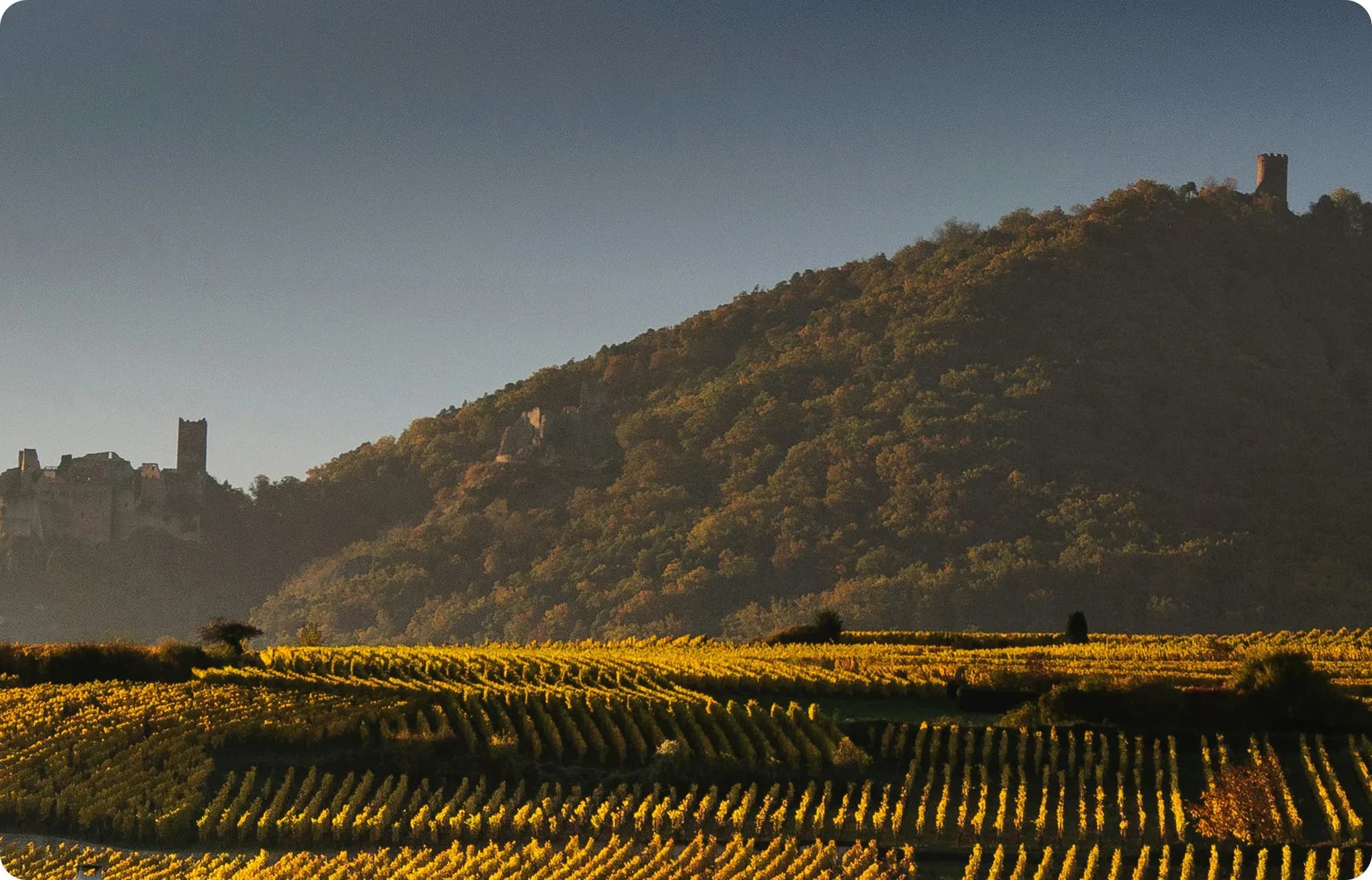
Alsace. Photo: Jeff Burrows, Unsplash
Photo index score: 12
Alsace’s turbulent history – a territory fought over by France and Germany between 1871 and 1945 – has left a distinctive cultural imprint. Picture timber-framed houses spilling towards rivers, storybook streets and hearty dishes such as baeckeoffe, a slow-cooked potato and meat casserole. Take the high-speed train from Paris through the Champagne region to Strasbourg, known for its white wines and one of Europe’s oldest Christmas markets. Book a table at Porcus for air-dried hams and a downstairs deli stacked with sausages. Then day-trip to Kaysersberg – a cobbled village of vine-covered slopes, anchored by a fortified bridge and the ruins of its 13th-century castle.
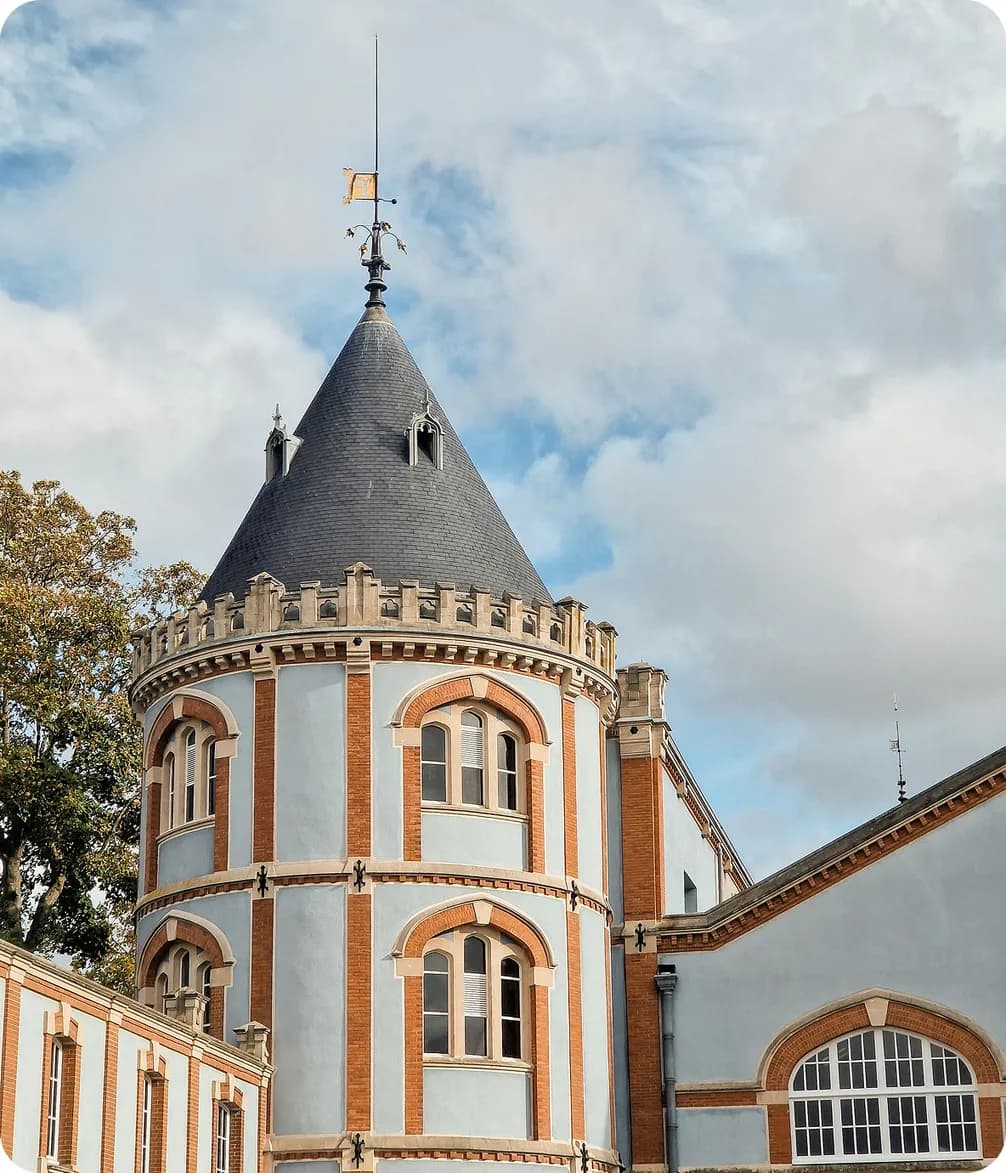
Champagne. Photo: Oceane Picq, Unsplash
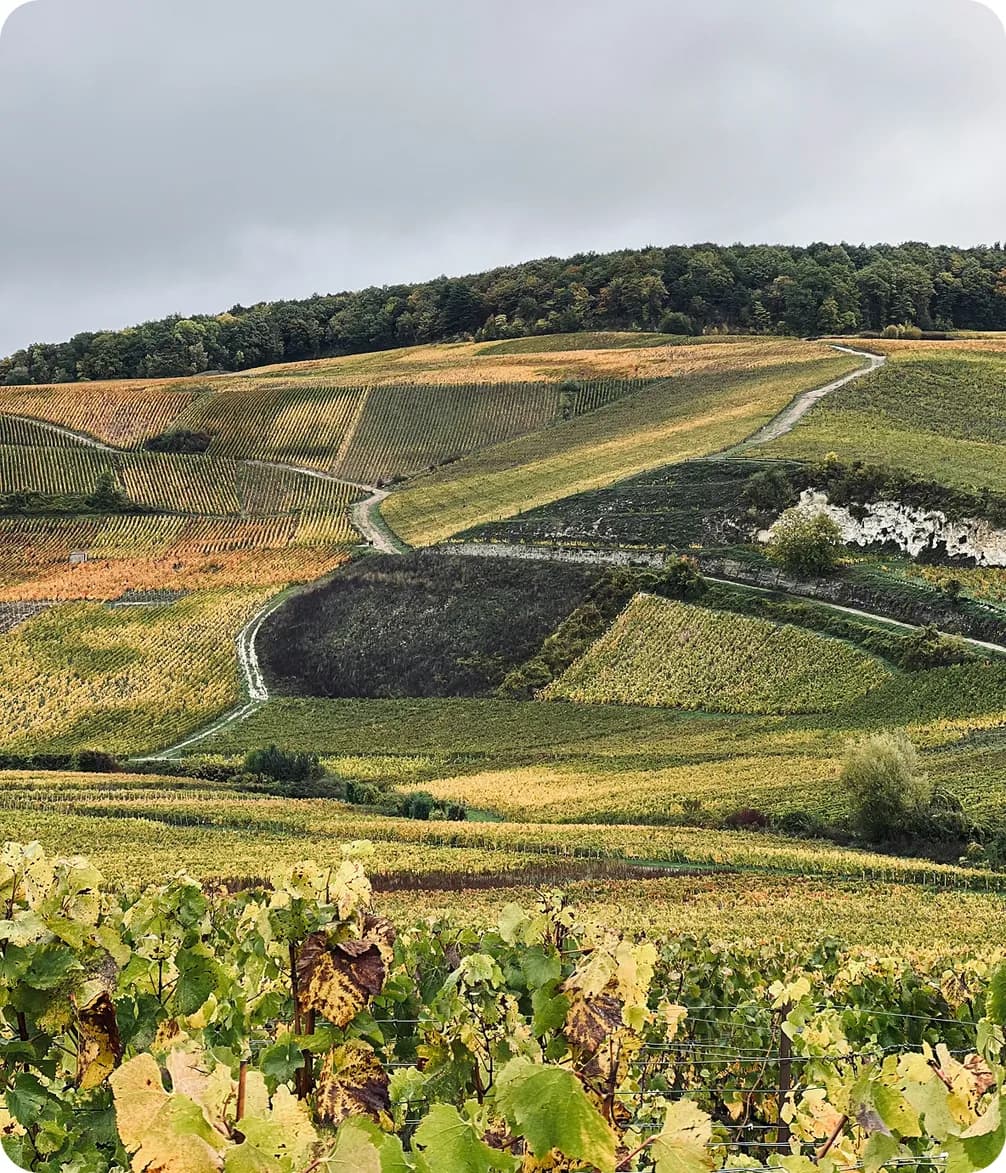
Champagne. Photo: PJ DC, Unsplash
Photo index score: 7
There's a reason France’s spectacular Champagne region lands at the bottom of our ranking. Autumn paints its vineyard-covered hillsides in shades of gold, but it’s also harvest season, when some producers limit public tours and tastings as grapes are picked and pressed. Don’t let that put you off – the harvest activity offers a rare glimpse behind the scenes of a centuries-old winemaking tradition. Reims, Épernay and Aÿ are the main stops, with Reims just 45 minutes from Paris by high-speed train. For a slice of history, head to Hautvillers, the village associated with Dom Pérignon, before settling into a tasting. Family-run Champagne Marion-Bosser is a highlight, with tastings served in its leafy courtyard.
To determine the most photographed wine regions in France, Popsa’s data science team analysed millions of photos uploaded by customers in 2025. Using location metadata, they identified images taken within the boundaries of French wine regions between September and November and ranked them according to total photo volume.
Each region was assigned a photo index score reflecting the relative volume of photos taken there compared with all other regions in the dataset. Scores were then normalised on a scale of 0 to 100, with the most photographed region used as the benchmark. The result is a ranking that reflects real traveller behaviour, highlighting not only where people visit, but also the places that most inspire them to capture their memories.
Szybciej przywołuj wspomnienia dzięki ekskluzywnym funkcjom, takim jak rozpoznawanie twarzy i inteligentne albumy.



%3Agrayscale()&w=96&q=75)
13 paź 2026∙12 min
7 maj 2026∙7 min
6 paź 2026∙10 min


 Stany Zjednoczone