

Styl-Zycia
How to make interiors feel alive in photographs
Natural light, lived-in details and clever viewpoints: an interiors photographer shares how to capture a room’s character

2 wrz 2026∙7 min
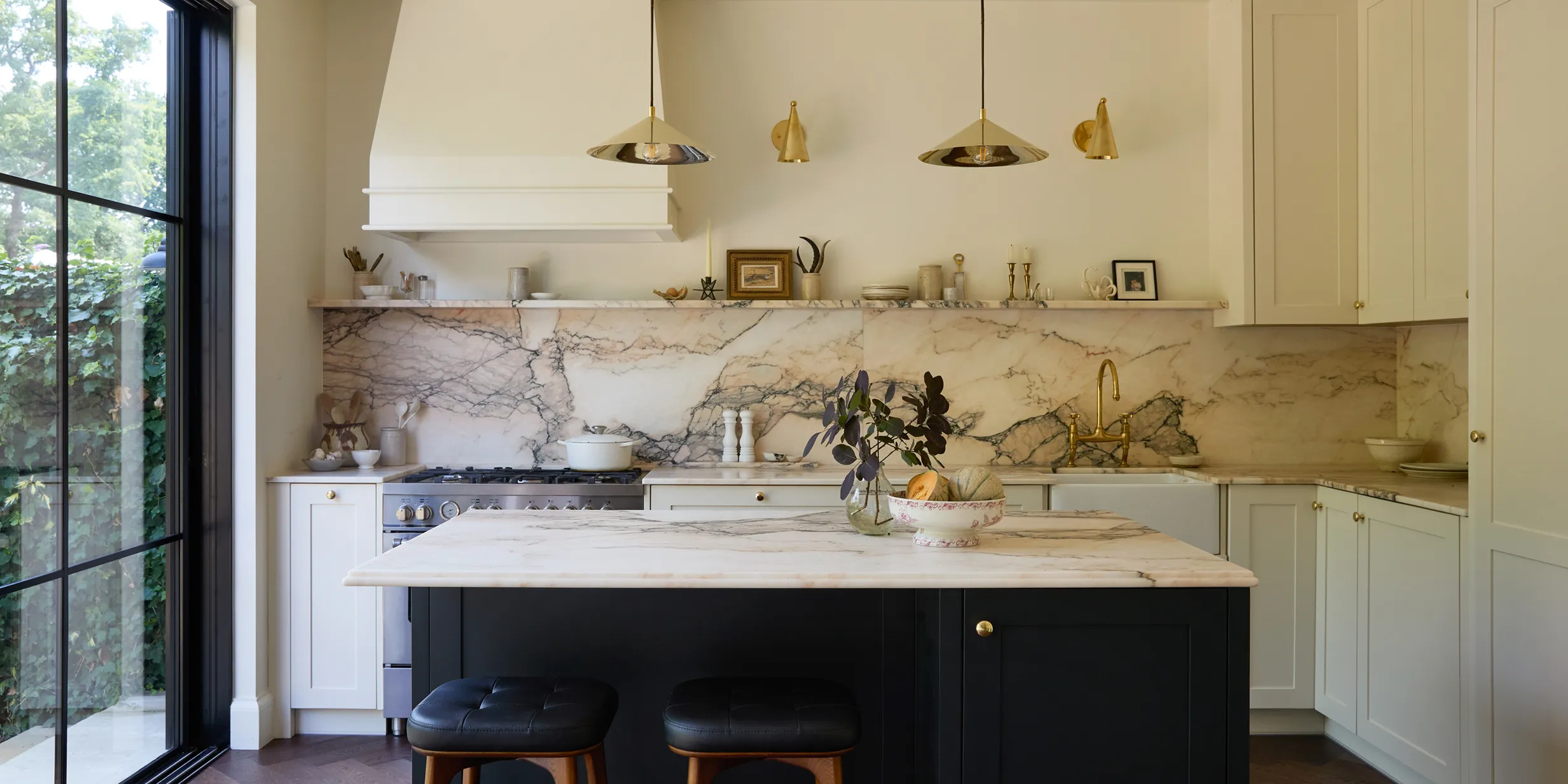
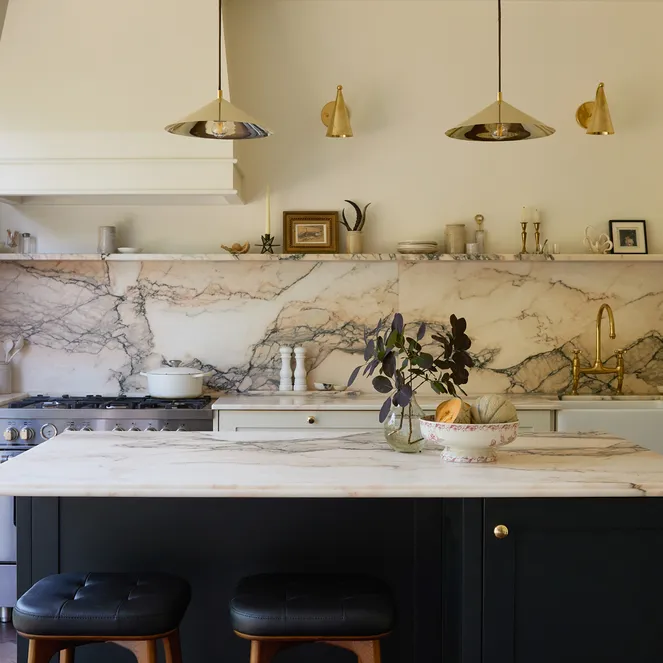
Styl-Zycia
Natural light, lived-in details and clever viewpoints: an interiors photographer shares how to capture a room’s character
2 wrz 2026∙7 min
Helen Cathcart is an interiors photographer known for capturing spaces with a lived-in quality. Working with natural light, her images favour mood and story over polish – finding beauty in the everyday corners rather than the perfectly arranged ones.
I have been photographing interiors for a long time, and they do say it’s an art that takes years to hone. I have never fully understood exactly why, but I think there’s a skill to how you view a room and how you capture its essence through images – and that’s what I hope to share with you here.
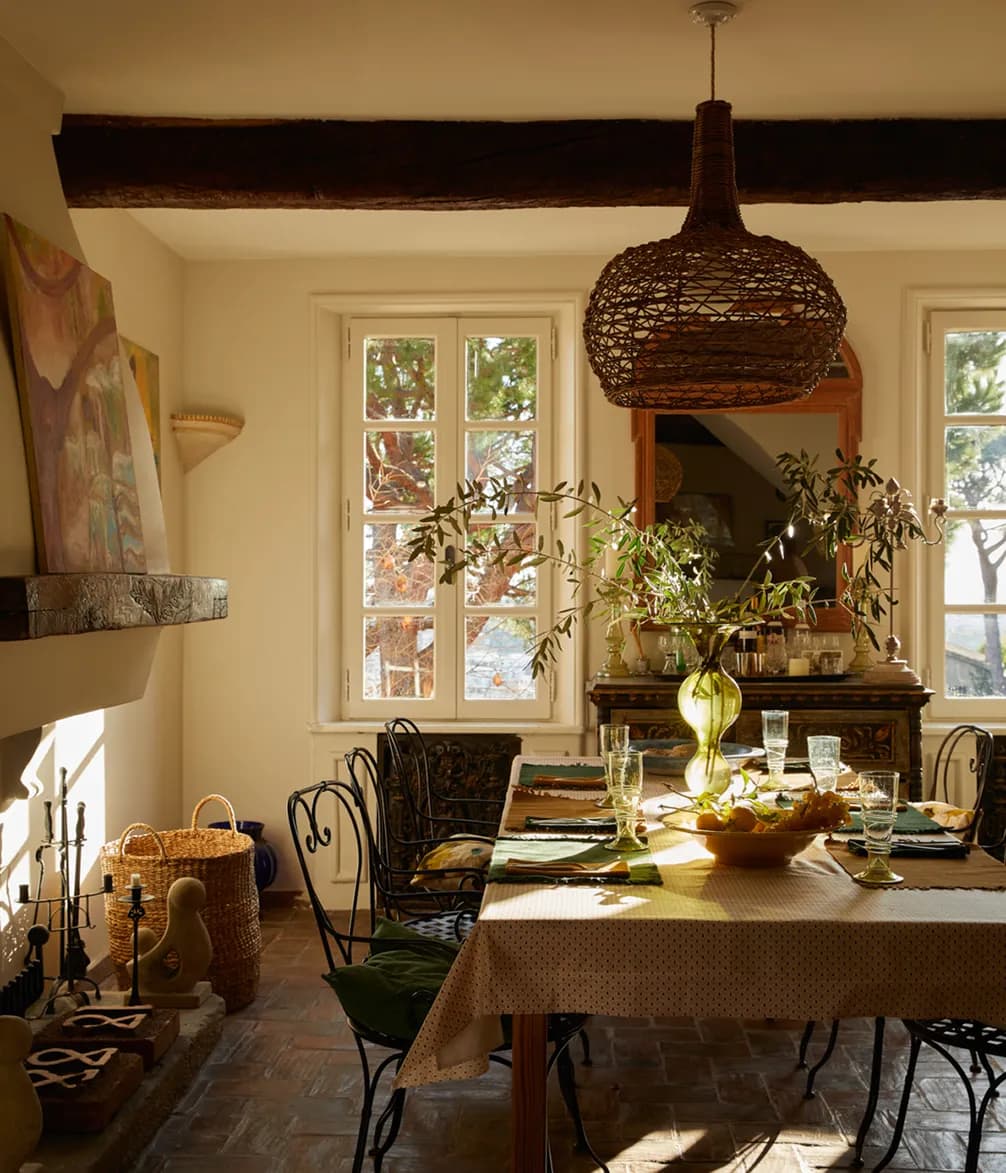
A hilltop home in Cagnes-sur-Mer designed by Katie Lyons. Photo: Helen Cathcart
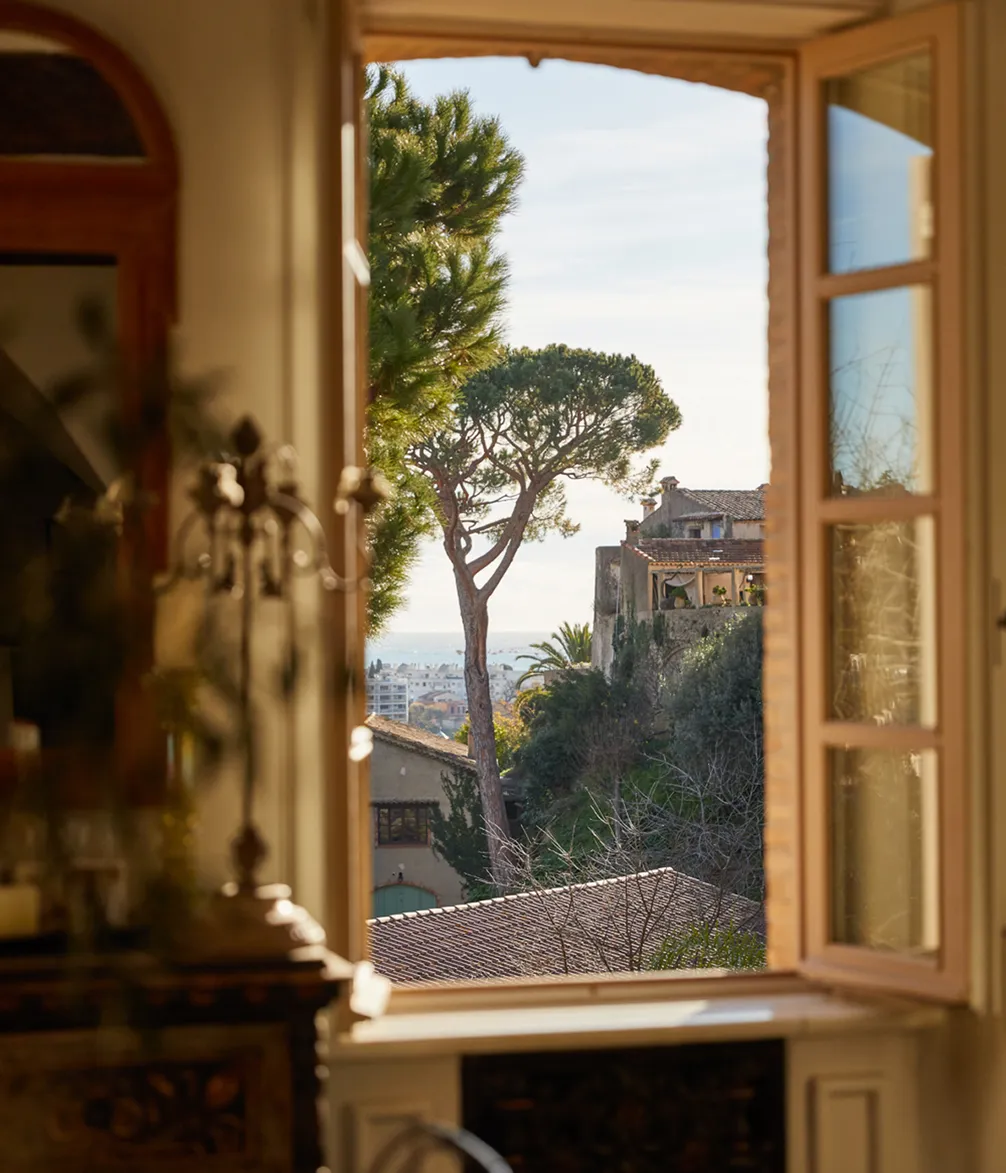
Photo: Helen Cathcart
There’s a distinct difference between trying to document a space – the kind of wide, flattened interior shot an estate agent might take – and actually getting across the feeling you have when you’re sitting in that space. Quite often, focusing on little vignettes, or “moments”, will tell more of a story about a room than a wide shot ever could.
These shouldn’t be immaculately styled, as that’s precisely what removes the realness and the life from an image. A space should look like someone has just left the scene, rather than as if it has been sitting perfectly waiting for someone to arrive. Maybe a favourite armchair with a book left open on it becomes the focal point. Or a view across an unmade bed towards the window, morning light catching the crumpled sheets. These small, unstaged details are often what make a photograph feel true.

A Notting Hill apartment designed by London studio De Rosee Sa. Photo: Helen Cathcart
Increasingly, our homes are what we pour our time, energy and money into. Or, equally, they’re the places we choose to travel to and stay in. It’s very easy to get caught up in the perfectly styled, manicured interiors we see in glossy magazines, but ultimately we have to actually live in these spaces. So it isn’t about removing every sign of life – quite the opposite.
I find that objects that are collected and personal add great detail and layers to an image. Natural objects especially – anything found in nature or made from natural materials instantly adds warmth to a photograph.
The things you may have picked up on your travels, found on a beach, bought from a museum or carefully chosen at an antiques market are what make your space unique, so I always try to feature them when I’m shooting a home. Even taking a moment to arrange a few of these objects as a still life starts to make them feel more meaningful and more worthy of attention than they might seem in passing.
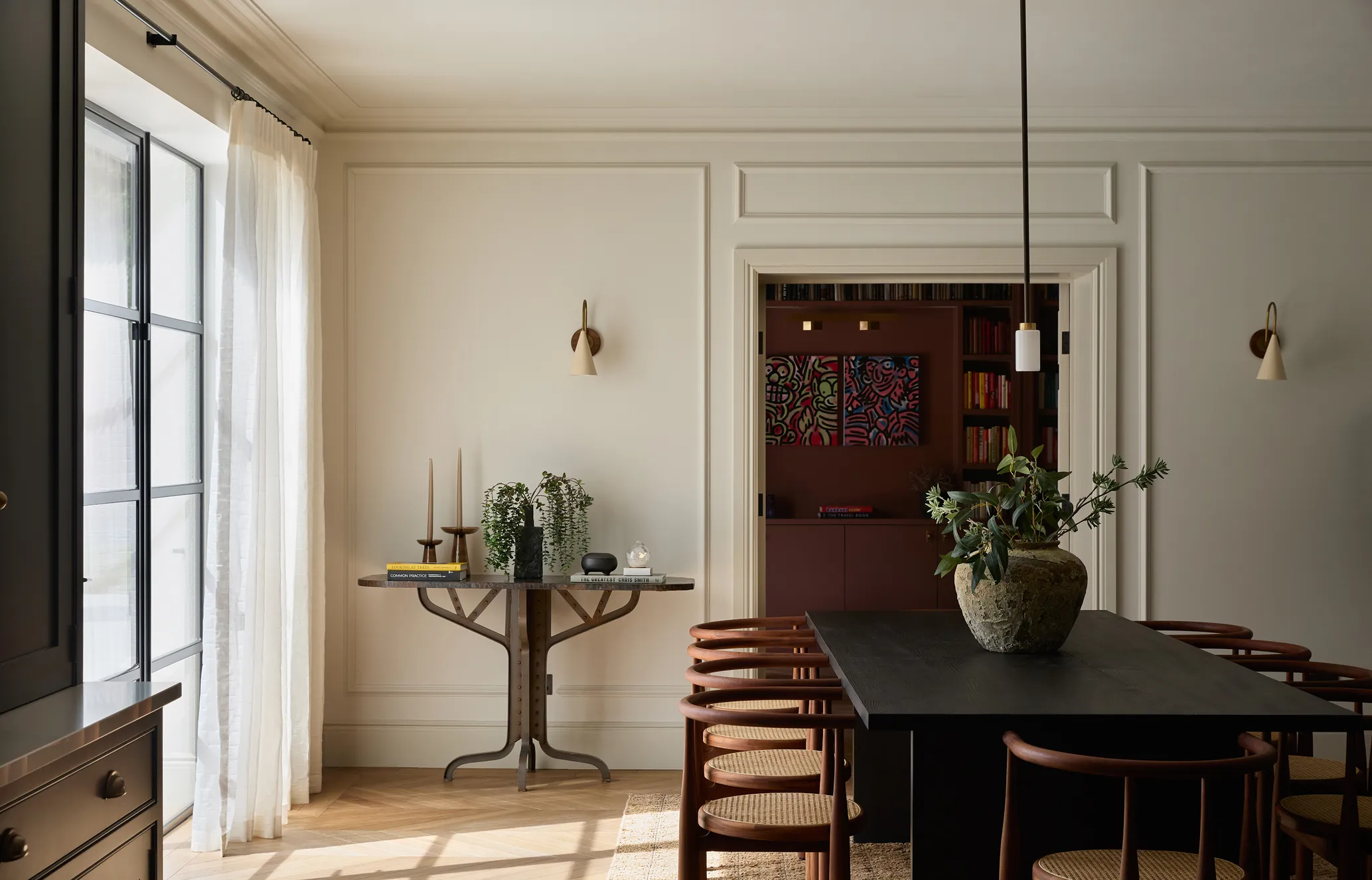
A look inside Ben Chilwell’s Surrey home. Photo: Helen Cathcart
&w=3840&q=75)
Corners of Cari Giannoulias’s Greek villa. Photos: Helen Cathcart
&w=3840&q=75)
Cagnes-sur-Mer, France
&w=3840&q=75)
Costa Navarino, Greece
&w=3840&q=75)
Coworth Park, Ascot, UK
&w=3840&q=75)
Court Farm, Somerset, UK
More than anything else, the right light is what matters. I only shoot using natural daylight. This allows there to be both light and shadow – and shadows are what give a photograph its atmosphere and softness.
A north-facing room will have fairly constant light throughout the day. This won’t be a direct light with strong, harsh shadows, but a diffused, even light with soft shadows. This can be lovely for capturing objects, especially if you place them in front of a shadowed or dark background, letting them quietly emerge from the frame.
Direct sunlight is harsher and creates stronger shadows, but it can bring its own kind of life and interest to a room. Perhaps it’s shining through the branches of a tree outside, creating interesting dapples of light across a wall or floor.
When you shoot will also affect the quality of light in a space. Morning light gives a special kind of softness, while evening brings a warmth that can transform a room entirely. These are often the moments when you’re able to capture the most atmosphere in a home, and things that once looked entirely ordinary can suddenly take on new life.
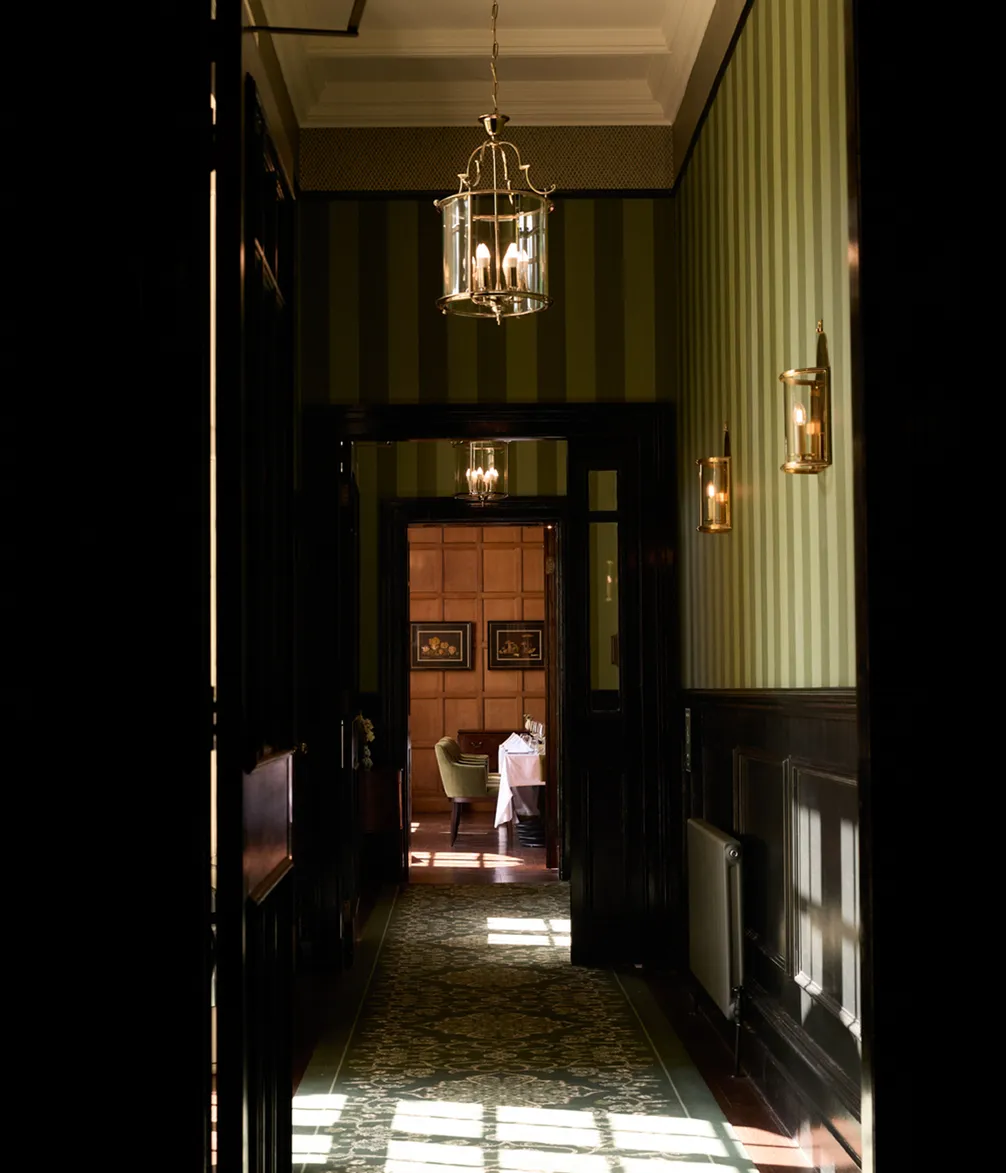
Dumbleton Hall, the Cotswolds, UK.. Photo: Helen Cathcart
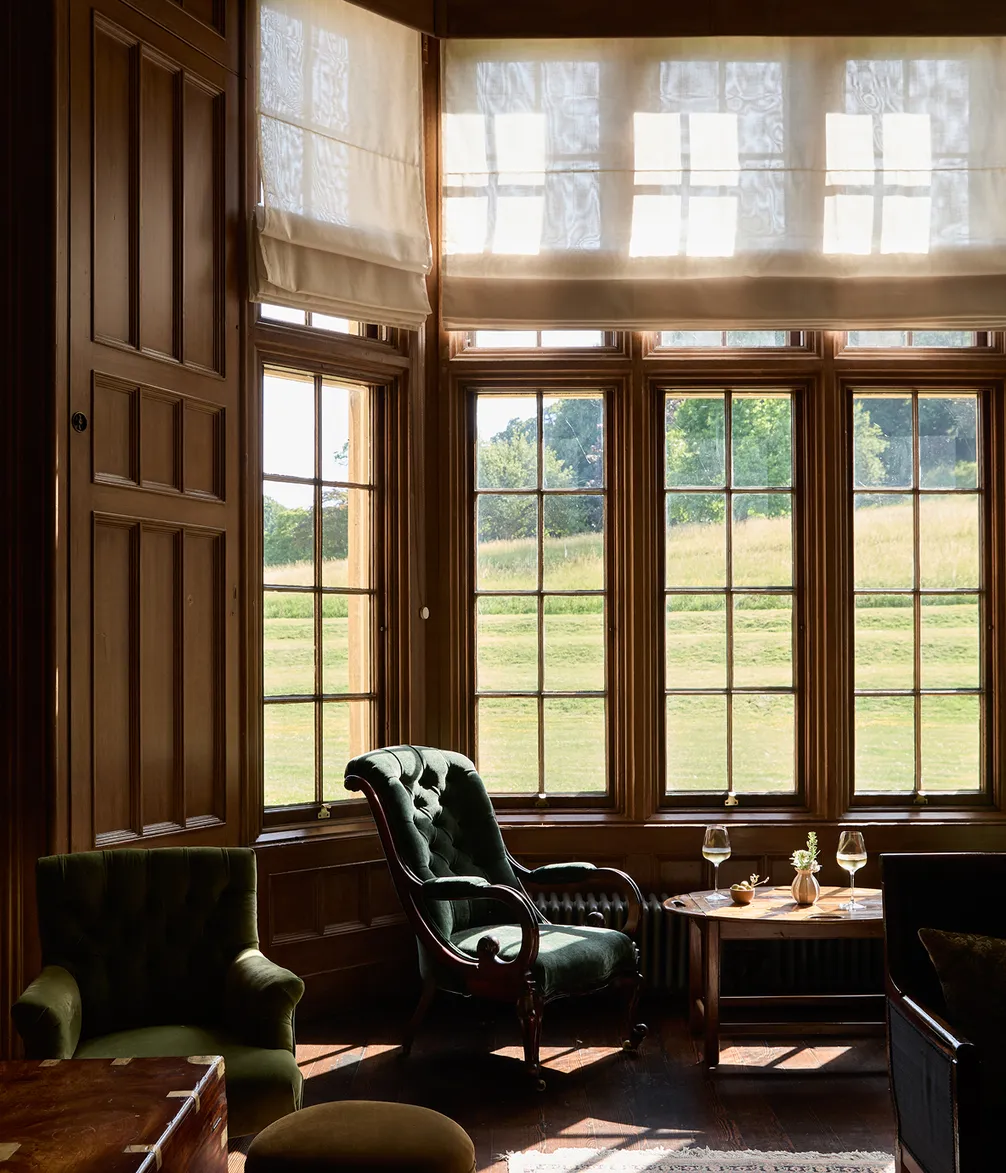
Photo: Helen Cathcart
Most people assume that you need a bright, sunny day to shoot indoors, but I actually prefer those darker, greyer days – shooting in a north-facing room on a slow shutter speed. This creates a wonderful sense of mood and shadow that a bright day simply can’t offer. Whatever you do, though, don’t turn on the lights.
As you walk around a space, you’ll notice there are different viewpoints that can make a scene far more interesting. Shooting through a doorway, for instance, often works well – it leads the eye into the room and towards the focal point beyond. Playing with depth of field here helps too: making the foreground slightly out of focus draws the viewer further into the frame, towards whatever you want them to notice first.
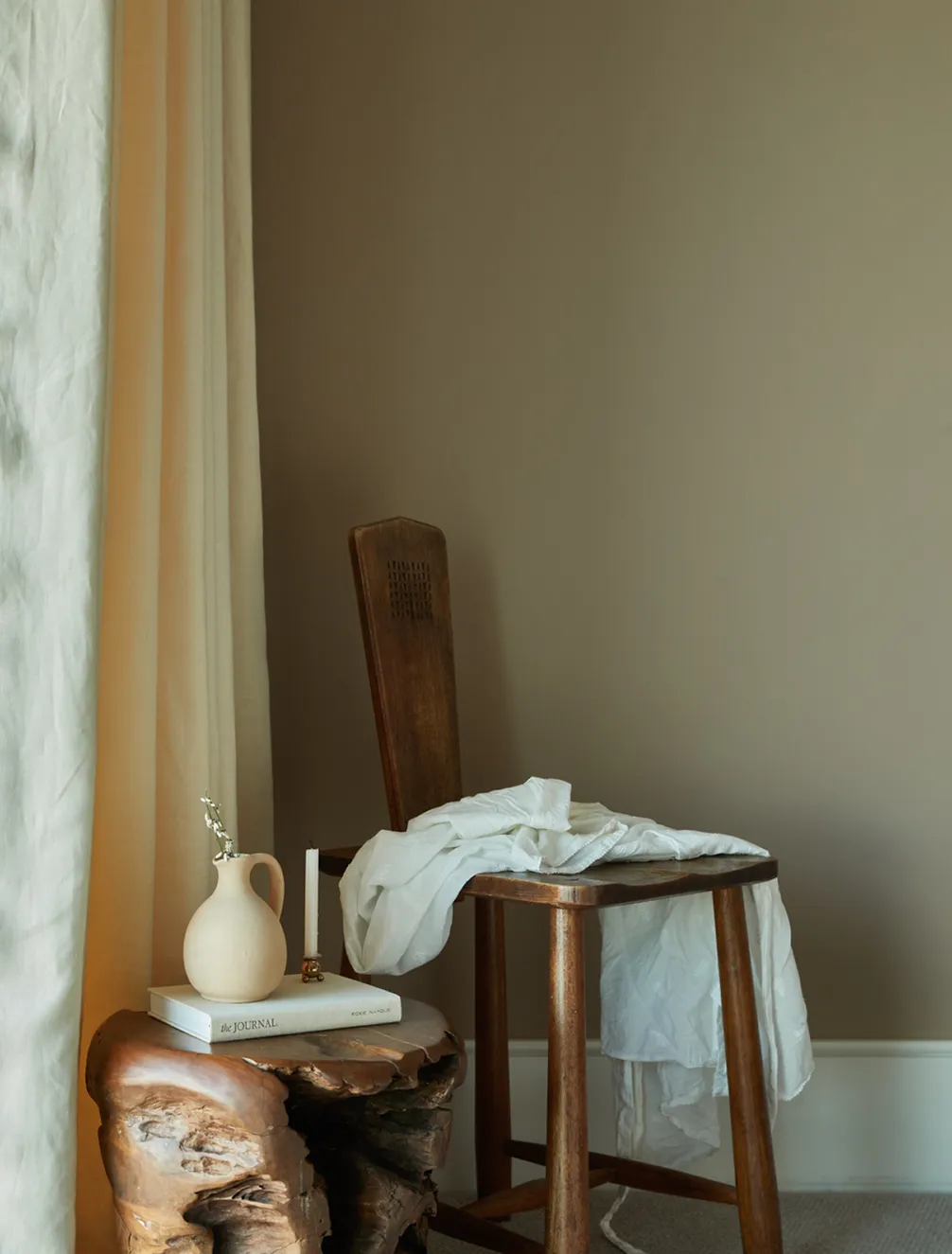
A flat in Greenwich designed by Murude. Photo: Helen Cathcart
This next part is slightly more technical, but genuinely important. One thing that differentiates a professional interiors image from a more amateur one is getting your verticals straight – meaning none of your wall lines appear bent or leaning in any direction. It’s a detail that often goes unnoticed until you start looking for it, but once you’ve seen it, you can’t unsee it. Keeping your camera level, and positioned at a slightly lower height than where your head naturally sits, will help enormously with this.
I think we can become so accustomed to our own homes that we stop truly seeing them. But if you really look, and document them now, you’ll realise in years to come that they had a very distinct feel – one that’s easy to forget once it changes. See what a certain corner of your living room looks like across different seasons. Capture a shot of the dining table with daily life piled high on it. Take a candid photograph of someone cooking in the kitchen. But most importantly, try to find the beauty in your everyday life around us – because that, ultimately, is the whole point of photography.
Szybciej przywołuj wspomnienia dzięki ekskluzywnym funkcjom, takim jak rozpoznawanie twarzy i inteligentne albumy.



&w=96&q=75)

&w=96&q=75)


 Stany Zjednoczone