


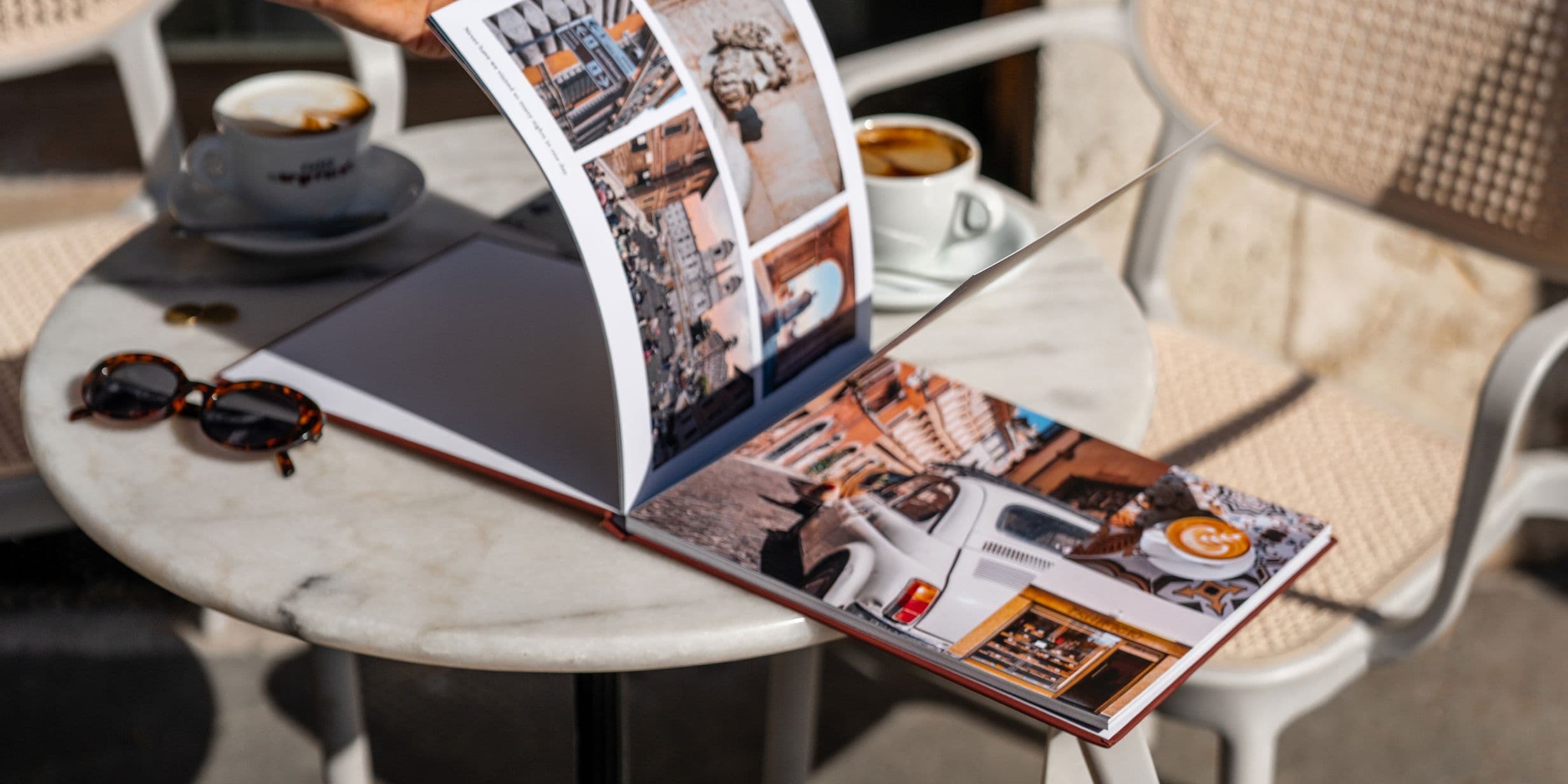
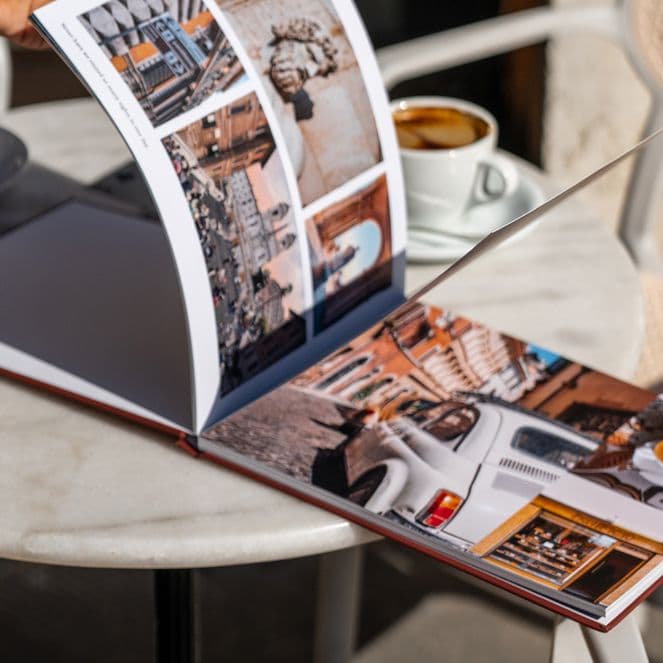
Most photo selections start with a hunt for the sharpest shot, the best-lit face or the one where everyone’s eyes are open. But when you’re creating a photo book, technical quality isn’t what makes it memorable. The images that matter most are rarely the most polished – they’re the ones that bring a particular moment back to life when you turn the page. A showstopping sunset, a beautifully plated dish or the quiet corner of a hotel where you had your morning coffee. This guide is about choosing the photos that add texture, feeling and narrative to your book.
Choose the right photo, not just the best one
A flawless photograph can be forgettable if it doesn’t connect to a feeling, a place or a person. The images that do the heavy lifting in a photo book are often those with context – a candid laugh, a table scattered with half-eaten dishes, a view through a slightly smeared window you’ll never see again. They may not be technically perfect but they anchor a story in a way carefully composed shots sometimes can’t. When selecting images, prioritise those that immediately trigger a specific memory.
Select photos that tell a story
Start with moments, not images
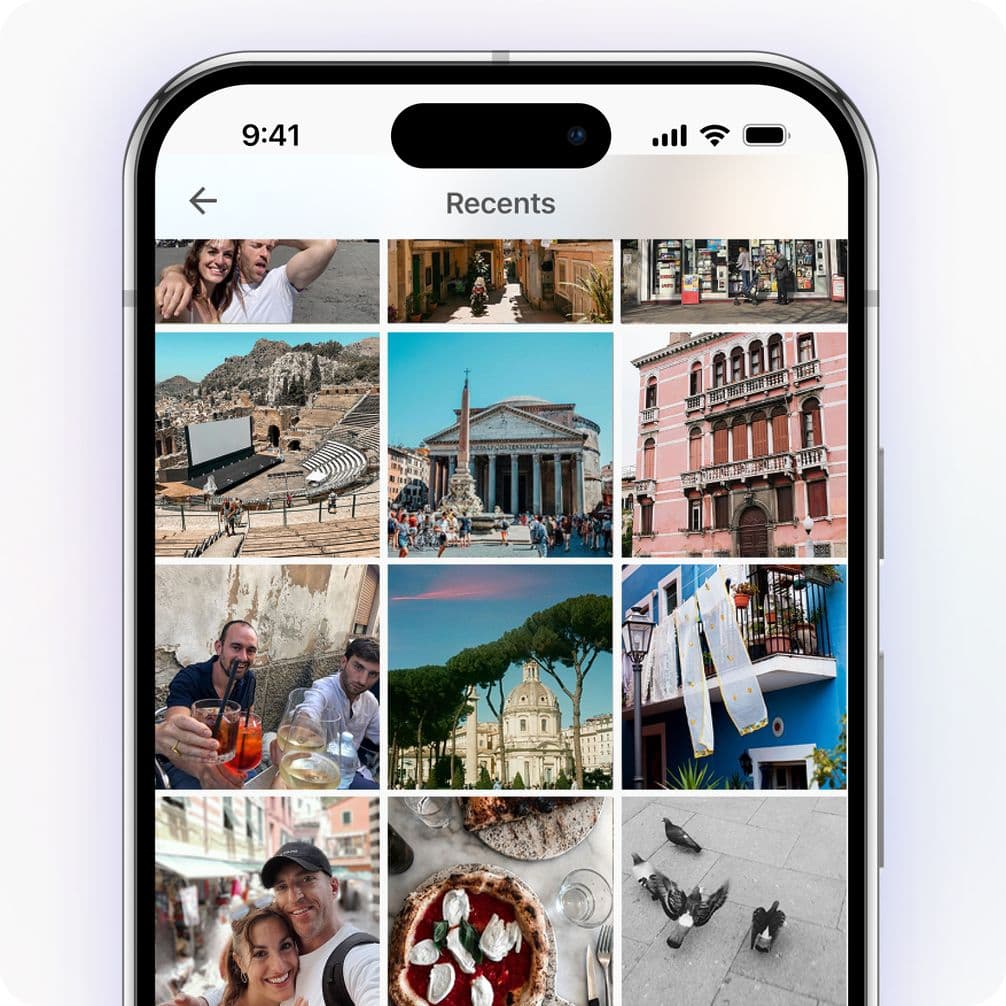
Instead of scrolling through your camera roll looking for keepers, start by thinking about the moments you want to preserve. Write them down if it helps – the last-night dinner, the morning hike, the journey there. Then look for photos that represent those experiences, even if they’re imperfect. This approach brings intention to your editing, helping you avoid repetitive shots and instead build a narrative that flows naturally from beginning to end.
Lay them out from beginning to end
Don’t overlook the in-between
The photos taken between the main events are often the ones people return to most. Walking from place to place, waiting for coffee, the pause before everyone sits down to eat. These images give a photo book rhythm and pace. If you find yourself skipping over these kinds of shots because they seem too ordinary, look again – it’s in these understated frames that the rawest details exist.
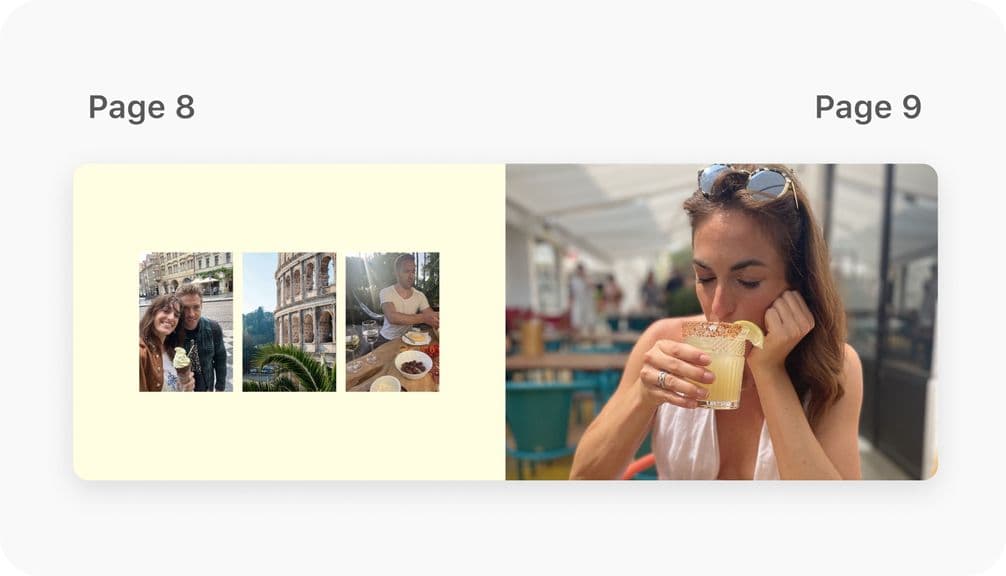
Use a mix of smaller collections and full-page photos
One strong image is better than three similar ones
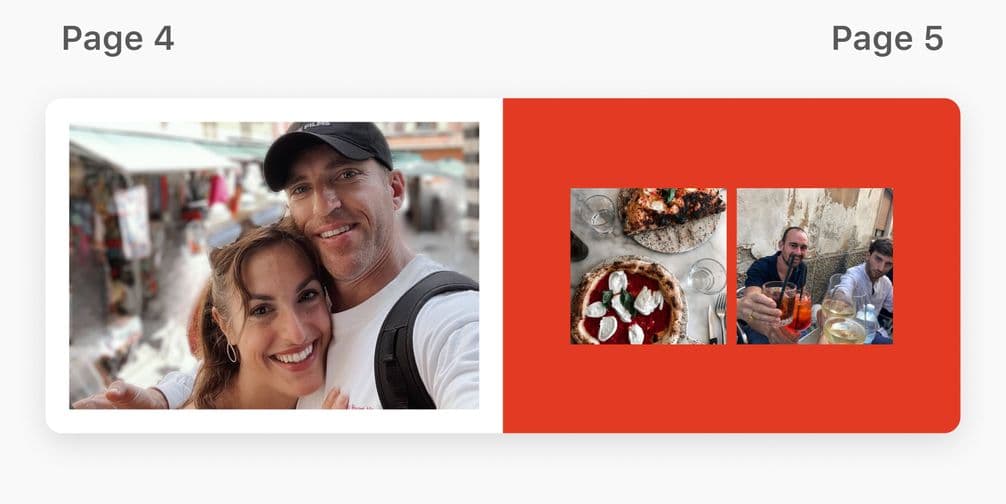
Repetition is one of the easiest ways for a photo book to lose impact. It’s easy to include multiple versions of the same shot – slightly different angles or expressions – but this rarely adds anything. Choose the strongest version and move on. If you’re finding it hard to choose between two photos, ask yourself which one you’d want to see if you could only keep one. Keeping your selection tight also gives each photo more room to breathe on the page. A book with 60 carefully chosen images will feel more intentional than one with 120 that blur together.
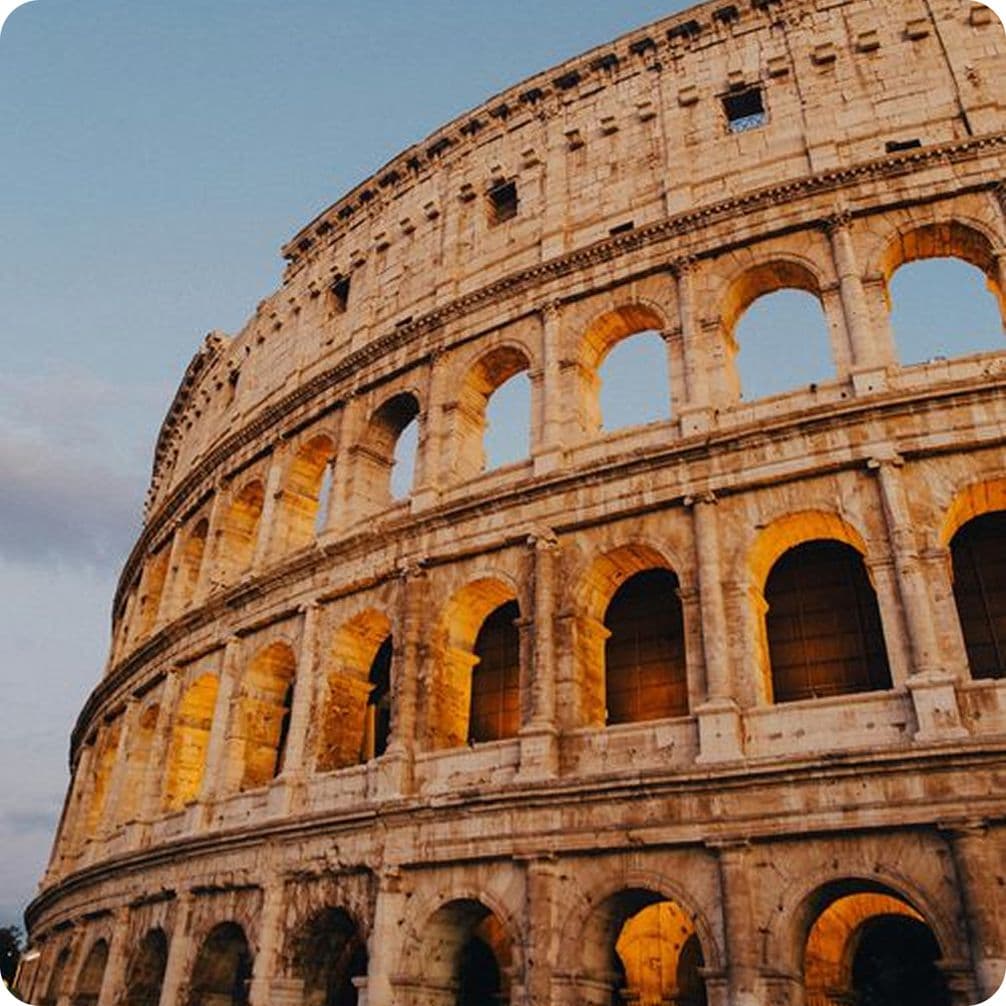
One great picture is better than multiple similar ones
Make space for people, not just places
It’s easy to lean heavily on landscapes and scenery, especially when travelling. But when looking back on a photo book years later, the images that tend to matter most are the ones with people in them – faces, expressions, the small details of how someone was standing or looking resonate far more than a spectacular view. Even a blurry portrait of someone you love can be more meaningful than a flawless landscape. Try to make sure every section of your photo book includes at least one photo centred on people, not just places.
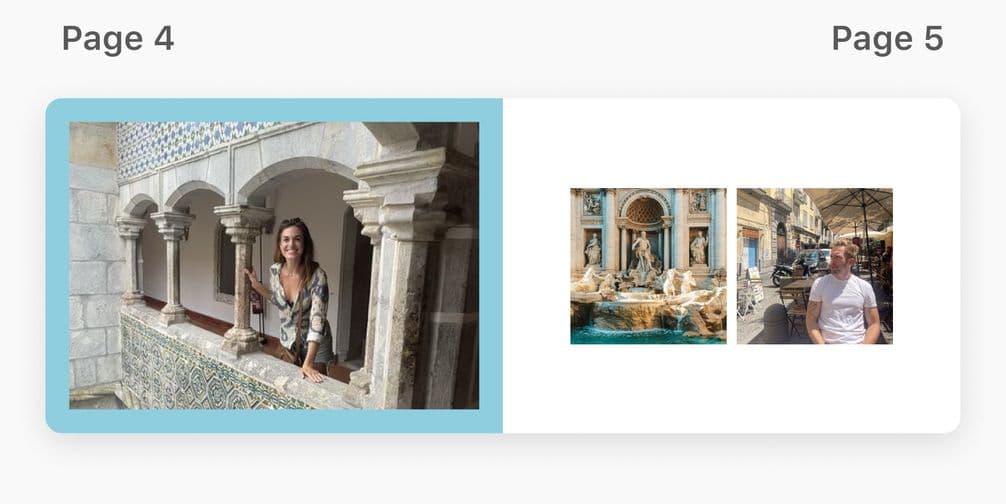
Include a mix of people and places
How many photos is enough?
You need a minimum of 21 photos to make a Photo Book with Popsa, but it helps to think about how long you want someone to spend with the book. One that takes 10 minutes to browse is usually more enjoyable than one that takes 30 minutes. For a week-long trip, somewhere between 60 and 100 photos is a reasonable range. For a single-day event such as a wedding or birthday, 40 to 60 photos tends to work well.
Popsa’s Photo Books are available in various sizes, so it’s worth thinking about format alongside your photo count – a larger book gives more room for feature images, while a smaller format suits more curated selections.
Download de app
Herontdek herinneringen sneller met speciale functies, zoals gezichtsherkenning en Smart Albums.


Gerelateerde artikelen

&w=96&q=75)
17 sep. 2026∙4 min

6 okt. 2026∙6 min
9 aug. 2026∙5 min


 Verenigde Staten