

Momenti speciali
Tradizioni di Natale dal mondo
Dai sempreverdi ai menù delle feste, scopri le origini di queste celebrazioni natalizie

26 ago 2026∙7 min
Momenti speciali
Dai sempreverdi ai menù delle feste, scopri le origini di queste celebrazioni natalizie
26 ago 2026∙7 min
Il Natale è una stagione di rituali familiari: dagli alberi adornati di luci scintillanti alle calze appese al camino, fino ai canti che risuonano per le strade e di casa in casa. Eppure, ognuna di queste usanze ha una storia, talvolta secolare, talvolta sorprendentemente moderna, che collega ognuno di noi a diverse parti del mondo.
Guardando più da vicino, scopriamo che il Natale che conosciamo è un intreccio multisfaccettato di tradizioni, che combina riti norreni del solstizio, folklore tedesco, feste messicane e perfino campagne pubblicitarie americane. A unirle tutte è il desiderio di illuminare le notti più buie dell’anno, riunire la comunità e tramandare storie di generazione in generazione. Dall’albero galleggiante di Rio de Janeiro ai festival delle lanterne nelle Filippine, ecco le origini di alcune delle tradizioni natalizie più durature al mondo e i modi imprevedibili in cui sono arrivate nelle nostre case.
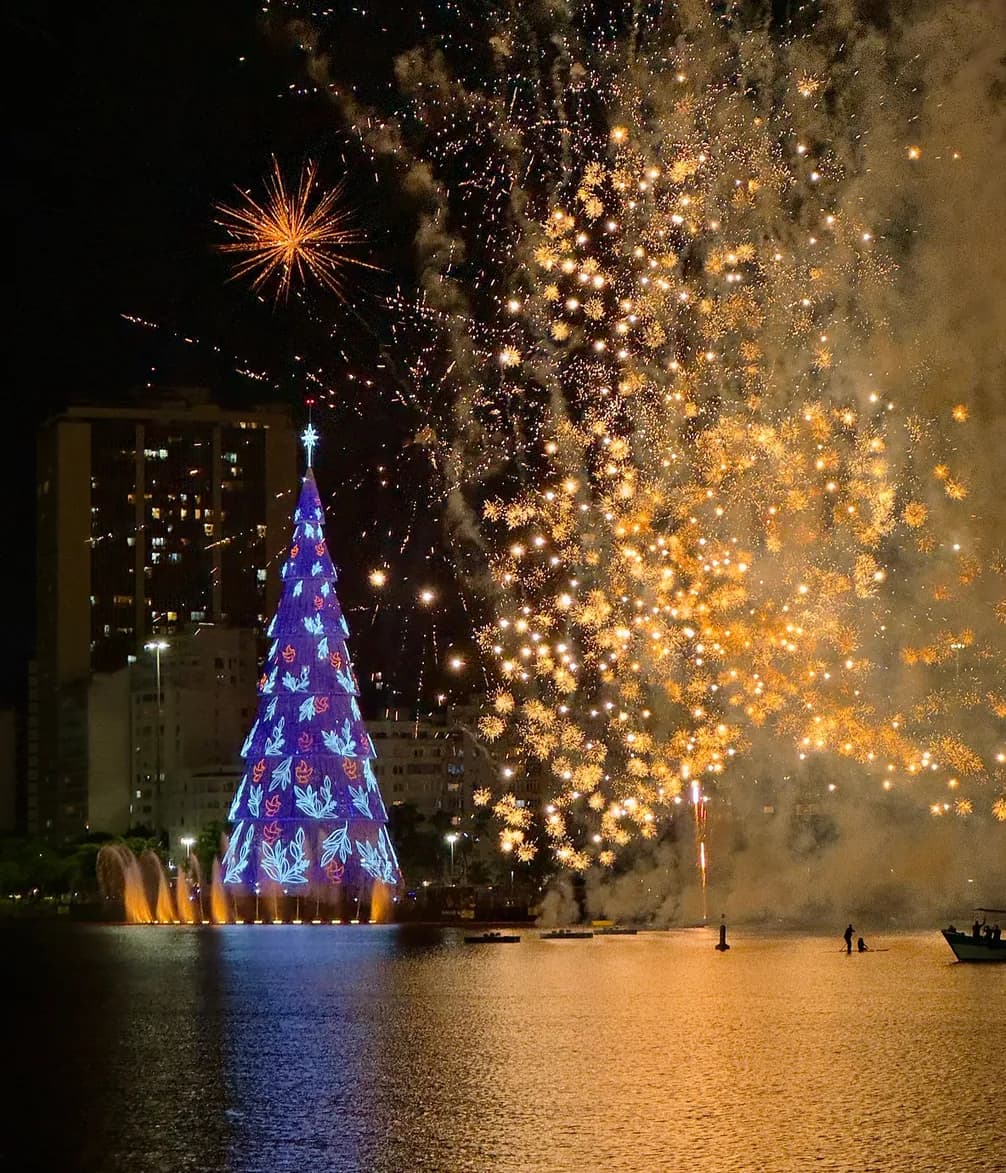
Rio de Janeiro, Brazil. Photo: Victor Barborsa, Pexels
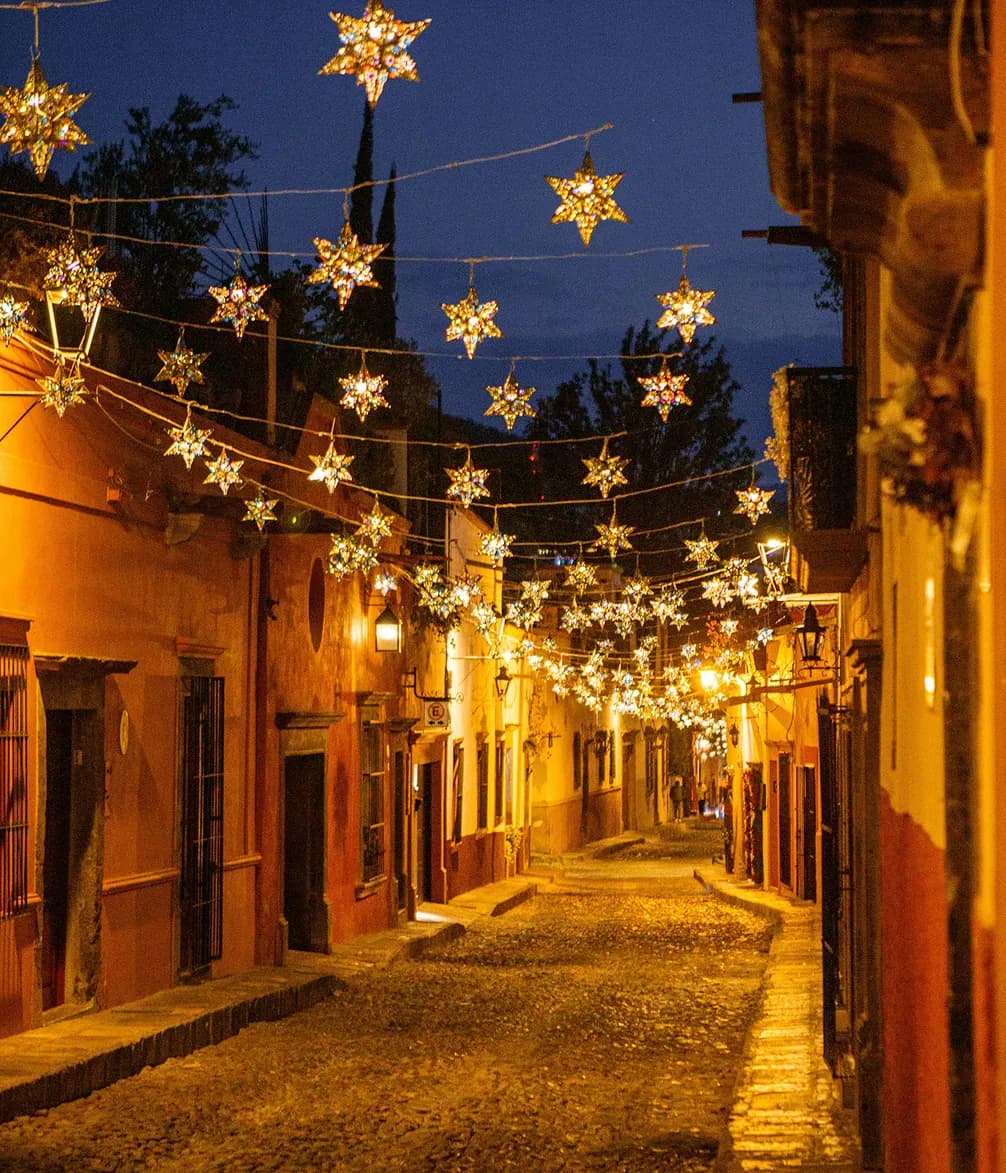
Guanajuato, Mexico. Photo: Davit Margaryan, Unsplash
In Rio de Janeiro, the Christmas tree takes a form found nowhere else in the world: a floating structure on the Rodrigo de Freitas Lagoon, glittering with nearly three million lights and drawing enormous crowds every night of the season. Since Christmas falls in the middle of the Brazilian summer, celebrations often spill outdoors, with fireworks over the lagoon and family gatherings that stretch late into the warm evenings.
In the lead up to Christmas, Mexico celebrates Las Posadas, nine nights of processions that reenact Mary and Joseph’s search for shelter in Bethlehem. Groups move from house to house, singing and asking for lodging, before being welcomed in for songs, candle-lighting and the breaking of star-shaped piñatas filled with fruit and sweets. On the table, tamales are laboriously prepared in family kitchens over several days, a genuinely collective effort often involving multiple generations, and served alongside ponche navideño, a hot fruit punch spiked with cinnamon and cane sugar. In the Oaxaca region, there’s a tradition of carving radishes into elaborate festive scenes to display during the Noche de Rábanos, or “Night of the Radishes” festival, each December.
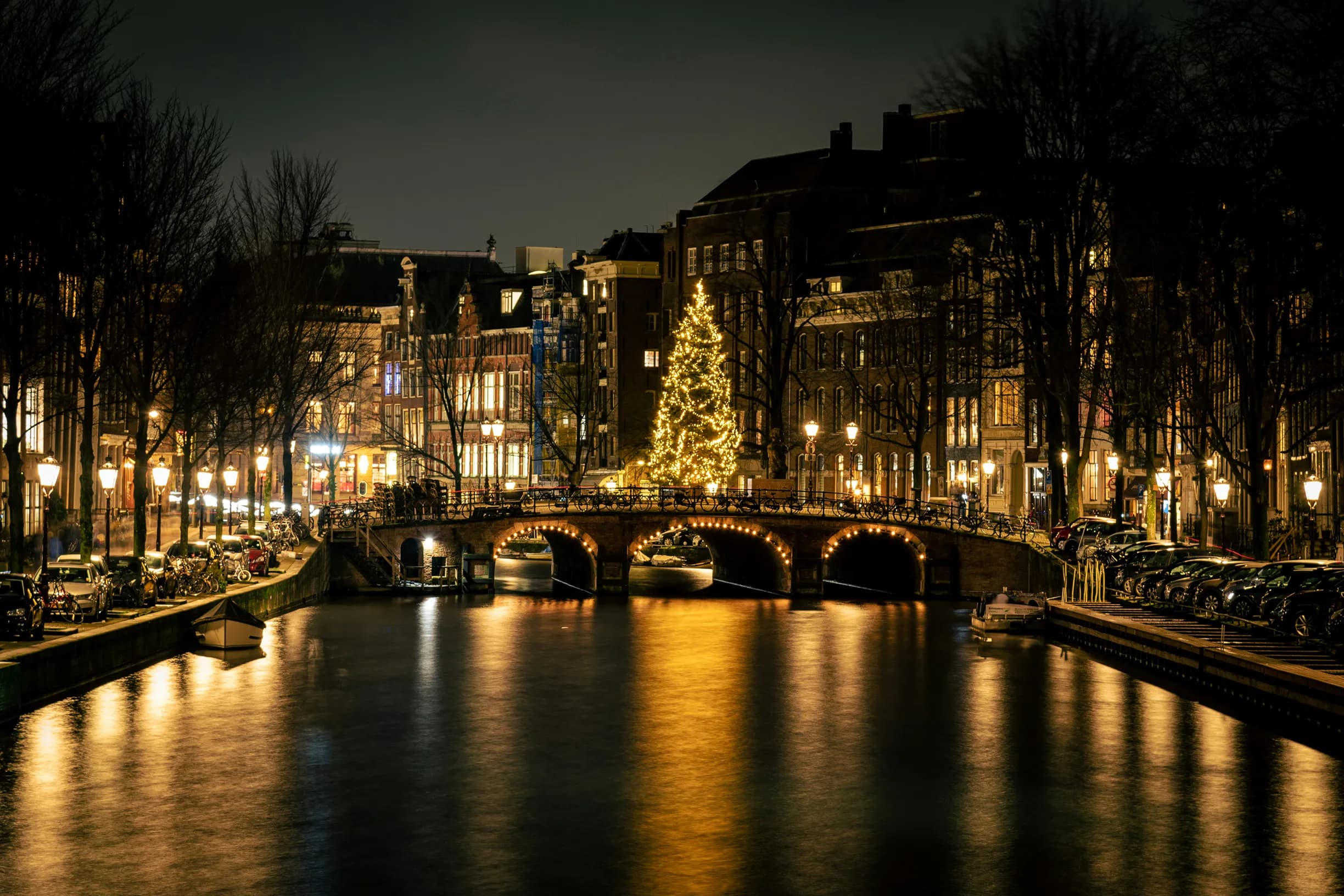
Amsterdam, Netherlands. Photo: Artem Shuba
Sinterklaas arrives by steamboat from Spain each November, greeted by parades and brass bands in towns across the country – a considerably earlier and very different entrance to the sleigh-riding Santa most of the world associates with the season. Dutch children leave shoes out by the fireplace or radiator in the hope of small gifts, and the figure of Sinterklaas himself, with his bishop’s mitre and staff, is one of the clearest surviving links back to the historical Saint Nicholas.
Rather than a single Santa Claus figure, Icelandic children watch for the Yule Lads – 13 mischievous brothers who visit on 13 consecutive nights leading up to Christmas, each with their own particular habit of mischief, from slamming doors to stealing sausages. Children leave a shoe on their windowsill each night; well-behaved ones find small gifts left behind, while those who’ve misbehaved may find a rotting potato instead. The tradition is tied to older Icelandic folklore about trolls living in the mountains, gradually softened over time into the more playful version told to children today.
Ded Moroz (Grandfather Frost) travels with his granddaughter, Snegurochka (the Snow Maiden), bringing presents not on Christmas Day itself but on New Year’s Eve, reflecting Russia’s distinct festive calendar. During the Soviet era, when religious celebrations were officially discouraged, many Christmas customs were folded into New Year’s celebrations instead, which is why gift giving, decorated trees and festive gatherings remain centred on 31 December to this day – even as Orthodox Christmas is celebrated separately in January.
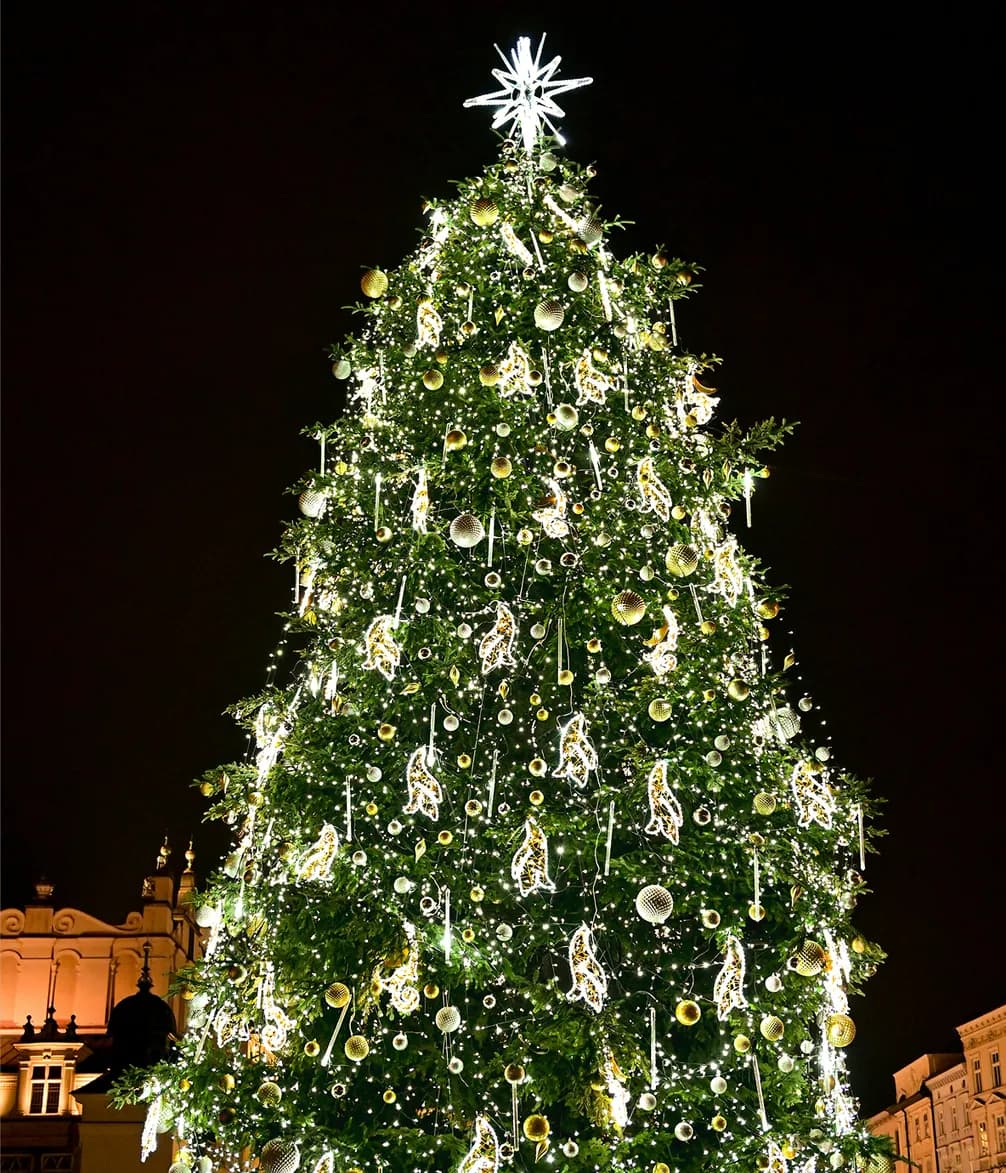
Kraków, Poland. Photos: Alexandra, Unsplash
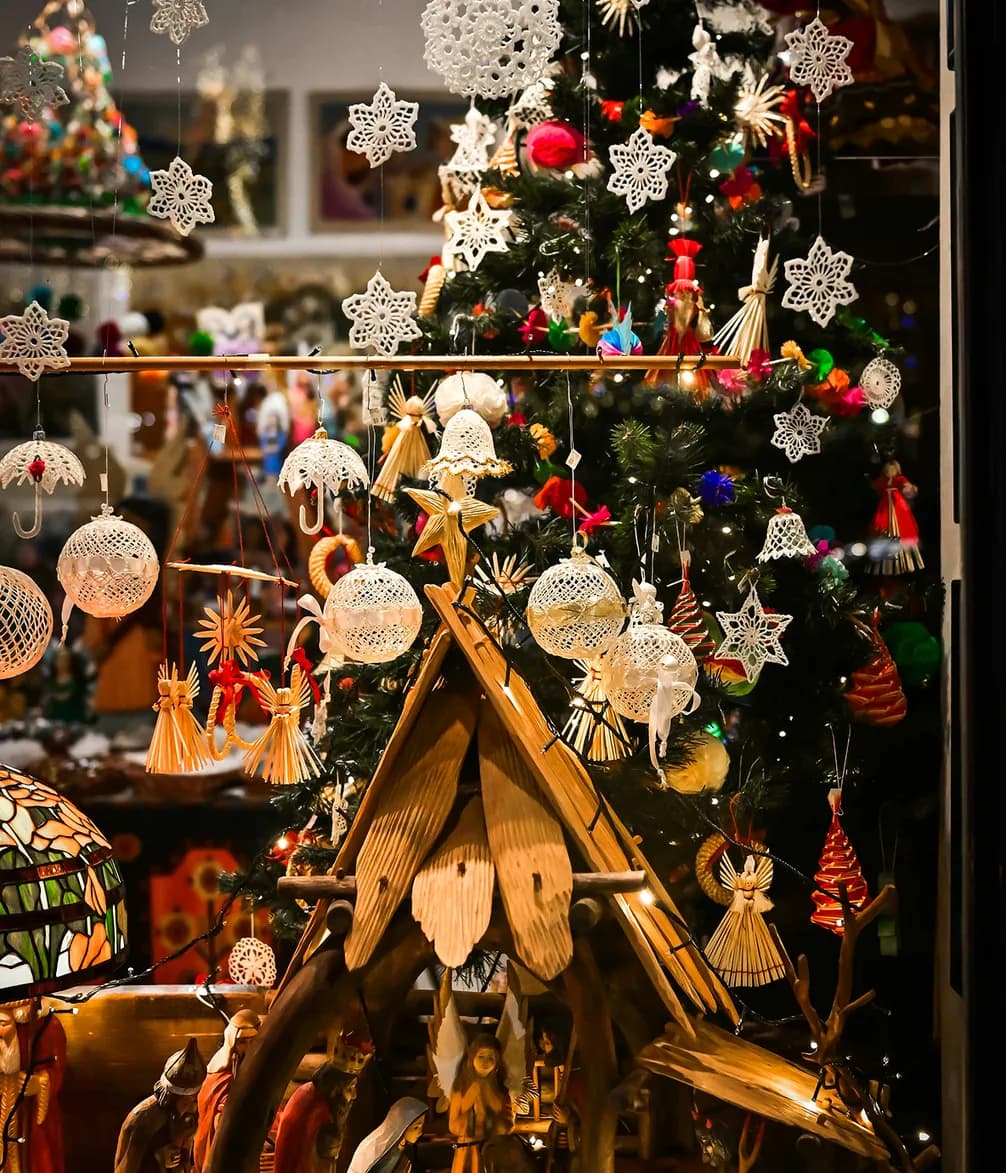
Wigilia, the Christmas Eve meal, begins only once the first star appears in the evening sky – a nod to the Star of Bethlehem – signaling that it’s time to sit down together. The meal centres on 12 meatless dishes, symbolising the twelve apostles, including pierogi, poppy seed cake and a vivid pink beetroot soup called barszcz. An extra place is often set at the table for an unexpected guest, a custom rooted in the idea that no traveller should be turned away on this particular night.
Medellín’s Alumbrados Navideños lights festival attracts nearly four million visitors annually, transforming the city’s riverbanks with more than 30 million bulbs arranged into elaborate scenes and displays. What began several decades ago as a modest string of lights along the river has grown into one of the largest coordinated lighting displays in the world, now considered a major point of civic pride for the city.
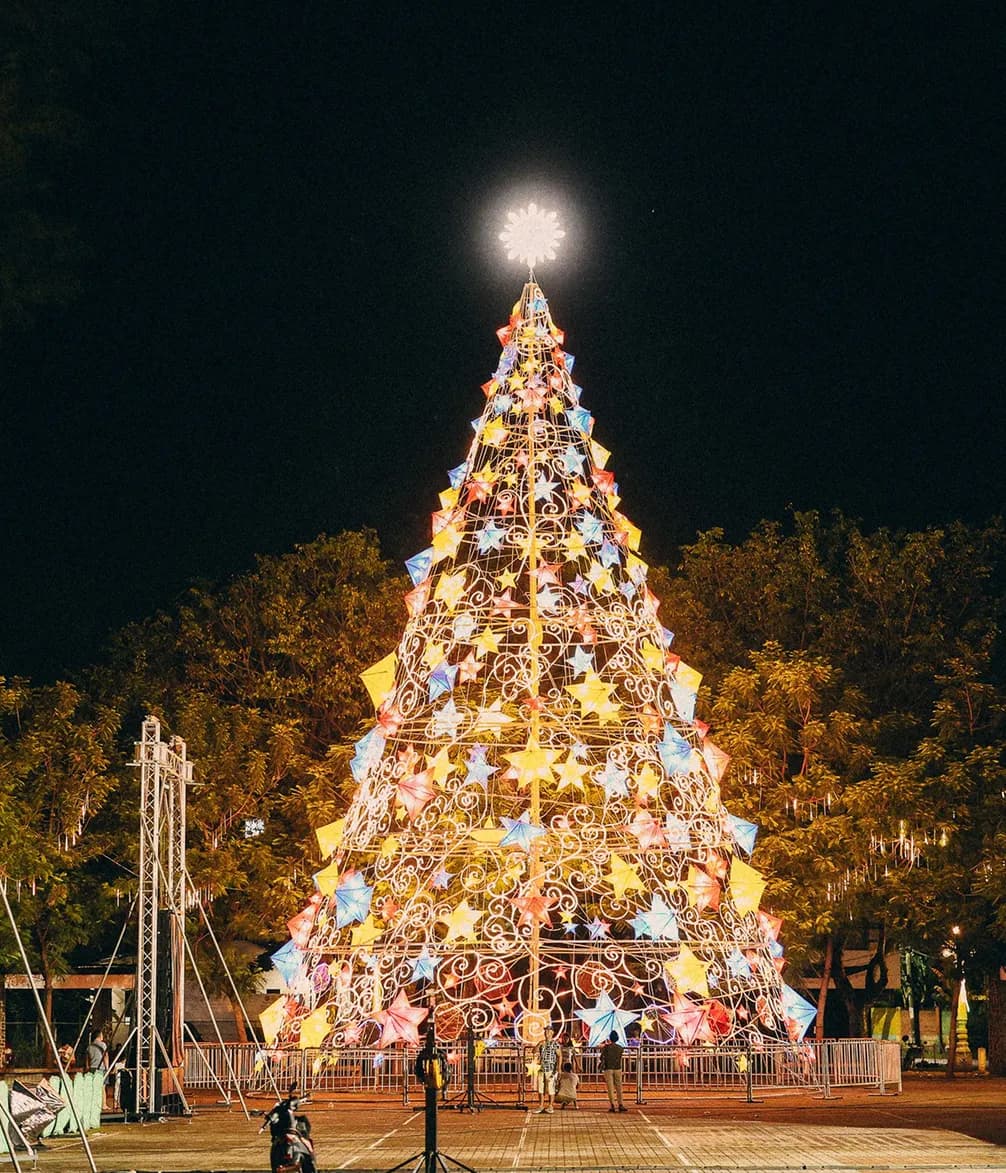
San Fernando, Colombia. Photo: Denniz Futalan
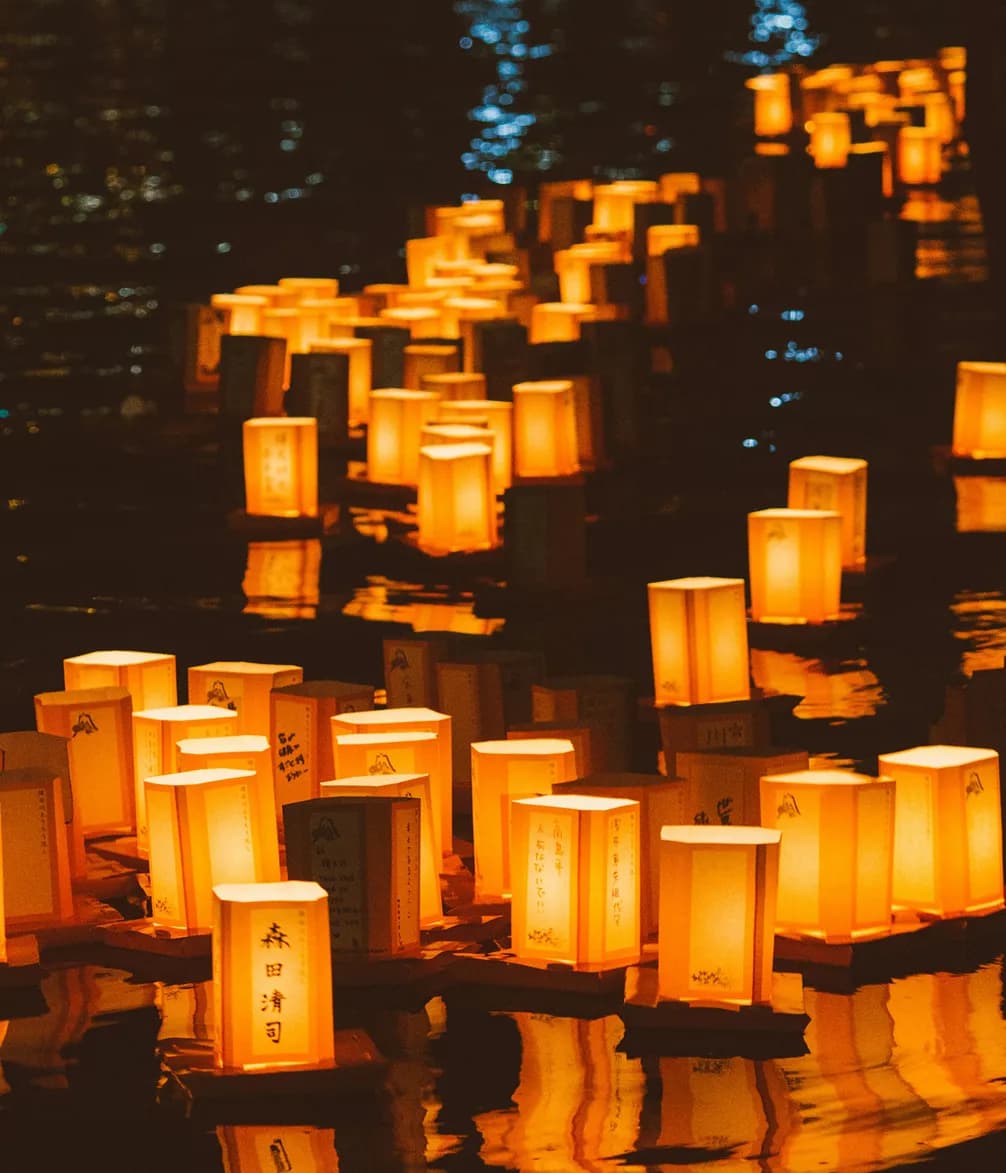
Tokyo, Japan. Photo: Atul Vinayak
The city of San Fernando stages the Giant Lantern Festival each December, where parols – star-shaped lanterns that can reach up to 20ft across – radiate in kaleidoscopic, constantly shifting patterns powered by thousands of individual bulbs. The tradition began humbly in the late 19th century with small paper lanterns lit by candles, carried through the streets to guide worshippers to early morning Mass, and has since grown into a full-blown competitive festival between neighbouring villages.
Christmas isn’t a public holiday in Japan and carries relatively little religious significance, but since the 1970s a marketing slogan – “Kentucky for Christmas!” – has turned fried chicken into the nation’s unofficial festive meal. The campaign was so successful that it’s now standard practice to place an order at KFC weeks in advance to avoid the long queues on the day itself, with many outlets selling special festive buckets that come complete with cake and champagne.
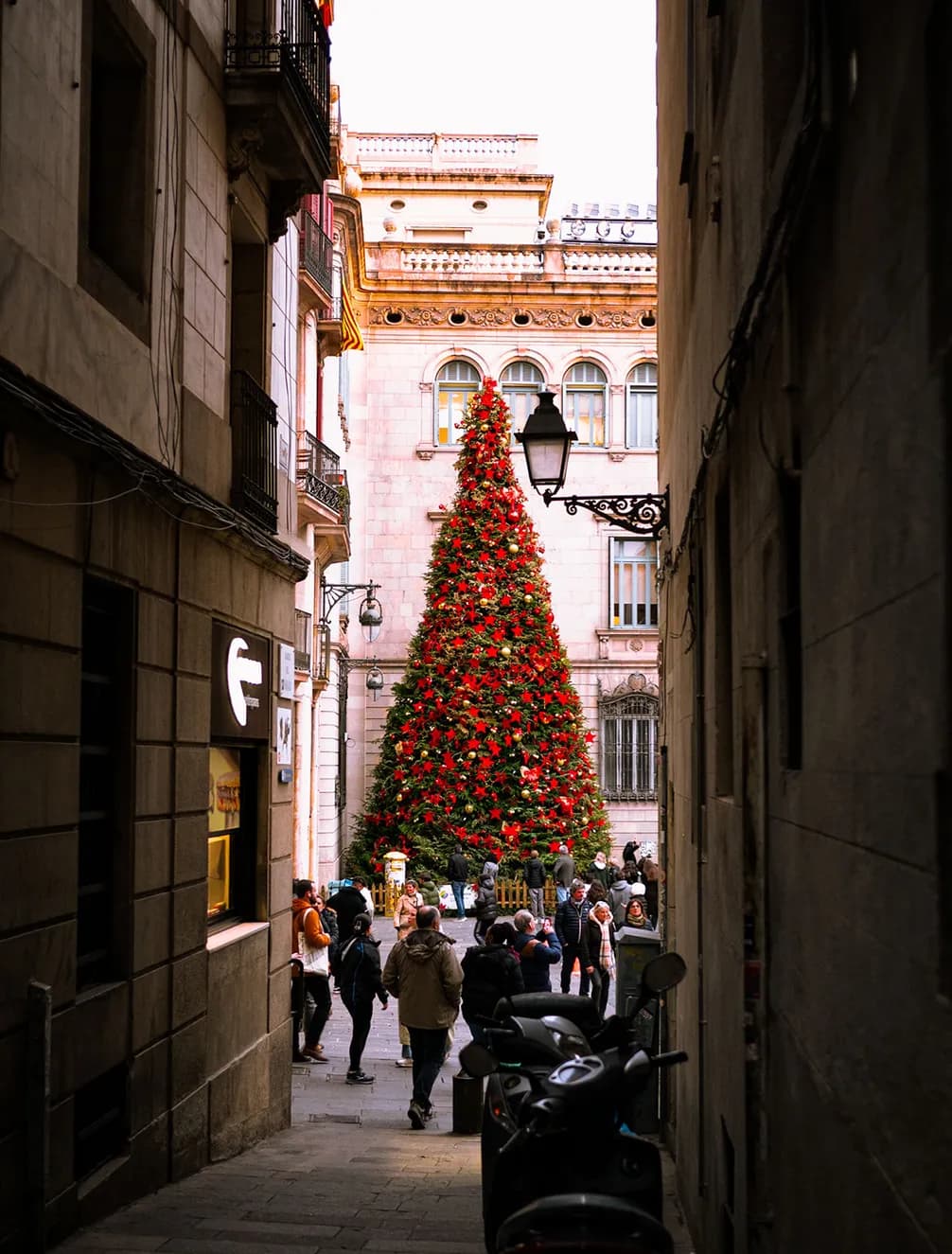
Barcelona, Spain. Photo: Amaury Michaux, Unsplash
Catalonia’s Caganer, a small figurine of a peasant crouched in the act of defecating, is tucked discreetly into nativity scenes across the region as an earthy symbol of fertility, good luck and a down-to-earth reminder that everyone, however humble, has their place in the Christmas story. Rather than being seen as disrespectful, the figure is treated with genuine affection, and modern versions depicting celebrities and public figures have become a popular collectible in their own right.
In Caracas, streets across several neighbourhoods are closed to traffic on Christmas morning to make way for an unusual and cherished procession: locals rollerskating to early morning Mass. The custom is thought to have grown out of the sound of church bells combined with the ease of getting around on skates before the roads fill with holiday traffic, and it’s now such an established part of the city’s Christmas that children traditionally tie a piece of string to their toe and dangle it out of the window overnight, so skaters passing by can give it a friendly tug to wake them up in time.
Taken together, these traditions show just how adaptable Christmas really is – absorbing local humour, climate, food and culture wherever it lands, while still carrying the same underlying impulse found everywhere else in the world: bringing light, generosity and togetherness to the darkest nights of the year.
Trova più velocemente le foto che stai cercando con funzionalità esclusive come il riconoscimento dei volti e gli album smart.



&w=96&q=75)
Jason Kaye
Editor Popsa
20 ago 2025∙7 min
&w=96&q=75)

&w=96&q=75)


 Stati Uniti