Histoires
Memory Architects: the revivalist – Thomas Camilleri
Thomas Camilleri’s instinct for rescuing overlooked objects has grown into a practice that preserves Malta’s past and reshapes how we remember


Histoires
Thomas Camilleri’s instinct for rescuing overlooked objects has grown into a practice that preserves Malta’s past and reshapes how we remember


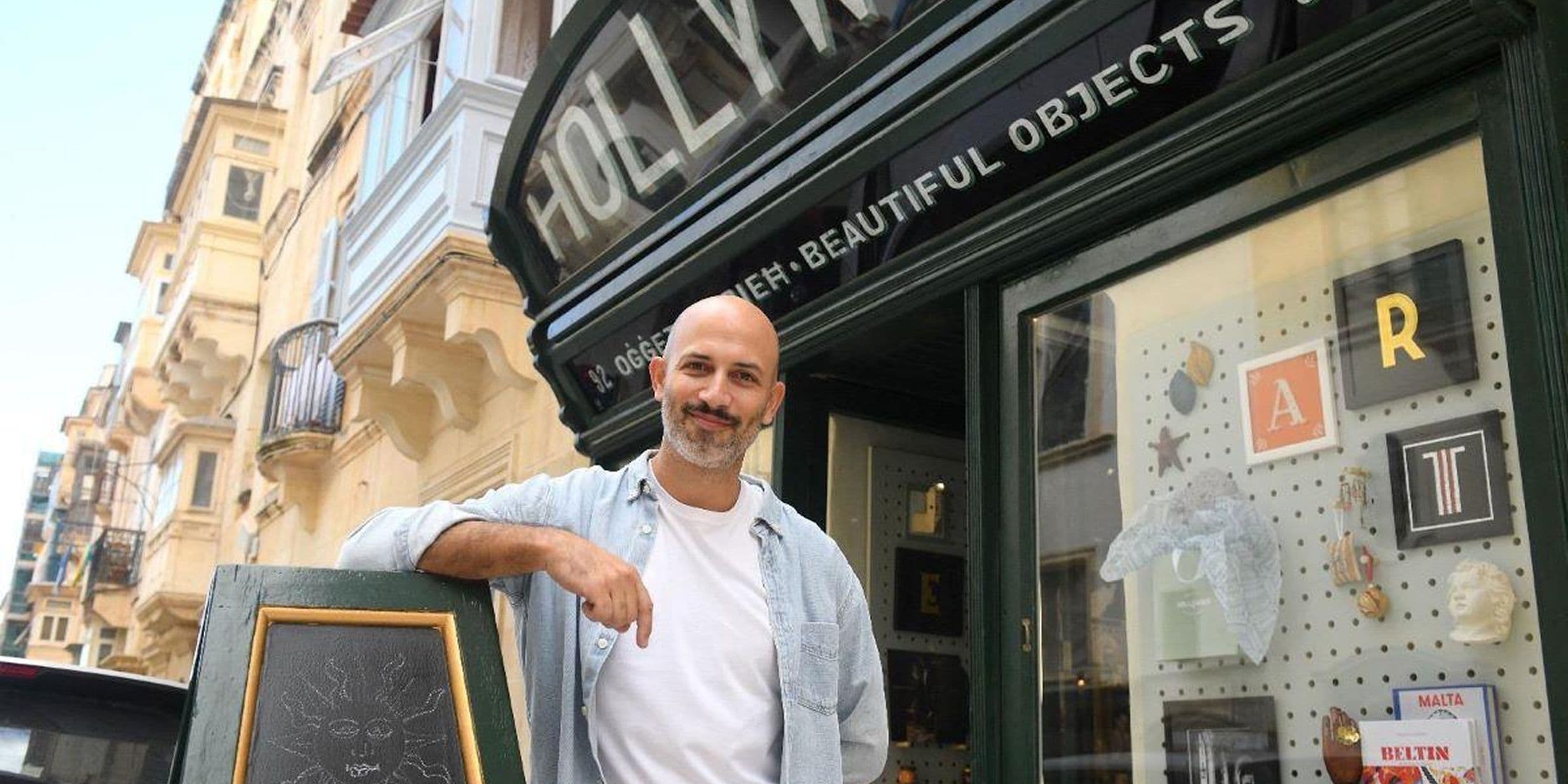
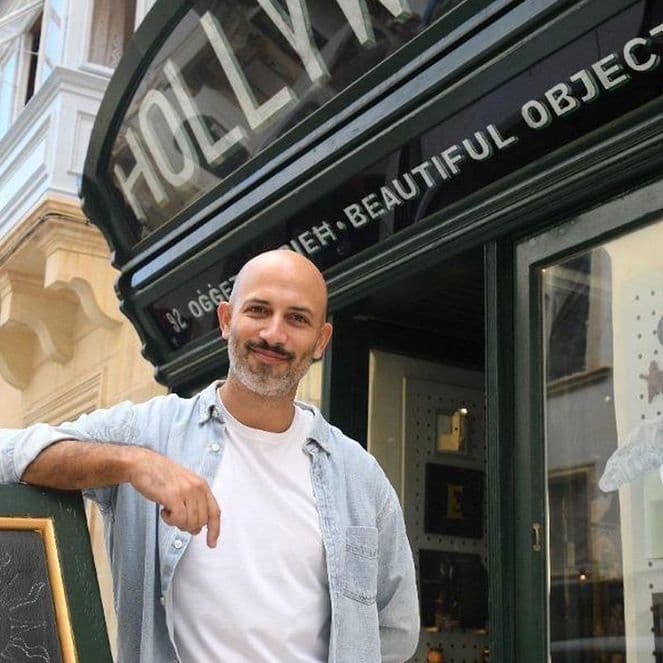
This edition of Memory Architects turns to Thomas Camilleri, the Maltese creative director, actor and heritage-revivalist whose path to memory work is as layered as the objects he restores. After working in musical theatre in London throughout his twenties, Camilleri returned to Malta a decade ago to work in marketing. It was during this period that he began renovating his first home and documenting the process on Instagram as @thelazarusclub. What started as home restoration soon expanded – he organised house clearance sales for friends, shared irresistible market finds he couldn’t keep, and gradually built a community around his instinct for rescuing forgotten things.
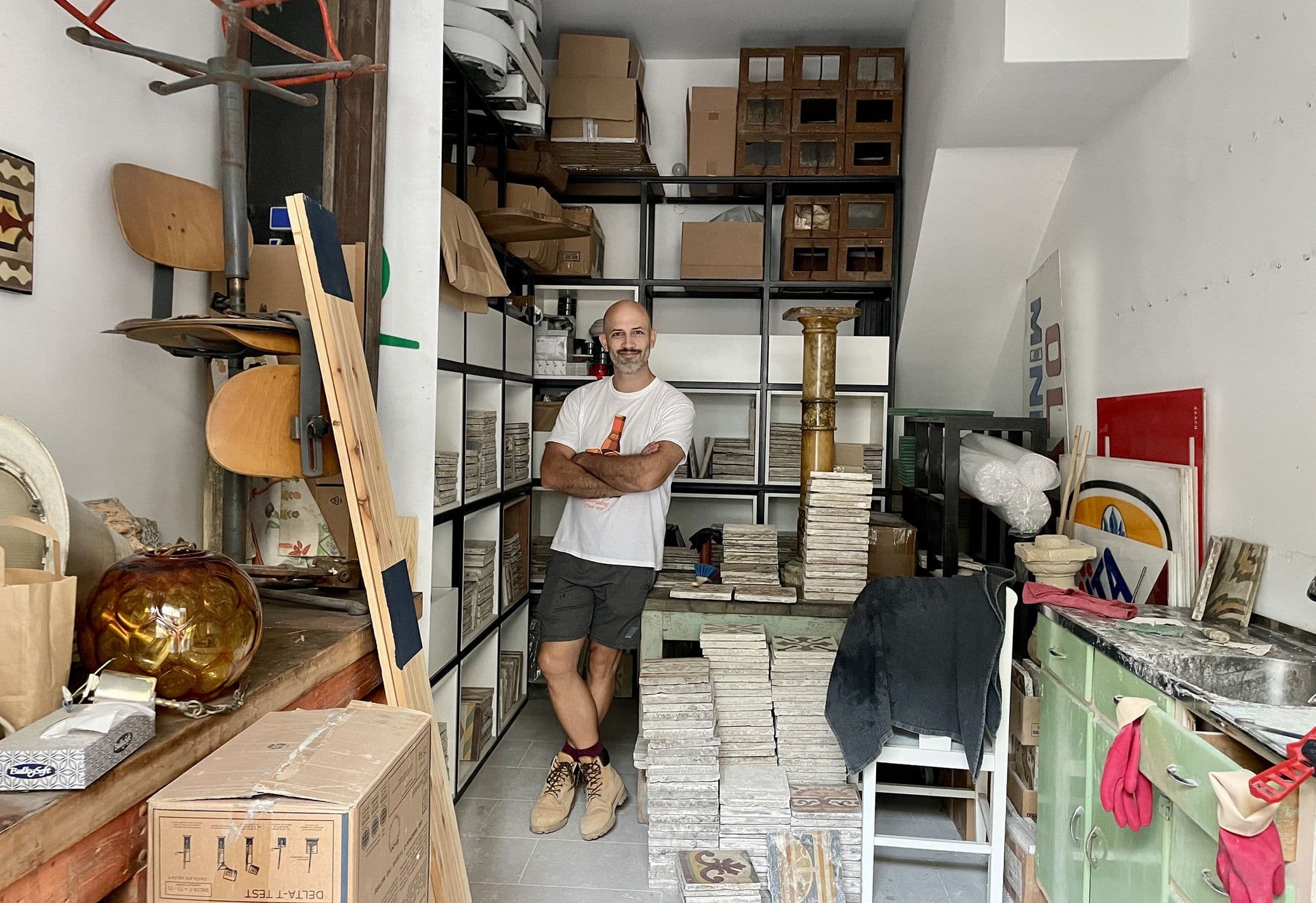
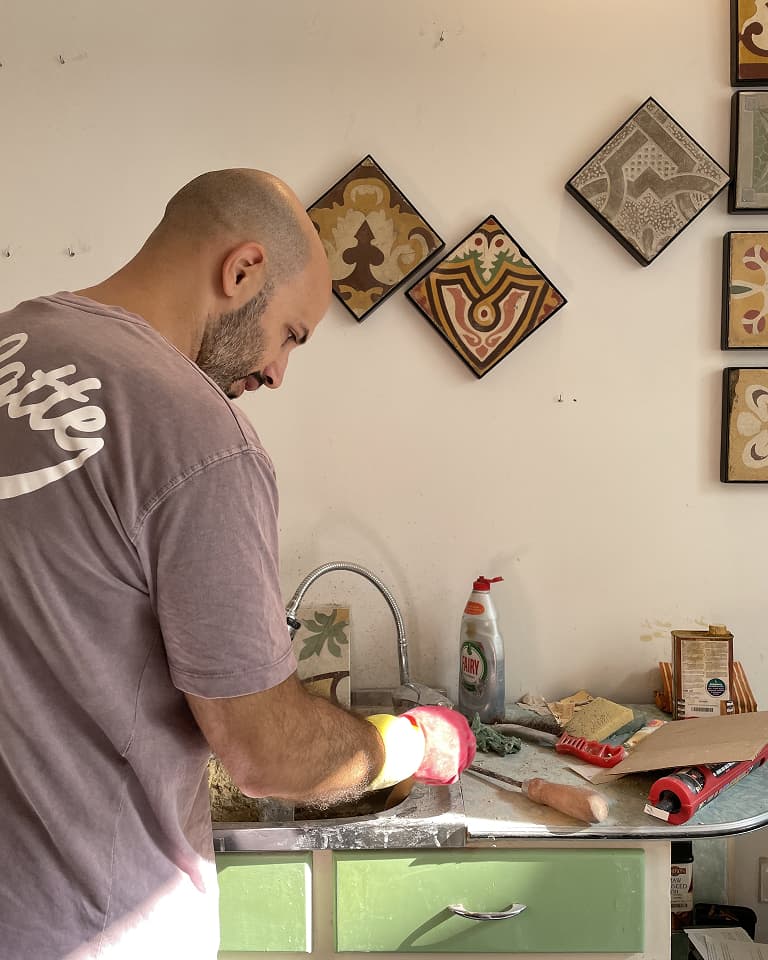
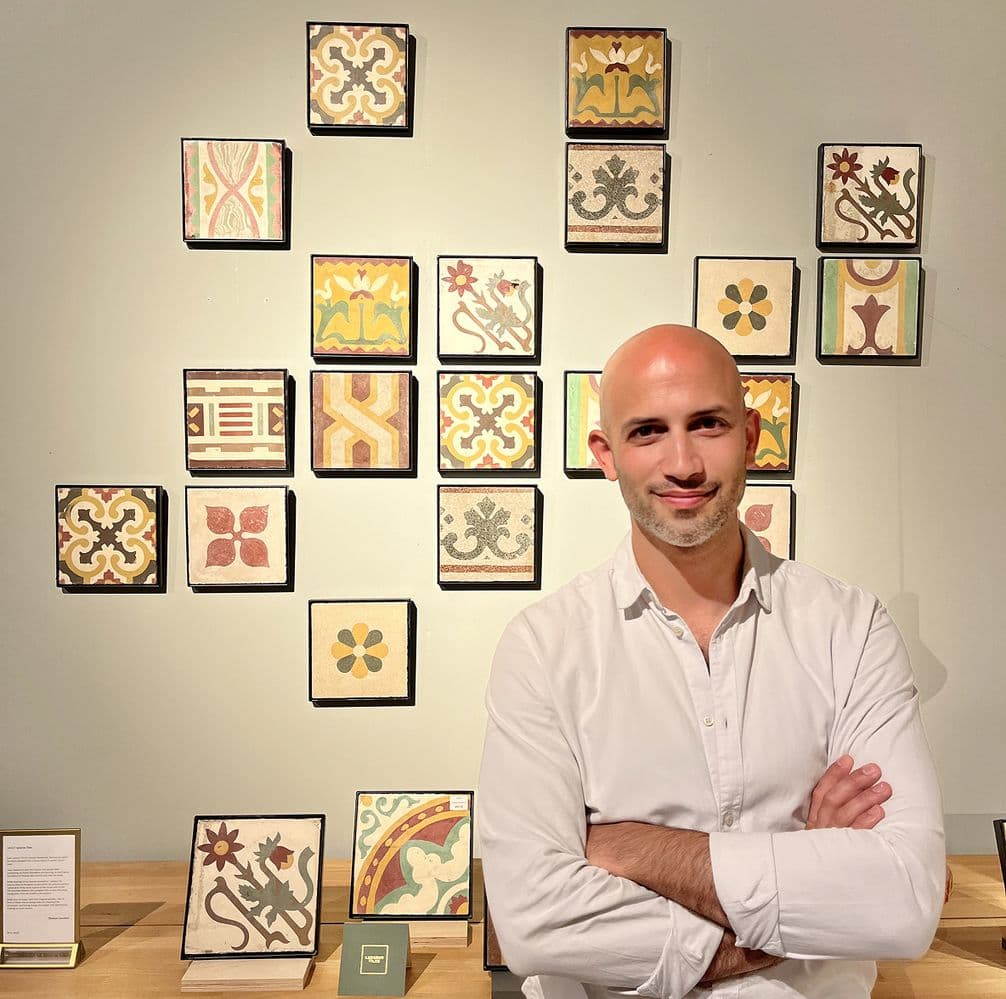
Thomas Camilleri in his studio
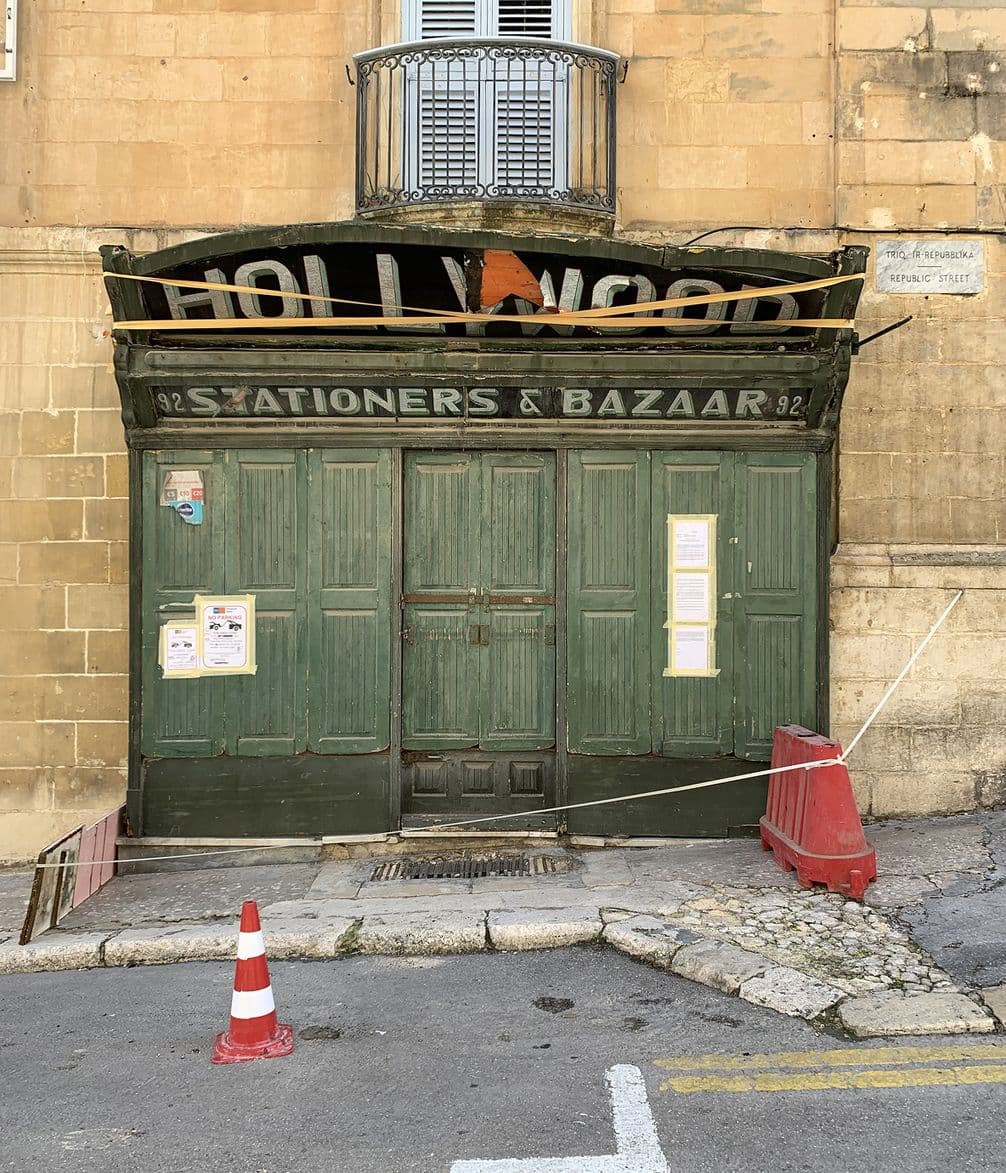
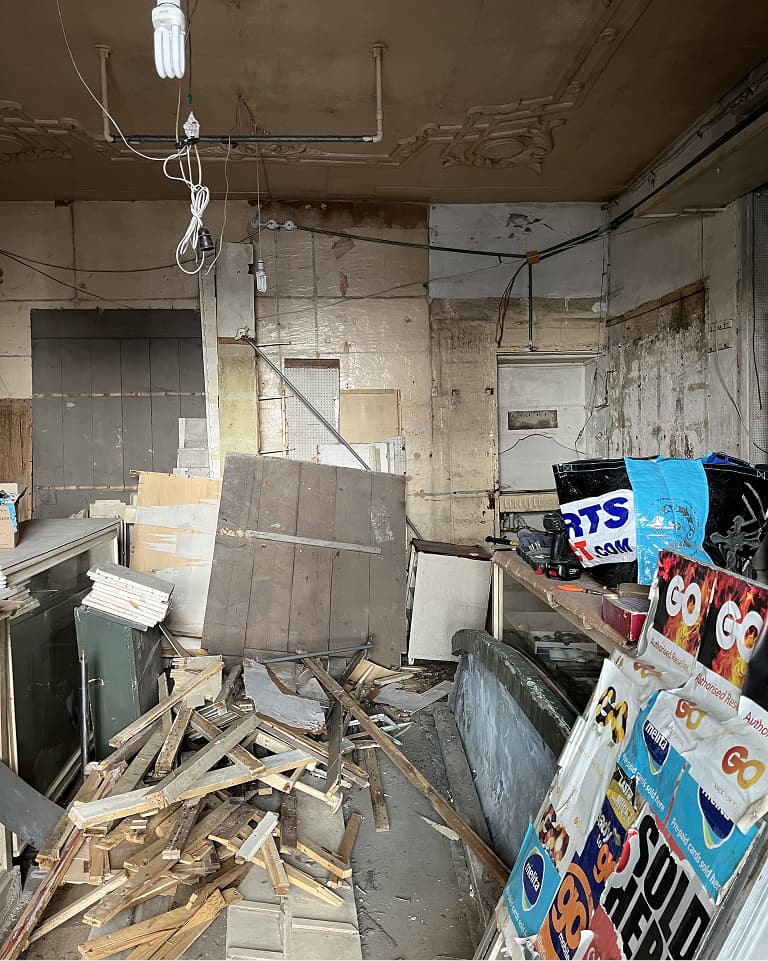
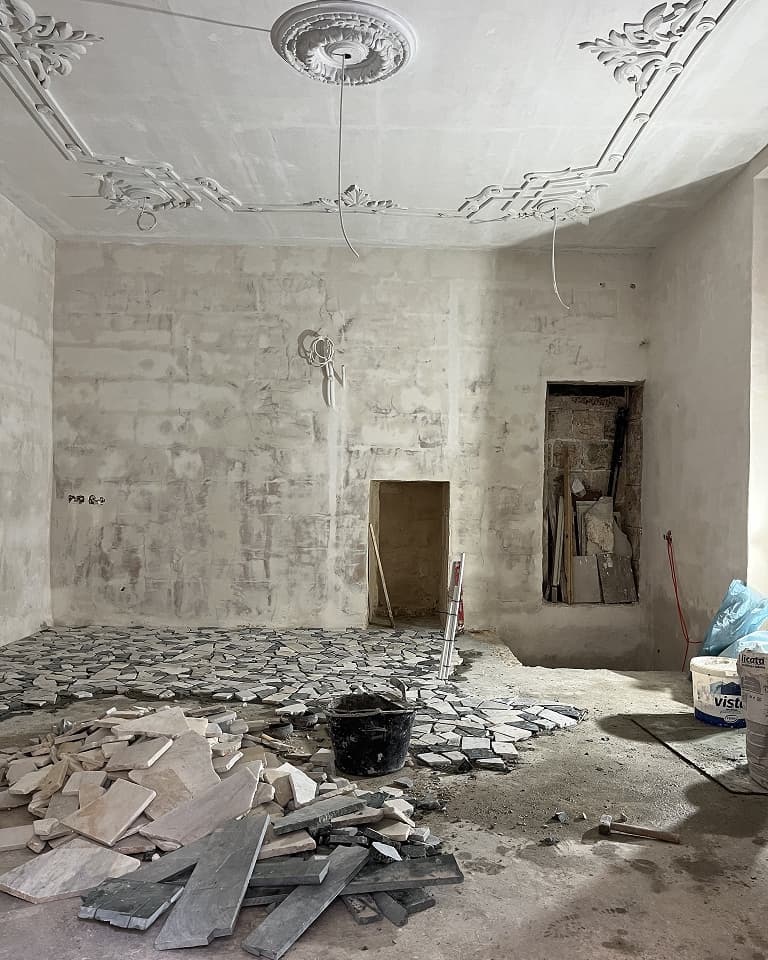
Thomas’s Hollywood shop before the renovations
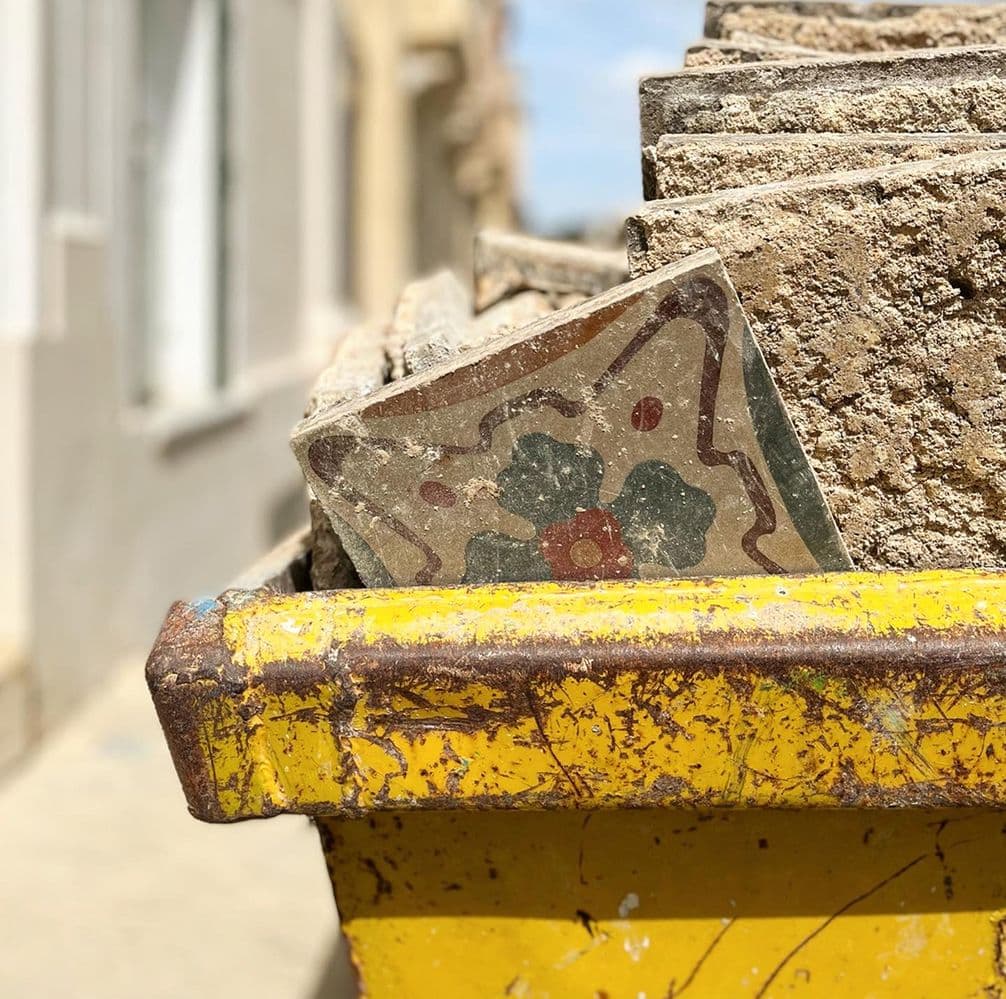
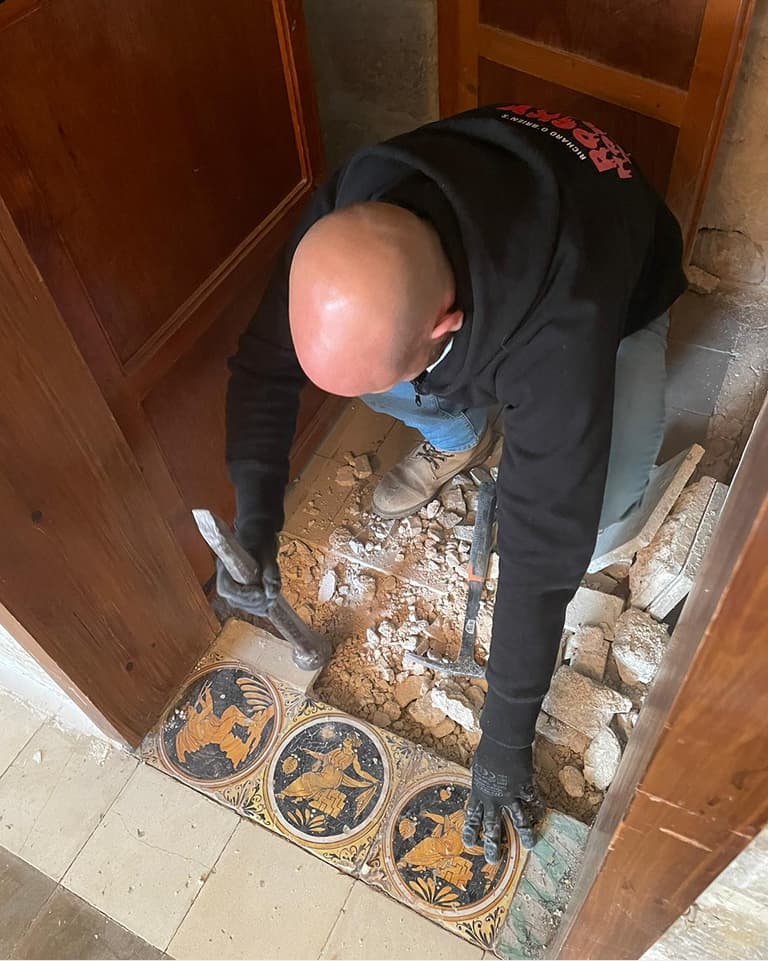
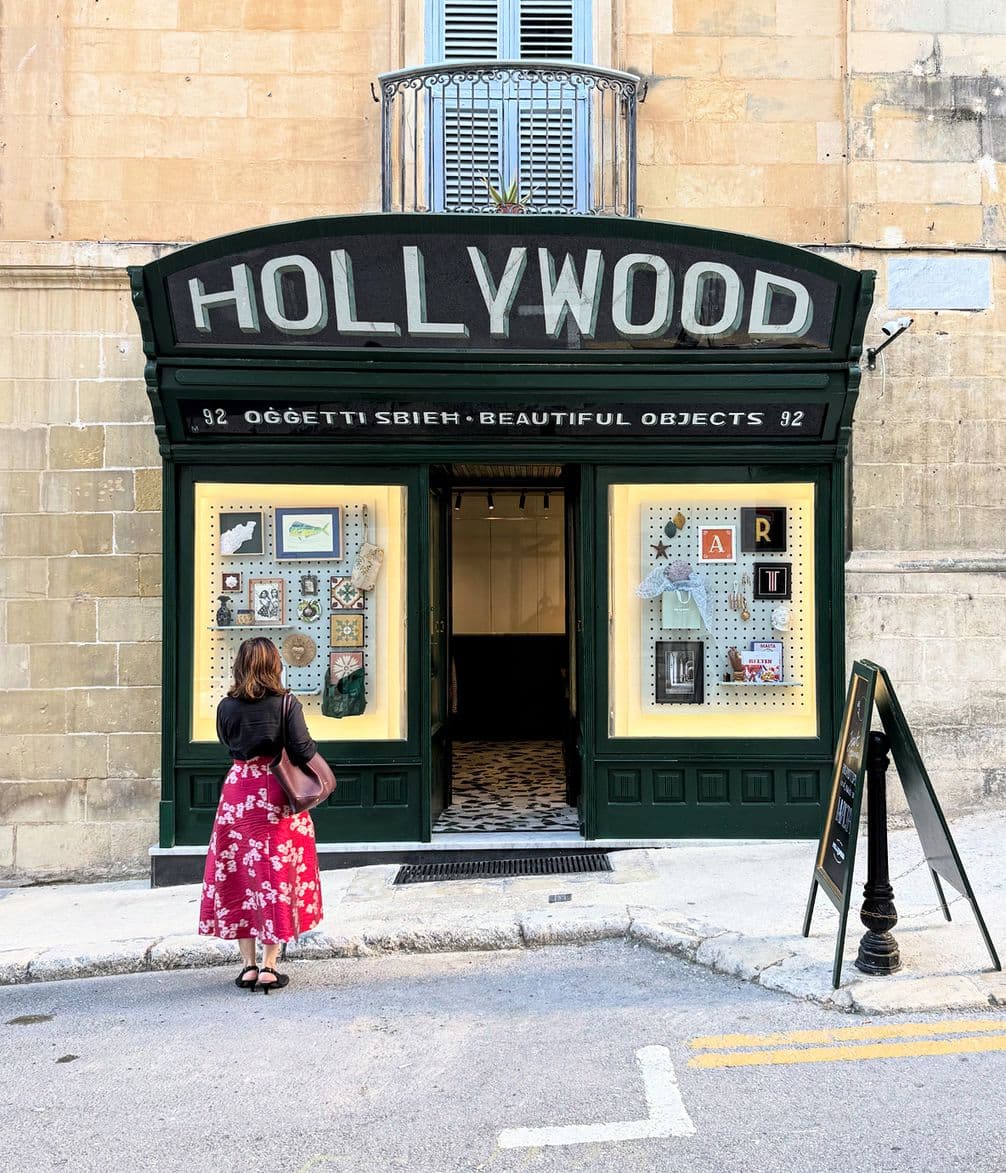
Renovating his second property catalysed what would become Lazarus Tiles, a project devoted to salvaging architectural fragments – floor tiles, doors, terrazzo and vintage objects – from old Maltese houses, and reinfusing them with contemporary life. This trajectory eventually led him to the Hollywood shop in Malta, a former neighbourhood store he took over and transformed. While the shop now focuses primarily on art and objects crafted by the Maltese artistic community, its atmosphere remains steeped in centuries of memory. Camilleri intentionally preserved the store’s original spirit, including its name, allowing the space itself to act as a living archive.
I spent my twenties in London studying musical theatre. I remember walking past a salvage yard by Stamford Brook station and gazing at this deep repository of beautiful objects waiting for a new home. At the same time, as a broke student, I remember walking home after college and finding various items of furniture that posh Chiswick residents would leave on the pavement for anyone to collect. This idea of reuse was relatively unknown back home in Malta for a variety of reasons. I think that as a freshly post-colonial nation there was always a drive to acquire new and “better” in every aspect of life, proving that you were improving the lot your forebears couldn’t. There’s also the scarcity of space that we struggle with. Large plots of land that could host a salvage yard are simply too valuable to leave undeveloped, making them unsustainably expensive to rent for such a venture.


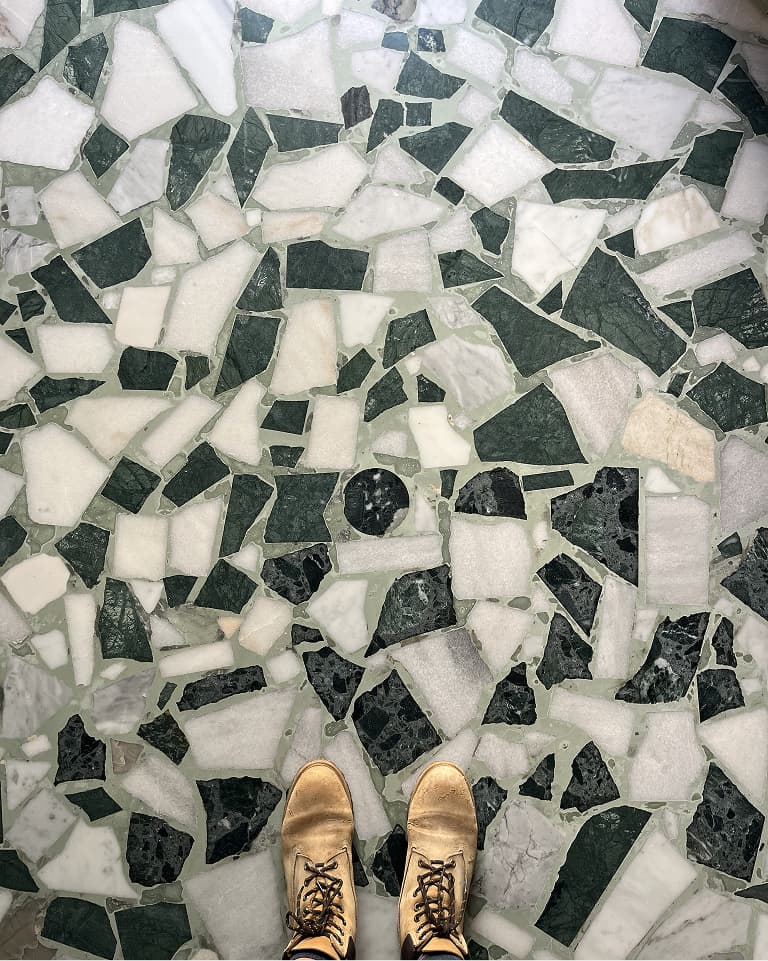
Moving back to Malta at 27 and starting the process of renovating my new home was hugely inspired by this sense of reuse I encountered in the UK. Not only are we temporary custodians of our homes, but when items are well-made they can survive several caretakers, too. Our cement tiles also fell victim to the post-colonial hang-ups we were bound to suffer. For a century they were made, one at a time, by skilled craftspeople who were to be found all over Malta and Gozo. In the late ’80s, when our markets expanded and capitalism took a stronger hold, these tiles, along with so many other vernacular architectural features, were saddled with the weight of the past and poverty, with the upwardly mobile middle class striving for more contemporary, imported materials. By the ’90s, there were just two or three cement tile makers left, though I’m glad to note that the trend is back in fashion with a greater appreciation of all things made in Malta.

When I was renovating my home back in 2015, I started The Lazarus Club on Instagram as a way to document the process and also share my vintage-hunting hobby with followers who were interested. I’ve always been enamoured with the idea of resurrecting places and items that could otherwise be consigned to the landfill. The initials also spell TLC (Tender Loving Care), which is definitely something that the process needs a lot of – and which I am more than happy to give.
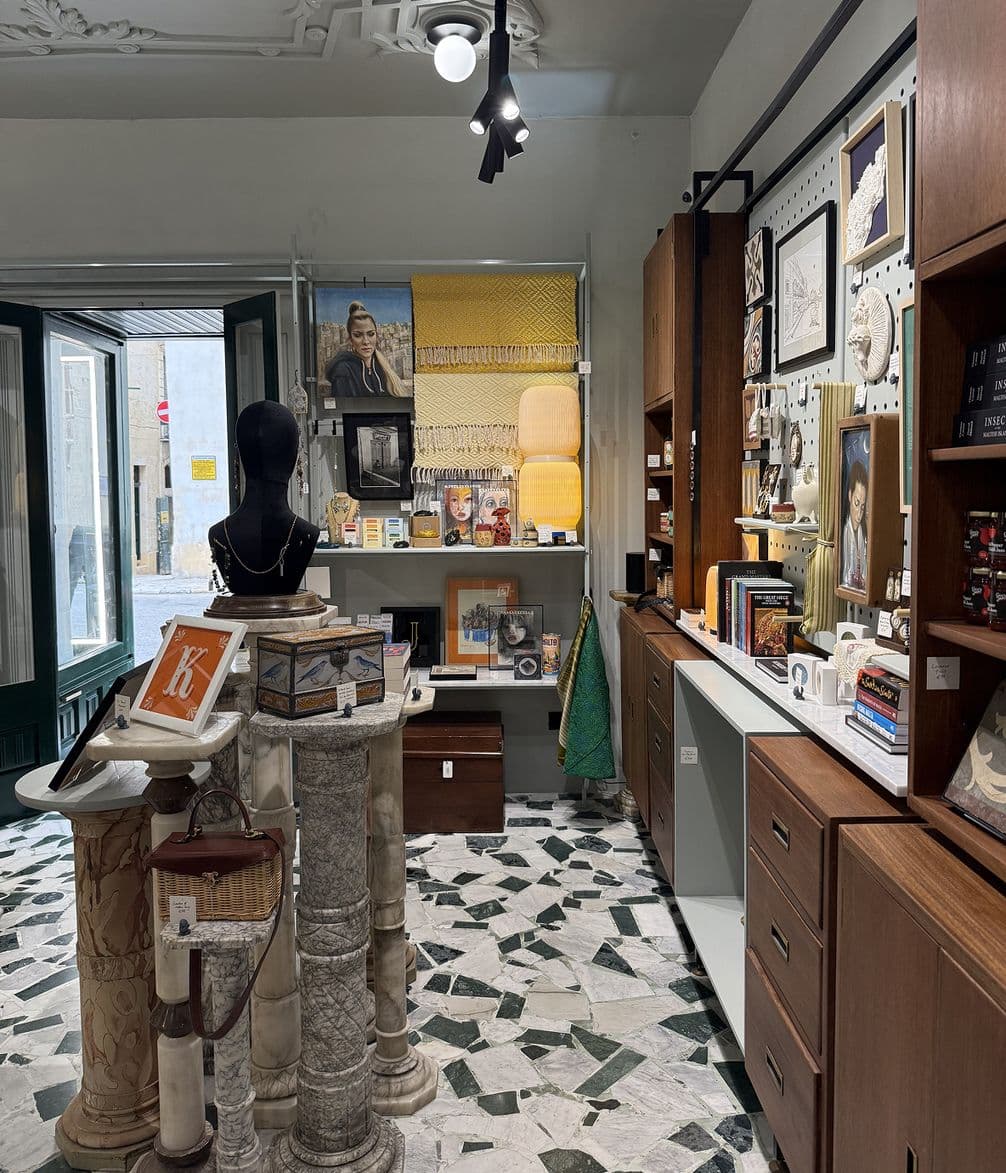
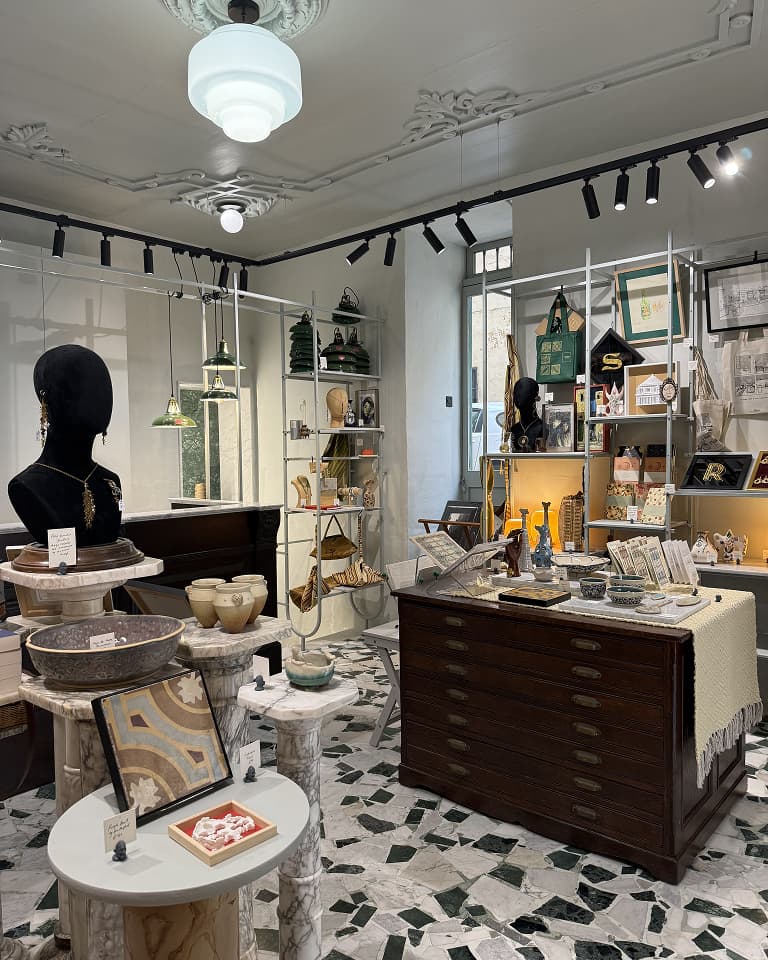
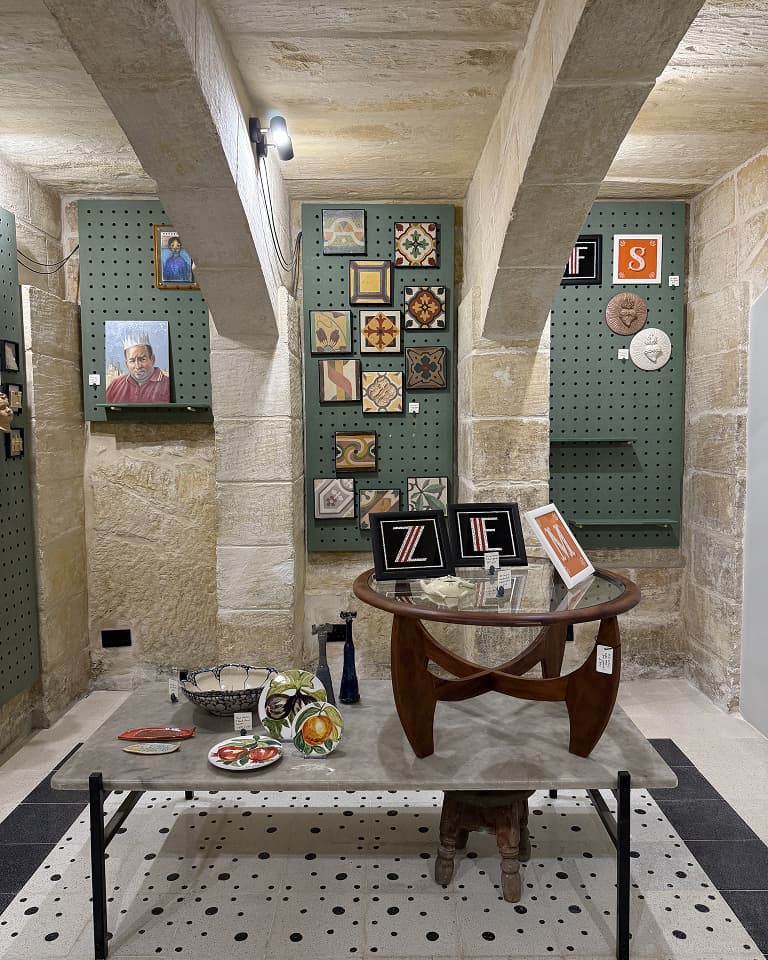
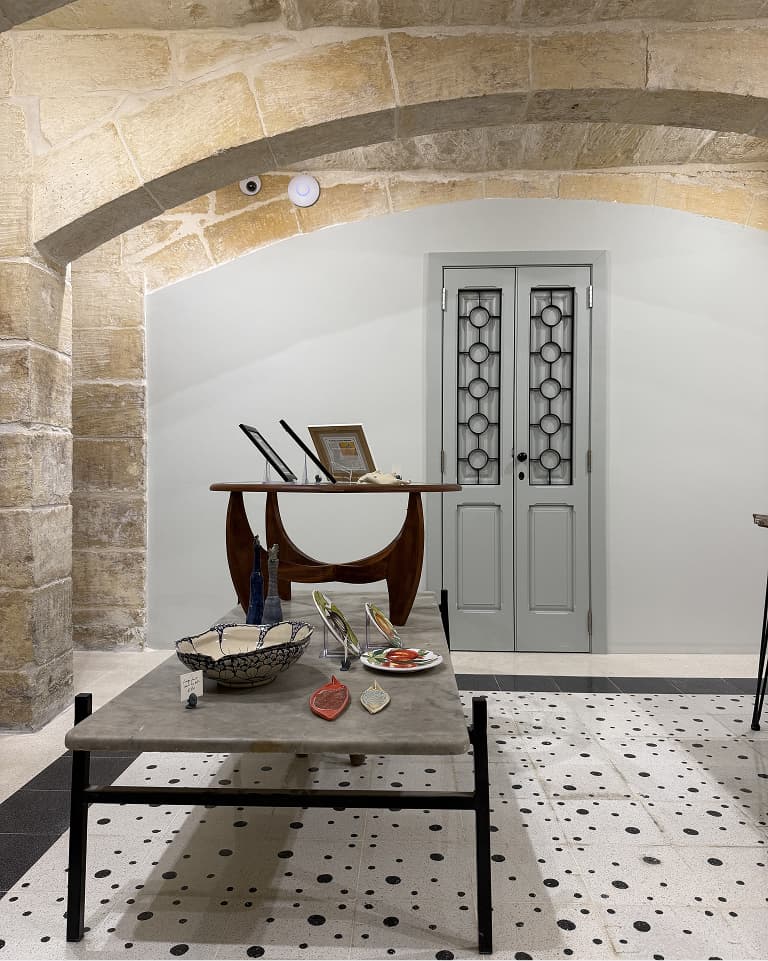
Hollywood shop after the refurb


Although I’ve led the design of my own projects in the past, I engaged my good friends Patty and Steve at A Collective – an architectural and design practice – to help design the interior of the shop. I knew that with a small space like this – 30sqm on the ground floor and 25sqm in the cellar – every inch was valuable and had to be thought out as best as possible. With years spent in London I was always drawn to shops that had an element of magic, like Liberty London, and I knew that Hollywood had magic of its own that could be utilised.
My love of reuse was still an influence though, with the starting point of the ground floor being a midcentury TV unit I found in a house in Hamrun. It’s now a focal point within the shop, and the angular metal structure that holds the cabinets was used by Mike from A Collective to create a visual template for the bespoke shelving he designed for the rest of the space.

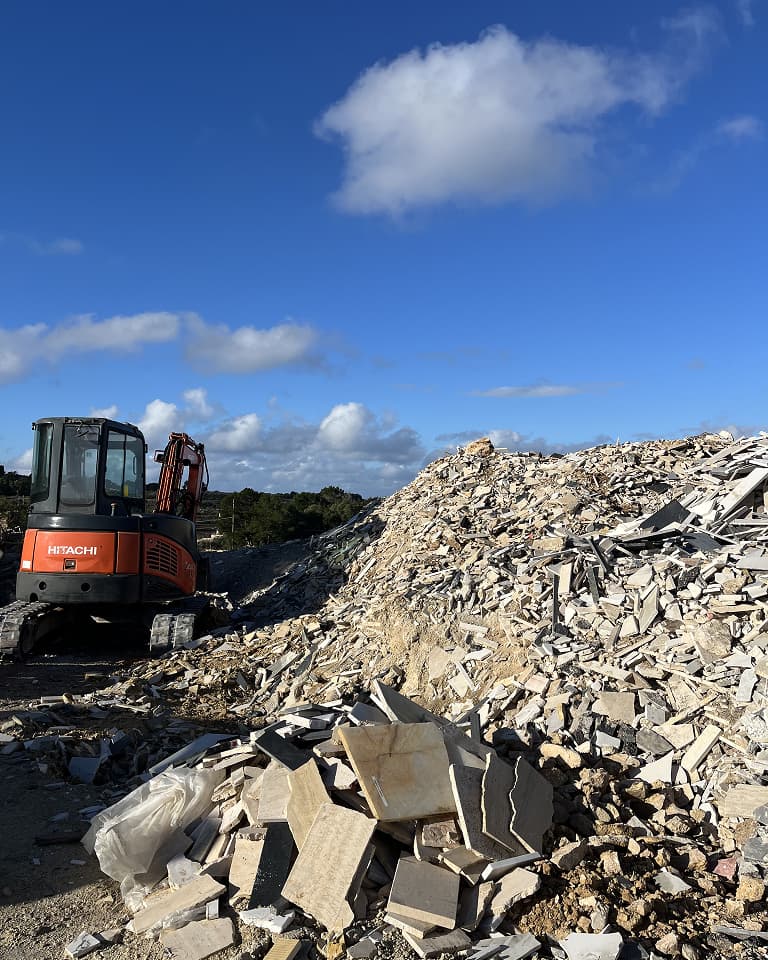
Locations where Thomas salvages materials


Sadness is often present on sites that are being demolished, especially as they’re often still filled with memories of previous inhabitants. Also a slight sense of panic at all the work needed to do to save whatever I can before the demolition ball swings through. My shop brings about different feelings, though nostalgia often clings to all the items whose stories I know, and which I can’t fully pass on to their new owners. That’s why each Lazarus Tiles edition comes with a small certificate that indicates the number and address where they were reclaimed from. It gives them a sense of place – at the least.
What’s wonderful about having Hollywood as a base for Lazarus Tiles and all other artworks I curate is that most visitors are already in the mindset to appreciate our history and culture. They’re visiting Valletta and they’ve walked beyond the tourist-heavy area before St George’s Square. Lower Republic Street, where I am, is quieter and more residential – though just as seeped in history as the other areas of the capital. I’m a corner down from Casa Rocca Piccola and streets away from St Catherine’s Monastery. Across the road is the Malta Society of Arts and at the end of the street is Fort St Elmo. All those who wander off the beaten path are richly rewarded.
One of the joys of the shop is that I can now work solidly on collaborations with various artisans I admire based on products I think will do well in the shop. Maria Muscat, known as Babettopolis on Instagram, is a multi-talented friend of mine who is a wonderful seamstress. I had spoken to her a year ago about creating a series of bags from old fabrics I had found over the years. I would come across richly embroidered bedspreads, thick jacquard or damask curtains lying on the floor of the Birgu flea market and think about all the love and effort their previous owner put into their preservation. Years of cleaning and care, now no longer present because neither are they. So I would add them to my growing collection and think that someday, their day would come. Luckily it finally has – Maria is creating the most fabulous bags, many of which have already found new homes all over the world.
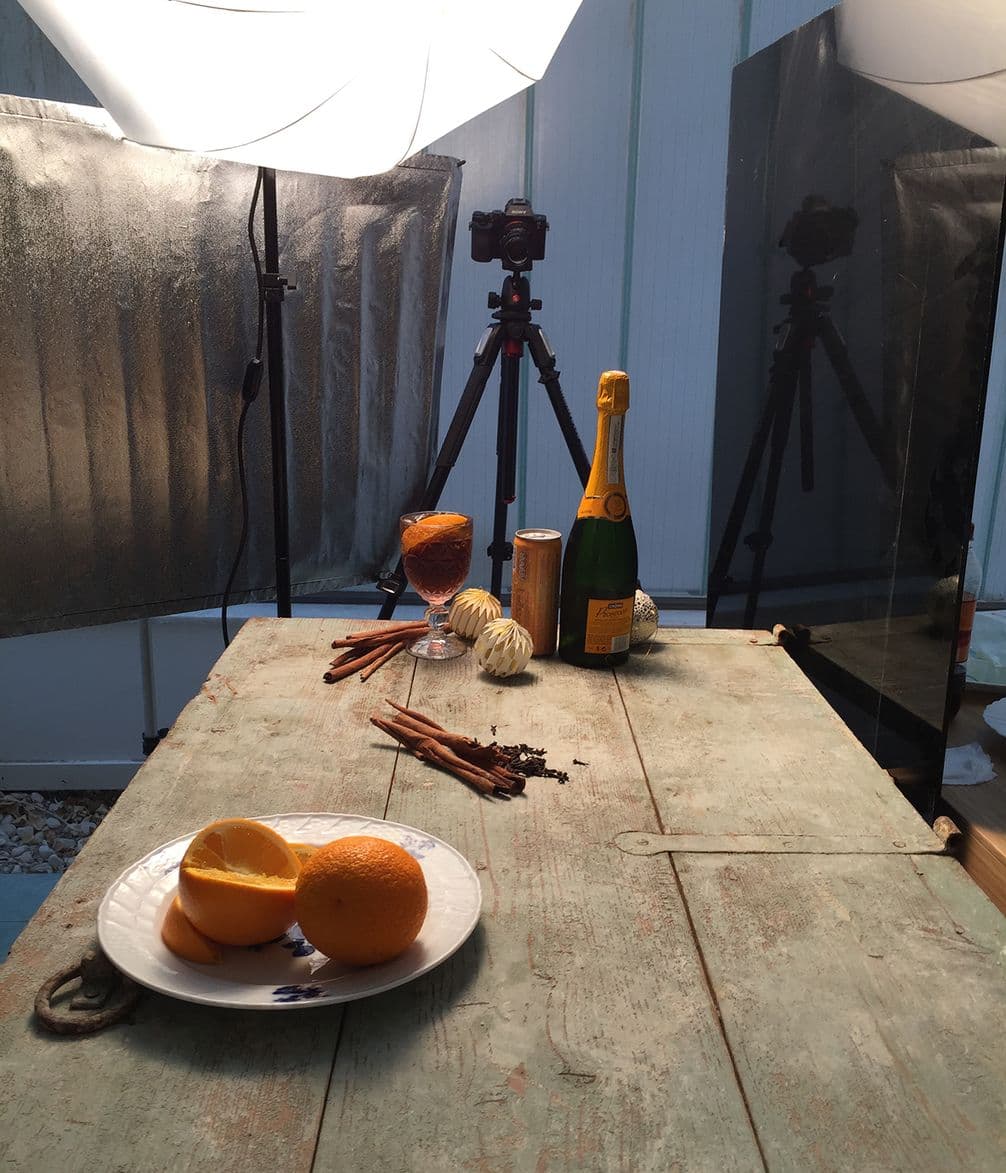
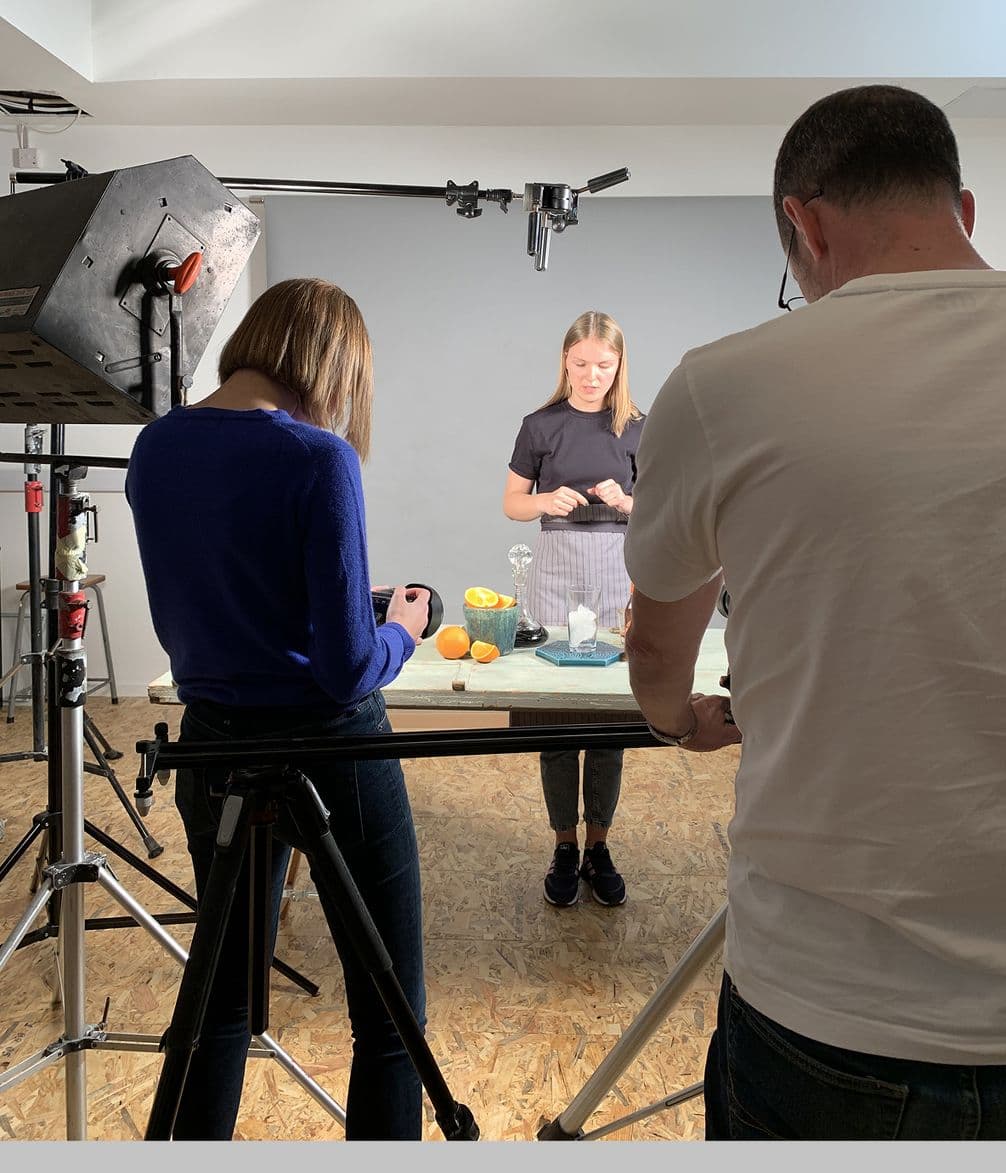
The garden shed door being put to work in the photography studio
About ten years ago we were helping dismantle my grandfather’s old shed at the end of the garden. What I thought was compacted earth turned out to be a mismatched collection of leftover tiles. These ended up kicking off my Lazarus Tiles project, and became part of the patchwork floor of my bathroom. But it was another object, an old garden door, which takes me back. At the time, I thought that the texture and pale blue colour of the door was perfect for the many studio shoots we had at work. Indeed, it spent eight years in the photography studio, providing a base for many recipe videos. When we downsized the office recently, the door needed a new home so it came with me to the shop where I added pin-legs to it and turned it into part of the furniture. It now lives in the cellar proudly displaying Lazarus Tiles and other objects.
Oh, absolutely. Photographs are incredible objects, no doubt about that, but the history that an object is imbued with is so magical. This is why I frame my tiles without glass, because their touch is so important. Years of walking slowly erode and polish the surface, sometimes with different colours being affected in various ways. Who knows who scrubbed those floors? Who walked on them? Were the owners proud of their coloured tiles or were they indifferent to them? Did babies play on them or were they in an austere home where even sunlight wasn’t allowed in? They are heavy with history and meaning if we choose to ask these questions.