


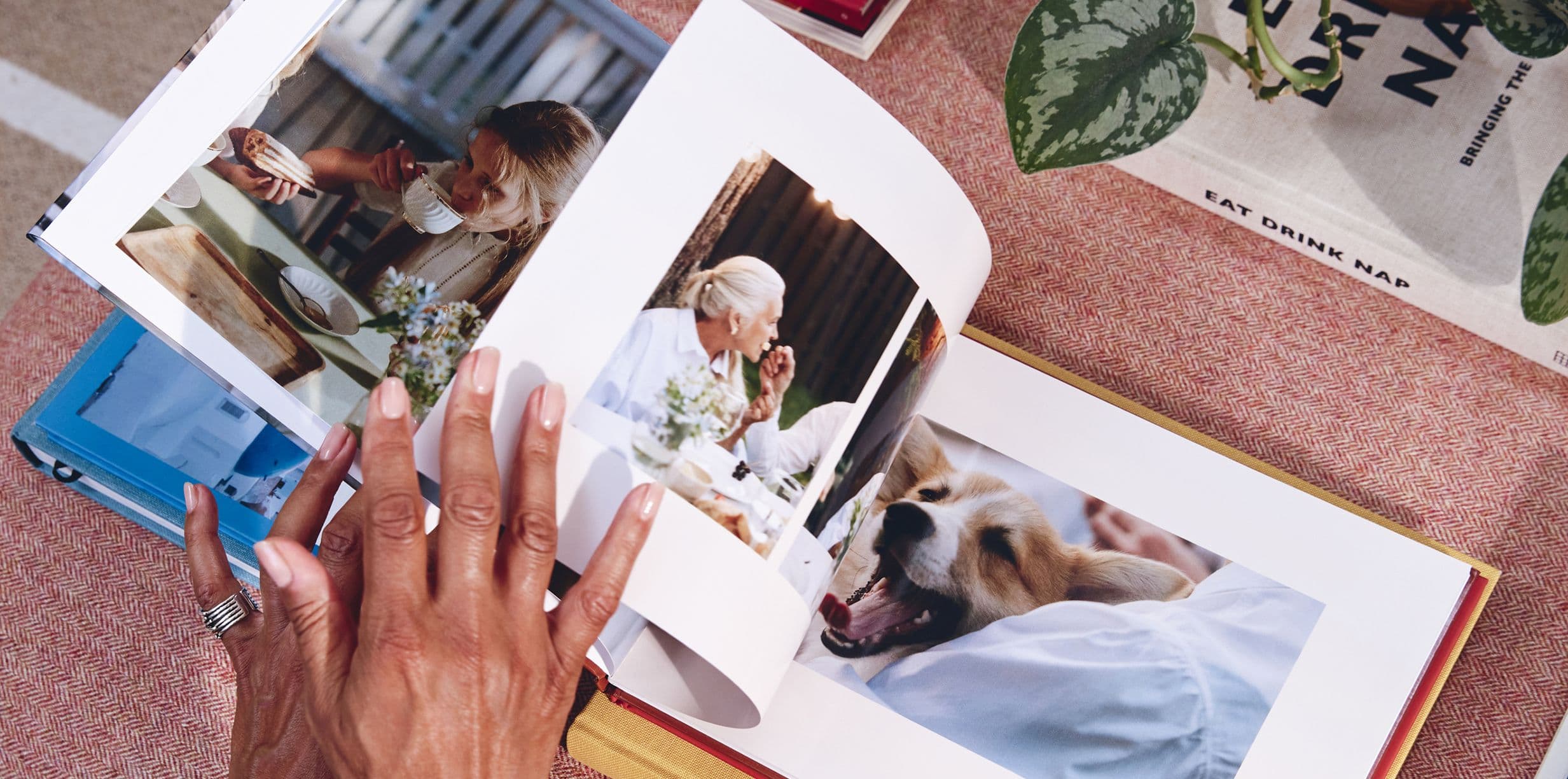
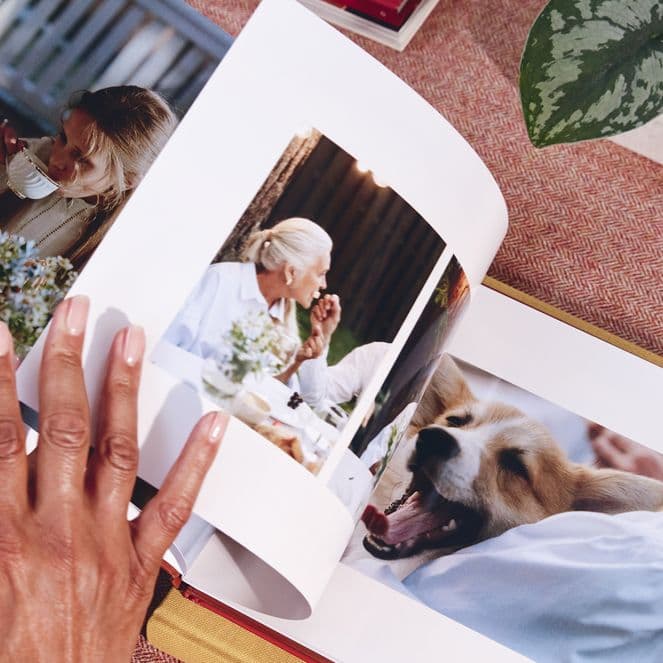
There’s no right way to grieve and no single way to remember someone. A memorial photo book won’t fill the space someone has left, but it can become something the people who loved them return to – at the anniversary, on a hard day or simply when they want to feel close to that person again. Putting one together takes a little time and, often, a little help from others. Here’s how to approach it.
Give yourself permission to take your time
There’s no deadline on a memorial book, even if it feels tied to a funeral or a particular date. Some people start within days, others wait months before they’re ready to look through photos properly. Both are fine. If the process feels heavy at any point, put it down and come back later – the book will mean more for having been made at the right pace, not the fastest one.
Ask others to contribute
You almost certainly don’t hold every photo that matters. Reach out to siblings, close friends, colleagues or anyone who knew them well, and ask for a few images along with a line or two about what they remember. People are often glad to be asked. The result is a fuller picture of a life than any one person could put together alone, and a book that feels like it belongs to everyone who loved them.
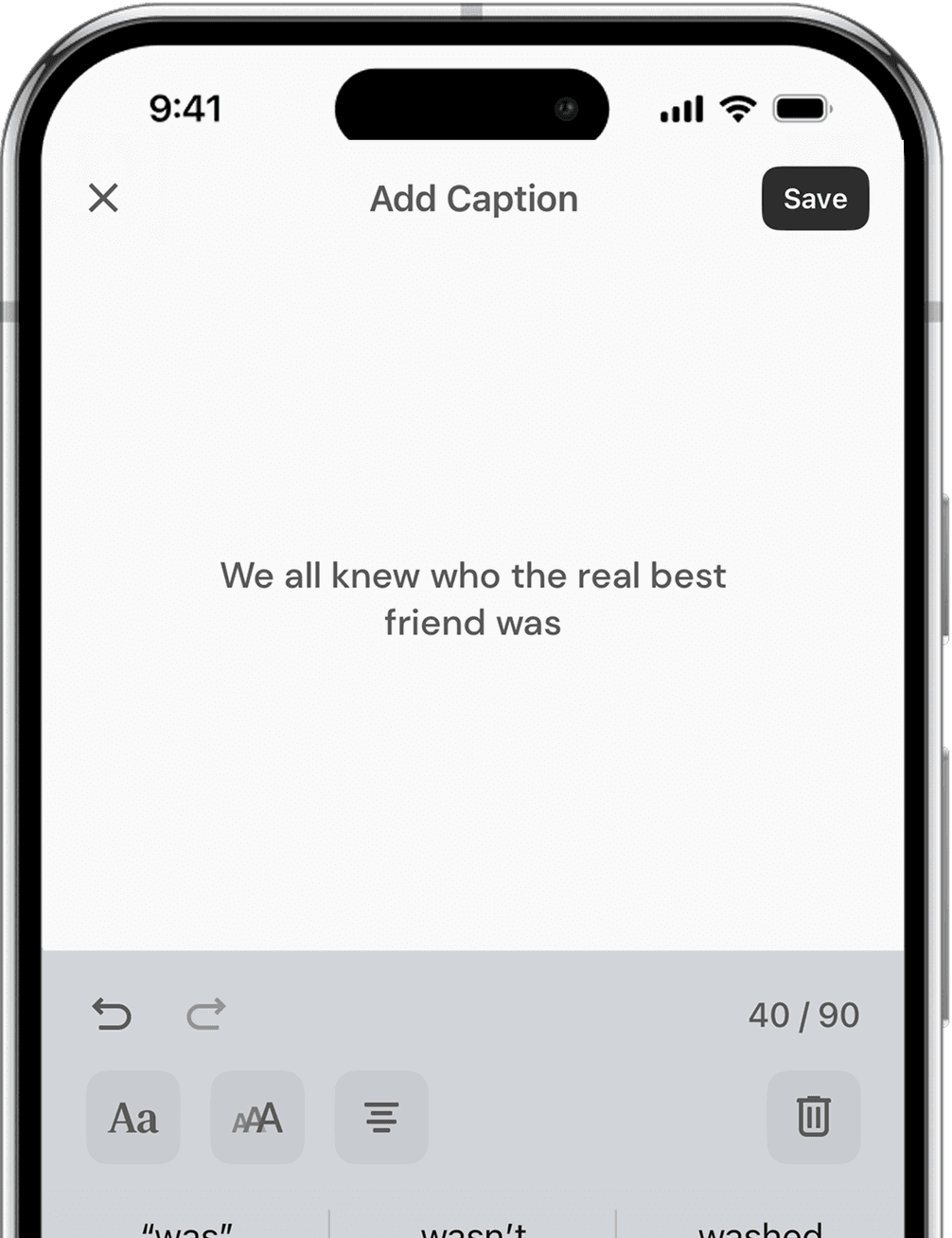
Captions make the photos feel personal
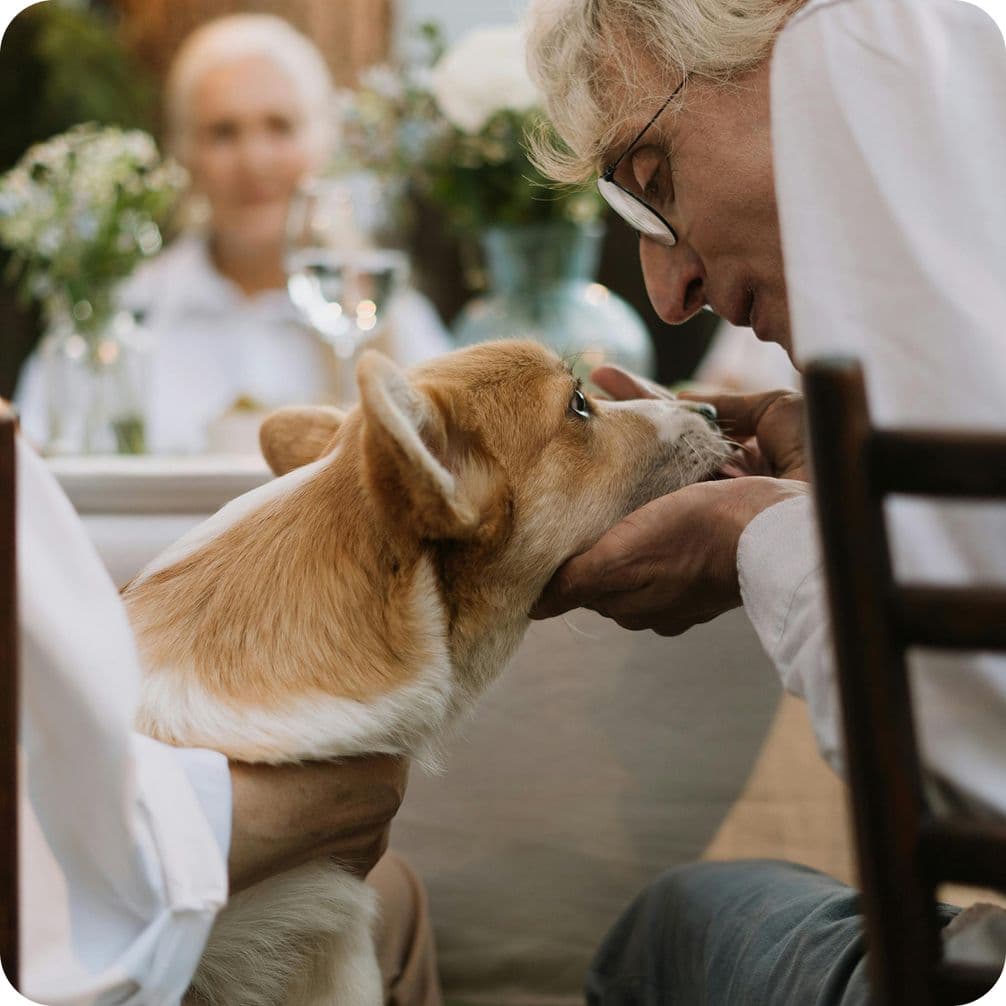
Photo: Cotton Bro, Unsplash
Choose photos that capture who they were
It’s tempting to reach for the most recent photos first but a memorial book is at its best when it reflects a whole life rather than its final chapter. Look for the ones that show their character – mid-laugh, doing the thing they loved, surrounded by people who mattered to them. A few ordinary, unposed moments often say more than the formal portraits.
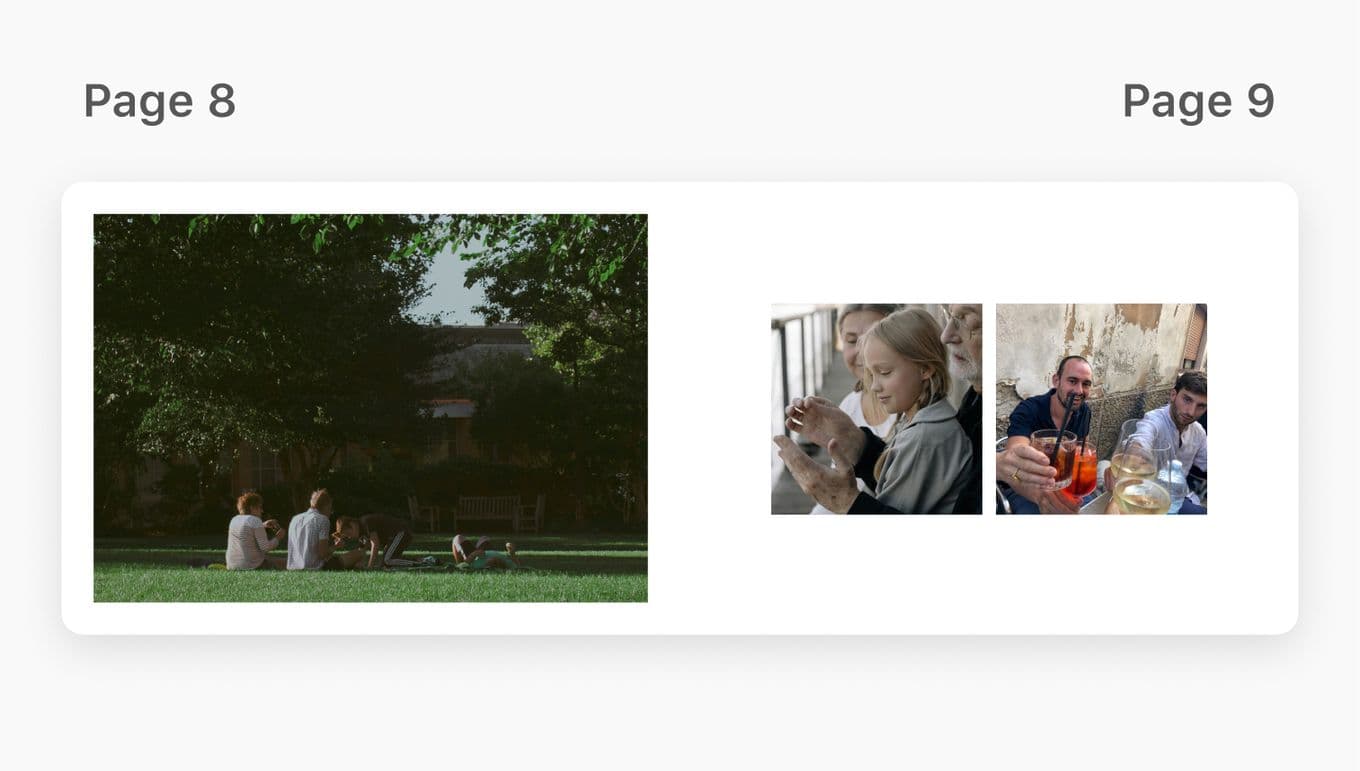
Unposed moments tell a story
Include more than photographs
Handwritten notes, old letters, ticket stubs, a favourite recipe – small scanned items like these can sit alongside your photos and add texture a picture alone can’t. A short caption naming a place, a joke or a memory gives future readers, including those too young to remember, context they’ll be glad to have.
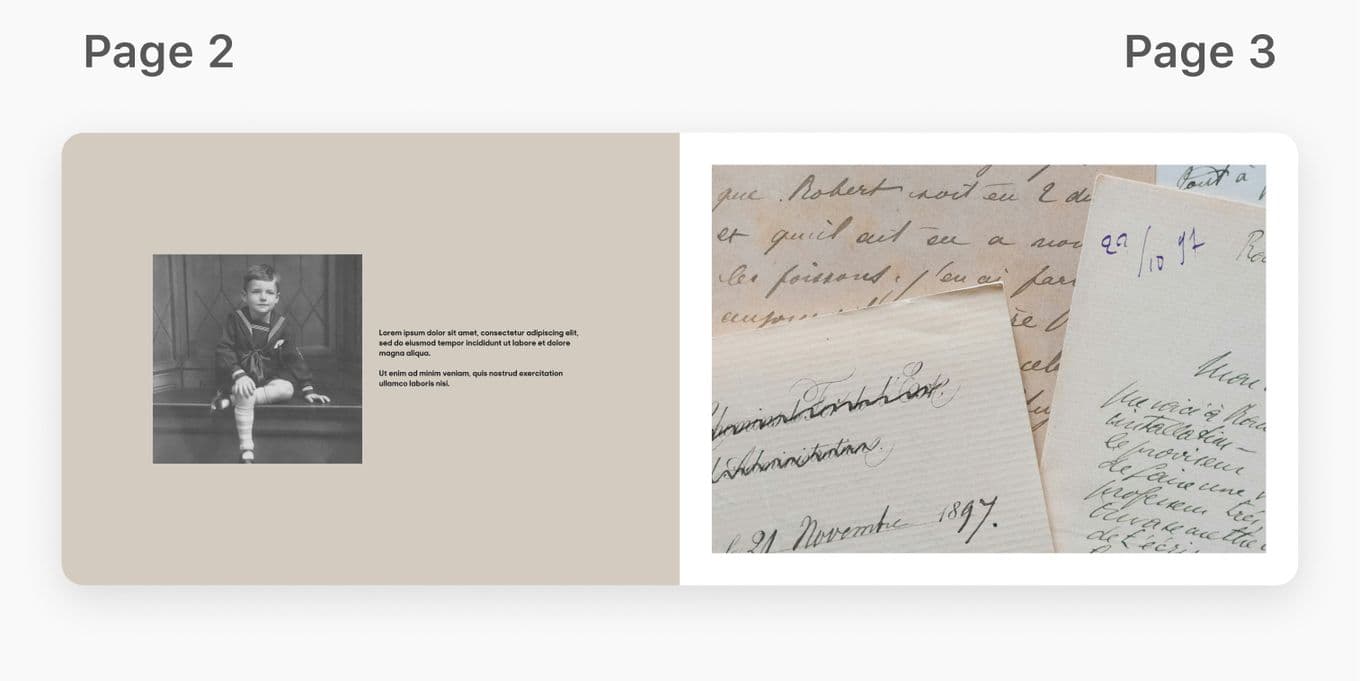
Include handwritten notes and old photos
Decide on a structure that suits their story
Some memorial books work best told chronologically, from childhood through to the life they built. Others work better organised by theme – family, travel, friendships, the things they loved – particularly if you’re weaving together contributions from several people. There’s no rule here – choose whichever shape feels most true to how they lived.
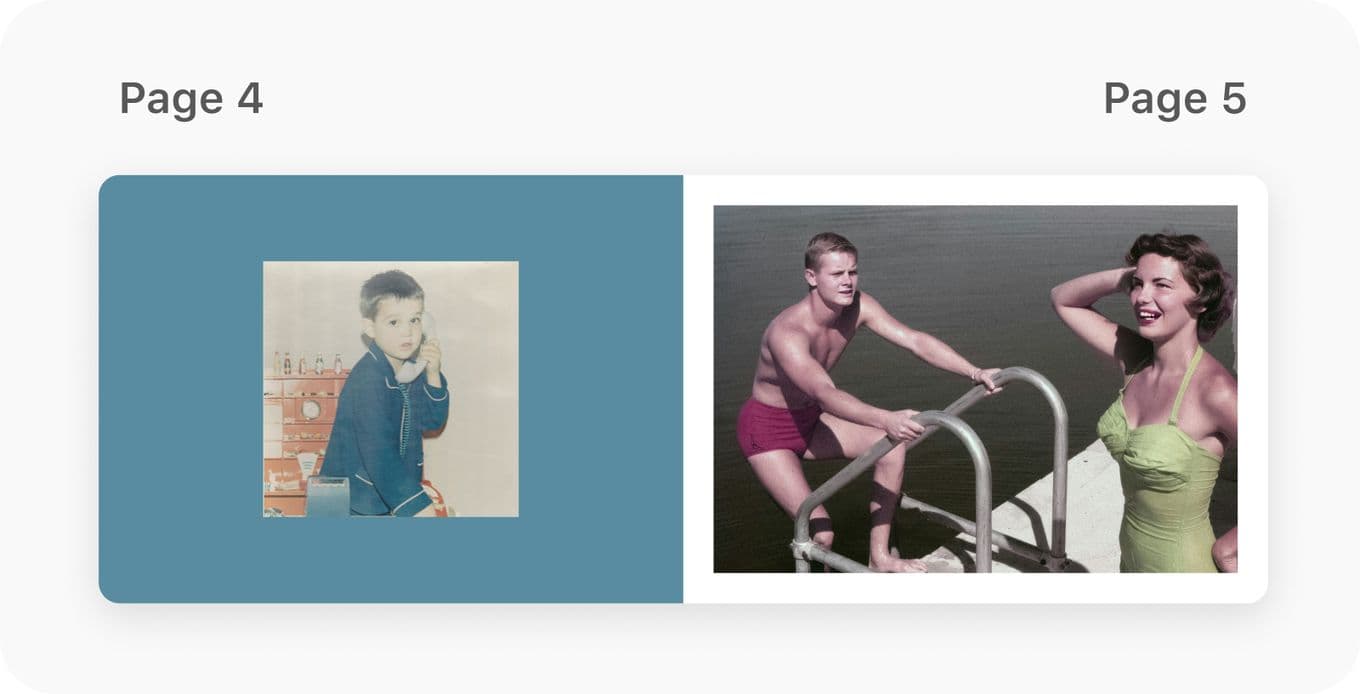
Chronological order is just one way to organise photos
Making the book
Once you’ve gathered your photos and stories, Popsa lets you import images directly from your camera roll, cloud library or the contributions others have sent you, with an initial layout generated automatically so you’re refining rather than starting from a blank page. A Hardcover book in a Large or Extra Large size tends to suit a keepsake like this well, giving the finished pages the weight the occasion deserves.
If you’re building this soon after a loss, be kind to yourself about how long it takes. There’s no wrong pace for something you’ll keep for the rest of your life.
Téléchargez l'application
Replongez dans vos souvenirs en toute simplicité grâce à des fonctionnalités exclusives comme la reconnaissance faciale et les albums intelligents.


Articles connexes
&w=96&q=75)
&w=96&q=75)
&w=96&q=75)
Zofia May
Photographe de famille
31 juil. 2025∙6 min


 États-Unis