
Travel
21 Photos: the breathtaking beauty of Rwanda
Still misunderstood by many travellers, Rwanda reveals volcanic landscapes, vibrant village life and the rare privilege of photographing mountain gorillas in the wild

19 Feb, 2026∙8 min
Travel
Still misunderstood by many travellers, Rwanda reveals volcanic landscapes, vibrant village life and the rare privilege of photographing mountain gorillas in the wild
19 Feb, 2026∙8 min
Journalist and travel writer Luke Abrahams has spent years chasing stories across continents, but it’s the quieter corners of the world that continue to pull him back.
The country of Rwanda is so misunderstood. Still marred by the 1994 genocide, it’s a destination would-be travellers question, “Is it safe?” The simple answer is: yes. The World Economic Forum ranked Rwanda as the ninth safest country in the world, thanks to its low crime rates and political stability. The capital, Kigali, a beacon of national pride, is also often dubbed “the cleanest city” on the African continent. But it’s not all about politics and perceptions. With its rugged hills, deep valleys and volcanic plateaus, Rwanda is one of Africa’s most breathtaking and photogenic locations.
Photos: Luke Abrahams
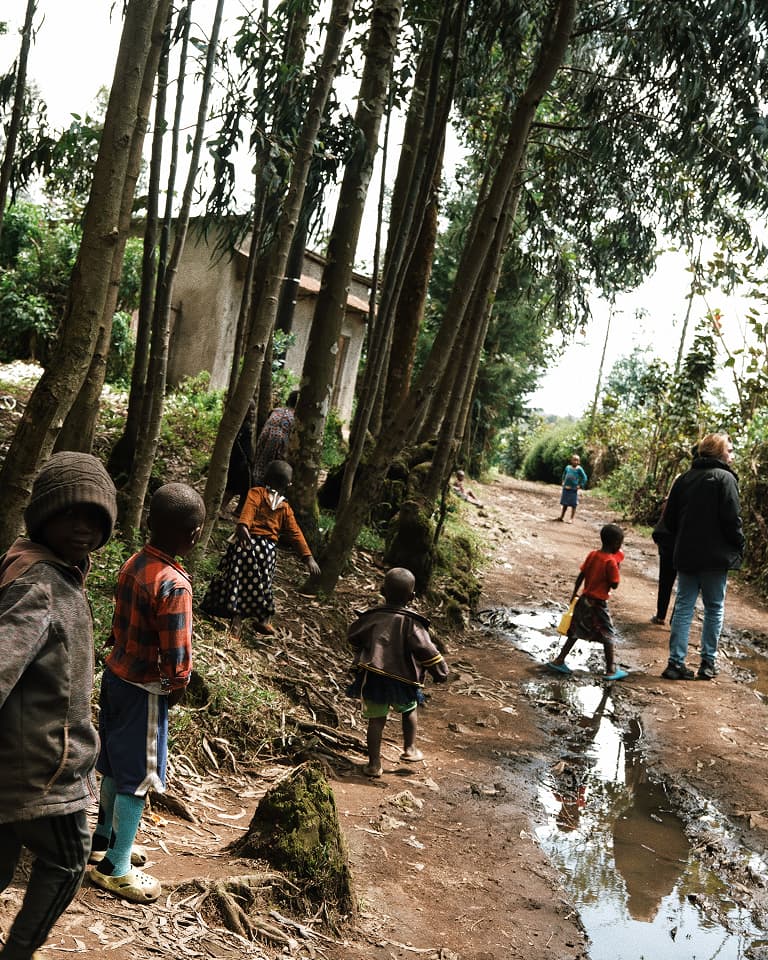
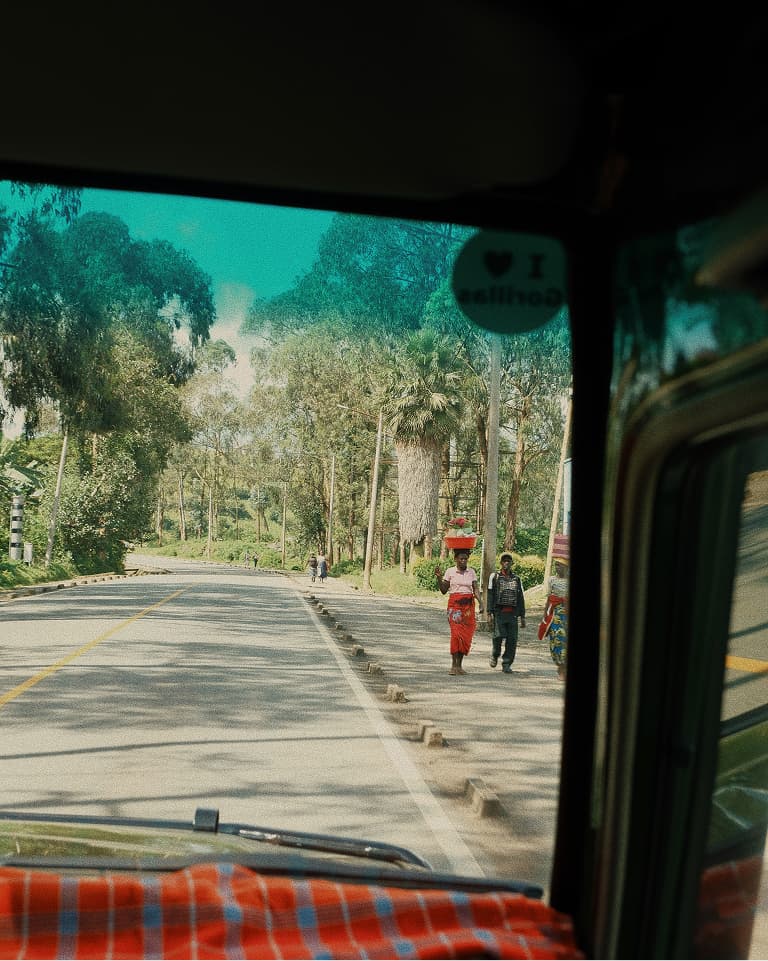
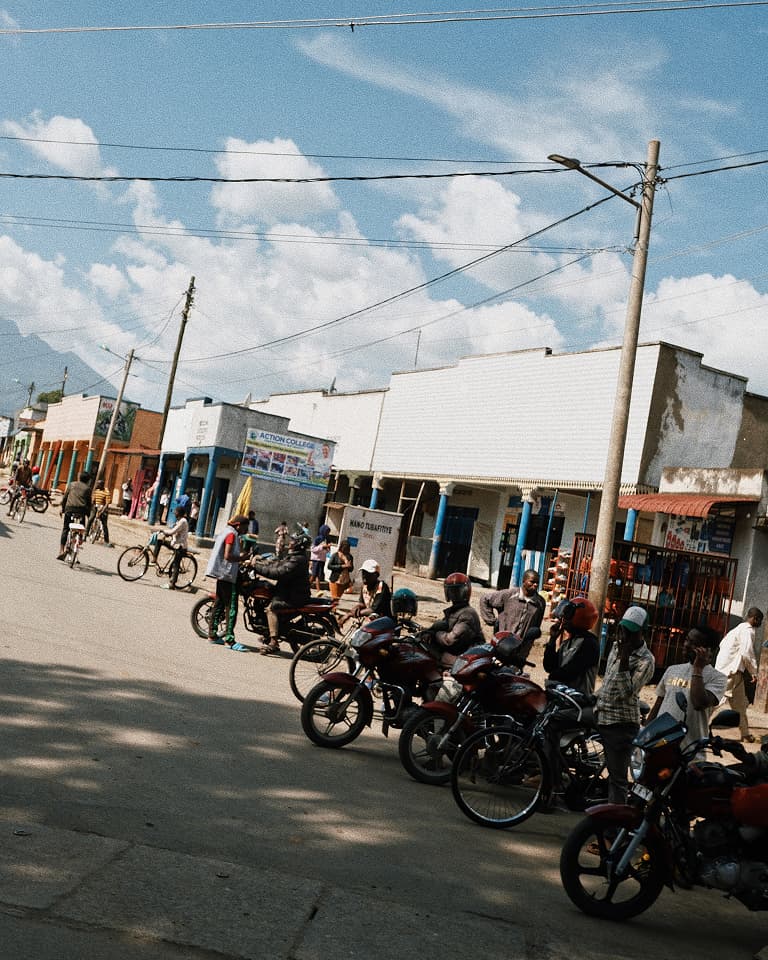
Nowhere are its vistas more majestic than in the Virunga volcanoes found in the northwestern reaches of the country. From Kigali, it’s a three-hour uphill journey (make sure you have your camera handy at all times) past small, colourful villages and hikers, many with fresh fruits and veg bunched on their backs. The women wear curious smiles eyeing up international folk like me. Children frolic in between the bushes, giant palms and banana leaf plantations. As for the men, they whizz around the mountainous streets carrying huge sacks of rice and agricultural equipment across lakes, rivers and deep fertile ravines. Eventually, the road ends 2,500m up above the clouds into Volcanoes National Park.
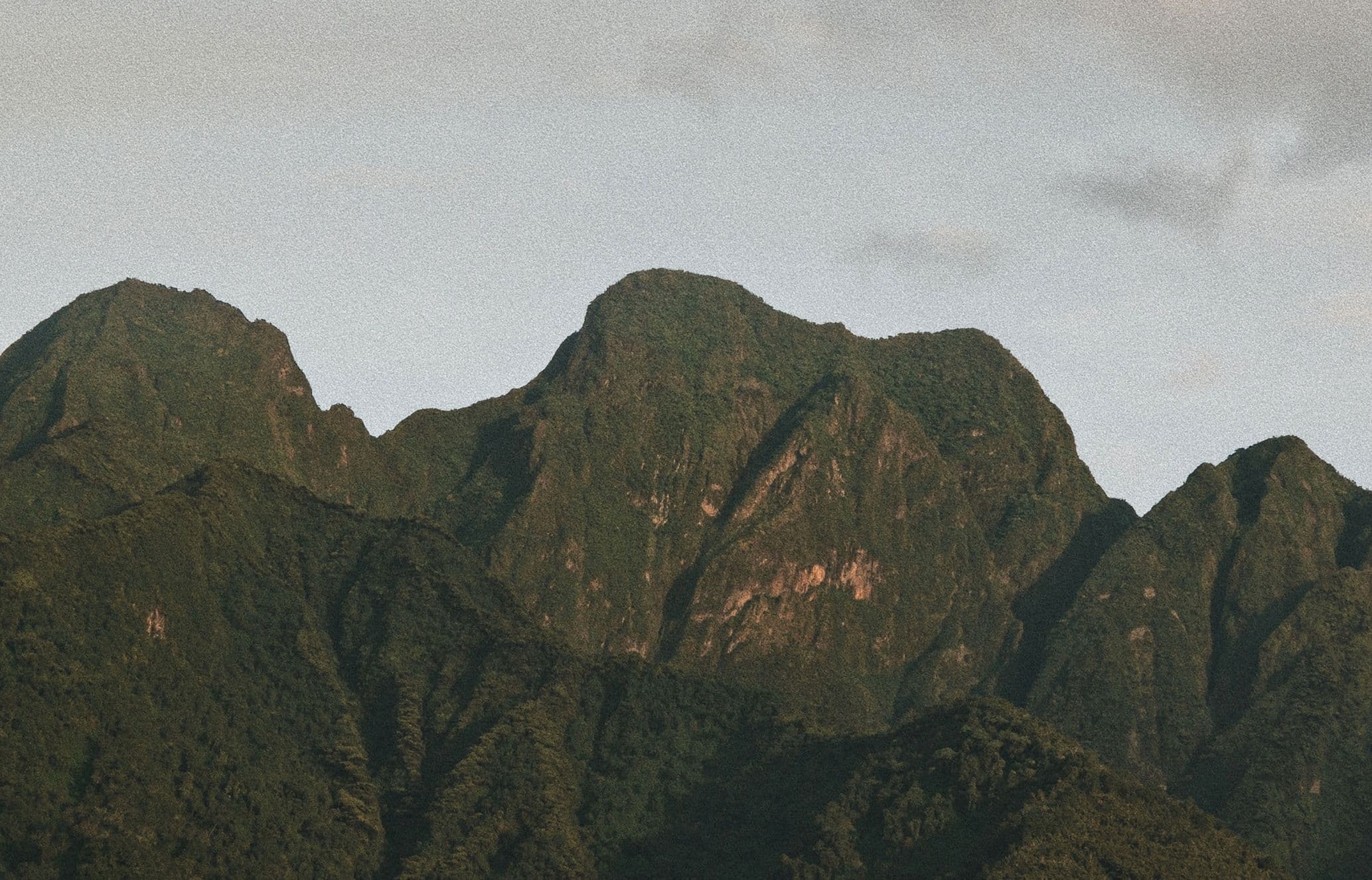
Photo: Luke Abrahams
Photos: Luke Abrahams
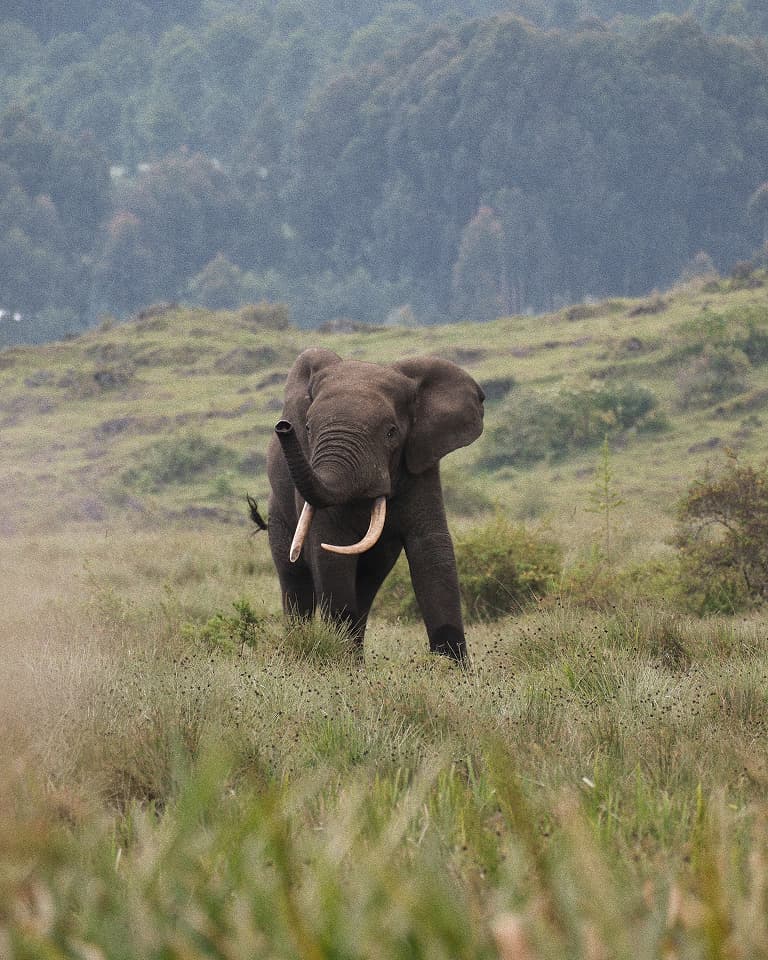
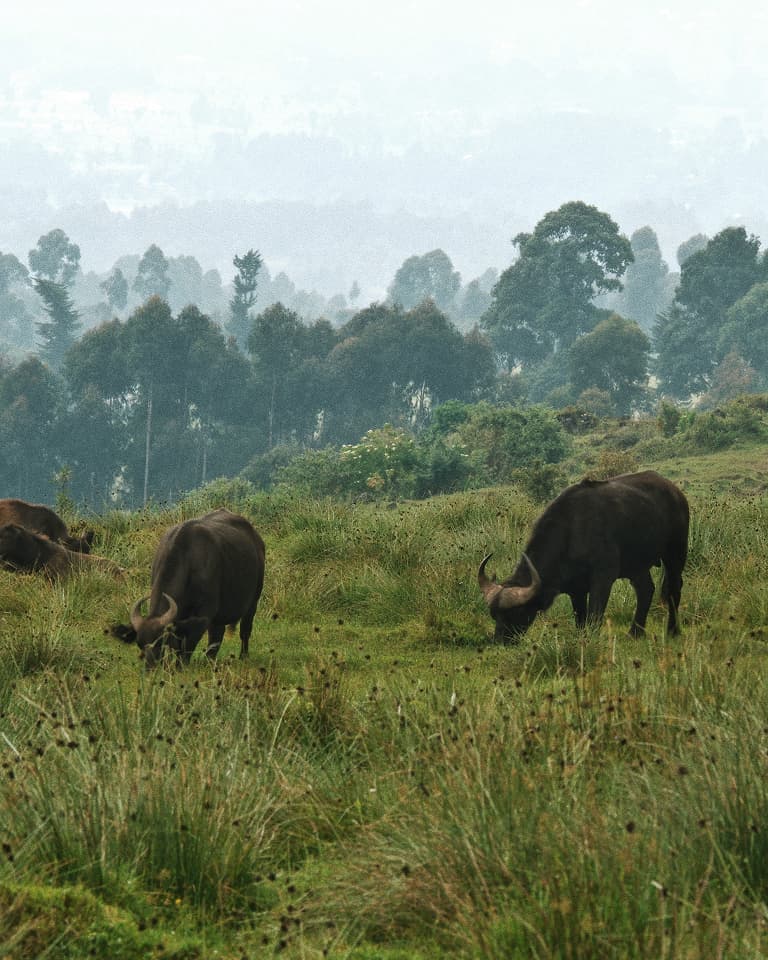
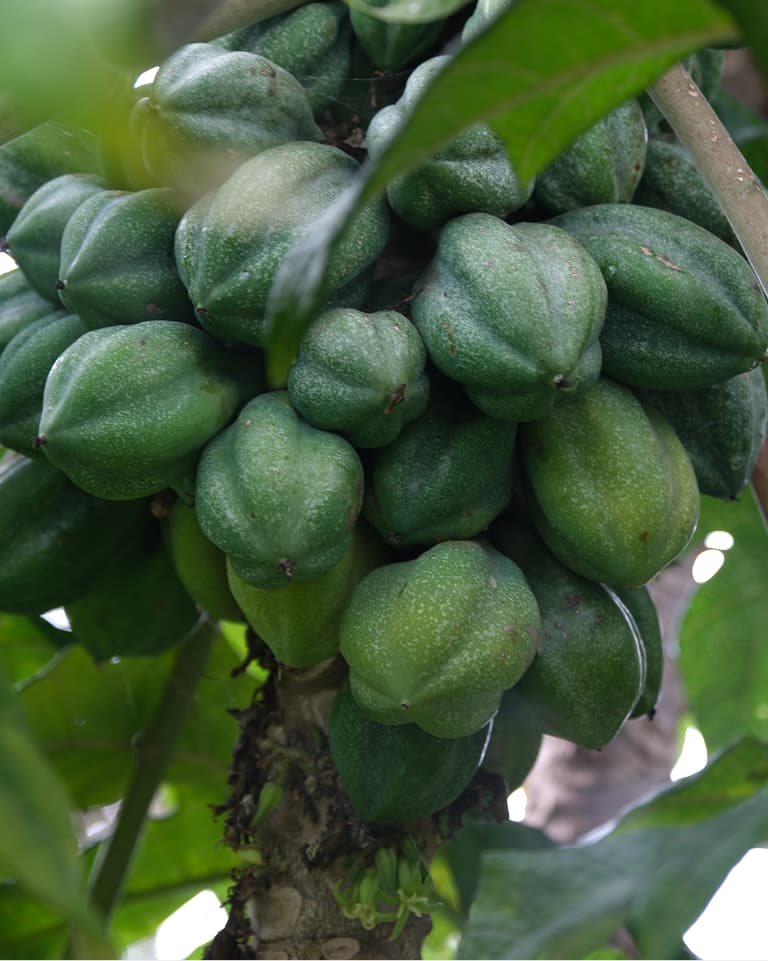
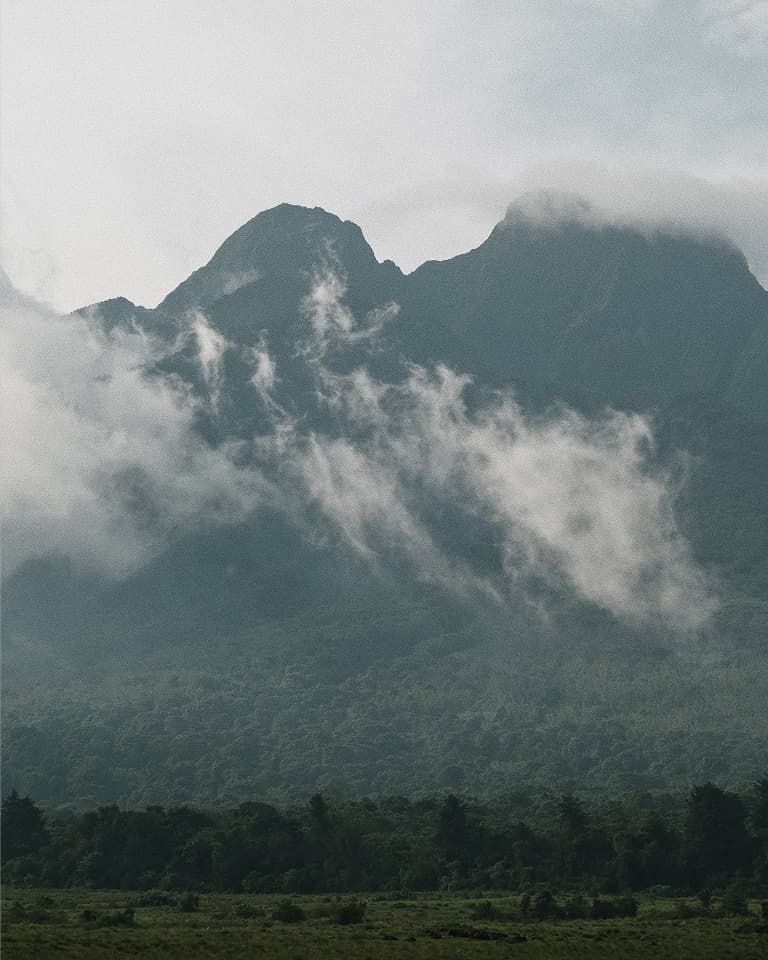
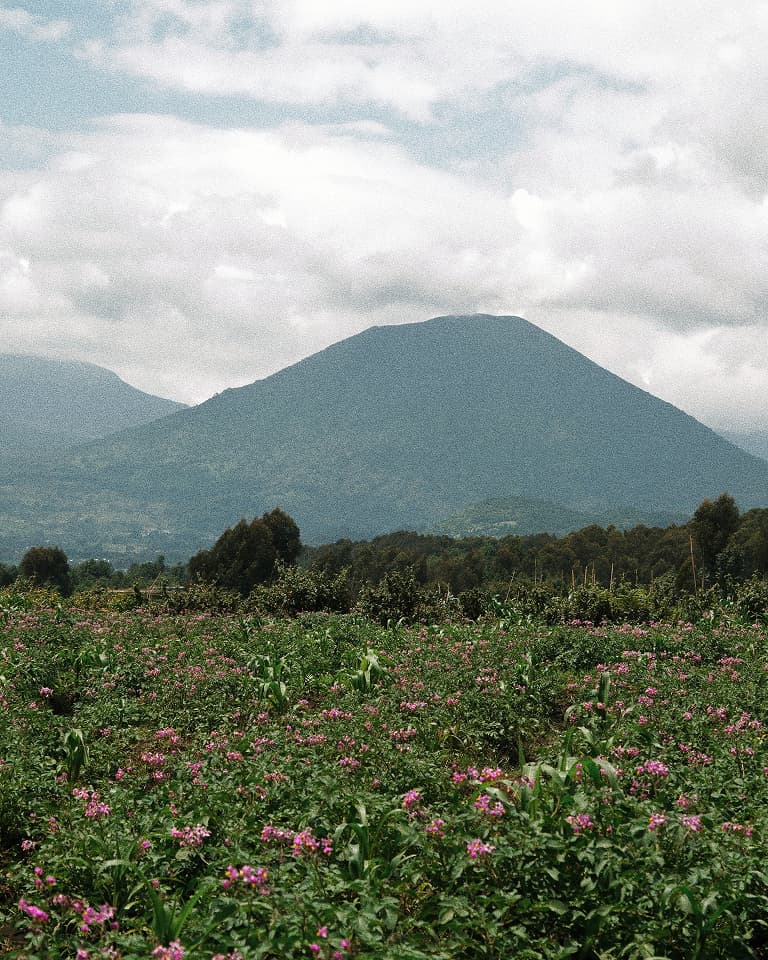
Towering high above the rich bamboo forests is the Rwandan slice of the Virunga Mountains, an ancient range that runs along the border with the Democratic Republic of Congo and Uganda. Five volcanoes – Mount Karisimbi, Mount Bisoke, Mount Muhabura, Mount Gahinga and Mount Sabyinyo – all shoot up from the Earth’s crust in near-perfect unison, making it one of the most spectacular sights in the heart of Africa. Life here is slow, and it’s perhaps best described as Rwanda’s agricultural heart where farmland stretches as far as the eye can see. To the horizon and back, bananas, mangoes, pineapples, passion fruit and avocados grow in all directions, alongside fields of leafy greens and Kinigi potatoes, famous throughout Rwanda for their extra fluffiness and creamy taste.
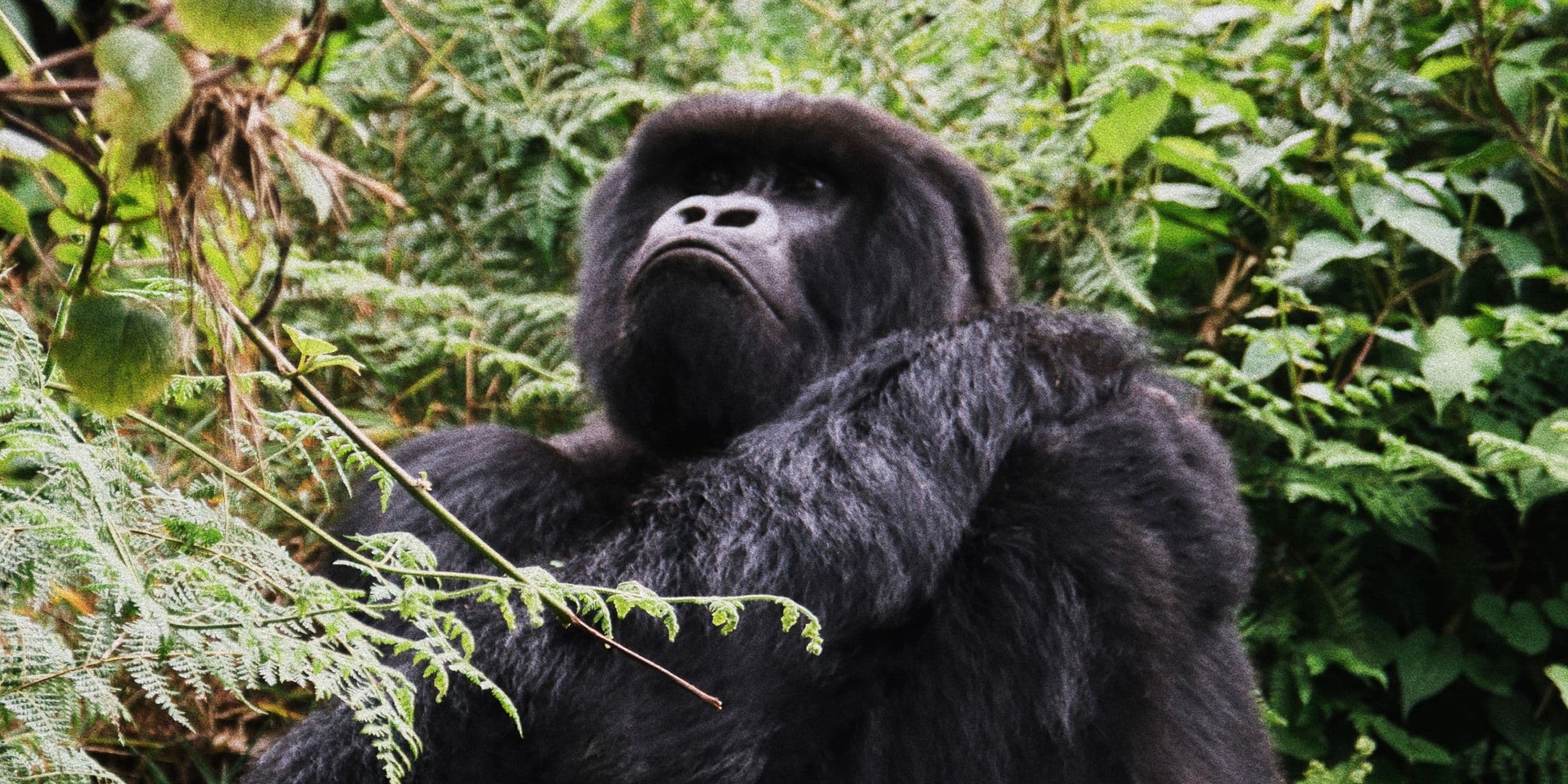
In between all the shrubs, a smattering of villages are home to lively local markets and arts and crafts cooperatives led by local women, which are popular for tourists looking for woven baskets and carved goods. But the real draw here is Rwanda’s biggest tourism driver – the elusive mountain gorillas. Volcanoes National Park is home to over half the world’s remaining gorillas and was put on the map by the late Dian Fossey, the American primatologist and conservationist famous for her groundbreaking study of the remaining 800+ mountain gorillas who call this part of Rwanda home.
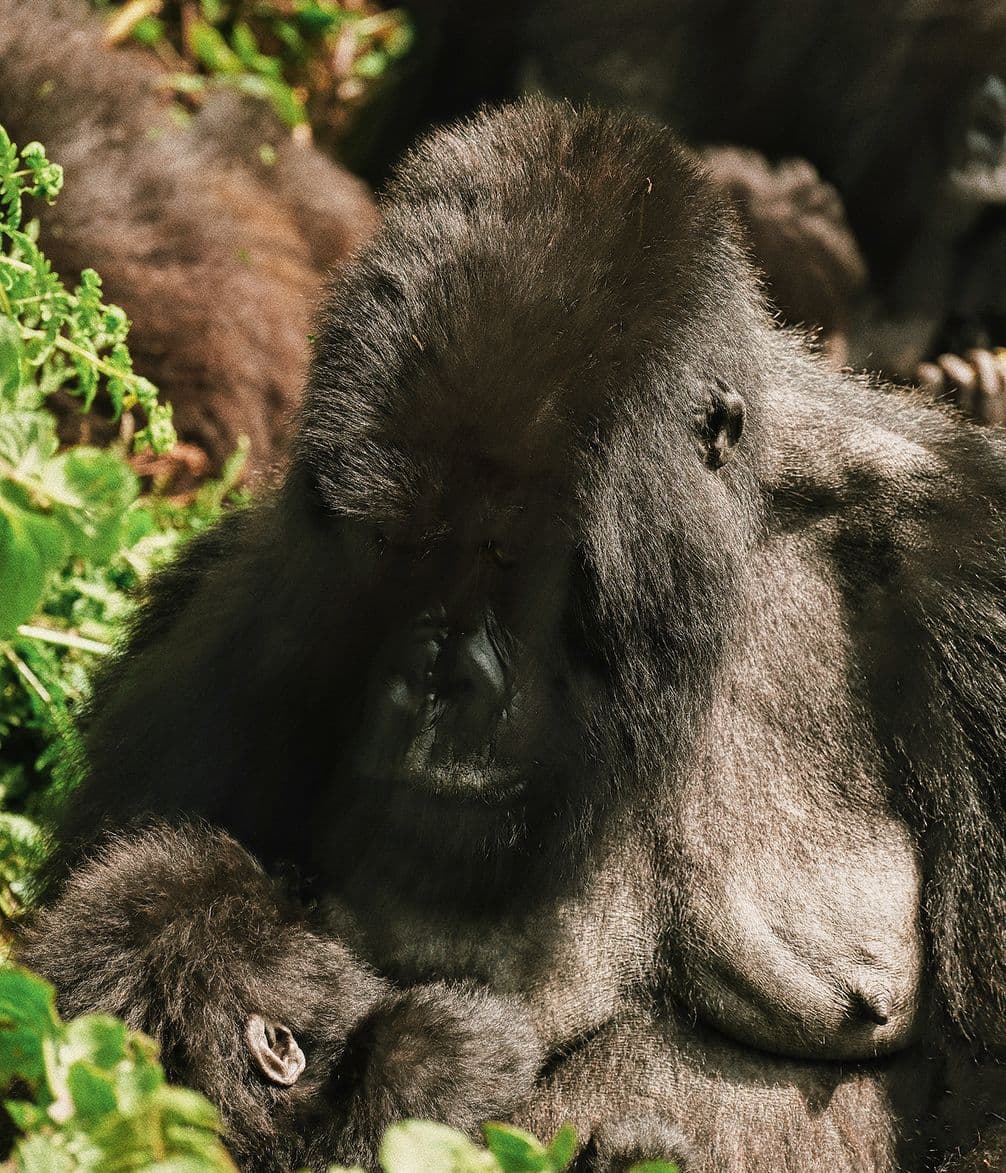
Photo: Luke Abrahams
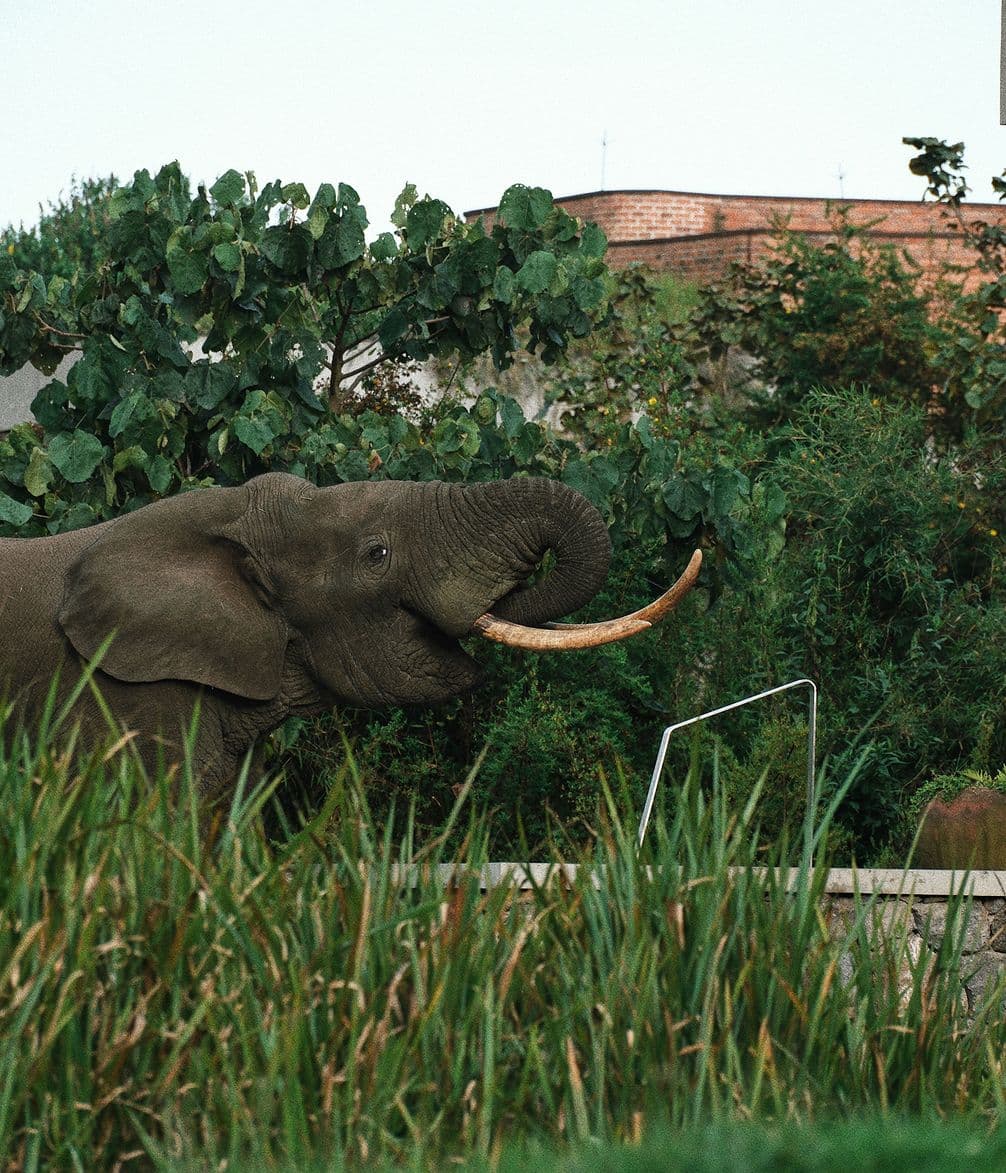
Photo: Luke Abrahams
It’s because of this population of gorillas that some of the world’s finest trekking lodges have sprung up at the foot of the park’s dormant volcanoes. Among them is Singita Kwitonda Lodge, a sanctuary built within the National Park and a brand that prides itself on a conservation-first approach to luxury tourism. Thanks to its prime location, it is the only lodge where you can see all five volcanoes from the same spot, and if you are lucky, forest elephants who come down from the hills to drink the water from the camp’s plunge pools. It’s also an ideal location from which to experience the park without ever having to leave your suite. The weather in this part of Rwanda can be extremely unpredictable, so I suggest waking up early for clear skies and clear views of the mountains before the rains come in. During the afternoon, the mists start to curl over the mountains – the perfect time to shoot more dramatic and moodier landscapes.
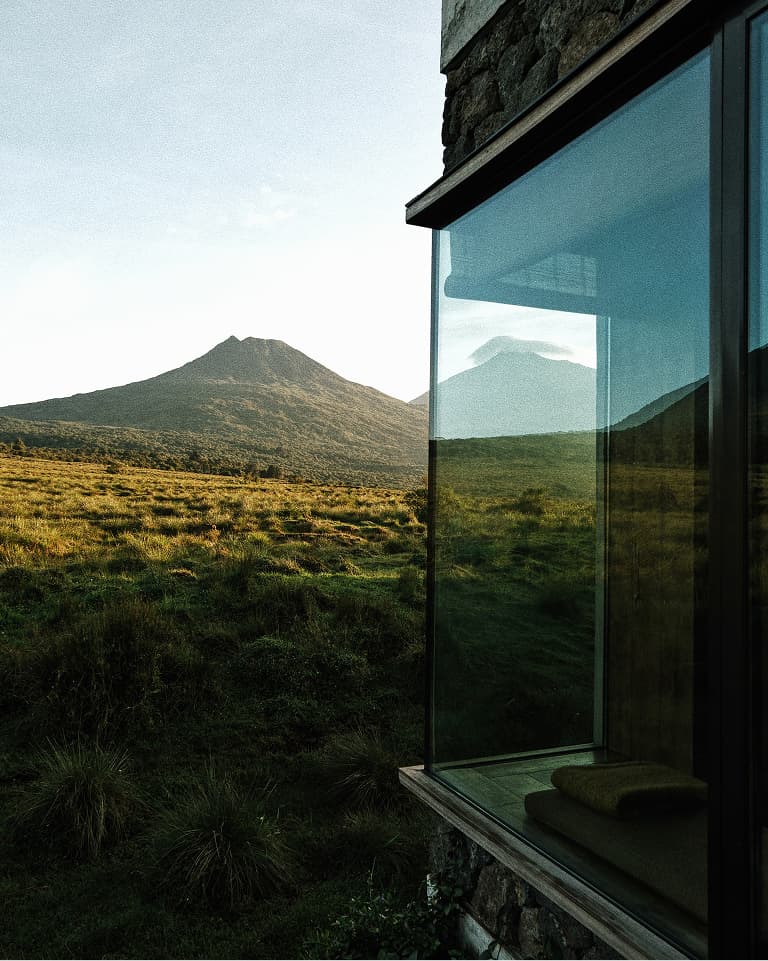
Photos: Luke Abrahams
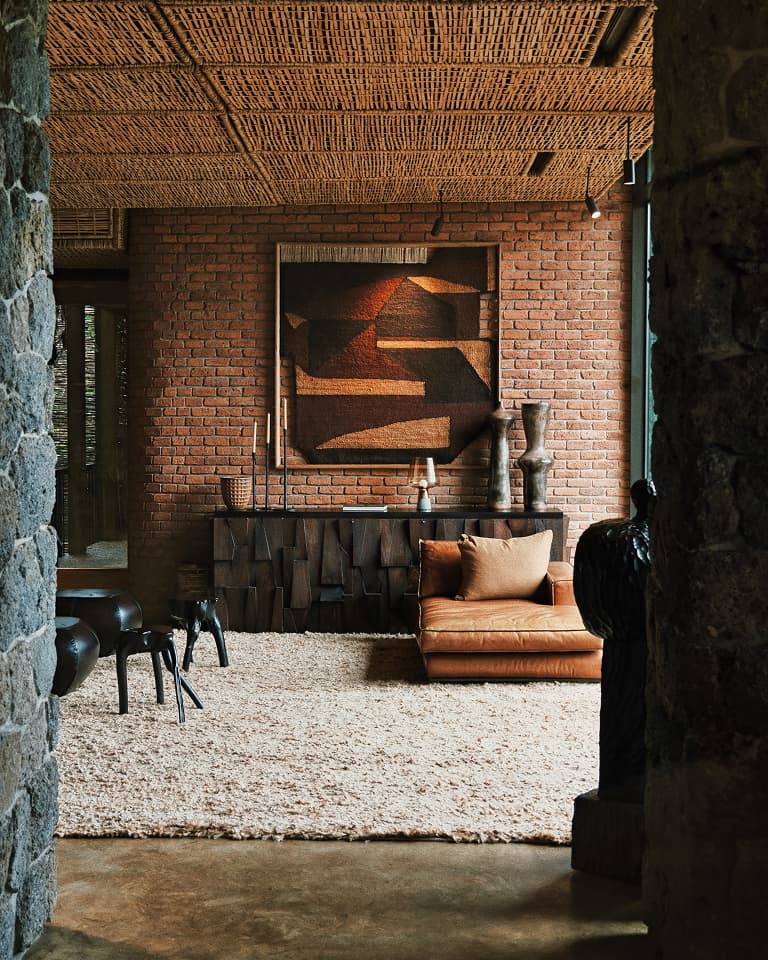
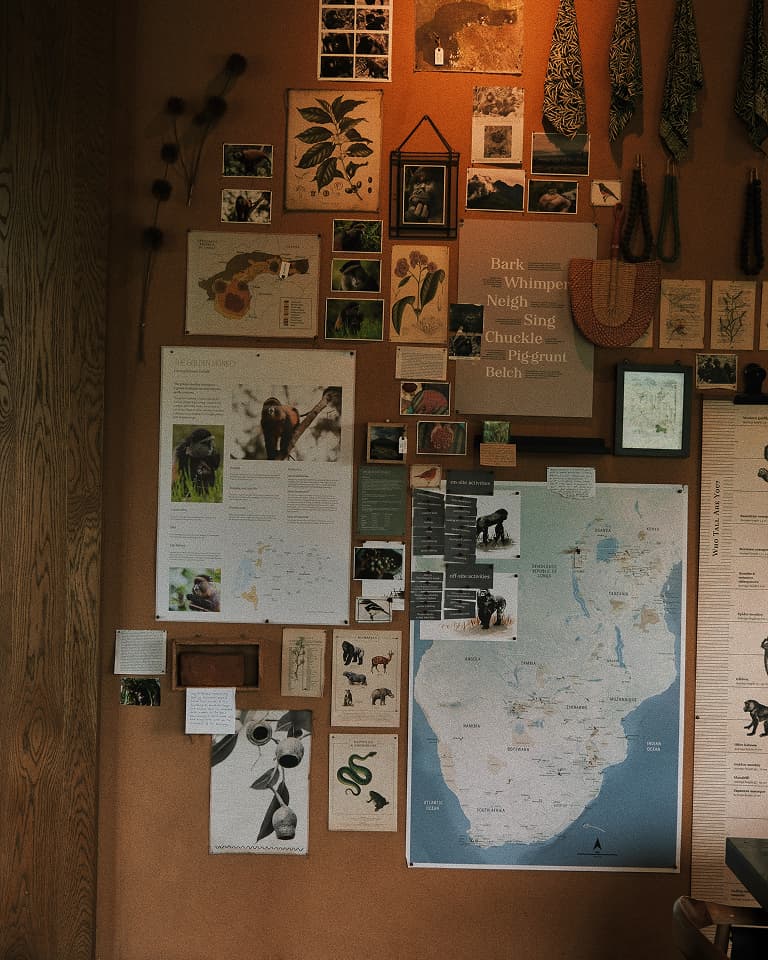
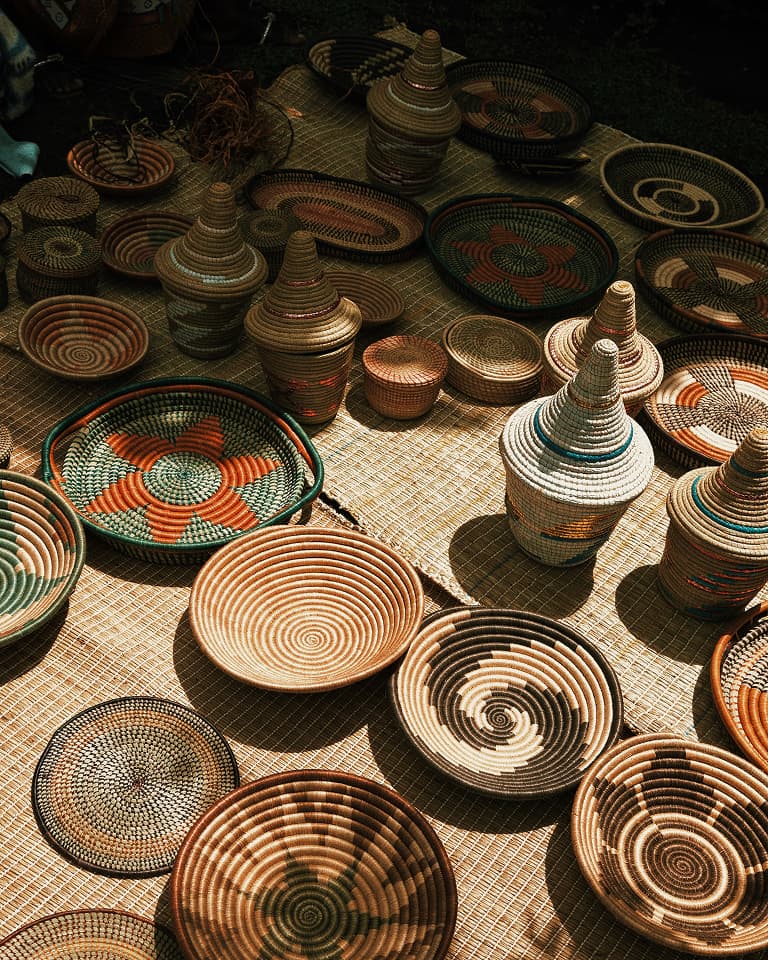
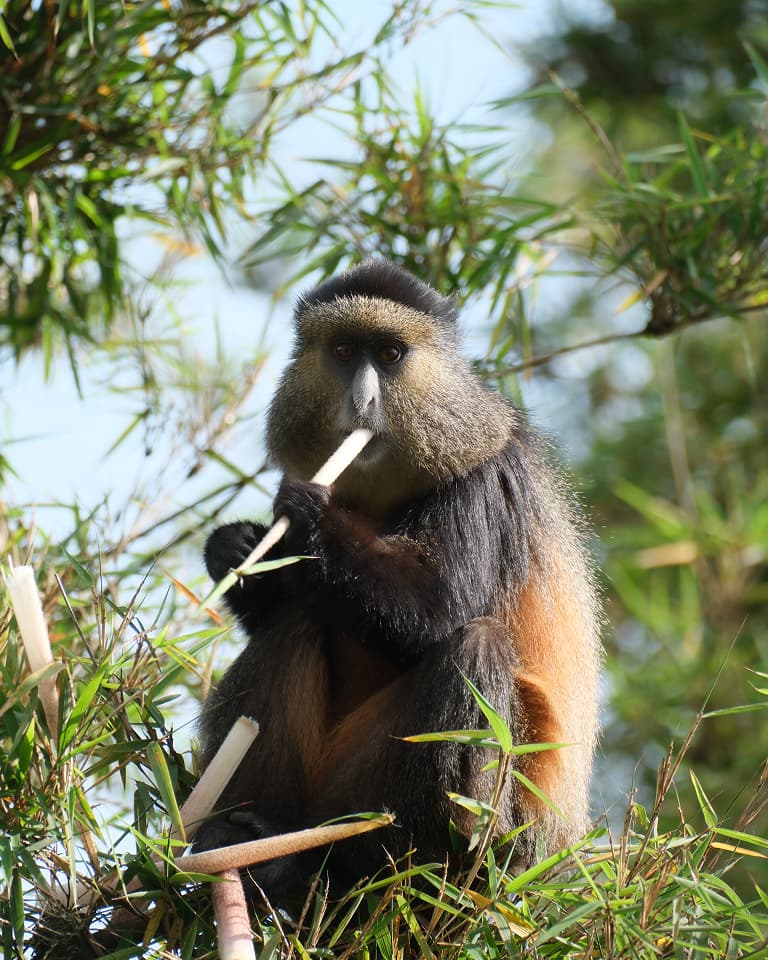
Singita – and the other main lodges and inns – are close to the neighbouring villages and the main hub of Musanze. The latter can be skipped if you are pressed for time, as local life is all right on your doorstep. The village you get to visit depends on the one who welcomes you with open arms. Mine was Kinigi’s old village, a maze of stone houses known for their arts and crafts, and the closer to the National Park you get, their own population of transient golden monkeys. Women entertain with their exceptional textile credentials and weave traditional grass baskets in all sorts of colours, while the men show off age-old carving techniques, many of which are still used today. While the desire to take photos on every corner will be at fever pitch, it’s important to ask permission before doing so first, especially when shooting women and children.
Photos: Luke Abrahams
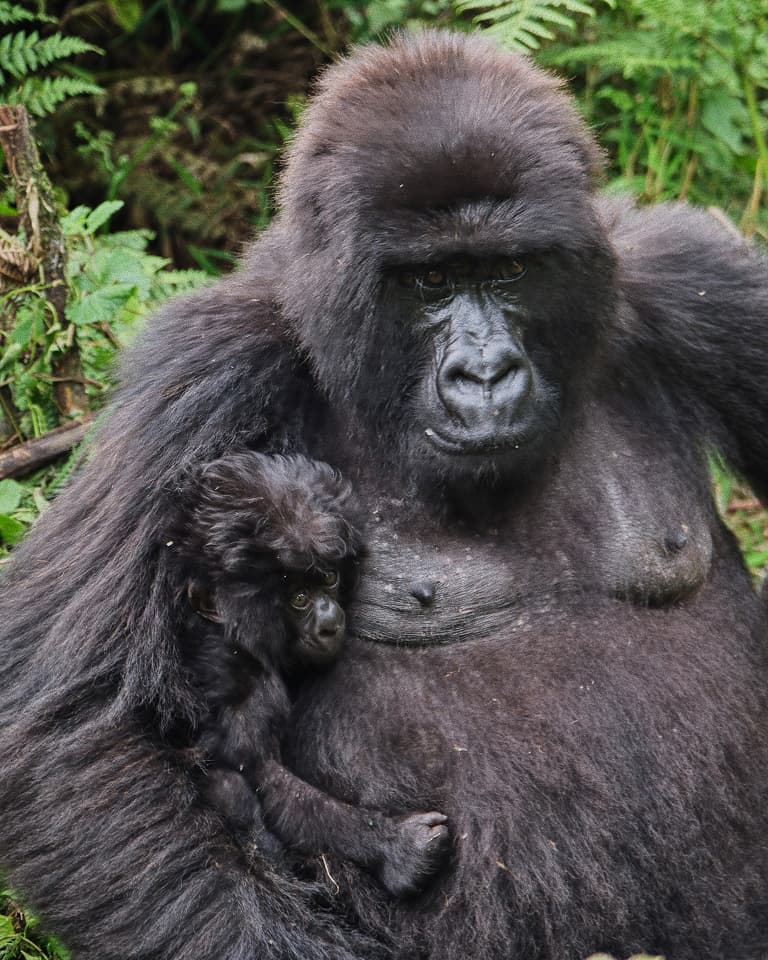
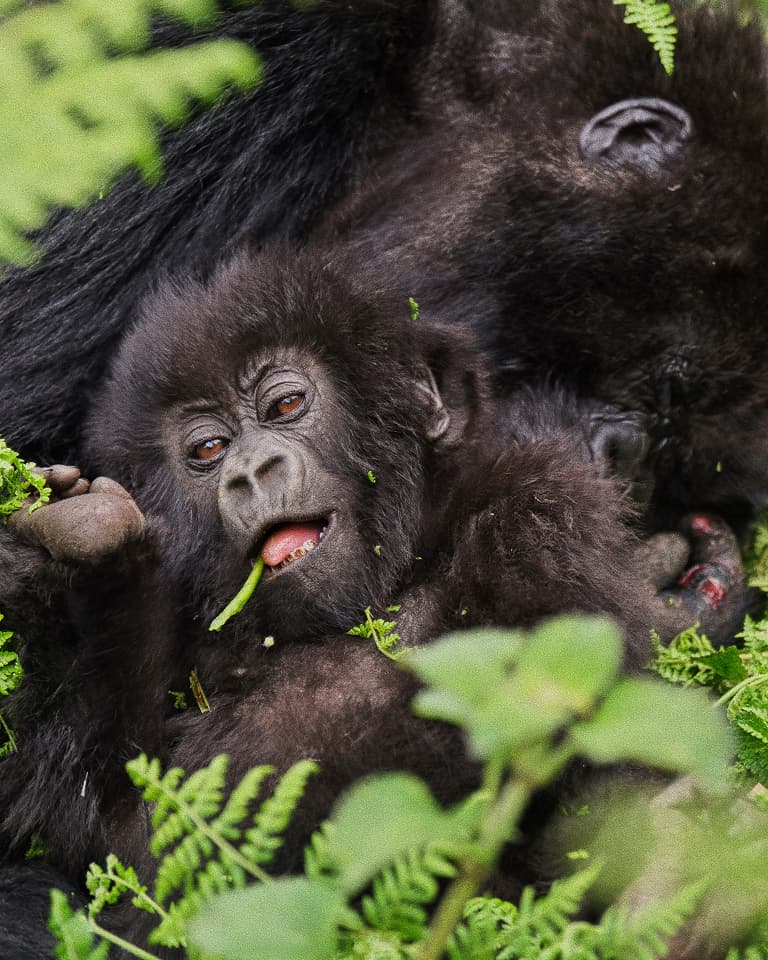
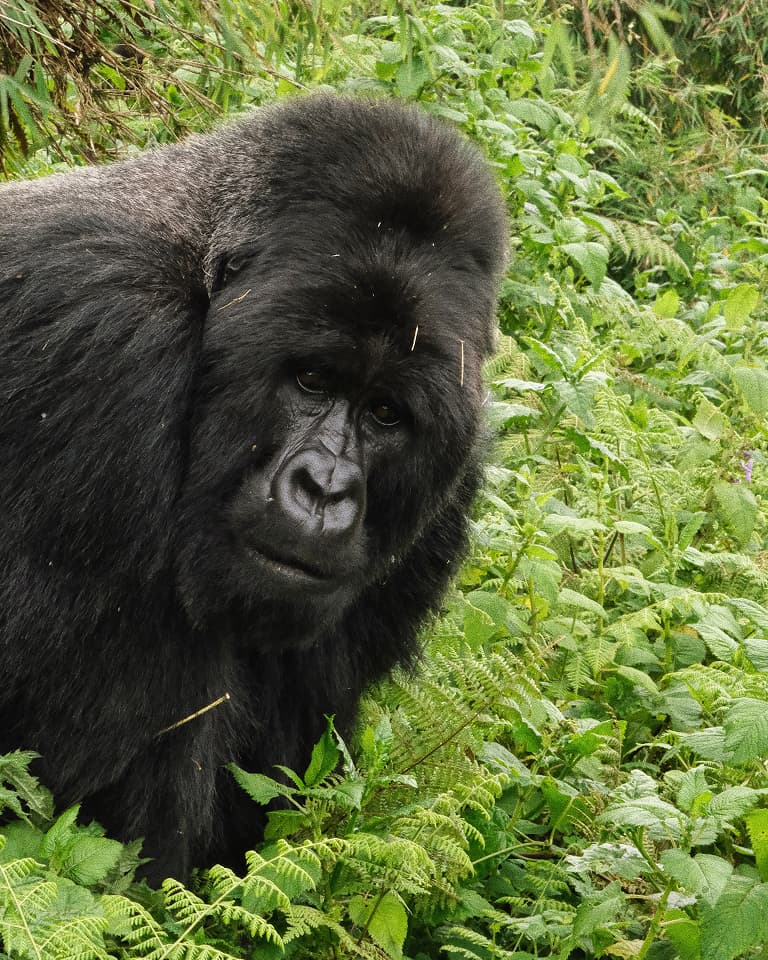
As for photographing the gorillas, the most important thing is to ensure you have the right kit and plenty of protection, as the trek can be cumbersome in parts – I fell over twice courtesy of the rough paths. It’s also worth noting that your time is limited. Trekkers are only permitted one hour with an allocated gorilla family, and the clock immediately starts ticking from the moment you spot your first one. My advice: head in prepared and get ready for the unexpected. I shot the majestic beasts using a Fujifilm X-T5 camera with 16-80mm and 70-300 mm lenses, wide and telephoto. Unlike safari, you are up close and personal with these primates. There is no fence and there is no jeep to act as your barrier, so the most important thing is to remain calm and listen to your guide at all times.
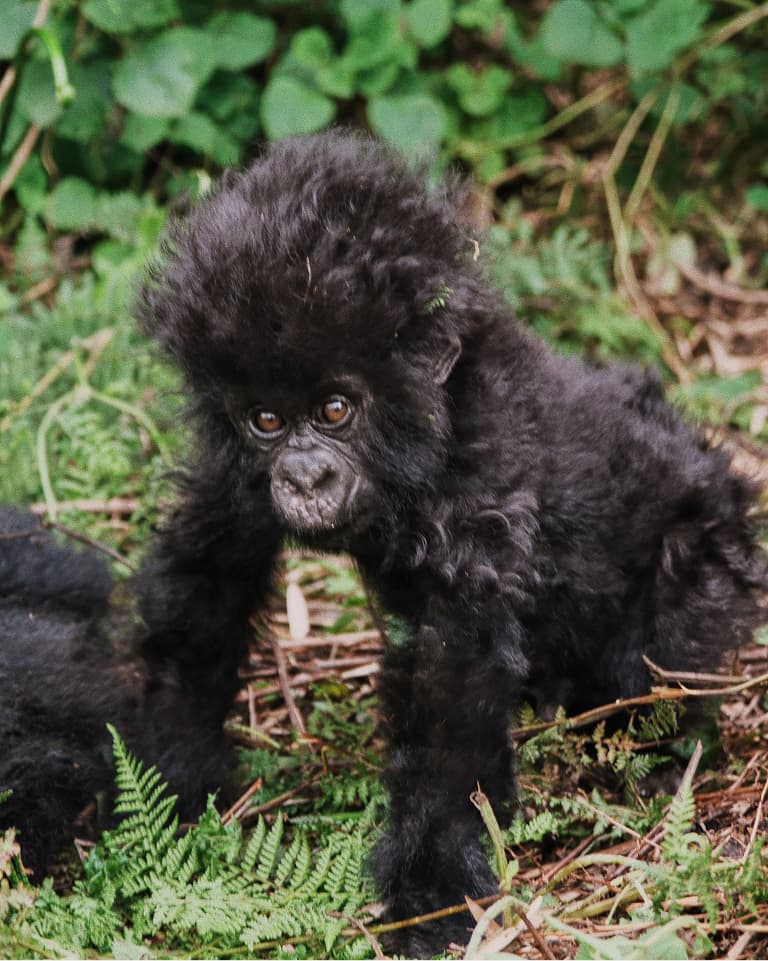
The kind of trek you choose (they range from easy to hard) will determine the level of depth of your shots. My trek, a medium hike, took me up into the mountains along bogs, fields, farms, bamboo forests and extremely muddy terrain. By the time I reached the gorillas I was a hot, sweaty mess so I took my time preparing my gear before I went to meet them. Surrounded by deep forest foliage, the first challenge was the humidity. Pack a lens cleaner as it can get foggy in the mountains, especially the closer to midday your trek gets. When with the gorillas I used my 16-80mm exclusively, since my family of primates were so well habituated to humans that the babies were close and comfortable enough, often hugging my legs and touching my trouser buttons out of intrigue.
While instinct will tell you to move around with the gorillas, the best thing is to remain still and let them come to you. I sat in the bushes and was surrounded by 22 mountain gorillas, including the silverback and several babies. When photographing any wild animal at such close proximity, it’s important to remain calm and relaxed as they respond to your energy. The more comfortable you are, the more curious these gentle giants become. As David Attenborough once said, “There is more meaning and mutual understanding in exchanging a glance with a gorilla than with any other animal.” It is a once-in-a-lifetime experience, best enjoyed the moment you put your lens cap back on. After you’ve taken all your shots, allow yourself to be in the moment because being with these animals is just as much a privilege as it is precious.
Löydä muistoja nopeammin kasvojentunnuksen, älykkäiden albumeiden ja muiden ainutlaatuisten ominaisuuksien ansiosta.



&w=96&q=75)
4 Feb, 2026∙8 min
&w=96&q=75)
19 Sep, 2025∙9 min
&w=96&q=75)


 Yhdysvallat