Photography

Meet the Expert: the portrait photographer – Rachel Louise Brown

From winning a competition at 12 to shooting for British Vogue, the award-winning photographer talks trust, light and why the best portraits happen when the performance drops

Lucy Halfhead

10 Apr, 20266 min

Meet the Expert: the portrait photographer – Rachel Louise Brown

Rachel Louise Brown is a London-based photographer and educator whose work spans portraiture, fine art and conceptual practice. She holds an MA in Photography from the Royal College of Art, following a residency at the School of Visual Arts in New York and a BA (Hons) from the London College of Communication.

Alongside her photographic practice, Rachel has held senior roles within the industry, including photo director at Harper’s Bazaar UK and Town & Country, and has worked with leading publications such as British Vogue. A two-time winner of the Portrait of Britain award, her work has been exhibited internationally and commissioned by major cultural and editorial clients. She is currently course leader for MA Commercial Photography at the London College of Communication, where she mentors the next generation of image-makers.

How did your journey into portrait photography begin?

It started when I was 12. With ambitions to be a journalist, I won a competition for work experience at my local newspaper in Huddersfield. After shadowing the staff photographer and printing in the darkroom, I realised the camera was the thing that made sense to me. Photography felt like a portal – a way to step beyond my hometown and into a wider world. I studied it through GCSE and BTEC before moving to London for a photography degree and eventually a Masters. During an artist residency in New York, I began walking the city at night with a medium-format film camera, drawn to cinematic spaces. I started casting strangers to inhabit those scenes. That’s when portraiture clicked: not as documentation, but as a way to explore psychology, vulnerability and the roles we perform.

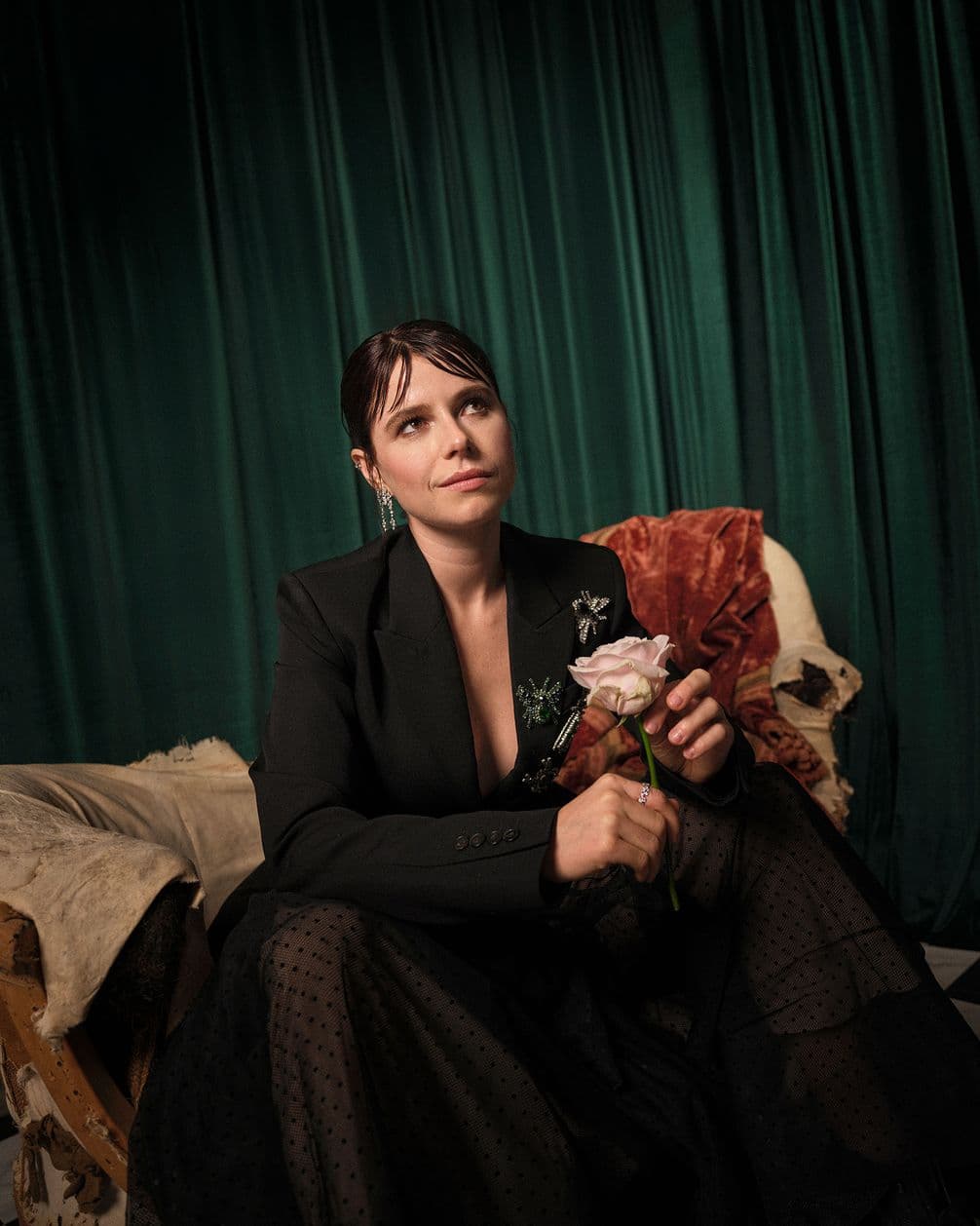
Jessie Buckley for Harper’s Bazaar. Photo: Rachel Louise Brown

What initially drew you to photographing people and personal stories?

I’ve always been curious about what sits beneath the surface. With people, there’s a charged moment when they become aware of the camera – a shift in posture, a change in the eyes. I’m fascinated by that second where someone moves between being themselves and performing a version of themselves. I’m not looking for a fixed “truth”, but for the psychology of the exchange – what someone reveals, what they hold back and how the camera reshapes the story they tell about who they are.

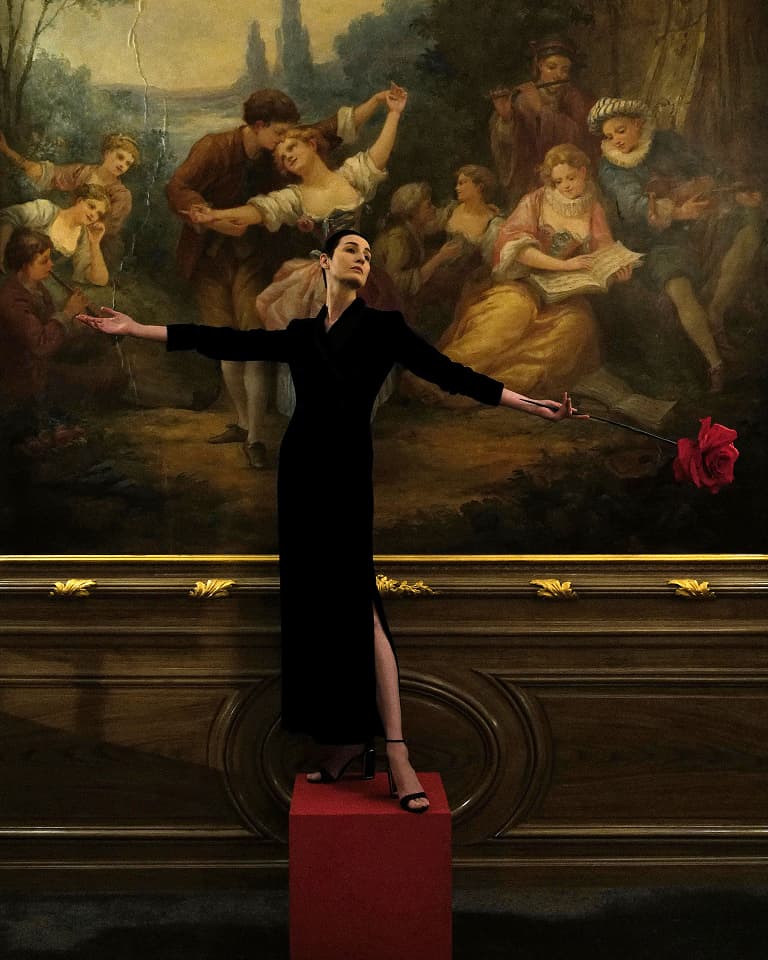
Erin O’Connor for Harper’s Bazaar. Photo: Rachel Louise Brown

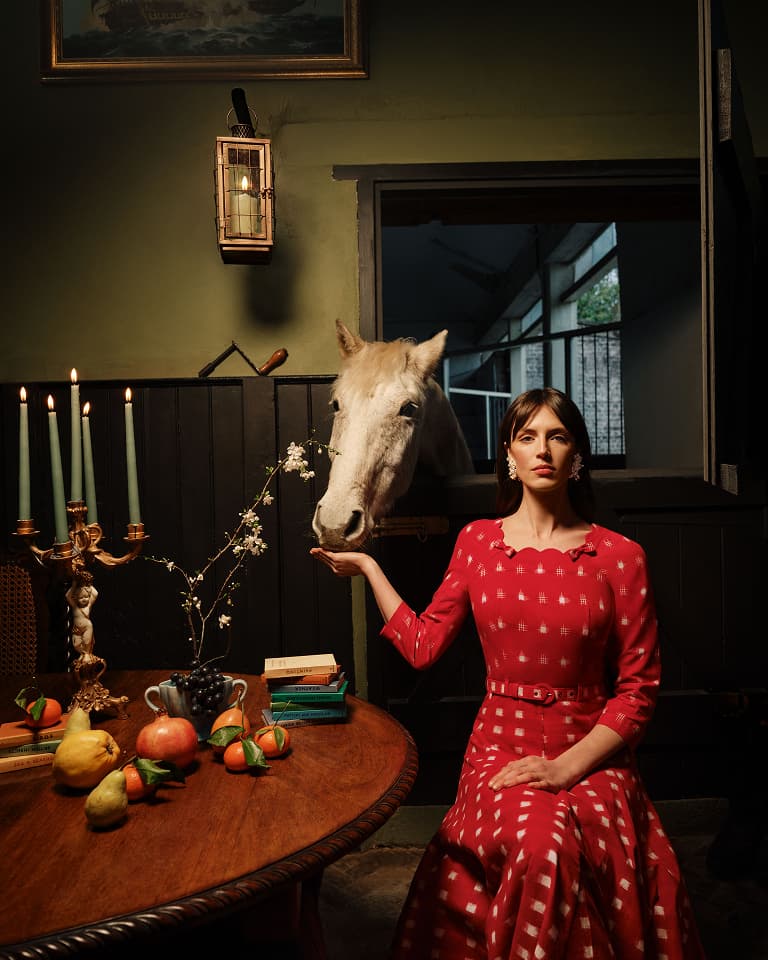
Eponine. Photo: Rachel Louise Brown

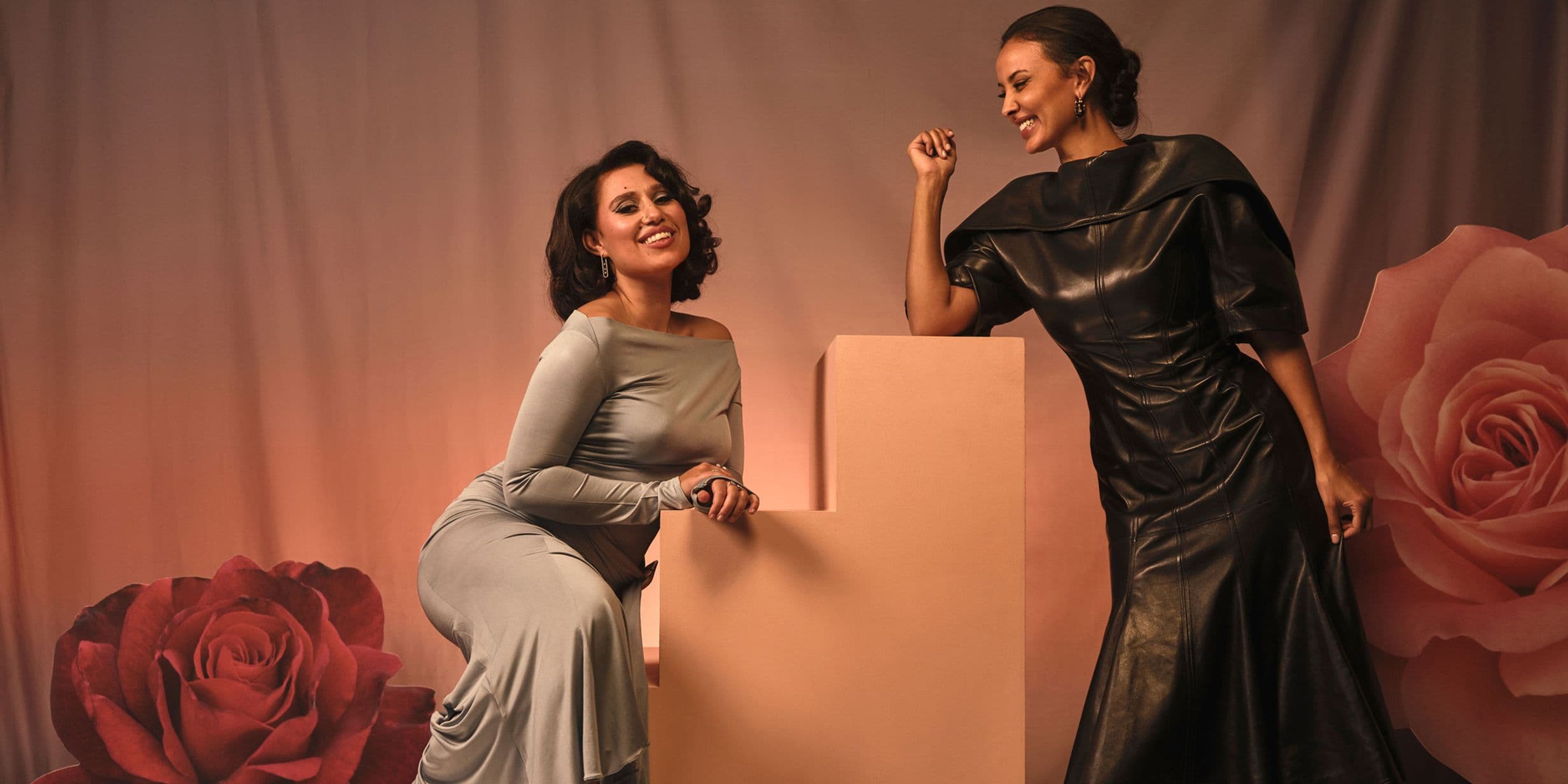
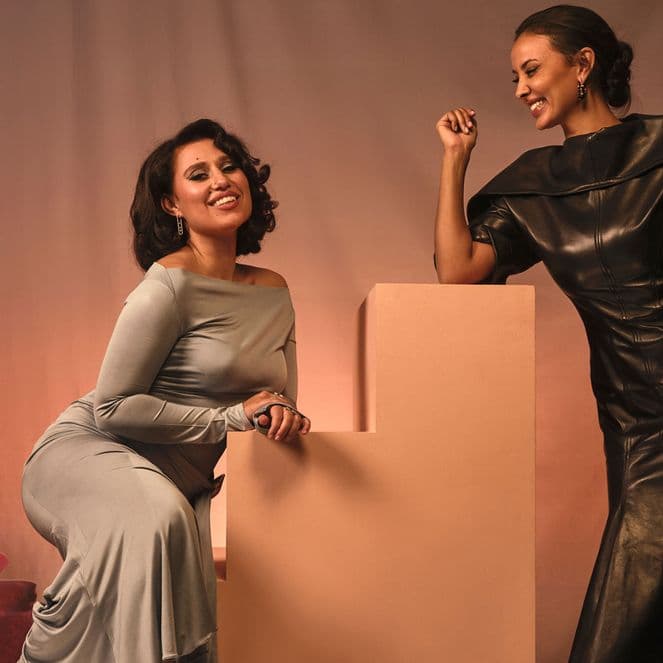
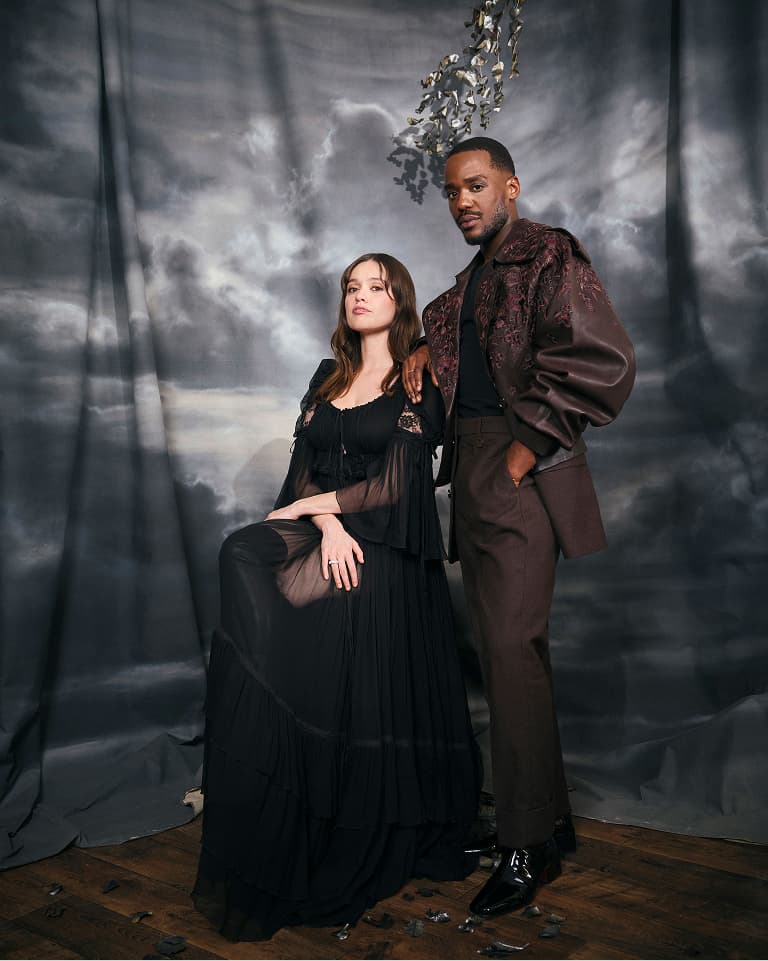
Aimee Lou Wood and Ncuti Gatwa for Harper’s Bazaar. Photo: Rachel Louise Brown

Which artists, photographers, filmmakers or cultural influences have shaped your approach?

I’m drawn to artists who question identity and performance. Cindy Sherman and Gillian Wearing were important early on – they opened my eyes to identity as constructed and layered. Diane Arbus has stayed with me for her psychological intensity, and Claude Cahun’s self-portraits feel incredibly modern in their fluidity. I often think about Edward Hopper whose paintings hold a quiet emotional charge that influences how I approach space and atmosphere. In film, David Lynch’s uncanny tone and Wong Kar Wai’s intimacy and colour have shaped my sense of mood.

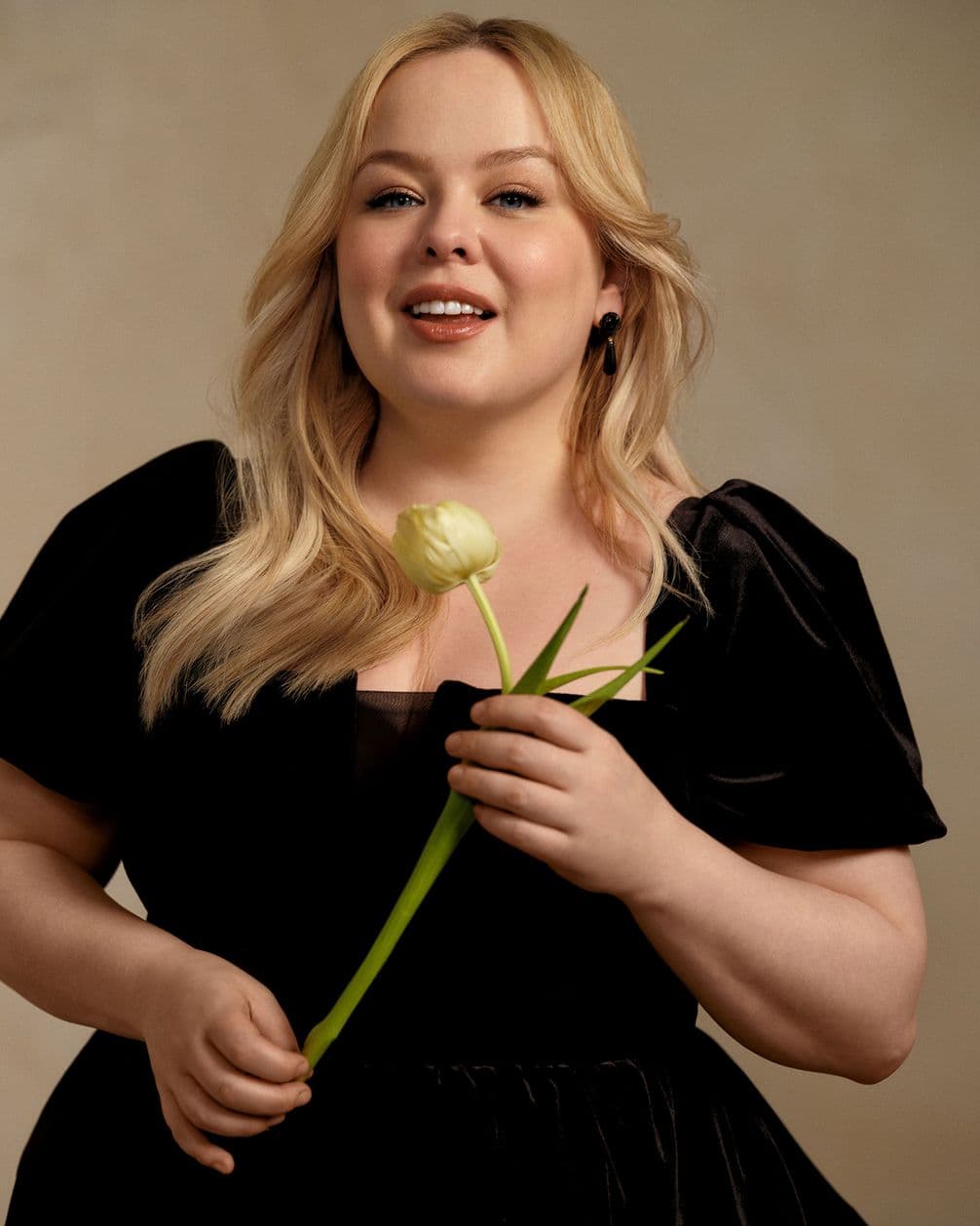
Nicola Coughlan for BAFTA. Photo: Rachel Louise Brown

How do you build trust and comfort with your subjects during a shoot?

I try to create a calm environment and never rush. I begin with conversation rather than immediately picking up the camera. Trust is built through attentiveness: listening, reading body language, allowing silences. Many of the people I photograph are used to photography feeling transactional, so I’m conscious of slowing that dynamic down. Sometimes I’ll hand them a camera and let them play with it – it shifts the power balance and makes the process feel shared. When someone feels respected and unhurried, something changes. The performance drops and the image becomes more about presence.

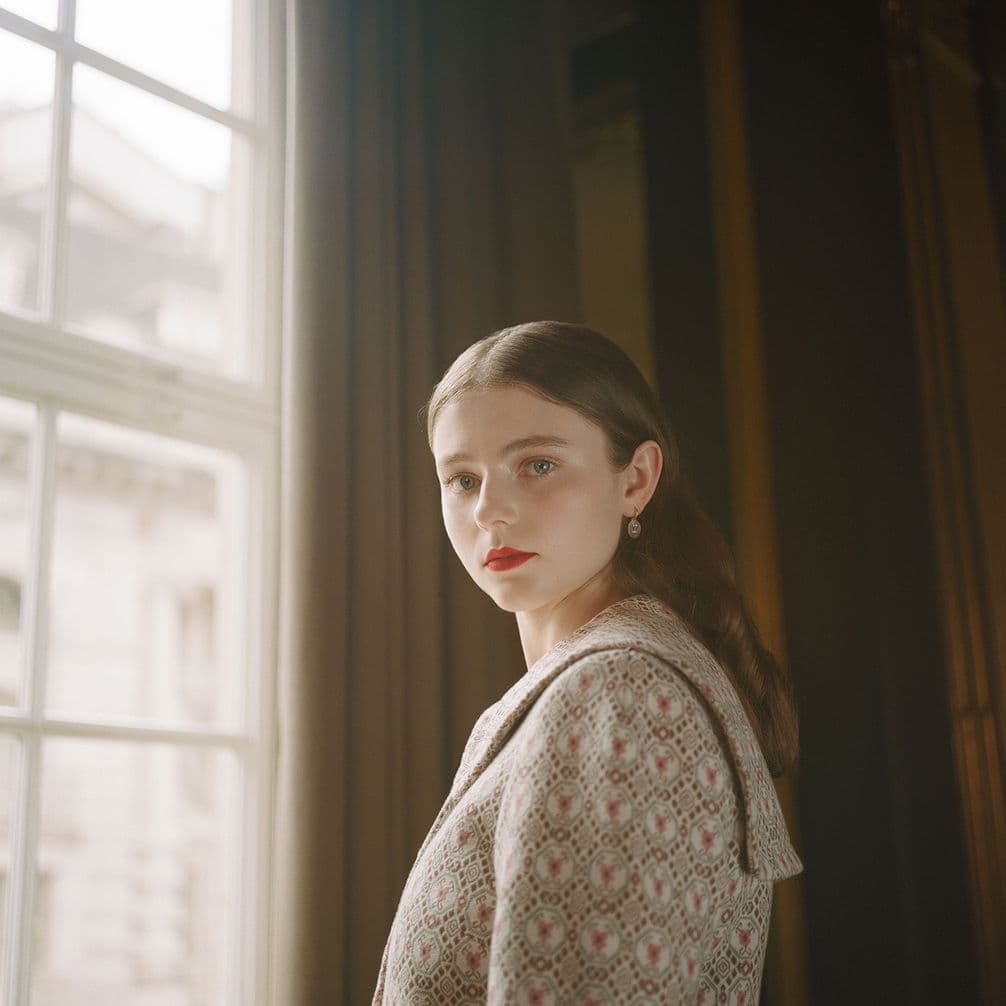
Thomasin McKenzie for Esquire. Photo: Rachel Louise Brown

How do lighting, composition and environment shape the mood of your portraits?

Light is emotional. Soft natural light can feel intimate; directional light can feel tense. The environment gives psychological context and frames a person’s presence.

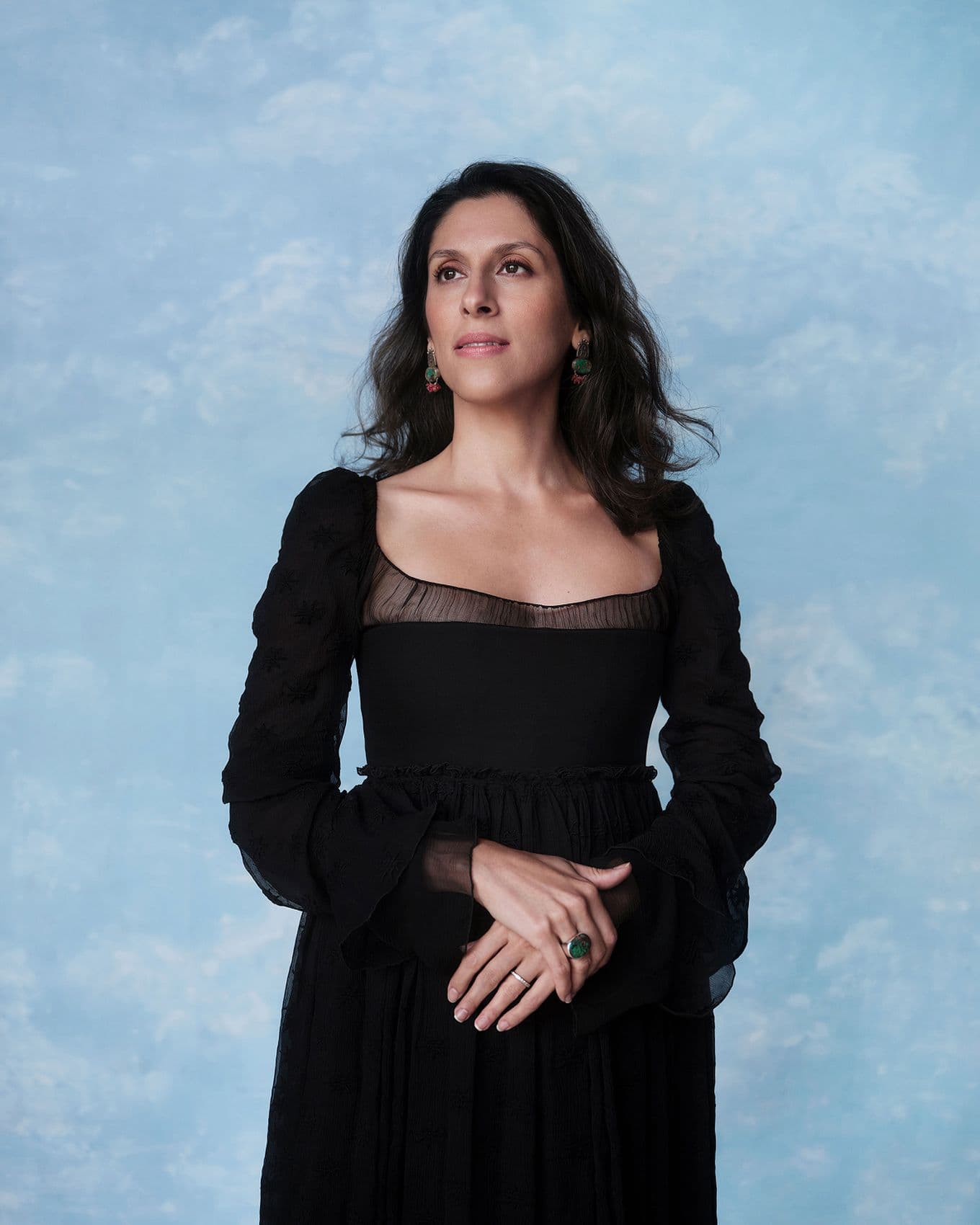
Nazanin Zaghari Ratcliffe for Harper’s Bazaar. Photo: Rachel Louise Brown

Are there practical tips you’d share with beginners?

Slow down. It’s easy to focus on settings or proving yourself technically, but portraiture is about attention. Spend time talking before you start shooting. Don’t over-direct – offer guidance, but leave space for something unplanned. Notice small details – hands, posture, shoulders. Trust simplicity. Good light and genuine presence carry more weight than complexity.

Ethio Salem Troupe at Giffords Circus. Photo: Rachel Louise Brown

As visual storytelling evolves, what do you hope to see in portrait photography over the next 10 years?

I hope portraiture moves towards depth rather than surface. With so much imagery circulating daily, there’s a risk of flattening identity into something easily consumed. I’d like to see more work that embraces ambiguity and psychological nuance – images that linger rather than perform. Analogue mediums and documenting processes feel increasingly important. Most importantly, I hope portraiture remains in physical spaces – printed rather than digital ghosts. Long live print!

What’s the most valuable advice you’d give someone starting out in their career?

Make work that interests you rather than chasing trends. The moments where you’re most afraid of failing often produce the best results – and if not, keep going. Your visual voice develops through sustained curiosity and resilience.

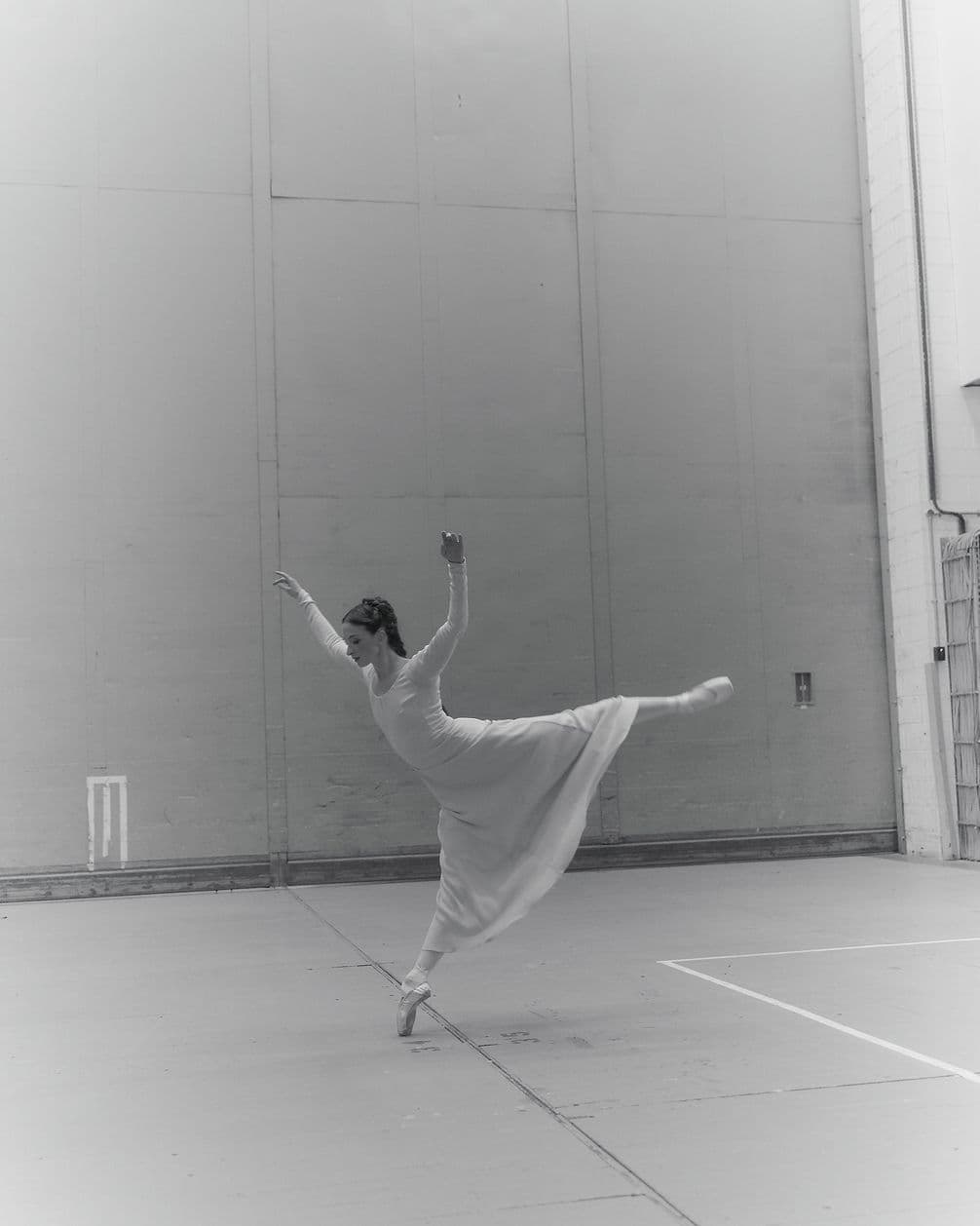
Lauren Cuthbertson for Harper’s Bazaar. Photo: Rachel Louise Brown

Is there a portrait that feels particularly meaningful to you?

Photographing the ballerina Lauren Cuthbertson was meaningful because it was my first shoot after the birth of my second child. Returning to work carried its own intensity, and Lauren’s generosity backstage created a rare level of trust. Being invited into that calm space before performance allowed something introspective to unfold. The images were later published in Harper’s Bazaar and selected for BJP Portrait of Britain. That recognition was affirming, but what stays with me most is the mutual respect – a beautiful collaboration.

Have you experienced a portrait session that surprised you?

Recently, during the key artwork shoot for An Ark with Ian McKellen, Goulda Rousheval, Rosie Sheehy and Arinze Kene, the original plan was highly staged. Close to the shoot, we decided to strip everything back and focus purely on light and presence. Without the set elements, the portraits became quieter and more immediate. It was a reminder that sometimes subtraction creates more depth than addition.

Usein kysytyt kysymykset

Can I take good portrait photos with just my smartphone?

Yes. Most great portrait photos come down to light, distance and timing. A phone camera is more than good enough if you pay attention to those three things.

What’s the biggest mistake people make when taking portraits on a phone?

Standing too close and relying on portrait mode. Step back slightly, use natural light and let the moment happen instead of forcing a pose.

Why do some portrait photos look natural and others feel awkward?

People look awkward when they don’t know what to do. Talking to them, keeping them moving or giving them something simple to focus on helps portraits feel relaxed and real.

How can I make my portrait photos look better without editing apps?

Choose good light, keep backgrounds simple and focus on expression. Getting it right in the moment will always matter more than filters later.

Where’s the best place to take portrait photos with natural light?

Near a window, doorway or outside in open shade. Soft, indirect light is more flattering than direct sunlight, especially for faces.

Lataa sovellus

Löydä muistoja nopeammin kasvojentunnuksen, älykkäiden albumeiden ja muiden ainutlaatuisten ominaisuuksien ansiosta.

App StoreApp Store
Lataa sovellus