

Historias
Encontrar lo desconocido en los lugares más fotografiados del mundo
Por qué las tomas más gratificantes nunca se encuentran allí donde mira todo el mundo

29 abr 2026∙5 min
Historias
Por qué las tomas más gratificantes nunca se encuentran allí donde mira todo el mundo
29 abr 2026∙5 min
El fotógrafo afincado en Londres Joe Howard es conocido por su uso pictórico de la luz y el color, con los que captura momentos cotidianos y escenas que suelen pasar desapercibidas. Su trabajo se centra en el documental, los viajes y los paisajes de observación.
Una de las cosas que más me gustan de la fotografía es que te obliga a prestar atención: a dejar de desplazarte por la pantalla y practicar el arte de mirar. La fotografía consiste tanto en encontrar imágenes como en capturarlas. Tu ojo lo es todo, y captar una perspectiva nueva de un lugar es el tipo de desafío que busco cuando creo fotografías.
Para mí, la fotografía consiste en caminar sin rumbo, perderse, encontrar restaurantes o playas, y descubrir zonas que de otro modo te habrías perdido si lo hubieras planeado todo basándote en algo que viste en las redes sociales. Es un planteamiento que debatí recientemente con otros fotógrafos. Dentro de esta disciplina artística, podemos caer en el error de seguir tendencias, perseguir «puntos concretos» o recrear encuadres que ya hemos visto innumerables veces. Se convierte casi en una colección, más que en el acto de crear tus propias imágenes, y creo que eso va en detrimento de la creatividad.
Este debate surgió a raíz de una interacción que tuve en Instagram cuando compartí una foto del monte Fuji, tomada desde una zona rural y desde lo que yo consideraba una perspectiva bastante única. Un fotógrafo me envió un mensaje pidiéndome las coordenadas para poder hacer la misma foto. Me negué por múltiples razones, pero principalmente para animarle a salir y encontrar su propia imagen, porque la búsqueda es parte de la recompensa. Otra razón por la que no compartí la ubicación es porque el turismo de Instagram se ha convertido en un problema bastante grave en lugares como Japón. No quiero dirigir a la gente por un pequeño camino rural entre las casas de los lugareños para hacerse una foto, especialmente cuando ya hemos visto qué sucede con los puntos fotográficos populares del Fuji debido a la masificación.
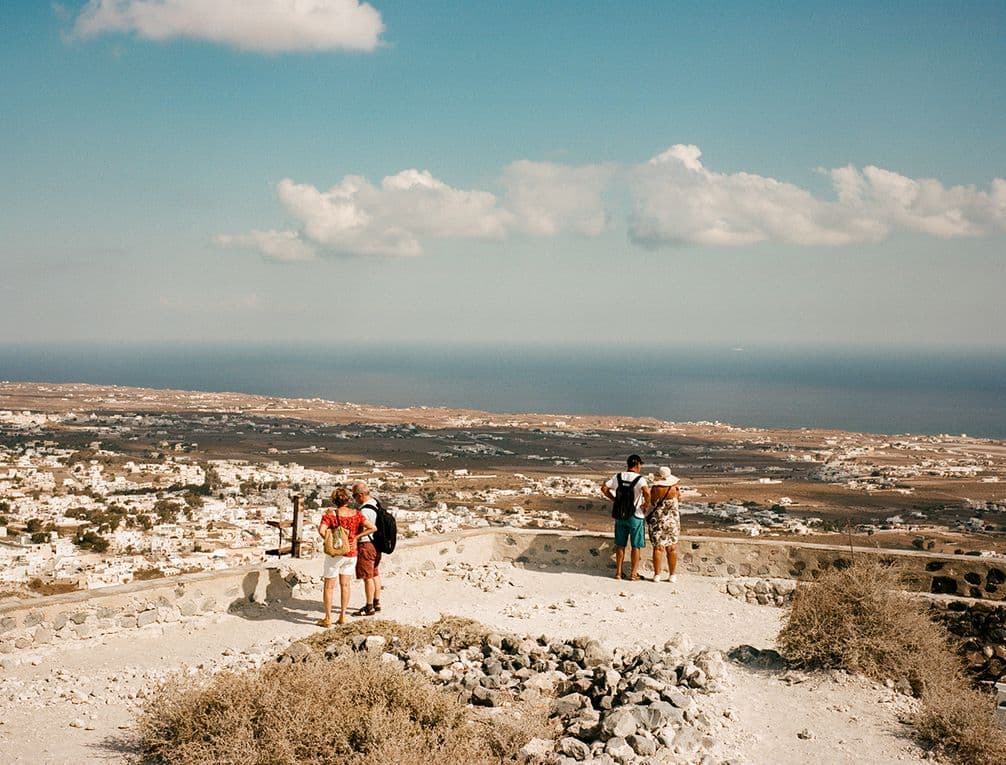
Foto: Joe Howard
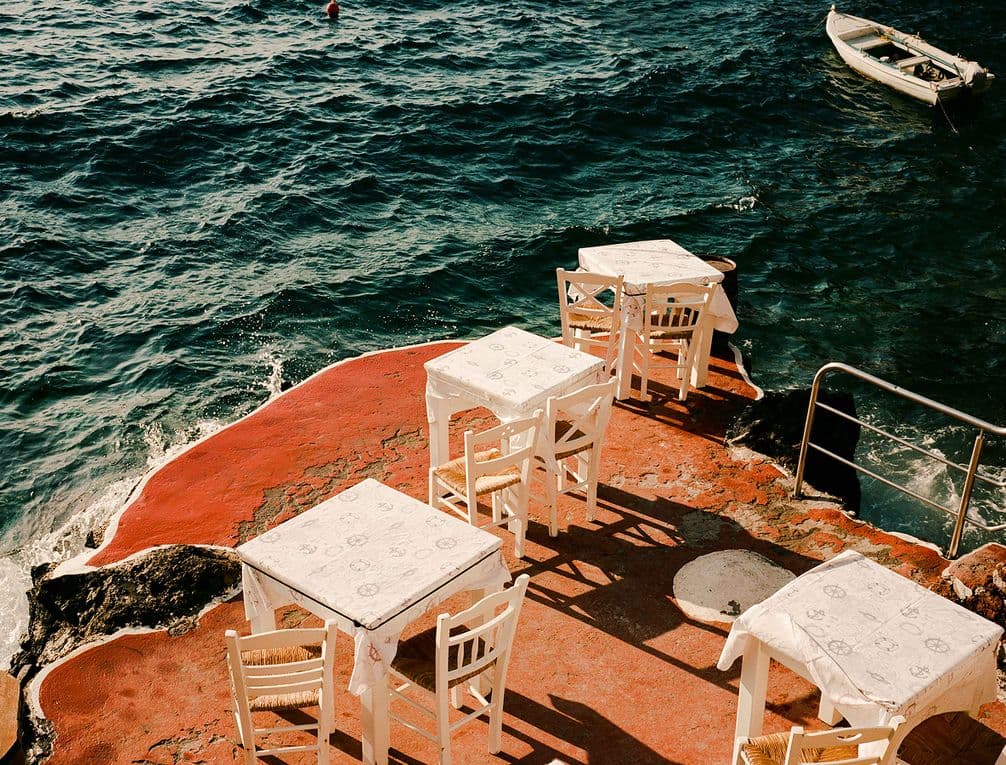
Foto: Joe Howard
Podemos caer en el error de seguir tendencias, perseguir «puntos concretos» o recrear encuadres que ya hemos visto innumerables veces... creo que eso va en detrimento de la creatividad
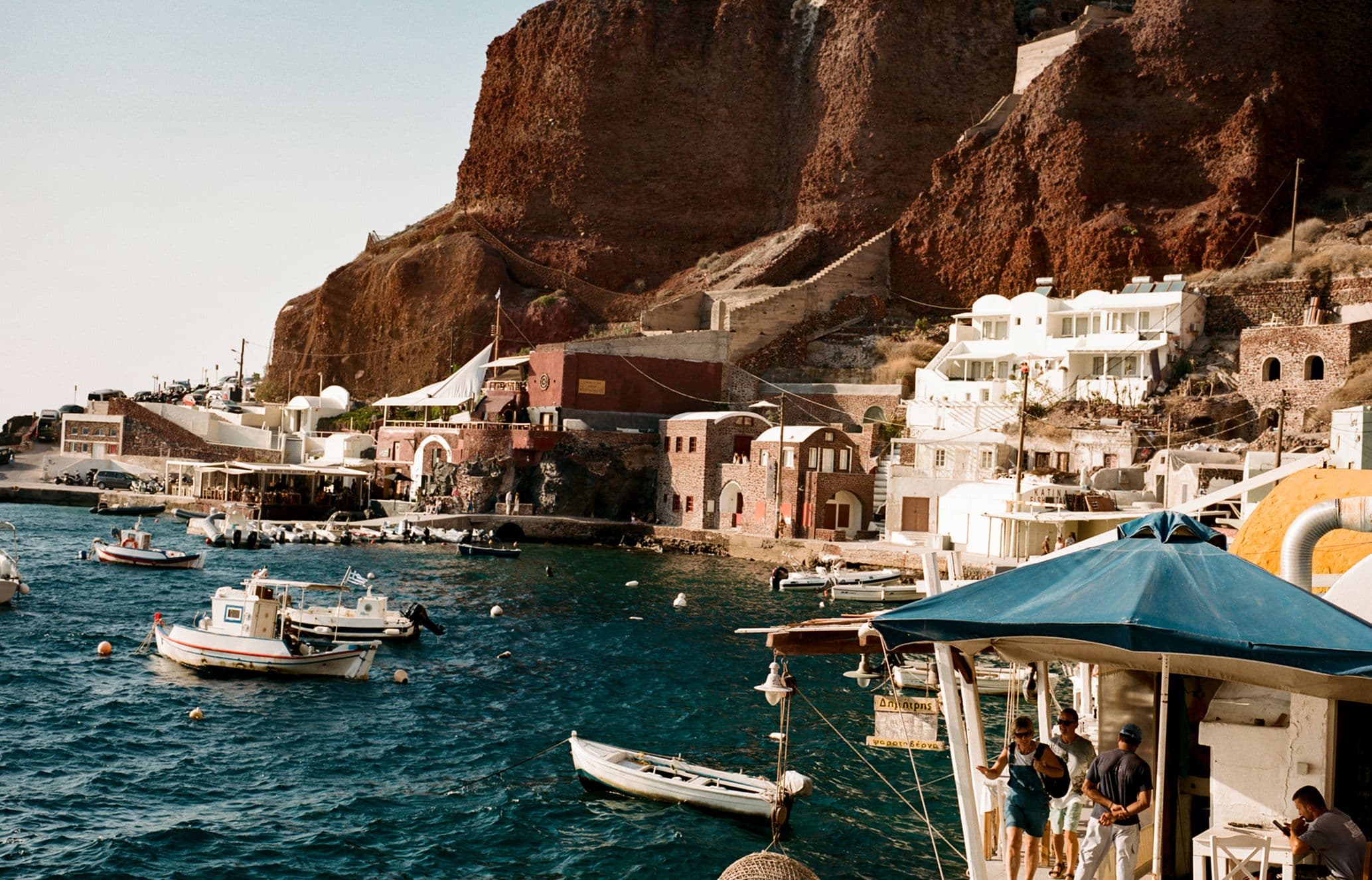
Foto: Joe Howard
Hoy en día no hace falta mucho para que las tendencias de Instagram se disparen. Por eso nunca comparto las ubicaciones de las playas cuando viajo. Al ser de Cornualles, he visto el cambio desde que lugares como Pedn Vounder empezaron a ser tendencia en las redes sociales. Playas que ni siquiera aparecían en Google Maps ahora son un caos en ciertas épocas del año, con gente haciendo cola para hacerse fotos. Si tienes algún tipo de influencia en un nicho como este, existe la responsabilidad de pensar en las personas que realmente viven allí. Como decía la revista Where Is The Cool en su Substack: «El secreto es una forma de cuidar». No podría estar más de acuerdo.
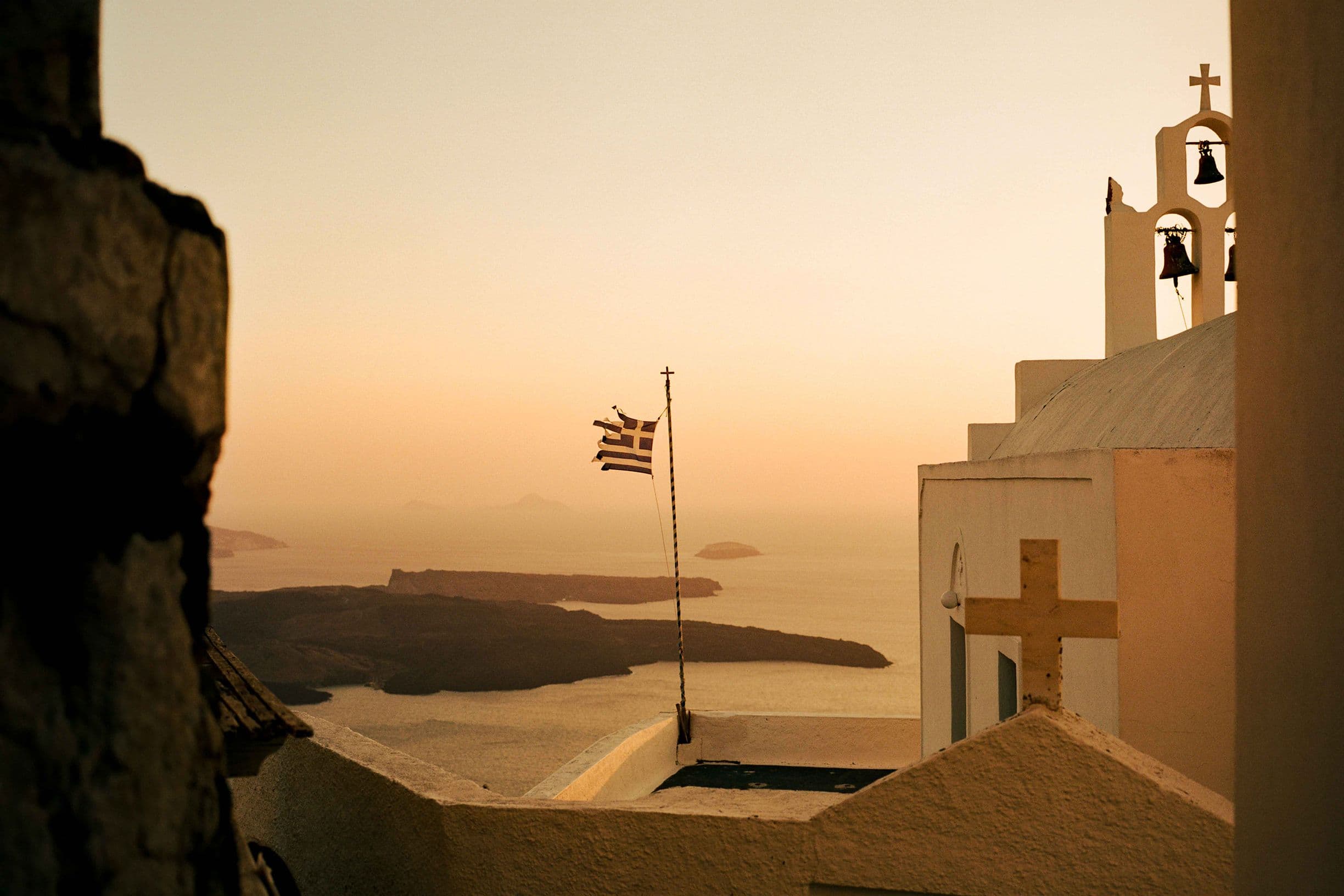
Foto: Joe Howard
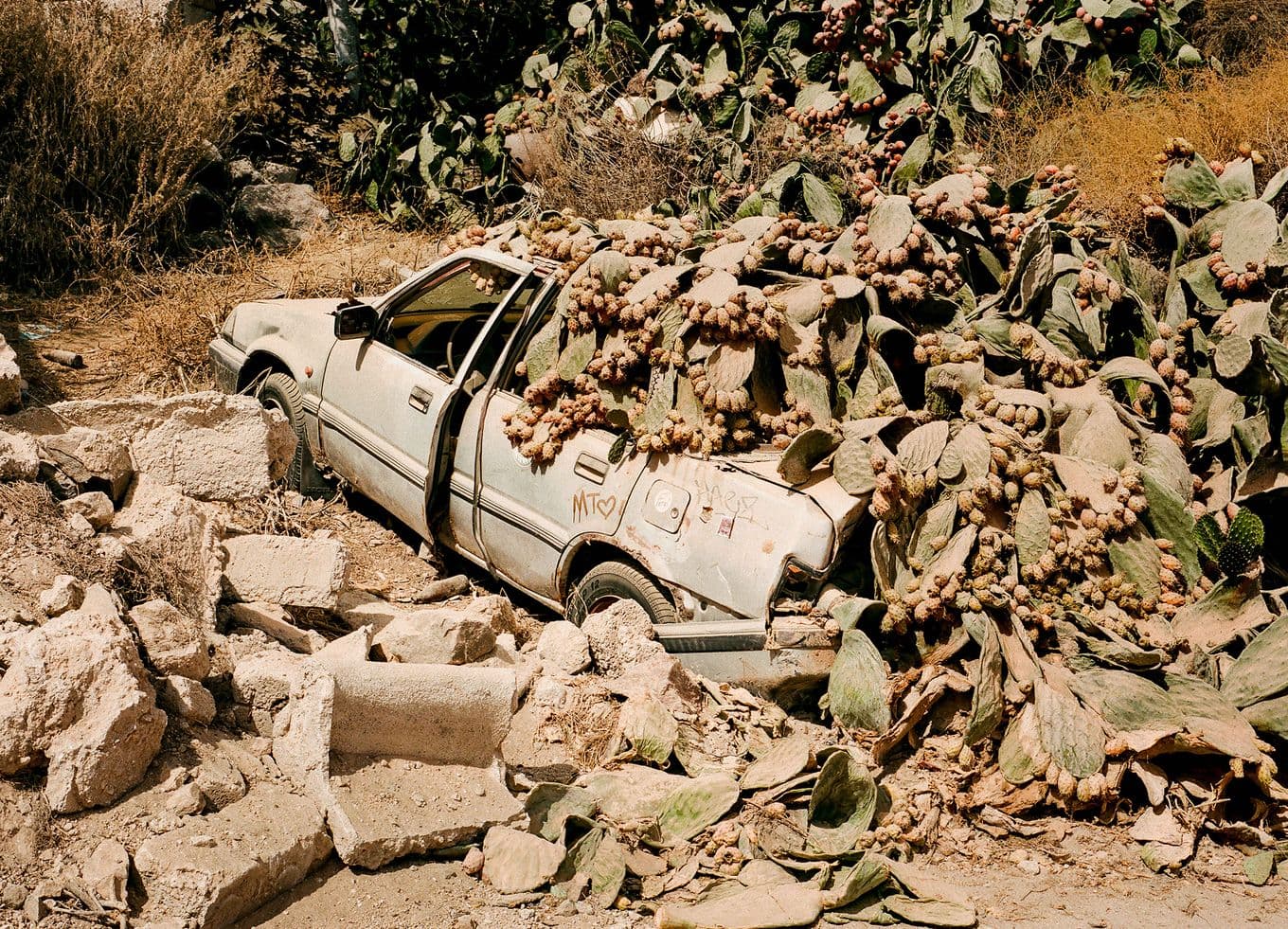
Foto: Joe Howard
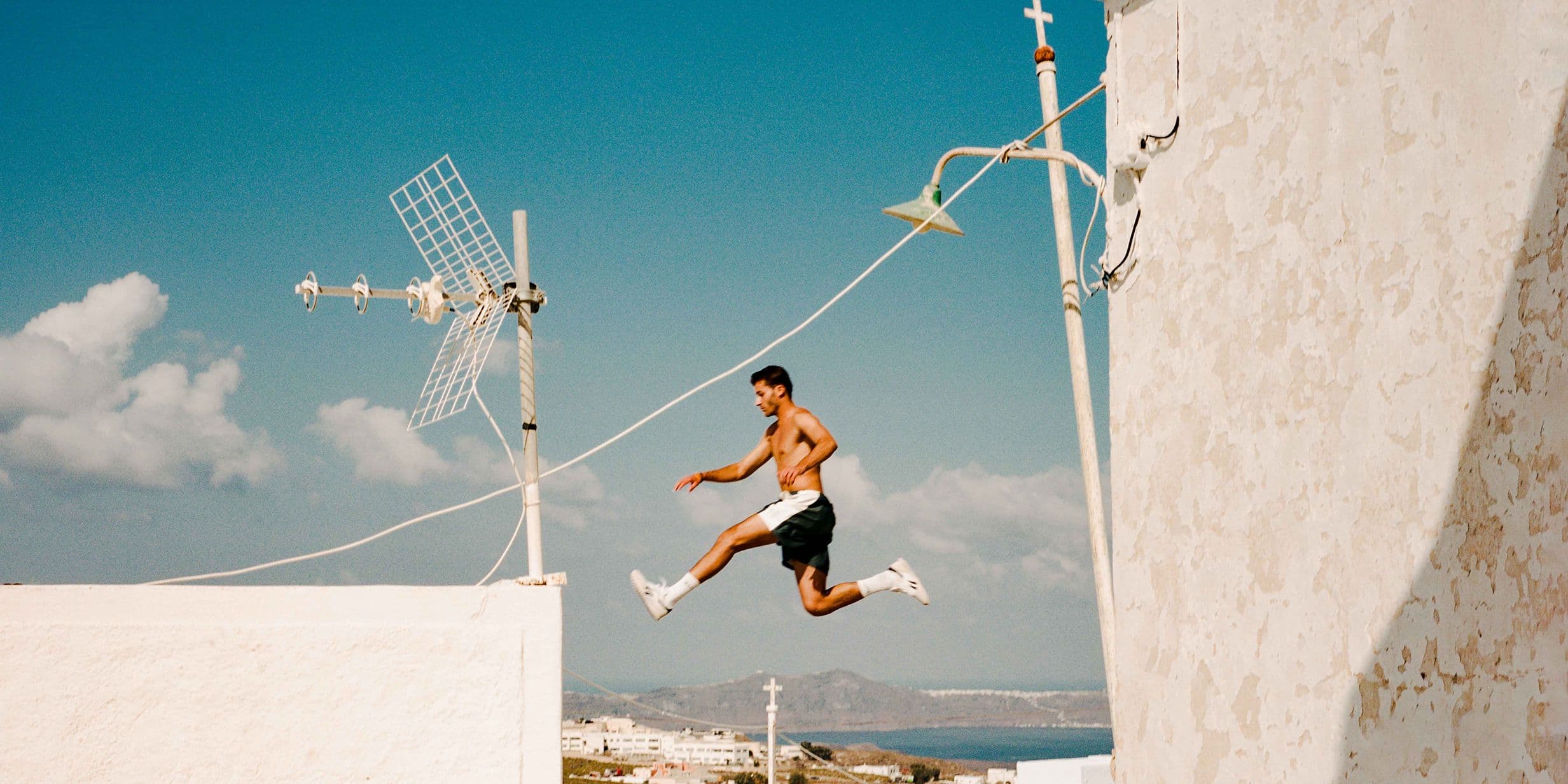
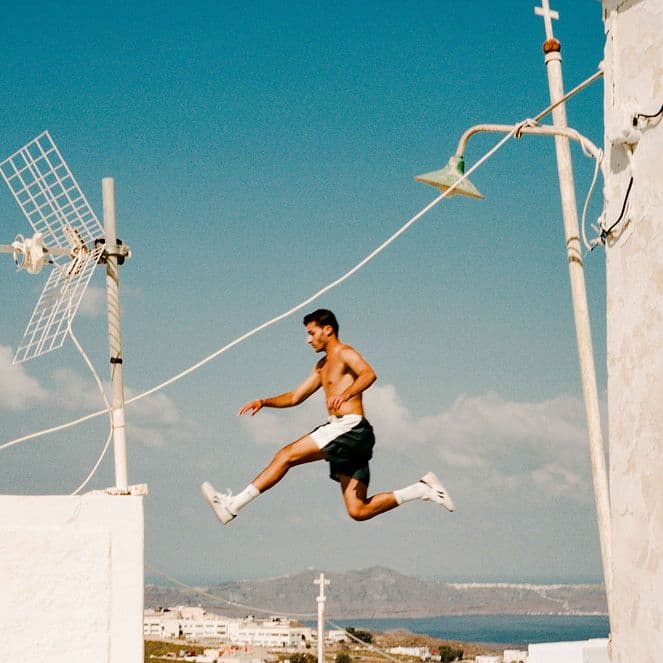
En 2023, estaba terminando mi primer libro autoeditado, KYANOS, una exploración de 10 islas griegas a lo largo de un periodo de cinco años. Quería mostrar lo que para mí era una representación más auténtica de ellas, el contraste entre las islas Jónicas y las Cícladas, y los cambios en el paisaje, la arquitectura y la geología, para desafiar la idea de que Grecia son solo casas blancas y azules y molinos de viento. El último destino que elegí fue Santorini, casi como un reto: fotografiar una cara diferente de la isla, no los familiares acantilados de Oia que se ven en innumerables portadas de revistas de viajes.
Santorini no se parece a ninguna otra isla griega. Es un volcán que se hunde, con arena negra, y parece a la vez un pueblo de juguete y una villa pesquera real. Tiene unos 15.000 residentes permanentes, pero los informes dicen que 743.000 personas llegan por aire cada año. Además de eso, hasta 17.000 personas pueden llegar diariamente en cruceros. Para una isla de solo 75 kilómetros cuadrados, es extraordinario que no esté sumida en un caos total durante la temporada alta.
Cuando viajo, mis días suelen girar en torno a la comida y a nadar; el espacio intermedio es donde busco las fotos. Tras años viajando por Grecia, he aprendido que la mejor comida suele estar en el interior o en los pueblos pesqueros tradicionales, y Santorini no fue una excepción. Al explorar sin un plan, encontramos escenas que no suelen saturar tu feed de Instagram. Entiendo el atractivo de Oia, pero ¿se trata de querer experimentarlo o simplemente de demostrar que has estado allí? Está masificado, los restaurantes son repetitivos y pagas un precio desorbitado por las vistas. Con semejante volumen de gente, resulta difícil, al menos para mí, hacer fotografías allí.
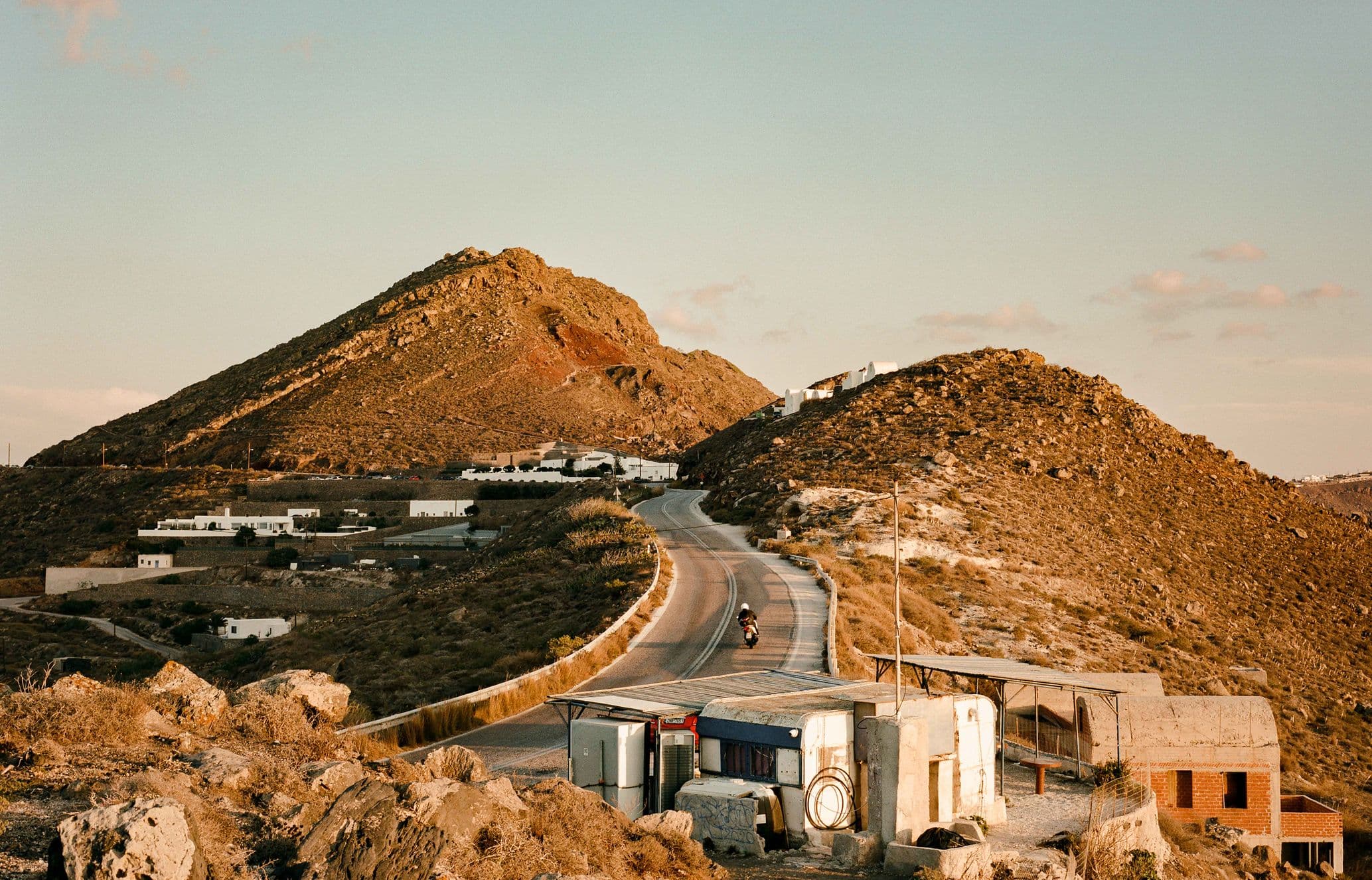
Foto: Joe Howard
Al explorar sin un plan, encontramos escenas que no suelen saturar tu feed de Instagram
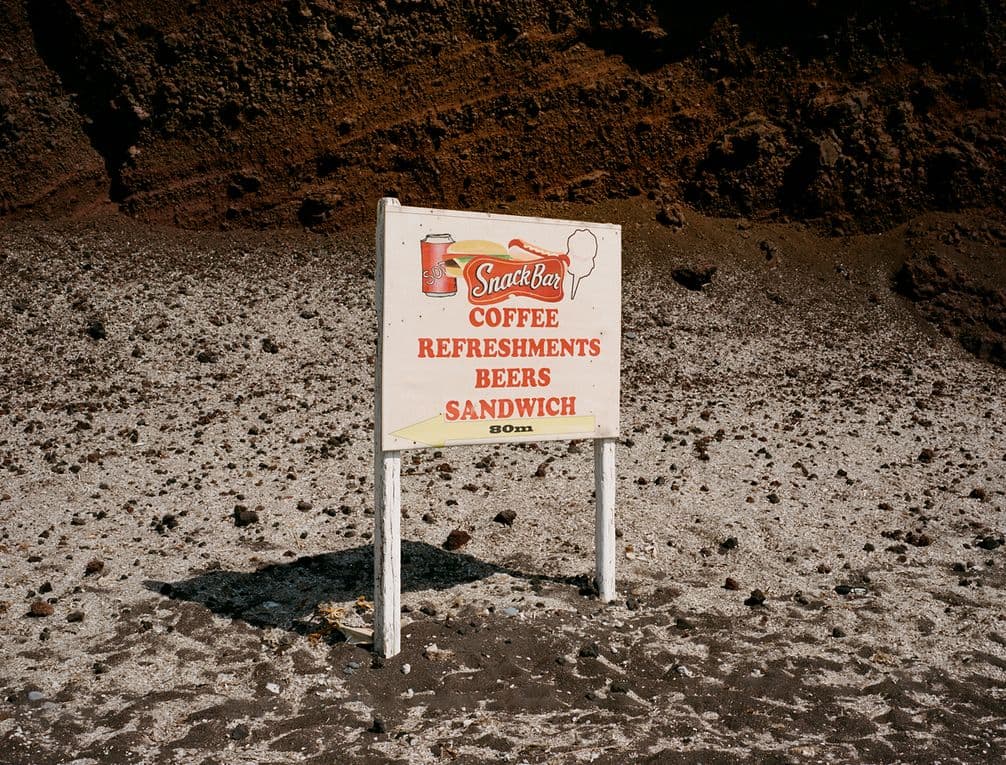
Foto: Joe Howard
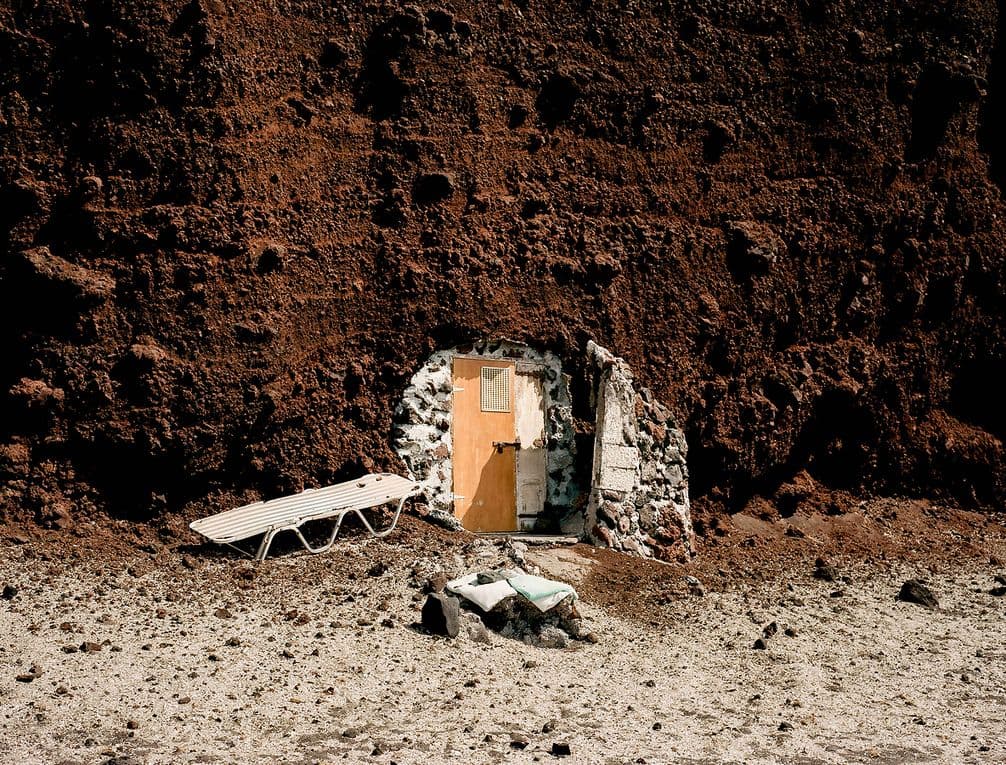
Foto: Joe Howard
Alguien me dijo una vez algo que se me quedó grabado: «Sientes que tienes que ver el Big Ben o el Tower Bridge, porque de lo contrario no has estado realmente en Londres, ya que eso es lo que la gente espera». ¿Viajamos para poder decir que hemos estado en un sitio o para experimentarlo de verdad? Las fotos que hice en Santorini acabaron siendo algunas de mis favoritas del libro, algo que no me esperaba. Alguien me dijo que no habría adivinado que eran de Santorini si no lo hubiera dicho, y me lo tomo como un éxito. Son de Santorini, solo que una versión que resulta desconocida.
Es importante salir de la zona de confort y esforzarse un poco más por conseguir tus imágenes. Llegar, hacer la foto obvia e irse parece una oportunidad perdida. Este viaje me enseñó que siempre hay más en un lugar que las imágenes que ves en internet, y que no deberías dejar que las redes sociales definan tus expectativas antes de llegar.
Descubre recuerdos más rápido con funciones exclusivas, como el reconocimiento facial y los álbumes inteligentes.



&w=96&q=75)
Staci Layne Wilson
Autora y cineasta
4 ago 2025∙6 min
&w=96&q=75)


 Estados Unidos